
2027 Is 40 Too Late to Earn an International Business Bachelor's Degree?

Co-Founder and Chief Data Scientist
Going back to college at 40 is not just an education decision. It is a career, time, money, and family-planning decision. If you are considering a bachelor's degree in International Business, the real question is whether the degree can help you move from where you are now into work that is more secure, global, strategic, or better aligned with your long-term goals.
For many adults in middle management, operations, sales, logistics, finance, or customer-facing roles, international business can be a practical next step. The field connects business fundamentals with global trade, cross-cultural communication, market entry strategy, supply chains, and multinational operations. Employment for International Business graduates is projected to grow 7% over the next decade, which reflects continued demand for professionals who understand how companies compete and collaborate across borders.
This guide explains whether 40 is too late to start, what challenges to expect, how flexible degree formats work, how long completion may take, what the degree can cost, and how employers may view your credential. It is written for adults who need a realistic answer—not a motivational slogan—before committing time and money to a bachelor's program.
Key Things to Know About Whether 40 Is Too Late to Earn an International Business Bachelor's Degree
- Career relevance at midlife is strong, as many employers value diverse experience alongside a bachelor's degree in International Business, enhancing leadership and global market understanding.
- Modern degree programs offer flexible online and part-time options, allowing students around 40 to balance work, family, and studies effectively.
- Long-term benefits include expanded professional networks and higher earning potential, with International Business graduates seeing a median salary increase of 15-20% over non-degree holders.
Can You Start an International Business Bachelor's Degree at 40?
Yes. You can start an International Business bachelor's degree at 40, and many colleges now design undergraduate pathways with adult learners in mind. Age is not a barrier to admission in most bachelor's programs. What matters more is whether you meet the academic requirements, can manage the workload, and choose a format that fits your life.
Adult students often bring advantages that younger students are still developing: workplace judgment, communication skills, discipline, industry knowledge, and a clearer reason for earning the degree. In an International Business program, that experience can be especially useful because coursework often involves real business problems, global case studies, negotiations, market analysis, and management decisions.
Before applying, look for programs that clearly support non-traditional students. Strong options may offer transfer-credit reviews, credit for prior college work, online or hybrid courses, evening schedules, academic advising, career services, and clear degree maps. If you are still comparing majors and want to understand how international business fits into broader career planning, you can review Research.com's guide to the best majors for the future.
The strongest reason to begin at 40 is not simply to earn a credential. It is to close a specific gap: qualifying for roles that require a bachelor's degree, moving into international operations, preparing for management in a global company, or building the academic foundation for graduate study later.
What Are the Biggest Challenges of Going Back to College at 40?
The biggest challenges are time, money, confidence, technology, and competing responsibilities. Nearly 70% of adult learners cite difficulty balancing their many responsibilities, and that pressure can feel stronger in a business degree because assignments often involve reading, writing, group projects, presentations, and applied analysis.
- Time management: A bachelor's program requires steady weekly effort, not occasional bursts of study. Adult learners should plan for reading, discussion posts, assignments, exams, group meetings, and administrative tasks. A realistic calendar is more useful than relying on motivation alone.
- Work and family obligations: Many students at 40 are managing full-time jobs, parenting, caregiving, household finances, or leadership responsibilities at work. The common mistake is treating school as something that fits into leftover time. It needs protected time, even if that time is limited.
- Financial pressure: Tuition, books, fees, transportation, technology, and lost personal time all matter. Adult students should compare total cost, not just advertised tuition, and ask about scholarships, grants, payment plans, employer tuition assistance, and transfer credits before enrolling.
- Academic adjustment: If you have been away from school for years, writing papers, citing sources, using a learning management system, and taking proctored exams may feel unfamiliar at first. This is normal. Tutoring centers, writing labs, library support, and orientation modules can shorten the adjustment period.
- Technology demands: Online and hybrid programs often use video platforms, digital textbooks, discussion boards, databases, plagiarism-checking tools, and group collaboration software. These tools are learnable, but you should expect a short learning curve.
- Self-doubt: Some adult learners worry about being older than classmates or not being “college-ready.” In practice, maturity can be a strength. The key is to ask for help early instead of waiting until a course becomes difficult.
When comparing flexible degrees, it can help to look beyond international business and examine how other online programs structure advising, pacing, and affordability. For example, Research.com's overview of an online library science degree can be useful as a general comparison point for adult-friendly online program design.
Can You Work Full-Time While Earning an International Business Degree at 40?
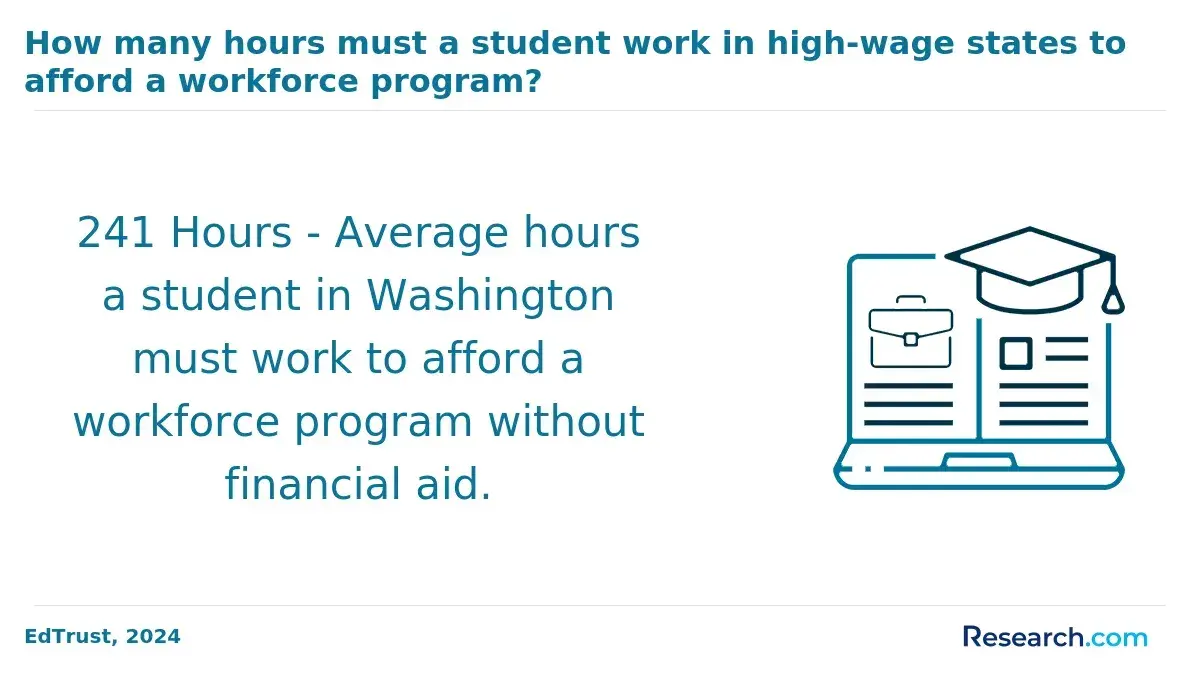
Yes, many adults work full-time while earning an International Business bachelor's degree at 40, but it requires a program format and course load that match your real schedule. The safest approach is to start with a manageable number of credits, then increase your course load only after you understand the weekly demands.
Full-time workers should be especially careful with group projects, courses that require live attendance, and classes with heavy writing or quantitative assignments. International business programs may include economics, accounting, finance, marketing, management, global strategy, business law, and international trade topics. Some courses may be easier to complete asynchronously, while others may benefit from scheduled interaction with instructors and classmates.
How to make full-time work and school more manageable
- Choose asynchronous courses when possible: These allow you to complete lectures and assignments around work hours, though deadlines still apply.
- Tell your employer only what is useful: If your degree supports your current role, ask about tuition reimbursement, schedule flexibility, or project alignment. You do not need to overexplain personal goals.
- Build a weekly study routine: Short, consistent study blocks usually work better than saving everything for weekends.
- Protect high-demand weeks: Midterms, finals, major projects, travel for work, and family events should be planned together instead of separately.
- Use your work experience: When appropriate, connect assignments to your industry, customers, supply chain, sales region, or management challenges. This makes coursework more relevant and efficient.
A professional over 40 currently enrolled in an international business bachelor's program described the experience as demanding but possible: "Some weeks are overwhelming, especially when project deadlines coincide with busy periods at work." He said that small daily goals helped him maintain momentum: "Breaking tasks down helps me stay focused without feeling burned out." His main advice was to remember the purpose behind the decision: "It's tough but absolutely doable-I just remind myself why I started and keep pushing forward."
What Are the Most Flexible Ways to Earn an International Business Bachelor's Degree at 40?
The most flexible options are online, hybrid, part-time, evening, weekend, and self-paced programs. The right choice depends on how much structure you need, how predictable your work schedule is, and whether you learn better independently or through live interaction.
- Online learning: Online International Business programs are often the best fit for adults who work full-time or have family responsibilities. Asynchronous courses are especially flexible because you can watch lectures, complete readings, and submit assignments outside standard class hours.
- Hybrid programs: Hybrid formats combine online coursework with selected campus meetings or live sessions. This can work well if you want flexibility but still value face-to-face discussion, networking, or access to campus services.
- Part-time enrollment: Taking fewer courses per term can reduce stress and improve retention. The trade-off is a longer timeline to graduation. For many adults, this is a worthwhile exchange because it lowers the risk of stopping out.
- Evening or weekend classes: These are useful for students who prefer scheduled instruction but cannot attend during the workday. Confirm whether sessions are required every week and whether attendance affects grades.
- Self-paced study: Self-paced courses can be helpful if your schedule changes often. However, they require strong discipline because fewer fixed deadlines can make it easier to fall behind.
- Transfer-friendly pathways: If you have prior college credits, military training, professional certifications, or documented work experience, ask whether the school evaluates them for credit. This can reduce both time and cost.
If you are comparing international business with a broader management-focused option, an online business administration degree may be worth reviewing because it can offer a wider foundation in management, finance, marketing, and operations.
To judge flexibility accurately, do not rely only on the word “online.” Ask whether courses are synchronous or asynchronous, how group work is handled, whether exams require proctoring, how often courses are offered, and whether part-time students receive the same advising and career support as full-time students. You can also compare formats across other professional online programs, such as Research.com's guide to online PsyD programs APA accredited, to understand how accreditation, scheduling, and student support can vary by field.
How Long Does It Take to Finish an International Business Bachelor's Degree at 40?
The timeline depends on how many credits you already have, how many courses you take each term, and whether you study continuously. A traditional bachelor's degree is often described as a four-year path, but adult learners at 40 frequently follow a more customized schedule.
- Starting with no prior credits: If you begin from the start and study full-time, the traditional path may be possible. If you attend part-time, completion usually takes longer.
- Using transfer credits: Prior college coursework can shorten the path if the credits are accepted and apply to the degree. Ask for an official transfer evaluation before assuming how much time you have left.
- Taking part-time courses: Part-time enrollment can make school sustainable, especially for working adults, but it extends the calendar time to graduation.
- Attending year-round: Summer or accelerated terms may help you finish sooner, but they can be intense. This option works best if your work and family schedule can support it.
- Changing course load over time: Some adults take one or two courses at first, then increase their load once they are comfortable. Others reduce their load during busy work seasons.
One adult learner who returned after turning 40 said her path took five years instead of four. She balanced evening classes with a full-time job and said, "sometimes, it felt overwhelming, especially when deadlines piled up." Still, she viewed the longer timeline as a practical choice rather than a failure: "Going back wasn't just about finishing a degree; it was about proving to myself that growth doesn't stop with age."
The best timeline is the one you can actually finish. A slightly slower plan that protects your health, work performance, and family responsibilities is often better than an aggressive plan that leads to burnout or withdrawal.
How Much Does It Cost to Get an International Business Bachelor's Degree at 40?
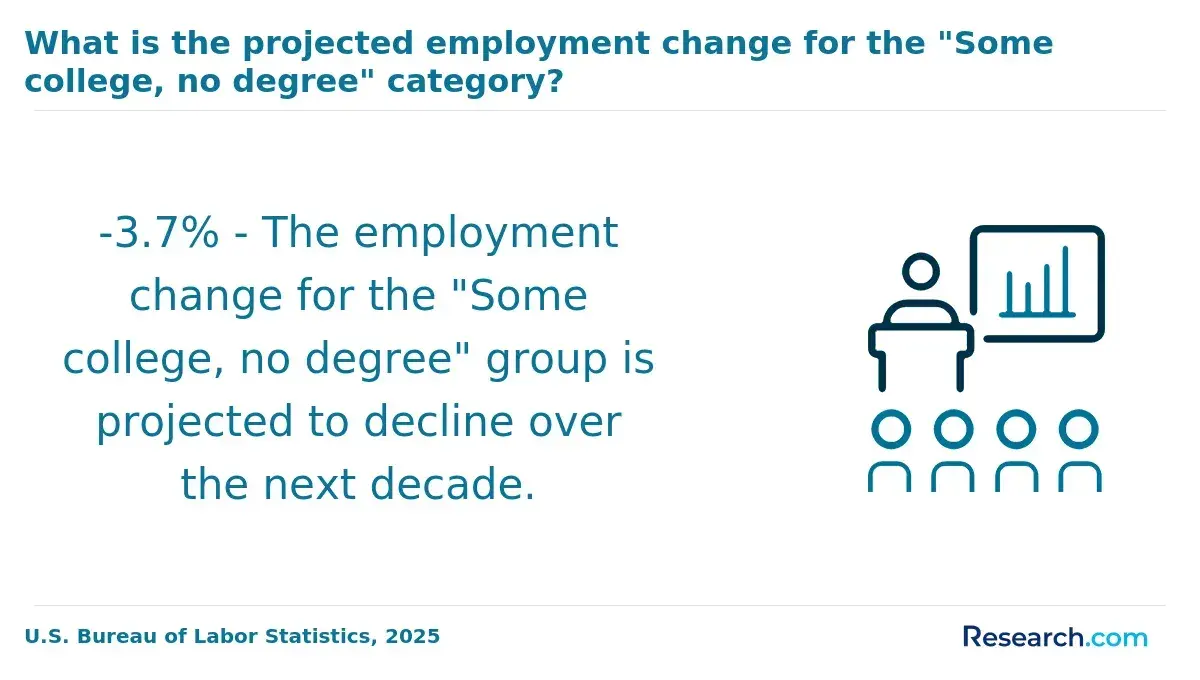
The average cost for earning an international business bachelor's degree in the U.S. is approximately $40,000 to $50,000, but your actual cost can be higher or lower depending on the school, residency status, transfer credits, enrollment pace, and available aid. At 40, the key is to evaluate the full financial picture, not just tuition.
- Tuition: Public, private, nonprofit, and for-profit institutions may charge very different rates. At public universities, in-state and out-of-state tuition can also differ significantly.
- Fees: Technology, registration, online learning, graduation, lab, and student service fees can add to the total cost. Ask for a full fee schedule before enrolling.
- Books and materials: International business courses may require textbooks, case studies, software, databases, or digital access codes. Used books and open educational resources may reduce costs when available.
- Transfer credits: Accepted credits can lower the number of courses you need to complete, which may reduce both tuition and time in school.
- Enrollment intensity: Full-time and part-time students may be billed differently. Some schools charge per credit, while others use flat-rate tuition within a credit range.
- Financial aid: Grants, scholarships, federal student aid, employer tuition reimbursement, military education benefits, and payment plans can change affordability. Aid availability varies, so confirm eligibility directly with the school and the relevant aid provider.
- Opportunity costs: Even if you keep working, school may reduce overtime, freelance work, travel flexibility, or personal time. These indirect costs matter for adult learners.
Before committing, request a written estimate showing tuition, fees, expected transfer credits, program length, and aid assumptions. If an employer offers tuition reimbursement, ask whether it applies only to job-related coursework, whether grades affect reimbursement, and whether you must remain employed for a set period after receiving funds.
What Are the Risks of Going Back to College at 40?
The main risks are taking on debt without a clear goal, underestimating the workload, choosing the wrong program format, and losing momentum before graduation. These risks are manageable, but they should be taken seriously before you enroll.
- Financial risk: A degree can be valuable, but borrowing without a career plan can create long-term pressure. Compare program cost with your target roles, employer requirements, and likely career mobility.
- Time pressure: School competes with work, family, health, and personal obligations. If your schedule is already overloaded, start with a lighter course load.
- Burnout: Long workdays followed by evening study can become exhausting. Adults should plan rest, not just productivity.
- Technology adjustment: Learning management systems, online exams, digital collaboration tools, and academic databases may take time to learn. Use orientation and tech support early.
- Program mismatch: Some programs are too rigid for working adults. Others may be flexible but weak in advising, career support, or course availability. Ask detailed questions before applying.
- Motivation dips: Motivation often fades during difficult terms. A clear reason for earning the degree, a realistic schedule, and support from family or peers can help you continue.
- Incomplete credential risk: The costliest outcome is paying for credits that do not lead to a completed degree. Confirm transfer policies, course sequencing, and graduation requirements at the start.
Risk reduction starts before enrollment. Choose an accredited institution, understand the total cost, verify how credits transfer, and ask how adult learners are supported. Tutoring, advising, counseling, career services, and library support can make a major difference, but only if you use them early.
Can You Start a New Career at 40 With an International Business Bachelor's Degree?
Yes, an International Business bachelor's degree can support a career change at 40, especially if you combine the degree with prior work experience. The degree alone may not guarantee a new role, but it can help you qualify for positions that require a bachelor's credential and demonstrate current knowledge of global business practices.
Common career directions may include international sales, global operations, logistics, supply chain support, import-export coordination, market research, business development, compliance support, project coordination, and management roles in organizations with international customers, vendors, or offices. Your previous background matters. For example, someone with experience in operations may move toward global supply chain work, while someone with sales experience may pursue international account management.
The best career-change strategy is to connect your past experience to your new target. Employers are more likely to respond when your story is specific: “I have 15 years in regional operations and earned an International Business degree to move into global logistics,” is stronger than “I want to do something international.”
Short courses can also help adults test a new direction before committing to a full program. Research.com's resource on 6 week college courses online may be useful if you want to explore flexible learning options while considering a larger career transition.
Do Employers Value International Business Bachelor's Degrees Earned at 40?
Many employers value an International Business bachelor's degree earned at 40 when it is paired with relevant experience, current skills, and a clear career direction. Research indicates that nearly 70% of employers regard candidates with non-traditional educational paths as equally or more capable than recent graduates.
Employers usually focus less on the age at which you earned the degree and more on what the degree helps you do. They may see value in the combination of adult work experience and formal training in global markets, international strategy, trade environments, cross-cultural communication, and business decision-making.
- Current knowledge: A recent degree can show that your business knowledge is up to date, especially if you have been in the workforce for many years.
- Practical experience: Adult learners can often connect classroom concepts to real workplace problems, which can strengthen interviews and project examples.
- Persistence: Completing a degree while managing adult responsibilities can signal discipline, organization, and follow-through.
- Career clarity: Employers respond well when candidates can explain why they chose international business and how it supports the role they want.
- Network value: Mature students may bring existing professional contacts while also building new academic and alumni connections.
To make the degree more valuable in the job market, build evidence while you study. Save strong projects, pursue internships or applied capstones if available, join professional associations, update your LinkedIn profile, and translate coursework into business outcomes. If you need a lower-cost or step-by-step entry point before a bachelor's program, Research.com's guide to an associates degree online can help you compare earlier academic pathways.
What Steps Should I Take Before Applying to an International Business Bachelor's Program?
Before applying, confirm that the program fits your goals, schedule, budget, and academic background. Nearly 40% of adult learners feel they require extra preparation before enrolling in college, so taking time to prepare is not a weakness—it is a practical way to improve your chances of finishing.
- Define your goal: Identify the role, industry, promotion, or career change you want the degree to support. A clear goal helps you choose the right curriculum and format.
- Review admission requirements: Check whether the school requires transcripts, a minimum GPA, placement testing, essays, recommendations, or proof of English language proficiency.
- Request a transfer-credit evaluation: If you have prior college credits, do this before enrolling. Ask which credits apply to general education, major requirements, or electives.
- Compare program formats: Look at online, hybrid, evening, weekend, full-time, and part-time options. Confirm whether classes are synchronous or asynchronous.
- Check accreditation: Accreditation affects credit transfer, financial aid eligibility, employer recognition, and graduate school options. Verify institutional accreditation through official sources.
- Estimate total cost: Include tuition, fees, books, technology, transportation, and time away from paid work. Ask about scholarships, grants, employer reimbursement, and payment plans.
- Map your weekly schedule: Decide when you will study, attend class, complete assignments, and handle family or work conflicts. If the schedule does not work on paper, it is unlikely to work in practice.
- Ask about adult learner support: Look for advising, tutoring, writing help, career services, tech support, library access, and mental health resources.
- Prepare application materials early: Order transcripts, draft essays, request recommendations, and gather documentation before deadlines approach.
A strong application plan should answer three questions: Can I get admitted? Can I afford to continue? Can I realistically complete the program with my current responsibilities? If the answer to any of these is uncertain, speak with an admissions counselor, financial aid office, or academic advisor before making a commitment.
What Graduates Say About Earning an International Business Bachelor's Degree at 40
- : "Going back to college at 42 was a leap of faith driven by my desire to pivot my career towards global markets. Choosing an international business bachelor's degree made perfect sense because it provided a comprehensive understanding of cross-cultural management and trade regulations. This degree has not only boosted my confidence but also opened doors to executive roles I once thought unreachable. — Kian"
- : "I never believed it was too late to pursue higher education, and earning my international business degree at 45 proved just that. I was motivated by the rapidly evolving global economy and wanted to equip myself with the skills to navigate it effectively. The degree gave me fresh perspectives and practical tools that have transformed my approach to leadership and expanded my professional network significantly. — Leonard"
- : "After years in a stagnant career, I chose international business at 41 to challenge myself academically and professionally. The curriculum's focus on global strategy resonated deeply with my passion for cultural diversity and emerging markets. Completing the degree brought a tangible impact: I secured a mid-level management role in a multinational firm, validating that education at any age can redefine your trajectory. — David"
Other Things You Should Know About International Business Degrees
Students in an international business bachelor's program develop key skills such as global market analysis, cross-cultural communication, international marketing strategies, and foreign trade regulations. These skills enable graduates to navigate complex international business environments and work effectively with diverse global partners. The program also emphasizes problem-solving and critical thinking tailored to multinational contexts.
Obtaining an international business degree at 40 or older can open doors to advanced roles in multinational corporations, consulting, or international trade organizations. Mature students often bring valuable real-world experience that complements their academic knowledge, making them attractive candidates for leadership or specialized positions. The degree signals a commitment to professional growth and an understanding of global business dynamics.
It is beneficial to focus on areas such as global supply chain management, international finance, or cross-cultural management, as these are highly relevant in today's interconnected economy. Specializing in emerging markets or international trade law can also provide a competitive advantage. Tailoring your studies to align with industry trends and personal career goals maximizes the value of your degree.
Age can influence networking opportunities in international business programs. Older students often bring diverse experiences, enriching peer interactions. While some may find integration with younger cohorts challenging, their broader networks and shared experiences can foster valuable connections with faculty and industry professionals.
References
- It's Never Too Late: Why It's Ok to Go Back and Get Your Degree in Your 40s https://www.pointloma.edu/resources/accelerated-undergraduate/its-never-too-late-why-its-ok-go-back-get-your-degree-your-40s
- 10 Best Degrees for 40 Year Olds | What to study for a new career in your forties https://www.collegeconsensus.com/degrees/forty-year-olds/
- Thinking about going back to school at 40 or beyond? Read this exclusive guide to learn how to prepare. Well also share some of the tips and tricks. https://www.ebu.ac/blog/46-Is-40-years-or-Beyond-Too-Old-To-Get-A-Professional-Degree--blog.php
- International Business Degree in Kansas | Washburn University https://www.washburn.edu/academics/college-schools/business/bba-international-business.html
- Going Back to School at 40? Here’s How to Succeed | Outlier https://articles.outlier.org/going-back-to-school-at-40
- Bachelor's and Master's degree programme https://international-business.htw-berlin.de/
- Common Obstacles for Mature-Age Students Returning to Study - Sero Institute https://seroinstitute.com.au/common-obstacles-for-mature-age-students-returning-to-study/
- 2023 Best Value International Business Bachelor's Degree Schools in Kansas - Course Advisor https://courseadvisor.com/majors/business-management-and-marketing/international-business/rankings/best-value/bachelors-degrees/the-plains-states/kansas/
- Cheapest International Business Colleges in Virginia | CampusGuide https://campusguide.com/cheapest/international-business/virginia/
- International Business Degree Online https://www.snhu.edu/online-degrees/bachelors/bs-in-business-administration/international





