
2027 Is 40 Too Late to Earn an English Bachelor's Degree?

Co-Founder and Chief Data Scientist
Facing a career plateau in one's late thirties or early forties often sparks the question: is it too late to pursue a new academic path? For many balancing family responsibilities and established routines, the idea of earning a bachelor's degree in English can seem daunting yet deeply motivating.
With remote and flexible learning options increasingly available, adults can effectively juggle coursework with life's demands. According to recent data, nearly 30% of students enrolled in English degree programs are aged 30 or older, reflecting a rising trend of mature learners. This article explores whether 40 is too late to earn an English bachelor's degree and examines key factors shaping that decision.
Key Things to Know About Whether 40 Is Too Late to Earn an English Bachelor's Degree
- Midlife career shifts benefit from an English bachelor's degree by enhancing critical thinking and communication skills relevant to diverse fields like education, marketing, and publishing.
- Modern degree programs offer flexible online and part-time options, enabling learners around 40 to balance studies with family and work commitments.
- Completing an English degree later in life contributes to long-term professional growth, with 60% of adult graduates reporting improved job satisfaction and advancement opportunities.
Can You Start an English Bachelor's Degree at 40?
Starting an English bachelor's degree at 40 is entirely feasible as higher education increasingly embraces students from varied age groups. Enrollment policies at most institutions focus on academic readiness rather than age, making it possible for adult learners to begin undergraduate studies without restriction.
Returning to college for an English degree later in life is supported by evolving pathways that recognize the diverse experiences and commitments of mature students. Age does not prevent admission into these programs, reflecting a growing acceptance that education is a lifelong pursuit.
Colleges and universities strive to create inclusive environments tailored to the needs of non-traditional students by offering structured academic programs and strong support systems. These institutions emphasize accessibility and community engagement, ensuring adult learners can navigate degree requirements and coursework effectively.
Such pathways are designed to accommodate varied educational backgrounds while fostering success and retention. For those interested in advanced education opportunities beyond a bachelor's degree, there are also cheap doctoral programs that support continuing academic growth.
What Are the Biggest Challenges of Going Back to College at 40?
Returning to college around age 40 to earn an English bachelor's degree is increasingly common, with many adult learners seeking personal growth and career advancement. However, this journey comes with unique challenges that require careful management.
Data shows that balancing study with existing commitments is a major hurdle for mature students. Recognizing these obstacles early can improve the experience and outcome.
- Time Management: Managing limited time alongside family and work obligations demands strong organization. Adult learners must allocate study hours efficiently, often fitting coursework and exam preparation into busy schedules.
- Balancing Commitments: Many students at this stage juggle caregiving responsibilities for children or aging parents while maintaining careers. This balancing act creates stress and can impact focus and academic performance.
- Financial Concerns: The financial pressures of tuition, books, and living expenses are significant. Effective budgeting and exploring aid options help, especially as older students often have more financial obligations. Researching a cheap online engineering degree can offer insight into affordable program options in related fields.
- Adapting to Technology: Modern learning environments rely heavily on digital platforms, online research, and multimedia lectures. Becoming proficient with these tools is essential but may require time and patience for those returning after many years.
- Overcoming Self-Doubt: Impostor syndrome and feelings of being out of place are common. Embracing life experience as an asset and building confidence helps mature students stay motivated and succeed.
Can You Work Full-Time While Earning an English Degree at 40?
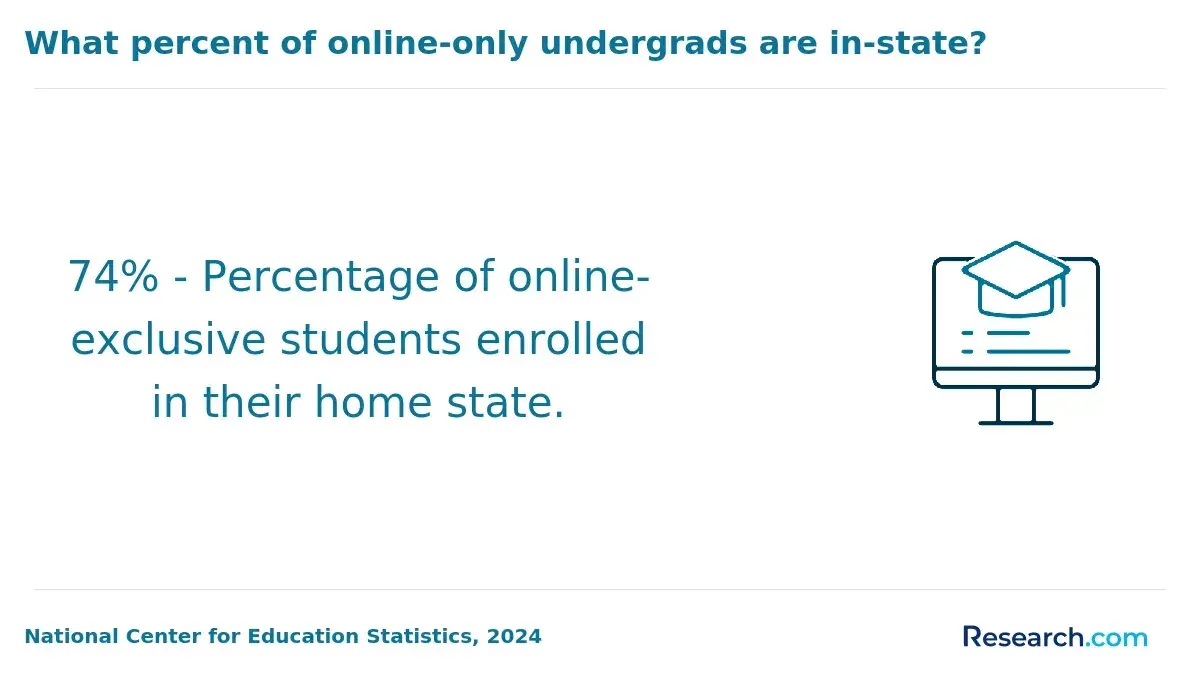
Balancing full-time employment while pursuing an English degree at 40 is entirely possible with effective planning and dedication. This endeavor highlights that age is not a barrier but a strength, as mature learners often bring valuable focus and motivation to their studies.
Successfully managing work and academics requires clear priorities and establishing disciplined routines to stay on track. This commitment not only advances educational goals but also demonstrates adaptability in both personal and professional spheres.
When asked about his experience, a professional over 40 currently enrolled in an English bachelor's program shared that juggling work and coursework can be "overwhelming at times," especially during project deadlines and exam periods. He noted, "It means sacrificing leisure and sometimes sleep, but the sense of accomplishment keeps me going."
He also emphasized the importance of "communicating openly with my employer about my schedule" to gain needed flexibility. Despite the challenges, he finds that "the maturity and life experience I bring help me stay focused and manage stress better than I did in my younger years." This perspective offers insight into the real-world experience of adult learners balancing full-time careers with academic pursuits.
Flexibility is essential for adult learners around age 40 who want to pursue an English bachelor's degree while managing work and family responsibilities. Juggling multiple commitments means traditional college schedules often don't fit well, so alternatives that adapt to busy lives are key.
Online Learning: Many universities provide flexible online English degree programs for adults, enabling access to course materials anytime and anywhere. This setup lets students tailor study hours to fit mornings, evenings, or weekends, supporting both full- and part-time engagement.
Part-Time Enrollment: Taking fewer classes per semester allows mature students to progress steadily without becoming overwhelmed. This option effectively balances academic goals with professional and personal demands.
Evening and Weekend Classes: For those who favor face-to-face interaction but cannot attend daytime sessions, these courses occur outside regular work hours. They encourage meaningful connections with instructors and peers while maintaining a manageable routine.
Self-Paced Study: Programs that enable students to advance at their own speed provide flexibility to accommodate life's unpredictability. Learners can accelerate or slow down coursework in a way that fits changing circumstances.
Exploring options like these ensures adult learners can achieve their goals without compromising other roles. For those interested in related fields, consider reviewing information on a criminal justice degree online for similarly flexible opportunities.
Completing an English bachelor's degree at 40 can differ widely based on personal circumstances, but it remains a reachable goal. The timeline usually extends beyond the traditional four years due to various influencing factors that adult learners often face.
- Course Load: Balancing full-time or part-time study affects how quickly a degree can be finished. Many adult learners choose part-time options to accommodate work and family, which naturally lengthens the duration.
- Prior Learning: Transferable credits or relevant professional experience can reduce the number of courses needed, helping to shorten the path to graduation compared to starting fresh.
- Life Responsibilities: Obligations like childcare, employment, or other commitments often mean fewer classes per semester, extending the overall timeframe but still allowing steady progress.
- Study Pace: Adult learners often develop personalized study rhythms that reflect changing priorities, which can influence how long the degree program takes to complete.
An adult learner who earned her English bachelor's degree after returning to college at 40 reflected that the process was "challenging but rewarding." She shared how managing a full work schedule alongside coursework demanded "careful time management and a lot of persistence."
She noted that receiving credit for prior writing workshops and professional experience helped lighten her course load. Although it took closer to six years, she emphasized that staying focused on long-term goals made the experience fulfilling. "It wasn't easy, but the sense of accomplishment was worth every challenge," she said, illustrating that completing a degree at this stage is entirely possible with dedication and planning.
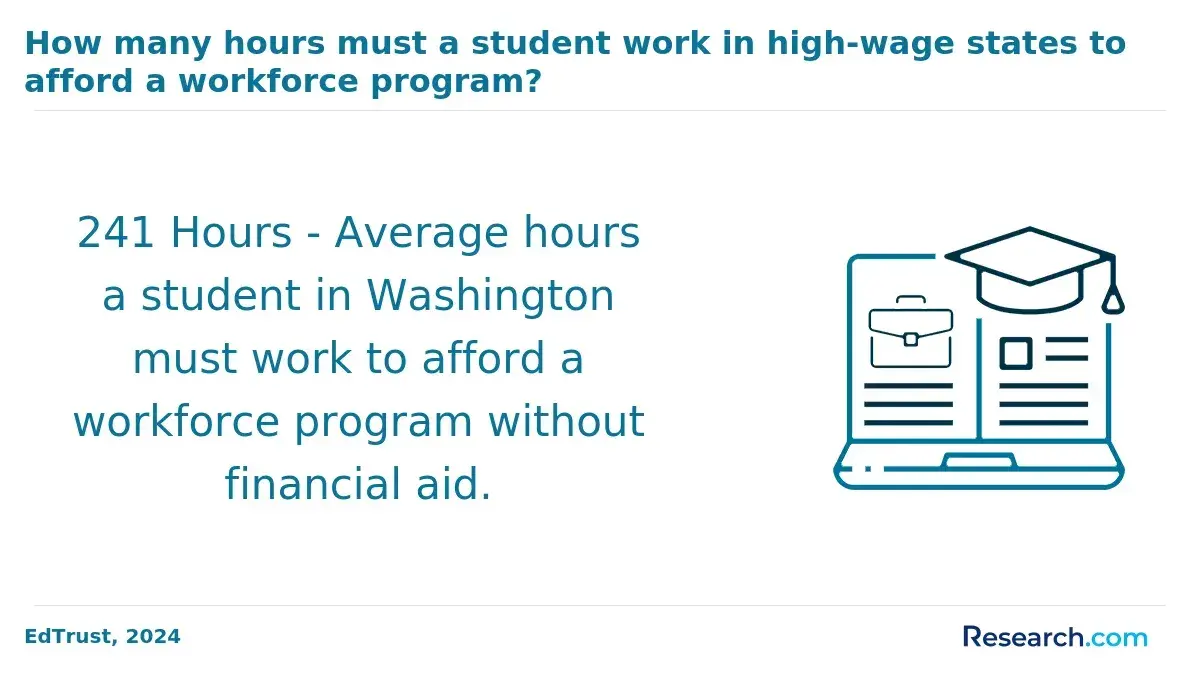
The average cost of obtaining a bachelor's degree in English can vary widely, but estimates often range from $20,000 to $40,000 for tuition alone, depending on the type of institution. Adult learners at 40 face several financial factors that shape the total expense of completing their degree.
- Tuition Variation: Costs differ greatly between public, private, and online schools. Many institutions offer tailored rates or discounts for adult and part-time students, affecting the overall tuition burden.
- Learning Materials: Expenses for textbooks, digital resources, and academic materials add up throughout the program. Some schools provide free or low-cost options, but budgeting for these essentials remains necessary.
- Enrollment Intensity: Full-time study can mean higher upfront costs but may shorten the time to degree completion. Part-time enrollment spreads expenses over a longer period, which might ease immediate financial pressure but potentially increase cumulative fees.
- Additional Fees: Registration charges, technology fees, and access to student services contribute to overall costs. These fees vary by campus but are important to factor in when estimating expenses.
These considerations underscore the reality that earning an English bachelor's degree at age 40 involves varied costs tied to individual choices and institutional policies. Despite cost-related concerns, age does not prevent the pursuit of higher education and can align with practical financial planning.
Returning to college at 40 to pursue a bachelor's degree in English often involves navigating specific challenges. These risks do not make the goal impossible but require realistic awareness and thoughtful preparation.
Understanding key considerations can help adult learners approach their studies with confidence and success.
Key challenges include:
- Workload Demands: Academic tasks such as extensive reading, critical writing, and research are often more intense than previous education or other life phases. This increased workload can be time-consuming and mentally taxing, especially when combined with other personal or professional responsibilities.
- Adapting to Academic Environments: Returning students must often adjust to modern college settings heavily reliant on technology, including online learning platforms and digital resources. Gaining proficiency with these tools can be stressful but is essential for full participation.
- Balancing Responsibilities: Managing family, work, and social commitments alongside coursework can lead to burnout if effective support systems or time management strategies are not in place. The demands of study may also reduce leisure time, impacting overall well-being.
- Cognitive Stamina and Memory Changes: Changes related to age can affect the pace of learning and information retention. Adapted study habits and focused strategies might be necessary to maintain efficiency.
Being aware of these realistic risks can empower prospective students to consider if it is too late to earn an English bachelor's degree. With preparation, many learners successfully balance these challenges and achieve their academic goals.
Starting a new career at 40 with a bachelor's degree in English is a viable option that can open many doors. This degree equips individuals with essential critical thinking, communication, and analytical skills highly valued across various industries such as education, publishing, marketing, and content creation.
Those considering a career change after 40 with an English bachelor's degree can leverage these skills to access roles that require both creativity and strong verbal abilities. Programs like a 6 month master's degree online also provide pathways for continued education to build on this foundation and advance professionally.
Workforce trends reveal increasing support for adult learners, reflecting how common it is for professionals to pursue new opportunities later in life. Educational institutions have adapted, recognizing the value mature students bring by combining life experience with fresh academic insights.
Starting a new career at 40 in English studies aligns with a broader movement toward lifelong learning and evolving career paths that emphasize adaptability. This evolving landscape encourages adults to embrace education as a continuous process, fueling ongoing personal and professional development.
Employers generally value English bachelor's degrees earned at age 40, especially when combined with relevant life and professional experience. According to a 2022 survey by the Strada Education Network, 71% of employers believe that candidates with non-traditional education paths demonstrate valuable skills such as adaptability and problem-solving.
This recognition reflects the career benefits of earning an English degree later in life.
When considering such degrees, employers often weigh several key perspectives:
- Skill Relevance: Employers prioritize how well a graduate's skills align with job requirements rather than focusing on age or when the degree was completed. This practical focus favors those who can apply their knowledge effectively in the workplace.
- Professional Experience Integration: Adult learners often bring extensive life and work experiences that enhance their academic background. This combination can be particularly attractive for roles demanding communication, critical thinking, and cultural awareness.
- Continuous Learning: Earning an English degree at 40 demonstrates commitment to personal growth and education, qualities valued in dynamic work environments that require ongoing skill development.
- Adaptability: Returning to school later in life usually signals resilience and the ability to manage diverse responsibilities, traits highly regarded by employers.
- Job Readiness: Graduates blending academic insight with real-world experience often show enhanced leadership and collaboration skills, boosting their appeal beyond conventional credentials.
For adult learners exploring degree options, understanding what employers value is essential. This perspective is relevant across disciplines, including environmental fields, where it helps to know what can you get with an environmental science degree.
Thorough preparation before applying to an English bachelor's program can significantly enhance your chances of success. Early planning helps you evaluate your preparedness and choose a program suited to your goals.
Research shows nearly 60% of adult learners feel unprepared when returning to college, highlighting the importance of taking deliberate steps in advance.
Keep the following points in mind as you prepare to apply:
- Academic Review: Assess your previous coursework and educational background to identify any prerequisite classes or skills you may need to refresh before enrolling.
- Program Requirements: Explore curriculum details and the emphasis areas of different English programs, such as literature, writing, or linguistics, to find one that aligns with your interests.
- Learning Formats: Consider whether on-campus, online, or hybrid options best fit your lifestyle, work schedule, and preferred learning environment for optimal engagement.
- Documentation Preparation: Gather essential application materials early, including transcripts, recommendation letters, and any standardized test results, to help streamline your submission and reduce stress.
What Graduates Say About Earning an English Bachelor's Degree at 40
- Vicente: "Returning to college after turning 40 was a decision motivated by my desire to reinvent my career and pursue a lifelong passion for literature. Choosing an English bachelor's degree allowed me to deepen my understanding of language and communication, skills that proved invaluable in my new role as a content strategist. Earning this degree later in life brought a renewed sense of confidence and opened professional doors I hadn't imagined possible."
- Zane: "I often wondered if it was too late to go back to school, but enrolling in an English bachelor's program at 42 changed my perspective entirely. I selected English because it offered a versatile skill set that complemented my background in education, enriching both my teaching and writing abilities. Graduating felt like a personal victory, affirming that learning and growth have no age limit and significantly enhancing my career opportunities."
- Gael: "Choosing to pursue an English degree in my mid-forties was a strategic move to pivot into a more fulfilling profession. The critical thinking, analytical skills, and cultural insights I gained have been crucial in my transition to communications consulting. This experience has been both intellectually rewarding and professionally transformative, proving that commitment and passion can lead to great achievements regardless of age."
Other Things You Should Know About English Degrees
An English bachelor's degree can open doors to various career paths such as writing, editing, teaching, communications, public relations, and content development. Many adults over 40 leverage their degree to transition into roles that value strong analytical and communication skills, including freelancing and technical writing. The degree's flexibility allows for opportunities in both traditional and emerging industries.
Mature students often find that an English degree enhances critical thinking, effective communication, and advanced writing skills. These skills prove valuable in professional settings, including leadership and project management roles. The ability to analyze complex texts and construct persuasive arguments is especially beneficial for those with prior work experience.
Many English programs offer a blend of reading, essay writing, research projects, and presentations, which can be manageable for students over 40 who have developed strong time-management skills. Mature learners often approach assignments with greater discipline and a more focused perspective, which can aid in balancing coursework with other responsibilities.
Yes. Many English bachelor’s programs accept transfer credits from regionally accredited colleges, often up to 90 of the 120 required semester credits. Schools usually require official transcripts and a minimum grade of C or C- for transferable courses.
- How to go back to school at 40 https://www.bbc.com/worklife/article/20150403-back-to-school-at-40
- Over 25? How to Apply to College as an Adult Learner https://www.collegetransitions.com/blog/how-to-apply-to-college-as-an-adult-learner/
- Thinking about going back to school at 40 or beyond? Read this exclusive guide to learn how to prepare. Well also share some of the tips and tricks. https://www.ebu.ac/blog/46-Is-40-years-or-Beyond-Too-Old-To-Get-A-Professional-Degree--blog.php
- To do another degree mid 40s for career change? | Mumsnet https://www.mumsnet.com/talk/am_i_being_unreasonable/4230511-To-do-another-degree-mid-40s-for-career-change
- English courses for adults 30+ | Kaplan International https://www.kaplaninternational.com/language-courses/english/adults-over-30s
- Mature studying alongside full time employment https://www.thestudentroom.co.uk/showthread.php
- Completing Your College Application as an Adult Learner in 10 Steps | National University https://www.nu.edu/blog/completing-your-college-application/
- Returning to College at 40+: What to Expect https://www.buzzfeed.com/jenniferadams2/people-over-40-sharing-what-its-like-to-go-back-to-college
- College Admissions for Adult Learners https://www.mefa.org/article/college-admissions-for-adult-learners/
- Going Back to School at 40 in [2026]: Here’s What to Expect https://www.neit.edu/blog/going-back-to-school-at-40


