2026 Hybrid vs Fully Online Environmental Management Bachelor's Degree Programs

Co-Founder and Chief Data Scientist
As an adult working full-time in urban sustainability, a prospective student contemplates whether to log in for environmental management classes late at night or to drive weekly to a nearby campus for hybrid sessions. Balancing a demanding job, family commitments, and travel expenses, the choice hinges on flexibility versus direct, hands-on learning.
Fully online programs offer access from anywhere but can limit face-to-face networking and labs. In contrast, hybrid formats blend remote lectures with in-person experiences, impacting skill development and professional connections. Employment in environmental management grows 8% faster for graduates with practical exposure. This article explores how to weigh these factors to choose the best program format.
Key Benefits of Hybrid vs Fully Online Environmental Management Bachelor's Degree Programs
- Hybrid programs offer greater flexibility by combining online coursework with scheduled in-person sessions, supporting diverse learning styles and time management more effectively than fully online formats.
- In-person interaction in hybrid formats fosters stronger peer connections and direct faculty engagement, which can enhance comprehension and networking opportunities compared to solely virtual environments.
- Fully online programs provide maximum convenience for students balancing work and family, enabling access to coursework anytime and reducing commute-related stress typical of hybrid models.
What is a hybrid vs. a fully online environmental management bachelor's degree?
Hybrid and fully online environmental management bachelor's degree programs vary notably in how courses are delivered, the amount of in-person interaction required, and overall learning structure.
According to the National Center for Education Statistics, over 40% of U.S. college students have taken at least one online course, signaling growing acceptance of flexible learning formats nationwide. These distinctions are important for students evaluating which approach matches their schedules and preferences.
Hybrid Programs
- Combine in-person classes with online coursework, allowing students to participate in hands-on labs and fieldwork onsite while completing lectures virtually.
- Require attendance at certain scheduled campus sessions, promoting structured time commitments alongside digital flexibility.
- Encourage more direct interaction with instructors and peers through live discussions and group activities.
- Offer a balanced experience suited for those desiring occasional face-to-face engagement while maintaining some remote learning components.
Fully Online Programs
- Deliver all instruction and assignments through digital platforms with no on-campus attendance required, ideal for remote learners.
- Provide asynchronous participation options, enabling students to access materials and complete coursework at times convenient to them.
- Rely mainly on virtual interactions such as discussion boards and video meetings, which can vary in frequency.
- Appeal especially to students needing maximum scheduling freedom or living far from educational institutions.
- Often incorporate a range of resources accessible from anywhere, supporting diverse learning styles without geographical limitations.
When comparing hybrid environmental management bachelor's degree programs and fully online environmental management bachelor's degrees, prospective students may also explore accelerated options like a 1 year online masters to continue their education efficiently.
How does a hybrid vs. a fully online environmental management bachelor's degree program work?
Both hybrid and fully online environmental management bachelor's degree programs follow structured academic pathways designed to guide students through a sequence of courses and assessments. However, they differ notably in how coursework is delivered and how students interact with instructors and peers.
According to the National Center for Education Statistics, over 45% of college students have taken at least one online course recently, highlighting the growing preference for digital learning formats. This overview contrasts the typical structure of hybrid programs with fully online options.
Hybrid Programs
- Coursework is split between scheduled on-campus sessions and online components accessed via learning management systems.
- Students usually attend regular in-person classes once or twice a week for lectures, discussions, and laboratory work.
- Online tasks include watching recorded lectures, completing quizzes, and participating in discussion boards.
- Class participation combines live interaction with asynchronous activities to maintain engagement with instructors and peers.
- Communication occurs through face-to-face meetings, emails, video conferencing, and course forums.
Fully Online Programs
- All course content is delivered through a digital platform accessible 24/7 without requiring on-campus attendance.
- Classes are often asynchronous, allowing students to complete assignments on their own schedule within set deadlines, reflecting the fully online environmental management degree flexibility and workload.
- Some courses feature scheduled live sessions via web conferencing to enable real-time discussions and Q&A.
- Interaction with instructors and peers is managed through emails, discussion boards, and video calls.
- Digital collaboration tools foster a virtual classroom community and support student communication.
The hybrid environmental management bachelor's degree program structure offers a blend of face-to-face and online learning, whereas fully online options prioritize flexible digital access. For students considering graduate progression in this field, exploring related programs such as a library science masters can also be beneficial.

Are admission requirements different for hybrid and fully online environmental management bachelor's degrees?
Admission requirements for hybrid and fully online environmental management bachelor's programs usually align closely, with both formats maintaining comparable academic standards. However, subtle differences emerge due to the course delivery and institutional expectations. Below are key distinctions applicants might encounter when applying to each program type.
- Technical Requirements: Fully online programs typically expect students to have continuous access to high-speed internet and a modern computer capable of running necessary software, along with some familiarity with virtual learning tools. Hybrid programs may have less rigorous technical demands since students spend some time attending classes on campus.
- Application Documentation: Hybrid program applicants might need to submit proof of local residency or demonstrate their ability to commute to campus, such as providing a valid address or a transportation plan. Fully online applicants generally do not face these requirements, relying mainly on academic records and standardized credentials.
- Orientation and Campus Visits: Hybrid degrees often require attending an orientation session on campus or brief visits to familiarize students with the physical learning environment. On the other hand, fully online programs usually offer virtual orientations, allowing students to participate without setting foot on campus.
- Prerequisite Coursework: Some hybrid programs may insist on completion of hands-on lab courses in sciences, reflecting the availability of in-person labs. Conversely, fully online programs might substitute these with virtual labs or accept alternative credits, making prerequisites somewhat more flexible.
- Standardized Testing and GPA: Although many institutions adopt test-optional policies, hybrid programs sometimes emphasize standardized test scores or GPA more heavily, linked to their traditional campus-based resources. Fully online programs tend to be more lenient to encourage broader enrollment.
When asked about her experience, a student enrolled in a fully online environmental management bachelor's program shared that navigating technical requirements was initially daunting, especially ensuring her computer and internet setup met all criteria. She appreciated that all orientations were virtual, which eliminated travel stress.
Although she found the application straightforward, she noted that the program's flexibility regarding lab credits helped ease her path. Reflecting on the process, she described feeling reassured by the clear guidance provided and valued the accessibility online learning offered without compromising academic quality.
Is the learning experience better in hybrid vs online environmental management bachelor's degrees?
Hybrid Environmental Management bachelor's programs blend in-person classes with online coursework, creating a more interactive and comprehensive learning environment. Students benefit from direct engagement with professors and classmates during face-to-face sessions, which encourages dynamic discussions and quicker feedback.
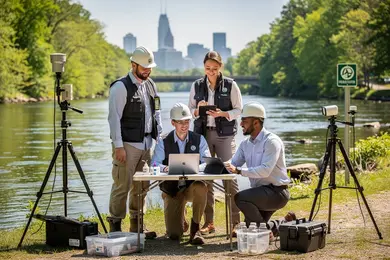
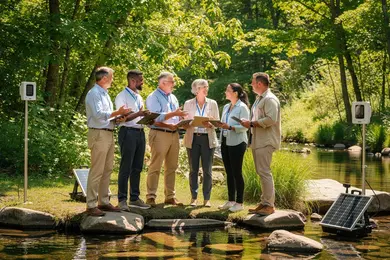
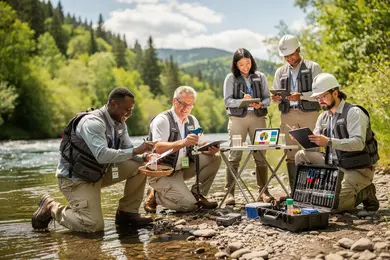
The chance to participate in hands-on activities such as labs and fieldwork makes these programs particularly valuable, as practical experience is often difficult to simulate online. Additionally, access to campus facilities like libraries and academic support services enhances the educational experience. However, the hybrid format demands effective time management to juggle both physical attendance and virtual responsibilities, which can be challenging for some learners.
Fully online Environmental Management degrees offer flexible scheduling suited to students balancing work or personal commitments. While these programs provide access to digital tools and resources, interaction with instructors and peers is generally more limited than in hybrid settings. Success in fully online formats relies heavily on students' self-discipline and the quality of the virtual platform, which often includes live sessions and discussion forums to encourage collaboration.
Although the remote structure offers convenience and greater autonomy, it may lack the immersive, hands-on elements that some students prefer. Ultimately, online programs are designed to accommodate independent learning but may offer fewer opportunities for direct engagement and experiential learning.
Which is more flexible: a hybrid or fully online environmental management bachelor's degree?
Hybrid programs in environmental management bachelor's degree studies blend online coursework with scheduled in-person sessions, creating a balanced approach to learning. These programs require students to participate in practical components like labs or fieldwork on campus, which ensures hands-on experience crucial for the field.
While much of the curriculum can be completed remotely, the necessity of attending certain on-site activities can restrict scheduling flexibility. Students often need to synchronize their availability with campus timetables, potentially limiting the ability to study freely. This format suits those who prefer a mix of direct interaction with instructors and online convenience within flexible environmental management bachelor's degree programs.
Fully online environmental management bachelor's degree programs, on the other hand, offer the greatest scheduling freedom by eliminating the need for physical attendance. Most online courses allow asynchronous learning, so students can access lectures and assignments at any time, tailoring study hours around personal and professional commitments.
This format is especially beneficial for individuals managing work or family responsibilities and supports enrollment regardless of geographic location. Research shows that 63% of online learners prioritize the ability to study on their own schedule as the main advantage of remote education.
For those seeking maximum autonomy, exploring an accelerated paralegal certificate or similar fully online credentials highlights how online flexibility can impact education paths.

What is the workload for hybrid vs fully online environmental management bachelor's degrees?
While both hybrid and fully online environmental management bachelor's degree programs meet comparable academic standards, they differ notably in pacing, structure, and demands on student time management. Research from the Online Learning Consortium in 2022 indicates that online students typically dedicate between 6 and 9 hours weekly to coursework. This statistic underscores the significant commitment required, yet the way students distribute these hours varies by program format.
In hybrid environmental management programs, the workload is split between fixed in-person class sessions and online coursework. Students must adhere to scheduled campus activities, which often involve commuting and attending live lectures or labs, alongside completing readings, assignments, and discussions online.
This blend creates a more regimented weekly routine, requiring students to carefully balance face-to-face commitments with digital study, often challenging their time management skills.
Fully online environmental management programs emphasize asynchronous learning, allowing students to engage with lectures, assignments, and exams on their own timetable within set deadlines. Learners navigate digital platforms to complete coursework and participate in discussion boards, fostering flexibility but demanding strong self-discipline.
Without scheduled classes, students must be proactive in organizing their study time to keep pace and meet requirements, which can benefit those seeking adaptable schedules but may prove difficult for others.
How does tuition compare for hybrid vs online environmental management bachelor's degrees?
Tuition structures for hybrid and fully online environmental management bachelor's degree programs can differ substantially based on delivery format, institutional policies, credit requirements, and additional fees charged to students. On average, fully online programs tend to be about 10-15% less expensive than their hybrid counterparts, reflecting differences in resource needs and delivery methods.
- Per-Credit Costs: Hybrid programs usually charge higher per-credit tuition because they require students to use physical campus resources alongside online components. In contrast, fully online programs benefit from streamlined digital delivery, often resulting in lower per-credit expenses.
- Technology and Facility Fees: While fully online students often pay technology or platform fees to support digital infrastructure, these fees are generally lower than the combined technology and campus facility fees that hybrid students face due to in-person sessions and lab usage.
- Residency-Related Charges: Hybrid learners may need to cover additional campus facility fees, such as lab or equipment access and parking, which fully online students typically avoid since they rarely visit campus.
- Payment Flexibility: Fully online programs more often offer flexible or installment-based payment schedules to accommodate remote students. Hybrid programs frequently follow traditional academic billing cycles aligned with on-campus enrollment, which can be less adaptable.
- Additional Expenses: Hybrid students may incur commuting costs, parking fees, and other incidental expenses associated with attending campus in-person, costs online students do not face.
When speaking with a graduate of a hybrid environmental management bachelor's degree who navigated these tuition details firsthand, he explained, "Balancing the higher tuition with my work schedule was tough, especially with extra fees for labs and parking that I hadn't fully anticipated at the start.
The inflexible payment deadlines sometimes made budgeting stressful. However, I found value in accessing campus resources directly, even though it came with added costs. It wasn't just about tuition numbers-I had to consider how all the expenses fit into my life." Such insights highlight that tuition comparison goes beyond sticker price, incorporating many indirect financial factors students must weigh.
Do employers prefer hybrid or fully online environmental management bachelor's degrees?
Employer perceptions of hybrid and fully online environmental management bachelor's degrees have evolved notably as online education gains broader acceptance. A 2021 survey by the National Association of Colleges and Employers found that over 70% of employers now consider online degrees equal in credibility to traditional in-person programs. This shift in attitude has influenced views on hybrid versus fully online degrees in this field.
- Flexibility and Interaction: Hybrid programs are often favored for blending flexibility with in-person interaction. Employers value this format because it fosters practical skills development and face-to-face collaboration, which are important for environmental management careers involving fieldwork and teamwork.
- Convenience and Accessibility: Fully online degrees appeal to working professionals and non-traditional students due to their convenience. Employers recognize the self-discipline required but sometimes worry about limited hands-on experience and networking opportunities compared to hybrid formats.
- Practical Experience: Hybrid degrees typically offer more direct opportunities for on-site problem-solving and lab work, which many employers associate with stronger real-world readiness in environmental management roles.
- Institutional Reputation: Acceptance depends greatly on the institution's reputation, with well-established schools normalizing fully online environmental management bachelor's programs and reducing skepticism.
Perceptions of employer preference between hybrid and fully online environmental management degrees vary but often lean toward hybrid programs due to their balance of traditional and flexible learning. Students seeking programs might also explore options like an accelerated human services degree online for complementary skills in community engagement and partnership-building relevant to environmental work.
Who should choose a hybrid vs. a fully online environmental management bachelor's degree?
The decision between hybrid and fully online environmental management bachelor's degree programs depends greatly on individual learning preferences, schedule flexibility, and lifestyle needs. Both formats offer unique benefits tailored to different student circumstances. Below is a comparison to help prospective students identify which option might suit them best.
- Collaborative Learners: Students who thrive in face-to-face interaction and experiential learning often find hybrid environmental management bachelor's degree benefits important. Hybrid programs allow for on-campus laboratory work and group projects that enhance hands-on experience.
- Structured Scheduling: Those needing a clear timetable and in-person networking opportunities tend to prefer hybrid formats, which combine fixed class times with some online flexibility.
- Self-Motivated Individuals: Fully online environmental management degree advantages include maximum schedule flexibility, ideal for students confident in managing independent study and digital communication without direct supervision.
- Busy Professionals: Students balancing full-time jobs, family care, or distant locations often choose fully online programs to better integrate education with life responsibilities.
- Remote Access: Learners without physical access to environmental management campuses typically gravitate toward fully online options, benefiting from the ability to customize their pace.
- Flexible Pace Seekers: Those wishing to tailor their study schedule to personal timing find that fully online education offers unmatched adaptability to fit various lifestyles.
For those exploring foundational options before a bachelor's, considering online associate degree programs can be a valuable step toward entering environmental management fields.
How can I succeed in a hybrid vs. a fully online environmental management bachelor's degree program?
Success in hybrid and fully online environmental management bachelor's degree programs requires adapting to distinct learning environments. Hybrid students benefit from in-person interactions, while fully online learners depend on self-motivation and virtual engagement. The following strategies highlight practical approaches tailored to each format.
- Time Management: Hybrid students coordinate their schedules around set campus sessions, balancing face-to-face and remote work. Online students create consistent daily routines that provide flexibility while maintaining steady progress.
- Active Participation: In-person attendance supports hybrid learners' comprehension through direct interaction. Online students should engage actively in discussion boards, video meetings, and virtual group activities to build connections and enhance understanding.
- Use of Technology: Both formats rely on digital platforms, but online learners depend more heavily on software for communication, assignment submission, and resource access.
- Organization: Keeping track of assignments, deadlines, and resources is vital. Hybrid students often use traditional planners; online students benefit from digital calendars and productivity apps to manage their workload.
- Networking: Hybrid students connect with peers and faculty both in-person and digitally, while online learners focus on building relationships through academic networks and social media groups.
What Graduates Say About Hybrid vs Fully Online Environmental Management Bachelor's Degree Programs
- Emiliano: "Choosing a fully online environmental management bachelor's program was essential for me due to my work schedule and family commitments. The flexibility allowed me to learn at my own pace while still engaging deeply with course materials and professors via virtual platforms. Now, with my degree, I've been able to step confidently into sustainability consulting, a field I was passionate about but couldn't pursue without that adaptable learning format."
- Jared: "Enrolling in a hybrid environmental management program provided the perfect balance of in-person interaction and online convenience. Navigating the challenges of coordinating campus visits with remote coursework taught me valuable time-management skills that are crucial in professional settings. This experience not only broadened my knowledge but also gave me the confidence to lead environmental projects at my current job."
- Amir: "The decision to pursue my bachelor's in environmental management online was motivated by my desire to study within a curriculum that aligned with my geographical isolation. Initially, adapting to remote learning demanded discipline, but the program's structured support systems helped immensely. Professionally, earning my degree online has demonstrated to employers my self-motivation and ability to manage complex projects independently."
Other Things You Should Know About Environmental Management Degrees
Yes, fully online environmental management bachelor's programs often include virtual simulations, case studies, and remote labs to develop practical skills. However, some programs may require occasional on-site components such as fieldwork or internships to ensure hands-on experience. It is important to verify if the program offers these opportunities to strengthen applied knowledge.
Hybrid programs typically offer more in-person networking opportunities through on-campus events, group projects, and direct faculty interaction. Fully online programs rely on virtual forums, webinars, and digital collaboration tools to connect students, which can be effective but may feel less personal. Students seeking face-to-face networking might prefer hybrid formats.
Hybrid programs generally require students to attend classes or activities on campus periodically, so proximity or the ability to travel to campus is necessary. For students living far away, this commitment can be challenging compared to fully online programs, which allow completion from any location without travel. Assessing travel feasibility is essential before choosing hybrid options.
Both hybrid and fully online programs commonly incorporate internships as part of degree requirements. Hybrid programs may facilitate local or on-campus internship placements, while fully online programs often assist students in finding remote or local internships near their residence. Verification of internship support services is recommended when selecting a program.
References
- hybrid versus blended learning https://www.umu.com/ask/t11122301573853781218
- Hybrid vs. fully online: how different teaching models impact satisfaction https://www.amba-bga.com/insights/hybrid-vs-fully-online-how-different-teaching-models-impact-satisfaction
- UU distance learning in Renewable energy or Environmental Mangement? https://www.boards.ie/discussion/2055668637/uu-distance-learning-in-renewable-energy-or-environmental-mangement
- Online Environmental Graduate Programs: Are They Right for You? https://www.cjbnetwork.com/articles/online-environmental-graduate-programsare-they-right-for-you
- You must be registered and signed in to view this page. https://forums.whirlpool.net.au/thread/91kpq8r9
- Bachelor of Environmental Science and Management / Bachelor of Business https://ezyapply.net/program/detail/34799
- Four Things Students Need to Succeed in the Online/Hybrid Environment - The EvoLLLution https://evolllution.com/revenue-streams/distance_online_learning/students-succeed-onlinehybrid-environment
- Hybrid vs Fully Online MBA Programs - Key Differences https://www.onlinecu.in/blog/cu/differences-between-hybrid-and-fully-online-mba-programs.php
- How Can You Get the Most Out of an Online College Program? https://www.bluefield.edu/blog/get-most-online-college-program/