2027 How Long Does It Take to Earn an Online Regulatory Science & Affairs Degree?

Co-Founder and Chief Data Scientist
Online education offers unprecedented flexibility and convenience, making it a popular choice for professionals aiming to advance in growing fields like regulatory science & affairs. According to the U.S. Bureau of Labor Statistics, demand for regulatory affairs specialists is projected to grow faster than average, highlighting the career potential of this degree. Understanding how long does it take to earn an online Regulatory Science & Affairs degree is essential for effective planning.
This article explores the average program duration, factors influencing completion time, and strategies to select a program that fits individual goals and schedules. It aims to equip readers with clear insights to make informed, confident decisions about their education path.
Key Benefits of Online Regulatory Science & Affairs Degree
- Most online regulatory science & affairs degree programs can be completed in 18 to 24 months, offering a balance between comprehensive education and timely graduation.
- Flexible scheduling allows students to study part-time or full-time, accommodating working professionals and reducing the overall timeline by up to 6 months in accelerated tracks.
- The online format eliminates commuting, enabling students to efficiently allocate 10-15 hours per week, which supports steady progress toward degree completion within the typical two-year timeframe.
What is the Average Completion Time for Online Regulatory Science & Affairs Programs?
Online Regulatory Science & Affairs programs typically take between one and a half to seven years to complete, depending on the degree type and enrollment status. To clarify how long does online regulatory affairs program take, here is a breakdown of the average time to complete online regulatory science degree by degree level.
- Master of Science in Regulatory Affairs: This degree generally requires about two years of full-time study, though many online programs offer flexible pacing. Some students complete their program in as little as 18 months, while part-time options may extend up to seven years, making it suitable for working professionals.
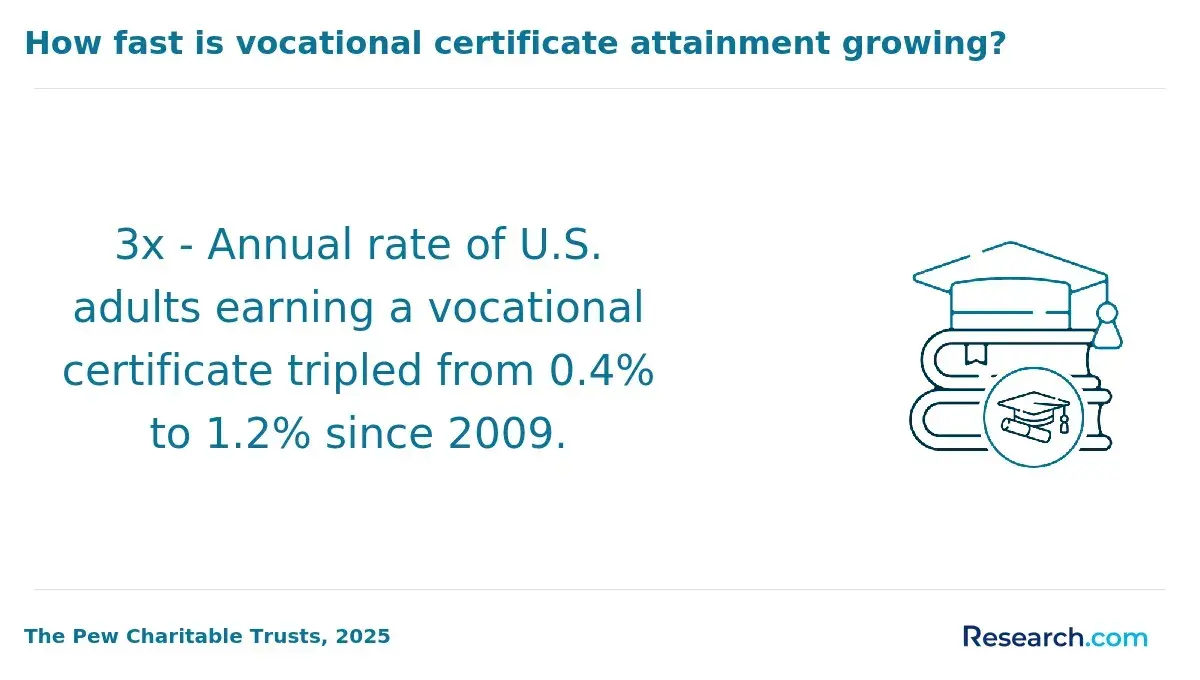
- Certificate in Regulatory Affairs: Certificate programs are typically shorter, ranging from five months to a year depending on the course structure and student pace. These programs provide specialized knowledge and can often be credited toward a future master's degree.
- Doctor of Regulatory Science: An advanced degree aimed at experienced professionals, the doctorate usually takes four to five years to finish. The program includes a thesis component and is designed to accommodate individuals balancing education with ongoing careers.
For those exploring educational options, understanding the average completion time for online regulatory science degree programs is essential. It helps in planning your academic journey and work-life balance. For additional insight into degree choices, see the list of best college degrees available.
What Factors Can Affect How Long It Takes to Earn an Online Regulatory Science & Affairs Degree?
The time it takes to earn an online regulatory science & affairs degree varies widely due to multiple factors that influence students' pace and flexibility. Understanding these variables helps prospective learners set realistic expectations and plan their studies effectively, particularly when considering factors impacting online regulatory affairs degree completion. Below are key elements that affect how long the program may take:
- Program Structure and Credit Requirements: The number of credits required for graduation directly affects the duration. Master's programs typically demand around 36 to 37 units, while certificate options may require far fewer credits, enabling completion in as little as five to six months.
- Enrollment Status (Full-Time vs. Part-Time): Full-time students often finish their degrees faster, sometimes within 18 months, whereas part-time online regulatory science programs may extend over several years to accommodate work and personal responsibilities.
- Course Delivery Format (Asynchronous vs. Synchronous): Fully asynchronous courses offer flexibility, allowing motivated students to accelerate their progress. Synchronous components with fixed schedules, such as live presentations, can lengthen the time required to complete the program.
- Transfer Credits and Prior Learning: Some institutions accept transfer credits or recognize relevant certificates, reducing required coursework and thus shortening time to graduation.
- Professional and Personal Commitments: Students balancing jobs, family, or other obligations may have limited weekly study hours, impacting the pace of coursework completion and extending program duration.
- Institutional Policies on Time Limits: Universities often impose maximum completion periods, ranging from five to seven years, which frame the longest allowable timeline for degree completion.
For those interested in exploring options that suit their schedule and learning pace, checking out top programs for seniors online can provide valuable insights and choices tailored to diverse student needs.
What Are the Different Types of Online Regulatory Science & Affairs Programs Available?
Online regulatory science & affairs programs come in various types and specializations designed to fit different career goals, educational backgrounds, and time commitments. Understanding these options can help prospective students choose the right path for their professional development and advancement. The following list summarizes the major formats and concentrations available in online regulatory science & affairs education:
- Master of Science (MS) in Regulatory Science: This program provides in-depth, science-based training on the development, assessment, and regulation of drugs, biologics, diagnostics, and devices. Typically requiring 30-33 credits, it can often be completed in under two years, preparing graduates for leadership roles in regulatory agencies or industry.
- Master of Science (MS) in Regulatory Affairs: Focused on advanced regulatory knowledge and strategies, this degree covers product development and commercialization for pharmaceuticals, biologics, devices, and supplements. Programs are often fully online and asynchronous, offering specialized electives in areas like pharmacovigilance and clinical trial management.
- Graduate Certificate Programs: Offering a shorter, targeted curriculum of about 12-15 credits, these certificates concentrate on niche topics such as clinical research, CMC, or medical device regulations. They can be completed in less than a year and may be stackable toward a master's degree.
- Specialized MS Degrees and Concentrations: These programs offer focused tracks in areas like pharmaceutical regulatory sciences or global clinical regulations, enabling students to tailor their education to specific sectors or emerging industry needs.
- Post-Master's Certificates: Designed for professionals with a master's degree, these advanced certificates deepen expertise in subfields like drug development or manufacturing, ideal for specialization or career advancement.
- Professional Development and Short Courses: These flexible options include micro-credentials and individual courses covering regulatory submissions, electronic documentation, or FDA guidelines, perfect for ongoing professional growth or initial exposure.
Online Regulatory Science & Affairs degree programs typically require between 9 and 39 credit hours or more, depending on the program type and level, as well as individual study pace and transfer credit options. Below is an overview of average credit hour requirements classified by degree level to help prospective students plan their academic journey effectively.
- Certificate Programs: These short-term programs usually require 9-12 credit hours and are designed for professionals seeking foundational or specialized knowledge. Full-time students can often complete certificates in less than a year, while part-time learners may take longer. Many certificate credits are transferable toward higher degree tracks, providing flexibility.
- Master's Degree Programs: Most online master's degrees in regulatory science & affairs require between 31 and 39 credit hours. Full-time students may finish in about 18 months, whereas part-time students often take 2 to 3 years. Transfer credits of up to 6-9 credit hours can reduce the total needed, depending on the institution and program.
- Doctoral Degree Programs: Online doctoral programs specific to regulatory science are rare and highly variable but generally require 60 or more credit hours in related fields. Prospective students should check individual program details carefully, as completion time and credit transfer policies differ widely.
One graduate I spoke with reflected on their experience balancing work and study over three years while completing a master's online. They described moments of stress navigating required credits alongside professional duties but found that the program's flexibility was key to success. They noted how elective courses allowed them to tailor learning toward regulatory affairs in pharmaceuticals, creating a sense of accomplishment that extended beyond just meeting credit requirements. Their journey highlighted that meeting credit hours is not just about accumulation, but also about engaging meaningfully with the material within a manageable framework.
A standard online regulatory science & affairs curriculum typically includes a comprehensive range of courses designed to build expertise in scientific, regulatory, and managerial aspects of drug, biologic, and medical device development. These programs focus on providing students with the knowledge needed to ensure product safety, efficacy, and regulatory compliance throughout development and commercialization. The following list highlights examples of core and specialized courses commonly offered in these programs.
- Introduction to Regulatory Science & Affairs: Covers fundamental concepts, terminology, and regulatory frameworks governing pharmaceuticals, biologics, and medical devices. Students gain an understanding of the roles of agencies like the FDA and international counterparts, laying the foundation for advanced regulatory topics.
- Drug and Biologics Development: Focuses on the scientific and regulatory processes from drug discovery through clinical trials to market approval. This course prepares students to navigate development pathways and regulatory submissions across global markets.
- Clinical Research and Clinical Trial Management: Teaches the design, conduct, and oversight of clinical trials, emphasizing ethical considerations and compliance. Students develop skills relevant to clinical operations, monitoring, and data management roles.
- Chemistry, Manufacturing, and Controls (CMC): Addresses regulatory requirements for manufacturing, quality control, and documentation, ensuring product consistency and compliance with global standards.
- Medical Device Regulatory Affairs: Introduces unique challenges related to medical device development, including pre-market submissions and post-market surveillance, equipping graduates for device industry roles or consultancy.
- Global Regulatory Strategy: Explores international regulations and harmonization efforts, preparing students to develop submission strategies for the US, EU, and other markets.
- Quality Assurance and Compliance: Provides an overview of quality systems and good manufacturing practices (GMP), essential for maintaining product quality and regulatory standards.
- Pharmacovigilance and Post-Marketing Surveillance: Focuses on ongoing safety monitoring, adverse event reporting, and risk management following product approval.
- Statistics and Data Analysis for Regulatory Affairs: Teaches statistical methods applied to clinical trial design and regulatory submissions, supporting informed decision-making.
- Electives and Special Topics: Includes specialized subjects such as dietary supplement regulations, oncology drug development, and regulatory intelligence, enabling students to tailor their studies to specific career goals.
Online regulatory science & affairs programs frequently offer multiple start dates throughout the year, providing valuable flexibility that helps students balance their studies with personal and professional commitments. This adaptable scheduling is especially advantageous for working professionals who need to tailor their education around busy careers. Below is a summary of the most common enrollment or start schedules available for these programs.
- Traditional Academic Calendar: This schedule includes start dates usually in the fall and spring, sometimes adding a summer term to align with the standard academic cycle. Institutions like USC and Temple University follow this model, offering multiple entry points that help students maintain a structured pace and finish their degree within a typical timeframe.
- Rolling Admissions or Monthly Starts: Some programs provide rolling admissions, enabling enrollment on a monthly or quarterly basis. While less common for full regulatory science & affairs degrees, this option is often found in certificate programs or individual courses. It suits students who need immediate access to classes or prefer a more flexible study pace.
- Quarterly or Bi-semesterly Starts: Certain programs, such as those formerly offered by Northeastern University, use quarterly start dates that allow students to begin more frequently throughout the year. These schedules benefit learners looking for accelerated progress or aiming to align their education with specific career timelines.
Accelerated online regulatory science & affairs programs significantly reduce the time needed to earn a degree compared to traditional formats, enabling students to enter their careers faster while maintaining academic rigor. These programs achieve faster completion through several key features that streamline learning without sacrificing quality. Below are the common ways accelerated online regulatory science & affairs programs help students graduate in less time.
- Shorter Course Terms: These programs often use compressed formats like 8-week sessions instead of the typical 15-week semester, allowing students to complete more courses each year. For example, certificate programs may be finished in under a year by focusing intensively on one class at a time, speeding up overall progress.
- Year-Round Enrollment: Multiple start dates and continuous enrollment-including summer and winter sessions-eliminate long breaks between terms. This flexibility lets students maintain consistent momentum and shorten the total time required to graduate.
- Dual-Degree and Combined Pathways: Some institutions offer integrated bachelor's and master's degree tracks, cutting down the usual six or more years to around five. This approach combines undergraduate and graduate coursework into a streamlined plan that saves significant time.
- Transfer Credits: Accepting prior college credits or relevant professional experience reduces the number of new credits needed. This can allow students to skip introductory courses and accelerate their path to graduation.
- Competency-Based Learning: Students can progress by demonstrating mastery rather than spending fixed time in class. Those with prior knowledge can test out of certain requirements, moving faster through the curriculum.
A graduate of an online accelerated regulatory science & affairs degree shared that balancing full-time work and an intense 8-week class schedule was challenging but rewarding. They described late nights and weekends dedicated to mastering complex regulatory concepts but found that the focused pace kept motivation high. This immersive experience made them feel more prepared for professional roles while enabling quick degree completion. They appreciated how the program's flexible format allowed them to integrate learning with work commitments without losing momentum, ultimately enhancing their confidence and career prospects.
Completing an online Regulatory Science & Affairs program in less time can indeed reduce your overall education costs while also accelerating your career progression. Understanding how finishing faster leads to cost savings requires looking at several key financial factors simultaneously, which are detailed below.
Here are the main ways the cost savings of accelerated online regulatory affairs degree programs can benefit students:
- Lower Tuition and Fees: Accelerated programs allow you to pay for fewer semesters, reducing tuition and associated fees such as administrative and technology charges. Since tuition for fast-track regulatory science programs is often calculated per credit hour or term, completing the program in less time can save hundreds or even thousands of dollars overall.
- Reduced Living Expenses: Even though online study eliminates campus housing costs, students still pay ongoing expenses like rent, utilities, and internet. Shortening your program reduces the number of months these living costs accumulate, which can be especially meaningful in high-cost-of-living regions.
- Earlier Entry Into the Workforce: Finishing your degree sooner means you can start earning a full-time salary faster, increasing your total income. Regulatory affairs professionals often earn median salaries over $100,000 annually, so gaining even a few extra months of work can positively impact your finances.
- Less Time Off Work: For working professionals, accelerated pacing can minimize the need for unpaid leave or reduced hours. Flexible online schedules at many institutions enable students to balance study and employment better, lessening lost income during their education.
For those curious about the broader spectrum of educational costs, insights into online PhD cost can also provide useful context.
Graduates earning an online regulatory science & affairs degree typically start working within one to four years after graduation, depending on prior experience and job demand. Most entry-level regulatory affairs positions require foundational work in related fields such as quality assurance, clinical research, or laboratory sciences before transitioning into specialized roles. Those without prior relevant experience may face a longer regulatory affairs job placement timeline, while candidates with established backgrounds in pharmacy or research can often secure positions immediately. The complexity of regulatory roles means fresh graduates rarely enter this field directly without some practical industry exposure. However, this timeline can be shortened for professionals who strategically align their work and studies to build relevant skills and networks early on.
Online programs in regulatory science & affairs provide the flexibility to gain industry experience while studying, which helps graduates enter the workforce faster. Many programs operate during evenings and weekends, allowing students to maintain employment, complete internships, or work on regulatory projects concurrently. This approach ensures students are better prepared and connected when they graduate, smoothing the transition and reducing how quickly graduates work in regulatory affairs roles. According to industry reports, holding advanced degrees is common, which further emphasizes integrating practical experience during studies. For professionals seeking an accelerated path, exploring options like 1 year PhD programs can complement career goals and expedite advancement in regulatory affairs.
Online Regulatory Science & Affairs graduates in the US typically earn salaries ranging from approximately $48,810 to over $129,000 annually, depending on their experience, education level, and specialization. Understanding this salary potential is important for prospective students considering how long it takes to earn their degree and enter the workforce. Below is a breakdown of average earnings by common career paths and education levels that illustrate the regulatory affairs degree salary potential.
- Entry-Level Roles: Entry-level regulatory affairs specialists with a bachelor's or master's degree generally earn between $48,810 and $73,230 per year. Pay varies based on geographic location and industry sector, with pharmaceutical and biotech firms often offering the most competitive starting salaries.
- Mid-Career Professionals: Individuals with several years of experience or a master's degree typically command salaries from $77,000 to $116,000. Growth at this level is driven by enhanced skills in regulatory submissions, project management, and additional credentials such as certifications.
- Specialized Positions: Professionals focusing on high-demand sectors like clinical research, medical device regulation, or quality assurance usually earn between $90,000 and $129,450. Specialized expertise and industry certifications significantly elevate earning potential in these roles.
- Leadership Roles: Regulatory affairs managers and directors earn median salaries above $96,000, with averages reaching $128,463 for master's degree holders. These roles require significant experience, leadership skills, and often a graduate degree, offering excellent advancement opportunities.
- Industry Variations: Salary levels also depend on the industry, with manufacturing and professional services typically providing the highest compensation for regulatory affairs managers. Geographic region and company size further influence pay.
Completing your degree faster reduces costs and lets you take advantage of these earning opportunities sooner, which is why many also explore certifications that pay well to enhance their career trajectory.
Here's What Graduates of Online Regulatory Science & Affairs Programs Have to Say About Their Degree
- Zhia: "Completing my online regulatory science & affairs degree was a game-changer for my career stability and growth. The flexibility of the program allowed me to balance full-time work and family life while gaining critical knowledge of regulatory policies. I'm now confidently working in the pharmaceutical industry, ensuring products meet global compliance standards and helping bring vital medications to market safely. The program's real-world case studies truly prepared me for the challenges ahead."
- Pia: "Enrolling in an online regulatory science & affairs program allowed me to expand my professional network beyond my local area, which was invaluable. The community of diverse peers and faculty fostered significant personal growth, deepening my passion for improving public health outcomes. Through coursework focused on regulatory strategy and ethical considerations, I gained unique insights that shaped my leadership approach in regulatory affairs. The experience truly nurtured both my skill set and my confidence as a young professional. "
- Robert: "The professional development offered through my online regulatory science & affairs degree program was exceptional. The curriculum was comprehensive, covering everything from clinical trial regulations to drug safety monitoring, which helped me advance into a regulatory compliance manager role within a year of graduating. Studying remotely challenged me to develop strong time management and self-motivation skills. I'm proud to contribute to the healthcare industry by ensuring regulatory adherence and protecting patient safety every day. "
Other Things You Should Know About Online Regulatory Science & Affairs Degree Programs
Most programs require an online application, official transcripts, a résumé or CV, and a statement of purpose. Graduate programs may also ask for two recommendation letters and a 3.0 GPA. Some schools waive GRE scores, but others still list them as optional or required.
In 2027, completing an online Regulatory Science & Affairs degree usually takes between 18 months to 2 years. This timeline may vary based on a student's pace, with options for accelerated programs or part-time schedules to accommodate different needs.
Most online programs offer a structured schedule with set deadlines and live or recorded lectures to ensure consistent progress. Few programs provide fully self-paced courses, as the discipline requires timely comprehension of updates in regulations and guidelines. Prospective students should verify course formats to match their learning preferences and availability.
- MS in Regulatory Science | Johns Hopkins AAP https://advanced.jhu.edu/academics/graduate/ms-regulatory-science/
- Should You Pursue a Master's Degree or a Regulatory Affairs Certificate? https://www.raps.org/news-and-articles/news-articles/2015/4/should-you-pursue-a-master-s-degree-or-a-regulator
- How To Get a Regulatory Affairs and Clinical Research Certificate and What You Can Do With It? https://www.regiscollege.edu/blog/health-sciences/how-to-get-a-regulatory-affairs-certificate
- Master of Regulatory Affairs https://www.itmat.upenn.edu/itmat-ed/mra-overview/
- Online Master of Science in Biotechnology: Biotechnology Regulatory Affairs https://www.umgc.edu/online-degrees/masters/biotechnology-regulatory-affairs
- How to Become a Regulatory Affairs Associate: Career Path & Guide | Himalayas https://himalayas.app/career-guides/regulatory-affairs-associate
- Best Regulatory Affairs Courses & Certificates Online [2025] | Coursera https://www.coursera.org/courses
- Regulatory Affairs – Sciences https://www.algonquincollege.com/online/program-info/regulatory-affairs-sciences/
- Regulatory Affairs Courses : Intelligent Career Path in 2025 https://gpmi.net.in/regulatory-affairs-courses/