2027 Environmental Science Degree vs Bootcamp vs Certificate: Which Path Leads to Better Career Outcomes?

Co-Founder and Chief Data Scientist
Choosing between an environmental science degree, a bootcamp, or a certificate can feel overwhelming when evaluating career outcomes-especially for those focused on salary, job placement, and long-term growth. For instance, data shows that individuals with a degree earn on average 20% more within five years of graduation compared to those with only bootcamp or certificate training. Employers often prioritize degrees for advanced roles, though bootcamps offer faster entry and certificates provide targeted skills. This article analyzes these pathways-examining credential value, ROI, networking opportunities, and learner fit-to guide readers toward the option that best aligns with their career goals and profiles.
Key Things to Know About Which Path Leads to Better Career Outcomes: Environmental Science Degree, Bootcamp, or Certificate
- Environmental science degree holders typically earn 15-25% more-employers favor degrees for advanced roles, reflecting stronger long-term career growth and leadership potential.
- Bootcamps offer faster job placement-often within 6 months-but may cap salary growth and lack networking advantages critical for career advancement.
- Certificates provide good ROI for working professionals seeking specific skills, yet employers view them as supplementary rather than standalone qualifications for high-paying roles.
How Does Environmental Science Degree Compare to Bootcamps and Certificates in Total Program Cost and Time to Completion?
Prospective environmental science students today face a genuine choice between investing several years in a traditional degree or pursuing faster, lower-cost alternatives like bootcamps and certificates - and neither option is automatically best for every learner. A traditional environmental science degree usually means earning a bachelor's or associate's degree at a college or university. Bachelor's degrees take about four years full-time, while associate's degrees require two.
Tuition averages around $10,000 annually for in-state students at public four-year schools, with private institutions charging more, according to the National Center for Education Statistics (NCES). Part-time enrollment can extend these timelines but offers flexibility for working students.
Bootcamps provide intensive, short-term training, often lasting between 8 and 26 weeks, focused on practical, job-ready skills rather than broad academic content. Tuition ranges from $3,000 to $15,000, based on program length and provider data from aggregators like SwitchUp. Many bootcamps offer both full-time and part-time options, allowing learners to balance daily commitments while accelerating time to completion.
Professional certificates, available through platforms such as Coursera, Google, or industry associations, typically last from a few weeks to several months. Certificates can be self-paced or instructor-led and generally cost between a few hundred to a few thousand dollars - often making them the most affordable path. Many professionals seeking skill upgrades without long-term time investment prefer these options. For those interested, exploring a range of easy certifications to get online can be a practical first step.
Comparing environmental science degree cost versus bootcamp tuition and certificate program fees reveals clear trade-offs between investment and timeline. The duration also varies notably, with degrees taking years and certificates just weeks or months. While cost and duration are essential factors for many learners, they do not capture the full picture of educational value, employer recognition, salary outcomes, or long-term career growth. Upcoming sections examine these dimensions to help students and professionals choose the best pathway for their goals and circumstances.
What Career Outcomes Can Environmental Science Degree Graduates Expect Compared to Bootcamp and Certificate Completers?
Recent labor market data from the Bureau of Labor Statistics (BLS) Occupational Employment and Wage Statistics, NACE Early Career Salary Survey, and Course Report's annual bootcamp outcome reports reveal distinct career outcomes for Environmental Science degree holders compared to bootcamp completers and certificate holders. Employment rates within six months highlight strong demand for formal education credentials-degree graduates report rates close to 85%-90%, bootcamp completers range between 70% and 80%, and certificate holders' rates vary significantly depending on program quality and industry alignment.
- Employment Rate: Degree holders generally enjoy higher employment rates post-completion, reflecting employer preference for traditional qualifications in many roles.
- Median Starting Salary: Environmental Science degree recipients typically start with salaries between $50,000 and $60,000 annually, while bootcamp completers-who often focus on specialized technical skills like GIS mapping or data analysis-earn closer to $40,000 to $50,000; certificate completers usually start slightly lower but can approach degree-level wages in niche subfields.
- Job Title Level at First Placement: Degree holders frequently secure positions as environmental scientists, analysts, or specialists; bootcamp completers often begin in technician or junior analyst roles emphasizing applied skills; certificate holders may enter as assistants or field technicians, especially if their credentials are specialized.
Outcome gaps between degree and non-degree pathways vary by sector-with some employers shifting toward skills-based hiring in fields like environmental data management and sustainability reporting. This shift allows bootcamp and certificate completers with strong portfolios to gain traction. However, a bachelor's degree remains a meaningful advantage, particularly in regulatory, research, or competitive hiring pools.
It is important to note that bootcamp outcomes are often self-reported and can be influenced by survivorship bias or selective disclosure. Prospective learners should critically assess these statistics through independently audited reports or third-party verification initiatives such as CIRR (Council on Integrity in Results Reporting).
Career outcomes in Environmental Science depend on more than credentials alone-portfolio quality, professional networking, geographic job markets, and industry sectors all merge with educational background to shape success. For those seeking a comprehensive view of salary and job placement rates for Environmental Science degree and certificate holders, understanding these dynamics helps frame better questions and decisions.
Many students also explore options for the cheapest engineering degree as a pathway to related STEM fields, complementing environmental science credentials strategically.
Which Environmental Science Pathway - Degree, Bootcamp, or Certificate - Offers the Highest Starting Salary for Graduates?
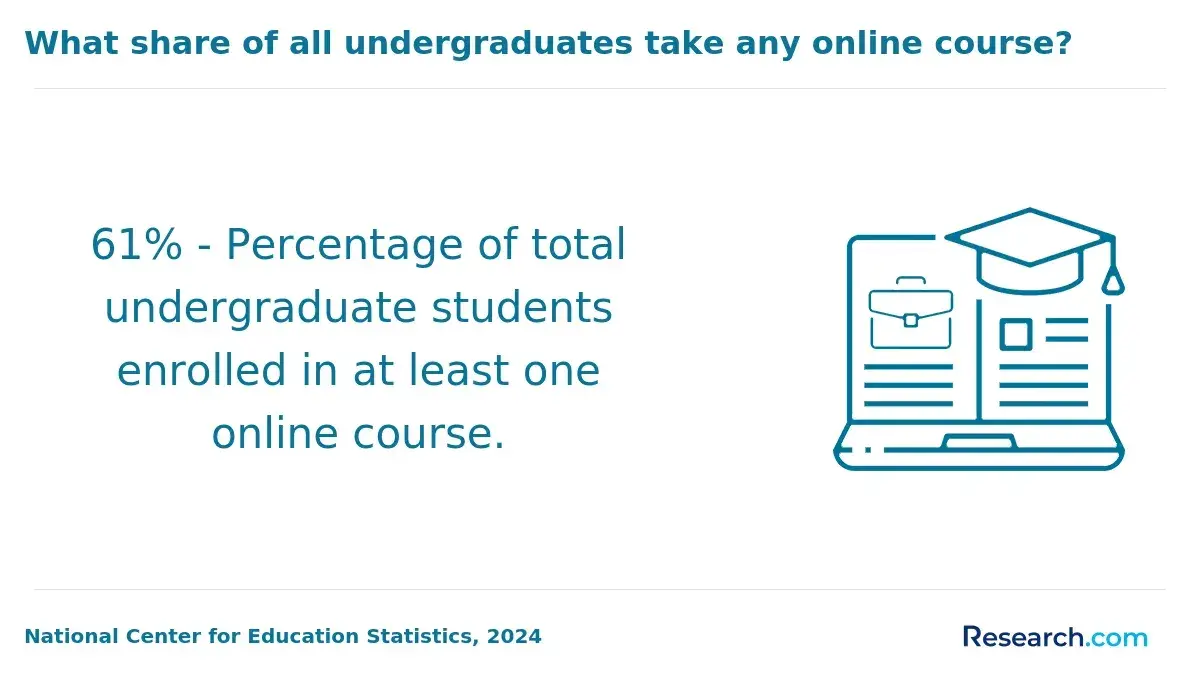
Entry-level salaries for environmental science graduates vary notably by educational pathway according to data from the Bureau of Labor Statistics (BLS), National Association of Colleges and Employers (NACE), LinkedIn Salary Insights, and Glassdoor. Those holding bachelor's degrees typically see starting salaries between $50,000 and $60,000, while individuals completing bootcamps or certificate programs generally begin closer to $40,000 to $50,000.
- Salary Gaps: The difference in pay is statistically significant, largely influenced by employer preferences-particularly in larger companies and government agencies that favor formal degrees for higher-paying roles.
- Employer Type: Startups and smaller environmental consultancies tend to offer more comparable pay across education levels but often with lower base salaries than established firms or federal employers.
- Job Roles and Locations: Degree holders are more likely to access specialized titles such as environmental analysts or regulatory specialists, which command higher starting pay, especially in high-cost regions like the West Coast.
- Career Advancement: While bootcamp and certificate completers can secure competitive initial salaries, degree holders generally experience faster upward mobility into management or research positions, benefiting from degree requirements embedded in promotion criteria.
- Variability Factors: Individual salary outcomes vary widely depending on prior experience, specialization, program quality, and geographic flexibility. Median salaries should be interpreted with caution, and readers are encouraged to consult return-on-investment analyses for personalized cost-benefit insights.
A professional who earned his environmental science degree shared that navigating the job market required patience-he explained, "I faced tough competition initially but noticed that having a degree opened doors to roles demanding technical expertise." He highlighted the challenge of balancing internships and coursework but noted that the formal education credentials later helped him secure a position with a government agency, where his salary progression accelerated compared to peers without degrees. His experience underscored how educational background, beyond initial pay, shapes long-term career opportunities and growth in environmental science fields.
Many employers in environmental science, particularly government agencies, large companies, and regulated industries, still prioritize formal degrees when hiring. This often stems from compliance rules, structured recruitment practices, and the perceived depth of traditional academic education.
Although there's a noticeable shift toward emphasizing practical skills and projects, especially among startups, consulting firms, and some tech-driven organizations, data from SHRM and LinkedIn Talent Insights highlight that degrees maintain a strong hold in actual hiring outcomes. Skills-based policies exist, but often don't fully translate into replacing degree requirements.
Industry-Specific Preferences:
- Government and Regulated Sectors: Usually require or strongly prefer degrees due to legal mandates and technical standards.
- Startups and Consulting: More receptive to credentials earned through bootcamps and certificates that demonstrate specialized expertise.
- Research Institutions: Favor degrees for positions involving intensive scientific research and analysis.
Certificates and bootcamps can quickly validate specific skills but often lack the comprehensive theoretical background that degrees provide-an element many employers consider crucial for long-term growth rather than immediate job fit.
Research shows degree holders consistently achieve better placement and salary progression in core environmental science careers. Non-degree pathways may open doors to entry-level roles, but seldom replace degrees for advancement. Prospective candidates seeking balanced pathways might explore options such as an online MS data science program, which blends flexible study with recognized credentials.
Admission to accredited environmental science degree programs typically demands strong academic credentials-usually a minimum GPA near 3.0-and completion of prerequisite courses in biology, chemistry, and math. Standardized tests like the SAT or ACT are often required, though some schools now offer test-optional routes. Applications generally include letters of recommendation and personal statements, all submitted by fixed deadlines that align with formal academic calendars. This selectivity acts as both a gatekeeper, restricting entry to qualified candidates, and a quality indicator trusted by employers valuing rigorous academic preparation.
Conversely, environmental science bootcamps and certificate programs tend to have minimal or no formal admission hurdles. Many adopt open enrollment strategies without GPA or test score requirements, focusing instead on practical skills and outcome metrics-such as job placement success and instructor expertise. These pathways increase accessibility for adult learners, career changers, and individuals balancing family or work commitments, who may find traditional degrees costlier, more time-consuming, or geographically limiting. Bootcamps and certificates stress measurable outcomes and curriculum quality to demonstrate value, compensating for the absence of selective admissions.
- GPA and Coursework: Degree programs require academic prerequisites; bootcamps generally do not.
- Standardized Tests: Degrees often mandate SAT/ACT scores; bootcamps rarely do.
- Recommendations and Essays: Letters and personal statements are typical for degrees but uncommon for bootcamps.
- Application Deadlines: Degree programs enforce strict timelines; bootcamps often have rolling starts.
- Access and Flexibility: Bootcamps and certificates expand opportunities for learners facing structural barriers to degree programs.
One professional who forged her career after graduating from an environmental science degree recalled the application journey as "intense but worthwhile," noting that "meeting strict deadlines and compiling recommendation letters felt overwhelming at times." She recognized that while the rigorous admission process initially posed a challenge, it ultimately provided a meaningful credential many employers respect. Her experience highlighted that, depending on personal circumstances, the admissions bar may either serve as a useful filter or an obstacle to overcome in pursuit of environmental science careers.
Degree programs offer a broad, in-depth curriculum combining theoretical foundations with applied skills over several years. Students complete general education courses-such as biology, math, and writing-that build critical foundational knowledge supporting career flexibility. Core classes address subjects like ecology, environmental chemistry, policy, and data analysis, often complemented by electives that allow specialization.
Many programs include research projects or a thesis to develop independent inquiry and critical thinking. This comprehensive approach builds versatile skills valued across many roles but typically involves a longer timeline before entering the workforce.
Designed as short-term, intensive training, bootcamps focus heavily on practical, job-ready skills with a project-driven, outcomes-based curriculum. Participants quickly gain competencies in areas like GIS software, environmental data visualization, and regulatory compliance.
However, bootcamps tend to exclude broader scientific theory, extensive research methodologies, and elective depth present in degree programs. They facilitate rapid workforce entry and skill acquisition but may limit long-term career advancement due to less emphasis on conceptual underpinnings.
Certificates vary widely and serve different roles within environmental science career paths.
- Entry-level certificates: These introductory credentials, offered by platforms like Coursera or industry-adjacent groups, provide foundational knowledge and skills in specific topics like sustainability principles or environmental monitoring technologies, ideal for newcomers or professionals refining select abilities.
- Advanced professional certifications: Typically granted by recognized environmental or scientific associations, these emphasize specialized technical expertise and regulatory knowledge. They often require prior education or experience and help position holders for niche roles, enhancing industry credibility through focusing narrowly on targeted competencies rather than broad academic depth.
Calculating the return on investment (ROI) for environmental science education requires factoring in total program costs-including tuition, fees, and materials-plus the opportunity cost of income lost while studying. Opportunity cost is critical here: a two- or four-year degree doesn't just demand direct payments but also the salary a student foregoes during enrollment, a hidden expense that substantially lowers short-term ROI compared to shorter programs.
Applying this standardized methodology using NCES cost data, NACE salary benchmarks, and bootcamp outcomes, three learner profiles illustrate how ROI varies sharply by circumstance.
- Recent Graduate: With no prior income to forgo, a traditional degree's high tuition and time investment are offset by stronger salary premiums over ten years, usually yielding positive ROI and positioning graduates for employer-preferred credentials in specialized roles.
- Mid-Career Professional: Leaving a $50,000/year job to retrain, opportunity cost strongly favors shorter programs. Bootcamps offer faster five-year ROI with lower total cost and minimal work disruption. Certificates allow part-time study to maintain income but often deliver smaller salary gains and limited career advancement.
- Part-Time Learner: Maintaining employment while studying certificates or bootcamps enables rapid ROI due to preserved income. Yet, these pathways may not meet some employer credentialing requirements or provide the depth of knowledge a degree offers.
Therefore, while ROI calculations guide financial decisions, they do not capture every factor a learner must weigh-such as long-term career growth, networking access, or employer preferences. Each pathway has distinctive advantages, and choice should align with individual goals and circumstances beyond purely short-term ROI.
Degree programs in environmental science rely on data from institutional career services and national surveys such as IPEDS, focusing on employment aligned with graduates' fields of study. These rates tend to be more rigorously defined but can vary by institution and region.
Bootcamps often present self-reported statistics or CIRR-audited data when available; however, definitions of "placement" vary widely. Some bootcamps count employment in adjacent sectors, including entry-level tech or environmental support roles, as successful placement, which can inflate comparability. Certificate programs show more variability with less standardized reporting.
Degree program placement data is usually gathered from third-party surveys and verified institutional sources, offering a broader picture of graduate success. Bootcamp numbers, audited by CIRR or self-reported, often reflect outcomes near program completion and may not capture long-term employment. Certificates lack consistent reporting standards. When comparing these pathways, consider how placement definitions differ and ask for disaggregated data by role type, salary, and time-to-placement rather than relying on aggregate rates.
Career support, such as employer partnerships, interview coaching, and alumni networks, significantly influences placement outcomes. Degree programs often have robust infrastructures due to scale, while top bootcamps provide personalized coaching tailored to environmental sectors.
Evaluating the scope and quality of career services is essential for assessing any program's potential success. This consideration is particularly relevant for those exploring environmental science bootcamp job placement rates compared to degree programs or evaluating environmental science certificate versus degree job placement statistics.
Prospective students should benchmark posted placement figures against industry norms and request detailed, disaggregated outcomes. Aggregate "headline" rates can mask important variations and misrepresent career alignment.
For those diversifying their education, supplementing degree study with bootcamps or certificates may provide nuanced advantages when informed by critical placement data. Additionally, exploring related fields through options like masters in human resources online can offer complementary career pathways, enhancing overall employability.
Networking and alumni access are among the most valuable outcomes of environmental science degree program alumni network benefits, often surpassing formal instruction in long-term career growth. Traditional degree programs offer extensive networking infrastructure, including active alumni associations connected to regional and national employers. Career fairs, faculty mentorship, Greek or professional organizations, and institutional partnerships with government agencies and industry enhance job placement rates. The prestige and geographic influence of the institution significantly expand the reach and impact of these networks, opening doors to competitive roles and diverse career opportunities.
- Degree Programs: The depth and diversity of alumni connections in environmental science degree programs typically ensure sustained career advancement through access to senior professionals and hiring managers.
- Bootcamps: These newer, smaller programs rely on cohort models that foster tightly knit peer communities and growing alumni networks. Some established bootcamps have developed strong partnerships with employers-especially for tech-adjacent roles like GIS and environmental data analysis-supporting alumni referral cultures that can accelerate entry-level hiring, though their overall network breadth remains narrower than traditional degrees.
- Certificate Programs: Network quality varies widely. Credentials issued by industry associations or platforms like Google Career Certificates create some professional communities offering mentorship and peer support. However, access to hiring managers and long-term networking often remains limited. These certificates primarily validate skills without the sustained networking advantages typical of degrees or bootcamps.
For learners weighing these options, assessing networking access is crucial. Those looking for broader, more influential industry connections generally benefit from degree programs and, to a lesser extent, select bootcamps. Meanwhile, certificates can supplement skills but usually lack comprehensive career network benefits. Additional insight into how to become a speech pathologist illustrates the importance of choosing educational paths offering enduring professional communities.
Geographic factors significantly influence the career outcomes of environmental science graduates across degree, bootcamp, and certificate pathways. Major metropolitan hubs such as San Francisco, Seattle, and Boston offer bootcamp and certificate completers better job placements due to the high concentration of employers familiar with these credentials and the proximity of many bootcamp headquarters. This dense employer network enhances job matching, but graduates who move away from these markets often face lower placement success as regional employers tend to prefer traditional degree holders and may lack awareness of alternative credentials.
In smaller cities and rural areas, employers often favor degree holders who provide a more comprehensive knowledge base and carry longstanding recognition. The scarcity of local bootcamps in these regions limits employer familiarity with accelerated programs, potentially capping salaries and slowing career progression for certificate and bootcamp graduates.
The rise of remote work has partly reduced these geographic disparities - allowing environmental science professionals with any credential to vie for positions paying metropolitan-level wages regardless of location. However, this also broadens the candidate pool nationwide, intensifying competition for remote roles.
- Employer Density: Urban centers have greater employer awareness and demand for bootcamp and certificate credentials than rural regions, which prioritize degrees.
- Relocation Effects: Moving outside a bootcamp's local ecosystem often leads to decreased job placement and networking opportunities.
- Remote Work: Expands access to well-paid roles but increases national competition.
- Credential Recognition: Degrees maintain stronger local legitimacy in less populated markets, benefiting graduates there.
According to the Bureau of Labor Statistics, 75% of environmental science jobs are located in metropolitan areas, underscoring the importance of aligning educational pathways with local labor market conditions.
Hiring managers in environmental science exhibit distinct preferences influenced by employer type and organizational maturity. Large enterprises and government agencies frequently implement strict degree requirements, using them as initial screening criteria. These employers view environmental science degrees as fundamental proof of critical academic background, often relying on automated systems that exclude applicants lacking formal degrees-exceptions are rare and typically require outstanding portfolios or relevant experience.
- Degree Preference: Established organizations prioritize formal education credentials, perceiving degrees as a reliable indicator of core knowledge and competence.
- Skills-First Hiring: In contrast, startups, consulting firms, and agencies emphasize concrete skills and demonstrable results over traditional credentials. For these employers, portfolios, technical assessments, and practical project experience often outweigh formal degrees, creating opportunities for bootcamp graduates and certificate holders to compete effectively.
- Credential Shift Since 2020: Although many major employers publicly dropped degree mandates to widen candidate pools, actual hiring data shows a gradual transformation. Traditional degree holders continue to dominate new roles within larger employers, but certificates and bootcamps have gained ground, especially in positions requiring technical expertise like GIS and data analysis.
- Research-Based Recommendations: Job seekers should move beyond published job descriptions. Engaging in informational interviews with hiring personnel and reviewing LinkedIn profiles of recent hires reveals a more accurate, evolving landscape of credential expectations.
This evidence underscores the importance of a tailored approach-aligning educational pathways with specific employer cultures and job demands is crucial for optimizing employability in environmental science careers.
What Graduates Say About Which Path Leads to Better Career Outcomes: Environmental Science Degree, Bootcamp, or Certificate
- Louie: "Choosing the Environmental Science degree was a game-changer for me because of the strong employer recognition it carries-most hiring managers I spoke with preferred candidates with a degree for advanced roles. While the return on investment took a few years to materialize, the salary outcomes have steadily improved, and the extensive alumni network opened doors I never expected. For those who want deep, long-term career growth and are ready for a traditional college experience, this path is unmatched."
- Zamir: "After completing an Environmental Science bootcamp, I can confidently say it's an ideal fit for learners who need to upskill quickly and break into the field without years of study. The job placement rates were impressive-many of my cohort landed roles within months-and employers valued the practical skills we brought to the table. While salaries started lower than those with degrees, the accelerated pace and hands-on training offer a fantastic return on investment for career switchers."
- Matthew: "The Environmental Science certificate was perfect for me as a professional looking to add credibility without committing to full-time studies. Employers clearly appreciated the credential for specialized knowledge, which helped me negotiate better pay. The program's flexibility fits diverse learner profiles, though it offers more modest networking opportunities compared to degrees or bootcamps. Overall, it's a strategic pathway for those prioritizing quick, targeted advancement."
Other Things You Should Know About Environmental Science Degrees
Bootcamp credentials are usually recognized by employers that hire for entry-level GIS, sustainability, and environmental data roles, especially when the program issues a certificate and a portfolio. They are not a substitute for ABET-accredited or regionally accredited degrees in jobs that require professional licensure or graduate study.
Recent high school graduates benefit most from pursuing an environmental science degree, which provides a comprehensive education and better prepares them for a variety of roles. Career changers, especially those with relevant experience in related fields, may find bootcamps or certificates more practical for quickly gaining applied skills. However, switching careers into research-heavy or policy roles still often requires a degree.
During recessions or tight labor markets, degree holders in environmental science tend to have more job security and access to a broader range of positions. Employers often prioritize candidates with formal academic credentials when competition increases. Bootcamp and certificate holders may face more challenges due to narrower skill sets and lower credential recognition in these conditions.
Environmental science degrees are typically accredited by regional or national agencies, ensuring rigorous academic standards that are widely recognized by employers. Bootcamps and certificates vary significantly in accreditation-many lack official recognition and are considered supplementary training rather than full credentials. This affects how employers assess the legitimacy and value of these credentials in hiring decisions.
- Global Standard for Professional Assessment | GSPA https://gspa.io/compare/professional-certification-vs-degree
- Alumni Networks in STEM: Enhance Mentorship with Resources & Support https://ccwest.org/alumni-networks-in-stem-mentorship-connections-resources-and-support/
- Networking Strategies for Environmental Professionals https://www.nrep.org/blog/environmental-professional-networking-strategies
- What to Do with an Environmental Science Degree https://bootcampgis.com/what-to-do-with-an-environmental-science-degree/
- Certificate Programmes in Environment and Development https://upeace.org/certificates-ded/
- Bootcamp Duration & Costs: 5 Differences vs. University | neue fische https://www.neuefische.de/en/community/career/bootcamp-duration-costs-and-content-5-differences-from-traditional
- Beyond the Resume: What to Look for in an Environmental Candidate | Enginuity Talent Group https://www.enginuityadvantage.com/beyond-the-resume-what-to-look-for-in-an-environmental-candidate/
- Top Resume Mistakes for Environmental Scientists & How to Fix Them · Resumly https://www.resumly.ai/resume-mistakes/environmental-scientist
- How a Strong Alumni Network Can Benefit Students https://www.pacificu.edu/blog/how-strong-alumni-network-can-benefit-students
- Why Study Geography and Environmental Science? | IIE MSA - IIE MSA https://www.iiemsa.co.za/geography-and-environmental-science/