
2027 Does an Entrepreneurship Degree Require Internships or Clinical Hours?

Co-Founder and Chief Data Scientist
Many students pursuing an entrepreneurship degree struggle to understand whether internships or clinical hours are mandatory, causing uncertainty about time commitments and hands-on experience. A recent National Association of Colleges and Employers report found that 65% of entrepreneurship graduates engaged in internships, yet only 40% of programs formally require them. This gap often leaves students unprepared for real-world challenges in startups and small businesses.
This article will clarify the role of internships and clinical hours in entrepreneurship degrees, detailing how these elements influence curriculum design, skill acquisition, and employment readiness for aspiring entrepreneurs.
Key Things to Know About Entrepreneurship Degree Internships or Clinical Hours
- Entrepreneurship degrees may require internships emphasizing real-world business projects but rarely mandate clinical hours, focusing on applied skills over formal licensure.
- Online programs often offer flexible, virtual internships, while campus-based degrees provide local, hands-on opportunities, affecting how practical experience is gained.
- Practical experience improves career readiness, with 67% of entrepreneurship graduates reporting higher employment rates when completing internships that align with industry demands.
Does a Entrepreneurship Degree Require Internships or Clinical Hours?
An entrepreneurship degree typically does not require internships or clinical hours as a universal standard, but such experiences are often encouraged or offered as optional components depending on the program or institution. Unlike fields like nursing or social work, where clinical hours are mandatory, entrepreneurship education focuses more on hands-on experience for entrepreneurship students through internships, project-based coursework, or incubator participation. These opportunities provide real-world exposure to startup environments, helping students build practical skills relevant to business development, marketing, and product management.
Internships in entrepreneurship programs usually take place during the latter stages of the degree after foundational courses are completed, sometimes integrated as capstone projects or cooperative education experiences with set work hour requirements. These structured experiences support career readiness by allowing students to apply classroom knowledge in real business settings, fostering valuable professional networks. For prospective students evaluating the role of internships, considering these practical components can significantly influence outcomes, making it worthwhile to review each program's specifics. Those interested in exploring affordable options might also look at cheapest online slp programs as part of their broader educational planning.
Are Internships Paid or Unpaid in Entrepreneurship Programs?
Internships in entrepreneurship programs vary widely between paid and unpaid, depending largely on the institution and host organization. This variation matters for students weighing program costs and career planning since paid internships can help offset living expenses while unpaid roles may require more financial preparation.
About 40% to 50% of entrepreneurship internships offer some form of payment, reflecting a significant trend toward compensating students for their contributions during practical training. Below are key considerations about internship compensation in entrepreneurship degree programs.
- Payment structures: Paid internships typically provide hourly wages or stipends, recognizing the intern's role on meaningful business projects and often helping to alleviate some education-related expenses.
- Influencing factors: Whether internships are paid can depend on company size, industry funding, and legal regulations, with larger or well-funded companies more likely to offer compensation.
- Benefits of unpaid roles: Though unpaid internships in startups or non-profits may have limited budgets, they often provide academic credit and valuable experience, supporting career development despite the lack of direct pay.
- Career value: Both paid and unpaid opportunities can enhance resumes and build professional networks, important aspects for students pursuing entrepreneurship careers.
- Financial planning: Understanding the balance of paid versus unpaid roles helps students make informed decisions about their education costs and internship commitments within entrepreneurship degree programs.
Those exploring entrepreneurship programs should also consider related academic pathways such as online engineering programs, which may offer complementary skills applicable in business ventures.
- paid internships in entrepreneurship degree programs
- unpaid entrepreneurship internships benefits and drawbacks

What Is the Difference Between Internships or Clinical Hours in Entrepreneurship Degree Levels?
Recognizing the distinction between internships and clinical hours across entrepreneurship degree levels is essential for students shaping their academic and professional journeys. These requirements impact how students allocate their time and the kind of practical experience they acquire to prepare for their career goals.
Here's an outline of typical expectations by degree level:
- Undergraduate: Internship requirements for entrepreneurship degrees at this level usually involve shorter durations, often a few weeks to a semester. The tasks tend to be introductory, focusing on exposure to basic business operations. Supervision is generally informal, providing networking and practical insights into entrepreneurial environments.
- Graduate (Master's): Clinical hours versus internships in entrepreneurship programs become more rigorous here. Students engage in longer, more complex projects requiring strategic involvement and higher responsibility. Supervision is structured with clear learning objectives and frequent evaluations, enabling students to apply professional skills to real business challenges.
These differences highlight how program requirements influence the depth of experiential learning. For those exploring advanced study options, like an online masters in psychology or other master's degrees, understanding these distinctions helps clarify program demands and career preparation.
Accelerated entrepreneurship programs integrate internships or clinical hours by carefully structuring practical experiences within a compressed timeframe. Since these programs condense traditional coursework into fewer months, scheduling flexibility is essential to accommodate both academic intensity and hands-on learning. Many programs require between 100 to 200 internship hours, sometimes embedding these hours within capstone projects to ensure students apply entrepreneurial skills in real-world scenarios while meeting academic standards.
Balancing internships with demanding coursework is achieved through various strategies, including part-time, virtual, or flexible internships that fit alongside study schedules. Programs often partner with startups or small businesses offering adaptable roles and provide mentorship to enhance practical learning. Recent data shows that about 60% of students in accelerated entrepreneurship tracks engage in experiential learning, underscoring the importance placed on combining theory with practice to maintain career readiness.
When I spoke with a graduate of an accelerated entrepreneurship program, he shared how challenging it was to juggle internship responsibilities with tight deadlines. "It felt like running a marathon at sprint pace," he recalled, describing how frequent check-ins with his advisor helped him stay on track amid competing commitments. He emphasized that despite the pressure, the hands-on experience gained during the internship was invaluable, noting, "It wasn't just about checking hours - it was about truly building skills under real conditions." This reflection highlights how accelerated programs rely on structured support to help students navigate the demanding yet rewarding internship component.
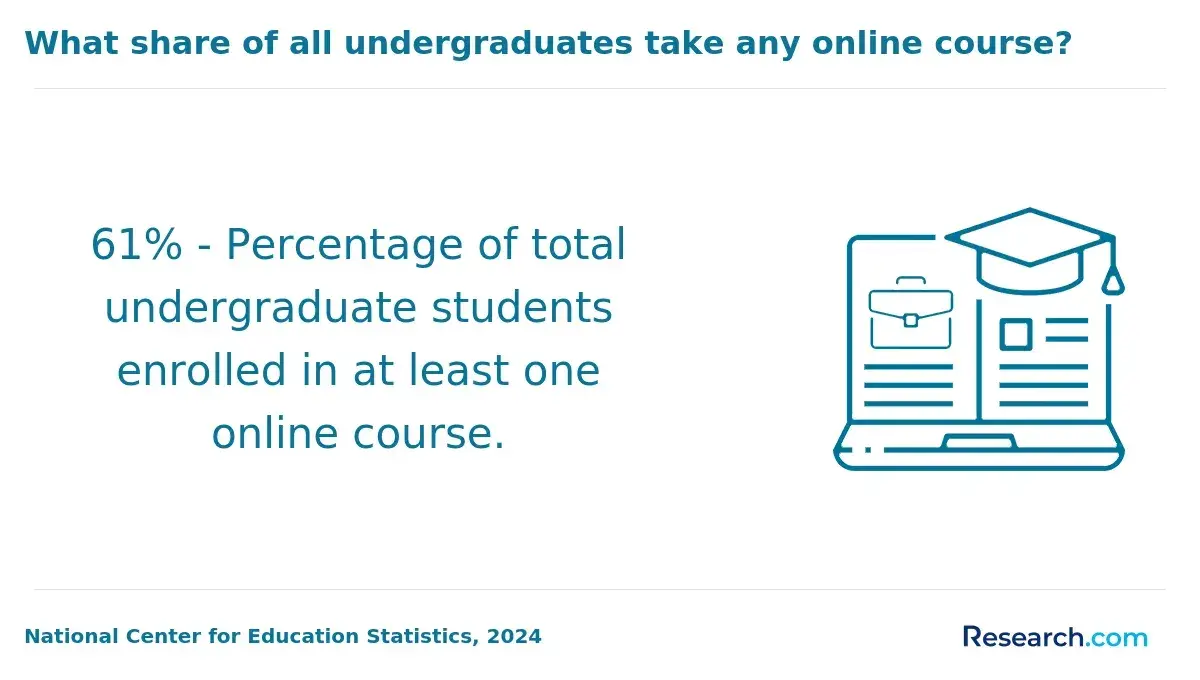
Internship and clinical hour requirements for entrepreneurship degrees usually remain consistent between online and on-campus formats. Both types of programs prioritize hands-on experience to develop practical business skills and often mandate a set number of internship hours to meet professional criteria and learning goals. This approach ensures students build essential networking, problem-solving, and leadership abilities. Notably, more than 75% of students enrolled in online business programs participate in internships, highlighting the increasing recognition of experiential learning in virtual education.
While online and on-campus programs share similar internship expectations, they differ in logistical execution. Online students typically have greater flexibility in choosing internship locations, which can be local or remote, accommodating varied schedules and geographic constraints. Supervision for online internships often involves virtual mentoring and check-ins, whereas on-campus students generally experience more direct, in-person oversight. This flexibility broadens opportunities for remote industry exposure but also demands strong communication and time management skills from students.
Specialization choices within entrepreneurship degree programs play a significant role in shaping internship requirements because each focus area demands distinct skills and professional experiences. For example, students concentrating on social entrepreneurship often need internships with nonprofit organizations or community-based ventures, highlighting impact measurement and stakeholder engagement.
In contrast, those specializing in tech entrepreneurship may seek placements in startup incubators or technology firms, focusing on innovation management and technical project involvement. Reflecting these trends, about 65% of students pursuing entrepreneurship degree internship requirements participate in experiences aligned with their specialization to build relevant skills and job readiness.
These differences in specialization influence the scheduling, workload, and overall structure of internships, impacting how students balance practical experience with academic commitments. Traditional business-focused tracks might coordinate internships to fit academic calendars seamlessly, while niche areas require flexible or seasonal engagements, such as part-time or virtual internships, to match real-world project timelines. This variability directly affects career preparation by tailoring internship experiences to align with industry expectations, ultimately equipping students with the networks and expertise necessary for success. Prospective students interested in affordable programs can explore affordable EDD programs to support their educational goals.
Work experience can sometimes substitute for internship requirements in an entrepreneurship degree, especially for students who are balancing studies with professional commitments. This flexibility addresses a common concern for working students seeking to leverage their prior roles without repeating similar hands-on experiences. Acceptance of such substitutions depends largely on how closely job duties align with entrepreneurship skills, the extent and duration of relevant experience, and whether employers can verify these responsibilities. Accredited programs may also have strict policies regulating when work experience counts toward practical learning components.
Generally, individuals with significant career backgrounds or those enrolled in applied specializations stand a better chance of having their work experience approved in lieu of an internship. Conversely, students lacking directly applicable experience often must complete formal internships to fulfill program requirements. Since rules vary by institution and degree level, students should proactively discuss substitution possibilities with academic advisors to avoid unexpected delays. When asked about this issue, a graduate of an entrepreneurship degree shared her experience navigating this process. She recalled feeling uncertain initially about whether her previous role as a project manager qualified, but after gathering detailed documentation and employer support, the program accepted her professional experience. "It was a relief to have my work recognized," she reflected. "The process required persistence and clear communication with advisors, but it ultimately saved me time and enriched my learning by building on real-world challenges I had faced." Her story highlights how successfully applying professional experience can streamline degree requirements while enhancing career preparation.
The length of internships in entrepreneurship degree programs significantly influences how deeply students engage with hands-on learning and career networking. Industry data shows that about 70% of these programs expect or recommend internships lasting at least a full academic semester, highlighting the importance of substantial practical experience. Below are common internship duration models and their typical structures.
- Short-term internships: Usually lasting 4 to 6 weeks during summer breaks, these internships offer concentrated periods of experience. They fit well within academic calendars that emphasize flexibility and allow students to gain exposure without interrupting regular coursework.
- Semester-long internships: Spanning 12 to 16 weeks, these placements are integrated into a normal academic term and provide a balance of immersive work and ongoing study. They are highly favored in accredited programs aiming to deepen students' applied skills within startup environments or innovation projects.
- Extended internships: Lasting over six months, often as part of co-op programs, these require a longer commitment and provide extensive real-world business experience. These models tend to suit students specializing in areas like technology ventures or social entrepreneurship and benefit from strong partnerships with local enterprises.
Many entrepreneurship programs now incorporate flexible options such as part-time or remote internships, allowing students to juggle other obligations while gaining relevant experience. The length and design of internships also vary based on accreditation rules, degree focus areas, and collaborative agreements with industry partners, reflecting an adaptive approach to career preparation without sacrificing academic progress.
Job placement outcomes are a top priority for many prospective students considering an entrepreneurship degree, as they seek programs that lead to strong career prospects. According to the National Association of Colleges and Employers, 60% of students with internship experience receive at least one job offer related to their field, compared to 36% without internships. The impact of internships on entrepreneurship degree job placement can be seen through several key factors:
- Employer Preference: Employers often favor candidates who have demonstrated practical experience through internships because these individuals understand real-world business operations better than those relying solely on classroom learning.
- Skill Development: Internships help students build essential skills such as problem-solving, communication, and project management that are difficult to acquire without hands-on involvement.
- Professional Networking: Internships create valuable opportunities to develop connections within the industry, increasing the chances of receiving job referrals or direct offers from host companies.
- Conversion to Full-Time Roles: Some internships lead directly to full-time employment, providing a smoother transition from academic life to the workforce, reducing job search time and improving job stability.
While internships are not universally required in entrepreneurship degrees, they play a crucial role in how internships boost career opportunities after entrepreneurship degree completion. Students looking to enhance their employability might also explore fast degrees online to complement their education and career readiness.
Practical experience gained through internships or experiential learning often leads to higher starting salaries for entrepreneurship graduates, with studies showing an average 15% pay increase for those who completed such opportunities. This advantage reflects employers' preference for candidates who arrive with proven skills and readiness for real-world challenges. Several key factors influence how this experience translates into compensation:
- Employer valuation of experience: Hands-on projects and internships provide evidence of problem-solving, client engagement, and operational management abilities, making candidates more attractive and less risky hires.
- Negotiation leverage: Demonstrable practical skills empower graduates to confidently negotiate higher pay during job offers, as they can show tangible results rather than just academic knowledge.
- Industry standards: Some sectors emphasize experiential learning to a greater extent, generating larger salary premiums for graduates who have applied their skills in real settings, especially in areas like tech startups or social entrepreneurship.
- Program-specific differences: Degree programs that integrate extensive experiential components often produce graduates with better job prospects and starting offers compared to less application-oriented curricula, reflecting variations by specialization and training format.
Ultimately, entrepreneurship graduates who engage in hands-on learning are frequently positioned for stronger early-career earnings and enhanced employability, making practical experience a valuable component in program design and career planning.
What Graduates Say About Their Entrepreneurship Degree Internships or Clinical Hours
- Finley: "The internship requirement in my online entrepreneurship degree was a game-changer. Despite the affordable cost compared to traditional programs, I gained real-world experience that directly boosted my confidence and business skills. This hands-on approach truly accelerated my professional growth. "
- Colby: "Completing the internship component of my entrepreneurship degree online was both challenging and rewarding. The cost was reasonable, which made pursuing this practical experience more accessible for me. Reflecting on it, the internship provided invaluable insight that shaped my career trajectory and helped me network effectively. "
- River: "From a professional standpoint, fulfilling the internship in my online entrepreneurship program was well worth the investment. Considering the overall program's cost, the internship added significant value by enhancing my resume and practical knowledge. This experience solidified my ability to navigate the business world confidently. "
Other Things You Should Know About Entrepreneurship Degrees
No. Most entrepreneurship degrees do not require internship credits, and they never require clinical hours. When internships are built in, they are usually optional or used for elective credit, often 1 to 3 credits under a business school’s internship policy or capstone rules.
An entrepreneurship degree in 2027 may include internships that require faculty supervision, although this can vary by program. Some schools might assign industry professionals as mentors to ensure practical, real-world insights complement academic learning.
Many entrepreneurship programs provide dedicated career services, including internship placement assistance, resume workshops, and networking events. Additionally, faculty members and alumni networks often serve as valuable resources for securing relevant internship opportunities.
- Entrepreneurial Internship Program https://derbyecenter.tufts.edu/programs/internship/
- Entrepreneurship https://www.law-school.de/international/education/master-of-law-and-business/academics/specializations/entrepreneurship
- Is a Degree in Entrepreneurship Worth it? | Nexford University https://www.nexford.edu/insights/is-a-degree-in-entrepreneurship-worth-it
- Student internship | SGH | Szkoła Główna Handlowa w Warszawie https://www.sgh.waw.pl/en/student-internship
- Role of a Business Intern: What to expect and what to learn https://capital-placement.com/blog/role-of-a-business-intern/
- Is pursuing an entrepreneurship degree a good idea? | BSBI https://www.berlinsbi.com/blog/is-pursuing-an-entrepreneurship-degree-a-good-idea
- Interning at a Startup: 5 Pros and Cons That Matter https://theinterna.com/interning-at-a-startup/
- Entrepreneurship Jobs - What are the career opportunities? | CBS https://www.cbs.de/en/blog/entrepreneurship-jobs
- Grow Your Startup & Innovate Faster - Mitacs Accelerate Entrepreneur https://www.mitacs.ca/our-programs/accelerate-entrepreneur/
- Do Internships Increase Employability? | GVI https://www.gvi.ie/blog/smb-do-internships-increase-employability/


