2027 Competency-Based Online Women's Health Nurse Practitioner Master's Degrees

Co-Founder and Chief Data Scientist
Navigating the complex path to becoming a women's health nurse practitioner (WHNP) can be daunting, especially for working professionals balancing jobs and family obligations. Traditional programs often require fixed semester schedules and credit-hour accumulation, limiting flexibility. Competency-based education (CBE) online programs offer an alternative, allowing learners to progress by demonstrating mastery at their own pace. With employment in nurse practitioner roles projected to grow 45% through 2030, many seek efficient and affordable pathways to enter the field. This article explores how competency-based online WHNP master's degrees work, their admissions criteria, curriculum structure, and outcomes to help readers make informed decisions about their education and career advancement.
Key Benefits of Competency-Based Online Women's Health Nurse Practitioner Master's Degree
- Competency-based online women's health nurse practitioner master's degrees offer flexible pacing, allowing working professionals to progress according to demonstrated skills rather than fixed semesters.
- These programs accelerate clinical competence by focusing on mastery, enabling career changers to efficiently acquire essential skills and shorten time to graduation.
- Students benefit from global networking opportunities through virtual collaboration platforms, fostering diverse professional connections beyond traditional geographic boundaries.
What Is a Competency-Based Women's Health Nurse Practitioner Master's Degree, and How Does It Work?
Prospective students exploring competency-based online women's health nurse practitioner master's degrees benefit from understanding how this educational model differs from traditional credit-hour based programs. This approach centers on skill mastery and knowledge application rather than seat time. The following points highlight the essentials of competency-based education in the context of competency-based online WHNP master's programs.
- Definition and Focus: Competency-based education (CBE) requires students to demonstrate mastery of specific skills and knowledge critical to women's health nurse practitioner practice instead of merely completing credit hours. This model prioritizes what students can do with their learning over time spent in class.
- Self-Paced Learning: Programs use self-directed modules that allow learners to advance at their own pace. After independently studying content, students undergo assessments to verify competencies in clinical and theoretical areas essential to advanced nursing practice.
- Assessment Methods: Mastery is confirmed through a range of tools, including practical exams, reflective assignments, simulations, and case studies. Students must meet defined competency standards before progressing, ensuring they develop the required expertise thoroughly.
- Faculty and Mentorship Support: Despite the self-paced format, most programs provide faculty mentors or advisors who guide students, offer feedback, and support complex skill development vital for women's health nursing.
- Alignment With Adult Learners: CBE suits working professionals and adult learners by offering flexibility and recognizing prior learning or experience to accelerate progress, accommodating diverse learning styles and life commitments effectively.
According to a recent report by the National Center for Education Statistics, enrollment in competency-based degree programs rose nearly 40% over five years, illustrating the growing interest in this flexible format in healthcare education. For those seeking accelerated options in healthcare fields, programs like a medical assistant accelerated program exemplify similar trends toward competency-based, efficient pathways.
What Are the Admission Requirements for a Competency-Based Online Women's Health Nurse Practitioner Master's Program?
Prospective students interested in competency-based online women's health nurse practitioner master's programs must navigate specific admission requirements designed to align with the unique structure of competency-based education (CBE). Understanding these prerequisites helps applicants position themselves effectively. The following key criteria typically shape admissions decisions:
- Bachelor's Degree and Transcripts: Most programs require applicants to hold a bachelor's degree in nursing or a closely related field from an accredited institution. Official transcripts are mandatory to verify academic credentials and demonstrate preparedness for advanced study.
- Professional Experience: Prior nursing experience, especially in women's health or a related clinical setting, is often preferred. Some programs may require documented clinical hours, while others include professional background as part of a holistic evaluation reflecting the applicant's readiness for competency-based learning.
- Standardized Test Requirements: Many CBE programs waive GRE or GMAT scores, focusing instead on proven competencies. Applicants should check each program's specific policies, as these requirements diverge from those in traditional graduate programs.
- Letters of Recommendation: Two to three letters from academic or professional sources are generally required to attest to the candidate's clinical skills, dedication, and fit for advanced nursing practice.
- Holistic Application Review: Admissions committees assess the entire profile, including academic performance, work experience, personal statements, and certifications, ensuring alignment with the self-paced, competency-driven format.
Applicants aiming to meet the GPA and prerequisite criteria for competency based women's health nurse practitioner master's degrees should emphasize competencies gained through clinical work in women's health. Showcasing relevant experience and readiness for self-guided study can bolster acceptance odds. For those exploring different pathways, researching programs like the dnp program options might also provide valuable insights.
What Is the Minimum GPA Requirement for a Women's Health Nurse Practitioner Competency-Based Master's Program?
Applicants exploring competency-based online women's health nurse practitioner master's degrees often wonder about the GPA requirements they must meet to qualify. A clear grasp of typical expectations and flexible admissions policies can help candidates assess their options confidently. The following points outline the main considerations related to GPA standards and alternatives in these programs.
- Typical GPA Thresholds: Most accredited programs require a minimum undergraduate GPA near 3.0 on a 4.0 scale, reflecting consistent academic performance appropriate for advanced study.
- Allowance for Work Experience: Some schools may admit candidates with lower GPAs if they present strong professional backgrounds, certifications, or notable accomplishments in women's health nursing.
- Use of Competency-Based Assessments: CBE programs often evaluate applicants through portfolios, competency tests, or clinical documentation, providing additional routes to demonstrate preparedness beyond traditional GPAs.
- Holistic Candidate Reviews: Admissions committees may include letters of recommendation, essays, and interviews to form a more complete picture of an applicant's strengths, potentially offsetting GPA limitations.
- Variation Among Institutions: Since each program sets its own criteria, it's important to examine specific admissions guidelines and engage directly with advisors for tailored advice.
A professional transitioning careers shared that although his undergraduate GPA was slightly below the typical cutoff, the program recognized his extensive nursing experience and portfolio of clinical work. He recalled feeling apprehensive initially but appreciated how competency assessments and personalized communication with admissions staff helped him navigate the process. "It wasn't just about grades," he explained, "the program valued what I could prove through my skills and background. That made all the difference."
Prospective students exploring competency-based online women's health nurse practitioner master's degree programs benefit from understanding the flexible timeframes these programs offer. The self-paced nature lets learners tailor progress according to their personal and professional demands. Consider these important factors that influence completion speed.
- Flexible, Self-Paced Progress: Competency-based education enables students to advance as they demonstrate mastery rather than following a fixed semester schedule. This approach suits both fast-paced learners and those needing extra time.
- Typical Duration Range: Depending on motivation and outside responsibilities, completion can vary from as little as 12 months for highly dedicated students to up to three years for those balancing work and family life within competency-based online women's health nurse practitioner master's degree programs.
- Subscription-Based Tuition Incentives: Many programs charge tuition in subscription intervals, encouraging students to finish sooner to reduce overall educational expenses.
- Prior Learning Assessments and Transfer Credits: Students with relevant experience or prior coursework can often bypass certain competencies, shortening the path to graduation.
- Realistic Timeline Planning: It's essential to honestly evaluate weekly work commitments, family duties, and familiarity with women's health nurse practitioner topics to establish a manageable study schedule that aligns with individual circumstances.
For those researching affordable options in this field, exploring the cheapest online fnp programs can provide valuable insights into cost-effective pathways to achieving advanced nursing credentials.
Cost considerations play a crucial role for those exploring competency-based online women's health nurse practitioner master's degrees. Understanding how tuition is structured helps students plan their finances effectively. Below are some essential aspects to consider:
- Subscription-Based Tuition: Many programs offer a flat fee each term, letting students progress through multiple competencies without extra charges. This approach benefits fast-paced learners who want to complete their degree quickly.
- Per-Competency or Per-Credit Pricing: Other programs charge based on the competencies or credits completed, which can vary the overall cost but often remains more affordable than conventional semester-based pricing.
- Reduced Overall Costs: Due to accelerated pacing and fewer campus-related expenses, competency-based degrees typically cost less than traditional master's programs that have fixed credit requirements and longer durations.
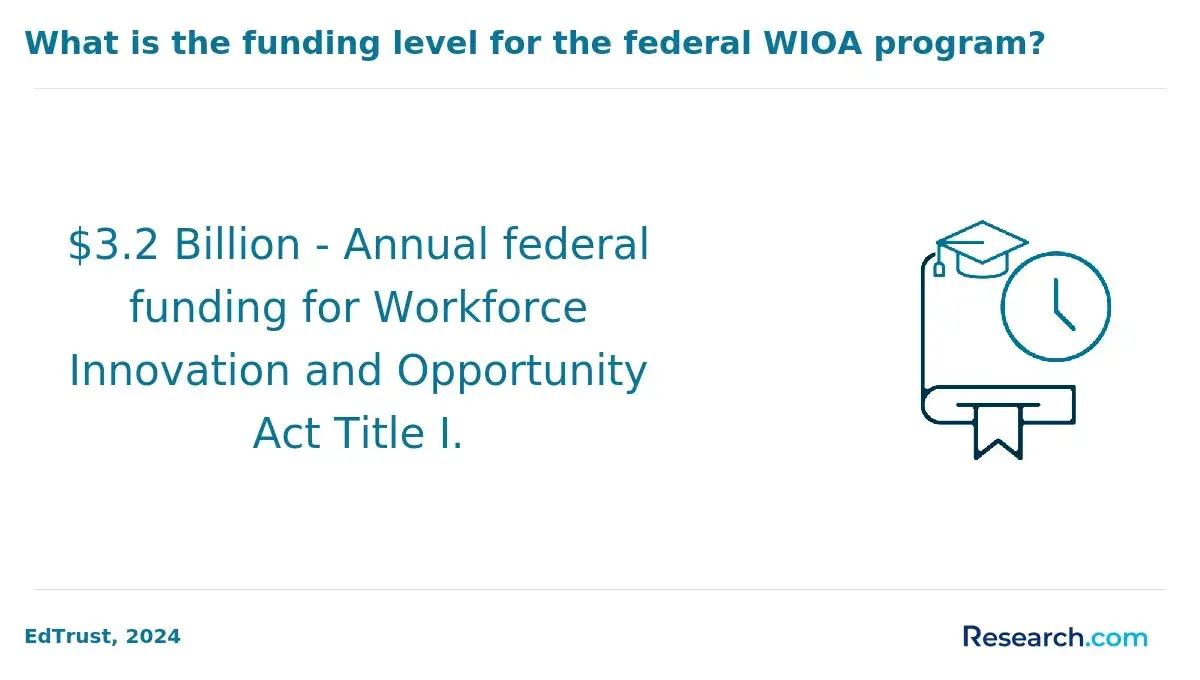
- Financial Aid Opportunities: Federal loans, employer tuition assistance, and scholarships tailored to women's health nurse practitioner candidates are commonly available, helping to alleviate out-of-pocket expenses.
- Total Cost Assessment: Beyond tuition, students should factor in additional expenses such as technology fees, required materials, and the economic impact of dedicating time to study instead of work.
Reflecting on her experience, a professional who transitioned careers after earning a competency-based online women's health nurse practitioner master's degree shared how budgeting was a journey itself. She noted, "The flat-rate tuition motivated me to accelerate my progress, but I had to carefully track costs like software subscriptions and textbooks." Although the upfront fees felt daunting initially, access to employer assistance and scholarships eased the financial load. She emphasized that understanding all related costs beforehand allowed her to avoid surprises and stay committed to completing the program efficiently.
Accreditation plays a vital role for those considering competency-based online women's health nurse practitioner master's degrees, impacting both the degree's validity and access to federal financial aid. Here are several essential points to help assess accreditation quality and legitimacy for these programs.
- Regional Accreditation Is Essential: Institutional accreditation from recognized regional bodies like the Higher Learning Commission (HLC), Southern Association of Colleges and Schools Commission on Colleges (SACSCOC), and WASC Senior College and University Commission (WSCUC) indicates that a school meets comprehensive academic and administrative standards.
- Program-Specific Nursing Accreditation: Accrediting organizations such as the Commission on Collegiate Nursing Education (CCNE) and the Accreditation Commission for Education in Nursing (ACEN) focus specifically on nursing education. Their review includes curriculum quality and competency-based evaluation methods crucial for licensure eligibility.
- Federal Financial Aid Requires Recognized Accreditation: Only degrees from properly accredited institutions qualify students for federal loans and grants, making confirmation of accreditation necessary prior to enrollment.
- Verify Accreditation Through Official Resources: Prospective students can confirm a program's accreditation status using the U.S. Department of Education's Database of Accredited Postsecondary Institutions and Programs (DAPIP), which lists recognized accrediting agencies and their accredited schools.
- Stay Alert to Predatory Accreditors: Some programs claim accreditations from unverified or illegitimate organizations. These can undermine educational value and professional credibility, so always verify using trusted federal or regional sources.
Prospective students evaluating competency-based online women's health nurse practitioner master's degree programs benefit from understanding how curricula focus on tangible, measurable outcomes aligned with industry standards. This ensures learning is relevant and applicable to professional practice. Key features of these programs include the following:
- Defined Competency Domains: Programs emphasize critical areas such as analytical reasoning, clinical decision-making, leadership, ethical practice, and specialized technical skills in women's health care. This ensures graduates are fully prepared to meet industry expectations.
- Competency-Based Curriculum Structure: Instead of conventional courses, the curriculum is organized into competency units that blend theoretical knowledge with practical application. This format fosters deeper mastery through focused learning goals.
- Applied Assessments and Projects: Students complete assessments and projects designed to mirror authentic challenges faced by women's health nurse practitioners, promoting critical thinking and problem-solving in clinical settings.
- Alignment with Professional Standards: Curriculum frameworks are mapped to national certification requirements and evidence-based guidelines, supporting licensure readiness and career advancement.
- Personalized Learning Paths: CBE programs often allow students to progress at their own pace by demonstrating mastery of each competency, which can accelerate completion based on prior experience or learning.
Reviewing each program's specific competency framework is essential for students to confirm that the curriculum aligns with their career ambitions in women's health nurse practitioner roles and equips them with the comprehensive skill set required for successful clinical practice.
Competency-based online women's health nurse practitioner master's programs rely on advanced technology platforms to ensure flexible, effective learning experiences. These infrastructures support a balance between self-paced study and interactive engagement. Below are key features commonly found in these programs:
- Learning Management Systems (LMS): Most programs utilize LMS platforms such as Canvas, Blackboard, or custom proprietary systems to deliver course materials, organize assessments, and facilitate communication. These systems provide a centralized hub for tracking progress in competency-based education delivery.
- Asynchronous Learning: Core coursework is often provided asynchronously, allowing students to access lectures, readings, and assignments at their convenience. This flexibility is essential for those juggling clinical practice and academic responsibilities.
- Synchronous Learning Components: Some programs include scheduled live virtual sessions, case discussions, or virtual labs that encourage real-time collaboration and immediate feedback. These interactive elements accommodate diverse time zones and enhance learner engagement.
- Accessibility and Mobile Compatibility: Quality programs adhere to accessibility standards like WCAG and are optimized for mobile devices, enabling students to study via smartphones or tablets from any location.
- Technical Support Services: Responsive remote technical support offers troubleshooting and guidance, ensuring students remain focused on mastering competencies without interruptions.
Prospective students pursuing technology platforms for women's health nurse practitioner CBE programs are advised to request a platform demonstration or free trial to verify the system aligns with their preferred learning style and device capabilities.
For those exploring advanced nursing degrees, resources such as an online nursing doctorate offer valuable insights into affordable, flexible options within the healthcare education landscape.
Prospective students exploring competency-based online Women's Health Nurse Practitioner master's degree programs should understand how assessments differ from traditional exam formats. These programs prioritize demonstrating mastery through authentic performance tasks rather than timed tests. Below are key features illustrating this approach:
- Performance-Based Assessments: Mastery is shown through clinical simulations, case studies, capstone projects, and other tasks that mimic real-world women's health nurse practitioner duties, shifting the focus from memorization to applied skills.
- Faculty Evaluator Role: Competency assessors or experienced faculty use standardized rubrics aligned with professional nursing benchmarks to evaluate student submissions, ensuring aligned and objective competency measurement.
- Resubmission Opportunities: Students who do not meet competency standards at first can revise and resubmit work, fostering a growth-focused, non-punitive learning environment central to competency-based assessment methods in women's health nurse practitioner programs.
- Use of Portfolios: Documentation of clinical and academic achievements in portfolios provides a comprehensive and progressive record of student competencies over time.
- Employer Relevance: This evidence-based assessment offers potential employers more meaningful insights into graduates' capabilities and readiness compared to traditional grading systems.
In competency-based online women's health nurse practitioner CBE degrees, these methods replace traditional credit-hour models and exams, allowing flexible, skills-focused learning tailored to individual pace and prior knowledge. Students may also explore self paced online degree options that align well with CBE philosophies, providing personalized education paths while maintaining rigorous standards.
For students pursuing a competency-based online Women's Health Nurse Practitioner (WHNP) master's degree, prior learning assessment (PLA) provides an opportunity to translate existing knowledge and skills into academic credit. This pathway can accelerate degree completion by recognizing competencies gained through professional experience, certifications, or previous coursework. Below are key aspects of PLA commonly offered in WHNP CBE programs.
- Portfolio Evaluation: Students compile evidence such as work experience, certifications, and transcripts to demonstrate competency mastery. Faculty review these portfolios to award credit for relevant proficiencies that align with program outcomes.
- Standardized Exams: Some programs accept recognized exams like the College Level Examination Program (CLEP) and DANTES Subject Standardized Tests (DSST) to verify prerequisite knowledge. These exams often cover foundational topics applicable to advanced WHNP coursework.
- Challenge Exams: Institutions may provide specialized examinations tailored to WHNP subjects, allowing students to bypass specific courses by proving their expertise through testing.
- Transfer Credit Limits: While PLA and transfer credits help reduce course load, most programs cap these at 25% to 50% of total credits to ensure academic integrity and maintain accreditation standards.
- Impact on Time and Cost: Earning PLA credits can shorten program duration and lower tuition expenses, benefiting professionals by formally recognizing their prior achievements and streamlining their degree journey.
Candidates should carefully document their WHNP-related experience and certifications before applying. Consulting with admissions advisors about PLA policies helps clarify eligibility and maximize the amount of credit awarded, ultimately supporting a more efficient path toward graduation.
Career advancement opportunities linked to a competency-based online women's health nurse practitioner master's degree are increasingly relevant for candidates aiming to stand out in today's healthcare marketplace. Mastery documented through competency portfolios enhances graduates' appeal, impacting hiring decisions. Key aspects illustrating this advantage include:
- Expanded Job Titles: Graduates often qualify for roles such as women's health nurse practitioner, clinical nurse specialist, nurse midwife, and healthcare educator, working in hospitals, community clinics, telehealth platforms, and educational settings.
- Competitive Salary Ranges: Annual salaries typically range from $90,000 to $120,000, varying with location and experience. Accelerated competency-based programs can allow earlier entry and progression, potentially increasing earning potential sooner.
- Employer Preference for Demonstrated Skills: Employers show growing interest in candidates who present verified competencies rather than traditional academic achievements alone. Documented skills and real-world applications showcased by CBE graduates create a distinctive edge during recruitment.
- Industry Recognition and Recruitment: Healthcare systems, academic institutions, and women's health clinics actively seek master's level nurse practitioners with specialized expertise, with competency-based credentials fulfilling current market expectations.
- Networking and Professional Associations: Engagement with professional groups and alumni networks linked to CBE programs provides vital access to mentorship, job opportunities, and ongoing education, supporting sustained career growth.
What Graduates Say About Their Competency-Based Online Women's Health Nurse Practitioner Master's Degrees
- Phyllis: "Choosing a competency-based online women's health nurse practitioner program was a game-changer for me because it allowed me to balance my work and studies flexibly. The affordability of the program made it accessible without compromising quality, which was a huge relief. After finishing, I found myself more confident and better equipped to provide specialized care, which has truly elevated my professional practice."
- Ruth: "I decided to pursue a competency-based online women's health nurse practitioner degree to accelerate my education while managing my family commitments. The cost was surprisingly reasonable for such a comprehensive curriculum, especially compared to traditional on-campus options. Reflecting on the experience, the personalized pace and real-world applicability of the coursework have significantly impacted my ability to serve patients more effectively in my clinical role."
- Brandon: "As a working nurse, the primary reason I chose a competency-based online women's health nurse practitioner master's program was the time efficiency it offered. The program's cost was clearly outlined upfront, enabling me to plan my finances with ease. Professionally, completing this degree has opened doors to leadership positions and has enhanced my credibility among peers and patients alike."
Other Things You Should Know About Women's Health Nurse Practitioner Degrees
Online CBE programs often provide a range of tailored support services, including academic advising, mentorship from clinical faculty, and technical assistance for digital learning platforms. Many programs offer access to virtual libraries, simulation tools, and career services specific to advanced nursing practice. Since CBE models emphasize self-paced study, students typically have regular checkpoints with instructors to ensure mastery and progress.
Most online women’s health nurse practitioner competency-based master’s programs still require at least 500 supervised direct patient-care clinical hours, and many require 600 or more. These hours must be completed in approved women’s health settings, under a qualified preceptor, to meet certification eligibility for national boards such as NCC.
Pros of CBE programs include flexibility, potential cost savings from accelerated pacing, and a focus on practical skills that align closely with clinical practice. Students can tailor their learning around personal schedules and careers. Cons may include less direct social interaction compared to cohort-based programs and the need for strong self-motivation. Additionally, some employers or regions may be less familiar with CBE formats, requiring graduates to explain their training model.
- Are You Considering a Career as a Women’s Health Nurse Practitioner? https://www.aanp.org/news-feed/are-you-considering-a-career-as-a-womens-health-nurse-practitioner
- Women's Health Nurse Practitioner: Career & Salary Overview https://npdegrees.org/careers/womens-health-nurse-practitioner/
- Online Women's Health Nurse Practitioner (WHNP) Programs https://nursinglicensemap.com/nursing-degrees/online-nurse-practitioner-programs/whnp/
- What are the WHNP core competencies? https://www.herzing.edu/faq/what-are-whnp-core-competencies
- Women's Health Nurse Practitioner Concentration MSN (Online) https://www.gcsu.edu/health/nursing/womens-health-nurse-practitioner
- Client Challenge https://www.springerpflege.de/mastery-learning-in-a-bachelor-s-of-nursing-program-the-roseman-/50627334
- 2026 Best Online Women's Health Nurse Practitioner Programs | NursePractitionerOnline.com https://www.nursepractitioneronline.com/programs/whnp/
- Accrediting Organizations for Graduate Nursing Programs https://www.onlinefnpprograms.com/resources/nursing-program-accreditation/
- Career Spotlight: Women's Health Nurse Practitioner | IntelyCare https://www.intelycare.com/career-advice/career-spotlight-womens-health-nurse-practitioner/
- How to Get Credit for Prior Learning in Nursing Programs https://www.allnursingschools.com/articles/prior-credit-nursing/