2027 Christian Ministry Master's Programs With Bridge or Foundation Courses

Co-Founder and Chief Data Scientist
Prospective students often face a crossroads when their academic background doesn't align directly with Christian ministry master's admissions criteria. Bridge or foundation courses embedded within these programs provide an alternative path, addressing gaps in prerequisite knowledge without requiring separate post-baccalaureate study.
With over 35% growth in adult learner enrollment reported by the National Center for Education Statistics in 2024, flexibility in admission and program design has become a key factor in accessibility and timely degree completion. This analysis dissects how admission status, prerequisite credits, cost, financial aid, and career relevance intersect, equipping non-traditional applicants to make informed choices tailored to their unique situations.
Key Things to Know About Christian Ministry Master's Programs With Bridge or Foundation Courses
- Bridge courses in Christian ministry master's programs often require 12-18 prerequisite credits, extending total study time and increasing costs-a tradeoff for applicants lacking direct undergraduate preparation.
- Conditional admission based on foundation coursework allows entry without full prerequisites but may signal limited immediate employability in ministry roles until program completion, affecting early career mobility.
- With online enrollments rising 7.5% annually according to the National Center for Education Statistics, programs offering integrated bridge courses improve accessibility and timing flexibility for working adults balancing ministry training with employment.
What Are Christian Ministry Master's Programs With Bridge or Foundation Courses, and Who Are They Designed For?
Christian ministry master's programs with bridge or foundation courses distinguish themselves by solving a common bottleneck: the prerequisite gap faced by career changers and graduates from unrelated fields aiming to enter graduate theological study. Unlike traditional master's programs that require completed undergraduate coursework in ministry or theology before admission, these integrated programs embed foundational content to prepare students concurrently or sequentially.
This design addresses the practical challenge where professionals cannot afford to pause careers or pursue lengthy post-baccalaureate certificates but still must meet academic standards. For example, a social worker transitioning into ministry leadership can begin graduate coursework while building missing theological competencies instead of obtaining a second bachelor's degree, saving time and resources but extending their overall program duration.
Bridge courses in Christian ministry master's programs typically precede or run alongside core graduate classes, reflecting a tailored curriculum pacing. This sequencing ensures students gain critical biblical, theological, and ministry frameworks necessary for advanced study without compromising academic rigor.
However, the inclusion of these foundation courses generally prolongs degree completion by one or two semesters. The most affordable online colleges for working adults offering these pathways tend to be accredited universities emphasizing flexible, often online or hybrid, models to accommodate working professionals' schedules. Students benefiting most are career changers, recent graduates from adjacent majors, and actively employed professionals needing a unified, credit-efficient route into ministry roles without redundant credentialing.
- Purpose: To bridge gaps in prerequisite knowledge for applicants lacking prior Christian ministry coursework, thus reducing admission barriers.
- Structure: Foundation courses are typically either completed in the initial phases before progressing fully to master's core courses or taken concurrently, allowing flexible pacing tailored to individual preparedness.
- Program Length: Inclusion of bridge components generally extends the total time to degree completion, commonly by one to two semesters, reflecting the added foundational credit hours.
- Target Students: Primarily designed for career changers, recent graduates with non-aligned or adjacent majors, and working professionals requiring a unified pathway without interrupting ongoing careers.
- Institutional Offering: Offered mainly by accredited universities with an emphasis on online or hybrid delivery, these programs balance academic standards with accessibility and practical career outcomes.
Which Accredited U.S. Universities Offer Christian Ministry Master's Programs With Built-In Bridge or Foundation Courses?
Choosing a master's program in Christian ministry with embedded bridge or foundation courses can significantly affect a career changer or a recent graduate's timeline and readiness for ministry work. These integrated programs reduce redundancies and financial burdens compared to completing prerequisite courses separately, but availability and structure vary widely by institution type and region, making strategic selection essential for optimizing outcomes.
- Private Nonprofit Institutions: These smaller, teaching-focused universities are more likely to embed foundational coursework within the master's degree itself. Azusa Pacific University (California) offers a Master of Arts in Christian ministry that integrates biblical foundations and ministry skills tailored for students from non-theological backgrounds. Biola University (California) provides conditional admission paired with embedded bridge courses, allowing individualized academic preparation for full program acceptance.
- Public Universities: Public universities less frequently offer built-in foundation pathways, but exceptions exist where private institutions in public networks blur lines. Baylor University (Texas), while private, aligns with public networks and includes integrated foundational courses in its Master of Christian ministry curriculum, helping students without direct ministry undergraduate preparation. Liberty University (Virginia), notable for its extensive online and hybrid formats, embeds bridge coursework across its ministry graduate programs to support working adults lacking prerequisite credits.
- Online-Focused Institutions: Online seminaries and faith-based universities heavily emphasize flexible, integrated bridge models enabling working professionals to combine foundational theological education with graduate ministry training seamlessly. Southeastern University (Florida) exemplifies this approach with its accredited online Master of Christian ministry program designed for adult learners requiring concurrent foundational instruction and ministry credentialing.
Smaller private and online providers dominate the landscape for integrated bridge courses, particularly in southern and western states, reflecting denominational concentrations and mission emphases. Large research universities and many public institutions generally expect separate prerequisite completion or post-baccalaureate certificates, less suited to professionals needing a single-degree pathway.
Prospective students should verify bridge course availability and admission conditions through official university program pages and accreditation body databases such as SACSCOC or NWCCU rather than rely on third-party aggregators, which frequently show outdated or incomplete information. The Integrated Postsecondary Education Data System (IPEDS) can aid in confirming enrollment and credential data but rarely specifies bridge course details.
Direct engagement with admissions offices is crucial, as conditional admission policies and foundation requirements often vary annually and may not be fully transparent in catalog or online listings. Confirmation ensures clarity on credit load, financial aid eligibility, and credential acceptance, all pivotal for long-term employability and career advancement in ministry fields.
What Specific Bridge or Foundation Courses Are Commonly Required Before Full Admission to a Christian Ministry Master's Program?
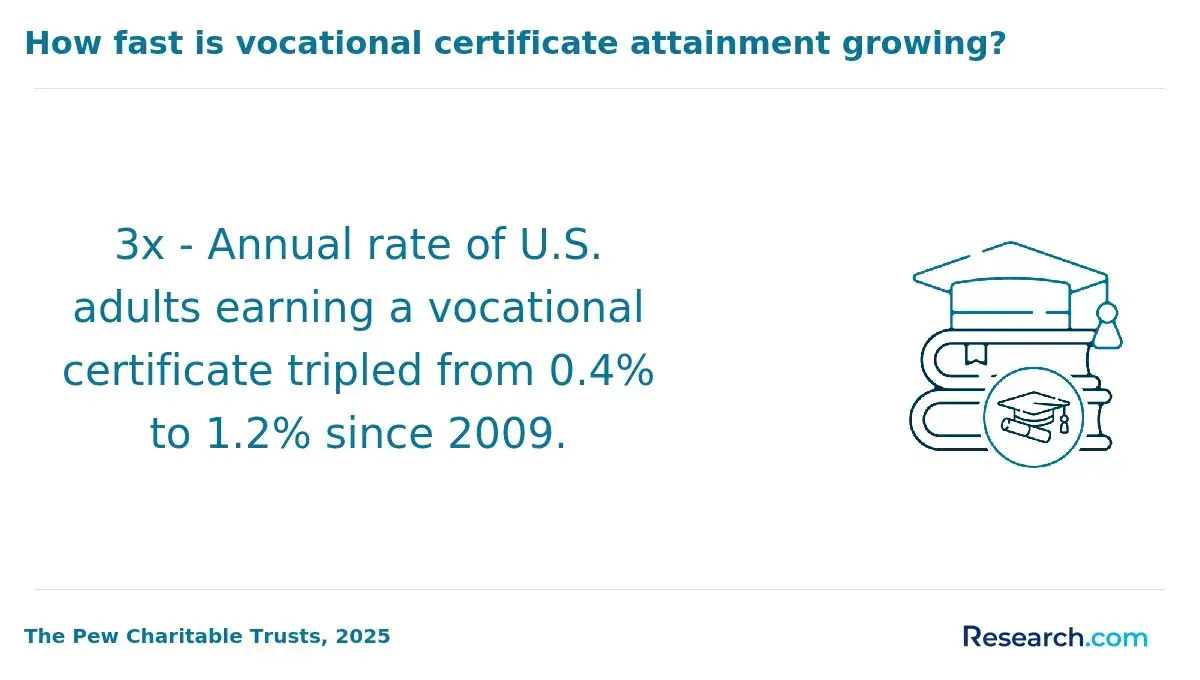
Prospective students lacking an undergraduate degree directly aligned with Christian Ministry often face a variable set of bridge or foundation courses before full admission. These prerequisite courses serve as critical academic leveling tools, designed to address significant gaps in theological knowledge and ministry skills that employers and graduate programs expect.
For example, a career changer transitioning from an unrelated field must complete core introductory theology and biblical studies to reach the competency baseline that others achieved in their undergraduate studies. This upfront preparation, however, affects not only the time-to-degree but also the financial outlay and workload, which working professionals should weigh carefully against the total benefits of pursuing a master's credential in Christian Ministry.
- Discipline-Specific Leveling: Most programs require foundational courses in areas such as introductory theology, church history, biblical studies, and practical ministry to build essential domain knowledge missing from unrelated degree backgrounds.
- Graduate Readiness: Many institutions include courses focused on theological research methods, ethical frameworks, or specialized academic writing to ensure readiness for graduate-level expectations.
- Admission Assessment: Programs commonly use transcript evaluations, standardized placement tests, or interviews to determine the precise set of foundation courses required for each applicant.
- Conditional vs. Full Admission: Applicants often receive conditional admission contingent upon completing bridge courses, influencing academic pacing and financial planning.
- Variation by Institution: The extent and specifics of required foundation coursework differ widely by school accreditation standards and the nature of one's undergraduate credentials.
- Financial and Time Impact: Additional bridge courses increase total tuition costs and extend the timeline to graduation, which can be especially challenging for those balancing work and study.
- Admissions Transparency: It is crucial to ask admissions about the process for determining foundation requirements, course details, and how these affect financial aid eligibility and credential recognition before committing.
Those navigating foundation coursework prerequisites for Christian Ministry graduate admissions should carefully compare these variables across programs. For students balancing career demands, finding programs with integrated or flexible online psychology degree options may offer a complementary model worth investigating. Understanding these course requirements as integral to ultimate employability and long-term career viability prevents costly surprises in both time and money invested.
How Do Bridge or Foundation Courses in Christian Ministry Master's Programs Differ From a Traditional Post-Baccalaureate or Second Bachelor's Degree?
Choosing between bridge or foundation courses embedded in Christian ministry master's programs, standalone post-baccalaureate certificates, and second bachelor's degrees hinges on nuanced tradeoffs influencing career changers and working adults. Bridge-integrated master's pathways allow conditional admission and concurrent completion of prerequisite and graduate-level courses, reducing total time and often costs compared with sequential post-baccalaureate plus master's routes.
This approach suits those needing to maintain employment while advancing academically. However, programs with a strong emphasis on established foundational readiness may prefer applicants who complete a post-baccalaureate certificate beforehand, as it offers a clearer demonstration of prerequisite mastery.
- Program Structure: Bridge courses are incorporated into the master's curriculum, enabling continuous enrollment. Post-baccalaureate certificates are separate and must typically be completed before graduate admission; second bachelor's are full undergraduate degrees requiring significantly more time.
- Time to Credential: Integrated bridge coursework shortens the educational timeline by overlapping prerequisites and graduate studies. Separate certificates extend total time, while a second bachelor's often entails multiple additional years.
- Financial Aid Eligibility: Bridge-inclusive master's programs usually qualify for graduate aid, whereas post-bacc certificates may have limited financial support. Second bachelor's programs typically access undergraduate aid but increase overall financial commitments.
- Credential Recognition: Employers and licensing boards generally value the master's degree regardless of entry path, but highly selective programs might prioritize post-bacc certification over bridge coursework for admissions.
- Flexibility: Bridge programs provide adaptable pacing attractive to professionals balancing work; standalone certificates and bachelor's degrees tend to be less flexible.
- Admission Considerations: Conditional acceptance via bridge courses allows immediate transition into graduate-level work, unlike post-baccalaureate routes that require preliminary completion of prerequisites.
Applicants must thoroughly assess total credit requirements, timing, financial aid options, and credential impacts aligned with their career ambitions. For many mid-career individuals, bridge-integrated master's programs present the most efficient path. Yet those targeting elite, selective programs or needing a stronger academic foundation may prefer separate post-baccalaureate certification.
One recent graduate recalled entering a Christian ministry master's where conditional admission through bridge courses allowed immediate enrollment despite lacking all prerequisites upfront. However, during rolling admissions, the program's faculty strongly suggested completing specific foundational courses promptly to avoid delays in research opportunities and licensing preparation.
The student experienced a period of hesitation, balancing work and accelerated coursework to meet these requirements. This contrasted sharply with peers who had completed post-bacc certificates beforehand and could focus purely on graduate studies from day one. The graduate ultimately valued the flexibility but recognized the tradeoff in initial uncertainty and workload intensity reflective of the bridge approach.
What Are the Admission Requirements for Christian Ministry Master's Programs That Include a Bridge or Foundation Component?
Admission requirements for Christian ministry master's programs with bridge or foundation courses reflect a deliberate tradeoff between accessibility and academic rigor. Unlike traditional programs that demand prerequisite coursework completed beforehand, these integrated pathways open doors to applicants lacking formal ministry backgrounds, including career changers and adjacent-field graduates.
This flexibility often results in cohorts with varied academic experience, requiring students to navigate foundational content at a measured pace to balance learning demands with professional or personal obligations.
- Undergraduate GPA Thresholds: Most programs set minimum requirements around 2.5 to 3.0, which is generally more lenient than standard master's admissions, signaling a willingness to support those transitioning into ministry studies.
- Required Documents: Applicants supply transcripts, letters of recommendation, statements of purpose, and sometimes professional resumes-especially important for candidates without traditional ministry credentials.
- Standardized Test Policies: Many programs waive GREs or similar exams, shifting emphasis toward demonstrated motivation and relevant experience rather than test scores.
- Professional Experience Requirements: Prior ministry, volunteer, or leadership involvement isn't always mandatory but can strengthen applications, reflecting the value placed on practical insight alongside academic readiness.
- Admission Models: Conditional admission requires students to meet specific academic benchmarks within the bridge segment before fully entering the master's curriculum, impacting financial aid disbursement and academic standing. Direct admission into the combined pathway typically eases credit transfer and financial aid processes, beneficial for those uncertain about program commitment.
- Cohort Composition and Academic Pacing: The diverse academic backgrounds mandate that students exercise self-discipline and come prepared to engage with foundational theological concepts and critical academic skills during the bridge phase.
These integrated programs cater explicitly to non-traditional applicants by consolidating prerequisite learning and graduate study into one trajectory. Success depends on applicants' ability to adapt to the academic challenge of the bridge component while leveraging prior experience to secure full admission and navigate financial aid complexities effectively.
What Is the Minimum GPA Requirement for Christian Ministry Master's Programs With Bridge or Foundation Courses, and How Does Prior Academic Background Affect Eligibility?
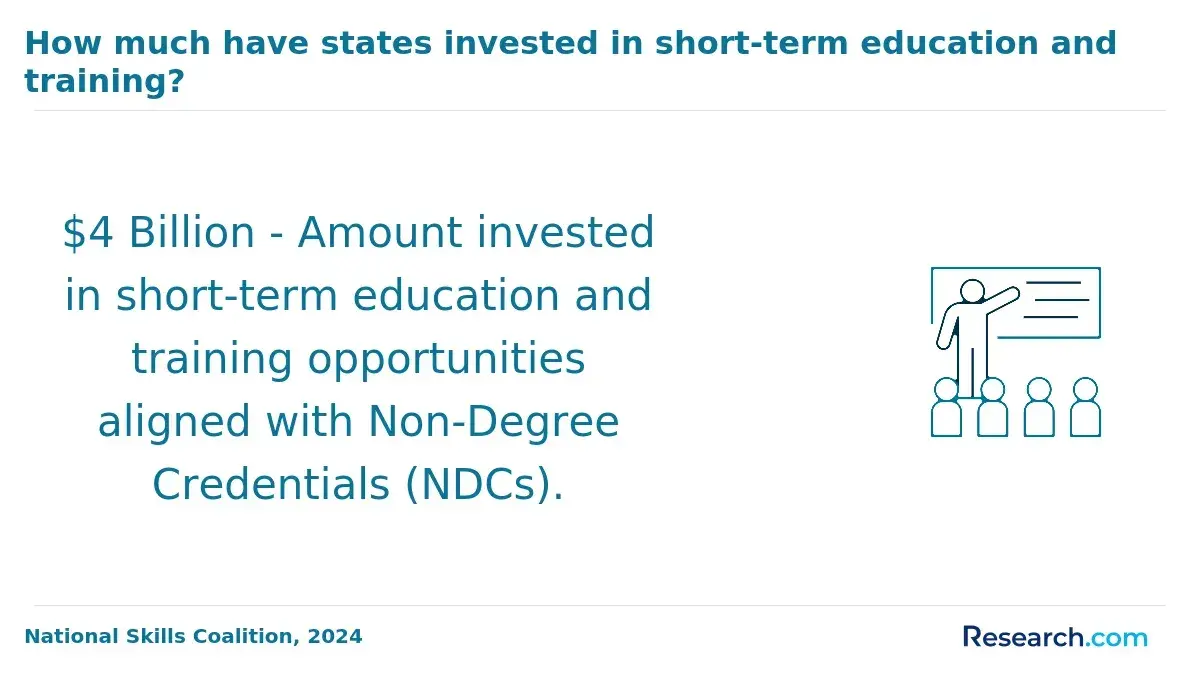
Admission to Christian ministry master's programs that include bridge or foundation courses typically requires balancing academic readiness with practical adaptability. The minimum undergraduate GPA for these programs generally falls between 2.5 and 3.0 on a 4.0 scale, slightly more lenient than the standard 3.0 required by traditional Christian ministry graduate programs.
This lower threshold reflects these programs' dual role: accommodating applicants lacking direct academic preparation while maintaining rigorous graduate-level expectations during the foundation phase.
- Minimum GPA: Accredited institutions often set the minimum GPA for Christian ministry graduate programs with bridge elements around 2.5 to 3.0, recognizing the need to provide remedial academic support while ensuring students can cope with graduate study demands.
- Prior Academic Background: Applicants without undergraduate degrees in Christian ministry or closely related fields typically require more extensive prerequisite coursework. Their eligibility depends on how well their prior studies align with ministry prerequisites, with bridge courses mitigating gaps for those from unrelated disciplines.
- GPA vs. Other Criteria: Admissions committees frequently weigh professional experience, recommendations, and personal statements alongside GPA. For candidates near or below minimum GPA floors, demonstrated ministry involvement or leadership can enable conditional admission or waivers of certain academic requirements.
- Program Selectivity and Academic Expectations: Bridge programs are less selective than standard Christian ministry master's due to their support structures, but demand significant academic effort during foundational coursework, so readiness for this intensive phase is crucial.
- Conditional Admission Paths: Students with marginal GPAs can pursue conditional acceptance contingent on successful completion of foundational courses or post-baccalaureate theology classes. Leveraging relevant work experience may also strengthen their application before full matriculation.
This practical flexibility is critical for career changers without an undergraduate background in Christian ministry, recent graduates with adjacent majors, and working professionals seeking integrated pathways without interrupting their careers. Evaluating minimum GPA for Christian ministry graduate programs alongside prior academic credentials allows informed decisions about program fit and pathways forward.
Prospective students may find helpful comparisons or complementary credentials, such as those offered in the cheapest paralegal certificate online ABA- approved program, if looking for alternative workforce entry points that prioritize accessibility and applied skills.
How Many Additional Credit Hours Do Bridge or Foundation Courses Add to a Christian Ministry Master's Program, and How Does This Affect Total Cost and Time-to-Degree?
Bridge or foundation courses in Christian Ministry master's programs typically add between six and eighteen credit hours beyond the core graduate curriculum. This range reflects differing institutional assumptions about incoming students' preparedness, accreditation requirements, and whether foundational courses are integrated into the degree or completed as non-degree prerequisites.
For instance, a candidate entering with little ministry background might face a heavier prerequisite load, while those with related undergraduate majors could encounter fewer bridge credits. Each additional credit increases total tuition proportionally, often calculated at the institution's per-credit rate.
A program requiring six bridge credits added to a 36-credit core, for example, raises total tuition by roughly 17%. Programs demanding fifteen or more bridge credits effectively inflate tuition costs by 40% or more before fees and materials, making total expenses significantly higher than sticker prices suggest.
Beyond direct tuition, extended credit requirements elongate time-to-degree, particularly affecting part-time students who balance employment. This delay incurs indirect financial burdens: lost earnings during extended study, ongoing living costs, and postponed access to ministry roles. These hidden costs often outweigh the incremental tuition increase, underscoring the need to evaluate total program duration alongside credit-based expenses.
Prospective students should calculate overall costs by combining bridge and core credit hours rather than comparing per-credit prices alone. It is essential to clarify if bridge courses count toward the degree or function as non-degree prerequisites, since this impacts financial aid eligibility, credential timelines, and career progression.
- Primary Delivery Formats: Online, hybrid, and on-campus options vary, with many programs offering pacing flexibility to accommodate working professionals.
- Admission Requirements: Range from unconditional acceptance for well-prepared applicants to conditional admission contingent on completing foundational coursework.
- Prerequisite Credit Loads: Vary widely, significantly affecting cost, completion time, and academic workload.
- Credential Recognition: Accredited programs maintain consistent policies on prerequisite applicability and degree awarding.
- Career Outcomes: Integrated bridge courses typically facilitate smoother entry for career changers compared to separate post-baccalaureate pathways.
A graduate shared that during their application cycle, navigating rolling admissions created uncertainty about how many bridge credits they would need. Early in the process, advisors could only estimate conditional requirements, delaying the candidate's decision to commit financially and logistically.
Ultimately, the candidate took extra courses totaling twelve credits, which extended their program by an additional year part-time. This delay significantly affected their work schedule and financial planning, illustrating how bridge credit uncertainty can complicate enrollment timing and career transitions.
What Types of Students Are Best Suited for Christian Ministry Master's Programs With Bridge or Foundation Courses?
Christian ministry master's programs with bridge or foundation courses best serve students who need to fulfill prerequisite requirements without delaying entry into graduate theological education. For example, a recent graduate with a degree in social sciences but limited ministry coursework may seek a single-degree pathway to credentialing while balancing work commitments.
This bridge model enables such non-traditional students' Christian ministry foundation courses to integrate foundational content within the master's curriculum, avoiding separate prerequisite programs that extend time and cost.
- Academic Background: Ideal candidates hold a strong undergraduate GPA in adjacent fields like religious studies or theology, demonstrating readiness for graduate-level rigor despite lacking direct ministry prerequisites.
- Professional Motivation: Applicants exhibit clear intent to transition into Christian ministry roles, often supported by relevant volunteer or work experience aligned with program outcomes.
- Time and Financial Flexibility: Because bridge courses increase credit requirements and tuition, students require sufficient financial resources and scheduling adaptability to accommodate extended enrollment.
- Admission Status: These students often enter under conditional or bridge admission, indicating a need for integrated foundational coursework rather than full immediate graduate standing.
- Alternative Suitability: Those with considerable prior Christian ministry coursework may face redundant classes and would likely benefit more from traditional master's programs without bridge components.
- Selective Program Requirements: Candidates targeting highly selective credentials that do not offer bridge pathways may find this model less advantageous, as many employers in specialized ministry roles prioritize direct admission credentials.
An honest self-assessment of academic preparedness, career timing, financial runway, and long-term vocational goals is essential before investing in a bridge-integrated program. According to recent enrollment data, conditional admissions via bridge programs often reflect a specific segment of learners balancing workforce commitments, underscoring the importance of fitting educational pathways to personal circumstances rather than generic appeal.
Institutions that support non-traditional students, Christian ministry foundation courses show a practical compromise for those unable to pause careers for separate prerequisite study. For those evaluating related fields, it can be instructive to compare credentialing pathways in analogous sectors; for example, exploring online graphic design programs illustrates the tradeoffs between integrated and separate prerequisite models in professional education.
Are Bridge or Foundation Courses in Christian Ministry Master's Programs Offered Fully Online, On-Campus, or in a Hybrid Format?
Bridge or foundation courses in Christian ministry master's programs come in various delivery formats, each carrying significant implications for accessibility, cost, and educational quality. For students balancing careers, geographic constraints, or prior academic gaps, the choice between fully online, hybrid, or on-campus components directly impacts their ability to complete prerequisite coursework while maintaining other commitments.
- Fully Online Asynchronous: Many programs offer bridge courses in fully online asynchronous formats, maximizing flexibility for working adults and those in remote locations. However, this model may limit experiential learning and real-time faculty support, which are often essential for adequate preparation in ministry contexts.
- Synchronous Live-Online: Some require scheduled live sessions via video conferencing, improving engagement and immediate feedback. This format demands consistent availability, which can be challenging for professionals with irregular work hours.
- Hybrid Formats: Combining online elements with occasional on-campus or live virtual meetings, hybrid models attempt to balance flexibility with direct community and practicum experiences. Yet, travel requirements and scheduling can create barriers for students outside the institution's region.
- On-Campus Residency: Some bridge courses mandate in-person attendance to accommodate hands-on practicum or community ministry work. This approach often entails higher costs and restricts accessibility for those unable to relocate temporarily.
Students often assume that the delivery format for bridge courses matches the fully online nature of the master's core curriculum. This mismatch can lead to unexpected residency burdens or scheduling conflicts, complicating completion timelines. Understanding whether bridge or foundation courses in Christian ministry master's programs with bridge or foundation courses available fully online, or also use hybrid or on-campus formats, is essential to preempt such challenges.
Delivery format further affects instructional depth. Programs relying solely on online bridge coursework may inadequately prepare students for the hands-on demands of graduate ministry work. Conversely, hybrid or on-campus models support richer skill development but at the expense of cost and convenience. Prospective students should explicitly inquire about format requirements for each program phase.
This strategic evaluation aligns with the experiences of working professionals and recent graduates who need integrated, flexible pathways without pausing their careers. Informed choices about bridge course delivery can significantly influence career outcomes and employability in ministry roles. For those prioritizing data-informed educational planning, examining similar program structures across fields such as online PhD data science reveals how modality affects engagement, skill acquisition, and labor market readiness.
What Is the Average Cost of the Bridge or Foundation Component in Christian Ministry Master's Programs, and How Does It Affect Total Program Investment?
The cost structure of bridge or foundation components within Christian Ministry master's programs significantly shapes the overall financial burden for students lacking prerequisite coursework. Accredited institutions typically price these bridge credits either at the full master's per-credit rate, a discounted rate, or as a flat program fee, creating considerable variability in total expenses.
For example, a candidate without a Christian Ministry background weighing the choice between enrolling in a combined bridge-master's program versus completing prerequisites externally faces a tradeoff. Integrated programs consolidate admission but usually come with higher sticker prices and risk of hidden costs like technology fees, required materials, proctoring, and clinical practicum charges. Such fees can elevate the cost beyond the published tuition.
For working professionals needing an integrated pathway, paying upfront for bridge courses within the master's program may offer convenience but tends to increase total tuition by 15 to 30 percent compared to master's-only programs. Bridge segment expenses commonly range from roughly $2,000 to $8,000, depending on credit load and pricing models.
When added to the core master's tuition, graduates should expect a higher total investment than those entering with full prerequisite clearance. Yet, some bridge credits might qualify for financial aid, although policies differ substantially.
- Pricing Model: Bridge coursework is billed per credit at full or discounted rates or as a bundled fee, impacting affordability and payment planning.
- Hidden Costs: Additional charges for technology, materials, proctoring, and clinical requirements heighten total costs beyond tuition.
- Total Cost Comparison: Programs including bridge courses are costlier than standard master's-only tracks but potentially more time- and resource-efficient than separate prerequisite completion.
- Financial Aid Eligibility: Aid availability for bridge credits varies; verifying this is essential for realistic budgeting.
- Decision Factors: Candidates should obtain detailed full-pathway cost estimates and weigh bridge-integrated master's against alternatives like post-baccalaureate certificates plus master's or second bachelor's degrees plus graduate study to determine the best value aligned with background and financial context.
Strategic evaluation of these cost components is critical for navigating credential pathways that balance financial feasibility, academic progression, and timely entry into ministry roles with sustainable salary expectations.
What Graduates Say About Christian Ministry Master's Programs With Bridge or Foundation Courses
- Louie: "Balancing a full-time job and family commitments meant I had limited time to pursue further education, so I chose a Christian Ministry master's program with bridge courses for its flexible pacing. Early on, I realized that employers in this field often valued internships and hands-on experience more than formal licensure, so I prioritized securing a local church internship during my studies. This practical focus helped me land a pastoral assistant role shortly after graduation, though I know that without official credentials, certain leadership positions remain out of reach for now."
- Zamir: "I faced a mid-career crossroads, deciding between a secular graduate degree and a Christian Ministry master's with foundational courses tailored to my background. Cost was a major constraint, but the Christian Ministry program's targeted curriculum allowed me to build a relevant portfolio quickly. While it didn't open immediate doors to licensed ministry, employers appreciated the certification and my completed practicum, which led to steady contract work in community outreach-a solid step forward despite some limitations on salary growth."
- Matthew: "After completing my bridge courses, I dove into the Christian Ministry master's program hoping to move into youth ministry, but I quickly learned that many hiring managers prioritized previous ministry experience and certifications over my academic achievements. Managing the high workload alongside volunteering was tough, forcing me to be selective about additional commitments. Even so, the program helped me transition into a remote chaplaincy role, which provided valuable flexibility and a chance to grow my network despite the initial challenge of competing against candidates with longer ministry track records."
Other Things You Should Know About Christian Ministry Degrees
Bridge or foundation courses often serve as a gatekeeper to ensure students have the essential knowledge to succeed in the master's core. Many programs require a minimum grade-commonly a B or higher-in these prerequisite courses before allowing progression. Falling below these standards can delay graduation and increase overall costs, so prospective students should carefully assess their readiness for foundational theological and ministry studies to avoid extended timelines and added financial burden.
Financial support for bridge or foundation coursework varies widely and is often more limited than for standard graduate courses. Some institutions treat the foundation phase as non-degree or conditional enrollment, which can restrict eligibility for federal aid or scholarships typically available only for matriculated graduate coursework. Students relying on employer tuition benefits should confirm whether bridge courses qualify, since some employers restrict coverage to core graduate credits, creating potential out-of-pocket expenses not fully anticipated in budgeting.
Recognition depends heavily on the program's accreditation and the perceived rigor of its bridge component. Some employers and licensing bodies may view integrated bridge coursework as less robust than separate undergraduate prerequisites, especially if the foundation courses are compressed or self-paced. Prospective students should prioritize programs accredited by recognized theological education associations and clarify with prospective employers or ordaining bodies how such integrated pathways impact eligibility for ministry roles or credentialing.
References
- Best Online Master of Divinity (MDiv) Programs - TheologyDegree.org https://www.theologydegree.org/online/mdiv/
- Understanding the Difference between Master of Ministry vs Master of Divinity Degrees https://seminary.grace.edu/difference-between-master-of-ministry-vs-master-of-divinity-degrees/
- Why a Master’s in Ministry Is Worth It - Grace Christian University https://gracechristian.edu/blog/why-a-masters-in-ministry-is-worth-it/
- M.A. in Christian Ministry https://www.dbu.edu/ministry/degree-programs/ma-christian-ministry/
- Mercer University - MACM | School of Theology https://theology.mercer.edu/academics/degree-programs/mercer-university-macm/
- Master of Divinity Degree (Online M.Div) - Lexington Theological Seminary https://lextheo.edu/master-of-divinity-degree-online-m-div/
- Doctorate Application | Pentecostal Online Seminary https://www.bcc.edu/doctorate-application
- A Complete Guide to the Masters in Divinity Degree https://www.thebibleseminary.edu/post/a-complete-guide-to-the-masters-in-divinity-degree
- Master of Science in Christian Ministry https://www.amridgeuniversity.edu/academics/turnerschool/mschristianministry/
- Master of Arts, Ministry Studies (Distance) (MINOL.MA) https://catalog.leeuniversity.edu/pdp/