2027 Choosing a BS in Business Administration for Business Roles in Municipal Government
Audited and Verified:
Our Editorial and Data Verification Process
Research.com uses government datasets, official education statistics and primary institutional information to support its career and degree guides. Our review process checks factual accuracy, occupational definitions, source dates and the requirements associated with the credentials discussed.
How This Article Was Fact-Checked
Our editorial team verifies salary estimates, employment projections, education requirements and program information against original data providers and official organizations. Salary figures are checked against the relevant occupational definitions and reporting periods. Information about licensure, accreditation and required in-person training is reviewed separately.
Fact-checked and verified on:

Co-Founder and Chief Data Scientist
A city finance office, purchasing department, or public works agency may value business skills, but each hires for different responsibilities. If you are choosing or finishing a BS in Business Administration for municipal work, the useful question is whether the program helps you meet a specific job posting - not whether its title sounds broadly applicable.
This guide connects degree requirements and applied experience to local-government roles, then explains how to compare formats, costs, and credentials. You can use it to choose a program, plan your remaining courses, or decide whether a more targeted route makes sense.
Key Things You Should Know
- A BS in Business Administration can prepare you for municipal budget, purchasing, HR, and operations support, but hiring depends on the duties and qualifications in each posting.
- Prioritize public budgeting, accounting, procurement, data analysis, and supervised government experience; private-sector business coursework alone may not cover public accountability rules.
- The U.S. median annual wage for budget analysts was $91,640 in May 2025, with 2% projected employment growth from 2025 to 2035; those occupation-wide figures are not a starting-salary estimate for graduates or a municipal-only forecast.
What is a BS in Business Administration for municipal government careers?
A BS in Business Administration is an undergraduate degree covering business functions such as accounting, management, finance, operations, and quantitative decision-making. In municipal government, those skills support decisions about public funds, contracts, staffing, and service delivery.
A city is not a private firm: elected officials, public-records obligations, adopted budgets, and local or state rules constrain how staff make decisions.
The degree is a broad foundation, not a municipal credential. A BBA may offer comparable preparation, while a public administration program may devote more coursework to government institutions and policy. Compare actual course requirements rather than assuming degree titles indicate identical skills.
If your goal is supervising an existing team rather than entering municipal finance or purchasing, organizational leadership bachelor's routes of three years or less may be worth comparing; neither degree substitutes for the experience required by a supervisory posting.
What municipal government jobs can you get with a business administration degree?
Start with the work you already do and the function you want to enter. A municipal employee who tracks invoices may have a closer route into purchasing or budget support than into HR, while a career changer may need an internship or relevant administrative role first. Job titles vary by city, so compare duties and minimum qualifications in actual postings.
The table distinguishes plausible entry routes from jobs that usually require more specialized preparation or experience:
| Municipal function | Typical work | What to demonstrate |
| Budget or finance support | Track spending, reconcile reports, and help prepare budget materials | Accounting, spreadsheets, careful documentation, and understanding of public budgets |
| Purchasing or contracts support | Organize solicitations, purchase records, and vendor communications | Process accuracy, written communication, and knowledge of applicable procurement rules |
| HR or administrative support | Maintain personnel or service records, coordinate processes, and answer inquiries | Confidentiality, records management, and consistent application of policy |
| Management or department leadership | Direct staff, resources, and service operations | Substantial relevant experience and the qualifications specified by the employer |
For HR-focused work, compare the business degree's available HR courses with human resources degree planning basics. An HR specialist role can call for function-specific knowledge that a general business core does not provide. A degree may help you qualify to apply, but it does not itself confer a management appointment.
What degree requirements prepare you for business roles in local government?
Look beyond the degree name to its required business core, general education, electives, and applied work. Accounting and statistics support budget analysis; writing and presentations help staff explain recommendations to supervisors and the public.
The strongest fit also leaves room to study government finance, public administration, or procurement if those subjects are available.
If you are already employed by a city, ask whether an approved internship or capstone can address a real departmental question. Academic approval, employer permission, supervision, and access to appropriate data are separate requirements.
Do not assume your current job automatically earns credit, and do not use personnel or vendor records in classwork without authorization.
Returning students should request an official degree audit showing where accepted credits apply, not just how many transfer. Someone moving from an HR-related associate program, for example, can compare HR bachelor's programs with flexible transfer pathways, then ask each institution whether accounting, statistics, major, and residency requirements remain. A preliminary credit estimate is not a graduation plan.
Choose courses by the decisions your target office makes. Budget and finance staff need accounting, financial analysis, and spreadsheets, but should also learn how appropriations and public reporting differ from corporate budgeting.
Purchasing staff benefit from operations, contract fundamentals, and process analysis; HR staff need personnel practices, employment-law foundations, and records confidentiality.
For an operations or capital-project support role, a project management course can build scheduling and risk-tracking skills. Check whether assignments require a realistic scope, budget assumptions, and stakeholder communication rather than only terminology.
If project coordination is your primary goal, project management undergraduate scholarship comparisons can help you examine the financing of a specialized degree alongside a business major. Neither coursework nor a project degree automatically grants a professional certification.
Before choosing electives, collect several local postings and mark recurring tasks. Ask an adviser which courses cover those tasks, whether prerequisites affect your schedule, and whether a public-sector placement or approved project is possible.
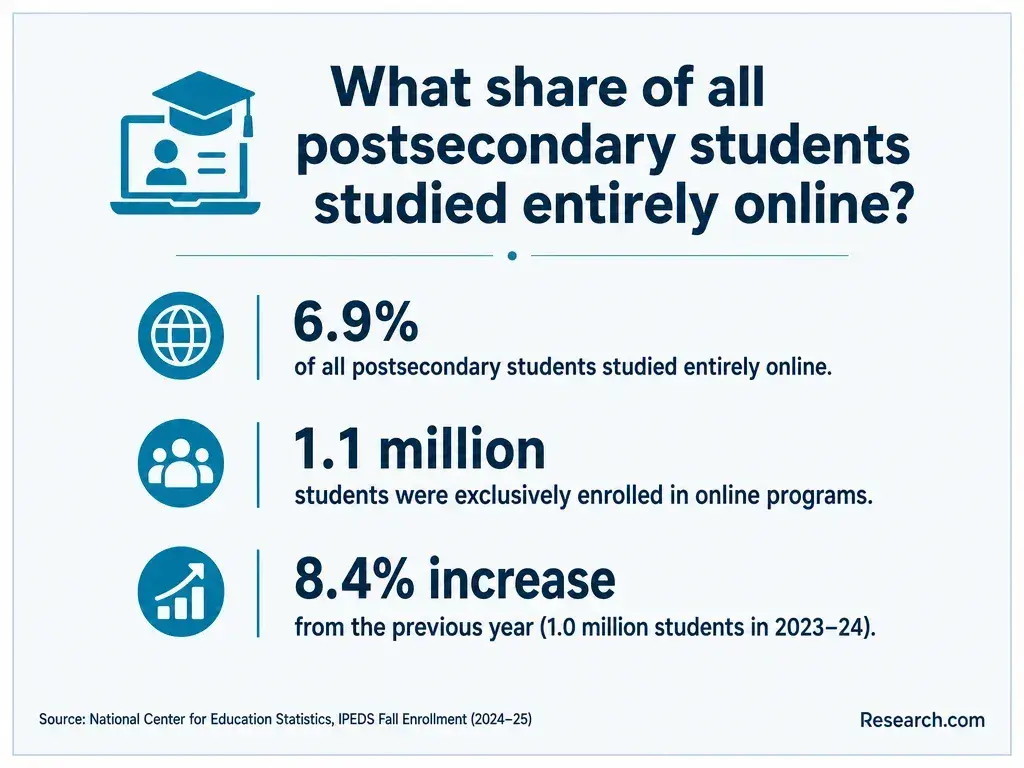
Neither format is inherently better for municipal hiring. An online program may let a city employee keep working while studying; a campus program may make it easier to attend local-government events or arrange nearby placements. What matters is whether you can complete the curriculum and obtain credible evidence of relevant work.
Before selecting an online option, confirm live-session times, group-project expectations, exam arrangements, required visits, and whether internships can be completed with a municipal employer. Check the same program's course rotation: a flexible class format will not prevent a delay if a required course is offered infrequently.
A US online business college selection guide can help you develop a shortlist, but verify scheduling and placement policies directly with each school.
Requirements vary by institution and by entry route. First-year applicants commonly submit secondary-school records; transfer applicants submit prior college transcripts.
Some schools admit students directly to the business major, while others require introductory courses or a later major application. The admissions office can confirm eligibility, but the registrar or transfer office determines how prior coursework applies.
Ask whether mathematics, statistics, accounting, or economics must be completed before entering the major, and whether earlier coursework meets those requirements. A municipal employee returning to college should also ask about readmission rules and employer education assistance before committing to an enrollment date.
If application fees affect where you apply, compare no-fee college applications, then evaluate program fit and total cost separately.
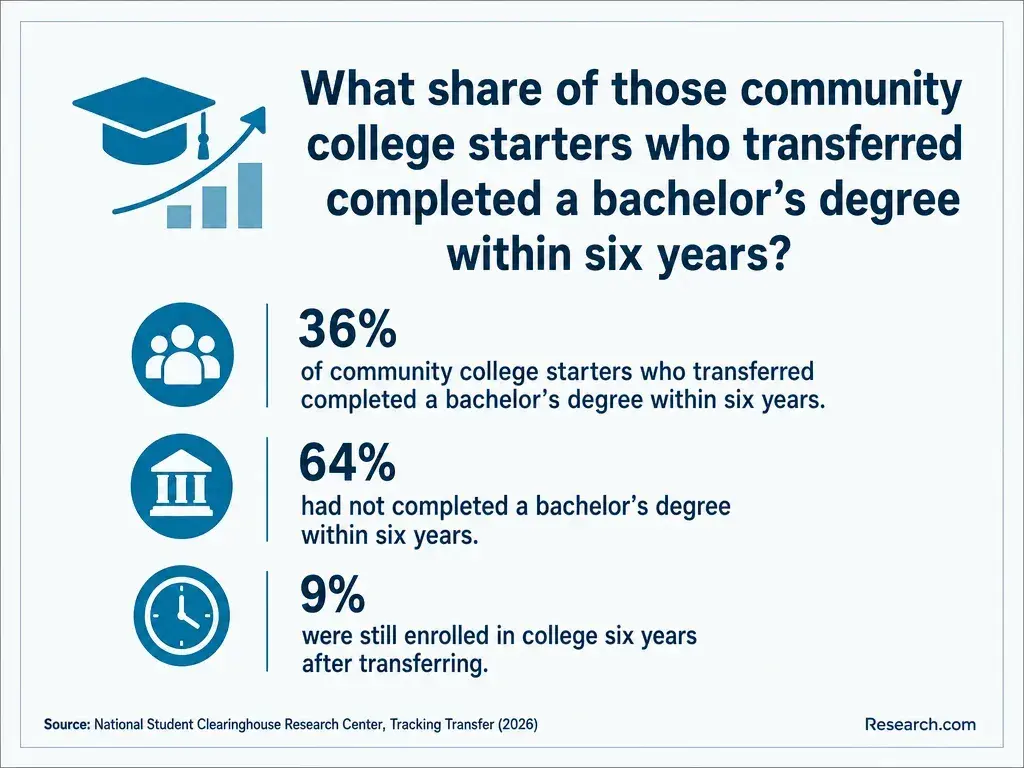
A bachelor's degree is commonly planned as four years of full-time undergraduate study, but your remaining time depends on applicable transfer credits, course sequencing, and enrollment pace.
For a working municipal employee, part-time study may preserve income and benefits while extending the calendar time to completion. An accelerated schedule only helps if required courses are available when needed.
Calculate cost from the courses you still must take, not an advertised annual tuition figure. Include mandatory fees, books, software, travel or campus visits, and any earnings you would give up.
Ask your employer whether education assistance covers the program, when reimbursement occurs, and whether grades or continued employment affect payment. You can compare business administration tuition and completion time, but request a school-specific degree audit and written cost estimate before treating any comparison as your likely total.
Confirm that the institution holds accreditation recognized by the U.S. Department of Education. Then check whether any claimed business accreditation, such as AACSB, ACBSP, or IACBE, covers the school or program you would actually attend.
Institutional and business accreditation have different scopes; neither guarantees a municipal job.
Accreditation also matters when you investigate aid and later study, but eligibility depends on more than an accreditation claim. When you compare business administration tuition and FAFSA eligibility, verify the institution's current aid participation and your own eligibility with its financial-aid office. Ask the school to identify the exact degree awarded and any business-accreditation scope in writing.
Many administrative, purchasing-support, and budget-support postings do not require an occupational license, but requirements belong to the specific job and jurisdiction.
Accounting positions may specify coursework or a professional designation; purchasing, HR, and project roles may list certifications as preferred or required. A BS in Business Administration does not automatically qualify its holder for CPA licensure or a project-management credential.
Read the posting before paying for certification preparation. Determine whether the credential is mandatory at application, obtainable after hire, or merely preferred, and check the issuing organization's eligibility rules.
If postings consistently favor substantial project-management training, lower-tuition online programs for project management offer one educational comparison - not a substitute for checking certification or municipal hiring requirements.
What salary and job outlook can business graduates expect in municipal government?
Municipal compensation is set through local classifications, pay ranges, budgets, and sometimes collective-bargaining agreements. For national context, the U.S. Bureau of Labor Statistics reports a $91,640 median annual wage for budget analysts in May 2025 and projects 2% employment growth from 2025 to 2035.
Those figures cover the occupation across employers; they do not describe entry-level pay for business graduates or forecast openings in your city.
Use local postings and published municipal pay schedules to compare the roles you could realistically qualify for now with those requiring experience. Then weigh the program's remaining cost against whether the degree closes a stated hiring or advancement gap.
If price is the obstacle, compare tuition for online business colleges, but make the final comparison using applicable transfer credits, fees, and the requirements of your target municipal jobs.
Other Things You Should Know About Business Administration
Possibly. Some institutions assess prior learning or allow approved work-based study, but employment alone does not award credit. Ask the school what evidence, assessment, and faculty approval it requires.
Yes. Municipal utilities have purchasing, finance, HR, and operations functions, although technical positions may require different education or licenses. Check whether the utility hires through the city or a separate authority.
It depends on the jurisdiction and job classification. Read the recruitment notice for examination, eligibility-list, and application requirements rather than assuming a degree replaces them.
Only if you have permission to share it. Remove protected or confidential information and confirm your employer's public-records, privacy, and work-product rules; otherwise, create a separate sample using clearly labeled public or hypothetical data.
- Internships and Volunteer Programs | chicago.gov https://www.chicago.gov/city/en/depts/dhr/provdrs/emp/svcs/internships.html
- Students & Recent Graduates | U.S. Office of Personnel Management https://www.opm.gov/policy-data-oversight/hiring-information/students-recent-graduates/
- Entry-level career options | Employee Services Agency https://esa.santaclaracounty.gov/work-here/student-internship-program-students/entry-level-career-options
- Accounting Certifications Explained | devry.edu https://www.devry.edu/blog/accounting-certifications.html
- The CUPPA Undergraduate Internship Guide | University of Illinois Chicago https://cuppa.uic.edu/student-success-in-cuppa/the-cuppa-internship-guide/
- Top 8 Certifications for Accountants To Consider | Franklin University https://www.franklin.edu/blog/accounting-mvp/certifications-for-accountants
- What does a City Manager do? Career Overview, Roles, Jobs | acbsp.org https://careers.acbsp.org/career/city-manager
- Careers in Local Government Management | icma.org https://icma.org/page/careers-local-government-management