2027 Cheapest Accredited Online Business Communications Degree Programs That Accept FAFSA

Co-Founder and Chief Data Scientist
This guide is for transfer students, working adults, and first-time undergraduates comparing affordable online options. You will learn how FAFSA, accreditation, transfer credits, aid, and career outcomes affect the real value of a low-cost degree.
Key Things You Should Know
- The cheapest FAFSA-eligible online business communications options often start near $257 per credit before aid, but your lowest-cost choice depends heavily on residency, transfer credits, fees, and grant eligibility.
- FAFSA participation means the school can process federal student aid, not that every student will receive enough grants to cover tuition; the maximum Federal Pell Grant is $7,395 for the 2025-26 award year.
- A strong-value program should be institutionally accredited, fully Title IV eligible, flexible for working adults, transparent about total cost, and aligned with roles such as corporate communications, public relations, marketing communications, and internal communications.
Which Are the Cheapest Accredited Online Business Communications Degree Programs That Accept FAFSA?
The cheapest accredited online business communications degree programs that accept FAFSA are usually public universities with flat online tuition, regional public universities with low nonresident online rates, and private nonprofit schools that offer transfer-friendly adult degree pathways. Because "business communications" can appear under several program names, students should also compare online bachelor's programs in corporate communication, strategic communication, professional communication, communication studies, public relations, and business communication.
The table below summarizes affordable online options that are commonly relevant to business communications careers. Published tuition can change, and fees may be separate, so use these figures as a starting point and confirm the current cost with the school before applying.
| School | Relevant online degree | Published tuition basis | Estimated tuition for 120 credits before aid | Institutional accreditation | FAFSA/Title IV participation |
| Fort Hays State University | BA or BS in Communication Studies with corporate communication-related coursework | About $257.33 per online undergraduate credit | About $30,880 | Higher Learning Commission | Yes |
| Florida International University | BA in Communication Arts | About $235.57 per credit for Florida residents; about $648.87 for nonresidents | About $28,268 for Florida residents; about $77,864 for nonresidents | Southern Association of Colleges and Schools Commission on Colleges | Yes |
| Louisiana State University Online | BA in Communication Studies | About $325 per credit | About $39,000 | Southern Association of Colleges and Schools Commission on Colleges | Yes |
| Southern New Hampshire University | BA in Communication with business-relevant concentration options | About $330 per online undergraduate credit | About $39,600 | New England Commission of Higher Education | Yes |
| Liberty University | BS in Strategic Communication or related communication pathway | About $390 per credit for full-time online undergraduate students | About $46,800 | Southern Association of Colleges and Schools Commission on Colleges | Yes |
| Bellevue University | BA in Communication Studies | About $449 per credit | About $53,880 for 120 credits | Higher Learning Commission | Yes |
| Arizona State University Online | BA in Business with communication-focused coursework | Often published as a per-credit online tuition range | Total cost varies by course load, fees, and student profile | Higher Learning Commission | Yes |
The lowest published tuition is not always the lowest net price. A Florida resident at FIU may see a lower tuition figure than an out-of-state student, while a transfer student with 60 accepted credits may pay less overall at a higher per-credit school than a freshman starting from zero credits at the cheapest school.
A practical shortlist should include at least three schools: one lowest-tuition option, one strongest transfer-credit option, and one program with the best fit for your target career. This prevents the common mistake of choosing a school only because the advertised per-credit rate looks low.
How Does FAFSA Eligibility Work for Online Business Communications Degree Programs?
Students can use this process to confirm whether an online program is truly FAFSA-eligible before enrolling:
- Search for the school in the U.S. Department of Education's federal school code database or ask the financial aid office for its federal school code.
- Confirm that the specific online business communications, communication studies, strategic communication, or related bachelor's program is eligible for federal student aid.
- Ask whether online students receive the same federal aid consideration as campus students in the same degree level.
- Confirm the minimum enrollment level needed for grants and loans, because half-time, three-quarter-time, and full-time enrollment can affect aid.
- Request a written cost-of-attendance estimate that includes tuition, fees, books, technology costs, and any required residency or internship expenses.
The biggest misunderstanding is assuming that "accepts FAFSA" means "free." FAFSA is an application and eligibility tool, not a scholarship by itself. Your aid package may include grants that do not require repayment, loans that must be repaid, work-study that depends on job availability, or school scholarships with renewal rules.
Online learners should also ask whether short terms, accelerated sessions, or competency-style pacing affect disbursement timing. If you need aid to buy books or pay rent while studying, late disbursement can create cash-flow problems even when the program is affordable on paper.
How Much Does an Online Business Communications Degree Cost After Financial Aid?
The cost of an online business communications degree after financial aid is the published cost of attendance minus grants, scholarships, employer assistance, and any other gift aid. Loans can help you pay the bill, but they do not reduce the cost; they move the cost into repayment after graduation or after you drop below the required enrollment level.
The Federal Pell Grant is one of the most important affordability factors for undergraduate students with financial need. The maximum Pell Grant is $7,395 for the 2025-26 award year, which means a student at a low-tuition online public university could cover a meaningful portion of annual tuition with Pell if they qualify for the maximum amount.
| Scenario | Annual tuition before aid | Example grant aid | Estimated annual tuition after grants | What it means |
| Low-cost public online program | $7,720 | $7,395 | $325 | A maximum Pell-eligible student may have very low remaining tuition before fees and books. |
| Mid-cost nonprofit online program | $9,900 | $7,395 | $2,505 | Still affordable for some students, especially with scholarships or employer help. |
| Higher-cost online program | $15,000 | $7,395 | $7,605 | May require more scholarships, savings, monthly payments, or borrowing. |
Students comparing accelerated formats should calculate whether faster completion actually lowers total cost. A 1 year bachelor degree online pathway may be cost-effective for adults with substantial transfer credits, but it can be unrealistic or expensive for students who still need most general education and major courses.
Do not stop at tuition. Ask each school for the total program cost after expected transfer credit, then compare that figure with your estimated grants, scholarships, and planned borrowing. The best financial choice is usually the program with the lowest realistic out-of-pocket cost and debt, not the one with the smallest tuition number on a website.
Which Affordable Online Business Communications Degree Programs Offer the Best Value?
The best value among affordable online business communications degree programs is usually found where three things overlap: low net price, strong academic fit, and career-relevant skills. A program that is slightly more expensive can be the better choice if it accepts more transfer credits, offers stronger business coursework, has better advising, or includes portfolio-building assignments that help with job applications.
- Net price after grants and scholarships, not only published tuition.
- Total credits still required after transfer evaluation.
- Coursework in writing, persuasion, business communication, public relations, digital communication, data-informed messaging, and organizational communication.
- Availability of asynchronous courses for working adults.
- Internship, capstone, portfolio, or applied project requirements.
- Academic support, career services, and access to faculty feedback on writing-intensive assignments.
- Completion timeline and whether accelerated terms increase workload beyond what you can manage.
Business communications students who want broader management preparation may also compare an online administration degree with a communication-focused program. Business administration may fit students targeting operations, management, or entrepreneurship, while business communications is often a stronger match for corporate communications, employee communications, brand messaging, public relations, and client-facing communication roles.
A more expensive program may be worth considering when it shortens your time to graduation, lets you keep working full time, or provides coursework that better matches your target role. It may not be worth it if the added cost mainly pays for brand recognition without better transfer credit, stronger support, or clearer career alignment.
Are the Cheapest Online Business Communications Degree Programs Properly Accredited?
The cheapest online business communications degree programs can be legitimate and properly accredited, but students must verify accreditation before applying. For federal aid purposes, institutional accreditation is the key requirement; it shows that the college or university has been reviewed by a recognized accrediting agency and can participate in federal student aid if it also meets Title IV rules.
Business communications does not usually require field-specific licensure, unlike teaching, nursing, counseling, or speech-language pathology. That means programmatic accreditation is less central for this major than institutional accreditation, although some business schools may also hold business-focused accreditation. Students comparing fields with stricter professional standards can see the difference in areas such as ASHA accredited online SLP master's programs, where program-level standards can be essential for professional preparation.
Use these checks to avoid accreditation problems:
- Confirm the institution's accreditor through the school's accreditation page and a recognized accreditation database.
- Verify that the online degree is offered by the accredited institution, not by an unaffiliated third-party training provider.
- Ask whether the degree title on the transcript is the same for online and campus students, if that matters to you.
- Check whether credits from the school are commonly accepted by graduate programs or other colleges if you may transfer later.
- Avoid schools that promise unusually fast degrees with little coursework, refuse to disclose accreditation clearly, or pressure you to enroll immediately.
Accreditation protects students in several practical ways. It affects federal aid access, transferability, graduate school options, and employer confidence, but it does not guarantee job placement or a specific salary. Treat accreditation as a minimum quality screen, then compare cost, curriculum, and outcomes.
What FAFSA Grants and Federal Aid Can Pay for an Online Business Communications Degree?
Federal aid for an online business communications degree can include grants, loans, and work-study, depending on your eligibility and the school's participation. Grants are the most valuable because they usually do not need to be repaid, while loans should be evaluated carefully against expected income and monthly repayment.
The main federal aid categories for eligible undergraduate students include the following:
- Federal Pell Grant: Need-based grant aid for eligible undergraduates, with a maximum award of $7,395 for the 2025-26 award year.
- Federal Supplemental Educational Opportunity Grant: Additional need-based grant aid at participating schools, typically limited by campus funding availability.
- Direct Subsidized Loans: Federal loans for eligible undergraduate students with financial need, with interest benefits while enrolled at least half-time.
- Direct Unsubsidized Loans: Federal loans that are not based on financial need, with interest accruing during school unless paid as it accrues.
- Federal Work-Study: Part-time work funding at participating schools, though remote availability varies by institution and job type.
Some students continue after a bachelor's degree into graduate study in communication, marketing, management, or public relations. If that is part of your plan, compare undergraduate debt carefully because borrowing for online master's programs can add to your total education cost.
Students should also look beyond federal aid. State grants, institutional scholarships, employer tuition assistance, military education benefits, union benefits, and professional association scholarships can reduce borrowing. The best funding plan combines grants first, scholarships second, employer or military benefits when available, and loans only for the remaining amount you can reasonably repay.
How Do Transfer Credits Lower the Cost of an Online Business Communications Degree?
Transfer credits can be the biggest cost reducer in an online business communications degree because most bachelor's programs require about 120 credits. If a school accepts 60 credits from a community college or prior university, you may only need to pay for the final half of the degree, which can matter more than a small difference in per-credit tuition.
The table below shows how transfer credit can change the tuition bill before aid. The examples use a $330 per-credit online tuition rate to keep the comparison simple.
| Credits accepted | Credits remaining | Estimated remaining tuition at $330 per credit | Cost impact |
| 0 | 120 | $39,600 | Full degree cost before aid |
| 30 | 90 | $29,700 | One year of credits removed |
| 60 | 60 | $19,800 | Half the bachelor's cost removed |
| 90 | 30 | $9,900 | Best fit for degree-completion students, if major requirements are satisfied |
Transfer-friendly does not always mean unlimited. Schools may cap total transfer credits, require a minimum number of credits in residence, reject old credits in certain subjects, or require upper-division major courses to be completed at the degree-granting institution.
The common mistake is choosing a lower per-credit school that accepts fewer credits. If School A costs $257 per credit but requires 75 credits, while School B costs $330 per credit but requires only 45 credits, School B may cost less overall before aid.
Which Students Benefit Most From a Low-Cost Online Business Communications Degree With FAFSA?
A low-cost online business communications degree with FAFSA eligibility is often best for students who need flexibility and want a career-relevant bachelor's degree without taking on unnecessary debt. It can be especially useful for adults who already work in customer service, sales support, administration, marketing support, human resources, nonprofit outreach, or internal communications and want to qualify for roles that prefer or require a bachelor's degree.
This type of program is often a strong fit for these students:
- Community college graduates who can transfer a large block of credits into a bachelor's program.
- Working adults who need asynchronous online classes and cannot relocate for a campus program.
- Pell-eligible students who can combine federal grants with low tuition to reduce borrowing.
- Students interested in writing, presentations, digital communication, audience analysis, persuasion, and workplace messaging.
- Career changers who want a broad business-facing communication credential instead of a narrow technical major.
Students should be cautious if they are choosing the degree only because it is cheap. Business communications is writing-heavy and people-focused, so it may not be the best fit for students who dislike revision, presentations, collaboration, or ambiguity. It is also not usually the fastest path into highly technical fields such as software engineering, accounting licensure, or clinical practice.
The online format can be a strong financial value when it allows you to keep earning while studying. However, it requires time management and steady writing output. If you need highly structured in-person support, a local hybrid program or community college-to-university pathway may be better than the cheapest fully online option.
How Does the Cost of an Online Business Communications Degree Affect Career ROI?
The cost of an online business communications degree affects career ROI because many communication-related roles offer solid but not unlimited earning potential. Keeping tuition and borrowing low gives graduates more flexibility when pursuing entry-level roles, internships, nonprofit positions, agency work, or internal communications jobs that may start below senior-level salary ranges.
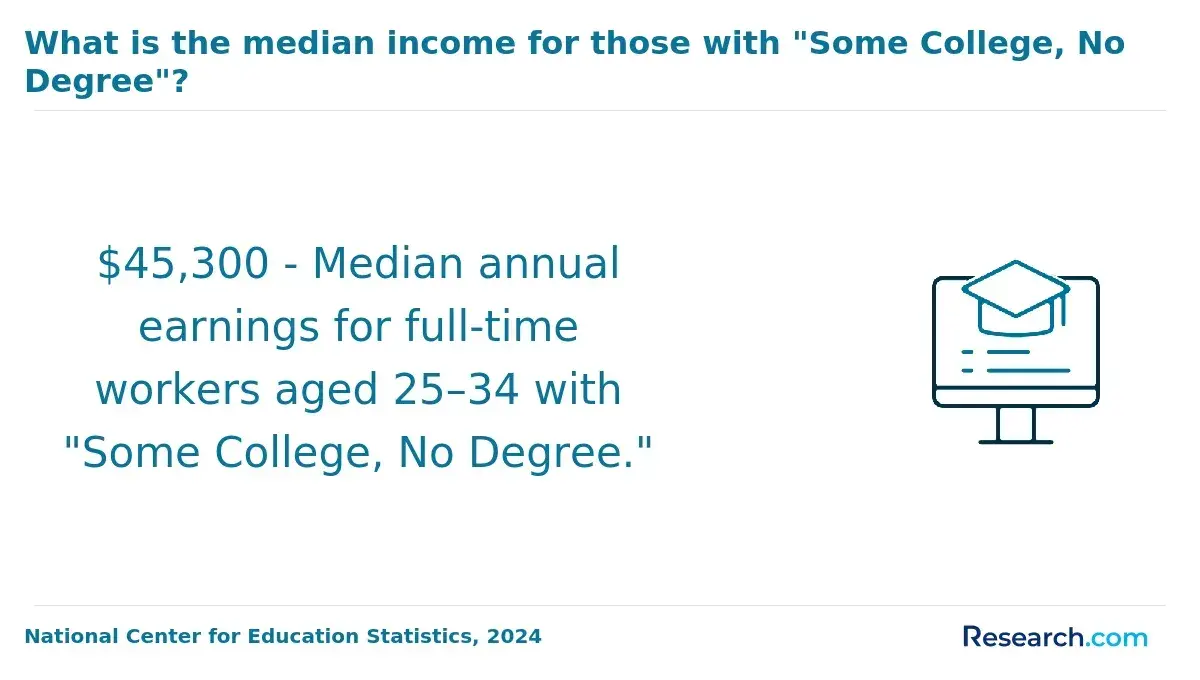
BLS wage data helps frame the ROI question without promising outcomes. The May 2024 median annual wage for public relations specialists was $69,780, while the median for market research analysts was $76,950; these roles may value communication, writing, research, and audience-analysis skills, but job titles and requirements vary by employer.
Students should evaluate ROI using these practical questions:
- How much will I need to borrow after grants, scholarships, transfer credits, and employer assistance?
- Will the curriculum help me build a portfolio with writing samples, campaign plans, presentations, or digital communication projects?
- Does the program connect communication skills to business settings such as branding, client relations, employee communication, sales enablement, or public relations?
- Can I work while enrolled, and will that reduce the amount I need to borrow?
- Does the school publish career support resources, internship options, or alumni outcomes relevant to communication roles?
The cheapest accredited program is not automatically the best ROI. A very low-cost degree with weak support, poor course availability, or little applied work may delay graduation or leave you without strong job materials. Conversely, a more expensive program can be a better investment if it accepts more transfer credits, shortens time to completion, and helps you build evidence of workplace-ready communication skills.
How Should Students Choose the Cheapest FAFSA-Eligible Online Business Communications Degree?
Students should choose the cheapest FAFSA-eligible online business communications degree by comparing total net cost, accreditation, transfer credit, curriculum fit, flexibility, and realistic career value. The right program is the one that gets you to a credible degree at the lowest manageable cost while still supporting your target role.
Use this decision sequence before committing to a school:
- Define your target outcome, such as corporate communications, public relations, marketing communications, internal communications, sales communication, nonprofit outreach, or graduate study.
- Confirm institutional accreditation and Title IV participation for the school and the specific online degree.
- Request a full cost-of-attendance estimate, not only tuition per credit.
- Submit transcripts early and compare official transfer evaluations from multiple schools.
- File the FAFSA and compare financial aid offers based on grants, scholarships, loans, and remaining out-of-pocket cost.
- Review the curriculum for business writing, strategic messaging, digital communication, research, presentations, and portfolio-building assignments.
- Ask about course availability, term length, advising, writing support, career services, and whether online students can access the same resources as campus students.
- Estimate total borrowing and monthly repayment before accepting loans.
Important red flags include unclear accreditation, vague tuition pages, required fees that are not disclosed until late in the process, pressure to enroll before receiving a transfer evaluation, and financial aid explanations that focus only on loans. A legitimate low-cost program should be able to explain exactly what you will pay, what aid may apply, and what requirements you must meet to keep that aid.
If two programs are close in cost, choose the one that is more likely to help you finish. Completion is part of affordability: paying less per credit does not help if limited course availability, poor advising, or an unrealistic workload prevents you from graduating.
Other Things You Should Know About Business Communications
Usually, diplomas do not specify online delivery, but policies vary by school. Ask the registrar whether the diploma and transcript list the same degree title as the campus version.
Many students do, especially in asynchronous programs. A realistic pace may be 6 to 9 credits per term for working adults, depending on job hours, family responsibilities, and writing workload.
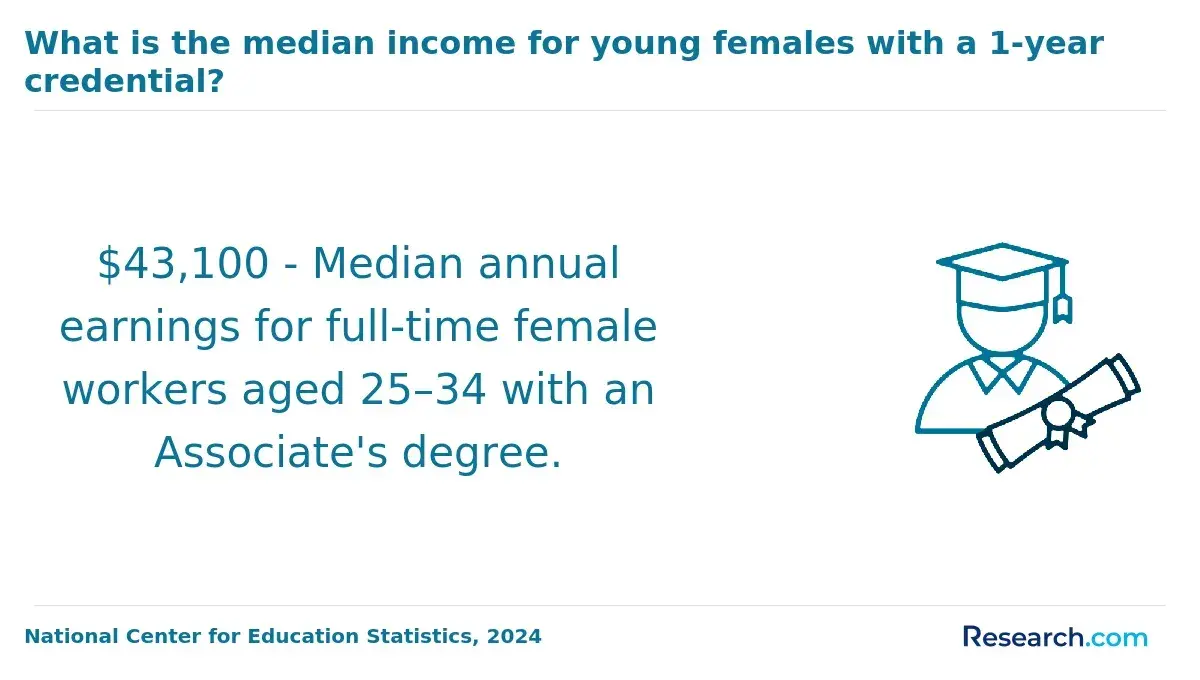
An associate degree may help with entry-level administrative, customer service, or support roles, but many corporate communications, public relations, marketing, and management-track positions prefer a bachelor's degree.
Many employers accept online degrees from accredited institutions. What often matters most is the school's legitimacy, your writing and communication samples, internship or work experience, and how well your skills match the role.
References
- ACBSP Accreditation Overview - Accreditation Council for Business Schools and Programs https://acbsp.org/page/accreditation-overview
- Bachelor of Business / Bachelor of Communication https://www.unisc.edu.au/study/courses-and-programs/bachelor-degrees-undergraduate-programs/bachelor-of-business-bachelor-of-communication
- The Need of Accreditation in Online Degree Programs https://www.onlinecu.in/blog/cu/the-importance-of-accreditation-in-online-degree-programs.php
- 2025 Most Affordable Online Colleges & Degrees https://www.onlineu.com/most-affordable-colleges
- Admissions : Campus Tuition | Full Sail University https://www.fullsail.edu/admissions/tuition
- Cost of College by Country [2025]: Average Tuition Fees https://educationdata.org/average-cost-of-college-by-country
- The 4 Best Online Colleges that Accept FAFSA https://joinjuno.com/financial-literacy/financial-aid/online-colleges-accept-fafsa
- Types of Financial Aid for Online Colleges https://www.umassglobal.edu/blog-news/types-financial-aid-online-colleges
- Most Affordable Online Colleges Of 2025 https://www.affordablecollegesonline.org/cheap-online-colleges/
- The 10 Most Affordable Online Associates in Communications Degree Programs - Best Marketing Degrees https://www.bestmarketingdegrees.org/the-most-affordable-online-associates-in-communications-degree-programs/