2027 Can You Get Into an Online Auditing Doctorate Program with a Low GPA? Admission Chances and Alternatives

Co-Founder and Chief Data Scientist
A low GPA can make doctoral admissions feel risky, especially in auditing, where programs often expect strong quantitative and research readiness. Yet GPA is rarely the only factor. The U. S. Bureau of Labor Statistics projects employment for accountants and auditors to grow 6% from 2023 to 2033, which keeps advanced accounting, audit, analytics, and compliance credentials relevant. This guide is for applicants with uneven academic records who want a realistic read on admission chances, ways to strengthen an application, and alternatives if applying now is not the smartest move.
Key Things You Should Know
- You can sometimes enter an online auditing doctorate with a low GPA, but a GPA below 3.0 usually needs compensating evidence such as graduate-level coursework, CPA/CIA/CFE credentials, audit leadership, a strong statement, or conditional admission.
- Standalone online "auditing doctorate" programs are uncommon; most students pursue an online DBA, PhD, or doctorate in accounting, business administration, forensic accounting, accounting analytics, or information systems with audit-related research.
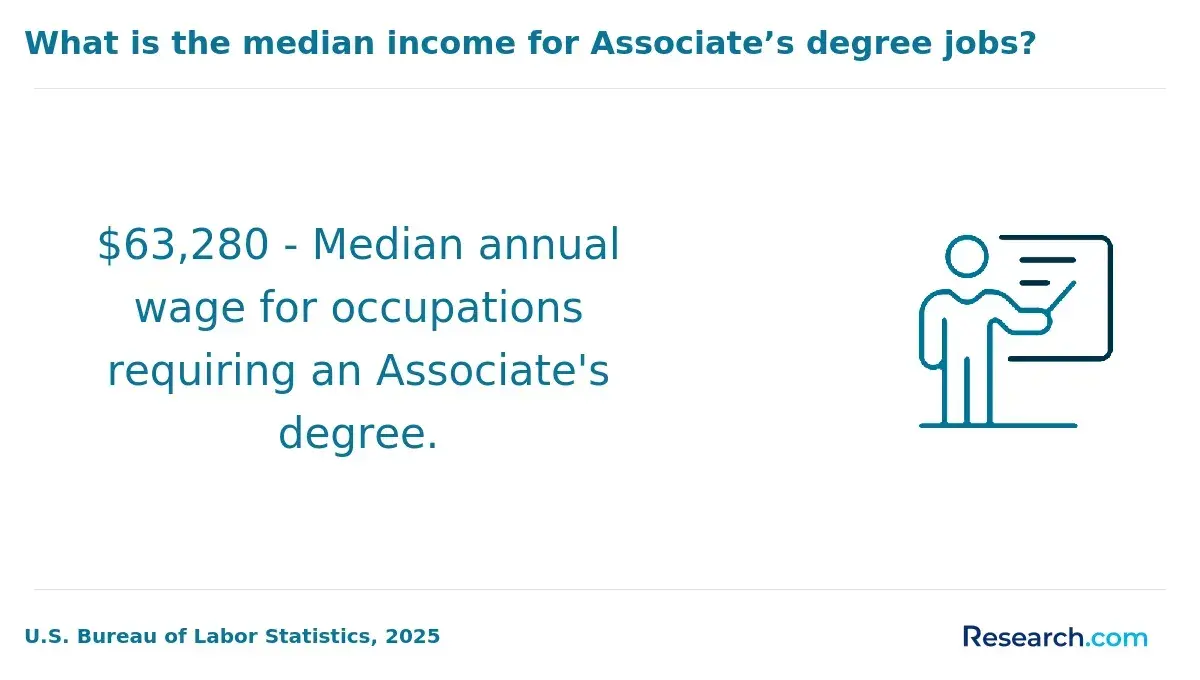
- Career value depends on your target role: BLS reports the median annual wage for accountants and auditors was $81,680 in May 2024, while doctoral-level outcomes vary most for faculty, consulting, executive, and specialized audit analytics roles.
Can You Get Into an Online Auditing Doctorate Program With a Low GPA?
Yes, it is possible, but your odds depend on how low the GPA is, whether the program has a hard minimum, and what evidence you can provide that you are ready for doctoral work. In practice, an "online auditing doctorate" usually means a Doctor of Business Administration, PhD in Accounting, Doctor of Accounting, or related business doctorate where you focus your dissertation or applied research on auditing, assurance, internal controls, forensic accounting, risk management, compliance, or audit analytics.
A low GPA usually means below the program's stated minimum, often around 3.0 for graduate admission. A GPA in the high 2s may still be reviewable at schools using holistic admissions. A GPA closer to 2.5 or lower is harder to overcome unless the school offers conditional admission, the low GPA is old, or the applicant has completed stronger recent graduate coursework.
This table gives a practical way to interpret GPA strength for online auditing-related doctoral programs. It is not a universal rule because every school sets its own admissions standards, but it helps you estimate whether to apply now or improve your academic record first.
| Applicant GPA profile | Typical admission outlook | What the GPA signals to admissions committees | Best next move |
| 3.5 or higher | Competitive for many programs | Strong academic consistency and likely readiness for research-heavy work | Focus on research fit, recommendations, and professional goals |
| 3.0 to 3.49 | Generally viable if other materials are solid | Meets many minimum expectations but may need evidence of quantitative and writing ability | Apply selectively and emphasize audit experience or accounting credentials |
| 2.75 to 2.99 | Possible at holistic or professionally oriented programs | Some academic risk, especially if low grades were in accounting, statistics, or research courses | Target flexible programs and consider optional test scores or recent coursework |
| Below 2.75 | Difficult without a bridge strategy | Admissions may question doctoral persistence and research readiness | Ask about conditional admission, complete graduate coursework, or pursue a master's/certificate first |
The most important distinction is whether the school has a hard GPA cutoff or a reviewable GPA preference. If the requirement says applicants "must have" a minimum GPA, admissions staff may not be able to move the file forward. If the language says "preferred," "normally expected," or "considered holistically," you may have room to make a stronger case.
Applicants should also be realistic about program type. Research-intensive PhD programs tend to care more about prior academic performance, quantitative preparation, and research fit. Professionally oriented DBA programs may give more weight to leadership experience, audit practice, managerial responsibility, and applied research goals.
What Admissions Factors Matter Most Beyond GPA for Online Auditing Doctorate Programs?
Admissions committees use GPA as a shortcut for academic readiness, but doctoral programs also need evidence that you can frame problems, analyze data, write at a high level, and persist through independent research. In auditing-related doctoral study, your work history can be especially important because audit problems are often applied, regulated, and evidence-based.
The table below summarizes the non-GPA factors that can carry meaningful weight. Use it to identify where your application is already strong and where you need to add proof.
| Admissions factor | Why it matters for auditing doctorates | Strong evidence |
| Professional audit experience | Shows exposure to real control environments, assurance processes, risk assessment, and compliance decisions | Progressive roles in internal audit, external audit, SOX testing, IT audit, forensic accounting, or compliance |
| Graduate coursework | Can show recent academic ability even if undergraduate grades were weak | A's or B+ grades in accounting theory, auditing, statistics, analytics, research methods, or finance |
| Licenses and certifications | Signals mastery of professional standards and discipline-specific knowledge | CPA, CIA, CISA, CFE, CMA, or other relevant credentials |
| Statement of purpose | Connects your background to a feasible doctoral research or applied project area | A focused audit topic, clear career goal, and direct explanation of readiness |
| Letters of recommendation | Provides third-party validation of judgment, ethics, analytical skill, and persistence | Letters from audit executives, accounting faculty, research supervisors, or senior compliance leaders |
| Optional GRE or GMAT scores | May offset academic concerns if scores are strong and accepted by the program | Recent scores that demonstrate quantitative reasoning and verbal ability |
For many low-GPA applicants, the strongest application narrative is not "ignore my grades." It is "my earlier grades do not reflect my current readiness, and here is objective evidence." That evidence might include successful graduate courses, professional certifications, major audit responsibilities, published work, data analytics projects, or leadership over audit teams.
Common mistakes can weaken an otherwise viable application. Avoid these problems before submitting:
- Applying without confirming whether the stated GPA minimum is mandatory or flexible.
- Writing a personal statement that discusses ambition but not academic readiness.
- Assuming years of work experience automatically outweigh poor grades in accounting, statistics, or research courses.
- Submitting generic recommendation letters from supervisors who cannot comment on analytical writing, ethics, or doctoral persistence.
- Failing to explain a clear upward trend, a completed graduate course, or a legitimate disruption that affected past academic performance.
If your undergraduate background is not accounting-heavy, you may also need prerequisite coursework. Applicants coming from business, finance, information systems, or operations roles sometimes start with an online accounting degree or post-baccalaureate accounting coursework before pursuing doctoral-level audit study.
Which Online Auditing Doctorate Programs Offer Flexible Admission Pathways?
The most flexible pathways are usually found in professionally oriented doctoral programs rather than highly selective full-time research PhD programs. For auditing, look for online DBA, Doctor of Accounting, accounting-focused business doctorates, or interdisciplinary doctorates that allow research in assurance, compliance, internal controls, fraud examination, enterprise risk, or audit analytics.
Program names vary, so applicants should compare the structure rather than relying only on the title. The following table explains which program types commonly align with auditing goals and how flexible they may be for applicants with a lower GPA.
| Program type | Audit-related fit | Typical flexibility for low GPA applicants | Best suited for |
| Online DBA with accounting or finance concentration | Applied research in audit quality, governance, controls, risk, and compliance | Often more holistic, especially for experienced professionals | Audit managers, consultants, controllers, compliance leaders, and executives |
| Doctor of Accounting or accounting doctorate | Deep focus on accounting theory, audit research, taxation, or assurance | Varies; may expect stronger accounting prerequisites | Applicants seeking academic, consulting, or technical accounting roles |
| PhD in Accounting with online or hybrid components | Strong fit for audit research and faculty careers | Usually less flexible and more research-selective | Future researchers and tenure-track faculty candidates |
| Doctorate in information systems or cybersecurity governance | Useful for IT audit, systems assurance, data governance, and controls testing | May value technical and professional experience | IT auditors, CISA holders, risk analytics professionals, and compliance technologists |
| Doctorate in organizational leadership or business analytics | Indirect fit if dissertation focuses on audit teams, ethics, risk culture, or analytics | Often holistic, but audit specialization may be limited | Professionals whose goals are leadership-focused rather than accounting-faculty-focused |
Flexible admission language often includes phrases such as "holistic review," "conditional admission," "professional experience considered," "exceptions may be granted," or "probationary status." These phrases do not guarantee admission, but they are signs that the school may consider more than GPA.
When comparing programs, ask admissions teams specific questions rather than asking only, "Can I get in?" Useful questions include:
- Is the GPA minimum mandatory, or can applicants be reviewed below the minimum?
- Do you evaluate the last 60 credits, graduate GPA, or only cumulative undergraduate GPA?
- Can strong professional audit experience support an exception?
- Do you offer conditional admission, and what GPA must I earn in the first doctoral courses?
- Are GRE or GMAT scores accepted if I want to offset a low GPA?
- Will prerequisite accounting, statistics, or research methods courses strengthen my file?
Some audit professionals also compare doctoral programs with adjacent business degrees. For example, a project management degree may fit better if your goal is leading complex compliance, systems implementation, or enterprise risk projects rather than producing doctoral research.
How Can Applicants Strengthen an Online Auditing Doctorate Application With a Low GPA?
The best strategy is to make the admissions committee comfortable with one question: "Can this applicant complete doctoral-level reading, writing, analysis, and research?" Your materials should directly answer that question with evidence, not excuses.
Use the following steps to build a stronger application before you submit:
- Audit your own transcript and identify whether the low GPA came from early undergraduate courses, non-major courses, repeated withdrawals, or weak grades in core accounting and quantitative subjects.
- Contact admissions before applying and ask whether your GPA is reviewable, whether recent graduate coursework matters, and whether conditional admission is possible.
- Prepare a concise GPA addendum if there is a meaningful explanation, such as a documented hardship, career disruption, health issue, military deployment, family responsibility, or clear early-career immaturity followed by later improvement.
- Earn or highlight relevant credentials such as CPA, CIA, CISA, CFE, CMA, or advanced analytics certificates if they match your audit goals.
- Choose recommenders who can discuss your analytical judgment, ethical decision-making, written communication, and ability to complete long projects independently.
- Write a statement of purpose that names a realistic audit-related research area, explains why the program fits, and shows how your professional experience prepares you for doctoral inquiry.
- Submit optional GRE or GMAT scores only if they are strong enough to improve the committee's view of your academic readiness.
A strong GPA addendum should be brief and accountable. It should not blame professors, employers, or institutions. A good addendum explains what happened, why it is no longer predictive, and what evidence now proves readiness. For example, "My undergraduate GPA was affected by a family caregiving obligation during my sophomore year" is more useful if followed by "Since then, I completed graduate accounting coursework with strong grades and have led internal audit testing for multi-site operations."
Technology trends can also strengthen your application if you have credible experience. Audit work increasingly involves data analytics, continuous monitoring, robotic process automation, cybersecurity controls, and AI-supported risk assessment. If you have used audit analytics tools, tested automated controls, evaluated model governance, or managed data-driven compliance work, explain it in concrete terms.
Do not overstate technical skills. Admissions committees value clarity and integrity. It is better to describe one real audit analytics project in detail than to list every software tool you have ever opened.
Should Students Complete Additional Coursework Before Applying to an Online Auditing Doctorate?
Additional coursework can be one of the most effective ways to offset a low GPA because it gives schools fresh academic evidence. It is especially useful if your transcript lacks accounting theory, auditing, statistics, research methods, data analytics, or graduate-level writing.
Before enrolling in new courses, decide whether you need prerequisite preparation, GPA repair, or a stronger academic signal. The right path depends on how far your GPA is from the program's expectations and how closely your past education matches auditing doctoral work.
| Coursework option | When it makes sense | Main benefit | Possible limitation |
| Single graduate courses as a non-degree student | You are slightly below the GPA minimum or missing one key subject | Fast way to show current academic ability | May not raise cumulative GPA much |
| Graduate certificate in accounting, analytics, or fraud examination | You need a structured academic update | Creates a recent transcript and focused skill evidence | Credits may or may not transfer to a doctorate |
| Master's degree in accounting, finance, or business | Your GPA is substantially below doctoral expectations | Can create a new graduate GPA and stronger admissions foundation | Costs more time and tuition before doctoral study |
| Statistics or research methods coursework | Your target program is research-heavy | Addresses doctoral-level methodology concerns | Needs strong grades to help your application |
| Accounting prerequisite coursework | Your background is in business, IT, finance, or operations but not accounting | Builds the technical foundation needed for audit research | May delay doctoral admission |
Cost matters because doctoral study is already a major investment. The College Board's 2024 higher education pricing research shows that tuition and fees continue to be a major planning concern for graduate students, even before books, technology, travel residencies, and lost work time are considered. For low-GPA applicants, paying for additional coursework makes the most sense when the courses are targeted and likely to improve admission prospects.
If your audit goals overlap with corporate finance, valuation, banking controls, or risk management, comparing a certificate or master's option with the cheapest online master's in finance can help you decide whether a master's-first route is a better academic reset than applying directly to a doctorate.
Before taking extra classes, ask the doctoral program these questions:
- Which courses would most improve my file if my GPA is below your preferred range?
- Do you give more weight to graduate GPA than undergraduate GPA?
- Can non-degree credits transfer into the doctorate if I am later admitted?
- Would a graduate certificate be viewed differently from individual courses?
- What grade would I need to earn for the coursework to meaningfully strengthen my application?
How Do Conditional Admission and Probationary Admission Work in Online Auditing Doctorate Programs?
Conditional admission and probationary admission allow a school to admit an applicant who shows promise but does not fully meet standard requirements. These pathways are especially relevant for low-GPA applicants, but they come with strict expectations.
In a typical conditional admission arrangement, the student must complete a defined number of initial courses with a minimum grade or GPA before becoming fully admitted. Probationary admission may work similarly, but the school may place the student under closer academic monitoring from the start.
The table below explains common features. Exact policies vary by institution, so applicants should request the rule in writing before enrolling.
| Policy feature | What it usually means | Why it matters |
| Initial course requirement | You may need to complete one to three doctoral courses successfully | Early grades become proof of readiness |
| Minimum grade standard | The school may require B or better grades in the first courses | A weak start can lead to dismissal or loss of eligibility |
| Limited course load | You may be restricted to fewer credits at first | This can help manage risk but may extend your timeline |
| Advisor review | Your progress may be reviewed before full admission | You need to communicate early if academic or work issues arise |
| Financial aid implications | Aid may depend on whether you are degree-seeking and meeting satisfactory academic progress | You should confirm eligibility before accepting admission |
Conditional admission is not a shortcut. It is a trial period. Students who work full time in audit, compliance, or accounting should be especially careful with workload during the first term because the first doctoral grades may determine whether they can continue.
If you receive a conditional offer, take these steps before enrolling:
- Ask for the exact GPA, grade, and timeline requirements in writing.
- Confirm whether federal financial aid, employer tuition benefits, or scholarships apply during the conditional period.
- Choose the lightest reasonable first-term course load if you are working full time.
- Schedule writing, research, and statistics support before the first assignment is due.
- Clarify whether failing to meet the condition results in dismissal, delayed progression, or the chance to retake coursework.
Does a Low GPA Affect Financial Aid or Scholarship Opportunities in Online Auditing Doctorate Programs?
A low GPA does not automatically block federal student aid, but it can affect institutional scholarships, assistantships, merit awards, and continued eligibility after enrollment. Most doctoral students should separate two questions: whether they can be admitted and whether they can finance the degree responsibly.
Federal graduate loan borrowing is also more expensive than many applicants expect. For loans first disbursed during the 2024-25 award year, the fixed interest rate is 8.08% for Direct Unsubsidized Loans for graduate students and 9.08% for Direct PLUS Loans. That matters because a doctoral program can take several years, and interest costs can grow while students are still enrolled.
GPA can influence funding in several ways. Schools may reserve merit scholarships for applicants with stronger academic records, require a minimum GPA for renewal, or limit aid for students admitted conditionally until they meet full admission requirements. Employer tuition assistance may also require employees to earn a minimum course grade for reimbursement.
Use this table to distinguish funding sources that are commonly GPA-sensitive from those that may focus more on enrollment status, need, or employer policy.
| Funding source | How GPA may matter | What to verify |
| Institutional merit scholarship | Often GPA-sensitive at admission and renewal | Minimum GPA, renewal rules, and whether conditional admits qualify |
| Graduate assistantship or fellowship | May require strong academic record and faculty fit | Availability for online students and accounting doctoral students |
| Federal Direct Unsubsidized Loan | Admission and satisfactory academic progress matter more than admission GPA alone | Degree-seeking status, annual limits, and SAP policy |
| Federal Direct PLUS Loan | Credit review is a major factor, not GPA by itself | Interest rate, fees, credit criteria, and repayment plan options |
| Employer tuition assistance | Usually tied to course grades and job relevance | Annual cap, required grade, repayment obligation, and approved program list |
For some applicants, the smarter financial move is to delay doctoral enrollment and complete a lower-cost academic bridge first. If your goal is audit analytics, corporate finance controls, or financial risk oversight, an accelerated finance degree may provide a faster credential while you strengthen your academic record for a later doctorate.
Before committing to an online auditing doctorate, ask the financial aid office and program director for the total cost of attendance, residency travel costs, technology fees, dissertation continuation fees, and scholarship renewal rules. A low-GPA applicant should be particularly cautious about borrowing heavily for a conditional seat without understanding what happens if progression is delayed.
Does a Low GPA Affect Career Outcomes After Completing an Online Auditing Doctorate?
In most professional audit careers, your completed doctorate, certifications, work history, and demonstrated expertise will matter more than your old undergraduate GPA. Employers rarely make senior audit, consulting, compliance, or executive hiring decisions based on a GPA from many years earlier. However, GPA can still matter for certain academic positions, competitive fellowships, or early-career roles that request full transcripts.
The labor market context is generally favorable for accounting and audit expertise, but a doctorate is not required for most auditor roles. The BLS reports that the median annual wage for accountants and auditors was $81,680 in May 2024. A doctorate may be most relevant when it supports goals beyond standard staff or senior auditor work, such as teaching, research, executive consulting, regulatory leadership, or specialized audit analytics.
Career value depends heavily on your target outcome. The table below separates roles where a doctorate can be useful from roles where a less expensive credential may be enough.
| Career goal | How a doctorate may help | When a doctorate may not be necessary |
| College teaching in accounting or auditing | Can support faculty eligibility, research credibility, and doctoral-level subject expertise | Adjunct roles may accept a master's plus professional credentials |
| Audit executive or chief audit executive pathway | May strengthen strategic credibility and governance expertise | Leadership experience, CPA/CIA/CISA, and results often matter more |
| Forensic accounting or fraud consulting | Can support expert positioning and applied research authority | CFE, CPA, litigation experience, and case record may be more direct |
| IT audit and cyber risk governance | Can support research in controls, assurance automation, and data governance | CISA, CISSP, cloud security, and hands-on systems experience may be more marketable |
| Regulatory, policy, or standards-focused work | Can strengthen credibility in complex accounting and assurance issues | Agency experience and technical accounting expertise may be sufficient |
A low GPA before admission is unlikely to define your career if you complete the doctorate successfully. The stronger risk is not employment stigma; it is investing time and money in a doctorate that does not match your actual career goal. If you want promotion within corporate audit, a certification or specialized master's may deliver faster value. If you want research, teaching, or high-level thought leadership, the doctorate may be more relevant.
Students should also consider how AI and automation are reshaping audit work. Routine testing and document review are increasingly supported by analytics tools, but human judgment remains essential for risk assessment, ethics, control design, and interpretation. Doctoral study can be valuable when it helps you investigate those higher-level problems rather than simply adding a credential to your resume.
Which Students Are Most Likely to Succeed in an Online Auditing Doctorate Despite a Low GPA?
Students with low GPAs are most likely to succeed when their current habits are very different from the habits reflected in their old transcripts. Doctoral programs require sustained reading, independent writing, research design, feedback tolerance, and time management. Online study adds another layer because students must structure their own week while balancing work and family obligations.
The following applicant profiles tend to be stronger candidates despite a lower GPA:
- Professionals with several years of progressively responsible audit, accounting, compliance, forensic, or risk management experience.
- Applicants whose low GPA is old and followed by stronger graduate grades, certifications, or documented professional achievement.
- Students who can clearly connect their dissertation or applied research idea to real audit problems they have encountered.
- Applicants with strong writing samples, analytical work products, or evidence of data-driven audit experience.
- Working professionals who have employer support, a realistic study schedule, and a plan for peak workload periods such as busy season or annual audit cycles.
By contrast, students may struggle if they apply mainly because they feel a doctorate will "fix" an old GPA. Doctoral programs amplify weaknesses in writing, time management, quantitative reasoning, and self-direction. If those weaknesses are still present, admission alone will not solve them.
A good self-check is whether you can consistently dedicate time to doctoral work for several years. Online doctoral programs may be flexible, but they are not easier than campus programs. They still require research discipline, faculty interaction, ethical scholarship, and long-term persistence through the dissertation or doctoral project.
Decision rule: A low GPA is less concerning when your recent record shows strong professional judgment, academic recovery, and a realistic plan for doctoral workload. It is more concerning when the same issues that caused the low GPA are still unresolved.
How Should Students Decide Whether to Apply to an Online Auditing Doctorate With a Low GPA?
The best decision is not simply "apply" or "do not apply." It is whether to apply now, apply selectively, strengthen your record first, or choose a different credential. A low GPA increases the importance of fit, timing, and financial discipline.
Use this decision framework before spending application fees or enrolling in prerequisite courses:
- List your target roles and decide whether they truly require or reward a doctorate.
- Identify 6 to 10 relevant programs and record their GPA minimums, accreditation, modality, dissertation requirements, transfer policies, and conditional admission options.
- Separate hard-cutoff programs from holistic-review programs.
- Compare your strongest compensating factors, including graduate grades, audit leadership, certifications, publications, analytics projects, and recommendations.
- Ask each admissions office how applicants below the GPA minimum are handled before you apply.
- Estimate total cost, loan interest, employer assistance, and the opportunity cost of several years of study.
- Choose one of four paths: apply now, apply after targeted coursework, complete a master's or certificate first, or pursue a non-doctoral credential better aligned with your goal.
This table can help you match your situation to a practical path. It is designed for decision support, not as a guarantee of admission.
| Your situation | Most practical path | Why this path fits |
| GPA slightly below 3.0, strong audit experience, relevant certifications | Apply selectively to holistic online DBA or accounting doctorate programs | Your professional evidence may offset moderate academic weakness |
| GPA below 2.75, little graduate coursework | Complete graduate courses or a certificate before applying | You need recent academic proof before asking for doctoral admission |
| Strong finance or risk background but limited accounting coursework | Take accounting and auditing prerequisites first | Doctoral audit work requires technical accounting fluency |
| Goal is promotion in corporate audit, not research or teaching | Consider CPA, CIA, CISA, CFE, or a specialized master's instead | A doctorate may be more time-consuming than needed for the role |
| Goal is faculty work or audit research | Prioritize accredited doctoral programs with strong research support | Program reputation, faculty fit, and dissertation preparation matter heavily |
Accreditation should be part of the decision. At minimum, choose an institution with recognized institutional accreditation. For business doctorates, programmatic accreditation from organizations such as AACSB, ACBSP, or IACBE may matter for some employers or academic roles, although requirements vary by institution.
Finally, do not apply only to highly selective programs if your GPA is a known weakness. A balanced list should include programs with clear audit fit, flexible review policies, transparent costs, and student support. The right program is not just the one that admits you; it is the one where you can finish, afford the degree, and use it for a specific career purpose.
Other Things You Should Know About Auditing
No. Accounting focuses on recording, classifying, and reporting financial information. Auditing evaluates whether financial statements, controls, processes, or compliance systems are reliable and properly supported by evidence.
Not always. CPAs are important in public accounting and external audit, especially for signing audit reports. Internal auditors, IT auditors, forensic specialists, and compliance auditors may use credentials such as CIA, CISA, CFE, or CMA depending on their role.
Data analytics, cybersecurity awareness, control automation, fraud risk assessment, regulatory knowledge, professional skepticism, and clear writing are increasingly important. Employers value auditors who can interpret data and explain risk to decision-makers.
Some audit work can be remote, especially documentation review, analytics, interviews, and control testing using digital systems. However, certain audits may still require site visits, inventory observation, secure data access, or in-person meetings.
References
- Best Online Ph.D. and Doctoral Programs | OEDb https://www.oedb.org/rankings/online-phd-programs/
- Road map to applying for a doctorate in accounting - Journal of Accountancy https://www.journalofaccountancy.com/issues/2018/oct/accounting-doctorate-application-tips/
- Getting Into Online Master's Programs With a Low GPA https://www.onlinemastersdegrees.org/student-resources/grad-school-low-gpa/
- Doctorates in Accounting | Accounting.com https://www.accounting.com/degrees/accounting/phd/
- Contemplating a Doctorate in Accounting? - The CPA Journal https://www.cpajournal.com/2025/12/05/contemplating-a-doctorate-in-accounting-2/
- Ultimate Guide to GPA for PhD Admissions into Grad School | DiscoverPhDs https://www.discoverphds.com/advice/applying/gpa-for-phd-admissions
- How To Get into Grad School With a Low GPA https://www.princetonreview.com/grad-school-advice/how-to-get-into-grad-school-with-low-gpa