2027 Can a Game Development Degree Lead to Remote Jobs?

Co-Founder and Chief Data Scientist
The remote work trend within Game Development shows steady growth, aligning with industry adoption of cloud-based design tools like Unity and Unreal Engine, widely taught in accredited programs. A report from the U.S. Bureau of Labor Statistics highlights that 28% of software and multimedia developers, including game creators, currently hold remote positions, signaling a significant shift in workforce distribution.
Game Development degrees emphasize hands-on skills with version control systems, collaborative pipelines, and project management software, preparing graduates for the communication and technical demands of distributed teams. This article examines how such qualifications translate into remote employment prospects and assists readers in assessing if this career path suits their long-term goals.
Key Points About Game Development Degrees That Lead to Remote Jobs
- Remote game design and programming roles increasingly demand proficiency in cloud platforms, making certification in services like AWS a strategic investment despite added time and costs for students balancing coursework.
- The projected employment growth for remote game artists reflects industry shifts favoring digital collaboration, prompting employers to prioritize candidates with demonstrable portfolios and teamwork skills over formal degrees alone.
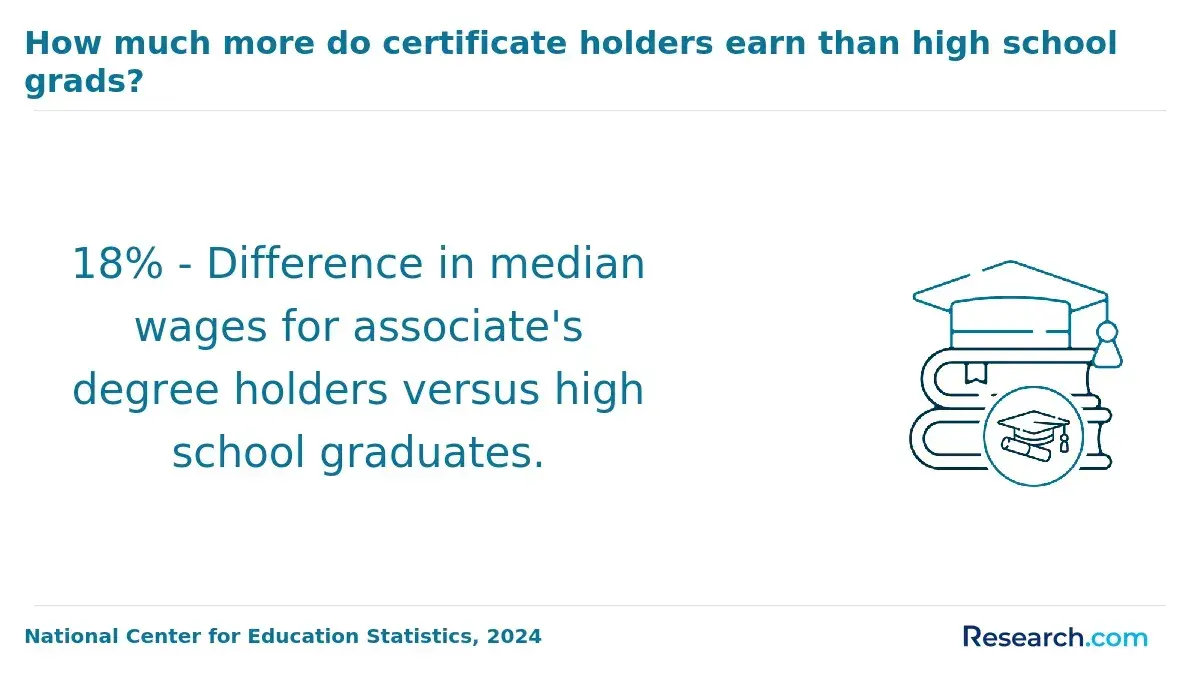
- Rising online enrollment flexibility reported by the National Center for Education Statistics enables adult learners to enter game development remotely, though delayed program completion risks skill obsolescence in a fast-evolving field.
Is it possible for Game Development graduates to work remotely?
Remote work opportunities exist for game development graduates, but availability depends heavily on the specific role and employer expectations. Positions centered on programming, software engineering, and level design are commonly offered in remote or hybrid formats because their tasks often involve independent or asynchronous work.
Conversely, roles requiring constant real-time collaboration, such as art direction or production management, tend to remain predominantly on-site due to the need for in-person coordination.
Graduates entering remote roles should be prepared to show strong communication abilities and familiarity with digital collaboration tools, as employers prioritize these skills to offset physical distance. While some educational programs incorporate online teamwork components to simulate these demands, real-world experience like internships or contract work remains critical for demonstrating readiness.
Balancing the flexibility of remote work with challenges around staying connected and visible in a team environment is a key consideration for graduates pursuing these paths.
What are the typical entry-level remote positions for new Game Development graduates?
Entry-level remote positions are increasingly accessible to new game development graduates, reflecting the digital nature of this industry. Several roles align well with a remote or hybrid format, combining technical skills with digital collaboration tools.
The following list outlines common entry-level remote roles for new game development graduates.
- Junior Game Programmer: This position involves coding and debugging under senior developers' supervision. Programming tasks are predominantly computer-based and supported by remote collaboration platforms like version control systems, making this role especially suited to remote work.
- QA Tester: Quality assurance testers systematically identify bugs and gameplay issues by rigorously playing game builds. Their work depends on digital testing environments and bug-tracking software, enabling most QA testing to be effectively performed remotely.
- Level Designer Assistant: Assisting in the creation and refinement of game levels, this role requires the use of design software and cloud-based collaboration. While often flexible, level designer assistants typically operate in hybrid models to facilitate asset reviews and iterative feedback.
- Game Artist (2D/3D Junior Artist): Junior artists develop textures, models, and animations using digital tools that allow file sharing and remote critique. Though this role is suited for remote work, some studios favor hybrid arrangements to cultivate creative teamwork.
- Community Manager Assistant: Focused on player engagement and social media communication, this role functions primarily online. The responsibilities are conducive to remote work due to scheduled content management and virtual interaction with the game's audience.
These remote roles emphasize deliverables over physical presence, demanding disciplined task management and clear communication. Proficiency with tools such as Git, JIRA, Slack, or Trello is crucial for coordinating projects from a distance. While some employers maintain hybrid setups for onboarding or mentorship, new graduates targeting remote roles should prioritize these competencies.
Graduates evaluating post-degree options may also explore advanced educational pathways, including specialized credentials or programs like the cheapest online doctorate in educational leadership, to diversify their career prospects in education or management contexts related to game development. Understanding these opportunities informs whether and how an entry-level remote role fits within long-term professional plans in this evolving field.

Are there senior-level remote positions for Game Development professionals?
Senior-level remote positions for recent game development graduates are limited but do exist, primarily in companies with strong distributed teams and mature digital workflows. These high-level remote positions typically emphasize leadership, design, or technical expertise that can be coordinated through virtual communication.
Below are five senior titles in game development that often support remote or hybrid arrangements:
- Lead Game Designer: Entrusted with shaping gameplay mechanics and overall user experience, this role leverages digital collaboration extensively. Remote work is feasible as creative decisions and iterative design sessions can be effectively managed online.
- Technical Director: This role involves steering the technical systems behind a game, focusing on software architecture and integration. Because supervision is less about physical presence and more about deep technical guidance, remote engagement is common.
- Senior Software Engineer: Dedicated to developing and refining game systems, these engineers typically work independently on complex coding tasks. The position's nature supports remote work combined with regular virtual team syncs.
- Art Director: Overseeing visual development and asset pipelines, art directors use digital asset management platforms and remote feedback loops. While physically dispersed, they lead teams through video conferences and collaboration tools effectively.
- Producer (Senior): Responsible for coordinating timelines, managing cross-team communication, and resource planning, senior producers can perform much of their work remotely if supported by project management software, despite occasional in-person needs.
Each role demands strong self-management and communication skills since remote senior game development jobs require clear coordination despite geographical separation. Navigating these positions also involves understanding the varied infrastructure demands across studios.
For those considering related educational advances, programs like an online MSW illustrate how digital frameworks can support remote professional outcomes in other fields, providing a reference point for adaptable remote workflows and team management strategies applicable in game development contexts.
Which industries hire the most remote workers with Game Development degrees?
Remote work opportunities for graduates with game development degrees extend beyond traditional studios into several industries adapting to distributed collaboration. The following outlines five sectors actively hiring remote workers with relevant skills, highlighting the roles and workflows typically involved.
- Video game development: While many studios still emphasize on-site teamwork for creative alignment, an increasing number adopt hybrid or fully remote pipelines. Remote roles often involve programming, level design, or asset creation coordinated via version control and cloud tools to maintain team cohesion across locations.
- Software and app development: Firms in this sector leverage interactive content expertise to build immersive apps, frequently establishing remote-first teams. Game development grads contribute to UI/UX design, 3D modeling, and interactive features integrated into broader software products.
- Entertainment and media: Beyond pure gaming, companies producing VR experiences, simulations, or interactive narratives rely on remote talent to access niche skills. These roles emphasize asynchronous workflows and cross-disciplinary communication to develop innovative content without geographical limits.
- Educational technology: Edtech companies employ game mechanics in learning tools, often using remote collaboration between developers, designers, and instructional experts. Positions typically demand adaptability to evolving educational requirements and remote project management.
- Corporate training and AR solutions: Corporations investing in serious games or augmented reality for training and client engagement hire distributed teams to tailor software to diverse industries. These roles require balancing technical development with client-driven customization, frequently managed remotely to accommodate varied schedules and locations.
How do salaries differ for remote vs on-site roles in Game Development?
Salaries for remote game development roles generally trend slightly lower compared to on-site positions, largely due to geographic pay tiering. Many companies adjust compensation based on the employee's location, reducing pay for remote developers living in areas with lower living costs.
This practice creates noticeable differences in average salaries for graduates pursuing remote game development jobs, especially those outside key industry hubs.
However, average salaries for remote game developers in the US can vary widely depending on the specialization and company policies. Roles requiring niche expertise such as AI development or lead programming often retain competitive pay regardless of work location.
Employers targeting top remote talent may offer equalized salaries, but pay disparities remain common for more generalist or entry-level positions where remote work frequently results in moderate reductions.
The evolving labor market for remote game development positions requires graduates to understand how compensation packages reflect practical tradeoffs. For those considering advanced education, exploring affordable online master's programs can be a strategic step, balancing cost with access to remote-friendly credentials relevant to the industry.
What are the common challenges of working remotely with a Game Development degree?
Remote work in game development introduces specific operational and interpersonal challenges that can hinder productivity and career progression. The nature of game development demands close collaboration and security, which are harder to maintain outside traditional office settings.
Here are some key obstacles professionals often face, along with strategic considerations to manage them effectively.
- Coordination delays from limited real-time interaction: Successful game development thrives on quick back-and-forth among artists, programmers, and designers. Remote environments disrupt spontaneous conversations, slowing feedback cycles that can cascade into timeline setbacks. Professionals often rely on structured updates and asynchronous communication to compensate, which requires disciplined workflow management.
- Heightened security exposure for digital assets: Handling large files and proprietary code remotely raises risks of unauthorized access or data leaks, especially over personal networks. Mitigating this requires robust encryption and strict access controls, yet enforcement can be inconsistent compared to centralized office protocols.
- Increased tendency for overlooked errors: Without frequent informal peer reviews, mistakes tend to go unnoticed longer, impacting game quality and requiring costly fixes later. Establishing regular code and art reviews, even virtually, is critical to maintain standards.
- Proximity bias reducing professional visibility: Managers often perceive in-office employees as more engaged, which can skew evaluations and limit opportunities for remote team members. Remote professionals must proactively communicate accomplishments and maintain visibility in virtual meetings and project updates.
- Communication overload and meeting fatigue: Reliance on scheduled calls and messaging platforms can lead to exhaustion and fragmented attention. Balancing synchronous meetings with focused solo work demands intentional scheduling and clear agenda-setting to protect productivity.
When discussing these challenges with a Game Development professional who graduated from an online bachelor's program, he emphasized how managing project momentum remotely requires constant effort. He described feeling disconnected during critical crunch periods because quick hallway questions turned into delayed email threads.
He also mentioned the pressure to "always be online" to stay noticed by supervisors, which sometimes blurred work-life boundaries. Despite these difficulties, he found that setting clear daily goals and initiating regular video check-ins helped maintain team cohesion and progress, though it took months to establish a sustainable rhythm.
Are there certifications that can improve remote hiring outcomes for Game Development graduates?
Certifications can influence remote hiring prospects for game development graduates by verifying essential skills aligned with industry standards. These credentials often improve trust in a candidate's ability to work effectively in distributed teams.
Below are five widely recognized certifications relevant to boosting remote hiring outcomes for game development roles.
- Unity Certified Developer: This certifies proficiency in using the Unity engine, commonly applied in both indie and large-scale projects. It demonstrates practical knowledge of Unity's core functions, which helps candidates meet expectations for remote collaborations involving this popular platform, usually requiring passing a comprehensive skills exam.
- Unreal Engine Certification: Targeted at users of Epic Games' Unreal Engine, this validates expertise in advanced game production tools and workflows. Employers value it for remote roles needing high-end visual and interactive content, with candidates generally tested on both technical skill and project application.
- Certified Associate in Project Management (CAPM): Endorsed by the Project Management Institute, this credential signals competence in foundational project management, beneficial for coordinating remote game development. Earning CAPM involves formal education and a certification exam, emphasizing structured task execution across distributed teams.
- Adobe Certified Expert (ACE): Recognizes skill in Adobe design and graphics products essential for creating game assets. Candidates are assessed through practical exams, making ACE holders attractive for asset-driven roles in remote production pipelines.
- Autodesk Certified Professional: Confirms mastery of 3D modeling software heavily used in game environments and character creation. This certification requires passing rigorous performance-based tests, supporting remote job functions that demand advanced spatial and design capabilities.
While such certifications add measurable proof of expertise, portfolios demonstrating applied work and strong communication skills remain critical for remote hiring success. Candidates should integrate these credentials as part of a broader strategy to prove readiness for remote game development assignments rather than rely on them exclusively.
For comprehensive strategies that combine education with practical outcomes, exploring options like the most affordable online MBA programs can also support skill diversification relevant to remote team leadership contexts.
How can Game Development degree students increase the chances of landing remote roles?
Students aiming to increase their success in landing remote roles with a game development degree must demonstrate capabilities that align closely with employer expectations for independent, flexible work. Effective strategies emphasize portfolio quality, networking, and adapting to remote-specific hiring techniques.
The following five approaches highlight key actions to strengthen remote job prospects for game development degree holders.
- Build a project portfolio emphasizing autonomy: Creating detailed case studies that showcase problem-solving and decision-making highlights self-sufficiency. Including clear explanations for design choices and sharing code repositories on platforms like GitHub signals technical competence and communication skills critical for remote roles.
- Engage with remote-focused professional networks: Active participation in remote-first job boards and specialized game development communities on Slack or Discord builds connections with recruiters and peers. This informal interaction often leads to referrals and timely updates on opportunities suited to remote workers.
- Prepare for asynchronous evaluation methods: Understanding that employers increasingly use trial tasks and timed coding challenges conducted remotely can help candidates showcase their ability to manage deadlines and work independently without supervision.
- Demonstrate adaptability to virtual screening: Recorded presentations or remote interviews test a candidate's initiative and communication under remote conditions. Practicing these formats improves performance in processes tailored specifically to remote hiring.
- Focus on skills aligning with remote expectations: Emphasizing collaboration tools and remote workflow familiarity within projects evidences readiness for distributed teams. Cultivating independence through self-driven projects supports a smoother transition into remote roles.
These targeted methods improve how students present themselves in the remote job market, reflecting a clear understanding of recruiter priorities and the operational realities of remote work in game development. For students examining educational pathways, integrating these strategies substantially affects employability within this field.
This approach is relevant even when considering different disciplines, as seen in fields like environmental engineering, where online degrees emphasize practical outcomes and workforce alignment, such as environmental engineering online degree.
How do remote Game Development roles impact long-term career trajectory and promotions?
Remote game development roles shift traditional promotion dynamics by reducing reliance on physical presence and emphasizing measurable output, communication, and adaptability. Advancement depends heavily on clear performance indicators tracked through tools like Jira, Slack, and GitHub, which allow managers to assess leadership and collaboration objectively.
This quantifiable approach can benefit those who consistently deliver quality work and engage effectively in digital workflows.
However, the lack of spontaneous in-person interactions poses challenges for informal networking and mentorship, which often accelerate career growth in on-site settings. Remote developers need to deliberately foster visibility by actively participating in virtual meetings, contributing in team discussions, and volunteering for cross-departmental projects that highlight initiative and leadership skills.
This proactive engagement compensates for fewer organic relationship-building opportunities.
Effective written communication and self-management are crucial for maintaining influence and ensuring alignment with organizational objectives. Scheduling regular one-on-ones and seeking detailed feedback are practical methods to clarify expectations and demonstrate commitment to growth.
While remote roles demand disciplined relationship-building and transparent performance tracking, they can offer equitable advancement pathways when navigated strategically within distributed work environments.
Is a remote career in Game Development sustainable for the next decade?
The sustainability of a remote career in game development depends heavily on how well professionals adapt to evolving tools and employer expectations. Technological advances, such as cloud-based collaboration and real-time rendering, have made remote teamwork more efficient, allowing distributed teams to navigate time zones and complex workflows with greater ease.
However, these gains come with the challenge of maintaining clear communication and team cohesion without face-to-face interaction. Employers look for candidates who demonstrate strong self-management and technical proficiency, alongside proactive problem-solving.
Economic and corporate trends indicate continued demand for flexible work arrangements in game development, but remote roles often require balancing autonomy with accountability. The value of in-person networking remains significant, especially for accessing hidden job markets and building trust.
Graduates aiming for longevity in remote game roles should prioritize upskilling on emerging technologies and cultivating a hybrid approach to professional connections to remain competitive and resilient amid shifting industry dynamics.
After graduating from an online game development bachelor's program, one professional shared that while remote work offered valuable flexibility, it also demanded rigorous daily discipline and constant communication effort. "Sometimes it felt isolating-project updates and quick questions took more time than expected," he explained.
He emphasized how integrating occasional in-person meetups and consistently learning new collaborative platforms helped him stay engaged and relevant in a fast-changing environment. His experience underlines that sustainability in remote game development hinges on technical agility and strategic networking beyond the screen.
What Graduates Say About Game Development Degrees That Lead to Remote Jobs
- Aries: "My degree in game development was instrumental in securing a remote role at an indie studio, mainly because my portfolio showcased completed projects and collaborative jams more than traditional credentials. Working remotely means I have to be proactive with communication and time management, but it also allows me to participate in international projects I wouldn't otherwise access. I've realized that employers in this field prioritize demonstrated skills and internships heavily over formal licensure, which made my path less conventional but still rewarding."
- Massimo: "After graduating with a focus on game development, I pivoted to a remote position in augmented reality, which was less about the degree and more about the certifications and freelance projects I picked up along the way. Remote work has been a double-edged sword: I enjoy the flexibility and autonomy, but I've had to be extra vigilant about building visibility and advancing my skills independently since the usual office mentoring isn't there. It's also clear that salary growth can plateau without supplementary qualifications, so continuous learning is non-negotiable."
- Angel: "Landing a remote role in game development right after graduation was challenging, especially because many of the more competitive positions required extensive portfolios and actual industry experience. My degree helped open initial doors, but I found that demonstrating practical workflow knowledge and contributing to open-source projects made a real difference. The remote environment suits me well since it lets me balance steady freelance gigs with contract work, though the lack of face-to-face networking means I'm constantly seeking new ways to connect professionally."
Other Things You Should Know About Game Development Degrees
Specialized programs focusing deeply on one area, like graphics or AI, can enhance technical mastery but may limit immediate remote job options due to narrower skill sets. Broad curricula covering multiple disciplines-programming, design, production-offer versatility but risk shallower expertise, which some employers may see as a drawback. For remote roles where versatility and cross-disciplinary communication matter, students should weigh the flexibility of broad training against the market demand for specific, in-depth skills and consider which better aligns with target employers' expectations.
Remote positions often demand strict self-management as project timelines remain tight despite physical distance. Degree programs that simulate real-world deadlines, promote independent project ownership, and teach remote project management tools tend to give graduates an edge. Students should favor programs that require deliverables under time constraints and expose them to remote team dynamics to build resilience and realistic expectations about work intensity post-graduation.
While theoretical knowledge forms the foundation, employers for remote game development roles heavily prioritize proven ability demonstrated through portfolios and relevant internships. Projects showcasing remote collaboration or independently executed work carry extra weight. Students aiming for remote roles should prioritize programs with strong internship pipelines or cooperative education that yield substantial, demonstrable work samples rather than programs focused predominantly on abstract theory.
References
- Game Developer Jobs - GameJobs.co https://gamejobs.co/
- Remote game developer Jobs (April 2026) - Arc https://arc.dev/remote-jobs/game
- Remote vs. Onsite Developer Hiring: Which Is More Cost-Effective for Mid‑Sized Businesses? https://distantjob.com/blog/hire-affordable-developers/
- 52 Remote Gaming Jobs https://meetfrank.com/
- How to Become a Game Developer & Get Hired | Zero To Mastery https://zerotomastery.io/career-paths/become-a-game-developer/
- Navigating the Challenges of Remote Work as a Junior Developer https://dev.to/viktoriabors/navigating-the-challenges-of-remote-work-as-a-junior-developer-pko
- Game Design & Development Certifications | Unity https://unity.com/products/unity-certifications
- Is Game Development a Good Career Choice in 2026? | University of the People https://www.uopeople.edu/blog/is-game-development-a-good-career-choice/
- WorkPlays | Gamedev Jobs | workplays.it https://workplays.it/en
- Career Path and Salary for Video Game Designers | ComputerScience.org https://www.computerscience.org/careers/video-game-designer/career-outlook-and-salary/