2027 Best Online Program Management Doctorate Programs for Mid-Career Professionals

Co-Founder and Chief Data Scientist
A mid-career Program Management professional usually has experience; the harder question is whether a doctorate will improve leadership reach, credibility, and long-term options. The U.S. Bureau of Labor Statistics reports a May 2024 median pay of $100,750 for project management specialists, showing that advanced program leadership is already a high-value field.
This guide is for working professionals comparing online doctoral programs, including DBA, PhD, and Doctor of Management options. You will learn how programs differ, what they cost, how long they take, and how to choose one that fits your career goals.
Key Things to Know About Online Program Management Doctorate Programs for Mid-Career Professionals
- The strongest online Program Management doctorate choices for working professionals are usually applied doctorates, such as a DBA or Doctor of Management with a project or program management focus, because they connect research to organizational decision-making.
- Costs vary widely, but NCES data released in 2024 shows average graduate tuition and required fees of about $12,600 at public institutions and about $29,900 at private nonprofit institutions, before doctoral fees, residency costs, books, and lost time are considered.
- A realistic completion plan is often 3 to 6 years; accelerated formats can work for professionals with strong writing skills and employer support, while part-time pacing is safer for those managing travel, teams, caregiving, or executive responsibilities.
Is earning an online Program Management doctorate worth it for mid-career professionals?
An online Program Management doctorate can be worth it when the degree supports a specific next step: executive program leadership, consulting, teaching, research-driven transformation, or advancement into enterprise portfolio roles. It is less likely to pay off if the goal is only to qualify for standard project manager jobs, because many of those roles value experience, certifications, and a master's degree more directly than a doctorate.
The best way to judge value is to compare the doctorate against the credential you already have. For example, a professional who still needs broad project leadership preparation may get stronger near-term value from a project management degree online, while a senior manager seeking authority in governance, risk, organizational change, or program strategy may benefit from doctoral-level work.
The degree makes the most sense for professionals who can use their current workplace as a learning lab. Doctoral programs typically require sustained research, applied problem-solving, and original contribution. If your job already exposes you to portfolio decisions, enterprise change, vendor ecosystems, compliance issues, or cross-functional delivery problems, your experience can make the dissertation or capstone more practical and less abstract.
Use the following comparison to decide whether the investment fits your current career stage rather than assuming a doctorate is automatically the highest-value option.
| Professional goal | Best-fit credential | Why it may fit | When to be cautious |
| Move from project manager to program manager | Master's degree, graduate certificate, or certification | These options can build practical planning, budgeting, and stakeholder skills faster. | A doctorate may be more than you need for the next promotion. |
| Lead enterprise transformation or portfolio governance | DBA, Doctor of Management, or applied doctorate | Applied doctoral work can strengthen decision-making, systems thinking, and evidence-based leadership. | ROI depends on whether your employer values doctoral credentials for senior roles. |
| Teach at the college level | PhD, DBA, or discipline-relevant doctorate | A doctorate is commonly expected for full-time faculty and advanced teaching roles. | Research universities may prefer a PhD over a professional doctorate. |
| Become an independent consultant | Applied doctorate plus portfolio of results | The degree can support credibility, but clients still evaluate outcomes, industry expertise, and network strength. | The credential alone will not replace business development skills. |
For many mid-career professionals, the strongest ROI comes from combining the doctorate with a clear internal promotion path, employer tuition support, or a consulting niche. Without one of those, the opportunity cost can be high.
Which online Program Management doctorate programs are the best for mid-career professionals?
The best online Program Management doctorate program is the one that matches your work schedule, research interests, support needs, and career target. Because "Program Management doctorate" is not always the exact degree title, strong options may appear as a DBA in Project Management, PhD in Business Management with a Project Management specialization, Doctor of Management in Project Management, or an applied business doctorate with program, portfolio, or operations-focused research options.
The programs below are commonly relevant for U.S. working professionals seeking online or primarily online doctoral study in project, program, or closely related management fields. Always verify current specialization availability, tuition, residency rules, and accreditation directly with the institution before applying.
| Institution | Relevant online doctorate option | Best for | Format notes | Accreditation considerations |
| Colorado Technical University | Doctor of Management with Project Management concentration | Professionals who want an applied management doctorate with direct project management alignment | Online coursework with doctoral research milestones | Check institutional accreditation and business program accreditation status |
| Liberty University | Doctor of Business Administration in Project Management | Working adults who want a structured DBA format with a project management focus | Online courses may include dissertation or applied research requirements | Review institutional accreditation and business accreditation details |
| National University | Doctor of Business Administration with project management-related specialization options | Professionals who prefer one-to-one faculty interaction and flexible online study | Online doctoral model designed for adult learners | Confirm current specialization names and dissertation support model |
| Capella University | PhD in Business Management with Project Management specialization | Professionals interested in research-heavy study and academic or consulting pathways | Online doctoral study with research sequence and dissertation | Confirm current delivery format, residencies, and institutional accreditation |
| Walden University | DBA with project management-related specialization or focus areas | Professionals seeking applied research in business, leadership, and organizational change | Online coursework with doctoral capstone or dissertation structure | Verify the exact project management pathway currently offered |
Mid-career professionals should be especially careful with "best" lists because the top program for a full-time doctoral student may not be the top program for a director managing teams across time zones. If speed is a priority, compare the doctoral route with an accelerated project management degree first, because a faster graduate credential may solve the immediate career need with less financial risk.
When comparing programs, focus on fit rather than brand alone. A practical short list should include only programs that meet these conditions:
- The institution is regionally or institutionally accredited by an agency recognized by the U.S. Department of Education.
- The curriculum includes program management, project governance, portfolio management, operations strategy, risk, leadership, analytics, or organizational change.
- The dissertation, doctoral project, or capstone can be aligned with your professional environment or industry.
- The school provides doctoral advising, research methods support, library access, and writing support for online students.
- The schedule is compatible with your actual weekly availability, not your ideal schedule during a quiet month.
What specializations are available in Program Management doctorate programs?
Program Management doctoral specializations often overlap with project management, business administration, organizational leadership, operations, technology management, and strategic management. This overlap is not a weakness; program managers often coordinate multiple projects, budgets, teams, vendors, and strategic objectives, so interdisciplinary training can be useful.
Specialization choice matters because it shapes your research topic and the career story you can tell after graduation. The following options are common or closely aligned with doctoral-level program leadership.
| Specialization | Best fit | Common doctoral focus | Possible career relevance |
| Project Management | Experienced project or program managers | Delivery systems, project failure, agile governance, stakeholder management | Senior project leadership, PMO leadership, consulting |
| Program and Portfolio Management | Professionals managing multiple initiatives | Prioritization, benefits realization, enterprise governance | Portfolio director, enterprise transformation leader |
| Operations Management | Managers focused on process, supply chain, or service delivery | Process improvement, capacity, quality, operational resilience | Operations executive, transformation consultant |
| Organizational Leadership | Leaders managing change across teams | Culture, decision-making, leadership behavior, change adoption | Director, VP, chief of staff, organizational development leader |
| Technology or Information Systems Management | IT, product, cybersecurity, or digital transformation leaders | Technology implementation, data governance, digital program risk | Technology program executive, digital transformation lead |
| Strategic Management | Professionals aiming for executive or consulting roles | Competitive strategy, resource allocation, governance models | Strategy director, consultant, business unit leader |
If your work is closer to process improvement, supply chain, production, logistics, or enterprise operations, an MBA operations management online may also be worth comparing before committing to a doctorate. The MBA is usually broader and faster, while the doctorate is deeper, more research-intensive, and better suited to long-term leadership or academic goals.
A good specialization should connect your past experience with a future problem you want to solve. For example, a healthcare program manager might study patient safety implementation, while a defense contractor might study risk governance across complex portfolios.
What admission requirements should professionals prepare for Program Management doctorate programs?
Most online Program Management doctorate programs expect applicants to show graduate-level readiness, professional maturity, and a clear research or applied problem-solving direction. Requirements vary by school, but mid-career applicants should prepare more than transcripts; they should be ready to explain why the doctorate is the right next step.
Admissions committees often look for evidence that you can handle advanced writing, research, and sustained independent work while balancing professional obligations. Prepare the following materials early so you are not rushing during application deadlines:
- Master's degree transcript, usually from an accredited institution, with some programs accepting applicants from business, management, engineering, technology, public administration, or related fields.
- Professional resume showing leadership scope, program or project responsibility, budget exposure, team management, or strategic decision-making.
- Statement of purpose explaining your career goals, research interests, and why the program's faculty or curriculum fits your plans.
- Writing sample or doctoral essay demonstrating analytical thinking and graduate-level communication.
- Letters of recommendation from supervisors, executives, faculty, or clients who can speak to your leadership and readiness for doctoral work.
- Interview or admissions conversation, especially in programs that emphasize fit, research alignment, and professional experience.
Professionals without a master's degree should usually not jump straight to doctoral admissions unless a program explicitly allows it and provides a strong bridge structure. In many cases, completing a master's or even a project manager bachelor degree pathway earlier in the education sequence creates a stronger foundation for doctoral success.
Common application mistakes include choosing a vague research topic, assuming professional experience can offset weak writing, and applying without checking whether faculty support your area of interest. A stronger approach is to draft two or three possible research problems from your workplace, then ask admissions advisors how those topics would fit the program's doctoral model.
How much does an online Program Management doctorate program cost?
Online Program Management doctorate costs vary by institution type, credit requirement, transfer policy, dissertation length, and residency expectations. NCES data released in 2024 places average graduate tuition and required fees at roughly $12,600 for public institutions and roughly $29,900 for private nonprofit institutions, but doctoral students should treat those figures as starting context rather than a full program estimate.
Doctoral pricing is usually more complex than master's pricing because students may pay for dissertation continuation, research courses, technology fees, residencies, and extra terms if the dissertation takes longer than planned. When schools publish clear tuition rates, compare total program cost rather than only the cost per credit.
- Public university online doctorate: often lower tuition for in-state students, but some online programs charge a separate online rate.
- Private nonprofit online doctorate: often higher sticker price, with possible institutional aid, military benefits, or employer reimbursement.
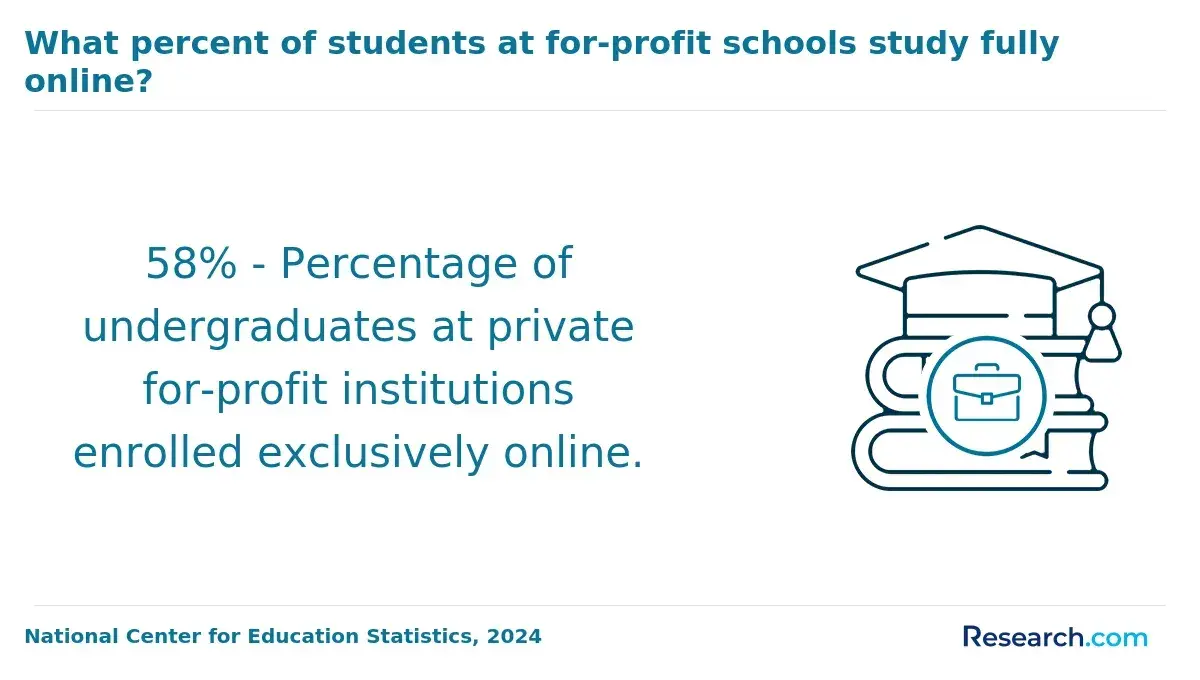
- Private for-profit online doctorate: may offer flexible scheduling, but students should carefully compare total cost, completion support, and outcomes.
- Residency or intensive costs: travel, lodging, meals, and missed work time can add significantly to the actual cost even when coursework is online.
- Dissertation extension costs: students who need extra terms may pay continuation tuition or fees beyond the planned program length.
The following table summarizes the main cost drivers so you can ask better questions before enrolling.
| Cost factor | Why it matters | What to ask the school |
| Credits or courses required | More credits usually increase tuition and time to completion. | What is the total required credit count after transfer review? |
| Per-credit or per-term tuition | Pricing models can make fast pacing cheaper or more expensive. | Is tuition charged by credit, course, term, or subscription period? |
| Dissertation continuation | Many doctoral students need extra time for research and writing. | What fees apply if the dissertation extends beyond the standard plan? |
| Residencies | Short campus sessions can add travel and time-off costs. | Are residencies required, optional, virtual, or in person? |
| Employer tuition assistance | Employer support can materially reduce out-of-pocket cost. | Will the school defer billing until employer reimbursement is paid? |
SHRM's 2024 employee benefits reporting indicates that tuition assistance remains a common benefit among U.S. employers, with nearly half of surveyed employers offering undergraduate or graduate educational assistance. For a mid-career professional, that means the first affordability step should be internal: ask HR about annual caps, grade requirements, repayment obligations, eligible institutions, and whether doctoral programs qualify.
What is the typical timeline for online Program Management doctorate programs?
Most online Program Management doctorate programs take about 3 to 6 years, depending on prior graduate credits, research pace, dissertation complexity, and weekly availability. The coursework phase is often more predictable than the dissertation phase, which can stretch if a student changes topics, loses access to data, or has limited faculty feedback.
The timeline below gives a practical planning view for working professionals. It is not a guarantee; it shows how pacing choices usually affect the experience.
| Study pace | Typical completion range | Best for | Main trade-off |
| Accelerated full-time | About 3 years | Professionals with flexible work, strong writing skills, and clear research direction | High weekly workload and less margin for work emergencies |
| Steady part-time | About 4 to 5 years | Managers working full time with predictable evenings or weekends | Longer calendar time but better sustainability |
| Extended part-time | About 5 to 6 years or more | Executives, consultants, caregivers, or frequent travelers | Higher risk of losing momentum and paying continuation fees |
The Council of Graduate Schools reported in 2024 that doctoral completion remains a long-horizon challenge nationally, with many students taking longer than initial program plans suggest. For working professionals, the lesson is simple: choose a program with strong advising and a realistic dissertation structure, not only the shortest advertised timeline.
A practical doctoral timeline usually includes these stages:
- Foundation coursework in leadership, strategy, research methods, program governance, and organizational theory.
- Advanced specialization coursework in project, program, portfolio, operations, technology, or change management.
- Comprehensive exam, qualifying assessment, or doctoral portfolio review.
- Proposal development, including problem statement, literature review, methodology, and research approval.
- Data collection, analysis, dissertation or doctoral project writing, defense, and final revisions.
If you are choosing between full-time and part-time study, be honest about your busiest season at work. A schedule that only works during a slow quarter is not a doctoral plan; it is a risk factor.
What skills can professionals learn from online Program Management doctorate programs?
An online Program Management doctorate is not just an advanced project management credential. At its best, it trains professionals to diagnose complex organizational problems, evaluate evidence, design governance systems, and lead high-stakes change across multiple initiatives.
The most valuable skills tend to sit at the intersection of research and executive judgment. Professionals can expect to build the following capabilities:
- Evidence-based decision-making, including how to evaluate research, interpret data, and avoid relying only on intuition or past practice.
- Program and portfolio governance, including how to align multiple projects with strategic priorities, risk tolerance, and resource constraints.
- Advanced stakeholder management, especially in environments with competing executives, vendors, regulators, customers, and technical teams.
- Organizational change leadership, including adoption barriers, communication strategy, culture, and resistance management.
- Research design and applied inquiry, including qualitative, quantitative, or mixed-methods approaches to real organizational problems.
- Executive communication, including persuasive writing, board-level reporting, and defensible recommendations.
- Ethical and responsible leadership, especially when programs affect budgets, employees, customers, public safety, or regulated operations.
AI and analytics are also changing what senior program leaders need to know. Employers increasingly expect leaders to understand automation, data quality, predictive planning, cybersecurity exposure, and responsible AI use in delivery systems. A doctoral program will not make every student a data scientist, but it should help leaders ask better questions about evidence, bias, implementation risk, and measurable impact.
What career opportunities open up for online Program Management doctorate degree holders?
A Program Management doctorate can support advancement into senior leadership, consulting, research, and teaching roles, but it should not be viewed as a guaranteed promotion. Employers weigh the degree alongside experience, industry knowledge, people leadership, measurable results, and business need.
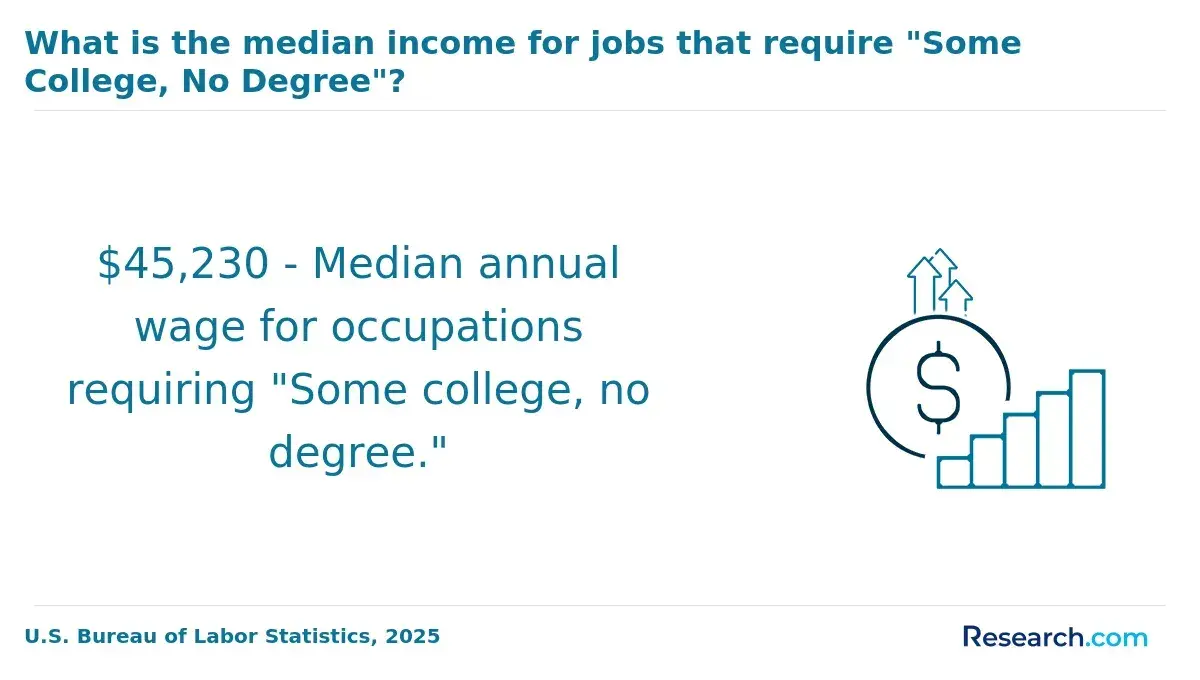
BLS data updated in 2024 reports a median annual wage of $100,750 for project management specialists, while related management roles can vary substantially by industry and responsibility level. For doctoral candidates, the useful takeaway is not that the degree produces a specific salary, but that program leadership sits in a labor market where advanced strategic, analytical, and change-management skills can be economically relevant.
The following table shows career paths where a doctorate may strengthen credibility or competitiveness, especially when paired with strong experience.
| Career path | How the doctorate may help | Important limitation |
| Program Director or Senior Program Manager | Supports leadership credibility, governance expertise, and complex problem-solving. | Employers may prioritize delivery record over the degree itself. |
| Portfolio Management Leader | Builds skills in prioritization, benefits realization, and enterprise alignment. | Financial acumen and executive influence remain critical. |
| PMO Director | Strengthens ability to design standards, metrics, and organizational systems. | Success depends on change leadership and stakeholder adoption. |
| Management Consultant | Can support authority in a specialized niche such as transformation, governance, or risk. | Client acquisition and proven outcomes matter as much as credentials. |
| College Instructor or Professor | A doctorate is commonly expected for advanced teaching roles. | Tenure-track research roles may prefer a PhD and publication record. |
| Executive Leadership | May support strategic credibility and board-level communication. | No doctorate substitutes for business results, leadership trust, and organizational fit. |
The doctorate is most useful when it helps you tell a sharper professional story: "I solve complex, cross-functional program problems using evidence, governance, and leadership." That story is more compelling than simply adding "Dr." to a resume.
How can Program Management doctorate students balance their time between studies and work?
Balancing doctoral study with full-time work requires a system, not just motivation. Mid-career professionals often underestimate the cognitive load of doctoral reading and writing, especially when their jobs already involve decision fatigue, meetings, travel, and urgent delivery issues.
A realistic plan starts with protecting recurring work blocks and reducing preventable friction. The following steps can make the degree more sustainable:
- Block 10 to 20 study hours per week before the term begins, then test that schedule for two weeks before enrolling.
- Tell your manager early if you will need predictable evenings, reduced travel during dissertation milestones, or access to workplace data for approved research.
- Choose a dissertation topic connected to your professional environment, but avoid topics that require confidential data you may not be allowed to use.
- Create a weekly writing habit even during coursework, because doctoral completion depends heavily on sustained writing.
- Use faculty office hours, writing centers, library consultations, and research methods support before you fall behind.
- Plan lighter course loads during known work peaks such as product launches, audits, budget season, or major client delivery windows.
Common mistakes include taking two demanding courses during a major work initiative, postponing dissertation thinking until coursework ends, and assuming online learning is automatically flexible. Online programs remove commuting, but they do not remove deadlines, research complexity, or the need for uninterrupted thinking time.
Students with executive or consulting schedules should consider hybrid or asynchronous programs carefully. Hybrid programs can provide stronger networking and faculty connection, while asynchronous online programs offer more control. The right choice depends on whether you need structure and community or maximum scheduling flexibility.
What should professionals evaluate when choosing an online Program Management doctorate program?
Choosing an online Program Management doctorate should be a structured decision. Rankings and advertisements can help you discover programs, but they should not replace due diligence on accreditation, curriculum, cost, faculty support, and career fit.
Start with accreditation. In the U.S., the institution should be accredited by an agency recognized by the U.S. Department of Education or the Council for Higher Education Accreditation. Business-focused programs may also hold programmatic accreditation from organizations such as AACSB, ACBSP, or IACBE, but requirements vary by employer and career goal.
Use the following checklist to compare programs before applying:
- Verify institutional accreditation through official accreditation databases, not only the school's marketing page.
- Confirm whether the degree title is DBA, PhD, Doctor of Management, or another doctorate, and make sure it matches your career goal.
- Review faculty backgrounds to see whether they publish, consult, or teach in project, program, portfolio, operations, or organizational leadership areas.
- Ask how online doctoral students receive dissertation advising, methodology support, and writing feedback.
- Request a full cost estimate that includes tuition, fees, residencies, continuation terms, books, and technology charges.
- Ask for completion expectations, stop-out policies, transfer credit rules, and maximum time-to-degree limits.
- Confirm whether the program supports applied workplace research and what approvals are needed to use organizational data.
- Compare synchronous, asynchronous, hybrid, and residency requirements against your real work calendar.
Red flags include unclear accreditation claims, vague dissertation support, pressure to enroll quickly, missing total cost information, and a curriculum that uses project management language without advanced program, portfolio, research, or leadership depth. A credible program should be able to explain exactly how it supports working doctoral students from first course through final defense.
Finally, compare the doctorate with alternatives. A graduate certificate may be enough for a skills gap, a master's may be enough for promotion eligibility, and a doctorate may be best for professionals pursuing senior authority, research-based consulting, or teaching. The right investment is the one that fits the decision you are actually trying to make.
Other Things You Should Know About Program Management
Many do, but the format varies. Some programs require a traditional dissertation, while others use an applied doctoral project, capstone, or practice-based research study. Ask whether the final project must produce original academic research or solve an applied organizational problem.
Often, yes, but you may need employer permission, institutional review board approval, and safeguards for confidential or human-subject data. Before choosing a workplace-based topic, confirm that your employer will allow access to the information you need.
A DBA is usually better for applied business leadership, consulting, and executive problem-solving. A PhD is usually better for research-intensive academic goals. Both can be valid, but the better choice depends on whether you want to apply research in organizations or produce scholarly research as a primary career focus.
Usually no. Program Management doctorates are not typically licensure degrees. If your work is in a regulated field such as engineering, healthcare, education, or public administration, check any separate state, employer, or professional board requirements that apply to your role.
References
- Best Online PhD Programs for Working Professionals in the USA https://www.euroamerican.eu/best-online-phd-programs-usa-for-working-professionals
- Tips for Applying to Doctoral Programs | AASL Knowledge Quest https://knowledgequest.aasl.org/tips-for-applying-to-doctoral-programs/
- Doctoral Business Programs | ACE https://ace.edu/degree-programs/doctoral-degrees/doctoral-business/
- Online PhD Programs in Management: Scope and Best Career Options 2026 - GTR Blogs | Career Guidance Articles https://gtracademy.org/blog/online-phd-programs-in-management/
- Doctorate Degrees - Asian Institute of Management https://aim.edu/doctorate-degrees/
- Non-Traditional Student Management: Essential Strategies for Supporting Today's Diverse Learners https://moderncampus.com/blog/traditional-vs-non-traditional-students.html
- How Working Professionals Can Earn a Doctorate Without Pausing Their Careers: Maria C.'s Journey https://www.calsouthern.edu/articles/how-working-professionals-can-earn-a-doctorate-without-pausing-their-careers-maria-c-s-journey
- What Is AI Literacy and How a Doctorate in AI Fits the Path? https://imetworldwide.com/blogs/dba-vs-phd-which-pays-more-in-2026/
- Full Scholarships and Fully Funded Master’s Programs in the U.S. and Abroad | ProFellow https://www.profellow.com/fellowships/full-scholarships-and-fully-funded-masters-programs-in-the-u-s-and-abroad/
- Graduate School Financial Aid: Paying for Your Grad Degree https://www.gograd.org/financial-aid/