2027 Best Online Auditing Doctorate Programs for Teaching at the College Level

Co-Founder and Chief Data Scientist
Choosing an online auditing doctorate for college teaching is really a decision about academic credibility, research fit, and long-term faculty goals. The U. S. Bureau of Labor Statistics projects postsecondary teacher employment to grow 8% from 2023 to 2033, but hiring standards vary widely by institution and rank.
This guide is for working accounting, audit, risk, and assurance professionals who want to teach at colleges or universities. You will learn how to compare online doctoral options, evaluate accreditation, understand PhD versus DBA trade-offs, estimate costs, and choose a program that supports credible college-level teaching.
Key Things You Should Know
- The strongest online path for aspiring auditing professors is usually a regionally accredited PhD in Accounting or DBA in Accounting with audit, assurance, analytics, governance, or accounting information systems research support, not a generic business doctorate with no accounting faculty depth.
- An online doctorate can support adjunct, lecturer, clinical faculty, or practitioner-scholar roles, but tenure-track hiring at research universities usually favors candidates with rigorous research training, publications, teaching experience, and faculty mentors in accounting or auditing.
- Most working students should expect about 3 to 7 years of doctoral study; federal graduate unsubsidized loans are capped at $20,500 per academic year, so total cost, assistantship access, employer support, and dissertation support matter as much as tuition per credit.
Do You Need a Auditing Doctorate to Teach at the College Level?
You do not always need a doctorate to teach auditing at the college level, but the level and type of teaching you want matters. Community colleges, continuing education programs, and some undergraduate adjunct roles may accept a master's degree in accounting, taxation, finance, or business plus professional experience and a CPA, CIA, CISA, or similar credential. A doctorate becomes more important if you want full-time faculty roles, graduate-level teaching, curriculum leadership, or a stronger profile for tenure-track consideration.
An "auditing doctorate" is usually not a standalone degree title. In the U.S., students normally pursue a PhD in Accounting, DBA in Accounting, Doctor of Business Administration with an accounting concentration, or a closely related doctorate in business, information systems, or forensic accounting. The auditing focus comes through dissertation topic, faculty supervision, coursework, research methods, and teaching portfolio.
The table below summarizes how degree expectations often differ by teaching role. Requirements are set by each institution, so use this as a decision guide rather than a universal rule.
| College teaching goal | Typical minimum profile | How a doctorate helps | What may still be needed |
| Adjunct auditing instructor | Master's degree plus audit experience is often considered | Can strengthen credibility and qualify you for more advanced courses | Recent practice experience, professional certifications, and teaching evaluations |
| Full-time lecturer or clinical professor | Master's or doctorate depending on institution | May improve competitiveness for renewable full-time roles | Evidence of teaching effectiveness and curriculum development |
| Graduate accounting faculty | Doctorate is commonly preferred or required | Signals advanced expertise and research capacity | Research agenda, dissertation alignment, and graduate teaching readiness |
| Tenure-track accounting professor | Research doctorate is commonly expected | Provides research training, dissertation supervision, and scholarly identity | Peer-reviewed publications, conference activity, and strong faculty recommendations |
If your background is still at the undergraduate level, it may be more practical to build the foundation first through an online accounting degree, then add graduate accounting coursework, professional credentials, and teaching experience before applying to doctoral programs.
Which Online Auditing Doctorate Programs Are Best for Aspiring College Professors?
The best online auditing doctorate for aspiring college professors is the one that aligns with the type of institution where you want to teach. A research university, regional public university, private teaching college, community college, and online university may all evaluate your doctorate differently. Degree format matters less than institutional accreditation, faculty expertise, research rigor, and evidence that you can teach accounting courses well.
Because fully online doctorates specifically titled "auditing" are uncommon, the strongest options usually fall into the categories below. This table helps you compare program types by academic career fit.
| Program type | Best fit for aspiring faculty who want to teach | Strengths | Trade-offs |
| Online or hybrid PhD in Accounting | Research-oriented faculty roles and graduate-level teaching | Strongest fit for scholarly publishing, theory, quantitative methods, and dissertation-based academic identity | Fewer online options, often longer completion time, and may require residencies or intensive research milestones |
| Online DBA in Accounting | Practitioner-scholar faculty roles, teaching-focused colleges, and professional programs | Good fit for experienced auditors who want to research real-world audit, controls, fraud, governance, or analytics problems | May be less competitive for tenure-track roles at research-intensive universities |
| Online DBA in Business with accounting or audit dissertation focus | Professionals whose interests combine audit, governance, risk, compliance, or business analytics | Broader course options and more flexible dissertation topics | Can be weak for accounting faculty hiring if the program lacks accounting scholars on the faculty |
| Hybrid executive doctorate in business or accounting | Senior audit leaders who can attend residencies and want peer networking | Structured cohort experience, faculty interaction, and stronger dissertation accountability | Travel costs and residency scheduling may be difficult for working professionals |
| Doctorate in information systems, cybersecurity, or data analytics with audit focus | Future instructors in IT audit, audit analytics, systems assurance, or risk technology | Strong fit for growing audit technology and AI-control topics | May not qualify you for traditional accounting faculty roles without substantial accounting coursework |
When comparing programs, do not rely only on "online," "accelerated," or "affordable" labels. A program that is convenient but has no auditing faculty, no dissertation support in accounting, and no teaching opportunities may be a poor fit for a future professor.
Use the following checks before shortlisting any online auditing doctorate. These questions focus on the features that most affect college teaching preparation.
- Confirm that the institution is regionally accredited and that the business or accounting unit has appropriate programmatic accreditation where available.
- Review faculty publications and confirm that at least one faculty member can supervise audit, assurance, accounting analytics, fraud, governance, or accounting information systems research.
- Ask whether doctoral students can teach, assist in online courses, design modules, guest lecture, or build a teaching portfolio.
- Check whether the dissertation is required, how committees are formed, and whether online students receive structured research mentoring.
- Request recent information on graduate placements, adjunct appointments, full-time faculty roles, conference presentations, and publication outcomes.
- Look for residencies, synchronous seminars, research colloquia, and cohort features that reduce isolation in an online doctorate.
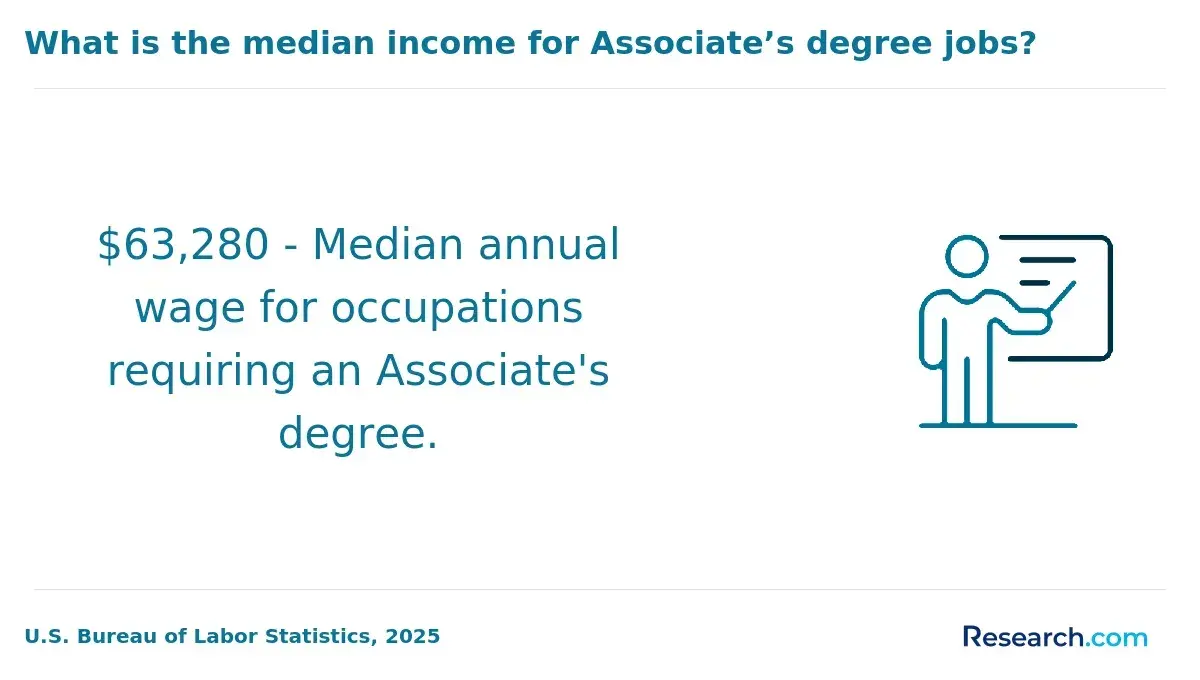
Should You Choose a PhD or Professional Doctorate in Auditing for College Teaching?
A PhD and a professional doctorate can both support college teaching, but they send different signals. A PhD is traditionally designed to prepare scholars who produce original research. A DBA is usually designed for experienced professionals who apply research to complex practice problems. For auditing, the best choice depends on whether you want to become a research scholar in accounting or a practitioner-scholar who teaches from deep field experience.
The comparison below shows how the two paths typically differ for future college instructors. Individual programs vary, so always review the curriculum, dissertation model, and faculty credentials.
| Decision factor | PhD in Accounting or related field | DBA in Accounting or business |
| Primary purpose | Develop original scholarly research | Apply research to professional and organizational problems |
| Best teaching fit | Tenure-track, research-focused, and graduate faculty roles | Teaching-focused colleges, professional programs, online universities, and practitioner faculty roles |
| Research style | Theoretical, empirical, archival, behavioral, analytical, or experimental research | Applied, practice-based, case-based, mixed-methods, or problem-centered research |
| Dissertation expectations | Usually a traditional research dissertation with strong methodology requirements | Often an applied dissertation or doctoral research project, though rigor varies |
| Hiring perception | Often strongest for research-intensive academic careers | Strong when institutions value executive experience, teaching, and applied expertise |
| Risk for aspiring professors | May be difficult to complete while working full time | May not satisfy research-heavy hiring committees if scholarly output is limited |
Choose the PhD if your goal is to publish in accounting journals, attend academic conferences, teach doctoral or research-intensive graduate courses, and compete for tenure-track roles. Choose the DBA if you are an experienced auditor, controller, compliance leader, or accounting executive who wants to teach applied auditing, risk management, assurance, internal controls, or governance in practice-oriented programs.
A common mistake is choosing a professional doctorate because it is more flexible, then later discovering that your target universities strongly prefer a PhD. Another mistake is choosing a PhD without the time, quantitative preparation, or research interest needed to finish. Before enrolling, compare the faculty profiles at colleges where you hope to teach and note whether their accounting instructors typically hold PhDs, DBAs, professional certifications, or a mix of credentials.
If your teaching interests are broader than auditing and include operations, governance, or implementation leadership, comparing a project management degree may also help you decide whether your future academic niche is truly accounting-focused or more interdisciplinary.
Accreditation is one of the most important filters when choosing an online auditing doctorate for college teaching. For faculty hiring, the first requirement is institutional legitimacy: the college or university granting the doctorate should be accredited by a recognized institutional accreditor. In the U.S., this usually means regional accreditation or an equivalent institutional accreditation recognized by the U.S. Department of Education and the Council for Higher Education Accreditation.
Programmatic accreditation can also matter. Business schools may hold AACSB, ACBSP, or IACBE accreditation, and accounting programs may have separate accounting accreditation in some cases. AACSB accounting accreditation is especially respected in many business schools, but it is not the only factor. A doctoral program with strong faculty mentorship, serious research methods training, and accounting-focused dissertation supervision may be more useful than a broadly accredited business program with no audit research depth.
The table below explains how accreditation affects academic credibility. Use it to separate essential requirements from helpful signals.
| Accreditation or quality marker | Why it matters for college teaching | How to verify it |
| Institutional accreditation | Most colleges will not view an unaccredited doctorate as a credible terminal degree | Check the U.S. Department of Education Database of Accredited Postsecondary Institutions and Programs |
| AACSB business or accounting accreditation | Often valued by business schools, especially for accounting faculty roles | Confirm directly on the accreditor's directory and the school's accreditation page |
| ACBSP or IACBE accreditation | Can be relevant for teaching-focused business programs | Review the accredited program list and confirm the specific school and degree unit |
| Faculty qualifications | Hiring committees care who trained you and whether your committee can support audit research | Review faculty CVs, publications, dissertation supervision, and conference activity |
| State authorization for online study | Online programs may not enroll students from every state | Ask admissions whether your state is authorized before applying |
Red flags include vague accreditation language, claims that sound like "international approval" without recognized U.S. accreditation, no searchable faculty profiles, no public dissertation examples, and pressure to enroll quickly. If a school cannot clearly explain its accreditation status, dissertation model, and accounting faculty support, keep looking.
For college teaching, the curriculum should do more than help you finish a credential. It should prepare you to explain complex audit concepts, conduct defensible research, evaluate evidence, and contribute to accounting education. In auditing, that often means combining accounting theory, assurance standards, risk assessment, internal controls, data analytics, research methods, and pedagogy.
The most useful online auditing doctorate programs tend to include both accounting depth and research depth. The curriculum should help you develop a teaching identity and a research agenda that hiring committees can understand.
| Program feature | Why it matters for future faculty | What to look for |
| Advanced accounting and auditing seminars | Shows subject-matter depth beyond professional experience | Courses in audit theory, assurance, governance, fraud, internal controls, accounting information systems, or audit analytics |
| Research methods sequence | Supports dissertation quality and future publishing | Quantitative, qualitative, mixed-methods, statistics, econometrics, behavioral research, or archival methods |
| Dissertation or doctoral research project | Creates the scholarly work that may anchor your academic CV | Clear milestones, committee support, proposal defense, ethics review, and publication guidance |
| Teaching preparation | Helps you compete for instructor and lecturer roles | Pedagogy courses, teaching assistantships, course design practice, learning management system experience, and supervised teaching |
| Research community | Reduces isolation in online study and improves scholarly development | Colloquia, faculty workshops, conference support, writing groups, and student research presentations |
AI and audit analytics are increasingly important in accounting education. A strong doctorate should help you understand how automated controls, machine learning tools, data visualization, continuous auditing, cybersecurity risk, and algorithmic bias affect assurance work. For future instructors, the goal is not just learning tools; it is learning how to teach students to question evidence, document judgment, and evaluate technology-enabled audit risk.
Before applying, ask programs for evidence that online doctoral students receive real research mentoring. Practical questions include the following.
- Which faculty members currently supervise audit, assurance, fraud, controls, accounting analytics, or governance dissertations?
- How many online doctoral students are assigned to each dissertation chair?
- Are students encouraged or required to submit conference papers before graduation?
- Can online students collaborate with faculty on research, cases, teaching notes, or journal submissions?
- Does the program include formal preparation for college teaching, online course design, or assessment?
- What happens if your dissertation chair leaves the university before you finish?
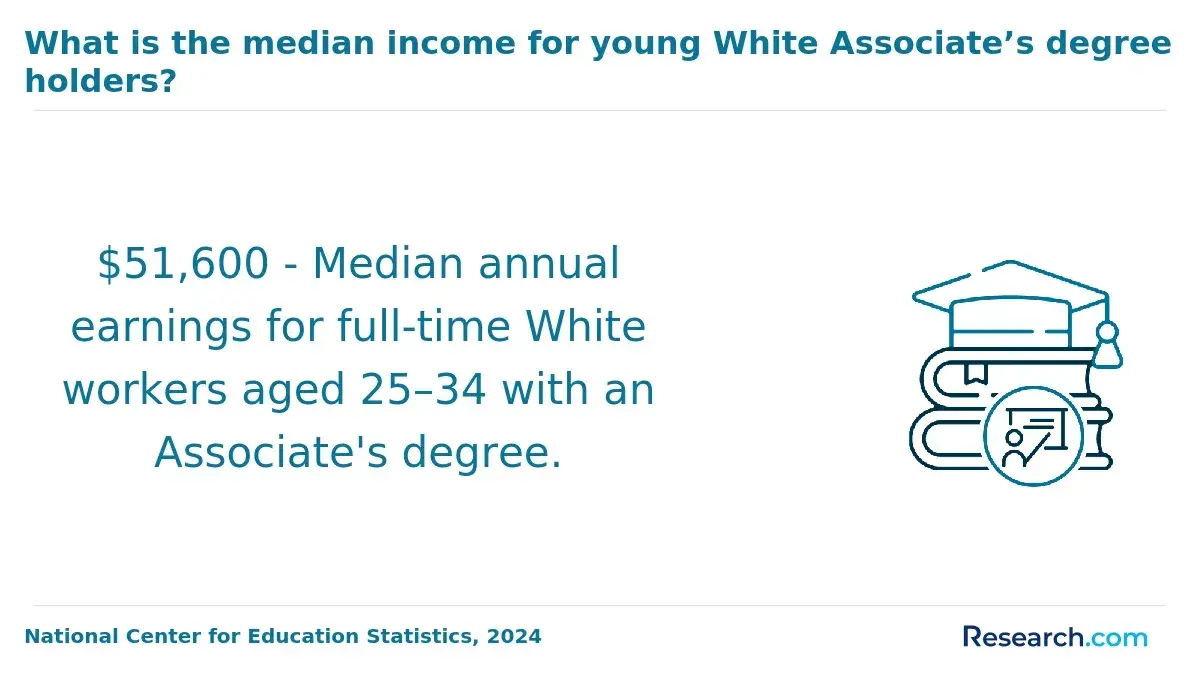
Admission requirements vary by school, but online auditing doctorate programs usually expect a graduate degree, professional experience, academic writing ability, and a clear research or practice problem. Some PhD programs expect strong quantitative preparation and prior research exposure. Many DBA programs place more weight on managerial, audit, accounting, compliance, or consulting experience.
The table below outlines common admission expectations. Use it to identify gaps before you spend time and money on applications.
| Requirement | Common expectation | Why it matters |
| Prior degree | Master's degree in accounting, business, finance, taxation, information systems, or related field is commonly expected | Shows graduate-level preparation for doctoral coursework |
| Accounting background | Upper-level accounting coursework or professional accounting experience may be required | Supports credibility for auditing research and teaching |
| Professional experience | DBA programs often prefer several years of relevant experience | Helps connect doctoral research to real audit and assurance problems |
| Test scores | Some programs require or accept GMAT or GRE scores, while many online DBAs waive them | Can demonstrate quantitative readiness, especially for research-heavy programs |
| Writing sample or statement | Applicants may need a research statement, purpose essay, or scholarly writing sample | Shows whether your interests match faculty expertise |
| References | Academic and professional recommendations are commonly requested | Provides evidence of readiness for independent doctoral work |
If you lack accounting depth, strengthen your transcript before applying. An accelerated finance degree may help some students build related quantitative and business foundations, but future auditing faculty should still make sure they have enough upper-level accounting coursework for their target doctoral programs and teaching roles.
Applicants who want to teach should make their academic goals explicit. A strong statement of purpose should identify the auditing topics you want to research, the types of courses you hope to teach, the faculty members whose work connects to your interests, and the professional experience that makes your perspective valuable in the classroom.
To improve your chances before applying, take these steps in order.
- Review job postings for the type of college teaching role you want and note the required degree, certifications, and teaching experience.
- Compare those expectations with your current transcript, certifications, audit experience, and writing background.
- Contact programs only after identifying faculty whose research aligns with your proposed audit topic.
- Prepare a short research concept that explains the audit problem, why it matters, and what kind of evidence you might study.
- Ask whether the program has placed graduates into adjunct, full-time, clinical, or tenure-track teaching roles.
An online auditing doctorate commonly takes about 3 to 7 years, depending on degree type, enrollment intensity, transfer credits, dissertation progress, and residency requirements. DBA programs often advertise shorter completion windows than PhD programs, but the dissertation or doctoral project can extend the timeline if students lack a clear topic, committee support, or protected writing time.
Working while enrolled is possible in many online doctoral programs, especially DBAs built for professionals. The trade-off is pace. A full-time audit manager, internal audit director, controller, or compliance professional may be able to complete coursework online, but dissertation research requires sustained reading, data collection, analysis, writing, and revision.
The table below compares common pacing models for working adults. It can help you choose a structure that matches your schedule rather than an idealized graduation date.
| Enrollment model | Typical fit | Academic advantage | Main risk |
| Full-time online or hybrid | Students with flexible work, sabbatical support, or reduced employment | More momentum and faster research progress | Hard to maintain with demanding audit seasons or executive roles |
| Part-time online | Working professionals balancing employment and family obligations | More sustainable weekly workload | Longer time-to-completion and greater risk of losing dissertation momentum |
| Cohort-based online DBA | Students who need structure and peer accountability | Clear milestones and predictable course sequence | Less flexibility if work travel or busy season conflicts with required sessions |
| Hybrid residency doctorate | Students who can travel occasionally for intensive seminars | Stronger faculty interaction and networking | Additional travel costs and scheduling constraints |
Before enrolling, build a realistic doctoral schedule around audit busy seasons, fiscal year-end work, board reporting cycles, and family commitments. If a program expects weekly synchronous seminars, residencies, or rapid dissertation milestones, confirm that your employer and household can support those obligations.
Students who finish on time usually treat the doctorate like a long-term academic job, not a collection of online courses. Helpful habits include blocking weekly research hours, keeping a citation database, attending virtual colloquia, drafting dissertation sections early, and asking for committee feedback before problems become delays.
The cost of an online auditing doctorate depends on tuition per credit, required credits, dissertation continuation fees, residencies, technology fees, books, statistical software, travel, and the number of terms needed after coursework. The cheapest program is not always the best value for future faculty if it lacks accreditation, accounting faculty, teaching support, or dissertation supervision.
Federal Student Aid sets the graduate unsubsidized loan limit at $20,500 per academic year for eligible graduate or professional students. That number matters because many doctoral students must combine loans with employer tuition assistance, payment plans, scholarships, personal savings, or Grad PLUS loans to cover the full cost of attendance.
When estimating total cost, ask schools for a written cost breakdown rather than relying on a per-credit headline. A realistic doctoral budget should include the following items.
- Tuition for all required doctoral credits
- Dissertation, continuation, or doctoral project fees after coursework
- Residency, travel, lodging, and meal costs if the program is hybrid
- Technology, library, graduation, application, and student services fees
- Books, databases, accounting research tools, statistical software, and conference expenses
- Lost income or reduced work hours if you need time for research, teaching, or residencies
Financial aid may be more limited for online doctoral students than for residential PhD students with assistantships. Research-focused on-campus PhD programs sometimes offer stipends, tuition waivers, and teaching assistantships, while online DBAs are more often self-funded. That does not make one path automatically better, but it changes the return-on-investment calculation.
Use this cost comparison to understand the financial trade-offs that matter for future faculty roles.
| Funding or cost factor | How it affects online doctoral students | Decision implication |
| Employer tuition assistance | Can reduce out-of-pocket cost for working auditors | Check whether repayment obligations apply if you leave your job |
| Assistantships | Less common in fully online professional doctorates | Important if you need teaching experience and lower tuition |
| Residencies | May add travel and lodging costs | Worth considering if they improve mentoring and academic networking |
| Dissertation extension fees | Can increase total cost if research takes longer than planned | Ask about average dissertation completion time and continuation charges |
| Professional certification costs | CPA, CIA, CISA, CFE, or continuing education may remain relevant | Budget for credentials that strengthen teaching credibility |
If your main concern is affordability and your teaching goal is finance rather than auditing, comparing options such as the cheapest online master's in finance may help you decide whether a doctorate is necessary now or whether a lower-cost graduate credential better matches your near-term teaching plans.
An online auditing doctorate can support several college teaching paths, but it should be viewed as one part of a broader academic profile. Hiring committees also review teaching experience, publications, professional credentials, references, course fit, communication skills, and evidence that you can support student learning.
The U.S. Bureau of Labor Statistics reported a median annual wage of $83,980 for postsecondary teachers in May 2024. That figure includes many disciplines and institution types, so it should not be treated as a predicted salary for auditing faculty. Business, accounting, and professional program compensation can vary by rank, school type, region, contract length, and whether the role is adjunct, full-time, tenure-track, or administrative.
The table below connects common teaching roles with the preparation that tends to matter most. It can help you choose a doctorate that matches your target career path.
| Role | Typical responsibilities | How an auditing doctorate helps | Additional assets |
| Adjunct auditing instructor | Teach one or more courses, grade assignments, support students, and follow department curriculum | Strengthens subject credibility and may open graduate teaching opportunities | CPA, CIA, CISA, audit practice experience, and strong student evaluations |
| Lecturer or instructor | Teach a full course load, advise students, update curriculum, and participate in department service | Can support full-time teaching-focused applications | Course design samples, online teaching skills, assessment experience, and professional engagement |
| Clinical or professor of practice | Bridge professional auditing practice and academic instruction | Validates advanced expertise and applied scholarship | Senior audit leadership, board or committee experience, certifications, and case-writing ability |
| Tenure-track assistant professor | Teach, publish research, advise students, and serve the institution | Provides doctoral research foundation and dissertation specialization | Peer-reviewed publications, active research pipeline, conference presentations, and strong methodological training |
| Online accounting faculty | Teach asynchronous or synchronous courses, manage discussions, assess learning, and support remote students | Shows terminal-degree preparation for online accounting instruction | Learning management system experience, online pedagogy training, and student engagement strategies |
Students often ask whether an online doctorate is respected. The better question is whether the specific doctorate is respected by the employers you want. A regionally accredited online doctorate with rigorous research, qualified accounting faculty, a strong dissertation, and teaching evidence can be credible. A weakly supported online program with unclear accreditation and little accounting depth may not help much, even if it is convenient.
Common mistakes include assuming a doctorate automatically leads to a professor job, ignoring adjunct pay realities, applying only to research universities with a practice-focused DBA, or graduating without teaching experience. To reduce those risks, identify your target institution type early and build the profile that those departments actually hire.
How Can an Online Auditing Doctorate Help You Build a Competitive Academic CV?
A competitive academic CV is built during the doctorate, not after graduation. If your goal is college teaching, use the program to create evidence in four areas: subject expertise, research potential, teaching ability, and professional engagement. Your CV should make it easy for a department chair to see which accounting and auditing courses you can teach and what scholarly contribution you are developing.
Start by turning doctoral milestones into academic outputs. A seminar paper can become a conference proposal. A dissertation chapter can become a journal manuscript. A professional audit case can become a teaching case. A guest lecture can become part of a teaching portfolio. The strongest candidates connect their professional background with scholarly discipline.
The following steps can help you build an academic CV while enrolled. They are especially important for online students who may need to create their own teaching and research opportunities.
- Choose a dissertation topic that clearly connects to teachable areas such as audit risk, assurance quality, internal controls, fraud detection, audit analytics, governance, or accounting information systems.
- Ask faculty which conferences, practitioner journals, accounting education journals, or regional academic meetings are realistic for doctoral student submissions.
- Seek opportunities to teach, co-teach, tutor, grade, build online course modules, or guest lecture in accounting courses.
- Document teaching evidence, including syllabi, sample assignments, course evaluations, peer observations, and reflective teaching statements.
- Maintain professional credentials and continuing education that support the courses you want to teach.
- Build a research pipeline with at least one dissertation-related manuscript, one conference presentation, and one teaching or practice article when possible.
Interdisciplinary skills can also help. Auditing increasingly overlaps with analytics, cybersecurity, governance, finance, operations, and project controls. If you want to teach across business disciplines, consider how your doctoral research, certifications, and prior coursework position you for more than one course area. For example, students comparing audit and financial leadership pathways may also review an accelerated finance degree when planning earlier academic preparation, though doctoral-level teaching still requires a terminal-degree strategy.
Before graduation, prepare a faculty application package. It should include a CV, teaching philosophy, research statement, sample syllabus, dissertation abstract, evidence of teaching effectiveness, and a short list of courses you can teach immediately. For online teaching roles, add examples of discussion design, feedback practices, accessibility awareness, and experience using learning management systems.
Other Things You Should Know About Auditing
Yes, if the doctorate is from a properly accredited institution and matches the hiring school's standards. Colleges usually care more about accreditation, subject expertise, teaching experience, and research fit than whether the coursework was online.
Not always. A CPA can strongly improve credibility for auditing and financial accounting courses, but some faculty roles may value a doctorate, research record, CIA, CISA, CFE, or senior audit experience depending on the course and institution.
Possibly, especially at teaching-focused colleges, professional programs, and universities that value practitioner scholarship. Research-intensive tenure-track roles may prefer theoretical or empirical research that fits traditional accounting journal expectations.
Yes. Faculty fit is critical because auditing is a specialized area. Before applying, confirm that someone can supervise your topic and that the program supports the kind of teaching or research career you want.
- 2025 Most Affordable Online Doctorates in Education https://www.onlineu.com/most-affordable-colleges/education-doctoral-degrees
- Explore Top Scholarships for Online DBA Programs https://www.phds.me/financial-aid/scholarships-and-grants/doctorate-business-administration-dba/
- Online Doctoral Degrees in Higher Education https://aituedu.org/online-doctoral-degrees-in-higher-education/
- Innovative Approaches to Audit Education and Pedagogy https://jurnal.fe.umi.ac.id/index.php/CSEJ/article/download/831/533
- Making graduate outcomes a strategic priority - Studyportals https://studyportals.com/articles/making-graduate-outcomes-a-strategic-priority/
- Doctorate degree holders take research skills outside academia https://oecdedutoday.com/doctorate-degree-holders-take-research-skills-outside-academia/
- Integrating emerging technologies into internal auditing ... https://archive.conscientiabeam.com/index.php/61/article/view/5099/9347
- Doctorates in Accounting | Accounting.com https://www.accounting.com/degrees/accounting/phd/
- Digital Transformation & Innovation in Auditing: Insights from a Review of Academic Research https://www.ifac.org/knowledge-gateway/discussion/digital-transformation-innovation-auditing-insights-review-academic-research
- Online PhD & Doctorate Degree in Psychology | PAIU https://paiu.fr/phd-programs/