
2027 Best Online Associate Degree Programs With Scholarship Options

Co-Founder and Chief Data Scientist
Choosing an online associate degree is difficult when the lowest advertised tuition may not be the lowest cost after aid - and "online" may still involve campus labs or local clinical work. The College Board reported average published tuition and fees of $4,050 for in-district students at public two-year colleges in 2024-25. That benchmark makes community colleges worth comparing, but scholarships, residency rules, and required expenses can change the result.
This guide helps prospective students compare degree fields, identify realistic funding options, and check whether a program fits their career or transfer goal before enrolling.
Key Things You Should Know
- Start with your goal: an AA or AS may suit a bachelor's transfer plan, while an AAS often emphasizes workforce preparation; verify how the specific program treats transfer credits.
- Compare the cost after confirmed aid, not a scholarship headline. The maximum federal Pell Grant for 2025-26 is $7,395, but individual eligibility and actual awards vary.
- Check delivery before applying: nursing and some healthcare degrees require in-person clinical work, even when academic courses are online.
Top 10 Best Online Associate Degree Programs With Scholarship Options
Business Programs
Online business administration and accounting associate programs are useful for students seeking office roles or a bachelor's pathway. An AA or AS with a documented transfer agreement is generally the stronger choice for future business majors; an AAS may emphasize bookkeeping, software, and workplace applications. Compare scholarships offered by the college's business department with institution-wide awards, and confirm whether each accepts part-time online students. Ask whether internships are optional, required, or available remotely. An associate degree can support entry-level applications, but management positions typically require experience.
Healthcare Programs
Healthcare administration and health information programs may offer online coursework with fewer in-person requirements than clinical majors. They can suit students interested in medical offices, records, or further study, but job qualifications differ by employer. Compare technology fees and any required placements alongside healthcare-specific scholarships. If a program advertises preparation for a certification exam, verify its eligibility rules; completing the degree does not automatically confer a credential. Students seeking hands-on patient care should confirm that the program teaches the necessary clinical skills and meets applicable state requirements.
Information Technology Programs
Online IT, computer networking, and cybersecurity associate programs commonly combine general education with technical labs completed through software or remote systems. Look for coursework aligned with the work you want - such as help desk support, networking, or programming - rather than choosing a broad technology label. Ask whether an institutional scholarship covers online enrollment and whether certification exams cost extra. Entry-level employers may value demonstrable skills and certifications; advanced cybersecurity roles often require substantial experience or a bachelor's degree.
Nursing / Pre-Nursing Programs
Pre-nursing AS programs commonly provide prerequisites for a later, selectively admitted nursing program; pre-nursing alone does not qualify a student for RN licensure. An associate degree in nursing may deliver lectures online but still require supervised, in-person clinical rotations and skills assessments. Before comparing nursing scholarships, confirm admission prerequisites, clinical-site travel, state board approval, and whether the program meets licensure requirements where you intend to practice. A scholarship for nursing majors may not apply while you are enrolled only in pre-nursing.
Criminal Justice Programs
Online criminal justice associate programs examine courts, corrections, and policing; some emphasize transfer, while others focus on workplace skills. Choose according to the actual job requirements of your target agency: a degree alone does not replace background checks, academy training, or other hiring standards. Compare public-service scholarships and ask whether awards require full-time enrollment. If a bachelor's degree is your goal, obtain a course-by-course transfer plan before committing to a career-focused AAS.
Psychology / Counseling Programs
An online psychology AA or AS is usually a starting point for transfer, not a qualification to practice counseling. Licensed counselor roles generally require graduate education and state licensure. This path fits students prepared for additional study or interested in exploring human services; an AAS in human services may better serve someone pursuing eligible entry-level support roles. Check transfer agreements and scholarships that remain available after transfer, since the associate degree is only one stage of the education plan.
What Are the Best Online Associate Degree Programs With Scholarships?
The best option is the accredited, affordable program that meets your specific goal and has scholarship eligibility you can verify. No field is universally best: the same online degree can be a strong transfer choice for one student and a poor fit for another who needs immediate occupational training. The comparison below shows where each type merits a closer look; it is not a ranking of colleges or a claim that every program offers scholarships.
Use these distinctions to make a shortlist, then check each college's current program page and financial aid terms. If you are still deciding on a field, compare best majors against the education your intended career actually requires.
| Program type | Strongest fit | Scholarship and delivery check |
| Business AA or AS | Students planning to transfer into business | Confirm transfer agreements and whether business awards include online students. |
| Healthcare administration or health information | Students interested in nonclinical healthcare work | Check major-specific awards, software costs, and placement requirements. |
| IT AAS or transfer-focused AS | Students building technical skills or a computing pathway | Check lab access, certification costs, and award eligibility. |
| Nursing or pre-nursing | Students prepared for prerequisites and, where applicable, clinical training | Confirm which program stage qualifies for aid and where clinicals occur. |
| Criminal justice or psychology AA or AS | Students exploring public-service work or further education | Check transfer applicability and scholarships tied to continued enrollment. |
How Much Do Online Associate Degree Programs Cost After Scholarships?
Published tuition is a starting point, not the amount a student will pay. The College Board's 2024-25 public two-year, in-district average of $4,050 in tuition and fees is useful for comparing an offer with a national benchmark, but your college may charge different rates for out-of-district or out-of-state online students.
The following cost components explain why two similar-looking scholarship offers can produce different bills. Request a written estimate for all remaining credits using your actual residency, enrollment level, and confirmed awards.
| Cost measure | What it includes | Why it matters |
| Published tuition and fees | The school's stated instructional price and listed mandatory fees | It may exclude course-specific charges and living expenses. |
| Direct program costs | Tuition, mandatory and course fees, books, equipment, and required travel | Clinical placements or proctored activities can raise the real cost of an online program. |
| Net price | Education costs after applicable grants and scholarships | It depends on your aid package and may change between academic years. |
Federal Pell Grants are based on eligibility rather than a program's advertised price; the 2025-26 maximum is $7,395, not an amount every student receives. Also check whether a scholarship applies to summer courses, requires a minimum course load, or can be combined with other aid. Borrowed money lowers the bill due now but must generally be repaid.
Are Online Associate Degree Programs Accredited and Transferable?
Online associate programs can be accredited and transferable, but neither characteristic is automatic. Verify the college's institutional accreditation through the accreditor and the U.S. Department of Education's accreditation database. For regulated healthcare fields, also check any relevant programmatic accreditation and state approval required for the intended credential.
Transferability has two separate tests: whether a destination college accepts a course and whether that course fulfills a requirement in your intended bachelor's major. Ask both schools for a written degree map or articulation agreement, particularly if you are considering an AAS. Comparing popular online colleges can help build a shortlist, but confirm each institution's current accreditation and your specific program's transfer treatment directly.
Which Online Associate Degrees Lead to In-Demand Careers?
Career relevance depends on the occupation, not simply the degree title. The U.S. Bureau of Labor Statistics reports a 2024 median annual wage of $93,600 for registered nurses; that is an occupational figure, not the expected earnings of associate degree graduates. RN candidates must also meet state licensure requirements and pass the required licensing examination.
The comparisons below separate a plausible next step from roles requiring more preparation. Use current local job postings and licensing-board rules to test whether a program's curriculum matches your target.
| Associate pathway | Potential direction | Important qualification limit |
| IT support or networking | Technical support and junior networking work | Employers may seek specific technical skills, certifications, or experience. |
| Accounting or business | Bookkeeping and administrative work | Accountant and management roles commonly require additional education or experience. |
| Health information | Medical records work | Certification and employer requirements vary by position. |
| Associate degree in nursing | RN pathway | Program approval, clinical training, examination, and state licensure are essential. |
| Psychology or criminal justice | Further study or eligible support roles | Counseling licensure and many specialized public-safety jobs require additional qualifications. |
What Scholarships Are Available for Online Associate Degree Students?
Online associate students may qualify for institutional, state, federal, employer-funded, and private scholarships, but an award's rules matter more than its label. Some scholarships restrict applicants by residency, major, financial need, academic progress, or enrollment intensity. The Free Application for Federal Student Aid (FAFSA) is also important for determining eligibility for federal grants and many other forms of aid.
Use this order to find awards that can genuinely reduce your remaining bill:
- Ask the college's financial aid office for scholarships open to students in your exact online associate program and at your planned course load.
- Check state aid rules and local community or workforce awards for residency and online-study restrictions.
- Ask an employer about tuition assistance, including reimbursement timing and any work-commitment terms.
- Compare award renewal, satisfactory academic progress, and whether combined aid can cover your eligible costs.
Avoid scholarship listings that promise an award in exchange for an upfront fee. An advertised scholarship is not a discount until you qualify, receive it, and know which terms it covers.
How Long Does an Online Associate Degree Take to Complete?
Many associate programs require roughly 60 semester credits, often taking about two years of full-time study. Part-time study, prerequisite sequences, limited course availability, and clinical placements can extend that timeline; accepted transfer credits can shorten the remaining work. An accelerated course term changes the length of a class, not necessarily the time needed to finish the entire degree.
Ask for a term-by-term plan showing when required courses are offered and whether scholarship renewal depends on continuous or full-time enrollment. Students expecting to continue into a bachelor's program should compare the combined timeline, rather than treating the associate degree as the final step. For a later transition, accelerated bachelors degree programs for adults may be worth examining, but confirm how many associate credits they would actually accept.
What Are the Admission Requirements for Online Associate Programs?
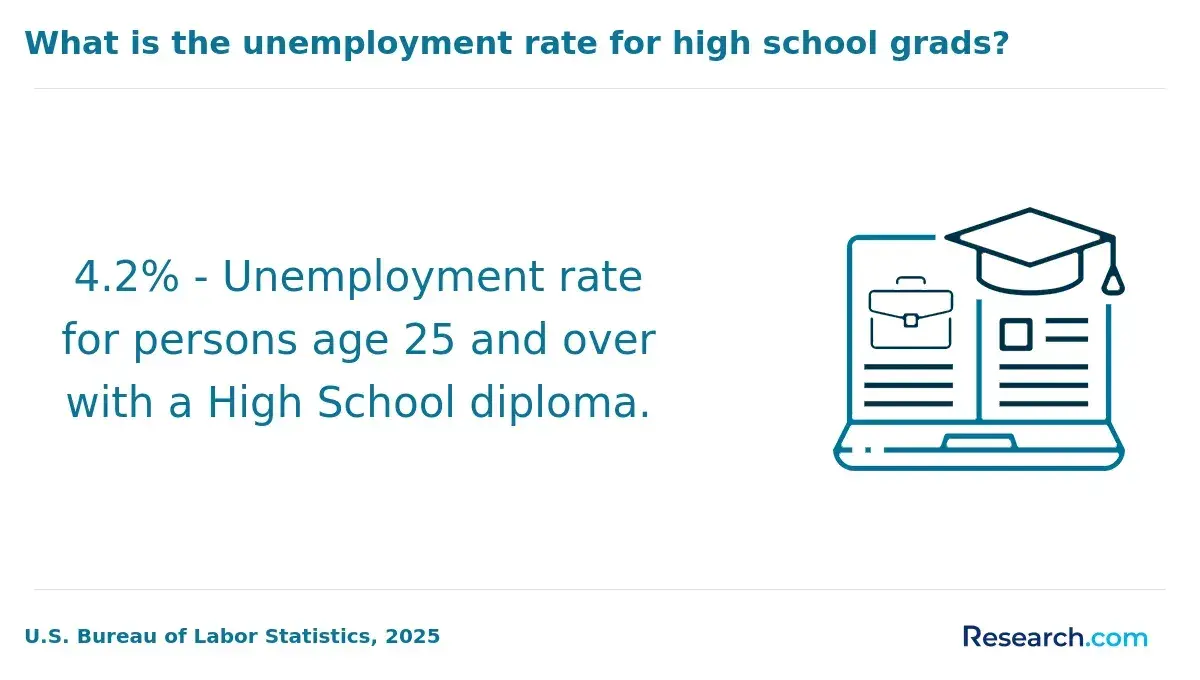
Many community colleges admit associate students with a high school diploma or equivalent, although placement, prerequisite, or documentation rules vary. Admission to the college does not guarantee admission to a selective nursing or allied-health major. Those programs may require specific science courses, grades, health documentation, background checks, or other screening before clinical participation.
Ask admissions to distinguish college admission from program admission and ask financial aid when you first become eligible for major-restricted scholarships. If you have previous college coursework, request a transfer evaluation before building a schedule; accepted credits may still fail to satisfy a required course in your new major.
What Coursework and Learning Formats Do Online Associate Programs Offer?
Associate degrees typically mix general education with major courses. An AA or AS may emphasize broadly transferable writing, mathematics, and science; an AAS may devote more credits to occupational coursework. Online classes can be asynchronous, held at scheduled times, or combine both formats. Technology labs may use remote tools, while nursing and other clinical programs generally require supervised in-person experiences.
Before choosing among online degrees, examine a sample course schedule rather than relying on the word "flexible." Check required live attendance, testing arrangements, lab equipment, internship locations, and whether every required course is offered online often enough to support your completion plan.
How Should Students Choose a Reputable Online Associate Degree Program?
A reputable choice brings together verified accreditation, a workable delivery schedule, a suitable academic or career pathway, and an affordable cost after confirmed aid. A low tuition rate cannot compensate for credits that will not transfer, a required clinical placement you cannot reach, or a scholarship that excludes your enrollment status.
Before paying a deposit, request these answers from the college and keep the responses with your degree plan:
- Which accreditor covers the institution, and does my intended occupation require additional program approval or licensure eligibility?
- Which required activities happen at fixed times or in person, and where must they be completed?
- How many of my previous credits apply to this degree and, if relevant, to my intended bachelor's major?
- What will my remaining credits, mandatory fees, and required materials cost at my residency rate after confirmed grants and scholarships?
- What enrollment and academic-progress rules must I meet to renew each award?
Be cautious of guaranteed-job claims, unclear accreditation, pressure to enroll before a transfer evaluation, or cost estimates that omit required fees. The best next step is to compare written answers from multiple programs against the same career, transfer, schedule, and funding criteria.
Other Things You Should Know About
Yes. Eligibility depends on the award's rules, which may include a specific major, residency, financial need, or minimum course load. Confirm that online students qualify.
Some programs can be completed without campus classes, but scheduled sessions, testing, labs, internships, or local clinical placements may still be required. Check every requirement in the degree plan.
An AA or AS is often structured for transfer, but no abbreviation guarantees it. Have the intended bachelor's institution confirm how individual courses will apply; some AAS credits may transfer as electives rather than major requirements.
It might cover only eligible tuition or a limited number of terms. Compare the written award with fees, materials, travel, and renewal conditions before assuming the program is fully funded.
References
- Frequently Asked Questions (FAQs) - Transfer Credit Ohio https://transfercredit.ohio.gov/help-center/faqs/faqs
- Are You Eligible? | MN Office of Higher Education https://ohe.mn.gov/paying-college/how-apply-financial-aid/are-you-eligible
- Estimate your college cost | USAGov https://www.usa.gov/estimate-college-cost
- Scholarships and Grants - Kansas Board of Regents https://kansasregents.gov/scholarships_and_grants
- Fast Facts: Undergraduate graduation rates (40) | ed.gov https://nces.ed.gov/fastfacts/display.asp
- Student Information | HESC - NY. Gov https://hesc.ny.gov/programs-policies-and-procedures/student-information
- Cost of Attendance (Budget) | 2025-2026 Federal Student Aid Handbook https://fsapartners.ed.gov/knowledge-center/fsa-handbook/2025-2026/vol3/ch2-cost-attendance-budget
- Transfer pathways | Minnesota MyHigherEd https://myhighered.mn.gov/transfer-students/transfer-pathways
- Your Guide to ASU Online Scholarships https://asuonline.asu.edu/newsroom/asu-online-news/asu-online-scholarship-guide/
- How Do Transfer Credits Work? A Guide for Adult Learners | Whitworth Online https://online.whitworth.edu/news-articles/how-do-transfer-credits-work-when-you-go-back-to-school/


