2027 AI, Automation, and the Future of General Studies Degree Careers

Co-Founder and Chief Data Scientist
Imagine a recent graduate with a general studies degree struggling to find relevant job opportunities as AI-driven tools automate routine tasks in various industries. According to the National Center for Education Statistics, employment in fields linked to general studies has seen a 12% slowdown in growth due to automation between 2018 and 2023.
Many entry-level positions require new digital competencies, leaving graduates at a disadvantage if they don't adapt. This article explores how AI and automation are reshaping career prospects for general studies degree holders and offers strategies to equip readers with the skills needed to remain competitive in the evolving labor market.
Key Things to Know About AI, Automation, and the Future of General Studies Degree Careers
- AI and automation are transforming general studies careers by automating routine tasks, shifting focus toward strategic, creative, and interpersonal skills that machines cannot replicate.
- Employers increasingly prioritize adaptability, digital literacy, and cross-disciplinary expertise, with 67% of hiring managers seeking candidates skilled in technology integration and critical thinking.
- Automation may reduce entry-level roles but enhances advancement opportunities for general studies graduates who specialize in emerging fields or develop complementary technical proficiencies.
What General Studies Industries Are Adopting AI Fastest?
Recognizing which industries are adopting AI fastest helps gauge future demand and the evolving roles within general studies degree careers. This awareness is vital for students and professionals to develop relevant skills aligned with workforce changes. The fastest AI adoption sectors in general studies careers include the following industries:
- Healthcare: AI is streamlining patient data management, improving decision-making processes, and enhancing service efficiency. This pace of integration indicates an increasing need for general studies graduates who can bridge technology and interdisciplinary collaboration.
- Education: AI tools support curriculum development, personalize learning experiences, and optimize administrative tasks. Such implementation means that future general studies professionals will benefit from combining traditional knowledge with digital literacy and adaptive problem-solving abilities.
- Finance: Financial firms utilize AI for data analysis, risk assessment, and customer service enhancement. This trend expands opportunities for general studies graduates capable of interpreting data and facilitating communication between technical experts and stakeholders.
These fastest AI adoption sectors in general studies careers reflect a broader shift toward technology-driven environments. As general studies roles evolve, versatility and the ability to integrate AI with human-centered skills become crucial. For those seeking to advance their education in related fields, exploring the best mba programs online can provide valuable skills for navigating this changing landscape.
Which General Studies Roles Are Most Likely to Be Automated?
Automation and AI technologies are transforming various career fields, making it essential for students and professionals pursuing general studies degrees to recognize which roles face the highest automation risks. The World Economic Forum reported in 2023 that nearly 50% of current work activities could be automated by 2030. Identifying roles vulnerable to automation helps those in general studies career automation and job risks to better prepare for future workforce changes. Below are key general studies roles most susceptible to automation:
- Data Entry and Administrative Support: These roles involve repetitive and structured tasks, making them prime candidates for automation. AI systems can perform these processes faster and with greater accuracy, reducing the need for manual input and supervision.
- Basic Research Assistance: Automation tools now efficiently analyze and summarize vast amounts of data, diminishing the demand for manual research groundwork. As a result, entry-level research roles within general studies are increasingly at risk.
- Customer Service Representatives: Routine customer inquiries are increasingly handled by AI-driven chatbots and virtual assistants, which can provide instant responses and 24/7 availability. This shift challenges traditional customer support roles within the field.
Since automation primarily targets rule-based and repetitive tasks, professionals in general studies should focus on cultivating critical thinking, creativity, and interpersonal skills to remain competitive alongside emerging technologies. For those interested in expanding their qualifications while navigating these shifts, exploring an accelerated social work degree online may offer complementary career pathways in related fields.
What Parts of General Studies Work Cannot Be Replaced by AI?
Understanding which parts of general studies work resist automation helps students and professionals prioritize skills that secure their careers as AI advances. A 2023 report by the World Economic Forum highlights that over 85% of roles requiring social interaction and complex problem-solving face lower automation risks. This insight guides focus toward uniquely human abilities, including:
- Critical Thinking and Ethical Reasoning: These require sophisticated judgment and the ability to evaluate complex scenarios, which AI cannot replicate. Navigating moral dilemmas demands human discretion to balance competing values authentically.
- Interpersonal Communication and Relationship Building: Emotional intelligence and empathy foster genuine connections in ways AI lacks. Skills in nuanced social interaction remain essential for roles emphasizing collaboration and conflict mediation.
- Creative Problem-Solving and Innovation: Both rely on original ideas rooted in human experience and imagination. AI can analyze data but cannot produce authentic creativity that drives cultural or intellectual advancement.
- Cultural and Contextual Interpretation: Interpreting social and cultural contexts involves deep awareness that machines cannot mimic. This skill is crucial for sensitive communication and understanding diverse perspectives within general studies careers.
These AI-resistant general studies roles emphasize why cultivating complex human skills matters. For those seeking to enhance their expertise, options like a library master's degree provide valuable frameworks to build critical thinking tasks in general studies careers and adapt to evolving workforce demands.
The expansion of AI technologies is driving the creation of new career opportunities within general studies fields, with employment in AI-related occupations expected to increase by 15% over the next ten years. This shift is opening diverse roles that blend technology with human-centered expertise. Below are some emerging positions shaped by AI integration:
- AI Ethics Analyst: Professionals in this role ensure that AI applications comply with ethical standards and societal values, combining knowledge of technology, law, and philosophy. This position goes beyond traditional policy-making by requiring a nuanced understanding of AI's social impact.
- Data Interpretation Specialist: These specialists analyze both qualitative and quantitative AI-generated data, transforming complex information into clear, actionable recommendations. Their work bridges the gap between raw data and strategic decision-making.
- Human-AI Interaction Designer: Focused on optimizing user interfaces, this role involves creating systems that foster effective collaboration between people and AI technologies. Success requires expertise in psychology, communication, and design principles.
- Tech Integration Consultant: These consultants assist organizations in thoughtfully adopting AI tools, balancing technological possibilities with organizational culture and behavior. Their interdisciplinary skills help ensure responsible and efficient AI deployment.
Thriving in these innovative careers demands versatility, a blend of interdisciplinary knowledge, and mastery of both technical and human-focused perspectives, marking a transition from traditional general studies roles to more analytical and tech-oriented professions.
As automation accelerates across industries, general studies graduates must develop AI-related skills to remain competitive. A recent 2023 McKinsey report highlights that nearly half of work tasks could be automated through AI, underscoring the critical need for digital fluency. The following five key competencies are essential for effectively engaging with AI in general studies careers:
- Data Literacy: Grasping how to collect, analyze, and manage data is fundamental because AI platforms depend heavily on vast and varied datasets. This skill helps graduates make informed decisions and enhances analytical capabilities.
- Critical Thinking: The capacity to scrutinize AI-generated information allows for ethical judgement and sound decision-making. Graduates must assess AI insights carefully to avoid biases and ensure responsible application.
- Programming Fundamentals: Basic knowledge in coding, particularly languages like Python, empowers graduates to modify AI tools or collaborate closely with technical teams. Understanding programming also demystifies AI processes and fosters innovation.
- Communication Skills: Conveying AI concepts clearly to non-technical audiences facilitates teamwork and strategic implementation. Strong communication bridges the gap between technology and business or community goals.
- Adaptability: Given the fast pace of AI evolution, the ability to learn continuously and adjust to new tools or frameworks is vital. This flexibility supports sustained career growth and relevance in changing job markets.
A professional with a general studies degree shared insights on mastering these skills in real-world settings. He recounted how adapting quickly was often daunting at first: "There were moments I felt overwhelmed by how rapidly AI technology changed, but embracing continual learning became my pathway forward." He spoke of the challenge in translating technical jargon when collaborating with colleagues from different backgrounds, emphasizing the importance of clear communication to avoid misunderstandings. Reflecting on data management, he noted, "Handling large datasets isn't just technical-it requires a mindset to question what the numbers really mean." His story illustrates how blending these competencies builds confidence and positions graduates to thrive amid AI-driven transformation.
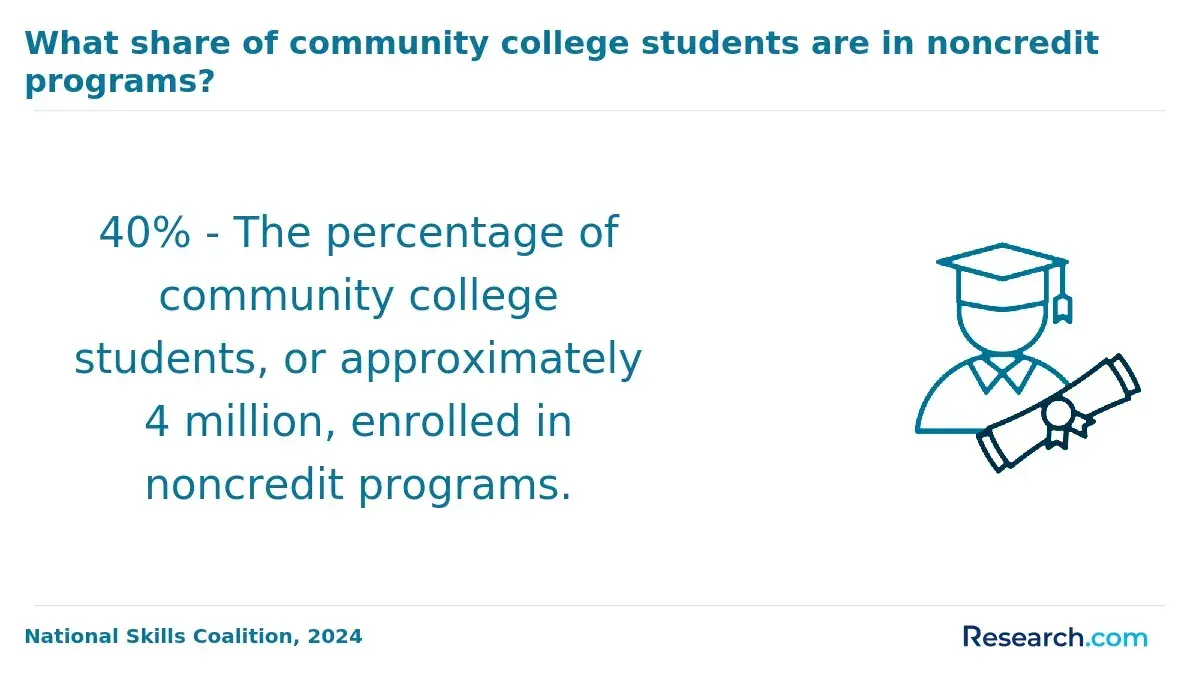
Prospective students should know that fewer than 40% of general studies degree programs have recently updated their curricula to include essential AI concepts and data literacy, despite increasing demand from employers for these skills. This gap may affect graduates' preparedness for a job market influenced by automation and intelligent technologies. Below are several ways these programs address or fall short in teaching AI-relevant abilities.
- Basic Coding and Data Analysis: Many programs are introducing introductory courses in coding and data interpretation aimed at students without technical backgrounds, providing foundational tools needed to work with AI-driven systems.
- Ethical and Critical Thinking: Curricula increasingly include modules that focus on the societal and moral impacts of AI, encouraging students to engage thoughtfully with technology's consequences in various fields.
- Interdisciplinary Projects: Collaborative assignments simulate real-world AI applications, fostering problem-solving skills and multidisciplinary approaches that mirror workplace demands.
- Cross-Departmental Electives: Some general studies programs partner with specialized departments to offer machine learning basics as elective courses, expanding access to technical knowledge without requiring a full technical major.
- Limited Practical Training: Despite these efforts, hands-on experience with AI tools remains scarce, with many programs prioritizing theory over practice, which can limit graduates' immediate job readiness in tech-influenced roles.
For general studies graduates, pursuing AI-focused certifications or specialized training is essential to stay competitive in today's AI-driven job market. These credentials provide practical skills and a deeper understanding of emerging technologies relevant across multiple industries. Below are several notable certification programs that empower graduates to build AI-relevant expertise:
- IBM AI Engineering Professional Certificate: This comprehensive program covers machine learning, data analysis, and AI application development, offering hands-on experience. It enhances graduates' capability to contribute meaningfully to AI-driven projects in diverse career settings.
- Google Data Analytics Certificate: Although not exclusively AI-centered, this certification focuses on data cleaning, visualization, and analytical tools that form the backbone of AI-assisted decision-making, supporting roles across business and public administration.
- Microsoft Certified: Azure AI Fundamentals: An entry-level credential introducing core AI concepts alongside Azure's AI services. It prepares graduates for positions involving cloud technology deployment and AI integration.
- Coursera's AI For Everyone by Andrew Ng: This accessible course breaks down AI fundamentals and explores its societal effects. It is ideal for graduates seeking to understand AI's implications without deep technical training.
I recently spoke with a graduate of a general studies degree program who sought AI certifications to enhance her career prospects. She described how initially feeling overwhelmed by complex AI jargon, she gradually gained confidence through structured learning and guided projects. "It was challenging at first to balance my work and study," she said, "but earning the certifications helped me communicate more effectively with technical teams and boosted my confidence in applying AI concepts creatively." Her experience highlights how targeted training equips graduates not only with technical skills but also with a strategic mindset vital for navigating AI's evolving landscape.
AI adoption is reshaping compensation in general studies careers as professionals who integrate AI-related skills tend to earn significantly more. Recent data shows that individuals enhancing their AI literacy and data analysis capabilities within broad general studies roles see salary increases approximately 15% higher than those without such expertise. Below are key factors illustrating how AI influences wages in this field:
- Rising Demand for Expertise: Employers increasingly reward candidates proficient in AI and data interpretation, driving up wages for those who acquire these critical skills.
- Automation Effects: Routine administrative and research tasks are frequently automated, reducing entry-level roles but boosting pay for strategic positions requiring oversight and decision-making.
- Emergence of New Roles: High-paying jobs like AI ethics advisors and interdisciplinary data strategists are expanding career options beyond traditional general studies pathways, elevating earning potential.
- Hybrid Skill Sets: Combining human insight with AI tool usage creates a premium skill set that commands higher compensation compared to purely manual or purely technical roles.
- Emphasis on Lifelong Learning: Continuous education and adaptability to evolving technology are essential for maintaining competitive salaries and advancing within the general studies workforce.
Identifying the sectors with the highest AI-driven demand is essential for students and professionals evaluating general studies degree pathways. The U.S. Bureau of Labor Statistics projects roles involving data analysis, project coordination, and technology integration to grow by over 10% by 2030, fueled largely by AI adoption. The following highlights key areas where AI is driving workforce growth for general studies graduates.
- Healthcare Administration: AI tools are increasingly used to manage patient data and improve healthcare delivery efficiency. This trend creates demand for graduates skilled in coordinating technology-driven processes and ensuring effective communication between medical staff and AI systems.
- Supply Chain and Logistics: Automation and AI optimize supply chains, requiring professionals to oversee complex, automated systems and troubleshoot issues. Graduates with interdisciplinary skills that combine management and technology are well-positioned to fill these roles.
- Education Technology: AI personalizes learning experiences and supports content development, increasing the need for coordinators and developers who understand both pedagogy and emerging technologies. This sector offers dynamic career opportunities for general studies graduates adaptable to AI-driven education trends.
- Regional Tech Hubs: Locations like Silicon Valley and Boston exhibit elevated demand for interdisciplinary professionals who can connect AI innovation with human-centered organizational goals. These hubs attract AI companies seeking graduates who bring broad knowledge and adaptability.
AI-driven job growth for general studies graduates also opens new fields such as policy and compliance, where ethical AI use requires knowledgeable oversight. Since automation impacts general studies career opportunities by emphasizing the human element in tech environments, graduates with versatile skills are increasingly valuable. Professionals interested in advancing their expertise may consider pursuing a phd organizational leadership to enhance their qualifications and leadership potential in evolving AI-integrated workplaces.
Proactive planning is essential for students pursuing general studies career paths in an era where AI is widely utilized, as automation reshapes skill demands and job roles. To future-proof a general studies career with AI integration, students should consider several key strategies.
- Digital Literacy: Developing digital literacy and tech skills such as understanding AI fundamentals and data analysis enables graduates to work alongside automated systems effectively, positioning them as valuable collaborators rather than competitors.
- Critical Thinking: Cultivating critical thinking and problem-solving abilities protects students from automation risks since these higher-order cognitive skills remain in demand across varied fields and complex work environments.
- Emotional Intelligence: Emphasizing interpersonal communication and empathy is crucial because AI lacks the ability to replicate nuanced human interactions, making these skills essential for teamwork and leadership roles.
- Interdisciplinary Learning: Seeking opportunities to combine general studies with emerging technologies or specialized domains broadens career paths and strengthens employability in an AI-driven landscape.
- Lifelong Learning: Committing to ongoing education ensures graduates stay current with rapid AI advancements, maintaining adaptability and relevance over time.
These approaches exemplify skills development for general studies graduates in the AI era and encourage students to explore flexible educational routes, including easy associate degrees, as part of their broader strategy to thrive in future labor markets.
What Graduates Say About AI, Automation, and the Future of General Studies Degree Careers
- Monette: "My general studies degree gave me a versatile foundation that was crucial when AI and automation reshaped my job landscape. I found that my strong analytical skills and broad-based knowledge helped me collaborate effectively with AI systems, improving decision-making processes in my workplace. It's exciting to know that this adaptability will continue to support career growth as technology evolves."
- Antonio: "I hadn't anticipated how deeply AI would integrate into my everyday tasks, but the communication and critical thinking abilities I gained from my general studies program made adapting smoother than expected. Automation took over routine work, pushing me to focus on problem-solving roles that require human creativity and intuition. Reflecting on this shift, I feel prepared and confident about long-term stability in an AI-driven environment."
- Julian: "Entering the AI space from a general studies background was initially daunting, but I embraced the challenge knowing my interdisciplinary skills were an asset. Learning how to interpret data and think holistically has been essential for working alongside automated systems and understanding their broader implications. I maintain a professional outlook, confident that these evolving skills will make me invaluable as AI continues to influence our field."
Other Things You Should Know About General Studies Degrees
General studies students should learn prompt writing, basic data analysis, spreadsheet automation, and responsible AI use before graduation. Employers in 2027 often expect familiarity with tools such as ChatGPT, Microsoft Copilot, and Excel automation, plus the ability to verify outputs and protect sensitive data.
In 2026, a general studies degree offers flexibility and adaptability, critical in an AI-driven job market. It equips graduates with diverse skills and interdisciplinary knowledge, allowing them to pivot to emerging roles and work effectively with AI technologies across various fields.
- The ‘occupations most exposed to AI automation’ actually outperform the rest of the job market, new research reveals https://finance.yahoo.com/news/occupations-most-exposed-ai-automation-105700851.html
- College Majors and Careers That Will Thrive Alongside AI https://www.vpcollegeconsulting.com/post/selecting-a-major-that-will-thrive-alongside-ai
- 10 Jobs AI Can't Replace in 2025 | Future-Proof Career Guide https://prometai.app/blog/10-jobs-ai-wont-replace-future-proof-careers-for-the-ai-era
- Home https://www.deeplearning.ai/
- By Degree(s): Measuring Employer Demand for AI Skills by Educational Requirements https://www.atlantafed.org/cweo/workforce-currents/2025/05/21/by-degrees-measuring-employer-demand-for-ai-skills-by-educational-requirements
- The Impact of AI on the Labour Market https://institute.global/insights/economic-prosperity/the-impact-of-ai-on-the-labour-market
- Top College Degrees That Can Lead You to High-Paying AI Jobs https://www.investopedia.com/top-college-degrees-for-high-paying-ai-jobs-11873364
- 70+ AI Adoption Stats by Industry: A Comparative Statistics Guide – Originality.AI https://originality.ai/blog/ai-adoption-by-industry-statistics
- 6 AI skills everyone should know for the workplace and how to learn them https://lucid.co/blog/ai-skills-for-the-workplace
- What roles are being created due to AI advancements? https://www.umu.com/ask/q11122301573854137806