Most Affordable Welding Schools & Training - Budget-Friendly Welding Trade Programs in West for 2026

Co-Founder and Chief Data Scientist
Choosing the right welder trade school can be a game changer for your career, especially if you’re looking for affordable options in the West. This article introduces a welder trade school programs ranking created by the Research.com team of data scientists to help you make an informed decision.
By exploring these carefully evaluated programs, you’ll discover schools that offer quality training without breaking the bank. Earning a welder diploma or certification opens doors to rewarding job opportunities and personal growth.
Take the first step toward a skilled trade that’s both practical and fulfilling.
Key benefits of finishing welder trade school in West
- Graduates of welder trade schools in the West can expect starting salaries around $38,000 to $45,000, with potential to earn over $75,000 as experience and certifications grow.
- A graduate from a well-known West Coast trade school might pursue careers in construction, pipeline welding, or underwater welding, opening doors to specialized and high-paying roles.
- Completing welder trade school online offers flexibility and quicker entry into the workforce, as shown by graduates who balance training with work and save on commuting costs.
- Most Affordable Welding Schools & Training - Budget-Friendly Welding Trade Programs in West for 2026
- What can I expect from welder trade schools in West?
- Where can I work after finishing welder trade schools in West?
What can I expect from welder trade schools in West?
Enrolling in a welder trade school program in the West means immersing yourself in both hands-on and theoretical training that prepares you for real-world welding jobs. Graduates often recount how mastering core welding processes like SMAW and GTAW transformed their confidence on the job site, especially when working on steel and aluminum projects common in Western industries.
Expect to develop practical skills across multiple welding positions and cutting techniques, such as plasma cutting, which many schools emphasize using up-to-date equipment. Safety is not just a box to check; students frequently share how rigorous safety drills and OSHA 10 certification preparation made them feel ready to handle industry challenges responsibly.
Blueprint reading and fabrication lessons are vital. Graduates describe how interpreting technical drawings and managing project workflows helped them transition smoothly into roles like structural welder or pipefitter. Trade schools in the West often enhance this with career prep activities-mock interviews, resume workshops, and industry tours-that graduates find invaluable for job placement.
Many programs also offer dual enrollment options, allowing high school students to earn college credits, accelerating their path toward an associate degree. Access to modern software and high-speed internet is often required, reflecting the blend of traditional skills with current technology that Western programs provide.
Where can I work after finishing welder trade schools in West?
Graduates from welder trade schools in the West often find themselves stepping into a variety of rewarding career paths. Many start in manufacturing, assembling parts for machinery or vehicles, where the pace is fast and every weld contributes to a finished product. Others enter construction, working on steel frameworks or piping systems in commercial buildings, feeling the tangible progress of infrastructure rising around them.
Some graduates share how they secured roles as MIG welders or structural welders, earning between $14 and $28 per hour, a satisfying start that grows with experience and certifications like those from the American Welding Society. For those who enjoy travel and hands-on challenges, becoming a field service technician offers opportunities to work on-site across different projects, bringing skills directly to where they're needed most.
Popular trade schools in the West emphasize these real-world experiences, helping students transition smoothly into industries such as aerospace, maritime, and oil and gas. Graduates often express pride in contributing to vital sectors, appreciating the steady demand and variety their training unlocks.
After finishing a welder trade school program in West, graduates can expect starting salaries typically ranging between $41,600 and $45,000 per year. Many students from popular trade schools in the region share stories of quickly landing entry-level positions that pay hourly rates from $22 to $23, which feels like a solid return after months of hands-on training. For example, a recent graduate working in California-a state known for higher wages-reported starting at nearly $29 per hour, reflecting the area's strong demand and cost of living.
As welders gain experience, those who earn certifications such as AWS often move into mid-level roles with annual salaries between $55,000 and $75,000, with hourly wages rising to $26-$36. This progression is common among graduates who stay in high-demand industries like construction or energy in the West. Hearing from these peers, many feel confident that welding offers not just a job but a path to financial growth and stability.
While salaries vary by location and specialization, new welders in the West typically start near the national average, with many excited by the clear potential for advancement as skills develop and certifications accumulate.
- Most welder trade schools in the West require applicants to be at least 18 years old and have a valid ID and Social Security Number or ITIN; some do not require a high school diploma.
- Programs typically last from 9 months to one year and cover key welding processes like SMAW, GMAW, GTAW, and oxy-fuel cutting.
- Tuition ranges from $7,000 to $20,000, with some schools offering loans and flexible payment options; additional costs may include tools and certification fees.
- Starting salaries for new welders usually range from $40,000 to $50,000 annually, with experienced welders earning over $60,000.
- Most employers require official certification, often through the American Welding Society, which can be earned during or after the program.
Completing a welder trade school program in West typically takes between six months to one year, depending on the school's curriculum and whether the student attends full-time or part-time. Popular trade schools in West offer flexible schedules, allowing graduates to balance work or family commitments while gaining hands-on experience. Many students share that the intensive, focused training helps them quickly build confidence in welding techniques and safety practices.
For example, graduates from well-known West trade schools often describe their programs as immersive and practical, with real-world projects that simulate job site conditions. This approach not only accelerates skill acquisition but also boosts enthusiasm and readiness for employment. Students frequently mention the satisfaction of completing certifications within months, which opens doors to apprenticeships or entry-level positions without prolonged waiting periods.
Ultimately, the streamlined nature of welding programs in West means students can efficiently transition from classroom to career, making the journey both rewarding and achievable in a relatively short timeframe.
The key difference between online and on-campus welder trade school programs in the West lies in the balance of hands-on training versus theoretical study. Graduates from Tulsa Welding School often recall spending about 80% of their time physically working with welding equipment, which builds confidence and skill through direct experience. This practical focus is typical of on-campus programs, like those at Universal Technical Institute, where students train in environments designed to simulate real industry settings with professional-grade tools.
Conversely, online programs, such as hybrid formats offered by UEI College, provide flexibility by delivering theory-like safety protocols and blueprint reading-remotely. However, welding demands actual hands-on practice; most reputable programs require students to attend labs in person for skill development. Purely online welding courses rarely offer the supervised training essential for certification and job readiness, which can leave students feeling unprepared despite theoretical knowledge.
For those in the West aiming for a career in welding, the immersive, hands-on nature of on-campus programs often leads to greater satisfaction and readiness for real-world work challenges.
The average cost of welding programs in Western United States generally falls between $5,000 and $15,000, though this range can shift depending on the institution and program length. Graduates from popular trade schools often highlight how tuition fees, while significant, reflect the access to hands-on training and industry-grade equipment. For example, students at Lower Columbia College in Washington typically face an average net price around $7,383, which many find manageable compared to the value of personalized instruction they receive.
Tuition fees for welding schools in Western US vary by state, with California programs usually charging between $5,500 and $13,000. Graduates often recall the challenge of budgeting not just for tuition but also for essential welding gear, textbooks, and lab fees, which add several hundred to a few thousand dollars to the overall cost. This aspect is important to consider when planning finances, as unforeseen expenses can impact the student experience.
Many students find relief through available financial aid options, including Pell Grants, loans, and scholarships from organizations like the American Welding Society. These opportunities lessen the financial burden and build confidence in pursuing a welding career. Balancing cost with quality is a common concern, so researching schools that offer both affordability and strong job placement support is crucial for those seeking long-term success and satisfaction.
Aspiring welders aiming for career stability and growth also explore the top paying trade school jobs, ensuring their investment aligns with future earning potential and career advancement.
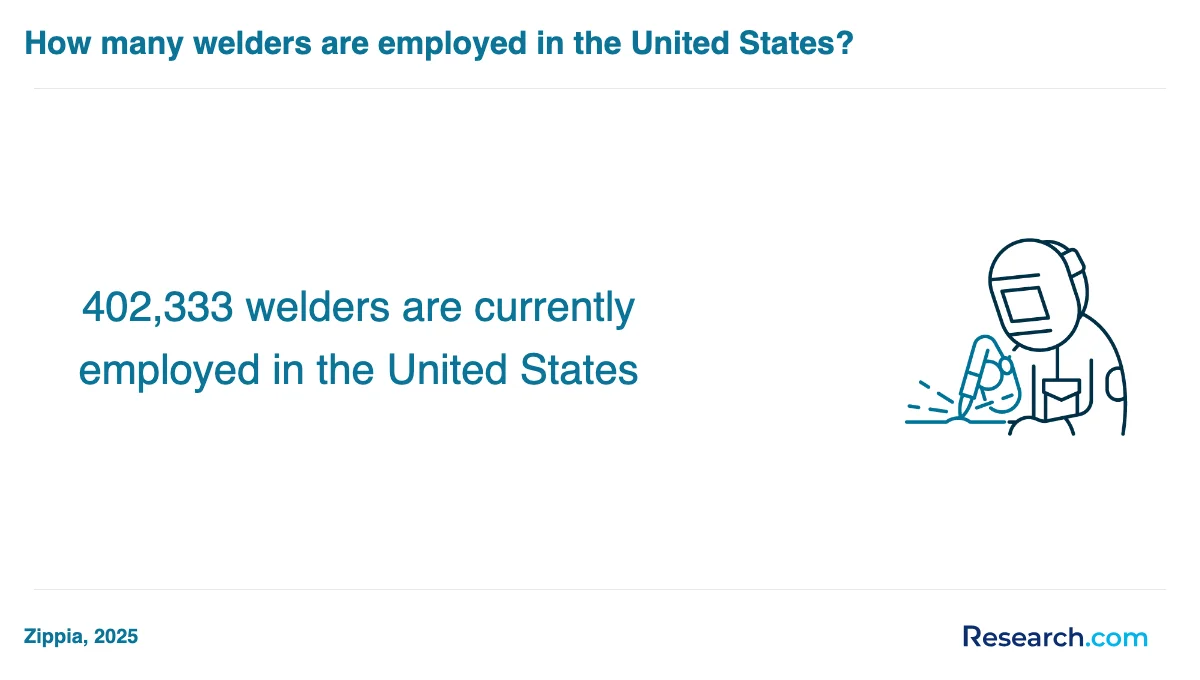
Welder trade school students in the West have access to several financial aid options that make training more affordable and attainable. Many graduates from well-known Western institutions recount how scholarships, such as those from the American Welding Society (AWS), significantly eased their financial burden. These scholarships, ranging from $1,000 to over $5,000, often don't require strict financial need documentation, which broadens access for many students.
Grants like those from the Workforce Innovation and Opportunity Act (WIOA) also play a crucial role. Welding's classification as a high-demand trade in several Western states means eligible students can receive up to $10,000, directly offsetting tuition costs. Graduates from popular Western trade schools often mention that securing WIOA grants was a turning point in their ability to complete their programs confidently.
For those who don't qualify for scholarships or grants, flexible payment plans are lifesavers. Some schools allow students to pay a down payment, such as 34%, with the balance spread over months. This approach lets students focus on learning without immediate financial stress.
Lastly, private scholarships from initiatives like the Metallica Scholars Initiative provide additional opportunities, creating a supportive environment for aspiring welders in the West to pursue their careers.
Enrolling in a welder trade school program in the West typically requires meeting several clear prerequisites that ensure candidates are prepared for the hands-on and technical nature of the training. Most programs expect applicants to have a high school diploma or a GED, which provides foundational skills in math and reading-essential for understanding welding blueprints and safety protocols.
Graduates from well-known trade schools in the West often mention the importance of basic physical fitness and manual dexterity, as welding demands steady hands and stamina during long hours of work. Schools may also require students to pass a basic skills assessment or placement test to gauge readiness.
- Proof of age, usually 18 or older, to comply with safety regulations and legal work requirements
- Basic math proficiency, particularly in fractions and measurements
- Completion of a safety orientation or pre-enrollment workshop
- Sometimes, a clean background check if the program partners with local employers
One graduate described feeling confident starting the program after completing a free orientation at a popular West Coast trade school, which helped reduce anxiety and set clear expectations. These prerequisites are designed not to exclude but to empower students to thrive in a demanding, rewarding environment that leads to strong career opportunities.

Welder trade school programs in the West typically include a well-rounded set of courses designed to build both theory and hands-on skills. Graduates from popular Western trade schools often highlight how the curriculum starts with essential welding safety and equipment handling, which feels crucial when stepping into busy shop environments for the first time.
Core welding techniques taught include:
- Gas Metal Arc Welding (MIG), Shielded Metal Arc Welding (Stick), Flux-Cored Arc Welding, and Gas Tungsten Arc Welding (TIG)
- Practice on plate and pipe materials in all positions-flat, horizontal, vertical, and overhead-preparing students for real job conditions
Cutting methods like oxyfuel, plasma arc, and air-carbon arc cutting are also covered extensively, enabling students to confidently operate diverse cutting tools and perform tasks such as beveling and gouging.
Many students appreciate the focus on blueprint reading and welding symbols, which transforms complex fabrication drawings into clear, actionable instructions. This skill proves invaluable when tackling projects requiring precise measurement and planning.
Advanced modules often include stainless steel and aluminum welding, as well as pipe and structural welding-areas that graduates say greatly enhance their versatility in the workforce.
Overall, the combination of technical courses with project planning and certification prep equips students to enter the Western manufacturing and construction sectors feeling prepared and optimistic.
Welder trade school specializations in Western United States offer a diverse range of focused training that prepares students for specific industry needs. Graduates from popular trade schools in the West often highlight how specialized welding programs in Western US trade schools sharpen their skills for real-world scenarios.
Common specializations include:
- Structural Welding: Working on bridges and buildings, mastering AWS D1.1 standards.
- Pipe Welding: Joining high-pressure pipes with certifications aligned to ASME Section IX, crucial in oil, gas, and water treatment.
- Aerospace Welding: Handling exotic metals like titanium with precision for aircraft parts.
- Automotive and Motorsports Welding: Fabricating custom race car components, often requiring TIG welding on aluminum and chromoly.
- Underwater Welding: Combining commercial diving with welding to repair offshore structures, a challenging but rewarding field.
- High-Tech Welding Processes: Specialties such as robotic and friction stir welding are rising with modern manufacturing demands.
Many West-based students appreciate that their programs teach foundational methods like MIG and TIG before moving into these specializations, giving them confidence to adapt. For those interested in quickly entering a rewarding career, these programs provide targeted skills that align with expectations in lucrative fields, including some recognized as high paying trades that are quick to learn.
Choosing the best welding programs in Western United States requires careful evaluation of several factors beyond just cost. Graduates from top institutions often emphasize the importance of accreditation and rigorous, hands-on curriculum that blends safety with practical welding techniques. For example, students from California-based colleges report feeling confident entering the workforce because their training facilities simulate real industrial conditions.
Affordability is key, but it should be balanced with program quality. Affordable welder training schools in Western US, such as Solano Community College, offer not only reasonable tuition but also excellent return on investment, making them attractive to those conscious of finances yet eager to start a rewarding career quickly. Personal experiences reveal that programs with experienced instructors and strong industry ties produce higher job placement rates, enhancing graduates' optimism.
Another essential aspect is understanding the difference between a trade school and a vocational program to align your goals with the right path. Exploring the difference between a trade school and a vocational program can clarify your decision and focus your efforts on schools that match your career aspirations.
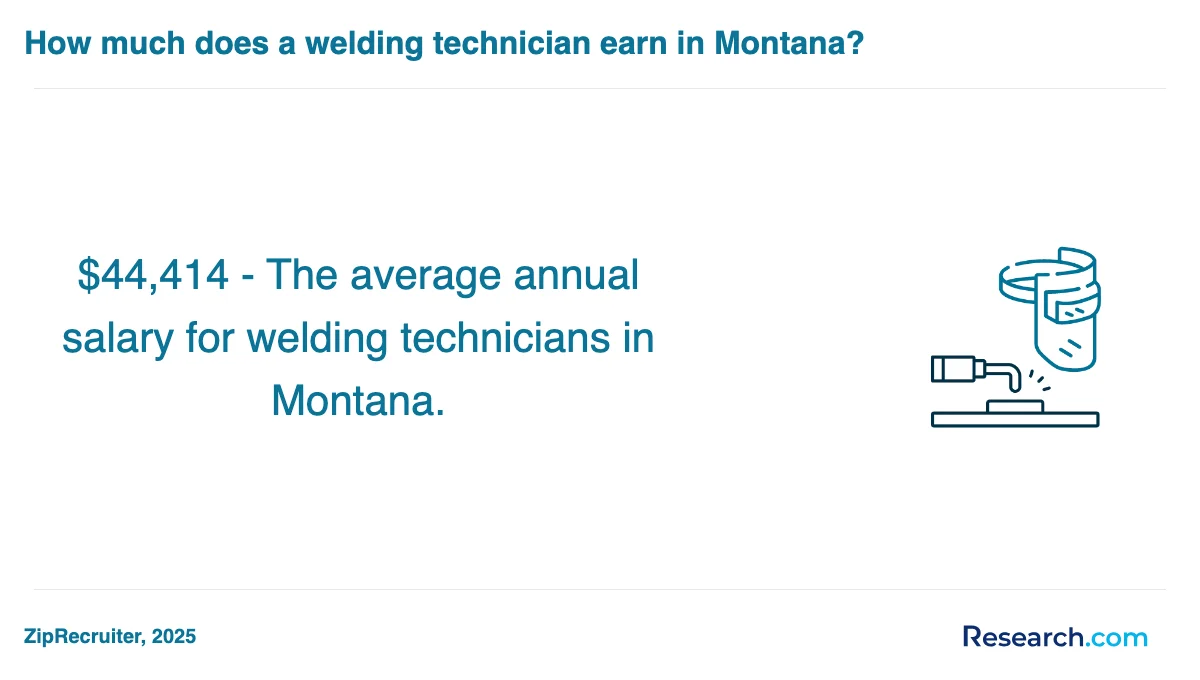
Welder trade school graduates in West have diverse welder job opportunities in western states, spanning industries such as construction, manufacturing, and oil and gas. Many graduates of popular trade schools in the region find fulfilling roles as pipe welders or structural welders. For example, those trained in Wyoming often secure positions in refineries or power plants, while Texas graduates may focus on infrastructure projects. Practical training at these schools prepares students for real-world challenges, such as welding metal frameworks for bridges or assembling pipelines.
Common welding career paths in West USA include:
- Pipe welder in oil and gas sectors
- Structural welder supporting construction booms
- Welding inspector ensuring on-site safety
- Robotic welding technician adapting to automation
- Boilermaker specializing in industrial containers
- Underwater welder in marine projects
Graduates also benefit from apprenticeship programs like UA Local, gaining hands-on experience while earning a salary. Many take pride in advancing through these paths, balancing stable incomes with career growth. For those starting out, understanding how do you become a welder is essential to navigating this promising field.
The welding job outlook in Western states remains robust, fueled by ongoing infrastructure and energy projects across California, Texas, and Alaska. Graduates from popular trade schools in the West often describe landing jobs quickly, with employers vying to hire skilled welders due to local labor shortages and high industry demand. Many report starting wages near or above the national median hourly wage of $26.76, with union positions and specialized fields offering even higher pay. Opportunities extend beyond traditional manufacturing and construction roles into renewable energy and aerospace sectors, reflecting the region's evolving economy.
Key factors driving the demand for welders in the Western US include:
- Rapid retirement rates among experienced welders creating job openings
- Growth in large-scale energy and infrastructure developments
- Competition among employers to attract newly trained welders
For students exploring pathways into welding, balancing costs and quality training is crucial. Those considering trade schools may also evaluate options like low cost maintenance technician training online as a complementary skill set to boost employability. Overall, the demand for welders in the Western US continues to present promising career prospects for trade school graduates ready to step into this evolving field.
Most Affordable Welding Schools & Training - Budget-Friendly Welding Trade Programs in West for 2026
# 1 position
College of Western Idaho - Welding Technology/Welder.
associateThe Welding Technology/Welder program at College of Western Idaho offers a hybrid format with some distance education options. It prepares students to apply technical skills in various welding methods, including arc welding, resistance welding, and brazing. The program covers welding metallurgy, safety, structural design, and applicable codes. Annual in-state tuition is $3,336. Median earnings one year after completion are $40,029. The program is accredited by the Northwest Commission on Colleges and Universities.
# 2 position
College of Western Idaho - Welding Technology/Welder.
certificate or diplomaThe Welding Technology/Welder program at the College of Western Idaho offers a hybrid format with some distance-education options. It prepares students to apply technical skills in welding processes, including arc welding, brazing, cutting, and welding metallurgy. The program covers safety, structural design, and industry standards. Annual in-state tuition is $3,336. Graduates typically earn a median salary of $40,029 one year after completion. The program is accredited by the Northwest Commission on Colleges and Universities.
# 3 position
Merced College - Welding Technology/Welder.
associateMerced College offers a hybrid Welding Technology/Welder program that prepares students to apply technical skills in various welding and cutting methods, including arc welding, resistance welding, brazing, and high-energy beam welding. The curriculum covers welding metallurgy, structural design, safety, and industry codes. Annual in-state tuition is $1,194. Graduates earn a median salary of $27,541 one year after completion. The program is accredited by the Western Association of Schools and Colleges Accrediting Commission for Community and Junior Colleges.
# 4 position
Merced College - Welding Technology/Welder.
certificate or diplomaThe Welding Technology/Welder program at Merced College offers a hybrid format combining in-person and distance education. The program trains students in various welding techniques, including arc welding, brazing, and high-energy beam welding. It covers materials, safety, design, and industry standards. Annual in-state tuition is $1,194. Graduates have median earnings of $27,541 one year after completion. The program is accredited by the Western Association of Schools and Colleges Accrediting Commission for Community and Junior Colleges.
# 5 position
Santa Ana College - Welding Technology/Welder.
associateSanta Ana College offers a Welding Technology/Welder program with a hybrid format, combining in-person and distance education. The program covers arc welding, resistance welding, brazing, soldering, cutting, welding metallurgy, safety, and applicable codes. Graduates have median earnings of $45,864 one year after completion. Annual in-state tuition is $1,180. The program is accredited by the Western Association of Schools and Colleges Accrediting Commission for Community and Junior Colleges.
# 6 position
Santa Ana College - Welding Technology/Welder.
certificate or diplomaSanta Ana College offers a hybrid Welding Technology/Welder program that prepares students to apply technical skills in welding and cutting metal surfaces. The curriculum covers arc welding, resistance welding, brazing, soldering, high-energy beam welding, metallurgy, safety, and structural design. The program is accredited by the Western Association of Schools and Colleges Accrediting Commission for Community and Junior Colleges. Annual in-state tuition is $1,180, with median earnings of $45,864 one year after completion.
# 7 position
Aims Community College - Welding Technology/Welder.
associateAims Community College offers a Hybrid Welding Technology/Welder program that prepares students to apply technical skills in various welding methods, including arc welding, resistance welding, and brazing. The curriculum covers welding metallurgy, safety, structural design, and applicable codes. The annual in-state tuition is $2,090. Graduates earn a median salary of $47,680 one year after completion. The program is accredited by the Higher Learning Commission.
# 8 position
Aims Community College - Welding Technology/Welder.
certificate or diplomaAims Community College offers a Welding Technology/Welder program with a hybrid format that includes some distance education. The program covers arc welding, resistance welding, brazing, soldering, cutting, welding metallurgy, structural design, safety, and relevant codes and standards. Annual in-state tuition is $2,090. Graduates earn a median income of $47,680 one year after completion. The program is accredited by the Higher Learning Commission.
# 9 position
Eastern Wyoming College - Welding Technology/Welder.
associateEastern Wyoming College offers a Welding Technology/Welder program with a hybrid format, allowing some distance education. Annual in-state tuition is $4,290. The curriculum covers arc welding, resistance welding, brazing, soldering, high-energy beam welding, metallurgy, structural design, safety, and relevant codes. Graduates earn a median of $40,902 one year after completion. The program is accredited by the Higher Learning Commission.
# 10 position
Eastern Wyoming College - Welding Technology/Welder.
certificate or diplomaEastern Wyoming College offers a Welding Technology/Welder program with a hybrid format, including some distance education. The program covers arc welding, resistance welding, brazing, cutting, welding metallurgy, safety, and applicable codes. Annual in-state tuition is $4,290. Graduates earn a median salary of $40,902 one year after completion. The program is accredited by the Higher Learning Commission.
Frequently Asked Questions about welder
After completing a welder trade school in West, preparing for the job market involves several key steps. First, obtaining industry-recognized certifications such as those from the American Welding Society (AWS) can significantly improve employment prospects. These certifications validate skills and are often required by employers.
Networking is also crucial. Attending local job fairs and joining professional welding associations in West can connect graduates with potential employers. According to the U.S. Bureau of Labor Statistics, the demand for welders in the Western states is expected to grow by 6% through 2030, highlighting opportunities in construction and manufacturing sectors.
Additionally, creating a detailed resume that highlights both hands-on training and certifications helps graduates stand out. Many trade schools in West offer job placement assistance, which can be valuable for entering the workforce quickly.
Employers in West prioritize several key skills when hiring graduates from welder trade schools. Technical proficiency with various welding techniques, including MIG, TIG, and stick welding, is essential. According to the U.S. Bureau of Labor Statistics, welders in West must also demonstrate strong blueprint reading abilities to interpret project specifications accurately.
Attention to safety standards is critical, as welding involves hazardous materials and high temperatures. Soft skills like teamwork and communication are increasingly valued, reflecting the collaborative nature of modern welding projects. Data from the West Department of Labor highlights that employers seek candidates with hands-on experience using advanced welding equipment and an understanding of quality control measures.
Finding internships in West related to welder trade school programs involves leveraging both school resources and local industry connections. Many welder trade schools in the region partner with manufacturing companies, construction firms, and shipyards to offer hands-on internship opportunities.
Students should begin by consulting their school's career services or internship coordinators, who maintain updated employer contacts and may facilitate placements. Additionally, attending local job fairs and industry networking events can increase exposure to potential employers actively seeking welding interns.
According to the U.S. Bureau of Labor Statistics, the demand for skilled welders in the West has grown by 5% over the past five years, creating more internship openings. Websites like the State Workforce Agency and local trade unions also post internship listings tailored to welding careers in Western states.
In West, earning a welder trade school diploma significantly enhances career mobility and advancement opportunities. According to the U.S. Bureau of Labor Statistics, welders in the western United States enjoy a median annual wage above the national average, reflecting strong local demand. A diploma demonstrates verified skills, making graduates more competitive for higher-paying positions and specialized roles such as pipefitting or structural welding.
Employers in West often prefer candidates with formal training credentials, which can lead to faster promotions and job stability. Additionally, many trade schools in the region offer industry certifications that comply with American Welding Society standards, further boosting employability.
Graduates also benefit from networking opportunities provided by trade schools, connecting them with local unions and employers. This regional focus helps welders access apprenticeships and advanced training, essential for career growth in West's diverse industrial sectors.
Part-time job opportunities in West that complement welder trade school education include roles such as welding assistants, metal fabricators, and maintenance helpers. These positions provide valuable hands-on experience with welding equipment and techniques, reinforcing classroom learning. According to the U.S. Bureau of Labor Statistics, welding-related jobs in the Western states have seen steady growth, with employment expected to increase by 6% from 2022 to 2032.
Additionally, many local manufacturing and construction companies offer part-time or temporary positions that allow students to build practical skills while earning income. These jobs often require basic welding knowledge, making them ideal for trade school students.
To choose the most affordable welder degree program near me in West, start by researching local community colleges and technical schools that offer welding certification and degrees, as these institutions often have lower tuition costs compared to private universities. Consider programs with strong reputations for hands-on training and industry partnerships, and consult resources like Research.com for details on program rankings and alumni success. It's also advisable to visit campus career centers near West to get information about scholarships, grants, and employment opportunities that can help offset costs.
- 5 Part-Time Jobs for Students in Trade School | Tulsa Welding School https://www.tws.edu/blog/skilled-trades/5-part-time-jobs-for-students-in-trade-school/
- 24 Short Career Programs That Lead to High-Paying Jobs https://www.trade-schools.net/articles/highest-paying-jobs-without-degree
- 37 Careers You Can Pursue Via Trade Schools https://www.best-trade-schools.net/careers/
- What Can You Do with a Welding Certificate? | Goodwin University https://www.goodwin.edu/enews/what-can-you-do-with-a-welding-certificate/
- Welding Careers: Paths to Success in the Welding Industry | American Welding Society https://www.aws.org/career-resources/career-paths-in-welding/
- Welder | Explore Careers | National Careers Service https://nationalcareers.service.gov.uk/job-profiles/welder
- 10 Best Jobs for Welders & Average Salaries | PrimeWeld https://primeweld.com/blogs/news/10-best-jobs-for-welders-and-how-to-get-them
- 10 Types of Jobs You Can Get as a Welder - Vern Lewis Welding Supply, Inc. https://vernlewis.com/jobs-you-can-get-as-a-welder/
- Welder Cover Letter Examples - Templates & Writing Tips https://www.resume-now.com/cover-letter/examples/metal-work/welder
- Sample Student Cover Letter – Welding – Technical Writing for Technicians https://openoregon.pressbooks.pub/ctetechwriting/chapter/sample-student-cover-letter-for-welding-week-9/