
Most Affordable Welding Schools & Training - Budget-Friendly Welding Trade Programs in Traverse City for 2026

Co-Founder and Chief Data Scientist
Choosing the right welder trade school in Traverse City can shape your future career and open doors to rewarding job opportunities. This article presents a welder trade school programs ranking developed by the Research.com team of data scientists to guide you toward the best options available in 2026.
By exploring these affordable programs, you can find a path that fits your goals and budget. Earning a diploma or certification in welding not only builds valuable skills but also boosts your confidence and employability in a growing industry.
Key benefits of finishing welder trade school in Traverse City
- Graduates from welder trade schools in Traverse City can expect starting salaries around $21 to $24 per hour, with experienced welders earning up to $63,596 annually, offering strong financial growth.
- Many graduates find diverse career paths, including positions at local employers like Team Elmer's, where welders earn competitive wages and gain valuable hands-on experience in various industries.
- Completing a welder trade school online provides flexibility and convenience, allowing students to balance work and study while still receiving quality training recognized by local employers in Traverse City.
- Most Affordable Welding Schools & Training - Budget-Friendly Welding Trade Programs in Traverse City for 2026
- What can I expect from welder trade schools in Traverse City?
- Where can I work after finishing welder trade schools in Traverse City?
What can I expect from welder trade schools in Traverse City?
Students enrolling in a welder trade school program in Traverse City should expect a balanced mix of classroom learning and hands-on practice. Graduates often recall working closely with modern welding equipment, mastering techniques like Gas Metal Arc Welding and Shielded Metal Arc Welding through detailed lab sessions. Safety is a top priority-students spend considerable time learning how to set up equipment properly and follow strict safety protocols, which builds confidence for real job sites.
Programs at local schools, such as Northwestern Michigan College, typically take about a year for a certificate and include industry-recognized American Welding Society qualification tests. Graduates often mention how these certifications helped them quickly land jobs in manufacturing or construction.
Expect to study blueprint reading and steel identification, skills that make your work precise and valued by employers. Many students appreciate that no prior experience is needed, making the program accessible if you're starting fresh. The blend of theory, practical skills, and safety training prepares you well for the growing demand for welders in the Traverse City area.
Where can I work after finishing welder trade schools in Traverse City?
After completing a welder trade school program in Traverse City, graduates quickly find a variety of job opportunities locally. Many secure positions in construction firms, metal fabrication shops, automotive repair businesses, and manufacturing plants. For example, graduates from popular trade schools often land roles performing structural welding, MIG, TIG, stick welding, pipe, and mechanical welding. These jobs typically offer steady first-shift hours with competitive pay ranging from $25 to $35 per hour depending on experience.
Graduates describe feeling confident as they apply skills learned in hands-on classes to real-world tasks like fabricating custom metal parts or repairing pipes. Employers in Traverse City emphasize safety and quality workmanship, creating a supportive environment for new welders. The local job market regularly posts 16 to 26 openings, so many find work quickly after finishing school.
Beyond entry-level roles, some employers provide benefits such as health insurance and retirement plans, along with career advancement and tool purchase programs. This makes welding a practical, rewarding career path for those trained in Traverse City's trade schools.
After finishing a welder trade school program in Traverse City, graduates typically earn between $41,600 and $63,596 per year. Many local students from popular trade schools in the area share how their starting salaries landed in the $41,000-$44,000 range, which felt like a solid return on their investment right out of the gate.
Hourly wages average around $23 to $24, making it possible to support a comfortable lifestyle while gaining hands-on experience. One graduate mentioned feeling confident taking on projects at a local manufacturing company after just a few months, thanks to the practical skills learned during their training.
With time, building advanced certifications or specializing can push earnings closer to the upper range, with some experienced welders in Traverse City making as much as $71,300 annually. The active job market here means opportunities to grow and increase your pay while doing work you enjoy.
Overall, welding trade school grads in Traverse City find their education pays off quickly, offering a dependable career path with room to advance.
- No prior welding experience is needed to enroll in Traverse City welder trade school programs, which focus on hands-on training in key welding processes.
- Applicants usually need a high school diploma or GED, and some programs may require additional documents like a driver's license or DD-214 for veterans.
- Northwestern Michigan College offers certificate and associate degree options, with certificates taking about one year and 17 credits to complete.
- Certificate programs typically cost less than two-year degrees, and apprenticeship programs allow students to earn wages while training, often with little to no tuition.
- Entry-level welders in Traverse City start around $40,000 annually, with experienced welders earning $50,000 or more.
Completing a welder trade school program in Traverse City typically takes between six months and one year, depending on the intensity of the course and the specific school chosen. Many students attending popular local trade schools appreciate how quickly they can move from enrollment to hands-on welding practice, often finishing the program within a year and feeling confident entering the workforce.
Graduates frequently share how the condensed schedules helped them stay motivated and focused, balancing school with part-time jobs or family responsibilities. For example, those enrolled in accelerated programs found themselves welding independently in less than nine months, which added a sense of achievement and excitement about their career prospects.
In Traverse City, trade schools emphasize practical experience, so students spend a significant portion of their time in labs or workshops. This immersive approach means the completion time feels productive rather than rushed, making it easier to stay engaged and motivated throughout the program.
The key difference between online and on-campus welder trade school programs in Traverse City lies in the learning environment and hands-on experience. Graduates from on-campus programs often recall spending most of their time in well-equipped workshops, practicing welding techniques under the watchful eye of instructors. This direct supervision helps build confidence quickly and ensures skills are mastered with real equipment-something crucial in welding. For example, students at popular local schools find that the structured schedule and immediate feedback make it easier to stay motivated and correct mistakes on the spot.
Conversely, online programs offer flexibility, appealing to those balancing work or family. Many students appreciate being able to study theory at their own pace from home. However, welding's hands-on nature means these programs usually require visiting a campus or partner site for practical labs. Graduates who chose hybrid options often highlight the convenience of remote learning combined with the essential in-person practice, feeling they get the best of both worlds.
The average cost of welder trade school programs in Traverse City can vary depending on the institution and residency status. For instance, Northwestern Michigan College, a popular choice among locals, charges approximately $8,280 annually for in-state students. Out-of-state students, however, face higher tuition fees near $10,491 per year. Graduates often share how investing in this program paid off thanks to its comprehensive curriculum and hands-on approach.
Nearby alternatives, like the program offered by the Greater Michigan Construction Academy in Saginaw, present a total tuition cost of $10,500. This option suits working adults well, as classes meet once a week in the evenings. Welding students speak positively about the flexibility combined with quality instruction, enabling them to balance work and study.
It's critical to consider additional expenses beyond just tuition. Students typically budget for books, which may range from $70 to $265, plus lab fees between $25 and $200. These extra costs add realistic layers to the typical welding program tuition fees in Traverse City Michigan, preparing prospective welders for the full financial picture.
Many students find relief by pursuing scholarships and financial aid, reducing the upfront cost and making the journey more manageable. For those searching for high paying trades that are quick to learn, welding in Traverse City presents an accessible path with clearly outlined costs and rewarding career prospects.

Students enrolled in welding programs in Traverse City have access to multiple financial aid options to ease the burden of tuition and supplies. At schools like Northwestern Michigan College, many graduates recall how federal financial aid programs made a real difference. Since the college is Title IV certified, students can apply for federal grants and loans, often with manageable interest rates. Around 30% of welding students there rely on loans averaging about $5,882 annually, helping them stay focused on their training instead of financial stress.
Private loans from lenders like Ascent and Sallie Mae provide another avenue when federal aid falls short. Graduates often mention these loans helped fill gaps, allowing them to afford tools and certification fees.
Scholarships are especially valuable. The American Welding Society Foundation awards thousands yearly, with local AWS districts offering scholarships up to $2,500. Many Traverse City students have benefited from these awards, easing the cost of shorter certificate programs.
Local programs like Michigan Works! Northeast Consortium also support residents pursuing welding careers, covering tuition and related expenses based on need, which many find encouraging when balancing work and study.
To enroll in a welder trade school program in Traverse City, students typically need to meet a few straightforward prerequisites that set them up for success. Most schools expect a high school diploma or GED, ensuring you have basic math and reading skills vital for understanding welding techniques and safety protocols.
Beyond academics, physical readiness is important since welding demands good hand-eye coordination and stamina. Graduates often recall how being physically prepared helped them excel in both classroom simulations and hands-on welding labs.
Some schools in Traverse City also require:
- Proof of age, usually 18 or older
- Basic safety gear, which many students purchase early to practice outside class
- A willingness to pass a practical skills assessment, demonstrating manual dexterity and attention to detail
For example, graduates from popular local trade schools mention how meeting these prerequisites made their transition smoother and boosted their confidence. They appreciated knowing upfront what to expect, making their first welding projects more rewarding and less intimidating.
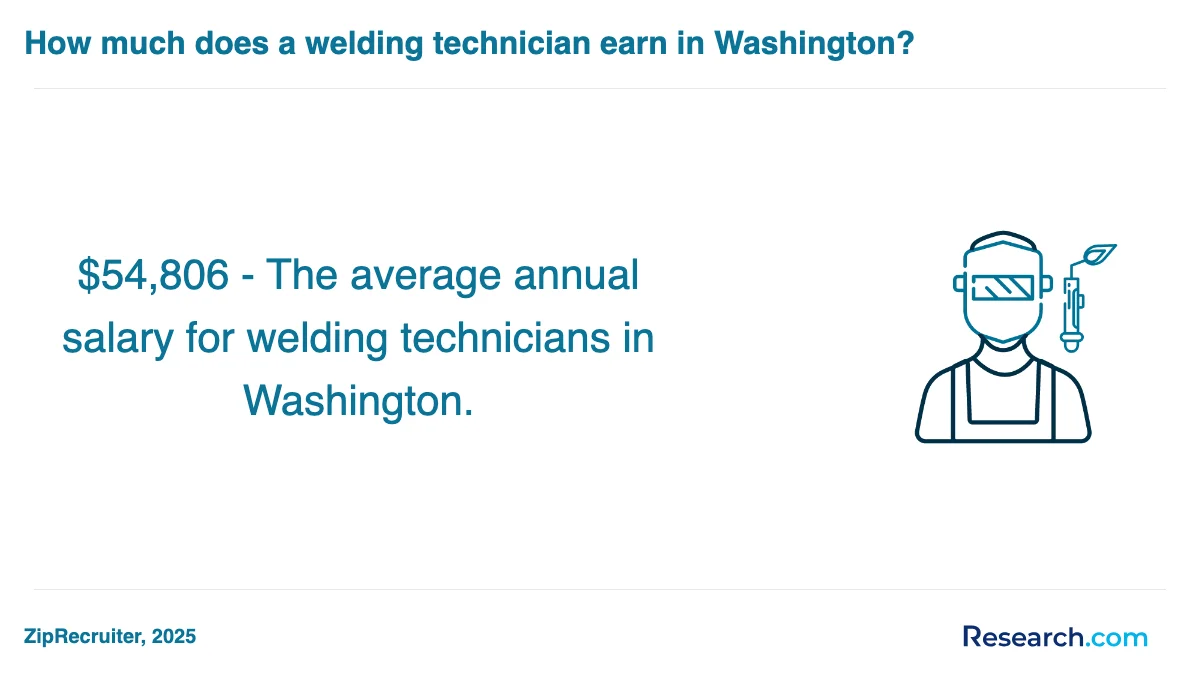
Welder trade school programs in Traverse City typically include a balanced mix of theory and hands-on practice designed to prepare students for real-world welding jobs. For example, graduates from Northwestern Michigan College often highlight courses like Welding Theory I and II, where they learned essential concepts such as metallurgy, blueprint reading, and welding math. These classes help build a solid foundation that makes understanding complex welding projects much easier on the job.
Practical skills are developed through Welding Lab I and II, where students get to work with equipment like Shielded Metal Arc Welding (SMAW) and Gas Tungsten Arc Welding (GTAW). Many students describe the hands-on labs as the moment they gained confidence, practicing real welds under instructor supervision and mastering techniques used in local industries.
Additional courses include:
- Oxy-Fuel and Plasma Arc Cutting for precise metal cutting tasks
- Welding Qualification Prep to help pass American Welding Society certification tests
- Safety training focused on personal protective equipment and workshop hazard prevention
These courses reflect the practical, job-ready approach Traverse City's programs take, preparing students to meet both local workforce needs and national standards.
Welder trade school programs in Traverse City typically offer a variety of welding technology specializations designed to equip students with practical skills for the local job market. Graduates from popular programs often focus on core techniques such as Gas Metal Arc Welding (GMAW/MIG), Shielded Metal Arc Welding (SMAW/Stick), and Gas Tungsten Arc Welding (GTAW/TIG). These welding processes are essential for industries ranging from construction to manufacturing.
Many students appreciate hands-on training in Oxy-Fuel Processes and Plasma Arc Cutting, which match real-world tasks they encounter in fabrication shops. Certificate options for Traverse City welding programs also include advanced areas like:
- Welding inspection and quality assurance with non-destructive testing
- Robotics and automation, reflecting the growing trend toward mechanized welding solutions
- Repair and pipe welding, frequently requested by local employers focused on infrastructure projects
These specializations open doors to certifications such as American Welding Society (AWS) qualifications, boosting job prospects locally and nationally. For those seeking even broader skills, especially in remote learning formats, the opportunity to complement hands-on experiences with low cost online maintenance technician training can enhance their marketability and versatility in today's competitive job environment.
Choosing a welder trade school in Traverse City means focusing on schools with strong accreditation and hands-on experience. Graduates often praise programs where instructors bring real industry insight, helping them gain confidence working on modern equipment-key for any Traverse City welding programs. Prioritize schools with small class sizes so you get personal guidance, just like alumni who felt supported while mastering complex welding techniques.
Many students highlight affordable welding schools in Traverse City that offer solid financial aid and flexible class schedules. A practical tip is to check if the school provides job placement assistance; students who used career services secured jobs faster and felt ready for the workforce. Considering location also matters-being near or easily accessible reduces daily stress and costs.
Finally, understanding the demand for welders can help you evaluate your ROI. Research shows trades in demand can boost your career prospects, so choose a program aligning with current industry needs and your personal goals.

Welder trade school graduates in Traverse City often find a robust job market with diverse welding jobs in Traverse City MI, spanning construction, manufacturing, and equipment repair industries. Many start as MIG, TIG, or Stick welders, gaining hands-on experience in structural steel or custom fabrication. Graduates from popular local trade schools frequently share how practical training with technical drawings and material layouts builds confidence for immediate employment.
Post-graduation career paths include roles such as:
- Fabricator at manufacturing plants
- Maintenance technician servicing industrial equipment
- Specialized pipe welder for infrastructure projects
- Repair welder in automotive or marine sectors
Some lead to supervisory or quality control positions after gaining experience. Many graduates appreciate that employers in Traverse City offer solid pay-around $20 to $35 per hour-and benefits, encouraging long-term growth. For entrepreneurial graduates, starting a welding business serving the local construction market is a viable path.
For those aiming to become a welder in Traverse City, these welder career opportunities in Traverse City represent a practical and rewarding route to financial stability and skill development.
The outlook for welding jobs in Traverse City MI is promising for graduates of local welder trade school programs. Many graduates from these popular trade schools report quick job placements thanks to steady industry demand across manufacturing, construction, and metal fabrication sectors. For example, entry-level roles often pay hourly wages between $18 and $27, supporting a comfortable start for those new to the field. Graduates share how hands-on training with real-world projects in their programs made them confident in meeting employer expectations for skills like blueprint reading and precision welding.
Employers in Traverse City value proficiency and reliability, with typical welder salary Traverse City Michigan ranges rising to $48,000-$67,000 annually for experienced welders and fabricators. This competitive pay scale reflects the importance of advanced skills learned during trade school. Many companies, including staffing services actively recruiting, offer flexible part-time and full-time opportunities.
Choosing to study at a well-regarded local program or trade school or vocational program in Traverse City equips students with practical skills and connections needed to thrive in this steady, rewarding job market.
Most Affordable Welding Schools & Training - Budget-Friendly Welding Trade Programs in Traverse City for 2026
# 1 position
Northwestern Michigan College - Welding Technology/Welder.
associateNorthwestern Michigan College offers a Welding Technology/Welder program with a hybrid format that includes some distance education. The curriculum covers arc welding, resistance welding, brazing, soldering, high-energy beam welding, cutting, and welding metallurgy. Students learn about ferrous and non-ferrous materials, oxidation-reduction reactions, safety, structural design, and relevant codes and standards. The program is accredited by the Higher Learning Commission. Annual in-state tuition is $5,350.
# 2 position
Northwestern Michigan College - Welding Technology/Welder.
certificate or diplomaNorthwestern Michigan College offers a Welding Technology/Welder program with a hybrid format, including some distance-education options. The curriculum covers arc welding, resistance welding, brazing, soldering, cutting, and welding metallurgy, alongside safety and industry codes. The program prepares students to work with ferrous and non-ferrous materials and various welding processes. Annual in-state tuition is $5,350. It is accredited by the Higher Learning Commission.
Frequently Asked Questions about welder
After completing a welder trade school program in Traverse City, it is essential to build a strong job market readiness strategy. Start by obtaining relevant certifications, such as the American Welding Society (AWS) certification, which is highly valued by employers nationwide. According to the Bureau of Labor Statistics, welders with certifications earn up to 20% more than those without.
Networking with local employers and attending job fairs in Traverse City can improve your chances of finding employment. The local manufacturing and construction sectors often seek skilled welders. Additionally, prepare a professional resume highlighting your hands-on experience and technical skills gained during training.
Consider internships or apprenticeships to gain practical experience, which many Traverse City employers prefer. Staying updated on welding technologies and safety standards also increases employability in a competitive market.
Employers in Traverse City seek welder trade school graduates with strong technical skills and practical experience. Proficiency in various welding techniques, such as MIG, TIG, and stick welding, is essential. According to the Bureau of Labor Statistics, welders with versatile skills tend to have better job prospects nationwide, which applies locally as Traverse City's manufacturing sector grows.
Accuracy and attention to detail are highly valued, as welders must create strong, precise joints that meet safety standards. Employers also prioritize knowledge of reading blueprints and using welding equipment safely. Communication skills and teamwork are important, especially in larger projects where collaboration is required.
The Michigan Works! agency reports that employers in the Traverse City area often prefer candidates with OSHA safety certification and NCCER credentials, demonstrating readiness for the workplace. Overall, a combination of hands-on ability, safety awareness, and technical knowledge forms the core skills sought by local employers.
Finding internships related to welder trade school programs in Traverse City involves leveraging local resources and industry connections. Start by contacting nearby employers such as manufacturing plants, construction companies, and maritime businesses, which often seek welding interns. The Northwest Michigan Works! agency provides job placement assistance and may list relevant internship opportunities. Additionally, many trade schools in the region maintain partnerships with local businesses to help students secure hands-on experience.
Online job platforms like Indeed and LinkedIn occasionally feature welding internships in Traverse City, but in-person networking can be more effective. According to the U.S. Bureau of Labor Statistics, welding internships improve job prospects by offering practical skills employers value. Checking with Traverse City Area Public Schools' career centers can also uncover local apprenticeship programs linked to welding.
Obtaining a welder trade school diploma in Traverse City significantly enhances career mobility and advancement opportunities within the local labor market. According to the U.S. Bureau of Labor Statistics, welders with formal training typically earn 10-15% higher wages compared to those without credentials. In Traverse City, industries such as manufacturing, construction, and marine repair actively seek certified welders, creating steady demand.
Trade school programs provide practical skills and certifications like AWS (American Welding Society) credentials, which are highly valued by employers. These qualifications often lead to faster job placements and eligibility for specialized positions.
Moreover, a diploma can open pathways to supervisory roles or technical specialties, supporting long-term career growth in the region.
Students attending welder trade schools in Traverse City can benefit from part-time jobs that offer practical experience alongside their studies. Entry-level welding positions at local manufacturing shops or construction companies provide hands-on skills that align with classroom learning. According to the U.S. Bureau of Labor Statistics, welding jobs in Michigan are expected to grow by 8% through 2031, reflecting steady demand.
Additionally, roles such as metal fabrication assistant or maintenance helper are common part-time opportunities. These jobs help students understand real-world applications of welding techniques and safety standards. Traverse City's growing construction sector also offers seasonal labor positions that complement welding education, enhancing both skill and resume.
To find the most affordable welder degree program near Traverse City, MI, you can explore local community colleges and technical institutes, which often offer cost-effective programs. Contacting these institutions directly or visiting their websites will provide information on tuition rates and financial aid options near me. Research.com can be a helpful resource in identifying and comparing welder programs across different universities and colleges.
- Academic Programs : Welding Technologies : Northwestern Michigan College https://www.nmc.edu/programs/academic-programs/welding-technologies/
- Welding Technology, Certificate of Achievement (Level I) | Northwestern Michigan College Academic Catalog https://catalog.nmc.edu/programs-az/technical/welding-technology-level-i/
- Welding - Certificate | Bay College https://www.baycollege.edu/academics/programs/welding-certificate.php
- Welding Schools in Michigan - Classes, College Courses and Certified Welder Testing Centers | GoWelding.org https://gowelding.org/welding-schools/michigan/
- Welding Trade Schools in Traverse City, MI - Welder Training https://weldingcareernow.com/welding-schools/traverse-city-mi
- Welding & Manufacturing - Keweenaw Bay Ojibwa Community College https://www.kbocc.edu/cte/welding/
- In & Around Cadillac | Part time Welder Wanted | Facebook https://www.facebook.com/groups/708031504735725/posts/723221426550066/
- Find Pipe welding Jobs in Traverse City, Michigan | Randstad USA https://www.randstadusa.com/jobs/q-pipe-welding/michigan/traverse-city/
- Finding the Perfect Welding Job After Technical School https://www.high.net/careers/blog/finding-perfect-welding-job-after-technical-school/
- How to find a Welding Job after Graduating Welding School? - YouTube https://www.youtube.com/watch


