Most Affordable Welding Schools & Training - Budget-Friendly Welding Trade Programs in Ontario for 2026

Co-Founder and Chief Data Scientist
Choosing the right welder trade school in Ontario can be overwhelming, but this article is here to help. We present a welder trade school programs ranking created by the Research.com team of data scientists, designed to guide you toward the best options for 2026.
By exploring these affordable programs, you’ll discover valuable opportunities to gain practical skills and earn a diploma or certification that opens doors in a growing industry. Whether you’re starting fresh or changing careers, this guide aims to support your journey with trusted information and clear insights.
Key benefits of finishing welder trade school in Ontario
- Graduates of welder trade schools in Ontario can expect competitive salaries, with average wages around $26.92 per hour and up to $34 per hour in cities like Waterloo, offering strong financial rewards soon after completing the program.
- Career paths for graduates are diverse, including roles such as industrial welder, pipefitter, or welding inspector, as seen with alumni from top Ontario trade schools who quickly find rewarding, hands-on jobs in construction, manufacturing, or energy sectors.
- Completing a welder trade school online provides flexibility and saves commuting time, allowing students to balance work and study effectively, as many online graduates from respected Ontario programs report faster skill acquisition and easier access to certifications.
What can I expect from welder trade schools in Ontario?
Students entering a welder trade school program in Ontario quickly realize the balance between classroom learning and hands-on experience. Graduates often recall starting with foundational topics like welding safety and blueprint reading, which build confidence before moving into practical applications. At well-known trade schools, the in-school portion typically involves around 720 hours of focused instruction, where you'll work alongside licensed professionals who bring real-world insights into the classroom.
Many apprentices appreciate the "earn while you learn" approach, spending significant time-about 5,280 hours-on paid work placements supervised by journeypersons. This on-the-job training sharpens skills in processes like Shielded Metal Arc Welding (SMAW) and Gas Tungsten Arc Welding (GTAW), making the learning deeply engaging and relevant.
Graduates often describe the journey as challenging but rewarding, especially when they pass the Certificate of Qualification exam and step into the workforce with recognized credentials. This blend of theory, practice, and mentorship creates a supportive environment where students feel prepared and optimistic about their welding careers in Ontario.
Where can I work after finishing welder trade schools in Ontario?
Graduates from welder trade schools in Ontario often find themselves stepping confidently into a dynamic job market. Many recall their first roles in bustling manufacturing plants or construction sites scattered across the Toronto Region and beyond. The variety is striking-some begin as welders or fabricators in automotive shops, while others dive into specialized fields like pipe welding or shipbuilding. The hands-on training they received at well-known Ontario schools gives them the practical edge employers seek.
It's common for new welders to work in fabrication shops or on production lines, applying skills like MIG or TIG welding learned during their studies. Others find rewarding opportunities in energy sector projects or field installations, where certifications such as those from the Canadian Welding Bureau open doors to advancement. Many graduates share how gaining experience on the job leads naturally to supervisory roles, blending technical expertise with leadership.
Whether in vibrant urban centers or quieter suburban areas, these graduates appreciate the steady demand and diverse career paths available throughout Ontario's industrial landscape. Their stories reflect both the satisfaction of skilled work and the promise of growth that follows a welder trade school education here.
How much can I make after finishing welder trade schools in Ontario?
After finishing a welder trade school program in Ontario, graduates often find themselves stepping into a field with promising earnings. Many report starting wages around $16 to $19 per hour, reflecting what recent data shows as the average for early-career welders in the province. Those who trained at well-known Ontario trade schools appreciate how their hands-on experience translates into solid paychecks, especially as they gain certifications that push their hourly rates above $22.
One graduate shared how, after completing a trade program, they quickly moved from entry-level wages to earning closer to $25 per hour, thanks to additional qualifications and local demand. Another recalls working in regions like Peterborough, where the average can reach $33 per hour, illustrating how location can boost income.
The reality is that as welders gain experience and specialize, their pay can climb significantly, sometimes exceeding $35 hourly. For many graduates, this growth brings a strong sense of accomplishment and financial independence just months after completing their program.
Most Affordable Welding Schools & Training - Budget-Friendly Welding Trade Programs in Ontario for 2026
# 1 position
Treasure Valley Community College - Welding Technology/Welder.
associateTreasure Valley Community College offers a Welding Technology/Welder program with a hybrid format that includes some distance education options. The program prepares students to work with various welding techniques such as arc welding, resistance welding, brazing, and cutting. It covers welding metallurgy, safety, structural design, and relevant codes and standards. Annual in-state tuition is $6,210. The program is accredited by the Northwest Commission on Colleges and Universities.
# 2 position
Treasure Valley Community College - Welding Technology/Welder.
certificate or diplomaTreasure Valley Community College offers a Hybrid Welding Technology/Welder program that prepares students to apply technical skills in various welding methods, including arc welding, resistance welding, brazing, soldering, and high-energy beam welding. The curriculum covers welding metallurgy, structural design, safety, and industry codes. The annual in-state tuition is $6,210. The program is accredited by the Northwest Commission on Colleges and Universities.
Key Findings
- Applicants typically need an Ontario Secondary School Diploma or U.S. high school diploma with Grade 12 English and Grade 11 Mathematics at college or university level.
- Programs last from several months to two years, with apprenticeships requiring about 6,000 hours of combined training over roughly three years.
- Domestic tuition ranges from CAD $3,000 to $4,000 per year, while international students pay between CAD $14,000 and $16,000 annually.
- Entry-level welders earn around CAD $40,000 to $50,000 per year, with experienced welders making CAD $60,000 to $80,000 annually.
- Graduates may test out of apprenticeships and pursue advanced welding or related engineering education pathways.
How long does it take to complete welder trade schools in Ontario?
Completing a welder trade school program in Ontario typically takes between six months to one year, depending on the intensity and structure of the course. Many graduates from well-known Ontario trade schools recall how these programs balance hands-on welding practice with essential theory, making the time feel productive and engaging rather than rushed.
For example, students often describe the immersive nature of their training days, working directly with welding equipment under the guidance of experienced instructors. This approach helps them build confidence quickly, turning what can feel like a complex skill into a series of manageable, rewarding challenges.
Some programs offer accelerated tracks, allowing motivated learners to finish in less than a year, while others stretch out the curriculum to provide evenings or part-time options, which suits those balancing work or family commitments.
Graduates often express pride in how the focused timeline allowed them to enter the workforce promptly without sacrificing quality. The practical skills gained in those months truly set a strong foundation for their welding careers in Ontario's thriving industrial sectors.
What's the difference between online and on-campus welder trade school programs?
The main difference between online and on-campus welder trade school programs in Ontario lies in how instruction and hands-on experience are delivered. Graduates from on-campus programs, like those at St. Lawrence College or Weldtech Training, often share how the tactile nature of welding-working directly with torches and metals under expert supervision-built their confidence and skill swiftly. Being in a bustling workshop, getting immediate feedback while performing live welds, and preparing for Canadian Welding Bureau certifications on site gave them a strong sense of readiness for real-world jobs.
In contrast, those who pursued online or hybrid programs found value in the flexibility of studying welding theory, metallurgy, and safety remotely at their own pace. Yet, many acknowledged that no digital platform fully replaces the hands-on labs essential for mastering welding techniques. Periodic in-person sessions in hybrid courses help bridge this gap, but the emotional reassurance of feeling the heat of the torch and hearing the instructor's voice nearby remains unique to on-campus learning in Ontario's trade schools.
What is the average cost of welder trade schools in Ontario?
The average tuition fees for welding programs in Ontario vary significantly depending on the institution and student status. Canadian residents typically pay between $2,500 and $5,000 per year, while international students face higher costs, often ranging from $7,000 to $18,000. Graduates from popular trade schools like Conestoga College share how managing these costs felt like an investment in a promising career, especially when combining tuition with ancillary fees, which can add up substantially.
For example, Conestoga College's Welding Techniques program charges Canadian students $1,348 per term, which totals about $2,696 annually. When you add ancillary fees of $1,849.66, the full cost reaches around $4,545.66. International students pay considerably more, with tuition fees totaling $15,026 and additional costs pushing the yearly total to over $18,000. This transparent breakdown helps students realistically budget their education expenses while feeling confident they are stepping into a respected trade.
Fanshawe College offers another perspective with its Welder Apprenticeship program, where fees are lower but still require careful planning. For the 2025/2026 academic year, students cover a Ministry Classroom Fee, Program Specific Fee, and Ancillary Fees amounting to just under $1,000, appealing to those seeking affordability without sacrificing quality. Many graduates recall the reassurance of choosing an institution with clear fee structures, which made the path toward their diploma more manageable despite other costs like tools and supplies.
Choosing to pursue welding in Ontario trades schools combines the challenge of tuition fees with the optimism of a stable, skilled profession. For those exploring options, it's wise to consider all expenses and view the investment through the lens of future opportunity, especially as welder careers continue to be listed among easy trades to learn that pay well online. This balanced understanding helps students make informed decisions about the cost of welder diploma programs in Ontario and the rewarding futures these programs support.

What financial aid is available for welder trade schools in Ontario?
Welder trade school students in Ontario often find financial aid through scholarships, bursaries, and awards offered by their colleges and external organizations. Graduates from schools like Conestoga College recall how receiving awards based on academic effort and dedication eased their financial burden, allowing them to focus more on mastering welding techniques. For example, bursaries at RRC Polytech provide about $750 to full-time trades students, helping cover costs beyond tuition.
Some awards, such as those from the Canerector Foundation, offer $2,000 or more, rewarding not only academic success but also involvement in mentorship or volunteer work, which many students find motivating and fulfilling. This combination of financial support and community engagement creates a rewarding learning environment.
Government-supported pre-apprenticeship programs, like those at Six Nations Polytechnic, can also relieve expenses by offering no-cost training for eligible Canadian residents. These programs prepare students for real-world jobs, making the path to a welding career more accessible and inspiring.
What are the prerequisites for enrolling in welder trade schools in Ontario?
Enrolling in a welder trade school program in Ontario usually requires a few foundational steps, but these are designed to set you up for success. Most schools expect applicants to have completed high school or an equivalent, particularly with a focus on math and science courses. This background helps when dealing with measurements, metallurgy, and technical drawings.
Graduates from well-known Ontario trade schools often recall how their basic familiarity with tools and safety protocols before starting eased their transition. For example, many students found that having hands-on experience, even if informal, gave them confidence during their first welding labs.
- High school diploma or equivalent with emphasis on math and science
- Basic understanding of shop safety and hand tools
- Physical ability to perform manual labor and work in varied environments
- Sometimes a personal interview or aptitude test to assess motivation and problem-solving skills
These prerequisites are not just bureaucratic hurdles but reflect real-world demands of the welding profession in Ontario's vibrant manufacturing and construction sectors. Many graduates share how meeting these entry criteria helped them feel prepared and excited for the challenges ahead, turning initial nerves into a rewarding learning journey.
What are the typical courses in welder trade schools in Ontario?
Welder trade school programs in Ontario are thoughtfully designed to equip students with both practical skills and theoretical knowledge essential for success in the welding industry. Graduates from well-regarded trade schools often reflect on the balance between classroom learning and hands-on practice, which builds confidence and competence.
Core courses typically include:
- Trade practices and safety, where students spend hours mastering safe tool use and calculating measurements critical for everyday tasks.
- Applied drawing interpretation, teaching how to read blueprints and welding symbols-skills graduates recall as vital when working on real projects.
- Core welding processes such as Shielded Metal Arc Welding (SMAW), Gas Metal Arc Welding (GMAW), and Thermal cutting methods, with many students recalling the satisfaction of completing their first perfect weld.
Advanced topics often cover equipment setup, destructive and non-destructive testing, and post-weld inspections for defects, providing a deeper understanding of quality control. Many students appreciate the exposure to automated welding and CNC fundamentals, which reflect evolving industry technology.
Students frequently mention that the blend of classroom theory and on-the-job training in popular Ontario programs creates a rewarding learning environment where they feel prepared to challenge Canadian Welding Bureau certification exams and thrive in their careers.
What are the available specializations in welder trade schools in Ontario?
Welding specializations in Ontario trade schools often start with core skills such as Shielded Metal Arc Welding (SMAW), Gas Metal Arc Welding (GMAW), and Gas Tungsten Arc Welding (GTAW). Graduates from prominent institutions like Georgian College frequently mention how mastering these foundational processes builds their confidence on the job site.
Beyond basics, students can expect to explore advanced topics such as blueprint reading, metallurgy, and welding inspection methods. Trade schools like Conestoga College provide welder diploma program options Ontario that integrate metal fabrication and fitting, which appeals to those aiming for versatile roles across manufacturing and construction.
Many graduates appreciate the hands-on experience with both welding and cutting techniques, including plasma arc cutting, which prepares them for diverse career demands. Students often describe the rewarding challenge of progressing through apprenticeship levels that focus on materials science and welding codes, aligning well with certifications from the Canadian Welding Bureau.
Deciding on a program often involves understanding what is a vocation or trade school, helping students choose paths that match their strengths and aspirations.
How do you choose the best welder trade school program in Ontario?
Choosing the best welder trade school program in Ontario means focusing on accreditation and hands-on experience. Graduates from well-known programs like those at Mohawk College often speak highly of the modern facilities and comprehensive training that helped build their confidence in welding techniques. Personal stories reveal that accessing affordable welder programs in Ontario does not mean compromising quality; many students find programs that balance costs with strong industry connections.
Consider curriculum details carefully. For example, Fanshawe College's 30-week Welding Techniques program combines theory and practice, reflecting what many students have praised for preparing them effectively for real-world jobs. Practical mentorship from experienced instructors offers encouragement and fosters growth, as reported by graduates who appreciated this personalized guidance.
Financial ease can also impact your decision. Some students recommend exploring options like Georgian College's financial support or even looking into affordable maintenance technician training online that can complement in-person training schedules. Taking these approaches aligns with choosing from the best welding schools in Ontario while ensuring your education fits your budget and lifestyle.

What career paths are available for welder trade school graduates in Ontario?
Graduates of welder trade school programs in Ontario find themselves stepping into diverse and rewarding welding career opportunities in Ontario. Many secure positions in the manufacturing sector, working on metal fabrication for transportation and machinery industries. Others thrive in construction environments, contributing to large-scale projects like bridges or high-rise buildings, where hands-on skills learned at well-regarded Ontario trade schools come alive. Experienced graduates share how their training gave them confidence to handle complex industrial maintenance tasks, keeping vital infrastructure operational.
There are also bright prospects in emerging green energy sectors, including solar, wind, and hydroelectric power, where specialized welding techniques are essential. Petrochemical and aerospace industries offer niche roles requiring precision and strict safety compliance. Some graduates progress into supervisory roles or technical training, reflecting the strong welder job prospects Ontario continues to offer.
- Manufacturing and industrial maintenance roles
- Construction and infrastructure projects
- Green energy and petrochemical sectors
- Aerospace and shipbuilding opportunities
- Supervisory and technical training positions
Real stories from students at popular Ontario trade schools illustrate how pursuing welding career paths here enables them to build fulfilling careers. For those curious about what lies ahead, exploring welding career paths can provide valuable guidance on aligning skills with evolving job markets in the province.
What is the job market for welder trade school graduates in Ontario?
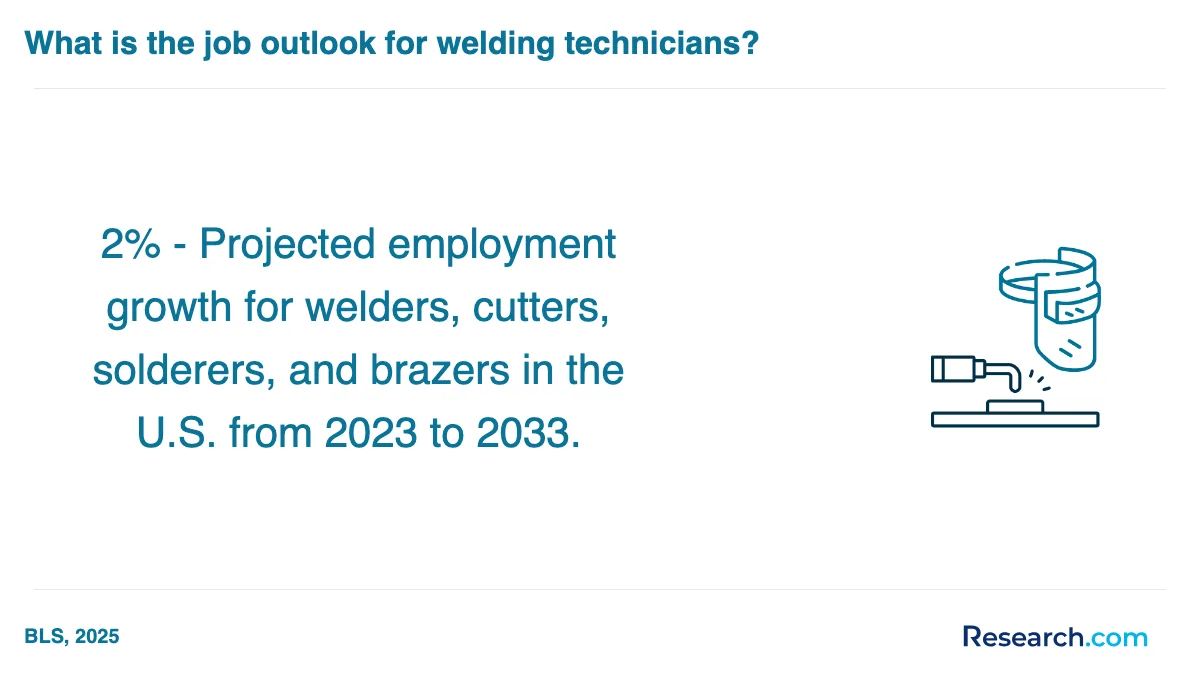
The welder job outlook in Ontario for graduates of trade school programs is currently moderate, reflecting a balanced mix of opportunity and competition. Many graduates from popular Ontario trade schools find that their skills open doors in diverse sectors such as manufacturing, construction, and equipment repair. For example, those entering the manufacturing sector benefit from steady demand in metal fabrication and machinery production, while others thrive working on infrastructure upgrades or multi-unit housing projects.
Graduates often describe initial job searches as promising yet competitive, especially with over 260 job postings available province-wide and numerous entry-level positions actively recruiting. Practical skills from trade schools prepare them well for this reality, and many share positive experiences navigating the steady growth of welding industry demand in Ontario.
Success in this field often hinges on:
- Gaining formal credentials or apprenticeships.
- Specializing in high-demand niches.
- Building experience in the Toronto and surrounding urban regions.
Wages typically range between $22.40 and $36.79 per hour, and additional training often boosts earning potential. Students also benefit from understanding the evolving market trends; for instance, a shift toward electric vehicle manufacturing may alter some opportunities, but large infrastructure projects continue to secure demand.
Those considering Ontario's welding trade schools would do well to reflect on the value of vocational training as a strategic path to stable career prospects and personal fulfillment in this dynamic field.
Frequently Asked Questions about welder
After completing a welder trade school program in Ontario, preparing for the job market involves several key steps. First, obtaining certification from the Canadian Welding Bureau (CWB) can significantly improve employment prospects, as many employers require this qualification. According to the Ontario Ministry of Labour, welders with CWB certification often earn higher wages and have better job security.
Networking is also crucial. Joining local trade unions or industry groups, such as the International Brotherhood of Boilermakers or the Ontario Pipe Trades Council, helps graduates connect with employers and stay informed about job openings. Additionally, creating a detailed resume showcasing practical skills and completed projects can aid in standing out during job applications.
Finally, continuing education through apprenticeships or specialized training in areas like robotic welding can enhance employability. The Ontario College of Trades reports that welders with advanced skills are in higher demand, especially in manufacturing and construction sectors.
Employers in Ontario value a combination of technical skills and practical experience when hiring welder trade school graduates. Proficiency in various welding techniques such as MIG, TIG, and stick welding is essential. According to the Ontario College of Trades, knowledge of blueprint reading and welding symbols is also critical for accuracy and safety.
Strong problem-solving skills and attention to detail help welders produce high-quality work that meets industry standards. Communication and teamwork abilities are important, as welders often collaborate on construction or manufacturing projects. Safety awareness and adherence to workplace regulations are mandatory, given the risks involved in welding.
Recent labor market reports highlight that certified welders with hands-on training tend to have better job prospects and higher starting wages in Ontario's skilled trades sector.
Finding internships relevant to a welder trade school program in Ontario requires strategic research and outreach. Many colleges and technical institutes in Ontario, such as Fanshawe College and Georgian College, maintain partnerships with local manufacturing and construction companies offering apprenticeship opportunities.
Students should explore the Ontario College of Trades website, which lists registered employers and apprenticeship openings. Additionally, contacting the local workforce development boards can provide leads on paid internships and co-op placements specifically for welding students.
According to the Ontario Ministry of Labour, Training and Skills Development, approximately 30% of welding apprentices secure their positions through school referrals or industry connections. Networking at industry events and trade shows also enhances chances of finding internships.
Obtaining a welder trade school diploma in Ontario significantly enhances career mobility and advancement opportunities. According to the Ontario Ministry of Labour, certified welders earn on average 15-20% more than uncertified workers, reflecting higher demand for formally trained professionals.
Diplomas from recognized institutions align with industry standards set by the Canadian Welding Bureau, making graduates eligible for Red Seal certification. This certification is highly regarded across Canada and improves job prospects, including the ability to work in different provinces without additional training.
Moreover, the skilled trades sector in Ontario is experiencing steady growth, with employment expected to increase by 5% over the next decade, according to the Ontario Workforce Planning Board. A formal diploma provides a competitive edge in this expanding market.
Employers often prioritize candidates with formal education due to proven technical skills and safety knowledge, which are critical in welding roles. As a result, diploma holders are more likely to access supervisory positions and specialized welding fields, supporting career advancement.
Part-time job opportunities in Ontario that complement welder trade school education often include positions such as welding assistants, metal fabricators, and maintenance helpers. These roles provide hands-on experience with welding tools, safety protocols, and metalworking techniques, which align well with classroom learning.
According to the Ontario Ministry of Labour, part-time work in manufacturing and construction sectors is common for students seeking practical exposure.
Jobs in fabrication shops or repair facilities allow students to apply skills in real-world settings, enhancing their employability.
Industry reports also indicate that welders in Ontario earn an average hourly wage between CAD 20 and CAD 30, making part-time work financially beneficial while studying.
To choose the most affordable welder degree program near Ontario, OR, you should research local trade schools and community colleges offering welding programs and compare their tuition costs, program lengths, and available financial aid options. Many affordable welding programs can be found "near me" and may include resources like scholarships or work-study opportunities that can help reduce overall expenses. Institutions "near Ontario, OR" are known for offering quality education in welding, and you can consult Research.com for more information on program reviews and career outcomes.
Top Trending Rankings
References
- Welder Cover Letter Examples - Templates & Writing Tips https://www.resume-now.com/cover-letter/examples/metal-work/welder
- 8+ Welder Cover Letter Examples & Templates https://www.jobhero.com/cover-letter/examples/metal-work/welder
- Welder Apprentice Cover Letter Examples - QwikResume https://www.qwikresume.com/cover-letters/welder-apprentice/
- 5 Professional Welder Cover Letter Examples and Template for 2025 | Enhancv https://enhancv.com/cover-letter-examples/welder/
- Sample Student Cover Letter – Welding – Technical Writing for Technicians https://openoregon.pressbooks.pub/ctetechwriting/chapter/sample-student-cover-letter-for-welding-week-9/
- 6 Welder Cover Letter Examples https://www.beamjobs.com/cover-letters/welder-cover-letter-examples
- Welding Instructor Cover Letter Examples & Guide https://resumaker.ai/cover-letter-examples/welding-instructor/
- Welder - Skilled Trades Ontario https://www.skilledtradesontario.ca/trade-information/welder/
- Welding | ontariocolleges.ca https://www.ontariocolleges.ca/en/programs/professions-and-trades/welding
- Welder - 456A | Mohawk College https://www.mohawkcollege.ca/programs/skilled-trades/welder-456a