Most Affordable Welding Schools & Training - Budget-Friendly Welding Trade Programs in Olympia for 2026

Co-Founder and Chief Data Scientist
Are you considering a career in welding and looking for affordable trade schools in Olympia? This article introduces a welder trade school programs ranking created by the Research.com team of data scientists to guide you toward the best options available.
By exploring these carefully selected programs, you can make an informed choice that fits your goals and budget. Earning a welding diploma or certification opens doors to stable job opportunities and personal growth.
Read on to discover valuable insights that will help you take confident steps toward a rewarding future in welding.
Key benefits of finishing welder trade school in Olympia
- Graduates of welder trade schools in Olympia can expect starting wages around $20.10 to $23.87 per hour, with opportunities to earn up to $33.51 per hour as experience grows, offering a strong income potential early in their careers.
- Many graduates find rewarding paths as Welder I or Welder II, with chances to advance into specialized roles like MIG welding or supervisory positions, reflecting a career full of growth and skill development.
- Completing a welder trade school online offers flexible scheduling and the ability to balance work or family, making it an ideal choice for busy individuals eager to start earning sooner without sacrificing quality training.
- Most Affordable Welding Schools & Training - Budget-Friendly Welding Trade Programs in Olympia for 2026
- What can I expect from welder trade schools in Olympia?
- Where can I work after finishing welder trade schools in Olympia?
What can I expect from welder trade schools in Olympia?
Enrolling in a welder trade school program in Olympia means diving into hands-on training that prepares you for real jobs. Graduates from local schools like South Puget Sound Community College often describe their experience as both challenging and rewarding, balancing classroom theory with extensive lab work. Expect to learn how to operate and maintain modern welding equipment and develop skills in various welding techniques such as GMAW, FCAW, GTAW, and SMAW.
Students typically spend significant time interpreting blueprints and project specs, which brings a practical understanding that goes beyond textbook learning. Many appreciate the affordability of programs here, with tuition costs substantially lower than private options, making a skilled trade career feel more accessible.
Support services like career counseling and job placement are common, helping graduates transition smoothly into roles as welders or fabricators. Financial aid opportunities further ease the path for those who qualify, making this a realistic and positive option for many aspiring welders in Olympia.
Where can I work after finishing welder trade schools in Olympia?
After completing a welder trade school program in Olympia, graduates quickly find a variety of job opportunities that suit different interests and skill levels. Many secure positions in manufacturing facilities, where they apply their welding skills to build and repair metal components-some even work on customizing law enforcement vehicles, a common local industry. These roles often come with the stability of full-time work, benefits like health insurance, and steady schedules, which many graduates appreciate after their hands-on training.
Others enter construction or infrastructure projects involving structural steelwork or pipeline installation, gaining experience on sites within Olympia and nearby hubs like Tacoma or Seattle. Some graduates share how staffing agencies helped them land entry-level jobs that didn't require certification but valued practical tool experience.
For those seeking specialized careers, paths as rail technicians or roles in marine and aerospace sectors are available, with room to advance into supervisory or technical specialist positions. The typical salary range of $32,000 to $63,000 annually reflects the demand and value of these skills in the region, making the trade school investment feel worthwhile to many local students.
Graduates from welder trade schools in Olympia typically start with hourly wages ranging from $21.85 to $23.87, which translates to an annual income of about $45,850 to $51,599 for full-time work. Many recent graduates from popular local programs share how they quickly felt encouraged seeing these numbers, realizing their skills were immediately valued in the job market.
As welders gain experience and certifications, such as those offered through advanced courses in Olympia's trade schools, they often move into higher-paying roles like Welder II. In these positions, annual salaries can rise to around $59,373, with some reaching up to $66,259. Graduates often express excitement about this growth, especially when they land jobs handling more complex projects in construction or manufacturing.
Occasionally, specialized skills or overtime push earnings even higher, with some welders earning up to $31.94 per hour. However, these rates usually come after additional training beyond the initial trade school curriculum or after several years on the job, making early career earnings realistic yet promising.
- Welding programs in Olympia are mainly offered by local community colleges like South Puget Sound Community College and Olympic College.
- Most programs require only a high school diploma or GED, with some offering placement tests and financial aid options.
- Program lengths vary from short-term certificates to two-year Associate degrees focusing on different welding techniques and skills.
- Costs range from $5,000 to $10,000 for a two-year degree at public colleges, often much less than private schools, with scholarships and tool grants available.
- Entry-level welders in Olympia earn between $40,000 and $50,000 annually, with potential to earn $60,000 or more with experience and certifications.
- Hands-on training and industry certifications are integral parts of the programs to prepare students for the job market.
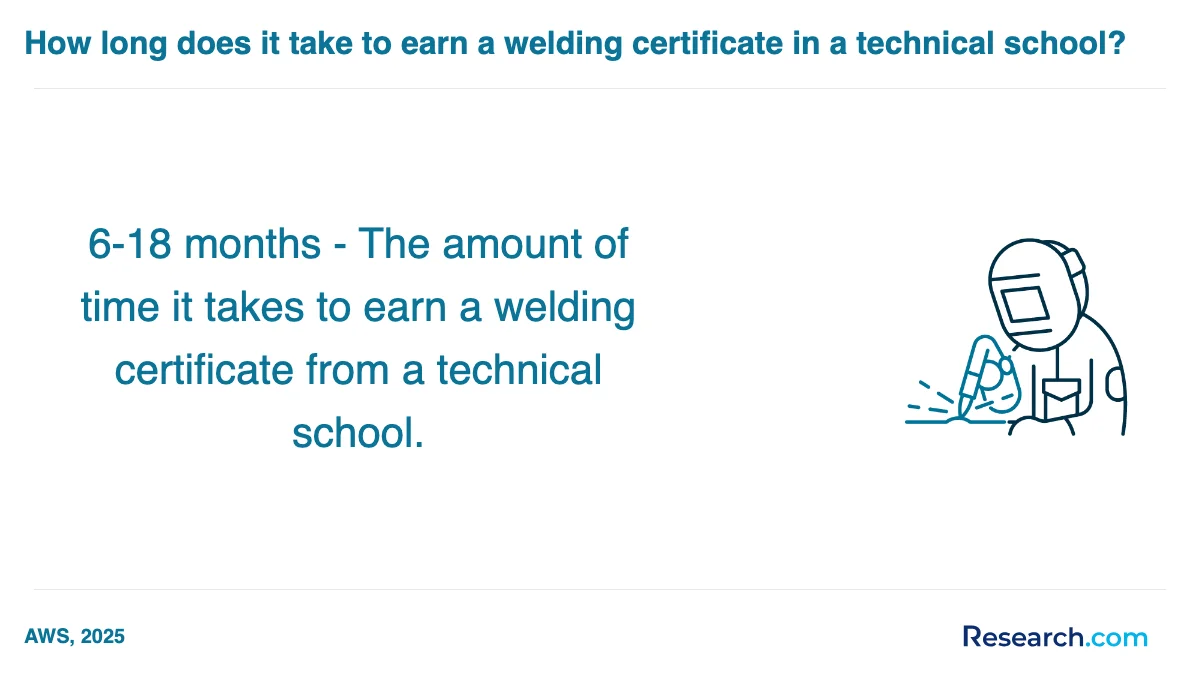
Completing a welder trade school program in Olympia typically takes between six months and one year, depending on the specific school and course intensity. For instance, graduates from some well-known Olympia trade schools often share how immersive, hands-on training compressed into a few months gave them the confidence to start welding jobs quickly. These programs balance classroom instruction with practical welding practice, which accelerates skill acquisition without overwhelming students.
Many students find that a shorter program, around six to nine months, fits well with their schedules while still covering essential welding techniques and safety protocols. Others opt for longer, more comprehensive courses lasting up to a year to deepen their expertise and improve job prospects.
One graduate recalls feeling motivated by the fast pace but appreciated the close mentoring from instructors in an Olympia trade school, which helped turn early frustrations into pride upon completing the program. This blend of efficiency and support is typical across welding schools in the area, making the completion time manageable and rewarding for those serious about entering the trade.
The key difference between online and on-campus welder trade school programs in Olympia lies in how instruction and hands-on training are delivered. Graduates from popular Olympia trade schools often share how on-campus programs immerse them in practical welding from day one. For instance, many spend up to 80% of their time in labs, working with real metals and professional equipment under close supervision. This direct experience helps them confidently master complex skills like blueprint reading and pipe fitting, which can be challenging without in-person guidance.
Conversely, online programs appeal to students balancing work or family, offering flexible access to lectures and assignments via digital platforms. However, several online students mention that without periodic campus visits for hands-on labs, they felt less prepared for real-world welding jobs. Some Olympia schools address this by combining online theory with scheduled in-person sessions, blending convenience with essential practice.
Ultimately, the choice depends on whether you prioritize flexibility or immersive, tactile learning, as welding demands both knowledge and physical skill developed best through direct equipment use.
The average cost of a welder trade school program in Olympia is notably affordable, particularly when compared to private institutions. South Puget Sound Community College (SPSCC), a popular choice for many aspiring welders in the area, offers a Welding Technology program designed to be cost-effective. Graduates often share how the reasonable tuition fees allowed them to focus on skill-building without the burden of overwhelming debt. While exact tuition figures are not always publicly available, SPSCC's program is reported to save students over 70% compared to private welding schools, making it a smart financial choice for those mindful of tuition fees for welding programs in Olympia Washington.
When exploring options slightly beyond Olympia, students encounter varied pricing structures. For example, Lower Columbia College in Longview charges residents $4,992, with higher rates for non-residents. Meanwhile, Olympic College and Peninsula College, both offering per credit hour tuition, tend to cost between $113 and $323 per credit hour depending on residency. These variations make understanding the full financial commitment crucial before enrollment.
Ultimately, investing in welding education not only involves tuition but also the confidence gained through hands-on training. Many graduates describe feeling prepared and enthusiastic about entering the workforce. Those considering welding programs should research and connect with schools directly, keeping in mind what skilled trades are in demand in today's market to ensure a successful career path.
Welder trade school students in Olympia have access to several financial aid options that can significantly ease the burden of tuition and related costs. Many graduates from local programs, like those at South Seattle College or Tacoma Community College, recall how scholarships from the American Welding Society (AWS) Puget Sound Olympic Section helped them afford their training. These scholarships require Washington residency and enrollment in approved welding courses but don't demand AWS membership, making them accessible to many.
For those demonstrating financial need, the Washington State Opportunity Scholarship (WSOS) Career & Technical Scholarship (CTS) offers up to $1,500 per quarter. Graduates often mention how this support, combined with completing the FAFSA or WASFA, made continuing their education possible despite limited family income. Both documented and undocumented residents can benefit, which broadens opportunities for diverse students.
Additionally, the Workforce Innovation and Opportunity Act (WIOA) grant provides up to $10,000 for career training in high-demand trades like welding. Olympia students have reported that WIOA funding covered essential supplies and tuition, allowing them to focus fully on mastering welding skills without financial distractions.
Alongside these, institutional scholarships, veteran benefits, and federal loans are important resources. Many local students emphasize the importance of applying early and completing required aid forms to maximize their funding options.
Enrolling in a welder trade school program in Olympia typically requires a few clear prerequisites, designed to ensure students are prepared for the hands-on, demanding nature of welding training. Most programs expect applicants to have a high school diploma or GED, which graduates from popular Olympia schools confirm is essential for grasping the technical concepts taught. One graduate recalls how having a solid foundation in math and science helped tackle welding blueprints and electrical basics with confidence.
Beyond academic qualifications, physical fitness and manual dexterity are often highlighted. A typical prerequisite checklist includes:
- Proof of high school diploma or GED
- Basic math and reading comprehension skills
- Ability to pass a physical exam or meet health standards
- Some schools may require a welding aptitude test or basic welding experience
These requirements reflect real-life welding scenarios where precision and stamina are critical. Graduates share that meeting these prerequisites not only boosted their confidence but also made the transition into rigorous welding labs in Olympia trade schools smoother and more rewarding. This practical readiness emphasizes the value Olympia programs place on preparing students both mentally and physically for the welding profession.

Welder trade school programs in Olympia typically include a mix of technical courses and practical training that prepare students for real-world welding jobs. Graduates often recall how mastering core welding methods was essential to their success. Key courses usually cover:
- Shielded Metal Arc Welding (SMAW)-the go-to technique for many entry-level welders.
- Gas Metal Arc Welding (GMAW) and Flux Cored Arc Welding (FCAW)-skills that expand versatility in fabrication shops.
- Gas Tungsten Arc Welding (GTAW)-offering precision for specialized industrial applications.
Students also emphasize the value of additional classes like blueprint reading, which helps translate project plans into accurate welds, and welding safety, critical for maintaining a secure work environment. Many recall how hands-on labs in well-equipped Olympia trade schools allowed them to practice welding on real metal, building confidence and job readiness.
Beyond welding techniques, courses in equipment maintenance teach troubleshooting skills, helping graduates stay productive on the job. Some programs even include soldering and brazing, broadening students' technical abilities and making them more attractive to employers in manufacturing and construction.
Welding trade school programs in Olympia typically offer a range of specializations designed to prepare students for diverse careers in construction, manufacturing, and maintenance. Graduates from South Puget Sound Community College and Olympic College often highlight the strong focus on mastering several core welding processes, such as:
- Shielded Metal Arc Welding (SMAW), essential for various fieldwork applications
- Gas Metal Arc Welding (GMAW), widely used in manufacturing settings
- Gas Tungsten Arc Welding (GTAW), offering precision for detailed metalwork
- Flux-Cored Arc Welding (FCAW), suitable for outdoor and heavy-duty projects
These programs also cover critical skills like pipe welding and blueprint reading, which graduates frequently praise for preparing them to confidently interpret complex designs and execute project specifications with accuracy. The practical experience gained through hands-on training at Olympic College's John Bremer Welding Center or SPSCC's Welding Technology program helps students visualize real-world challenges and solve them effectively.
Students from Olympia's welding trade schools find that metal fabrication adds another valuable specialization, enabling them to construct and modify metal structures beyond basic welding. This broad skill set increases their versatility and employability in the welding profession.
For those interested in flexible learning paths, exploring low cost online maintenance technician training can complement their welding skills with broader technical knowledge, enhancing career prospects.
When choosing the best welder trade schools Olympia offers, accreditation is a non-negotiable factor. Graduates from South Puget Sound Community College often highlight how its AWS-accredited Welding Technology program reassured them of the institution's commitment to industry standards. This accreditation guarantees that the curriculum and instructors meet professional benchmarks, giving students confidence in their skills and credentials.
Affordability plays a key role, especially when exploring affordable welder trade programs Olympia provides. Many students appreciate that community colleges, like South Puget Sound, deliver quality education at a fraction of the cost of private schools, sometimes saving over 70%. This financial relief enables students to focus on mastering hands-on techniques such as GTAW and FCAW without undue stress.
Class sizes and instructor expertise directly impact your learning experience. Recent graduates often praise the personalized attention received due to smaller classes and instructors with real welding industry backgrounds. Programs that blend theoretical knowledge with practical, real-world training prepare students for various job opportunities, a crucial consideration for those deciding between a vocational school vs trade certificate program.

Graduates of welder trade school programs in Olympia find a range of welding careers in Olympia WA that match their interests and skills. Many begin their journey as welders, fabricators, or assembly technicians in local manufacturing and construction firms. These roles often include assembling metal parts for vehicles or industrial equipment, bringing a tangible sense of accomplishment from day one. Popular trade schools emphasize hands-on training that reflects real workplace conditions, helping graduates quickly adapt and feel confident on the job.
Welder job opportunities in Olympia also extend into specialized sectors like automotive repair, maritime industries, and aerospace. Apprenticeship programs offer another valuable path, building experience toward journeyman status and supervisory roles. Graduates appreciated how these routes provide steady pay and job security, typically starting around $20.50 to $23 per hour with room to grow.
Common career advancements include:
- Welding department manager positions
- Expert metal fabricator roles
- Supervisory or lead welder responsibilities
Holding certifications like those from the American Welding Society can open doors to higher-paying or more technical jobs. For prospective students considering programs, exploring affordable welding trade school online options may be a practical step. Many graduates attest that such programs help them balance education with work commitments in Olympia's competitive welding job market.
The welding job opportunities in Olympia WA present a dynamic environment for recent graduates of local welder trade schools. Many graduates report quickly finding employment in sectors like manufacturing, construction, and automotive maintenance, where hands-on skills such as MIG, TIG, and FCAW welding are highly valued. A typical day might involve fabricating parts for local businesses or maintaining equipment, reflecting real-world applications taught extensively at the region's top trade schools.
Welders starting out can expect competitive wages, with hourly salaries ranging from $20.50 to $23, often increasing alongside experience or shift differential. Employers like Sierra Pacific Industries prioritize applicants with certifications from bodies such as the American Welding Society, enhancing job security and upward mobility.
- Full-time positions with benefits including health insurance and paid time off
- Entry-level roles expanding into maintenance mechanic and diesel mechanic opportunities
- Possibility of management roles with salaries up to $100,000 in nearby areas
Importantly, many graduates find that broad welding skills open doors beyond strict welding roles, increasing demand in this labor market. Those interested in flexible learning pathways might explore online diploma courses with certificates to supplement their training and boost employability.
Most Affordable Welding Schools & Training - Budget-Friendly Welding Trade Programs in Olympia for 2026
# 1 position
South Puget Sound Community College - Welding Technology/Welder.
associateThe Welding Technology/Welder program at South Puget Sound Community College offers hybrid learning with some distance-education options. It prepares students to apply technical skills in various welding methods, including arc welding, resistance welding, brazing, and cutting. Students study welding metallurgy, safety, structural design, and industry codes. The program’s annual in-state tuition is $5,103 and it is accredited by the Northwest Commission on Colleges and Universities.
# 2 position
South Puget Sound Community College - Welding Technology/Welder.
certificate or diplomaThe Welding Technology/Welder program at South Puget Sound Community College offers a hybrid format with some distance education options. The curriculum covers arc welding, resistance welding, brazing, soldering, cutting, and high-energy beam welding, along with welding metallurgy, structural design, safety, and applicable codes. Annual in-state tuition is $5,103. The program is accredited by the Northwest Commission on Colleges and Universities.
Frequently Asked Questions about welder
After completing a welder trade school in Olympia, preparing for the job market involves several important steps. First, obtaining industry certifications such as the American Welding Society (AWS) credentials significantly increases employability. These certifications validate skills and knowledge for various welding techniques.
Next, building a professional resume that highlights hands-on training, certifications, and any internships or apprenticeships gained during schooling is crucial. Networking within local industry groups or unions in Olympia can provide job leads and mentorship opportunities.
According to the U.S. Bureau of Labor Statistics, welding jobs in Washington State are projected to grow by 6% from 2022 to 2032, indicating steady demand. Utilizing job placement services offered by trade schools can also connect graduates with employers actively hiring.
Employers in Olympia highly value technical proficiency in various welding techniques such as MIG, TIG, and stick welding. Mastery of these methods ensures graduates can handle diverse projects in construction, manufacturing, and shipbuilding sectors. According to the U.S. Bureau of Labor Statistics, welders in Washington state often require certifications like those from the American Welding Society to demonstrate skill and safety compliance.
Attention to detail and the ability to read blueprints accurately are also essential. These skills help prevent costly errors and ensure structural integrity. Moreover, many employers look for candidates who understand welding safety standards to reduce workplace accidents, a critical factor given local industry regulations.
Strong problem-solving abilities and physical stamina are additional assets. Welding involves working in various environments and positions, requiring endurance and adaptability. Prospective students in Olympia should prioritize hands-on training and certification preparation to meet these employer expectations effectively.
Finding internships relevant to welder trade school programs in Olympia involves several practical steps. Start by contacting local welding companies and manufacturing firms, as many offer internships or apprenticeships to students. The Washington State Department of Labor & Industries provides resources and listings for registered apprenticeship programs, which can be valuable for welders.
Community colleges and trade schools in Olympia often have partnerships with local employers. Checking with a school's career services or internship office can reveal opportunities tailored to welding students. According to the Bureau of Labor Statistics, welding apprenticeships can lead to higher employment rates post-graduation.
Online job boards like Indeed and the Washington State Employment Security Department website also list internship openings. Networking through local trade unions, such as the International Brotherhood of Boilermakers, can be another effective route.
Obtaining a welder trade school diploma in Olympia significantly enhances career mobility and advancement opportunities. According to the U.S. Bureau of Labor Statistics, welders in Washington state, including Olympia, earn a median annual wage of around $50,000, with skilled workers often exceeding this figure. A diploma verifies practical skills and knowledge, making graduates more attractive to employers in construction, manufacturing, and maritime industries prevalent in the region.
Trade school credentials also open doors to certifications such as AWS (American Welding Society) credentials, which further improve job prospects and wage potential. Local employers often prefer candidates with formal training, linking diplomas to faster promotions and job stability.
In Olympia, the demand for certified welders grows alongside infrastructure projects and industrial development, offering diploma holders a clear pathway to career growth compared to those without formal training.
Part-time job opportunities in Olympia that complement welder trade school education often include roles such as welding assistants, metal fabricators, and maintenance helpers. These positions allow students to apply practical skills learned in class while gaining valuable hands-on experience.
According to the U.S. Bureau of Labor Statistics, the Olympia metropolitan area has a steady demand for skilled welders, with job growth projected at 5% between 2022 and 2032. Part-time roles in manufacturing plants, construction sites, and repair shops provide flexible schedules suitable for students.
Additionally, some local businesses hire apprentices or helpers part-time, offering exposure to welding safety protocols and equipment handling, which is crucial for building a strong foundation in the trade.
To find the most affordable welder degree program near me, you can start by researching local community colleges and technical schools, as they often offer welding programs at a lower cost than universities. Look for programs specifically near Olympia, WA, as some institutions there may provide competitive tuition rates for residents. Utilizing resources like Research.com can help you compare program costs and entry requirements efficiently.
- Welding training - Warsaw, Kraków, Wrocław, Łódź, Poznań https://kurso.eu/en/training-and-courses/welding-courses/welding/
- Welding & Trade School in the U.S. | Tulsa Welding School https://www.tws.edu/
- Welding Trade Schools: Ignite Your Future With Hands-On Training https://www.trade-schools.net/trades/welding
- Combination Welding Technology Program & Trade School | Apex https://apexschool.com/programs/combination-welding-technology/
- Best Welding Schools - Elite Welding Academy https://eliteweldingacademy.com/
- Welder https://www.sait.ca/apprenticeships-and-trades/programs/welder
- Welding | ontariocolleges.ca https://www.ontariocolleges.ca/en/programs/professions-and-trades/welding
- Home - GA Trade School https://www.georgiatradeschool.com/
- Welder Cover Letter Examples - Templates & Writing Tips https://www.resume-now.com/cover-letter/examples/metal-work/welder
- 8+ Welder Cover Letter Examples & Templates https://www.jobhero.com/cover-letter/examples/metal-work/welder