
Best Welding Training Programs & Trade Schools - Top Welding Schools in Weed for 2026

Co-Founder and Chief Data Scientist
Choosing the right welder trade school in Weed can shape your future career and open doors to rewarding opportunities. This article introduces a welder trade school programs ranking created by the Research.com team of data scientists to guide you in making an informed decision.
Whether you're just starting out or looking to upskill, finding a program that fits your goals is key. A diploma or certification in welding can boost your confidence and job prospects, offering hands-on skills employers value.
Explore this guide to discover the best schools that can help you build a successful welding career in 2026.
Key benefits of finishing welder trade school in Weed
- Graduates in Weed can expect to earn between $18.27 and $25.87 per hour, aligning with California's average welder salaries, offering a promising start to a well-paying career.
- Many graduates find work in diverse fields like industrial manufacturing, repair services, or specialized welding roles, showing flexible and growing career opportunities.
- Completing a welder trade school online offers the convenience of learning at your own pace, which recent online graduates in Weed praise for balancing work and family life while gaining valuable skills.
- Best Welding Training Programs & Trade Schools - Top Welding Schools in Weed for 2026
- What can I expect from welder trade schools in Weed?
- Where can I work after finishing welder trade schools in Weed?
What can I expect from welder trade schools in Weed?
At a welder trade school program in Weed, you can expect a solid mix of classroom learning and hands-on practice designed to get you job-ready quickly. Graduates often share how they began by mastering shop safety and blueprint reading before stepping into the workshop to weld with real equipment like MIG and TIG machines. This balance helps build confidence alongside technical skills.
Many students appreciate how instructors guide them through common welding methods such as stick welding and plasma cutting, making the experience feel practical and relevant to local industries like construction and agriculture. For example, one graduate recalled spending hours practicing welding joints on steel plates, which mirrored tasks they'd face on actual job sites.
Programs typically last from six months to two years, depending on whether you pursue a certificate or associate degree. Costs vary, so be prepared for fees such as $225 for night classes or $700 for daytime sessions, plus certification exam fees. Most schools expect you to bring your own safety gear, which keeps training focused on real-world readiness.
After finishing, graduates often feel proud and prepared to take certification exams recognized across California, opening doors to stable welding careers. The hands-on nature of Weed's programs makes the learning engaging and directly applicable, helping students transition smoothly into the workforce.
Where can I work after finishing welder trade schools in Weed?
After completing a welder trade school program in Weed, graduates find solid job prospects locally and regionally. Many start working with construction firms where they help build bridges, buildings, and infrastructure-tasks that feel rewarding because you see your work physically shaping the community. Trade school grads often mention how their hands-on training at popular Weed schools gave them confidence handling MIG and TIG welding equipment on real projects.
Employment also opens up in manufacturing plants and metal fabrication shops, where precise skills learned in class translate directly to daily tasks. Some graduates recall beginning as welder apprentices or fabricators, quickly advancing to roles like welding inspector or team leader by proving their reliability and skill on the job.
Beyond traditional welding shops, graduates often find steady work in utilities maintenance or public infrastructure projects. Several graduates have shared positive experiences getting hired by local governments or public agencies, appreciating the stable hours and benefits like health insurance.
For those interested in teaching, positions as welding instructors at institutions like Shasta College offer a chance to pass on skills with competitive pay. Overall, Weed trade school welders report feeling ready and optimistic stepping into a variety of rewarding welding careers right after graduation.
After finishing a welder trade school program in Weed, you can typically expect to earn between $18 and $24 per hour. Many graduates from local popular trade schools report starting around $18 to $20 per hour in entry-level positions at nearby manufacturing facilities or warehouses. With some hands-on experience and certifications earned during or after the program, wages often increase closer to the state average of about $22 per hour.
One graduate shared how after six months on the job, their hourly wage rose from $19 to $22, allowing them to confidently cover living expenses in Weed while saving for advanced training. Another noted that specialized roles, like MIG welding, can push earnings up to around $22 to $33 per hour, especially when working overtime or on second shifts.
In Weed's smaller labor market, starting wages might be a bit lower than in urban centers, but steady demand and the skills gained at trade schools create solid pathways to stable incomes and future raises. Graduates appreciate the practical skills they bring to the table and the clear progression toward better pay as they gain experience.
- Welding programs in Weed offer certificate and associate degree options, focusing on hands-on skills and AWS certification preparation.
- Most programs require a high school diploma or GED, with an application process that includes a form and a counselor meeting.
- Certificate programs usually take less than a year, while associate degrees take about two years to complete.
- Training covers welding methods like SMAW, GMAW, FCAW, and GTAW, plus blueprint reading and shop safety.
- Average tuition in California is around $15,500, including supplies, with financial aid and veteran support available.
- Entry-level welders earn $36,000 to $48,000 annually, while experienced welders can make $50,000 to $65,000 or more.
Completing a welder trade school program in Weed typically takes between six months and one year, depending on the depth of training and the specific school's curriculum. Many graduates from popular local trade schools share that the six- to nine-month courses offered a solid balance of hands-on welding practice and theoretical knowledge, allowing them to confidently enter the workforce without unnecessary delay.
Students often describe the experience as intense but rewarding, emphasizing how the compact duration kept them motivated and focused. For example, a graduate from a well-known Weed trade school explained that the fast-paced schedule mimicked real job-site conditions, preparing them well for the demands of welding careers.
Others appreciate that programs in Weed are designed to fit the needs of working adults, offering flexible evening or weekend classes so students can maintain income while completing their training. This practical approach helps many stay engaged and finish efficiently, turning ambitions into welder certifications in under a year.
The main difference between online and on-campus welder trade school programs in Weed lies in how practical skills are developed versus scheduling flexibility. Graduates from on-campus programs, like those at Tulsa Welding School, often share how the hands-on lab time-making up around 80% of their training-was crucial. Being in a workshop, working directly with welding tools, and receiving immediate feedback helped them build confidence quickly and safely. This in-person experience feels more immersive and real, especially when handling professional-grade equipment under expert supervision.
On the other hand, online programs appeal to those in Weed balancing jobs or family, offering the convenience of studying theory from home at any pace. Graduates value this flexibility, but most stress that the virtual simulations or video demos can't fully replace in-person practice. Many online courses require brief on-campus residencies or partner locations for hands-on labs to meet employers' expectations for proven skills. For someone planning their welding education in Weed, weighing these differences helps set realistic goals for both learning style and life commitments.
The average cost of welding programs in California, especially for those enrolling in Weed, typically falls between $5,000 and $15,000 depending on the institution and program length. Many students find that community colleges and technical schools in the area maintain tuition fees for welding schools in Weed at reasonable rates, allowing for a manageable financial commitment. Graduates often share that choosing local options reduces both travel and living expenses, helping them stay focused on their training.
At the College of the Siskiyous, for example, residents benefit from enrollment fees charged at $46 per unit, which significantly lowers overall tuition costs compared to non-resident fees at $326 per unit. Many graduates have appreciated this affordability, noting that it made completing their welding trade school program less stressful financially. Beyond tuition fees, budgeting around $500 to $1,500 for necessary materials, tools, safety gear, and textbooks is standard, a detail commonly highlighted by successful students who planned carefully from the start.
Financial aid programs, scholarships, and grants can further ease the burden of expenses, making the pursuit of a welding career more accessible. Many recent welders recommend exploring these opportunities early. For those considering their career path, evaluating the best trade school jobs that pay well can provide motivation and clarity on the investments needed for a rewarding future.

Students enrolled in welder trade school programs in Weed often rely on a mix of financial aid to manage costs effectively. Most graduates from popular local trade schools mention that completing the FAFSA early opens doors to federal aid like Pell Grants, which can cover a substantial portion of tuition without the burden of repayment. For example, one graduate recalled how a Pell Grant helped cover nearly $7,000 in expenses during their first year.
California residents benefit from the California College Promise Grant, which waives community college enrollment fees. This grant made a big difference for many students attending nearby community colleges, allowing them to allocate funds toward welding supplies and living costs.
Veterans studying welding in Weed frequently leverage the GI Bill for tuition and living expenses, easing financial pressure significantly. Additionally, several students have taken advantage of scholarships from the American Welding Society Foundation, which local schools use to upgrade equipment and enhance training quality.
Hands-on internships offered through these programs, although unpaid, provide valuable experience and often lead to better job offers after graduation-cutting down financial strain while boosting career prospects.
To enroll in a welder trade school program in Weed, you'll typically need a high school diploma or GED. Many schools in Weed expect students to demonstrate basic math and reading skills, which are crucial for understanding welding blueprints and safety protocols. Graduates often mention how brushing up on these fundamentals before starting made their transition smoother and boosted their confidence.
Some schools require applicants to pass a simple skills assessment or placement test. This helps instructors tailor the learning experience, especially for those new to hand-eye coordination tasks involved in welding. For example, students at popular Weed trade schools have shared that preparing ahead for these tests eased their first days on campus.
Other common prerequisites include:
- Proof of age (usually 18 or older)
- Physical ability to perform welding tasks, including good vision and manual dexterity
- Basic safety training or orientation attendance, often done in the first week
Many Weed students find that meeting these requirements not only fulfills administrative needs but also sets a solid foundation for the hands-on, rewarding experience that welding trade schools in the area provide.
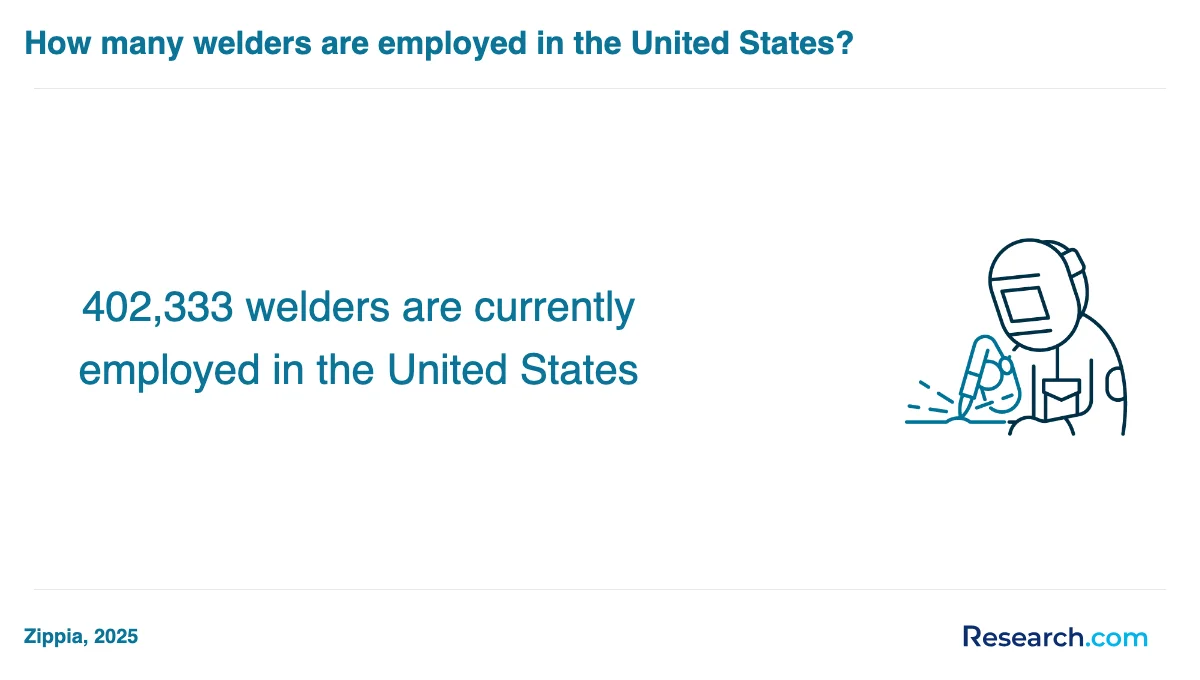
Welder trade school programs in Weed typically include essential courses that prepare students for real-world welding jobs. Graduates from popular local trade schools often highlight how core safety courses build confidence in handling equipment safely on job sites. These classes cover personal protective gear, hazard recognition, and emergency response-skills crucial for staying secure in busy workshops.
Students quickly get hands-on with welding equipment identification and maintenance, learning to operate machines like MIG and TIG welders. This practical approach helps students understand when to use specific tools, a skill graduates say made their transition to work smoother.
Blueprint reading and construction math courses are standard, teaching how to interpret welding symbols and apply measurements directly to projects. Many find these classes valuable for tackling real fabrication tasks.
Hands-on training focuses on multiple welding processes, including:
- Oxy-acetylene cutting and brazing
- Arc welding (SMAW)
- MIG welding (GMAW)
- Flux-cored arc welding (FCAW)
- Gas tungsten arc welding (GTAW/TIG welding)
Training also covers welding ferrous and non-ferrous metals in various positions-flat, vertical, overhead-mirroring challenges graduates faced in entry-level jobs. Some programs add project planning and basic business courses, which former students found helpful for managing work and client relations in the field.
Certification prep aligned with AWS standards is a key feature. Graduates often stress how testing opportunities at Weed schools gave them a competitive edge when seeking employment locally and statewide.
Welding specializations in Weed trade schools typically cover essential processes like Shielded Metal Arc Welding (SMAW), Gas Metal Arc Welding (GMAW or MIG), Gas Tungsten Arc Welding (GTAW or TIG), and Flux Cored Arc Welding (FCAW). Graduates often recount how learning MIG welding opened doors to jobs in automotive workshops, while TIG welding training was crucial for high-precision roles, such as aerospace component fabrication. Weed CA welder training programs also emphasize certifications, especially those recognized by the American Welding Society (AWS), providing students with credentials that make their resumes stand out.
Students benefit from courses tailored to real-world conditions, including:
- Welding in various positions: flat, horizontal, vertical, and overhead
- Blueprint reading for accurate fabrication
- Structural design and welding safety protocols
These skills prepare learners for demanding, regulated industries like construction or energy. Many Weed-area programs allow flexible timelines, ranging from quick certificates to longer associate degrees, enabling trainees to swiftly access welding jobs or deepen expertise for supervisory roles.
When selecting from the best welding programs in Weed California, prioritize accreditation and certification to ensure your training meets industry standards. Graduates from local trade schools often praise well-equipped workshops and hands-on curricula covering core techniques like SMAW and GTAW, vital for real job readiness. Choose schools with experienced instructors who combine technical knowledge with practical tips drawn from years in the field, making classes both engaging and relevant.
Look specifically for top-rated welder training schools in Weed offering job placement support, as this connection can smooth your transition from student to employee. Many programs feature flexible schedules and locations that accommodate local students balancing other commitments. Graduates frequently mention feeling confident thanks to personalized guidance and strong community ties in Weed's welder training landscape.
Finally, consider financial aid options alongside tuition costs to find a program within your budget. Some students have benefited from enrolling in an online diploma accredited program, combining flexibility with recognized credentials, ideal for balancing work and study.

Welder trade school graduates in Weed step into a variety of welding jobs in Weed CA, ranging from entry-level positions to specialized roles. Many start as fabricators or welders in local shops and construction sites, gaining hands-on experience with metal assembly and repair. Graduates from popular trade schools often share how this immediate job placement fueled their confidence and expanded their practical skills quickly.
For more seasoned graduates, career opportunities for welders in Weed include:
- Journeyman welders managing complex welding tasks independently
- TIG welders working with precision metals in aerospace or automotive industries
- Welding inspectors ensuring quality and safety compliance, often after earning additional certifications
- Maintenance welders repairing industrial machinery and supporting infrastructure projects
These diverse paths offer both flexibility and growth, especially with the growing demand in California's energy, utilities, and transportation sectors. Many graduates also explore cheap online maintenance technician trade programs to boost their qualifications and open new doors in their welding careers.
Welding job opportunities in Weed California are steady, driven by a healthy demand for skilled tradespeople in construction, manufacturing, and transportation sectors. Graduates of local trade schools report quickly finding entry-level welding positions where practical skills gained onsite-such as blueprint reading and hands-on fabrication-are highly valued. Many start as welders or welder fitters and advance to inspection or supervisory roles as they build experience.
For those training in Weed, the job market reflects broader California trends, with employers seeking graduates who demonstrate both technical ability and a strong work ethic. Common employment scenarios include helping maintain infrastructure or working on new industrial projects around Northern California, indicating a range of practical opportunities right after finishing school.
Welder salary and demand in Weed CA are encouraging, with wages expected to grow 4-6% annually, often surpassing inflation. This increase makes pursuing a welding career here financially viable. Graduate feedback from Weed's top trade schools highlights the value of ongoing skill development and certification upgrades for long-term success.
Many students weigh options related to career preparation, and understanding the difference between trade vs vocational programs can also affect earning potential and job placement rates. Exploring this can be crucial for planning a welding career that fits personal goals and the realities of the local job market. trade vs vocational programs is a resource that helps clarify these distinctions.
Best Welding Training Programs & Trade Schools - Top Welding Schools in Weed for 2026
# 1 position
College of the Siskiyous - Welding Technology/Welder.
associateThe Welding Technology/Welder program at College of the Siskiyous offers hybrid instruction covering arc welding, resistance welding, brazing, soldering, and cutting techniques. Students learn about welding metallurgy, processes, heat treating, structural design, safety, and relevant codes. The program prepares individuals to work with ferrous and non-ferrous materials and various welding methods. Annual in-state tuition is $1,444. The program is accredited by the Western Association of Schools and Colleges Accrediting Commission for Community and Junior Colleges.
# 2 position
College of the Siskiyous - Welding Technology/Welder.
certificate or diplomaThe Welding Technology/Welder program at College of the Siskiyous offers a hybrid format with some distance-education options. It prepares students to apply technical skills in various welding methods, including arc welding, resistance welding, brazing, soldering, and high-energy beam welding. The curriculum covers welding metallurgy, safety, structural design, and relevant codes and standards. Annual in-state tuition is $1,444. The program is accredited by the Western Association of Schools and Colleges Accrediting Commission for Community and Junior Colleges.
Frequently Asked Questions about welder
After completing a welder trade school in Weed, preparing for the job market involves several key steps. First, obtaining industry-recognized certifications such as those from the American Welding Society (AWS) can significantly enhance employability. Employers in the Weed area value these credentials, which demonstrate verified skills.
Networking is essential; connecting with local employers and attending job fairs can open opportunities. According to the U.S. Bureau of Labor Statistics, welding jobs in California are projected to grow 4% from 2022 to 2032, reflecting steady demand.
Additionally, building a strong portfolio of completed projects and gaining hands-on experience through apprenticeships can make candidates more competitive.
Employers in Weed prioritize several key skills when hiring graduates from welder trade schools. First, proficiency in various welding techniques such as MIG, TIG, and Stick welding is essential. These methods are widely used in local industries, including construction and manufacturing.
Precision and attention to detail are highly valued, as welders must ensure joints meet safety and quality standards. According to the U.S. Bureau of Labor Statistics, welders with strong technical skills and certifications tend to have better job prospects.
Employers also look for problem-solving abilities and the capacity to read blueprints accurately. Physical stamina and adherence to safety protocols are critical due to the demanding nature of welding work.
Finding internships relevant to a welder trade school program in Weed involves a few strategic steps. Start by contacting local welding schools, as many maintain partnerships with nearby businesses for hands-on internship opportunities. The Siskiyou Economic Development Council often lists apprenticeships and internships in trades, including welding, which can be beneficial.
Networking with local employers such as construction companies, manufacturing plants, or repair shops in Weed can open doors to internships. According to the U.S. Bureau of Labor Statistics, welding internships increase job placement chances by nearly 30% nationwide.
Additionally, explore resources provided by the California Department of Industrial Relations for registered apprenticeship programs that include welders in Siskiyou County.
Obtaining a welder trade school diploma in Weed significantly enhances career mobility and advancement opportunities for local students. According to the U.S. Bureau of Labor Statistics, welding jobs are projected to grow 3% nationally through 2031, reflecting steady demand for skilled welders. In Weed, employers often prefer candidates with formal training, which increases the likelihood of securing higher-paying positions.
A diploma from a certified trade school demonstrates proficiency in welding techniques and safety standards, making graduates more competitive for roles in manufacturing, construction, and repair industries. Additionally, many local employers value certifications that accompany diplomas, such as AWS (American Welding Society) credentials, which can lead to supervisory or specialized welding jobs.
Data from the California Employment Development Department shows that welders in Siskiyou County, where Weed is located, earn a median annual wage around $45,000, with advanced certifications correlated to increased earnings. Thus, a welder diploma can directly influence upward mobility by opening doors to better job placements, apprenticeships, and long-term career growth within the region.
Students attending welder trade schools in Weed can benefit from part-time jobs that build practical experience while supporting their education. Local manufacturing and construction sites often seek part-time laborers or welding assistants, providing hands-on exposure to welding processes and safety protocols. According to the Bureau of Labor Statistics, welders in California earn a median hourly wage of around $21, making part-time welding-related work financially rewarding.
Other opportunities include roles in metal fabrication shops, where students can practice cutting, grinding, and assembling metal parts. Additionally, some students find part-time employment in maintenance departments of local businesses, assisting with repair and upkeep involving welding tasks. These jobs allow students to apply classroom knowledge in real-world settings, enhancing their skills and employability after graduation.
Yes, there are welding programs available near Weed, CA. Various community colleges and technical schools offer welding programs that can be found by searching for "welding degree programs near me." Additionally, Research.com can be a helpful resource to locate programs and universities offering welding certifications or degrees near Weed, CA.
- 2025 Welding Career Outlook https://www.earlbeck.com/welding-101-blog/2025-welding-career-outlook
- Welding - Career and Technical Education https://www.siskiyous.edu/cte/weld/
- Welding training - Warsaw, Kraków, Wrocław, Łódź, Poznań https://kurso.eu/en/training-and-courses/welding-courses/welding/
- Welding & Trade School in the U.S. | Tulsa Welding School https://www.tws.edu/
- Welding Trade Schools: Ignite Your Future With Hands-On Training https://www.trade-schools.net/trades/welding
- Combination Welding Technology Program & Trade School | Apex https://apexschool.com/programs/combination-welding-technology/
- Best Welding Schools - Elite Welding Academy https://eliteweldingacademy.com/
- Welder https://www.sait.ca/apprenticeships-and-trades/programs/welder
- Home - GA Trade School https://www.georgiatradeschool.com/
- Welding | ontariocolleges.ca https://www.ontariocolleges.ca/en/programs/professions-and-trades/welding


