Best Welding Training Programs & Trade Schools - Top Welding Schools in Traverse City for 2026

Co-Founder and Chief Data Scientist
Are you considering a career in welding and looking for the best trade schools in Traverse City? This article introduces a carefully crafted welder trade school programs ranking designed by the Research.com team of data scientists. It aims to guide you toward the programs that truly stand out.
By exploring this ranking, you’ll gain valuable insights to make an informed decision about your education. Earning a welder trade school diploma or certification can open doors to fulfilling and well-paying job opportunities. Dive in to discover the schools that match your goals and start building a bright future in welding.
Key benefits of finishing welder trade school in Traverse City
- Graduates from welder trade schools in Traverse City can expect an average salary between $44,000 and $62,000 per year, with hourly wages ranging from $21 to nearly $30 depending on experience and skills.
- A typical graduate from a popular local trade school often finds diverse career paths, including industrial welding, pipefitting, and specialized fabrication roles that offer steady growth and job security.
- Completing a welder trade school online provides flexibility and faster completion times, allowing students to balance work and study while gaining practical skills recognized by local employers.
- Best Welding Training Programs & Trade Schools - Top Welding Schools in Traverse City for 2026
- What can I expect from welder trade schools in Traverse City?
- Where can I work after finishing welder trade schools in Traverse City?
What can I expect from welder trade schools in Traverse City?
Enrolling in a welder trade school program in Traverse City means diving into hands-on learning from day one. At popular schools like Northwestern Michigan College, beginners quickly find themselves mastering core welding techniques such as GMAW and SMAW, not just in theory but through real-time projects. Graduates often recall the excitement of confidently handling modern equipment while decoding blueprints, turning abstract lines into tangible metal structures.
The programs balance classroom instruction with extensive lab practice, making every session feel purposeful. Many students appreciate how the curriculum aligns with industry standards, preparing them for American Welding Society certifications that open doors to rewarding careers.
Traverse City students often mention the supportive environment, where experienced instructors guide them through challenging processes like GTAW and plasma cutting. Some also benefit from apprenticeship opportunities, earning wages while sharpening their skills, which eases financial concerns and builds professional networks.
Overall, expect a dynamic, immersive experience that equips you not only with technical skills but also a sense of pride in crafting durable, precise welds sought after by regional employers.
Where can I work after finishing welder trade schools in Traverse City?
Graduates from Traverse City's welder trade schools often find themselves stepping into diverse and rewarding career paths immediately after completing their programs. Many secure positions in local manufacturing and fabrication shops, where their hands-on training directly translates to roles as welders, fabricators, or mechanics. Imagine working in a bustling metal shop, shaping materials that become essential parts of buildings or vehicles-this is a common reality for those trained in the city's respected trade schools.
Others discover opportunities in specialized pipe welding, a skill highly sought after by plumbing, HVAC, and industrial maintenance companies in Traverse City. Graduates describe the satisfaction of tackling complex piping systems in both commercial and residential settings, knowing their expertise keeps vital infrastructure running smoothly.
Beyond welding-specific roles, many alumni find work as machine operators or laborers in automotive and marine repair facilities, where their welding skills give them an edge. The steady demand, reflected in at least 26 open welding-related jobs locally, combined with competitive wages ranging from $23 to $33 per hour, makes this career path both practical and promising.
After finishing a welder trade school program in Traverse City, many graduates find themselves stepping into the workforce with promising pay. Entry-level welders often start around $20 to $22 per hour, which feels rewarding after months of hands-on training at well-known local schools. One graduate shared how their first job paid just over $21 hourly, matching the average Salary.com reports for skilled welders in the area.
As skills sharpen and certifications accumulate, wages can climb toward $30 per hour or more, reflecting the value of specialized knowledge gained during trade school. Another graduate working for a local employer reported earning nearly $970 weekly, aligning with national averages and providing financial stability early in their career.
For those interested in niche fields like hazardous materials or explosion welding, salaries around $41,000 annually are common, proving that Traverse City's welding programs open doors to diverse and lucrative paths. The combination of solid training and real-world experience turns welding into a career that's both satisfying and financially promising.
- Welding programs in Traverse City offer both certificate and associate degree options, covering multiple welding techniques such as Gas Metal Arc and Shielded Metal Arc Welding.
- Most programs require only a high school diploma or GED for admission, with no prior welding experience needed.
- In-state tuition at Northwestern Michigan College is about $8,874 per year, plus $1,202 in fees and $835 for books and supplies; out-of-state tuition is $11,560 annually.
- Apprenticeships through UA Local 85 provide paid, on-the-job training and require a high school diploma or GED along with identification documents.
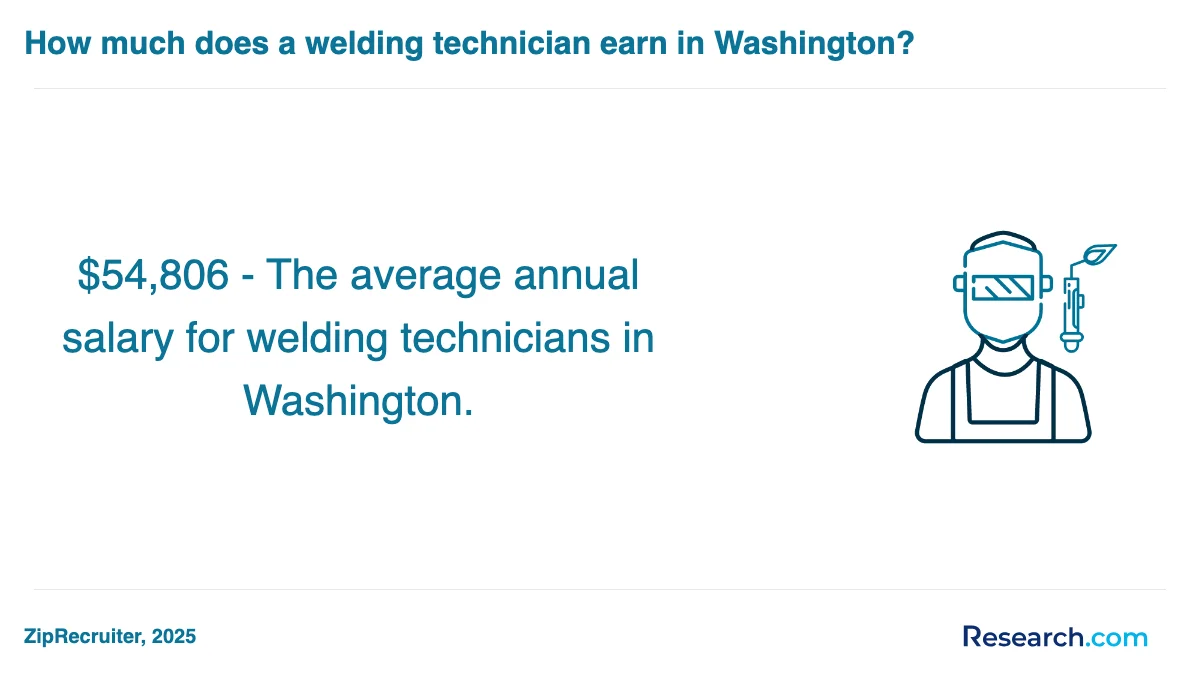
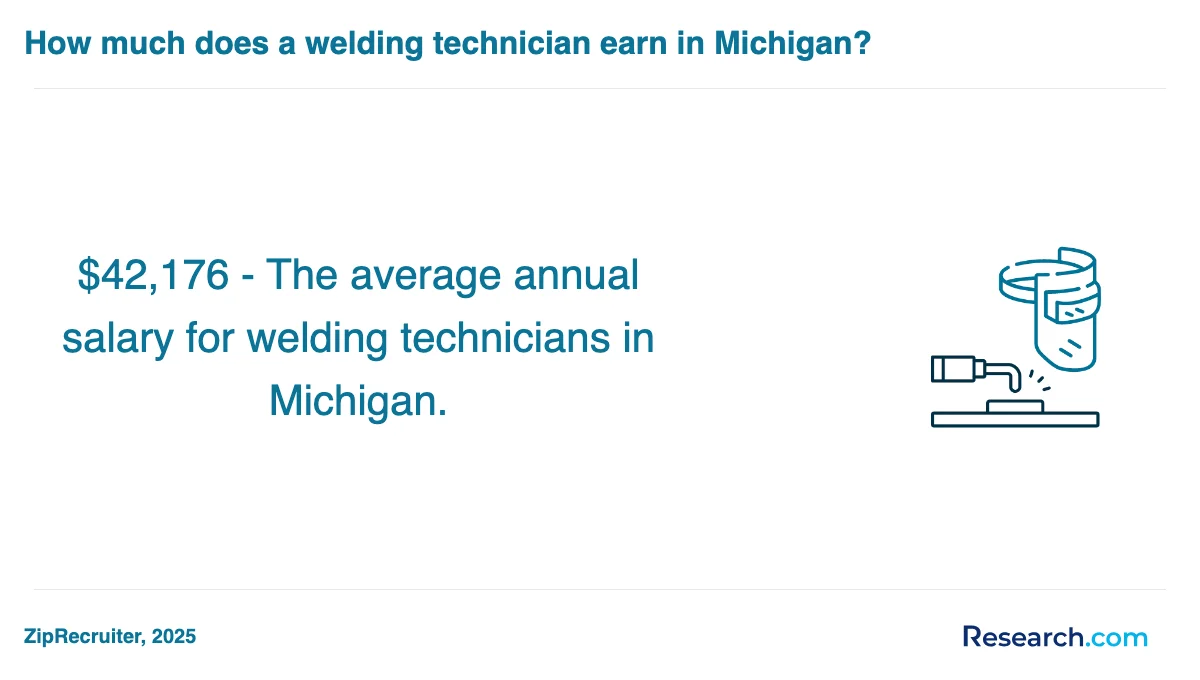
- Starting salaries for welders in Michigan typically range from $40,000 to $50,000 annually, with potential for higher pay as experience and certifications increase.
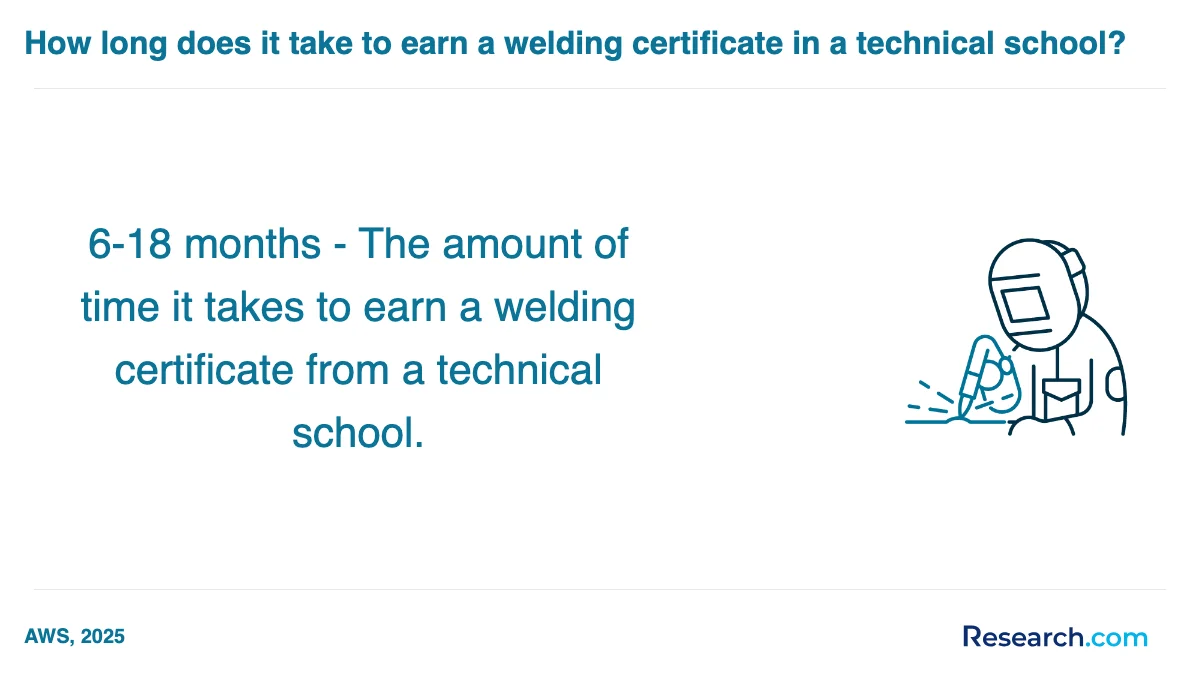
Completing a welder trade school program in Traverse City typically takes between six months and one year, depending on the intensity and structure of the course. Many students at popular local trade schools find that an immersive, hands-on curriculum accelerates their readiness to enter the workforce. One graduate shared how the focused training helped them gain confidence quickly, turning classroom theory into practical skills within a few months.
Trade schools in Traverse City often offer flexible schedules, allowing students to balance work or family commitments while pursuing certification. This adaptability means some learners complete their programs faster by dedicating full-time hours, while others take a bit longer but still feel motivated by steady progress. The common thread among graduates is a strong sense of accomplishment and excitement about starting a welding career shortly after finishing their program.
Imagine walking out of a well-equipped workshop after just nine months, welding torch in hand, ready to take on real-world projects. This achievable timeline makes welder trade schools in Traverse City an attractive choice for those eager to transform their passion into a profession without long delays.
The key difference between online and on-campus welder trade school programs in Traverse City lies in how you engage with the craft and the flexibility you need. Graduates from local schools often share how online programs offered them the freedom to balance welding studies with jobs or family, letting them complete coursework at their own pace from home. Yet, these students emphasize that real skill comes from hands-on practice, so even online learners must attend in-person labs or local training sessions to master welding techniques.
On the other hand, those who chose on-campus programs describe an immersive experience. They spent most of their time-sometimes 80% or more-in well-equipped labs practicing under expert guidance. The immediate feedback and structured environment helped many build confidence quickly, especially in popular Traverse City trade schools where day and evening classes fit diverse schedules.
Both paths lead to certification but offer distinct daily rhythms, making the choice deeply personal depending on how you learn and live.
The average cost of welder trade school programs in Traverse City can vary, but students often find that tuition fees at well-known institutions like Northwestern Michigan College (NMC) offer a clear financial outline. For those residing in Michigan, welding program tuition fees in Traverse City Michigan at NMC typically run around $8,280 per year for in-state students, while out-of-state learners might pay closer to $10,491. Graduates frequently recount how careful budgeting for these fees, paired with the relatively short program durations-ranging from one-year certificates to two-year associate degrees-makes the investment feel manageable and worthwhile.
Many welding students also share stories of the unexpected extra costs they faced, such as sourcing specialized books, supplies, and equipment-expenses that tend to add between $500 and $1,000 annually. While these add-ons may initially surprise new enrollees, the tangible skill-building they support often boosts confidence and excitement about entering the trade.
Financial aid opportunities also play a crucial role in making education more accessible. Grant programs and scholarships tailored to welding careers can ease the overall burden, encouraging more students to pursue these hands-on skills. The strong sense of community and practical learning environments that Traverse City trade schools offer frequently inspire students to push through challenges.
As many welding graduates emphasize, understanding the average cost of welder trade school in Traverse City upfront allows one to focus on the rewarding aspects of training and career growth. This approach aligns well with the importance of vocational training in building stable, high-demand careers without decades of debt or delay.
Students pursuing welding at Northwestern Michigan College in Traverse City often find relief through a mix of financial aid options that make training more accessible and less stressful. Many graduates recall how federal Pell Grants, which don't require repayment, covered significant portions of their tuition, easing the burden of upfront costs.
Others benefited from scholarships offered by the American Welding Society (AWS) Foundation, with awards ranging from $1,000 to $5,000. These scholarships, especially those from the local AWS District 11, have helped numerous students afford specialized certificate programs under two years, turning their welding ambitions into tangible skills without overwhelming debt.
Additionally, Michigan Works! stands out in Traverse City as a crucial ally, providing tuition assistance for welding students who demonstrate financial need and complete an aptitude assessment. Graduates often speak about how this support helped them cover not just tuition but also certification and book costs, making the path to welding certification smoother and more hopeful.
Finally, many students tap into institutional scholarships and work-study programs directly through their trade schools, often partnered with local employers eager to invest in the next generation of welders.
Enrolling in a welder trade school program in Traverse City usually means meeting a few key prerequisites that set you up for success right from the start. Most popular trade schools here expect you to have a high school diploma or GED, as this foundational knowledge ensures you can grasp the technical skills welding demands.
Graduates often share how their basic math skills-especially in geometry and algebra-became crucial when learning to measure and cut materials precisely. Schools may also require a physical fitness standard since welding involves standing for long periods and handling heavy equipment safely.
Here are some common prerequisites you'll encounter:
- High school diploma or equivalent
- Basic understanding of math and science concepts
- Ability to pass a physical or dexterity test
- Sometimes, a background check or drug screening
Many students recall how the requirement to pass an initial skills assessment felt challenging but rewarding, as it helped them identify areas to focus on early. Trade schools in Traverse City are known for supporting students through these steps, making the enrollment process clear and encouraging. This creates an empowering environment where you feel ready to tackle the hands-on learning ahead.
Welder trade school programs in Traverse City typically start with essential courses like Welding Theory I and Welding Lab I, where students learn the basics of welding equipment, safety protocols, and blueprint reading. Graduates often recall their first encounters with personal protective equipment-helmets, gloves, jackets-as eye-opening moments that cemented the seriousness and professionalism required in the trade.
As students grow more confident, they advance to courses such as Welding Theory II and Welding Lab II, focusing on specialized techniques like:
- Gas Metal Arc Welding (GMAW)
- Shielded Metal Arc Welding (SMAW)
- Gas Tungsten Arc Welding (GTAW)
- Flux Cored Arc Welding (FCAW)
In popular Traverse City programs, hands-on sessions challenge students to weld different metals, troubleshoot weld imperfections, and master precision-skills that graduates describe as both thrilling and empowering. Specialized courses in Oxy-Fuel Processes and Plasma Arc Cutting equip students with fabrication and repair techniques essential for real-world manufacturing and construction jobs.
Many also emphasize Welding Qualification Prep, where students practice for industry certification exams like those from the American Welding Society (AWS). Graduates often share how this prep builds confidence, turning classroom knowledge into career-ready skills that open doors locally and beyond.
Welding technology specializations in Traverse City are thoughtfully designed to equip students with skills that match precise industry demands. Graduates from well-regarded trade schools in the area often share how mastering diverse welding techniques has opened doors to fulfilling careers. Among the sought-after specializations are:
- Gas Metal Arc Welding (GMAW or MIG): Valued for its speed, ideal for automotive and manufacturing roles;
- Shielded Metal Arc Welding (SMAW or Stick): Perfect for rugged outdoor construction projects;
- Gas Tungsten Arc Welding (GTAW or TIG): Essential for high-precision work in aerospace and food industries;
- Flux Cored Arc Welding (FCAW): Preferred when working with thicker metals in variable environments;
- Oxy-Fuel Processes and Plasma Arc Cutting: Key skills for metal cutting, brazing, and fabrication shops.
Many Traverse City welder program certificate options include AWS Qualification Testing, which graduates highly recommend for boosting employer confidence. For those balancing work and study, local programs are complemented by online diploma courses with certificates, providing flexibility without sacrificing quality or recognition.
Choosing from the best welding programs in Traverse City requires prioritizing hands-on training and program reputation. Graduates from nearby institutions like Lake Michigan College often highlight the confidence gained through extensive lab time and exposure to modern welding techniques such as TIG and MIG. Their stories emphasize how well-equipped facilities and instructors with real industry experience make learning engaging and practical.
Many students aiming for top-rated welder training schools in Traverse City consider program length and job placement support crucial. For instance, alumni from Industrial Arts Institute share how a focused 19-week curriculum fast-tracked their certification and helped them quickly enter the workforce. Meanwhile, looking into schools that partner with local employers offers a tangible advantage for post-graduation opportunities, easing the transition from student to welder.
While choosing, reflect on your goals and lifestyle to balance intensity and depth of training. Understanding the differences between a trade program vs vocational program can also guide your decision, ensuring you select a path that suits both your career aspirations and learning preferences. Exploring these factors thoughtfully will help you find the right fit that feels as rewarding as it is strategic.
Welder trade school graduates in Traverse City find a variety of exciting welder job opportunities in Traverse City Michigan, stretching well beyond entry-level positions. Many graduates jump right into hands-on roles as MIG, TIG, stick, or structural welders, gaining valuable experience in repair welding, pipe welding, and working with carbon steel. These initial jobs often lead to specialties like pipe welding or custom metal fabrication, where precision and reading technical drawings become key skills employers seek.
Popular trade schools in the area give students a real-world foundation, preparing them for local employers such as Plamondon's Welding/Fab, which highlights fabrication and custom part creation. Graduates also share stories of moving into supervisory roles or project management, powered by Traverse City companies offering benefits like health insurance and 401(k) plans.
Career options expand into automotive repair, heavy equipment maintenance, and artistic metalwork-a testament to the diverse welding career paths Traverse City Michigan has to offer. Students looking for flexible learning might explore the most affordable welding trade school online options, blending convenience with strong local job connections.
The job market for welder trade school graduates in Traverse City is notably strong, with local listings regularly showing 16 to 33 open positions ranging from entry-level welding to advanced fabricator roles. Graduates from popular trade schools often share how the demand feels tangible the moment they start applying. Many discover that hands-on skills honed in classroom labs directly translate to job interviews and on-site evaluations, making the transition into the workforce smoother and more promising.
Welding career opportunities Traverse City offer competitive wages-typically $18 to $33 per hour-with annual salaries for experienced workers hitting $48,000 to $67,000. This range encourages graduates to see welding not just as a stepping stone but as a viable long-term career. Employers, including manufacturing and metal fabrication companies, emphasize certifications and practical experience gained through trade school programs.
Common success factors cited by recent graduates include:
- Completion of well-regarded local welding trade schools
- Hands-on, project-based training that reflects real job demands
- Active job market bolstered by construction, manufacturing, and repair industries
For those exploring flexible paths, options like the most affordable online maintenance technician training can complement welding skills and broaden career prospects. Overall, welders coming out of Traverse City's trade schools find themselves well-positioned to meet the ongoing regional demand with confidence and excitement.
Best Welding Training Programs & Trade Schools - Top Welding Schools in Traverse City for 2026
# 1 position
Northwestern Michigan College - Welding Technology/Welder.
associateNorthwestern Michigan College offers a Welding Technology/Welder program with a hybrid format that includes some distance education. The curriculum covers arc welding, resistance welding, brazing, soldering, high-energy beam welding, cutting, and welding metallurgy. Students learn about ferrous and non-ferrous materials, oxidation-reduction reactions, safety, structural design, and relevant codes and standards. The program is accredited by the Higher Learning Commission. Annual in-state tuition is $5,350.
# 2 position
Northwestern Michigan College - Welding Technology/Welder.
certificate or diplomaNorthwestern Michigan College offers a Welding Technology/Welder program with a hybrid format, including some distance-education options. The curriculum covers arc welding, resistance welding, brazing, soldering, cutting, and welding metallurgy, alongside safety and industry codes. The program prepares students to work with ferrous and non-ferrous materials and various welding processes. Annual in-state tuition is $5,350. It is accredited by the Higher Learning Commission.
Frequently Asked Questions about welder
After completing welder trade school in Traverse City, preparing for the job market involves several key steps. First, graduates should obtain industry-recognized certifications such as those from the American Welding Society (AWS), which enhance employability and credibility.
Networking is crucial; attending local industry events and connecting with employers in Traverse City's manufacturing and construction sectors can open job opportunities. According to the Michigan Department of Labor, welding jobs in the Grand Traverse region are expected to grow moderately through 2028.
Additionally, maintaining a strong resume with practical experience, including internships or apprenticeships completed during training, helps demonstrate readiness to employers. Job seekers should also leverage resources at local workforce centers for job placement assistance and training updates.
Employers in Traverse City prioritize several key skills when hiring graduates from welder trade schools. Proficiency in various welding techniques, including MIG, TIG, and stick welding, is essential. According to the U.S. Bureau of Labor Statistics, welders with certifications in multiple methods have better job prospects nationwide, a trend reflected locally.
Attention to detail and the ability to read blueprints accurately are also crucial. Employers expect graduates to ensure welds meet safety and quality standards, minimizing costly errors. Strong knowledge of safety protocols is mandatory, given the physical risks involved in welding.
Lastly, good communication skills and teamwork are valued, as many welders collaborate on construction or manufacturing projects. Industry reports from Michigan's Department of Labor highlight these as top attributes for Traverse City employers in 2023.
Finding internships relevant to welder trade school programs in Traverse City involves connecting with local employers and educational institutions. Many welding companies and manufacturing businesses in the region offer internship opportunities to students, providing hands-on experience essential for skill development.
Students should contact nearby community colleges or technical schools that partner with local industries. For example, Northwestern Michigan College often facilitates internship placements through its career services.
The Traverse City Area Chamber of Commerce also maintains a job board where welding internships may be posted. Networking through trade associations like the American Welding Society can uncover additional opportunities.
According to the U.S. Bureau of Labor Statistics, practical experience gained through internships significantly improves employment prospects in skilled trades, including welding.
Obtaining a welder trade school diploma in Traverse City significantly enhances career mobility and advancement opportunities. According to the U.S. Bureau of Labor Statistics, welders with formal training tend to earn 15% higher wages than those without credentials. In Traverse City, local employers often prefer candidates who have completed accredited welding programs, as these graduates demonstrate verified skills and safety knowledge.
The diploma also opens doors to specialized welding jobs in industries like manufacturing, construction, and automotive repair, which are growing sectors in the region. Additionally, trade schools frequently provide job placement assistance and apprenticeships, helping graduates enter the workforce quickly.
Such credentials are essential for advancing to supervisory or inspector roles, where employers require proof of technical expertise and certification. Data from the Michigan Works! agency highlights that welders with diplomas experience a 20% higher rate of promotion within five years compared to non-certified workers.
Part-time job opportunities in Traverse City that complement welder trade school education often include roles in manufacturing, metal fabrication, and construction support. These jobs provide practical experience with tools and materials welders commonly use. Local manufacturing firms and construction companies frequently seek part-time laborers and helpers to assist skilled welders, offering valuable on-the-job training.
According to the U.S. Bureau of Labor Statistics, welders in Michigan earn a median wage of about $20 per hour, but entry-level part-time positions may pay less. Additionally, roles such as metal shop assistants or maintenance helpers can help students develop skills relevant to welding.
Part-time work in Traverse City's seasonal industries, like boat repair and agricultural equipment maintenance, also offers hands-on learning opportunities aligned with welding trade skills.
To choose the best welder degree program near me, specifically near Traverse City, MI, consider factors such as accreditation, curriculum comprehensiveness, faculty expertise, and hands-on training opportunities. Research.com can be a useful tool to find and compare vocational colleges and technical schools offering welding programs in the area. Additionally, visiting campuses, talking to current students, and assessing job placement rates post-graduation can provide insights into the quality and relevance of the programs available.
- Welding training - Warsaw, Kraków, Wrocław, Łódź, Poznań https://kurso.eu/en/training-and-courses/welding-courses/welding/
- Welding & Trade School in the U.S. | Tulsa Welding School https://www.tws.edu/
- Welding Trade Schools: Ignite Your Future With Hands-On Training https://www.trade-schools.net/trades/welding
- Combination Welding Technology Program & Trade School | Apex https://apexschool.com/programs/combination-welding-technology/
- Best Welding Schools - Elite Welding Academy https://eliteweldingacademy.com/
- Welder https://www.sait.ca/apprenticeships-and-trades/programs/welder
- Home - GA Trade School https://www.georgiatradeschool.com/
- Welding | ontariocolleges.ca https://www.ontariocolleges.ca/en/programs/professions-and-trades/welding
- Finding the Perfect Welding Job After Technical School https://www.high.net/careers/blog/finding-perfect-welding-job-after-technical-school/
- How to find a Welding Job after Graduating Welding School? - YouTube https://www.youtube.com/watch