Best Welding Training Programs & Trade Schools - Top Welding Schools in Everett for 2026

Co-Founder and Chief Data Scientist
Choosing the right welder trade school in Everett is a big step toward a rewarding career. This article introduces a welder trade school programs ranking created by the Research.com team of data scientists to help you find the best options available.
By exploring this guide, you’ll gain valuable insights to make an informed decision about your education. Earning a diploma or certification in welding can open doors to steady jobs and professional growth.
Whether you’re just starting or looking to advance, this article is designed to support your journey with clear, trustworthy information.
Key benefits of finishing welder trade school in Everett
- Graduates from welder trade schools in Everett can expect strong earning potential, with average salaries around $32.91 per hour or about $68,460 annually, especially in fabrication roles.
- Career paths include fabrication welding, manufacturing, and specialized fields like nuclear welding, offering diverse opportunities for skilled graduates from popular local trade schools.
- Completing a welder trade school online provides flexibility and faster entry into the workforce, making it easier for students to balance life and training compared to traditional degrees.
- Best Welding Training Programs & Trade Schools - Top Welding Schools in Everett for 2026
- What can I expect from welder trade schools in Everett?
- Where can I work after finishing welder trade schools in Everett?
What can I expect from welder trade schools in Everett?
When you enroll in a welder trade school program in Everett, expect hands-on training that really prepares you for the job. Many students at places like Everett Community College dive into welding methods like SMAW, GMAW, and GTAW, working with materials such as mild steel and aluminum. Graduates often share how exciting it is to get real practice on the shop floor, cutting and welding just like they will on the job.
Besides welding techniques, you'll build skills in fabrication, pipefitting, and reading blueprints-things that make you confident tackling real-world projects. Classes typically last about six months, with day and evening options to fit your schedule. While weekend or online classes are rare, the focused approach helps you gain a certificate that's respected locally.
Many students appreciate the safety training and support services available, including help for English learners. Graduates often find jobs in manufacturing or construction and feel proud earning certifications like the WABO, which boost their career prospects around Everett.
Where can I work after finishing welder trade schools in Everett?
After finishing a welder trade school program in Everett, you'll find a solid job market waiting for you. Many graduates from popular local schools quickly land roles in manufacturing plants, construction sites, or metal fabrication shops. Imagine starting your day working as a TIG welder or fabricator at a busy aerospace company or a shipyard, where your skills keep important projects moving forward.
Some graduates share how they transitioned into specialized roles like pipe welding or structural welding, which are always in demand for big infrastructure jobs around Everett. Others enjoy the flexibility of working in repair and maintenance, whether at an automotive shop or as independent contractors, tailoring their schedules to their lifestyle.
There's even the chance to work for government agencies like the U.S. Department of Defense, which regularly hires welders for its Everett facilities-offering stable, long-term employment. The variety of options means you can find a path that fits your goals, whether you want hands-on shop work or more specialized welding careers.
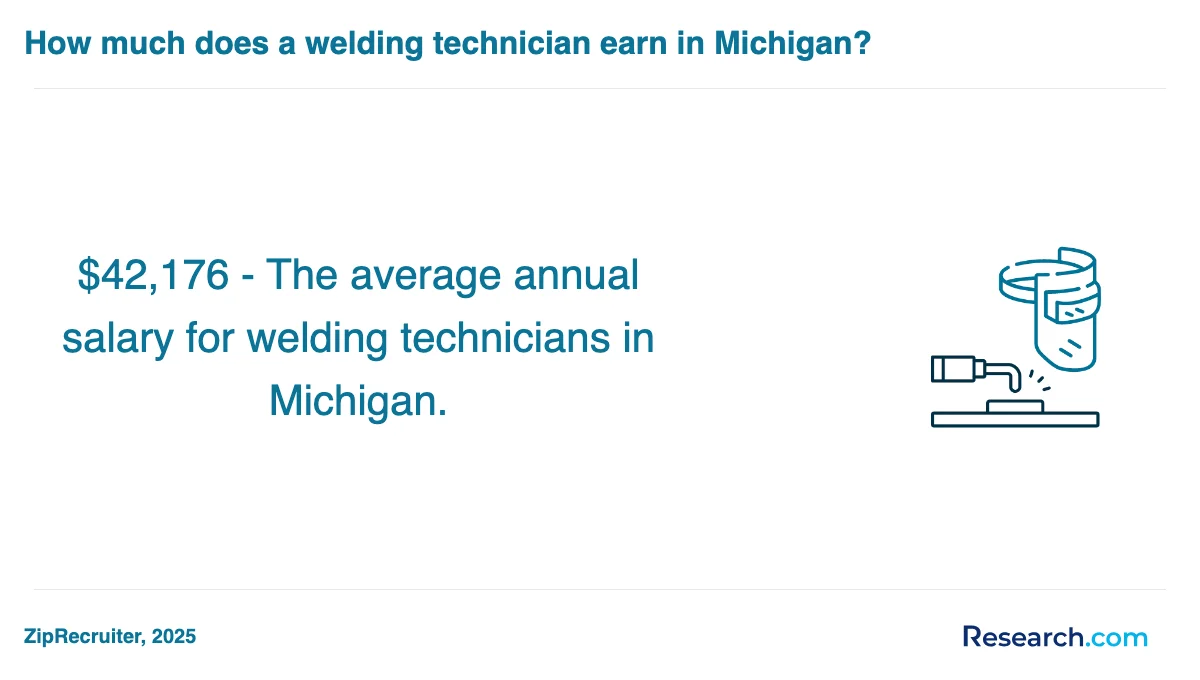
Graduates from welder trade schools in Everett often find themselves stepping into solid-paying jobs right after finishing their programs. Many report starting around $30 an hour, which adds up to about $64,000 a year if you're working full time. That's a pretty good paycheck for jumping straight into the workforce with hands-on skills.
For example, some recent grads who trained at well-known Everett schools landed jobs as fabrication welders making close to $62,500 annually. Others who chose manufacturing welding positions start a bit lower, around $52,000 a year, but with plenty of room to grow. Overtime is also a game-changer-some welders have told stories about pulling in an extra $6,000 or more annually from extra hours.
It's common to see hourly rates range from $20 up to $35, especially once you hit that journeyman level. So, if you enjoy working with your hands and are eager to build skills, welding in Everett can be a rewarding career both financially and personally.
- Welding programs in Everett teach major processes like SMAW, GMAW, FCAW, GTAW, OAC, and PAC, using materials such as mild steel, stainless steel, and aluminum.
- Classes are available during the day and evening, and apprenticeships combine part-time classes with full-time paid work, typically supporting 12-15 students per group.
- Students can earn state-recognized welding certifications at accredited sites, improving job prospects; some online courses offer foundational knowledge but no certification preparation.
- Program costs usually range from $5,000 to $15,000, but apprenticeships provide paid training that offsets expenses.
- Entry-level welders in Everett earn between $45,000 and $55,000 annually, while experienced welders with advanced certifications can make $65,000 to $80,000 or more.
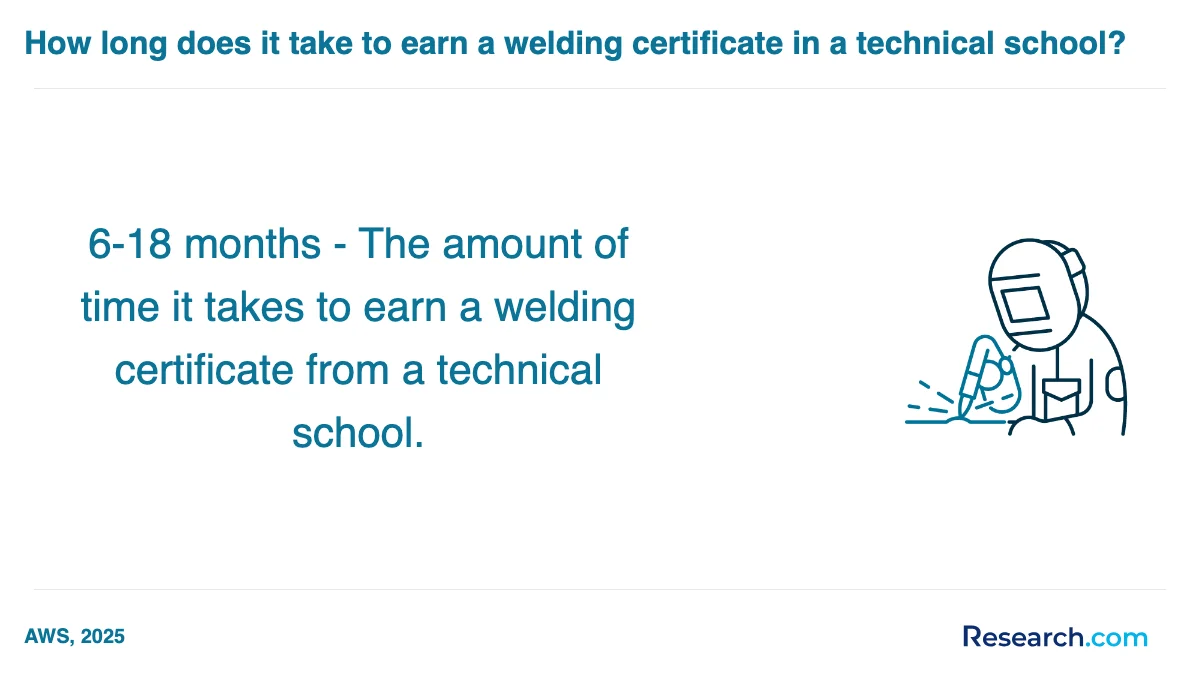
Completing a welder trade school program in Everett usually takes about 6 months to a year, depending on the school and the intensity of the course. Many graduates from popular Everett trade schools share that the fast-paced programs allowed them to jump into the workforce quickly without feeling overwhelmed. For example, some students enrolled in full-time schedules found themselves welding confidently in just half a year, while others who balanced part-time classes with work stretched their training closer to 12 months.
One common thread among these graduates is how hands-on and practical the programs are, making the time spent feel valuable and rewarding. Imagine spending your days learning actual welding techniques in well-equipped workshops, then finishing your day knowing you've built skills employers really want. This real-world approach keeps motivation high, and before you know it, you're ready to take certification tests and land your first welding job in Everett's robust industrial scene.
When comparing online and on-campus welder trade school programs in Everett, the biggest difference is hands-on practice versus flexibility. On-campus programs, like those at the Tulsa Welding School, give you plenty of time working directly with welding machines-graduates often say they spent around 80% of their time in labs, practicing techniques with instructors right beside them. This real-world experience builds confidence and skills that make job hunting smoother.
Online programs, on the other hand, are designed for people juggling work or family. You'll usually watch lectures and do assignments from home, but you still need to go to campus or partner sites for hands-on labs. Some graduates appreciate this hybrid style because it lets them learn theory on their own time while still getting some practical training.
Keep in mind, welding is very physical. Many employers in Everett want proof you've mastered the hands-on stuff, so pure online programs are rare and less common. If you enjoy learning by doing and want direct feedback, on-campus is often the way to go.
When looking into the average cost of welding programs in Everett Washington, many students find that tuition at places like Everett Community College (EvCC) typically runs around $5,400 total. This includes about $5,083 for tuition and approximately $347 in fees, making it a solid investment for a one-year certificate program covering all major welding techniques. Graduates often share how this affordable pricing, combined with hands-on training, makes pursuing a welding trade both accessible and rewarding.
Some students who enroll in the Entry Level Welder I-BEST program at EvCC appreciate that this two-quarter course blends welding skills with useful safety and blueprint reading lessons, even though tuition details aren't always clear upfront. Many of these learners mention feeling well-prepared and grateful for financial aid options that help ease the tuition fees for welder trade schools in Everett WA.
If you're exploring other options nearby, Bates Technical College and Big Bend Community College offer a range of program costs, generally between $3,300 and $13,500. Many who've attended these trade schools highlight that factoring in essentials like books and welding gear, which can add $500 to $1,000, is important to fully understand the total investment.
For those interested in finding more affordable programs or certifications that fit a budget, it's worth checking resources like affordable maintenance technician certification online. Graduates often say that proper planning around tuition and fees can make starting a welding career in Everett a very achievable goal.
If you're looking into welder trade schools in Everett, you'll find several financial aid options that can lighten the load. For example, many students at Everett Community College tap into federal aid like Pell Grants, which don't need to be paid back, or Federal Direct Student Loans. Some graduates share how these loans, averaging about $6,600 a year, helped them cover tuition without stress, even if it meant budgeting carefully after graduation.
Another great option for those without a high school diploma is the Ability to Benefit program. This lets you qualify for financial aid while enrolled in welding or fabrication programs, opening doors that might've felt closed before.
Local scholarships, like the Matsuo Bridge Company Ltd Scholarship, offer up to $2,500 to Washington students pursuing welding, which many find really helpful for buying supplies or easing tuition costs. Also, several Everett schools provide their own grants or work-study programs, making it easier to focus on learning without worrying too much about money.
Getting into a welder trade school in Everett usually means meeting a few straightforward prerequisites that set you up for success. Most schools expect you to have a high school diploma or GED-nothing too fancy, but it shows you're ready to commit. Some graduates recall how having basic math skills, especially in geometry and algebra, really helped them grasp welding techniques faster, like measuring angles and calculating material needs.
Here's what you can typically expect before enrolling:
- Proof of high school completion or GED
- Basic math proficiency, sometimes tested during application
- Physical ability to handle welding equipment and stand for long periods
- Some schools might ask for a brief interview or written statement about your interest
One Everett trade school grad shared that the friendly staff made the application process feel less intimidating, turning what seemed like a hurdle into an exciting first step. If you're eager to learn hands-on skills and join a supportive community, meeting these prerequisites is your gateway to a rewarding welding career right here in Everett.

Welding programs in Everett trade schools pack a lot into their courses, giving you hands-on skills and solid theory. Graduates often say they felt ready to jump into real-world jobs because the training covers all the essentials students need.
Typical courses include:
- All major welding processes like Shielded Metal Arc (SMAW), Gas Metal Arc (GMAW), and Flux-Cored Arc Welding (FCAW), plus cutting techniques like Oxy-Acetylene and Plasma Arc Cutting.
- Working with different metals such as mild steel, stainless steel, and aluminum, which makes you adaptable on any job site.
- Fabrication classes focusing on heavy plate, sheet metal, pipe systems, and structural steel, so you learn to build and fix complex metal projects.
- Blueprint reading, a skill grads highlight as crucial for understanding job specs and avoiding costly mistakes.
- Safety training like OSHA 30 and Industrial Safety courses, which graduates appreciate for preparing them to stay safe on the job.
Many students also benefit from extra support classes like English Language Acquisition and adult basic education, making the learning experience smoother. Plus, Everett Community College is a WABO testing site, so you can earn certifications right there, boosting your job prospects locally.
If you're diving into welder trade school specializations Everett offers, you'll find a range of focused training programs that really set you up for success. Many graduates from Everett Community College rave about mastering different welding styles like Shielded Metal Arc Welding (SMAW) and Gas Tungsten Arc Welding (GTAW). These skills come in handy whether you're working with mild steel or aluminum, and you even get to practice cutting with both hand and machine torches.
For those drawn to aerospace, EvCC's Aerospace Fabrication and Welding Certificate is a dream come true, designed to prepare you for precision work on aircraft - something recent grads say boosted their confidence in the job market.
Down in Kirkland, Lake Washington Institute of Technology brings in a big variety with specializations that include fabrication, pipe, and structural welding. Former students say this variety helped them decide what kind of welding career suits them best.
Plus, if you want to combine hands-on experience with classroom learning, programs like the Western Washington Sheet Metal JATC apprenticeship offer a perfect blend, especially for folks interested in sheet metal work and HVAC services. Getting into these programs feels like unlocking real-world skills quickly.
Looking to weigh your options? Understanding the differences between a vocation vs trade programs can help you pick the best path.
Choosing the best welding programs in Everett comes down to a few key things. First, check if the school is properly accredited-this ensures you get a solid education that employers respect. Many grads from Everett Community College rave about how the curriculum mixes classroom theory with hands-on welding practice in realistic lab settings. This balance is what really prepares you for the job.
Look for top-rated welder training schools in Everett that offer flexible schedules. Students juggling work and life appreciate options like day and evening classes, which make it easier to get certified without stress. Plus, having experienced instructors who share real industry tips makes all the difference in feeling confident on your welding path.
Don't forget to consider schools with strong industry connections. Graduates often mention how these links open doors for job placement after finishing their program. If you want to explore quick-to-learn trade jobs that pay the most, this networking can be a game changer for your career.
Graduates from welder trade schools in Everett often find themselves stepping into a variety of exciting roles across the local job market. Many jump right into welding jobs in Everett WA at manufacturing and repair shops where they assemble and maintain metal products daily. Others land positions in the shipbuilding industry, working on marine vessels at places like the Puget Sound Naval Shipyard-a real hands-on experience that many grads talk about as rewarding and challenging.
Construction is another hot spot for welding careers in Everett. Graduates often find themselves welding everything from structural beams for new buildings to pipelines under tight deadlines. Some graduates share how operating CNC machines for precision welding gave them a tech-savvy edge on the job.
For those wanting to climb higher, jobs in aerospace or inspector roles offer growth and better pay. Many graduates saw success by getting certified through local programs, including perks like pipeline welding and leadership positions. If you're curious, check out the cheapest online welding trade school programs to get started on your path toward these exciting Everett welding career opportunities.
The welder job market Everett 2026 is looking great, especially for those graduating from local trade schools. Many graduates share stories of landing solid gigs quickly, thanks to Everett's bustling manufacturing and aerospace sectors. With over 50 welding jobs in Everett WA available, including roles like TIG and MIG welders, there's plenty of opportunity for new welders to jump right into the workforce. Popular welding trade schools here prepare students not just with skills but also with certifications that local employers, like Boeing, highly value.
Job seekers often find themselves choosing from different industries such as:
- Aircraft assembly and maintenance
- Shipbuilding and repair
- Construction projects
- Fabrication shops
Wages are competitive, ranging from $19 to $40 per hour, reflecting both entry-level and experienced positions. Graduates often mention how this mix of steady demand and good pay keeps them motivated and confident about their career path in welding. If you're curious about why skilled trades are booming nationally, check out this resource on the top trades in demand. Studying welding in Everett definitely sets you up for a rewarding and stable job market.
Best Welding Training Programs & Trade Schools - Top Welding Schools in Everett for 2026
# 1 position
Everett Community College - Welding Technology/Welder.
associateEverett Community College offers a Welding Technology/Welder program with a hybrid format that includes some distance education options. The program trains students in various welding techniques such as arc welding, resistance welding, brazing, and cutting, alongside welding metallurgy and safety standards. Annual in-state tuition is $4,301. Graduates have median earnings of $33,446 one year after completing the program. The college is accredited by the Northwest Commission on Colleges and Universities.
# 2 position
Everett Community College - Welding Technology/Welder.
certificate or diplomaEverett Community College offers a Welding Technology/Welder program with a hybrid format, including some distance-education options. The curriculum covers arc welding, resistance welding, brazing, soldering, cutting, and welding metallurgy. Students learn about ferrous and non-ferrous materials, structural design, safety, and applicable codes. Annual in-state tuition is $4,301. Graduates have median earnings of $33,446 one year after completion. The program is accredited by the Northwest Commission on Colleges and Universities.
Frequently Asked Questions about welder
After completing welder trade school in Everett, preparing for the job market involves several key steps. First, graduates should obtain relevant certifications such as the AWS (American Welding Society) Certified Welder credential, which is highly regarded by employers nationwide. In Everett and the greater Snohomish County area, demand for skilled welders is projected to grow by 5% through 2030, according to the Washington State Employment Security Department.
Networking is also vital. Joining local trade unions and attending industry job fairs can connect graduates with employers actively hiring welders. Additionally, creating a professional resume highlighting hands-on experience gained during training improves employability. Many trade schools in Everett offer job placement assistance, which can be an important resource for new welders entering the workforce.
Employers in Everett seek welder trade school graduates with strong technical skills in various welding methods, including MIG, TIG, and stick welding. Proficiency in reading blueprints and welding symbols is crucial, as it ensures accurate fabrication and repair. According to the Washington State Department of Labor & Industries, welders with comprehensive hands-on training are 30% more likely to secure jobs quickly in the local market.
Attention to safety protocols is another key skill, given the hazards associated with welding. Employers also value problem-solving abilities and adaptability, as welders often work with different metals and machinery. Communication skills and teamwork are important since many projects require collaboration.
Finding internships in Everett related to welder trade school programs involves a few strategic steps. Start by contacting local welding schools, as many have partnerships with nearby businesses offering hands-on internship opportunities. The Washington State Department of Labor & Industries often lists registered apprenticeship programs, which combine paid work and classroom learning essential for welders.
Networking through local trade unions like the International Brotherhood of Boilermakers or the Pipefitters Union can also provide leads on internships. Additionally, Everett's industrial base, including shipbuilding and manufacturing sectors, frequently seek welding interns.
The Washington State Employment Security Department reports steady demand for welders in Snohomish County, making internships viable pathways to employment.
Obtaining a welder trade school diploma in Everett significantly enhances career mobility and advancement opportunities. According to the Washington State Employment Security Department, welders with formal training earn on average 15-20% more than those without certification. A diploma demonstrates mastery of essential skills such as MIG, TIG, and stick welding, making graduates more competitive in the local job market.
Employers in Everett's growing manufacturing and shipbuilding sectors often prefer candidates with accredited trade school credentials. The diploma also facilitates access to specialized certifications like AWS (American Welding Society), which further boost employability and wage potential.
Trade school graduates benefit from established industry connections and apprenticeship placements, accelerating their career progression and opening doors to supervisory roles.
Students enrolled in welder trade schools in Everett can benefit from part-time jobs that provide relevant hands-on experience. Entry-level welding assistant roles in local manufacturing or shipbuilding companies are common and offer practical skills alongside classroom learning.
Additionally, positions such as metal fabrication helpers or maintenance workers in construction firms help students develop familiarity with tools and safety protocols. According to the U.S. Bureau of Labor Statistics, Everett's manufacturing sector employs numerous welders, supporting part-time opportunities.
Retail jobs at hardware stores or suppliers specializing in welding equipment can also complement education by enhancing material knowledge. These roles enable students to balance work and study while building industry connections.
There are several welding degree and certification programs near Everett, WA, offered by community colleges and technical institutes. These programs provide hands-on training and foundational knowledge in welding technology, preparing students for careers in various industries. To find the best welder degree program near me, consider exploring options through resources like Research.com, which can guide you toward reputable institutions in the area.
- Welding and Fabrication | Everett Community College https://www.everettcc.edu/programs/prof-tech-ed/welding-fabrication
- Online Welder Technician from Everett Community College https://careertraining.ed2go.com/everett/training-programs/welding-technician/
- Welding Trade Schools in Everett, WA - Welder Training https://weldingcareernow.com/welding-schools/everett-wa
- Sno-Isle TECH - Welding & Metal Fabrication https://sc.mukilteoschools.org/36897_3
- Best Welding Schools in Seattle, Washington | How to Become https://toptradeschools.com/near-you/welder/washington/seattle/
- Workforce Training | Snohomish County, WA - Official Website https://snohomishcountywa.gov/2195/Workforce-Training
- 5 Common Challenges in Combination Welding and How to Overcome Them - South Texas Vocational Technical Institute https://www.stvt.edu/5-common-combo-welding-challenges/
- High school students report challenges in accessing skilled trades training https://www.k12dive.com/news/high-school-students-report-challenges-accessing-skilled-trades-training/733627/
- Challenges & Rewards of Welding: Is It a Tough Trade? https://www.redriver.team/is-welding-a-tough-trade-demystifying-the-challenges-and-rewards/
- The Future of the Welding Industry | My Vocational Training https://myvocationaltrainingaz.com/blog/the-future-of-the-welding-industry/