Best Electrical Technician Training Programs & Trade Schools - Top Electrical Tech Schools in Fayetteville for 2026

Co-Founder and Chief Data Scientist
Choosing the right electrician trade school in Fayetteville can shape your future career and open doors to rewarding opportunities. This article introduces a carefully crafted electrician trade school programs ranking developed by the Research.com team of data scientists to guide you in making an informed decision.
Whether you aim to earn a diploma or certification, understanding which programs stand out will help you invest your time and effort wisely. Explore the best options available and take a confident step toward a skilled, reliable profession that offers growth and stability.
Key benefits of finishing electrician trade school in Fayetteville
- Graduates from electrician trade schools in Fayetteville can expect competitive salaries, with average annual earnings ranging from $46,060 to $80,040 depending on experience and specialization.
- Career paths for graduates include roles as industrial electricians earning up to $100,600 annually or commercial journeyman electricians making about $54,007 per year, offering diverse opportunities to grow.
- Completing an electrician trade school online provides flexibility and faster completion times, as experienced by many Fayetteville students, making it easier to start earning sooner compared to traditional degrees.
- Best Electrical Technician Training Programs & Trade Schools - Top Electrical Tech Schools in Fayetteville for 2026
- What can I expect from electrician trade schools in Fayetteville?
- Where can I work after finishing electrician trade schools in Fayetteville?
What can I expect from electrician trade schools in Fayetteville?
Students enrolled in electrician trade school programs in Fayetteville can expect a dynamic blend of classroom instruction and hands-on training. For example, graduates from NorthWest Arkansas Community College and the Arkansas College of Electricity describe spending around 144 hours each year in class learning to read blueprints, understand electrical codes, and master safety protocols.
Alongside this, they complete approximately 2,000 hours of on-the-job training under licensed electricians, gaining real-world experience that builds confidence and practical skills. Many recall moments of working directly on residential or commercial wiring projects, which made the theory come alive and prepared them for the demands of the trade.
Admission typically requires a high school diploma or GED, with some programs also asking for algebra proficiency. Students receive an apprenticeship license, enabling them to work legally while training.
Financial aid and supportive student services, including counseling and Spanish-language assistance, help ease the journey. Graduates feel proud and ready when qualifying to take the Journeyman Electrician Exam after completing 576 classroom hours and 8,000 OJT hours.
Where can I work after finishing electrician trade schools in Fayetteville?
Graduates of electrician trade school programs in Fayetteville often find a variety of rewarding employment opportunities across residential, commercial, and industrial sectors. Many begin as apprentice electricians, gaining hands-on experience with local electrical contractors, construction companies, and utility providers. These roles allow graduates to build practical skills under supervision while earning competitive wages and benefits, as reported by apprentices working with organizations like Ozarks Electric Cooperative.
With experience, graduates typically advance to journeyman electrician positions, where they work independently on complex projects such as troubleshooting and system installations. Employers like Bud Anderson Home Services frequently hire journeymen, offering benefits like health insurance and retirement plans. Graduates feel a strong sense of accomplishment as they take on greater responsibility and develop expertise.
Service electrician roles present further career growth, often with earning potential between $80,000 and $120,000 annually. These positions involve diagnosing and repairing electrical issues, frequently with flexible schedules and bonus opportunities. Fayetteville trade school alumni appreciate the local demand for skilled electricians, which supports a broad range of career paths including self-employment after licensing.
After completing an electrician trade school program in Fayetteville, graduates typically earn between $46,060 and $80,040 per year, reflecting varied experience and specialization. Many recent graduates report starting wages near the lower end of this range, with apprentices earning around $21.87 per hour. As they gain hands-on experience through local trade schools, such as those well-known in Fayetteville, their hourly wages rise accordingly.
Graduates often share how their skills quickly translate into opportunities, moving from entry-level tasks to more complex electrical work. Fully licensed electricians in Fayetteville report hourly earnings between $28.29 and $32.28, equating to roughly $58,000 to $67,000 annually without overtime.
Specializing as an industrial electrician can increase earnings further, with average salaries around $73,900 per year and hourly rates reaching $37.40. Many graduates express satisfaction with overtime pay, which can add nearly $9,438 annually, significantly boosting income. These real-world examples from Fayetteville trade schools demonstrate strong financial growth prospects after graduation.
- Electrician trade school programs in Fayetteville can be completed in as little as 10 months with flexible rolling enrollment options.
- Programs include about 50 credit hours and combine classroom instruction with hands-on training for residential and commercial work.
- Most programs do not require prior electrical experience and cover topics like the National Electrical Code, wiring, and electrical safety.
- The average cost ranges from $2,500 to $4,500, with some schools offering financial aid or scholarships.
- Entry-level electricians in North Carolina typically earn just under $50,000 per year, with salaries increasing as experience grows.
Completing an electrician trade school program in Fayetteville typically takes between 9 months and 18 months, depending on the specific school and course intensity. Many graduates from well-regarded Fayetteville trade schools share that an accelerated program, often lasting about one year, allowed them to quickly gain both theoretical knowledge and hands-on skills, enabling them to enter the workforce faster while feeling confident in their abilities.
Other students choose extended programs that span closer to 18 months, appreciating the extra time to absorb complex electrical concepts and complete extensive practical training. This approach often fits those balancing school with part-time work or family commitments, providing a manageable pace without sacrificing quality.
Popular Fayetteville trade schools emphasize real-life applications, such as wiring typical residential homes or troubleshooting commercial electrical systems, which graduates find highly rewarding. Many recall the excitement of their first solo project during their final months, a milestone that solidified their readiness for a professional electrician career.
Online and on-campus electrician trade school programs in Fayetteville differ mainly in how they deliver instruction and practical training. Graduates of on-campus programs often praise the hands-on workshops and labs, which are vital for mastering electrical skills needed for licensure. These programs provide a structured schedule and face-to-face interaction with experienced instructors, fostering a strong sense of community and immediate feedback. For example, many students appreciate access to campus resources like specialized equipment and career counseling, which help build confidence and professional networks.
In contrast, online programs offer flexibility that suits those juggling work or family commitments. Fayetteville students who choose online courses enjoy studying at their own pace from home but often find the lack of in-person labs a challenge. They usually need to arrange separate apprenticeships to fulfill practical requirements. While some value the convenience and lower costs of online learning, they emphasize the need for strong self-discipline and motivation to stay on track without direct supervision.
Hybrid options attempt to blend these benefits, combining online theory with essential in-person labs to meet Arkansas licensure standards.
The average tuition fees for electrician programs in Fayetteville vary depending on the type and length of the trade school program. Certificate programs often cost between $1,500 and $7,000, appealing to students seeking a shorter training period with focused skills. Graduates from these programs report a strong sense of accomplishment and readiness to enter the workforce quickly, highlighting the value of an efficient education. For those pursuing an associate degree, the cost typically ranges from $5,000 to $15,000 for in-state students. This investment reflects the more in-depth training and broader knowledge base, with many students appreciating the comprehensive curriculum provided by local institutions.
When considering the full cost of electrician trade school in Fayetteville, it is important to factor in additional expenses such as books, tools, and materials, which can add roughly $500 to $1,500. Many graduates recount how acquiring high-quality tools early on boosted their confidence and practical skills during apprenticeships and initial job assignments. Apprenticeship programs, which combine classroom learning with paid fieldwork, offer another affordable and effective path. For example, Arkansas State University's apprenticeship program costs about $260 annually and includes extensive hands-on training, a balance that many find motivating and rewarding.
Students looking to expand their qualifications might explore related fields, such as wind turbine technician certification, to increase job opportunities and skill diversification. Fayetteville residents interested in such prospects can check out wind turbine technician certification programs for additional pathways. Understanding the cost of electrician trade school programs in Fayetteville helps prospective students set realistic expectations and financial plans to successfully enter this in-demand trade.
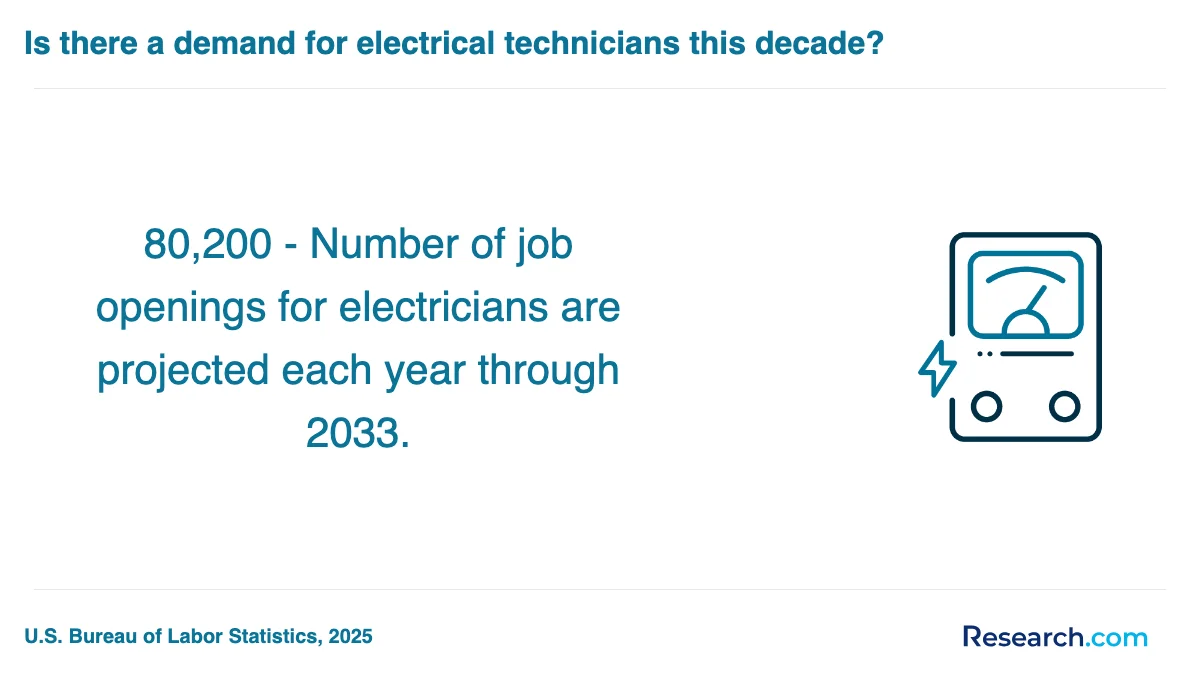
Electrician trade school students in Fayetteville often rely on the Free Application for Federal Student Aid (FAFSA) to access essential financial support. Submitting the FAFSA online is the first step to qualifying for federal Pell Grants, which can provide up to $7,395 annually without the need for repayment. This grant is a lifeline for many students facing financial challenges while attending schools like Fayetteville Technical Community College (FTCC).
North Carolina state grants further assist residents who demonstrate financial need, helping reduce tuition burdens. Graduates from local programs frequently share how these grants made their education affordable and less stressful.
Institutional scholarships also play a significant role. For instance, Miller-Motte College offers "Empowering Equality in Trade Professions" scholarships of $2,500, awarded to promising electrician students who meet academic and application criteria. These scholarships are distributed throughout the program, easing ongoing expenses.
Apprenticeship programs partnered with employers or unions can cover tuition or provide stipends, offering hands-on experience while alleviating costs. Many Fayetteville students find this combination of aid crucial to completing their training and entering the workforce confidently.
To enroll in an electrician trade school program in Fayetteville, candidates typically need to meet several key prerequisites designed to ensure readiness and success. Most schools require applicants to have a high school diploma or GED, as foundational knowledge in math and science is essential for understanding electrical concepts and codes.
Beyond academic credentials, aspiring electricians often must:
- Pass a basic aptitude test focused on math, reading comprehension, and mechanical reasoning to demonstrate problem-solving skills.
- Provide proof of age, usually 18 years or older, to comply with apprenticeship regulations and safety standards.
- Submit a valid driver's license or state ID, as many Fayetteville trade schools expect students to commute to job sites for hands-on experience.
- Complete a physical fitness assessment or meet health requirements since the work demands stamina and dexterity.
Graduates from Fayetteville trade schools often recall how these prerequisites prepared them well, making the classroom material more accessible and the practical training more rewarding. One graduate shared that meeting the math requirements upfront boosted their confidence, helping them excel during wiring labs and on-the-job training. Another pointed out that having clear health and safety standards ensured a smooth transition into physically demanding roles, making the entire learning process feel manageable and motivating.
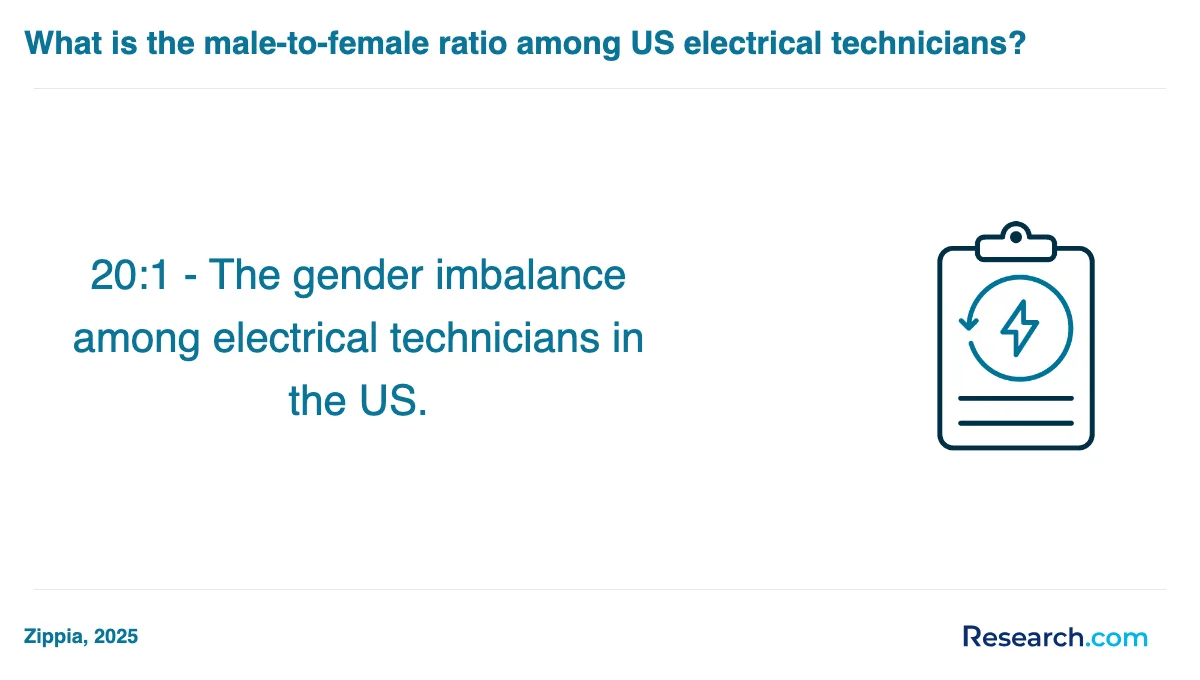
Electrician trade school programs in Fayetteville typically include a well-rounded set of courses that combine theory with practical skills. Graduates from schools like Miller-Motte College and Fayetteville Technical Community College often highlight how foundational classes in basic electrical theory-covering AC/DC currents, voltage, resistance, and safety-helped them confidently understand real-world electrical systems.
Students progress to hands-on training in wiring practices, learning to install and troubleshoot electrical systems following the National Electrical Code. This prepares them to handle residential and commercial projects safely and accurately.
Key courses include:
- Electrical safety, emphasizing OSHA standards, arc flash prevention, and proper tool usage-critical for protecting oneself on the job;
- Specialized training in commercial and industrial systems, such as motor controls and programmable logic controllers, broadening career opportunities;
- Practical labs and simulated jobsite experiences, allowing students to practice wiring and troubleshooting under expert supervision.
Many Fayetteville graduates recall how the combination of classroom knowledge and hands-on practice made them feel prepared and confident entering the workforce.
Electrician training programs in Fayetteville NC provide diverse specializations to prepare students for multiple career pathways. At Fayetteville Technical Community College (FTCC), graduates recall comprehensive coursework in AC/DC theory, programmable logic controllers, and industrial motor controls. These specializations empower students to confidently handle real-world electrical challenges, from residential wiring to industrial systems.
FTCC's associate degree, diploma, and certificate options allow students to focus on key areas such as National Electric Code applications and photovoltaic systems - an appealing choice for those excited about renewable energy careers. Meanwhile, Miller-Motte College's electrical program highlights practical skills favored by employers, including conduit bending, pipe threading, and troubleshooting circuits. Graduates appreciate the swift, 10-month curriculum that balances classroom learning with hands-on training, helping them quickly enter the workforce.
Many find that combining these programs with specialized courses like FTCC's Electrical Lineworker training, which includes OSHA and CPR certifications, enhances professional readiness and safety awareness. For students interested in advancing quickly within electrical trades, exploring options aligned with the cheapest accelerated wind turbine technician training programs online can also be beneficial.
When selecting from the best electrician trade schools in Fayetteville, focus on programs that combine strong theory with extensive hands-on training. Graduates from Fayetteville Technical Community College often praise its balance of classroom instruction and real-world electrical installations, which boost confidence when entering the workforce. Other graduates from Miller-Motte College highlight the program's efficient 10-month timetable, helping students quickly gain relevant skills like conduit bending and troubleshooting.
To choose electrician trade programs in Fayetteville wisely, verify accreditation to ensure the curriculum meets industry standards, which safeguard your education quality and job prospects. Practical experience through labs or apprenticeships is vital; students who engage deeply in hands-on learning report feeling prepared and motivated.
Consider financial aid options early, as many students benefit from grants and scholarships available at local schools. Additionally, understanding the future demand for electricians can motivate your decision-explore projections like those for electrical engineer job growth to gauge career stability and advancement potential in the field.
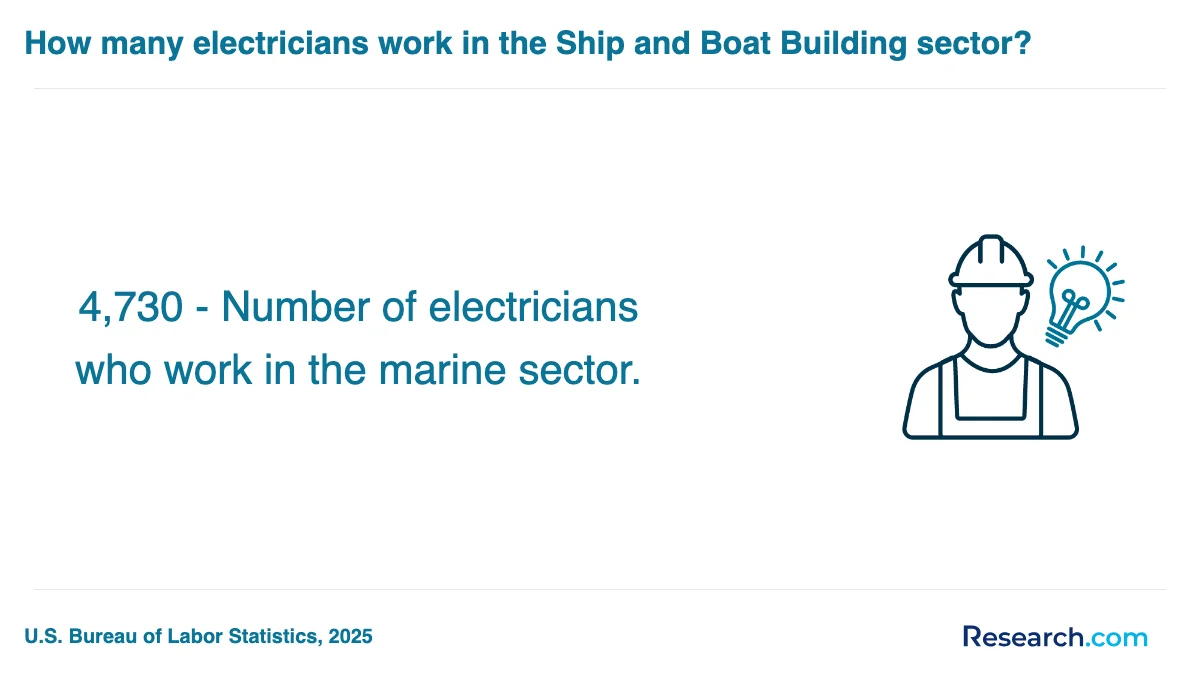
Graduates of electrician trade school programs in Fayetteville find diverse electrician career opportunities in Fayetteville AR across residential, commercial, and industrial sectors. After completing an accredited apprenticeship-typically 576 hours of classroom instruction paired with 8,000 hours of hands-on training-graduates qualify for the Arkansas Journeyworker Electrician license, a vital credential for career advancement.
Many new electricians begin as Journeyman Electricians, performing electrical installation, troubleshooting, and system maintenance in homes and businesses. Residential Electrician roles offer specialization in wiring new homes and upgrading panels, with companies like Mr. Electric providing clear paths to leadership roles such as team lead or trainer.
Apprenticeship electrician jobs Fayetteville Arkansas often lead to industrial electrician positions maintaining complex machinery and control systems in factories. Graduates also pursue careers as Alarm Technicians or Electrical Service Technicians, focusing on security system installations and maintenance. Success stories from graduates of popular trade schools highlight the rewarding and steady demand for skilled electricians in Fayetteville.
For those exploring training options, trade schools that offer electrician programs provide essential hands-on experience and credential preparation, helping students enter this robust job market with confidence.
The job market for electrician trade school graduates in Fayetteville is strong and welcoming, with numerous electrician job openings in Fayetteville AR across multiple sectors. Graduates from popular local trade schools frequently share experiences of quickly securing apprenticeships or entry-level positions due to ongoing high demand. Employers ranging from residential service companies to large commercial contractors actively seek qualified candidates, offering competitive pay and attractive benefits.
For those wondering about the average electrician salary in Fayetteville Arkansas, starting salaries often range from $60,000 to $80,000 annually, with the potential to exceed $120,000 through commissions and bonuses. Career advancement paths are versatile, including specializing in residential, commercial, or industrial work, each presenting different challenges and rewards. Graduates appreciate that their training prepares them for diverse real-world scenarios such as installing electrical systems for new housing developments or troubleshooting industrial equipment.
Additional benefits include:
- Relocation assistance and flexible schedules
- Health insurance, paid time off, and retirement plans
- Opportunities to work with reputable companies like Bud Anderson Home Services and Mr. Electric
For those curious about career progression and requirements, Fayetteville electricians also benefit from resources detailing the electrical lineman job requirements, which supports informed career planning in the region.
Best Electrical Technician Training Programs & Trade Schools - Top Electrical Tech Schools in Fayetteville for 2026
# 1 position
Fayetteville Technical Community College - Electrician.
associateThe Electrician program at Fayetteville Technical Community College offers a hybrid format with some distance-education options. It prepares students to install, operate, maintain, and repair electric apparatus and systems across residential, commercial, and industrial settings. The curriculum covers electronics, electrical systems, safety, wiring, power transmission, job estimation, and applicable codes. Annual in-state tuition is $2,628. The program is accredited by the Southern Association of Colleges and Schools Commission on Colleges.
# 2 position
Fayetteville Technical Community College - Electrician.
certificate or diplomaThe Electrician program at Fayetteville Technical Community College offers a hybrid format with some distance-education options. It prepares students to install, operate, maintain, and repair electrical systems including residential, commercial, and industrial wiring. The curriculum covers electronics principles, electrical testing, safety, job estimation, and relevant codes. Annual in-state tuition is $2,628. The program is accredited by the Southern Association of Colleges and Schools Commission on Colleges.
Frequently Asked Questions about electrician
After completing electrician trade school in Fayetteville, preparing for the job market involves several key steps. First, obtaining proper licensing is essential. In North Carolina, electricians must pass the state licensing exam to work independently, so graduates should schedule this exam promptly.
Next, gaining practical experience through apprenticeships or entry-level positions can significantly improve employability. Local unions and contractors in Fayetteville often offer apprenticeship programs that combine paid work with additional training.
Networking is also important. Joining professional organizations like the National Electrical Contractors Association (NECA) can connect graduates with job opportunities.
Finally, staying updated on industry standards and safety regulations is critical, as employers prioritize candidates familiar with the latest electrical codes and technologies.
Employers in Fayetteville highly value electrician trade school graduates who demonstrate strong technical skills, including the ability to read blueprints and electrical schematics accurately. According to the U.S. Bureau of Labor Statistics, practical knowledge of electrical codes and safety standards is essential for job success. Graduates must also show proficiency in installing, maintaining, and troubleshooting electrical systems.
In addition to technical expertise, employers look for good problem-solving abilities and attention to detail to prevent costly errors. Communication skills are important, as electricians often work in teams and must explain issues clearly to clients and supervisors. Practical experience gained through internships or apprenticeships is frequently preferred by local employers.
Finding internships in Fayetteville related to electrician trade school programs involves several strategic steps. Start by contacting local trade schools, as many maintain partnerships with businesses and union chapters that offer internship opportunities. The Fayetteville Regional Workforce Development Board also lists apprenticeships and internships in skilled trades, including electrical work.
Additionally, exploring union apprenticeship programs such as those with the International Brotherhood of Electrical Workers (IBEW) Local 71 can provide structured internship experiences. According to the U.S. Department of Labor, union apprenticeships often combine paid work with classroom instruction, benefiting students financially and educationally.
Networking with local contractors and electricians via job fairs or industry events in Fayetteville can uncover unadvertised internships. Online platforms like the Arkansas Department of Workforce Services further support job seekers with listings specific to the Fayetteville area.
Obtaining a diploma from an electrician trade school in Fayetteville significantly enhances career mobility and advancement opportunities. According to the U.S. Bureau of Labor Statistics, electricians with formal training have a faster job placement rate and higher earning potential than those without. In Fayetteville, the demand for skilled electricians is growing due to ongoing construction and infrastructure projects, which increases job availability for certified graduates.
Trade school diplomas provide essential hands-on training and knowledge that employers in Fayetteville prioritize during hiring. Graduates often qualify for apprenticeships, which are crucial for gaining licensure and advancing to higher-paying positions.
Moreover, a diploma can open doors to supervisory roles or specialized electrical fields, such as industrial or residential systems, expanding career pathways locally.
Part-time jobs in Fayetteville that complement electrician trade school education often include roles such as electrical helper, maintenance assistant, or apprentice electrician. These positions provide hands-on experience with wiring, tools, and safety protocols, which align closely with classroom learning. According to the U.S. Bureau of Labor Statistics, Fayetteville has a steady demand for electricians, with an expected growth rate of 8% nationally through 2031, indicating ample opportunities for practical training.
Local construction companies and electrical contractors frequently hire part-time workers to assist on job sites, offering exposure to real-world electrical systems. Additionally, retail positions in hardware stores can help students learn about electrical components and customer service.
To find the best electrician degree programs near you, including those near Fayetteville, NC, you can consider checking local community colleges and technical schools, which often offer certificate and associate degree programs in electrical technology. These programs typically provide both theoretical knowledge and practical skills essential for becoming a licensed electrician. Resources like Research.com can help identify and compare programs to determine which might be the best fit for your needs.
- A Guide to Skilled Trades Apprenticeships and Internships | BestColleges https://www.bestcolleges.com/trades/guide-to-skilled-trades-apprenticeships-internships/
- Essential Requirements for Electrician Apprenticeship Applications: What You Need to Know Before You Apply - InterCoast Colleges https://intercoast.edu/articles/essential-requirements-for-electrician-apprenticeship-applications-what-you-need-to-know-before-you-apply/
- Electrical Apprenticeships Near You | IECI https://ieci.org/apprenticeship/
- Apprenticeship Finder | Apprenticeship.gov https://www.apprenticeship.gov/apprenticeship-job-finder
- Do Employers Offer Internships or Apprenticeships for Trade School Graduates? https://www.euskalcurriculuma.net/do-most-employers-offer-internships-or-apprenticeships-for-employees-who-attend-accredited-trade-schools
- Electrician Trade School | Edvisors https://www.edvisors.com/plan-for-college/careers/electrician-trade-school/
- 11 Best Electrician Trade Schools: Training, Cost, and Career Outlook - Podium https://www.podium.com/article/electrician-trade-school
- Want to Become an Electrician in 2025? Here’s What You NEED to Know! https://www.youtube.com/watch
- Electrician - Trades Training BC https://www.tradestrainingbc.ca/trades/electrical-telecommunications/electrician
- How Long is Trade School for an Electrician? The Comprehensive Guide - CET https://cetweb.edu/blog/how-long-is-trade-school-for-an-electrician-the-comprehensive-guide