Most Affordable Automotive Technician Schools, Colleges & Trade Certification Training Programs in West for 2026

Co-Founder and Chief Data Scientist
Choosing the right automotive technician trade school is an important step toward a rewarding career. For students in the West looking to start or advance their skills, finding an affordable and reputable program can make all the difference.
This article features a ranking of automotive technician trade school programs created by the Research.com team of data scientists. It’s designed to help you make an informed choice about which schools truly stand out.
By exploring these options, you’ll discover programs that offer valuable training and certification, opening doors to a stable and fulfilling future in the automotive industry.
Key benefits of finishing automotive technician trade school in West
- Graduates in the West can expect an average annual salary between $36,000 and $62,193, with experienced technicians earning up to $93,850, making the trade a financially rewarding choice.
- Career paths include roles as ASE-certified technicians, specialists in electric or hybrid vehicles, or service managers, offering diverse opportunities for growth and specialization.
- Completing an online automotive technician program provides flexibility and faster completion times, helping graduates enter the workforce sooner without sacrificing the quality of hands-on training.
- Most Affordable Automotive Technician Schools, Colleges & Trade Certification Training Programs in West for 2026
- What can I expect from automotive technician trade schools in West?
- Where can I work after finishing automotive technician trade schools in West?
What can I expect from automotive technician trade schools in West?
Students enrolling in automotive technician trade schools in the Western United States can expect a blend of rigorous classroom learning and immersive hands-on experience. Graduates often recall working directly on modern vehicles, gaining confidence through real-world tasks like diagnosing engine issues or mastering brake systems in advanced training facilities.
Many find that the curriculum is closely tied to industry standards, with programs designed around certifications such as ASE and manufacturer-specific modules from brands like Ford or Subaru. This direct link to the automotive industry helps students feel prepared and valued, knowing their skills match employer expectations.
Trade schools in the West also emphasize career readiness. Graduates frequently mention how resume workshops and job placement services helped them transition smoothly into the workforce. The opportunity to intern with local dealerships or service centers often provides a sense of belonging and a clearer career path.
Financial aid and scholarship availability make these programs accessible, allowing students to focus on learning rather than financial stress. Overall, the experience is described as both challenging and rewarding, fostering a strong sense of achievement and readiness for a dynamic automotive career.
Where can I work after finishing automotive technician trade schools in West?
After completing an automotive technician trade school program in the West, graduates often find themselves stepping directly into rewarding careers at auto dealerships, independent repair shops, and service centers. Many recall the confidence gained from hands-on training at well-known West Coast schools, which prepared them to handle real-world challenges like diagnosing engine issues or performing routine maintenance.
Jobs such as Automotive Technician, Auto Body Technician, and Service Technician are common, with opportunities spanning from bustling California dealerships to specialized motorcycle service centers. Graduates frequently share how their education opened doors to roles with major dealership groups, where they can advance into positions like Master Level Technician or State Inspector after gaining experience and certifications.
For those who enjoy variety, fleet maintenance for municipal or private organizations offers a stable path, while others thrive in collision repair or parts departments. Many appreciate the competitive wages and benefits that reflect their skill level, making the trade school journey in the West both practical and fulfilling.
After completing an automotive technician trade school program in the West, many graduates find their starting salaries both promising and encouraging. Typical entry-level wages range between $36,000 and $42,000 annually, or roughly $18 to $24 per hour. This aligns with the experiences of recent graduates from well-known West Coast trade schools, who often share how their first jobs at local dealerships or independent shops provide a solid foundation for financial independence.
As technicians gain hands-on experience and pursue certifications such as ASE Master Technician or specialize in hybrid and electric vehicles, their income can rise significantly. Mid-level technicians commonly earn between $45,000 and $58,000, with some in high-demand areas like Renton, Washington, reporting hourly wages as high as $33.88, including overtime opportunities.
This growth potential reflects not only personal dedication but also the strong demand for skilled technicians in the Western U.S., where graduates feel proud knowing their skills are valued and financially rewarded in vibrant automotive markets.
- Most programs take about one year for a diploma or slightly longer for an associate degree, with over 75% of class time spent on hands-on training in real automotive shops.
- Reputable programs are accredited by the ASE Education Foundation, which helps students prepare for ASE certification exams required for employment.
- Some schools offer specialized manufacturer training like Ford ACE and MOPAR CAP, improving hiring chances at branded dealerships.
- Tuition costs range from $8,000 to $25,000, with examples like Minnesota West charging about $3,932 per semester for a two-semester diploma program.
- Entry-level salaries in the West range from $35,000 to $45,000 per year, with mid-career technicians earning between $50,000 and $70,000 depending on experience and certifications.
Completing an automotive technician trade school program in the West typically takes between 6 months and 2 years, depending on the depth of training and whether students pursue certificates or associate degrees. Many graduates recall their time at well-known trade schools in California or Washington as an intense yet rewarding journey, where hands-on learning in real shop environments accelerated their skills rapidly.
One common experience among these graduates is the blend of classroom theory with practical diagnostics and repair work, which often begins within the first few weeks. This immersive approach makes the months fly by, fostering both confidence and a genuine passion for the craft. For example, students at popular West Coast programs often describe how mastering brake systems or engine diagnostics early on gave them a tangible sense of accomplishment that fueled their motivation.
Choosing a program in the West means embracing a pace that balances thorough instruction with swift entry into the workforce. The relatively short duration allows many to start earning and applying their skills quickly, which is a meaningful advantage for those eager to begin their automotive careers without prolonged delay.
The key difference between online and on-campus automotive technician trade school programs in the West lies in how students engage with their training. Graduates from online programs often appreciate the flexibility to study from home, balancing work and family while progressing through video lessons and virtual modules. For instance, some find programs like Penn Foster's convenient, completing coursework in as little as nine months. However, many express the challenge of missing hands-on practice, which is essential in this field.
On the other hand, those who attend on-campus programs at well-known trade schools experience daily, immersive workshops where they use real tools and machinery. They often describe the energy of working alongside peers and instructors, gaining immediate feedback that builds confidence. Universal Technical Institute's hybrid approach, blending online theory with in-person labs, is praised for offering the best of both worlds-flexibility coupled with valuable hands-on experience.
The average tuition for automotive technician programs in the Western United States can vary widely, reflecting differences between community colleges and private trade schools. Graduates from institutions like De Anza College in California often share how the manageable yearly cost of around $4,762 for tuition and fees made it possible for them to pursue their passion without overwhelming debt. This affordability, paired with hands-on training, allows many students to feel confident about their investment in a skilled career.
On the other hand, those attending private schools such as Universal Technical Institute (UTI) in California experience a notably higher annual cost, roughly $20,990. Yet, many alumni recall the value of intensive, industry-aligned programs that prepared them for real-world demands. This higher cost can initially seem daunting, but it often translates to focused expertise and equipment access that students appreciate deeply after graduation.
When considering the cost of automotive technician trade schools in Western states, it's important to include additional expenses like books, specialized tools, and uniforms, which can add $500 to $2,500 annually. Despite these costs, students frequently mention the rewarding feeling of mastering their craft in dynamic learning environments. Financial aid options, scholarships, and grants frequently ease this burden, so researching assistance is crucial before enrollment.
Those who have completed their training emphasize that the investment in education opens doors to promising career paths. For many, the journey toward high-skill automotive roles is a meaningful step, as confirmed by explorations of the highest paid trade school jobs available after certification. Staying in touch with admissions offices is recommended to keep updated on tuition changes and secure the best financing options.

Students pursuing automotive technician programs in the West often find financial aid options that genuinely ease the burden of tuition. Many graduates from Universal Technical Institute in California share how completing the FAFSA opened doors to federal aid like Pell Grants, which helped cover significant costs without the stress of repayment. This grant, capped at $7,395 annually, made a real difference for those balancing work and study.
Others attending the College of Western Idaho highlight access to federal Direct Subsidized and Unsubsidized Loans, providing flexible support with manageable interest rates, allowing them to focus on mastering their trade. Meanwhile, residents in states like California and Idaho also benefit from state-specific programs such as Cal Grants or the Idaho Opportunity Scholarship, which reward both need and academic effort.
Institutional scholarships and manufacturer-specific programs, like those at Western Technical College, often provide extra tuition assistance or help with essential tools, making students feel valued and supported. Veterans appreciate the acceptance of GI Bill® benefits, which can significantly reduce their financial worries while they train for rewarding automotive careers.
Enrolling in an automotive technician trade school program in the West often begins with a few straightforward but important prerequisites. Most schools expect applicants to have a high school diploma or GED, ensuring a foundational level of education. Graduates from well-known trade schools in the region often recall how this baseline helped them quickly grasp technical manuals and diagnostic tools.
Some programs might also ask for:
- Basic math and reading proficiency, crucial for understanding mechanical systems and repair instructions
- A valid driver's license, reflecting the hands-on nature of the training
- Physical stamina and dexterity, as graduates often mention the demanding but rewarding hands-on work
For many students, these prerequisites felt like a small but meaningful step toward an exciting career. For example, graduates from trade schools in California and Oregon describe the confidence gained from meeting these requirements, which made their transition into workshops smoother and more engaging.
Automotive technician trade school programs in the West focus on building a solid foundation through essential courses such as engine repair, automotive electrical systems, brake systems, suspension and steering, manual and automatic transmissions, and preventive maintenance. Graduates often recall how mastering these fundamentals gave them the confidence to tackle real-world vehicle issues.
Many programs begin with basic automotive theory and workplace safety, including OSHA-10 certification, ensuring students understand not just how to fix cars but how to do so safely. Hands-on labs balance instructor-led online lessons, like those at Universal Technical Institute, where students split time between theory and practical application-an approach praised by many alumni for making learning engaging and effective.
In response to evolving industry demands, courses now frequently include:
- Engine performance diagnostics
- Electrical troubleshooting
- Computerized vehicle systems
- Electric and hybrid vehicle technology
For example, a specialized three-week Battery Electric Vehicle (EV) Technology course at select Western campuses equips students with skills in high-voltage systems and EV safety protocols, preparing them for the future of automotive service.
Beyond technical skills, many programs also teach customer service, shop management, and business communication, helping students feel ready to step confidently into diverse roles within the automotive world.
Students pursuing automotive technician specializations in Western United States consistently find a range of focused programs built to meet industry demands. Graduates from popular trade schools in the West often highlight hands-on experiences in areas such as collision repair, engine repair, and the increasingly important electrical systems service and repair. These specializations reflect real-world scenarios where graduates confidently tackle complex vehicle bodywork, engine diagnostics, or intricate wiring issues.
Many enjoy discovering unique fields like electric vehicle (EV) technology or hybrid and electric vehicle technician programs, reflecting the region's growing commitment to sustainable transportation. Motorsports vehicle technology attracts those passionate about racing and high-performance mechanics, offering engaging challenges that energize their career paths.
- Collision repair and paintwork
- Engine and diesel technology
- Electrical systems and EV technology
- Motorsports and high-performance mechanics
- Automotive trim and upholstery
Those interested in brand-specific expertise find opportunities through automotive trade school programs in Western US, where industry collaborations provide unique manufacturer-focused tracks. Graduates from these programs often share how this focus enhances their job prospects in specialized service centers. For students seeking an informed choice, exploring a trade school for auto mechanic in the West can open doors to a fulfilling career matched to their passions and goals.
Choosing the best automotive technician trade schools in the West begins with accreditation, ensuring the program meets industry standards and qualifies for financial aid. Graduates from colleges like De Anza or Renton Technical often share how strong support systems and hands-on training boosted their confidence and job readiness. Observing graduation and job placement rates-Renton Technical boasts an 85% employment rate within nine months-offers insight into a school's real-world impact.
When considering how to compare automotive trade school costs West, look beyond tuition. Graduates often highlight that affordable programs with reasonable debt outcomes, such as those costing between $4,700 and $11,000 annually after aid, make a lasting difference. Additionally, programs requiring minimum grades, like a 'C' at Evergreen Valley College, help ensure students remain focused and competent.
Many find value in schools with modern facilities and strong local employer ties, which enhance internships and career prospects. Exploring detailed information on automotive college degrees can also clarify which program aligns best with your goals.
Graduates of automotive technician trade schools in the West find a spectrum of rewarding career avenues shaped by regional industry needs and advancing vehicle technologies. Many begin as entry-level technicians at local dealerships or repair shops, gaining hands-on experience with routine maintenance, diagnostics, and repairs. As they expand expertise through ASE certification or specialized manufacturer credentials, these technicians often step into certified roles earning between $55,000 and $75,000 annually.
Experienced graduates from popular trade schools report opportunities growing towards master certified technician roles, where they tackle complex repairs and lead teams-often earning upwards of $90,000. Specializations in hybrid or electric vehicles open additional horizons, reflecting the region's shift towards sustainable automotive solutions. Others embrace roles beyond the garage, advancing to service manager positions or managerial careers overseeing shop operations.
For those exploring diverse options, automotive technology jobs for trade school graduates West also include careers in parts supply, warranty management, and technical sales. Prospective students aiming to build these futures often seek the top vocational trade online schools, ensuring quality education aligned with real-world skills and regional demands.
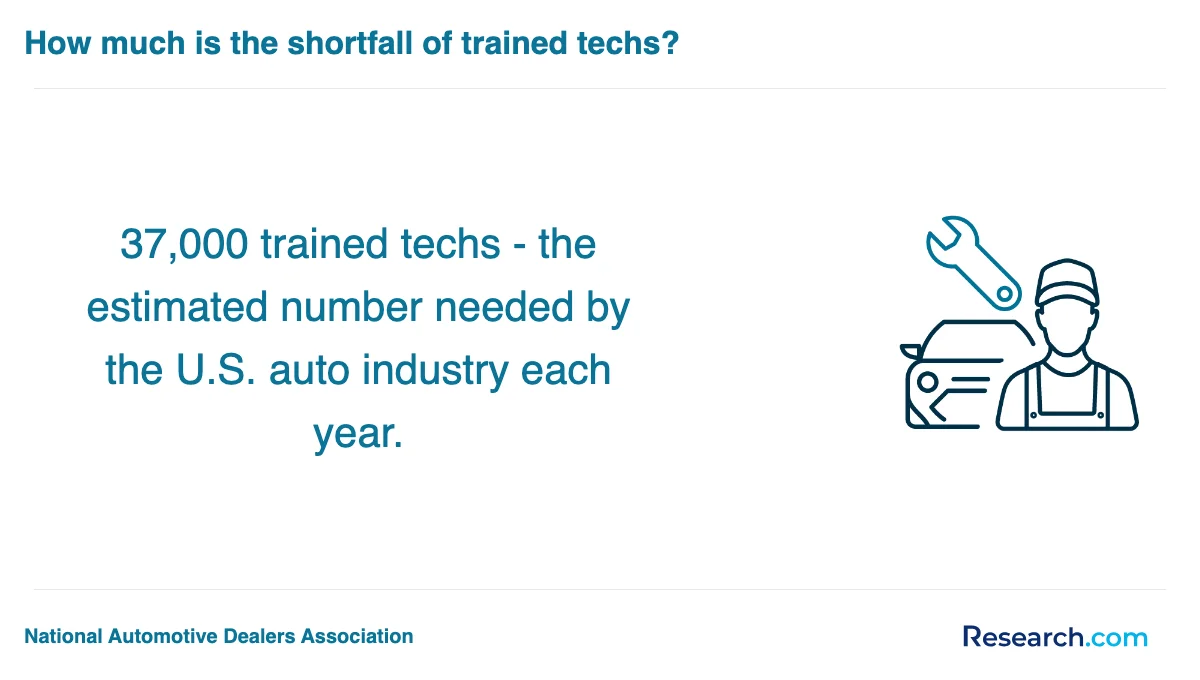
The automotive technician job outlook in Western states remains promising, with a steady demand fueled by an increasing number of vehicles and advancing technology. Graduates from well-known trade schools in the West often share positive experiences about entering a job market where employers actively seek qualified technicians, especially those familiar with hybrid systems and computerized diagnostics.
Key factors that benefit graduates include:
- Good wage potential, with cities like Los Angeles offering average annual salaries around $48,230.
- Strong job availability driven by retirements and industry growth.
- High value placed on certifications such as ASE, which enhance employability.
Many graduates from Western trade schools have found rewarding roles despite some competition in metropolitan areas. The demand for auto mechanics in the West is real but requires solid technical skills and certifications to stand out. For students weighing options, understanding why trade school is better than college can clarify the advantages of hands-on training and quicker entry into this stable profession.
Most Affordable Automotive Technician Schools, Colleges & Trade Certification Training Programs in West for 2026
# 1 position
San Diego Miramar College - Automobile/Automotive Mechanics Technology/Technician.
associateSan Diego Miramar College offers a hybrid program in Automobile/Automotive Mechanics Technology/Technician, providing technical skills to repair, service, and maintain various automobile systems. The curriculum covers brake, electrical, engine, suspension, transmission, and heating and air conditioning systems. Annual in-state tuition is $1,150. Graduates earn a median salary of $43,285 one year after completion. The program is accredited by the Western Association of Schools and Colleges Accrediting Commission for Community and Junior Colleges.
# 2 position
San Diego Miramar College - Automobile/Automotive Mechanics Technology/Technician.
certificate or diplomaSan Diego Miramar College offers a hybrid program in Automobile/Automotive Mechanics Technology/Technician that prepares students to repair, service, and maintain various automobiles. The curriculum covers brake systems, electrical systems, engine performance and repair, suspension and steering, transmissions, and heating and air conditioning. The annual in-state tuition is $1,150. Median earnings one year after completion are $43,285. The program is accredited by the Western Association of Schools and Colleges Accrediting Commission for Community and Junior Colleges.
# 3 position
College of Western Idaho - Automobile/Automotive Mechanics Technology/Technician.
associateThe College of Western Idaho offers a hybrid program in Automobile/Automotive Mechanics Technology/Technician preparing students to repair, service, and maintain various automobile systems. Instruction covers brake systems, electrical systems, engine performance and repair, suspension, steering, transmissions, and heating and air conditioning. The program’s annual in-state tuition is $3,336. Graduates have median earnings of $36,676 one year after completion. It is accredited by the Northwest Commission on Colleges and Universities.
# 4 position
College of Western Idaho - Automobile/Automotive Mechanics Technology/Technician.
certificate or diplomaThe College of Western Idaho offers a hybrid program in Automobile/Automotive Mechanics Technology/Technician designed to prepare students to repair, service, and maintain various automobile systems. Instruction covers brake systems, electrical systems, engine performance, repair, suspension, steering, transmissions, and heating and air conditioning. The annual in-state tuition is $3,336, and median earnings one year after completion are $36,676. The program is accredited by the Northwest Commission on Colleges and Universities.
# 5 position
College of Southern Idaho - Automobile/Automotive Mechanics Technology/Technician.
associateThe College of Southern Idaho offers a hybrid program in Automobile/Automotive Mechanics Technology/Technician, preparing students to repair, service, and maintain various automobile systems. The curriculum covers brake systems, electrical systems, engine performance and repair, suspension and steering, transmissions, drive trains, and heating and air conditioning. The program’s in-state annual tuition is $3,360, and graduates earn a median of $44,037 one year after completion. It is accredited by the Northwest Commission on Colleges and Universities.
# 6 position
Santa Ana College - Automobile/Automotive Mechanics Technology/Technician.
associateSanta Ana College offers a hybrid program in Automobile/Automotive Mechanics Technology/Technician, preparing students to repair, service, and maintain various automobile systems. The curriculum covers brake, electrical, engine performance and repair, suspension and steering, transmissions, and heating and air conditioning systems. The annual in-state tuition is $1,180. Graduates have median earnings of $36,380 one year after completion. The program is accredited by the Western Association of Schools and Colleges Accrediting Commission for Community and Junior Colleges.
# 7 position
Santa Ana College - Automobile/Automotive Mechanics Technology/Technician.
certificate or diplomaSanta Ana College offers a fully online program in Automobile/Automotive Mechanics Technology/Technician, preparing students to repair, service, and maintain various automobile systems including brakes, engines, transmissions, and heating and air conditioning. The program is accredited by the Western Association of Schools and Colleges Accrediting Commission for Community and Junior Colleges. Annual in-state tuition is $1,180. Median earnings for graduates one year after completion are $36,380.
# 8 position
Salt Lake Community College - Automobile/Automotive Mechanics Technology/Technician.
associateSalt Lake Community College offers a hybrid Automobile/Automotive Mechanics Technology/Technician program that prepares students to repair, service, and maintain various automobile systems. Instruction covers brake systems, electrical systems, engine performance and repair, suspension and steering, transmissions, and heating and air conditioning. The program's annual in-state tuition is $4,257, and graduates earn a median salary of $51,047 one year after completion. It is accredited by the Northwest Commission on Colleges and Universities.
# 9 position
Salt Lake Community College - Automobile/Automotive Mechanics Technology/Technician.
certificate or diplomaSalt Lake Community College offers a hybrid program in Automobile/Automotive Mechanics Technology/Technician. The curriculum covers brake systems, electrical systems, engine repair, transmission, suspension, steering, and heating and air conditioning. The annual in-state tuition is $4,257. Graduates have median earnings of $51,047 one year after completion. The program is accredited by the Northwest Commission on Colleges and Universities.
# 10 position
Aims Community College - Automobile/Automotive Mechanics Technology/Technician.
associateAims Community College offers a Hybrid program in Automobile/Automotive Mechanics Technology/Technician that prepares students to repair, service, and maintain various automobile systems. Instruction covers brake systems, electrical systems, engine performance and repair, suspension and steering, transmissions, and heating and air conditioning. The program’s annual in-state tuition is $2,090, and graduates earn a median income of $47,529 one year after completion. It is accredited by the Higher Learning Commission.
Frequently Asked Questions about automotive technician
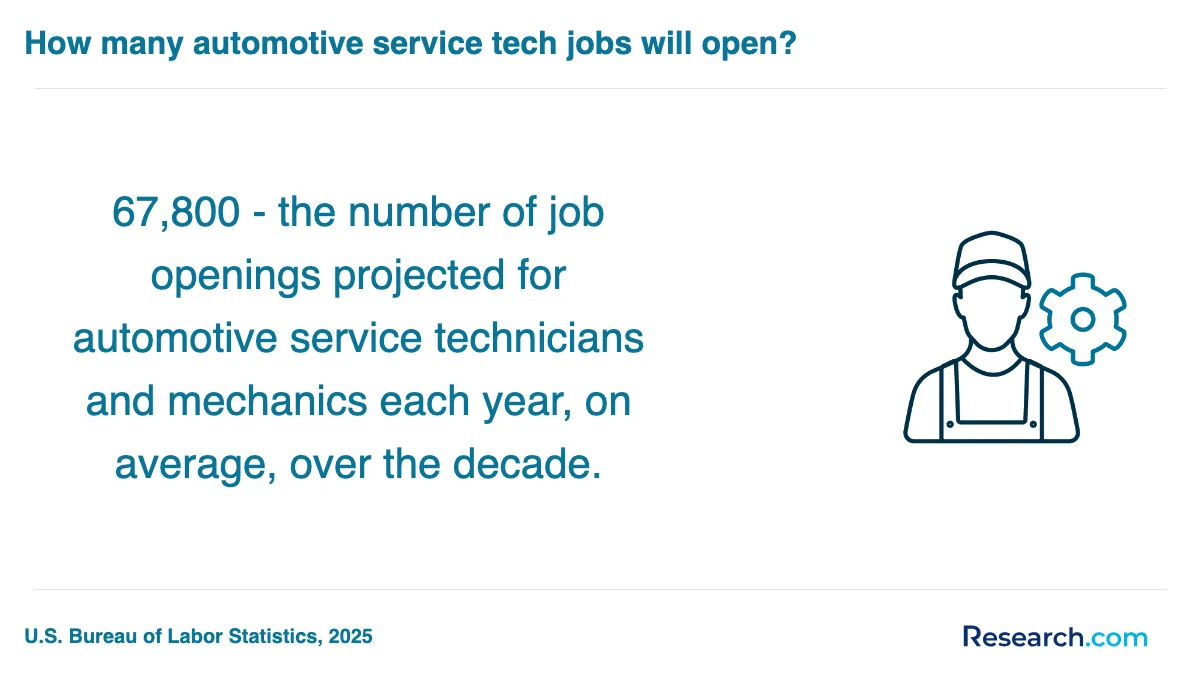
After completing an automotive technician trade school in West, preparing for the job market involves several key steps. First, obtaining industry certifications such as those from the National Institute for Automotive Service Excellence (ASE) can greatly improve employability. According to the U.S. Bureau of Labor Statistics, ASE certification increases job prospects and earning potential.
Networking with local dealerships and repair shops during or after training helps build professional connections. Many trade schools in West offer career services that assist with resume writing and interview preparation, which are essential for standing out.
Additionally, staying updated on the latest automotive technologies, including electric and hybrid vehicles, aligns with growing regional industry demands, as reported by the West State Employment Office.
Employers in the West region highly value automotive technician graduates who demonstrate strong diagnostic and mechanical skills. According to the U.S. Bureau of Labor Statistics, proficiency in computerized vehicle diagnostics is increasingly essential due to modern car technologies. Technical knowledge of engine repair, brake systems, and electrical components remains fundamental.
Additionally, communication skills are critical. Employers expect technicians to explain repairs clearly to customers and collaborate effectively with team members. Attention to detail and problem-solving abilities are also frequently mentioned in job postings across California, Oregon, and Washington.
Hands-on experience gained through internships or cooperative education programs increases job prospects significantly. The National Institute for Automotive Service Excellence (ASE) certification is often preferred, indicating a recognized standard of skill and professionalism.
Finding internships in West relevant to an automotive technician trade school program involves multiple approaches. Start by contacting your school's career services or internship coordinator, as many trade schools maintain partnerships with local dealerships and repair shops. According to the U.S. Bureau of Labor Statistics, internships can significantly increase job placement rates in automotive fields.
Additionally, explore industry associations like the National Institute for Automotive Service Excellence (ASE), which often lists internship opportunities. Local West automotive businesses and dealerships frequently post openings on platforms such as Indeed or state workforce websites. Networking at automotive trade shows and job fairs in West also helps connect students with employers.
Research shows that about 60% of automotive technician interns in West secure positions through school referrals or local business connections, emphasizing the value of utilizing educational resources and community networks.
In West, earning a diploma from an automotive technician trade school significantly enhances career mobility and advancement opportunities. According to the U.S. Bureau of Labor Statistics, automotive service technicians in the Western region experience a steady job growth rate of about 6% through 2030, reflecting rising demand for skilled workers.
A diploma certifies practical skills and technical knowledge, making graduates more competitive for entry-level positions and promotions within repair shops, dealerships, and fleet maintenance companies. Employers in West often prioritize certified technicians when offering raises or supervisory roles.
Additionally, many trade schools in West offer industry-recognized certifications, such as ASE (Automotive Service Excellence), which further improve employability and wage potential. Data from the National Automotive Technicians Education Foundation shows certified technicians earn approximately 10-15% higher wages than non-certified peers in the Western states.
Students pursuing automotive technician trade school education in West can benefit from several part-time job opportunities that enhance their skills and employability. Working as a service assistant or customer service representative at local auto repair shops provides practical exposure to vehicle maintenance and client interaction. Additionally, positions such as parts runner or inventory clerk help students understand automotive components and supply chain management.
According to the U.S. Bureau of Labor Statistics, auto service technician employment in the western states is expected to grow by 5% over the next decade, creating ample job opportunities for students. Part-time roles in dealerships and quick-lube centers also offer hands-on experience with modern diagnostic tools.
Engaging in these jobs while studying helps reinforce classroom learning and build a professional network within the local automotive industry.
There are indeed numerous affordable automotive technician degree programs near West, with community colleges often offering cost-effective options. Schools near me frequently offer hands-on training that can equip students with the necessary skills for a successful automotive career. For detailed information on specific programs and universities, Research.com can serve as a helpful resource to explore educational opportunities near West.
- Paid Technician Internships - Central Oregon Community College https://cocc.edu/programs/automotive/paid-technician-internships
- Technical Trades Work and Learning Program for Students | MassCEC https://www.masscec.com/technical-trades-students
- Job Placement Services at Mechanic Trade Schools | NYADI The College of Transportation Technology https://nyadi.edu/blog/job-placement-is-an-important-element-of-mechanic-trade-schools/
- Auto Technology Training Program | High School Auto Program | LCTI https://www.lcti.org/prospective-student-course/auto-technology/
- STUDENT CAREER DEVELOPMENT - ASE Education Foundation https://www.aseeducationfoundation.org/student-career-development
- Automotive Technician | Western Technical College https://www.westerntc.edu/automotive-technician
- Automotive Technician https://www.mnwest.edu/academics/all-programs/automotive-technician.php
- Automotive Service Technician Programs https://westherrjobs.com/service-training/
- Automotive Technology Degree | Western Technical College https://www.westerntech.edu/programs/associates-occupation/automotive-technology/
- Automotive Technology Training in Glendale & Peoria | West-MEC HS https://www.west-mec.edu/high-school-students/west-mec-high-school-programs/automotive-technology-high-school-program