Most Affordable Automotive Technician Schools, Colleges & Trade Certification Training Programs in Richmond for 2026

Co-Founder and Chief Data Scientist
If you are comparing automotive technician trade schools in Richmond, the main questions are practical: Which program teaches the skills employers expect, how much will it cost, how quickly can you finish, and what kind of job can you get afterward? This 2026 guide is designed to help you answer those questions before you commit time and money to a program.
The Research.com team of data scientists developed this ranking to highlight automotive technician training options that can prepare students for repair shop, dealership, fleet, collision repair, and diagnostic roles. The guide focuses on the factors that matter most to prospective students: program length, hands-on training, certification preparation, tuition, financial aid, admissions requirements, salary expectations, and local job demand.
Use this guide if you are seeking a diploma, certificate, associate-level training, or a flexible pathway into automotive technology. It can also help career changers, recent high school graduates, working adults, and military-connected students compare Richmond-area options with a clearer view of cost, return on investment, and career fit.
Key benefits of finishing automotive technician trade school in Richmond
- Clearer access to entry-level automotive jobs: Trade school training can help you qualify for roles such as entry-level automotive mechanic, service technician at dealerships, tire and lube technician, collision repair trainee, or diagnostic assistant.
- Competitive local earnings potential: Graduates can expect competitive salaries, typically earning between $43,160 and $57,706 annually in Richmond, with higher earnings possible as technicians gain experience, complete certifications, and move into specialized work.
- Hands-on preparation for real shop conditions: Automotive programs usually combine classroom instruction with lab work on vehicle systems, diagnostic equipment, electrical components, brakes, steering, suspension, and drivetrains.
- Faster workforce entry than many four-year routes: Many automotive technician programs are designed for quick career preparation, which can be useful for students who want practical training without spending several years in school.
- Flexible study options: Completing an online automotive technician program can provide flexibility for students balancing work, family, or transportation needs, though hands-on lab experience remains important for building repair skills.
- Room for advancement: Graduates may move from entry-level repair roles into dealership technician positions, advanced diagnostic specialist roles, service advising, shop supervision, fleet maintenance, or manufacturer-specific service work.
What can I expect from automotive technician trade schools in Richmond?
Automotive technician trade schools in Richmond typically focus on practical, job-ready training. Students learn how vehicle systems work, how to diagnose faults, how to use shop equipment safely, and how to complete repairs according to industry procedures. The strongest programs do not rely only on lectures; they put students in labs where they work with tools, service information, diagnostic scanners, and real or training vehicles.
Programs such as the Toyota T-TEN at Reynolds Community College are often valued because they connect classroom learning with manufacturer-aligned training and dealership expectations. Students in this type of pathway may study modern diagnostic tools, engine performance, electrical systems, transmission service, brake systems, steering and suspension, HVAC, and service documentation.
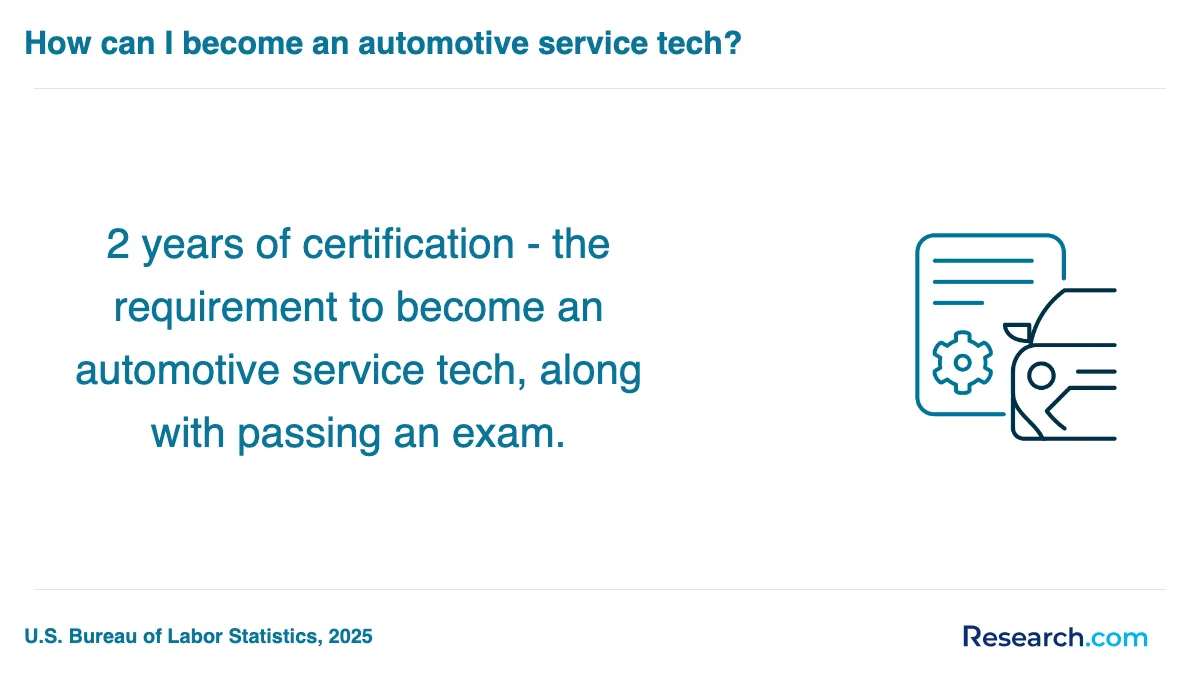
Most programs last one to two years, although shorter certificate-style options may be available depending on schedule and curriculum depth. Many programs also emphasize industry-recognized certifications such as ASE, which are required by Virginia state law for career and technical education programs. Instructor experience matters: students benefit when faculty have dealership, independent shop, or manufacturer training backgrounds because they can explain how textbook concepts show up in real repairs.
What a strong program should include
- Hands-on lab time with current tools and diagnostic equipment
- Instruction in safety, repair procedures, shop workflow, and service documentation
- Preparation for ASE-related skills and employer expectations
- Opportunities for internships, cooperative learning, or dealership exposure
- Transparent costs for tuition, tools, uniforms, certification fees, and supplies
- Career support, including resume help, employer introductions, or apprenticeship guidance
Before enrolling, ask how much of the program is hands-on, whether students work on real vehicles, what certifications the curriculum supports, and whether local employers hire graduates from the program.
Where can I work after finishing automotive technician trade schools in Richmond?
After completing an automotive technician trade school program in Richmond, graduates can pursue work across several parts of the local automotive service market. Dealerships, independent repair shops, tire and quick-service centers, collision repair facilities, fleet maintenance departments, and specialty service providers all need technicians with practical diagnostic and repair skills.
Some graduates seek dealership positions with employers such as Mercedes-Benz of Richmond, where technicians may focus on brand-specific maintenance, diagnostics, warranty procedures, and specialized repair processes. Others prefer independent shops because the work can involve a wider variety of vehicle makes, repair types, and customer needs. Tire centers and quick-service employers can be useful starting points for students who want immediate experience with inspections, maintenance, brakes, fluids, and basic service work.
Fleet maintenance is another strong option. Local businesses, delivery operations, municipal departments, and service companies need vehicles kept reliable, which can create stable work for technicians who understand preventive maintenance and troubleshooting. Collision repair facilities may also hire graduates interested in damage analysis, refinishing support, frame and body work, or related repair roles.
Common work settings after graduation
| Work setting | Typical work | Best fit for |
| Dealerships | Diagnostics, manufacturer procedures, warranty repairs, scheduled maintenance | Students who want brand-specific training and advancement paths |
| Independent repair shops | General repair across many makes and models | Students who want broad troubleshooting experience |
| Tire and quick-service centers | Maintenance, tires, brakes, fluids, inspections, entry-level repairs | Graduates seeking a fast entry point into the field |
| Collision repair facilities | Body repair, refinishing support, damage assessment, structural work | Students interested in auto body and repair restoration work |
| Fleet maintenance departments | Preventive maintenance, repairs, reliability checks for company vehicles | Technicians who value steady maintenance schedules and operational work |
Employers such as Virginia Automotive Service may offer benefits, sign-on bonuses, or retirement plans, depending on the role. When comparing job offers, look beyond hourly pay and review certification reimbursement, tool support, overtime policies, benefits, training time, and advancement requirements.
How much can I make after finishing automotive technician trade schools in Richmond?
Automotive technician earnings in Richmond depend on experience, employer type, certifications, productivity, specialization, and whether the role includes overtime. After finishing an automotive technician trade school program in Richmond, graduates typically start earning around $27 to $30 per hour, though entry-level hourly wages can range from about $20.77 to $33.22. Most technicians earn around $29.77 per hour.
For many new technicians, those hourly figures translate into annual income between $43,000 and $52,000, depending on schedule, employer, and certifications. Overtime can add roughly $5,000 annually for some workers. Technicians who continue building skills or move into specialized roles may see pay increase up to $58,000 a year, especially in dealerships, luxury service centers, or advanced diagnostic environments.
How to read Richmond automotive technician pay estimates
| Career stage or pay factor | Reported earnings figure | What can affect it |
| Typical starting hourly pay | $27 to $30 per hour | Employer, prior experience, schedule, and program training |
| Entry-level hourly range | About $20.77 to $33.22 | Shop type, certifications, and responsibilities |
| Common hourly figure | Around $29.77 per hour | Local demand and skill level |
| Annual income for many new technicians | Between $43,000 and $52,000 | Hours worked, overtime, and employer pay structure |
| Potential additional overtime | Roughly $5,000 annually | Shop volume and overtime availability |
| Higher earnings with specialization | Up to $58,000 a year | Certifications, diagnostics, dealership or luxury service work |
The fastest path to higher pay is usually not simply finishing school. It is finishing a credible program, passing relevant certifications, building speed and accuracy in the shop, documenting work properly, and continuing training as vehicle technology changes.
Most Affordable Automotive Technician Schools, Colleges & Trade Certification Training Programs in Richmond for 2026
# 1 position
J Sargeant Reynolds Community College - Automobile/Automotive Mechanics Technology/Technician.
associateJ Sargeant Reynolds Community College offers a hybrid program in Automobile/Automotive Mechanics Technology/Technician that prepares students to repair, service, and maintain various automobile systems. Coursework includes brake, electrical, engine, suspension, transmission, and heating and air conditioning systems. The program’s annual in-state tuition is $5,136. It is accredited by the Southern Association of Colleges and Schools Commission on Colleges, providing both technical knowledge and practical skills through a blend of distance and on-campus learning.
# 2 position
J Sargeant Reynolds Community College - Automobile/Automotive Mechanics Technology/Technician.
certificate or diplomaJ Sargeant Reynolds Community College offers a hybrid Automobile/Automotive Mechanics Technology/Technician program that equips students with skills to repair, service, and maintain various automobile systems. The curriculum covers brake systems, electrical systems, engine performance and repair, suspension, steering, transmissions, and heating and air conditioning. The program's annual in-state tuition is $5,136 and it is accredited by the Southern Association of Colleges and Schools Commission on Colleges.
Key Findings
- All automotive technician programs in Richmond must be accredited by the ASE Education Foundation and have instructors certified by the National Institute for ASE.
- Programs like Reynolds Community College's T-TEN offer a two-year curriculum with an Associate's Degree and at least two ASE certifications.
- Entry requirements include a high school diploma or GED, and a valid driver's license is needed for automotive repair work.
- Tuition for community college programs typically ranges from $4,000 to $10,000, with financial aid and scholarships often available.
- Starting salaries for entry-level technicians in Richmond range from $36,000 to $42,000 per year, increasing to $55,000 or more with experience and certifications.
These findings show why program selection matters. A lower-cost program can be a strong choice if it is accredited, includes enough hands-on training, prepares students for certification, and has credible employer connections. A higher-cost program may be worthwhile if it offers stronger lab access, manufacturer partnerships, placement support, or specialized training that leads to better opportunities.
How long does it take to complete automotive technician trade schools in Richmond?
Automotive technician trade school programs in Richmond can vary in length based on credential type, schedule, and the amount of hands-on training required. Some focused programs can be completed in about 6 to 12 months, especially when students attend full-time and pursue a certificate or diploma pathway. More extensive programs, including associate-level or manufacturer-linked options, may take longer.
Program length should be compared with what the curriculum actually includes. A short program can be useful if you need a fast entry into the workforce, but it should still provide enough lab time, safety training, diagnostic practice, and employer-relevant instruction. A longer program may cost more and require a bigger time commitment, but it may also offer deeper training in electrical systems, engine performance, drivability, transmissions, HVAC, and dealership procedures.
How schedule affects completion time
- Full-time enrollment: Often the fastest route, but it may be harder to balance with work or family obligations.
- Part-time or evening enrollment: May extend completion closer to a year or beyond, but it can help working adults stay employed while training.
- Hybrid coursework: Can reduce time spent commuting, though in-person labs are still important for skill development.
- Co-op or apprenticeship components: May lengthen the calendar timeline but add valuable paid or supervised work experience.
When asking schools about completion time, also ask about course availability. A program that appears short on paper may take longer if required classes are offered only once per term or if lab sections fill quickly.
What's the difference between online and on-campus automotive technician trade school programs?
The main difference is how students develop hands-on skills. Online automotive technician programs can be helpful for learning theory, terminology, safety procedures, service information, electrical concepts, and diagnostic logic. On-campus programs give students direct practice with tools, lifts, scan equipment, vehicles, and instructor-supervised repairs.
For automotive training, hands-on experience is not optional. Employers generally want technicians who can inspect a vehicle, use equipment safely, follow repair procedures, and troubleshoot problems in real time. That is why fully online programs may be best for foundational learning, career exploration, or continuing education, while on-campus or hybrid programs are usually stronger for students seeking entry-level shop employment.
Online, on-campus, and hybrid comparison
| Format | Strengths | Limitations | Best for |
| Online | Flexible schedule, less commuting, useful for theory and review | Limited direct practice with vehicles and shop equipment | Working students, beginners exploring the field, or technicians adding knowledge |
| On-campus | Hands-on labs, instructor feedback, peer learning, real equipment exposure | Less schedule flexibility and possible commuting costs | Students who need practical entry-level repair training |
| Hybrid | Combines online theory with required in-person labs | Still requires campus attendance for skill-based training | Students who need flexibility but also want shop-ready experience |
A good hybrid program can be a practical compromise: students complete lectures or assignments remotely, then attend scheduled labs to practice diagnostics, repairs, and safety procedures. Before choosing an online-heavy option, confirm how the program handles lab requirements and whether local employers recognize the training.
What is the average cost of automotive technician trade schools in Richmond?
The average cost automotive technician trade school Richmond VA depends heavily on the school type, credential, program length, and included supplies. Some popular trade schools in Richmond list tuition fees around $19,250 for a full automotive service technician class lasting roughly 46 weeks. Community college options may cost less; at J. Sargeant Reynolds Community College, tuition fees automotive technician programs Richmond VA range from $4,795 to $7,654 depending on the specific course chosen.
Students should compare total cost, not tuition alone. Automotive training often requires books, supplies, personal tools, certification fees, uniforms, and safety equipment. These additional costs can add several hundred or even over a thousand dollars to the final price. Ask each school for a written cost sheet before enrolling so you can compare programs accurately.
Cost factors to review before enrolling
| Cost category | Why it matters | Question to ask |
| Tuition | The largest published program cost | Is the listed amount for the full program or only one term? |
| Tools and equipment | Technicians often need personal tools for training and work | Which tools are required, and are they included in tuition? |
| Books and digital materials | May be required for service procedures and coursework | Are books included, rented, or purchased separately? |
| Certification and testing fees | Can affect job readiness and employment prospects | Does the program include exam preparation or fee support? |
| Transportation and schedule costs | Commuting and missed work can increase the real cost | Are evening, weekend, or hybrid options available? |
Financial assistance can change the affordability picture. Virginia's G3 program may help by covering tuition, fees, and books at eligible schools such as Piedmont Virginia Community College. Students comparing credentials can also review automotive technology degree requirements to understand how different education paths may affect program scope and cost.

What financial aid is available for automotive technician trade schools in Richmond?
Financial aid for automotive technician trade schools in Richmond may include federal grants, loans, state programs, institutional scholarships, employer sponsorships, veterans benefits, and paid training opportunities. The first step for most students is completing the FAFSA, which determines eligibility for federal aid programs.
Students with high financial need may qualify for Pell Grants, which can provide up to $7,395 annually. Unlike loans, grants generally do not have to be repaid if students meet the program requirements. Some Richmond schools also participate in federal student loan programs with lower interest rates and flexible repayment options. Veterans and eligible military-connected students may be able to use the GI Bill®, which can help cover tuition and living expenses.
Institutional scholarships can also reduce costs. For example, scholarships connected to Reynolds' Toyota T-TEN program may be funded by industry partners and can cover large portions of tuition or even full costs for some students. Local scholarships and paid co-op opportunities with dealerships may also help students earn income while developing practical experience.
Financial aid checklist
- Submit the FAFSA as early as possible.
- Ask the school whether the automotive program is eligible for federal aid.
- Request a full cost estimate, including tools, books, supplies, uniforms, and testing fees.
- Ask about institutional scholarships, manufacturer-sponsored aid, and local foundation awards.
- If you are a veteran, ask how the GI Bill® applies to the specific program.
- Ask whether paid co-op, apprenticeship, or dealership training options are available.
- Compare the total net cost after grants and scholarships, not just the advertised tuition.
The financial aid office at your chosen Richmond school should be able to confirm current eligibility rules, deadlines, required documents, and whether aid can be used for non-tuition expenses such as books or tools.
What are the prerequisites for enrolling in automotive technician trade schools in Richmond?
Most automotive technician trade schools in Richmond require applicants to have a high school diploma or GED. This requirement matters because technicians need reading, math, measurement, and problem-solving skills to interpret service manuals, wiring diagrams, diagnostic codes, repair orders, and safety procedures.
Programs may also recommend or require additional readiness factors. A valid driver's license is often important because automotive repair work can involve moving vehicles, road testing, or meeting employer requirements. Some programs prefer students who already have basic knowledge of automotive systems, though many beginner-friendly programs are designed for students with limited formal experience.
Common enrollment requirements and expectations
- High school diploma or GED
- Basic math and reading ability for technical manuals and measurements
- Valid driver's license for automotive repair work and vehicle movement
- Ability to follow safety procedures in a shop or lab environment
- Physical readiness for standing, lifting, bending, and working around tools and vehicles
- Communication skills for working with instructors, classmates, service advisors, and customers
- Curiosity, patience, and attention to detail for diagnostic work
Students who have worked on personal vehicles, completed high school automotive classes, or spent time around repair shops may feel more comfortable at the start. However, prior hands-on experience is not always required. If you are new to the field, ask whether the program begins with fundamentals or expects students to arrive with basic tool and vehicle knowledge.
What are the typical courses in automotive technician trade schools in Richmond?
Automotive technician trade schools in Richmond usually begin with core vehicle systems and then move into more complex diagnostics. Early courses often cover engine repair, brake systems, suspension and steering, and transmission mechanics. These subjects help students understand how major systems function and how to perform inspections, maintenance, and common repairs.
As students progress, programs typically add electrical and electronic systems, HVAC, drivability diagnostics, scan tool use, and advanced troubleshooting. These areas are increasingly important because modern vehicles rely heavily on sensors, modules, networks, and computer-controlled systems. A technician who can diagnose an electrical problem accurately is often more valuable than one who only replaces parts.
Some Richmond programs include manufacturer-specific training or work-based learning. Toyota's T-TEN at J. Sargeant Reynolds Community College, for example, adds factory-specific expectations and hands-on dealership exposure. Programs at the Advanced Career Education Center at Hermitage may emphasize practical skill building through lab-based instruction.
Typical course areas
- Engine repair: Engine components, inspection, mechanical faults, and repair procedures
- Brakes: Hydraulic systems, pads, rotors, drums, ABS fundamentals, and safety checks
- Suspension and steering: Alignment concepts, steering components, ride concerns, and handling issues
- Transmissions and drivetrains: Power delivery, service procedures, and common faults
- Electrical and electronic systems: Circuits, batteries, charging, starting, wiring diagrams, and diagnostic testing
- HVAC: Heating, ventilation, air conditioning, refrigerant handling concepts, and climate control diagnostics
- Diagnostics: Scan tools, codes, symptoms, service information, and systematic troubleshooting
- Manufacturer-specific training and internships: Brand procedures, dealership workflow, and supervised workplace experience
What are the available specializations in automotive technician trade schools in Richmond?
Automotive technician trade school programs in Richmond VA may allow students to focus on specific service areas after completing core training. Specializations can help graduates target jobs in dealerships, independent repair shops, collision centers, diesel service, fleet maintenance, or emerging vehicle technologies.
Common specialization areas include automotive mechanics, collision repair technology, hybrid and electric vehicle technology, and diesel engine performance and maintenance. The right choice depends on your interests, local employer demand, and whether you prefer mechanical repair, diagnostics, body work, electronics, or specialty systems.
Common automotive specializations
| Specialization | What students learn | Potential work settings |
| Automotive mechanics | Engine repair, suspension, steering, brakes, maintenance, and general repair | Dealerships, independent repair shops, quick-service centers |
| Collision repair technology | Damage analysis, refinishing, vehicle body work, and repair processes | Auto body shops, collision centers, insurance-related repair environments |
| Hybrid and electric vehicle technology | High-voltage safety concepts, electric drivetrains, and emerging vehicle systems | Dealerships, specialty repair shops, fleet operations |
| Diesel engine performance and maintenance | Diesel diagnostics, maintenance, and performance-related repair | Fleet maintenance, commercial service, diesel repair facilities |
Some programs also expose students to emerging fields such as unmanned aircraft systems, depending on the institution and curriculum. Students who want additional flexibility can explore an online automotive mechanic course to supplement in-person training or review theory outside the lab.
How do you choose the best automotive technician trade school program in Richmond?
To choose the best automotive technician trade school program in Richmond, start with accreditation, then compare hands-on training, curriculum depth, cost, schedule, instructor qualifications, employer connections, and student support. The best program is not automatically the cheapest or the fastest; it is the one that prepares you for the job you want at a cost you can manage.
Accreditation and industry recognition are especially important. Programs such as J. Sargeant Reynolds Community College, accredited by the ASE Education Foundation, can signal that the curriculum aligns with recognized training standards. Ask whether instructors are ASE-certified or have recent field experience. Programs taught by ASE Master Technicians, such as those at Charlottesville Area Technical Education Center, may offer strong technical guidance.
Hands-on training should be a top priority. Programs such as Hanover Center for Trades and Technology emphasize practical experience by letting students work on real vehicles. The Richmond Adult Technical Center offers evening classes, which may help students who need to train while working or managing family responsibilities.
Program comparison checklist
- Accreditation: Is the program recognized by an industry-relevant accreditor such as the ASE Education Foundation?
- Curriculum: Does it cover engines, brakes, suspension, steering, electrical systems, HVAC, diagnostics, and safety?
- Lab time: How many hours are spent working with vehicles, tools, and diagnostic equipment?
- Instructor qualifications: Do instructors have ASE credentials, dealership experience, or current industry training?
- Certifications: Does the program prepare students for ASE-related credentials or manufacturer-specific training?
- Cost transparency: Are tuition, tools, books, uniforms, supplies, and exam fees clearly listed?
- Schedule: Are full-time, part-time, evening, or hybrid options available?
- Employer connections: Does the school have relationships with dealerships, repair shops, fleet employers, or co-op sites?
- Career support: Does the program provide resume help, interview preparation, placement assistance, or apprenticeship guidance?
If you are also comparing flexible or remote options, resources on best vocational trade online schools can help you understand how online vocational formats differ from shop-based automotive training.
What career paths are available for automotive technician trade school graduates in Richmond?
Automotive technician trade school graduates in Richmond can pursue several career paths, from entry-level maintenance roles to specialized diagnostic and supervisory positions. Many graduates begin with basic service, inspections, tires, brakes, fluids, and general repair before moving into more advanced work.
Entry-level roles at companies like Goodyear and regional dealerships can provide structured on-the-job experience. These jobs may help new technicians build speed, learn shop workflow, and prepare for additional certifications. With more experience and credentials, graduates can move into mid-level specialist roles such as brake specialist, fluid flush technician, diagnostic technician, or drivability technician.
Specialized roles may include dent repair technician, state vehicle inspector, collision repair technician, diesel technician, hybrid and electric vehicle service technician, or luxury brand technician. Brands like Mercedes-Benz may offer positions that include premium training and stable employment. Graduates who combine technical knowledge with communication and leadership skills may also move into service advising, parts management, sales, shop supervision, or customer service roles.
Career paths to consider
- Entry-level technician positions with training
- Maintenance and quick-service technician roles
- Brake, suspension, HVAC, or electrical specialist roles
- Mid-level specialist roles requiring certifications
- Diagnostic technician positions
- Specialized technician jobs with luxury brands
- Collision repair or dent repair roles
- State vehicle inspector roles
- Fleet maintenance positions
- Supervisory and managerial opportunities
- Career paths in parts management and sales
For students deciding between a shorter technical pathway and a longer academic route, comparing college vs. trade school can clarify the trade-offs in cost, time, credential type, and career outcomes.
What is the job market for automotive technician trade school graduates in Richmond?
The job market for automotive technician trade school graduates in Richmond is active, with over 500 active listings offering entry-level and advanced positions. Demand comes from dealerships, independent repair shops, tire centers, fleet employers, collision repair businesses, and specialty service providers that need workers who can maintain and repair increasingly complex vehicles.
Employers like Goodyear and Ford often offer benefits from day one, including health insurance and ASE certification reimbursement. That type of support can be valuable for new technicians because certification costs, tool expenses, and continuing education can affect early-career finances. Some positions include on-the-job training, allowing graduates to build skills under experienced technicians while earning a paycheck.
Pay can rise significantly with experience and specialization. For experienced technicians, compensation can range between $35 and $55 per hour, and some even reach annual salaries above $100,000. These higher figures are not guaranteed for every graduate; they usually depend on advanced skill, productivity, certifications, employer type, and the ability to diagnose complex problems efficiently.
Richmond job seekers should look for employers that invest in training, reimburse ASE certification, provide a clear advancement ladder, and offer stable shop volume. Students comparing automotive work with other skilled trades can review trade school highest paying jobs to see how automotive technician careers fit within the broader trade school job market.
Overall, the strongest employment prospects will likely go to graduates who combine formal training with hands-on experience, certification progress, reliable attendance, customer-service awareness, and a willingness to keep learning as vehicle technology changes.
Frequently Asked Questions about automotive technician
To gain practical experience while studying at an automotive technician trade school in Richmond, consider internships or cooperative education programs offered by the school. Some local automotive shops and dealerships may also offer part-time job opportunities or apprenticeships specifically for students, providing hands-on experience and industry connections.
The most affordable automotive technician schools in Richmond for 2026 are John Tyler Community College, Reynolds Community College, and Richmond Technical Center. These institutions offer economically feasible programs with solid training, allowing students to enter the field without burdening themselves with excessive debt.
In Richmond, earning a diploma from an automotive technician trade school significantly enhances career mobility and advancement opportunities. According to the U.S. Bureau of Labor Statistics, automotive service technicians with formal training can expect faster job placement and higher starting salaries than those without credentials. Local employers in Richmond often prioritize candidates with trade school diplomas because these programs provide hands-on experience with modern diagnostic tools and vehicle systems.
Trade school graduates typically qualify for certifications such as ASE, which further improve job prospects and potential for promotions. Data from the Virginia Employment Commission shows that automotive technicians with diplomas earn on average 15-20% more annually than those without formal education. This credential can also open pathways to specialized roles, including service manager or diagnostic technician positions within Richmond's growing automotive industry.
Students enrolled in automotive technician trade schools in Richmond can benefit from various part-time job opportunities that enhance their practical skills. Local auto repair shops often seek assistants to help with basic maintenance tasks, offering hands-on experience directly related to their studies. Additionally, positions at car dealerships, especially in service departments, provide exposure to advanced diagnostics and customer service.
Richmond's growing automotive service industry supports many entry-level roles, with the Bureau of Labor Statistics estimating a 6% growth in automotive technician jobs nationally through 2032. Working as a parts clerk or tire technician can also complement coursework by deepening knowledge of vehicle components and inventory management.
These roles typically offer flexible hours, which is ideal for students balancing class schedules. Engaging in such employment helps build a professional network and improves job readiness after graduation.
Related Automotive Technician Rankings for Nearby Cities
Top Trending Rankings
References
- Automotive Service Technicians and Mechanics : Occupational Outlook Handbook: : U.S. Bureau of Labor Statistics https://www.bls.gov/ooh/installation-maintenance-and-repair/automotive-service-technicians-and-mechanics.htm
- Automotive Mechanic Salary Guide For The United States In 2024 https://www.lincolntech.edu/news/automotive/automotive-technology/automotive-mechanic-salary-guide-united-states
- Automotive Technician Salary Information | Pennco Tech https://www.penncotech.edu/how-much-can-an-automotive-technician-earn/
- Automotive Technician https://www.careers.govt.nz/jobs-database/engineering/automotive/automotive-technician/
- How Much Can an Automotive Technician Earn? | NYADI The College of Transportation Technology https://nyadi.edu/blog/automotive-technician-salary-projections/
- What Can You Do With An Auto Tech Degree? | MWCC https://mwcc.edu/blog/automotive-technology-faqs/
- How to Craft the Perfect Cover Letter After Auto Mechanic School https://www.autotrainingcentre.com/blog/craft-perfect-cover-letter-auto-mechanic-school/
- Sample Student Cover Letter – Automotive – Technical Writing for Technicians https://openoregon.pressbooks.pub/ctetechwriting/chapter/sample-student-cover-letter-for-automotive-weeks-9-10/
- Automotive Technician | Clover Park Technical College https://www.cptc.edu/programs/auto-tech
- Automotive Service Technician - Skilled Trades Ontario https://www.skilledtradesontario.ca/trade-information/automotive-service-technician/