
Most Affordable Automotive Technician Schools, Colleges & Trade Certification Training Programs in Los Angeles for 2026

Co-Founder and Chief Data Scientist
Choosing an automotive technician trade school in Los Angeles is mainly a return-on-investment decision: Which program will teach the skills employers want, fit your schedule, prepare you for certifications, and keep total costs manageable? This guide focuses on affordable automotive technician training options in the Los Angeles area and explains how to compare them beyond tuition alone.
The ranking is designed for students who want a faster path into the workforce, career changers looking for practical hands-on training, and working adults comparing certificate, diploma, associate degree, online, hybrid, and campus-based options. It also helps applicants understand what to expect from admissions, coursework, financial aid, specializations, and local job opportunities.
Use this guide to evaluate program length, shop training, ASE preparation, employer connections, tuition, tool costs, and career outcomes before enrolling. The best choice is not always the cheapest school; it is the program that gives you credible training, practical experience, and a realistic path to employment in the Los Angeles automotive market.
Key benefits of finishing automotive technician trade school in Los Angeles
- Graduates in Los Angeles can expect an average hourly wage around $29, with annual salaries near $60,000, and earnings often rise with experience, certifications, and specialization.
- Automotive training can lead to work in dealerships, independent repair shops, specialty service centers, fleet maintenance operations, and emerging vehicle technology roles.
- Trade school can be faster and more career-focused than a traditional academic route, with many programs emphasizing diagnostics, repair procedures, safety, and hands-on shop experience.
- Online or hybrid study may offer flexibility for students balancing work or family responsibilities, though automotive training still requires meaningful hands-on practice to build job-ready skills.
- Programs that prepare students for ASE certification can strengthen employment prospects because many employers prefer technicians who can document their technical knowledge and skills.
What can I expect from automotive technician trade schools in Los Angeles?
Automotive technician trade schools in Los Angeles usually combine classroom instruction with shop-based training. Students learn how vehicle systems work, how to diagnose problems, and how to perform repairs safely using service information, hand tools, shop equipment, and diagnostic technology.
Programs often cover brakes, suspension, steering, electrical systems, engine performance, transmissions, emissions, climate control, and emerging vehicle technologies. Schools such as Los Angeles Technology Center, Los Angeles Trade Technical College, and East Los Angeles College may differ in program length, credential type, cost, and the amount of time students spend in labs or shops.
Students comparing programs should look closely at three areas:
- Hands-on access: Automotive training is strongest when students work directly on vehicles and equipment rather than only studying theory.
- Credential pathway: A shorter certificate may be enough for entry-level repair work, while an associate degree may include broader technical and general education requirements.
- Certification preparation: Many programs prepare students for ASE-related exams or NATEF student certification exams, which can help demonstrate readiness to employers.
Cost can vary significantly. Some students seek low-cost or tuition-free options, including programs like the tuition-free option at Los Angeles Technology Center, while others choose longer or more specialized programs that may require a larger investment. Before enrolling, ask for a written estimate that includes tuition, fees, books, tools, uniforms, certification exams, and any required supplies.
Where can I work after finishing automotive technician trade schools in Los Angeles?
After completing automotive technician training in Los Angeles, graduates can pursue entry-level positions in several types of workplaces. The right setting depends on the student’s strengths, preferred pace of work, interest in specific vehicle types, and long-term career goals.
- New and used car dealerships: Dealerships may offer brand-specific systems, structured training, and exposure to newer vehicles. Luxury brand dealerships may provide additional opportunities for technicians who build advanced diagnostic skills.
- Independent repair shops: Independent shops can expose technicians to many makes, models, and repair categories, which is useful for building broad troubleshooting ability.
- Specialty garages: Some graduates focus on classic cars, performance vehicles, transmissions, electrical diagnostics, hybrid systems, or electric vehicle service.
- Government and fleet maintenance: Agencies such as the USPS and other fleet operators may hire technicians to maintain large vehicle inventories. These roles can appeal to workers seeking more predictable schedules and benefits.
- Rental agencies and service centers: Part-time or entry-level maintenance roles can help recent graduates build experience while pursuing certifications or additional training.
Los Angeles has a large and varied vehicle market, so graduates who can document hands-on training, safety awareness, diagnostic ability, and customer-service professionalism are better positioned to compete for openings.
How much can I make after finishing automotive technician trade schools in Los Angeles?
Automotive technician earnings in Los Angeles depend on experience, employer type, certifications, specialization, productivity, and the pay structure used by the shop. Recent graduates often start in entry-level roles and increase earnings as they become more efficient, add certifications, and take on more complex diagnostic or repair work.
Many graduates report starting wages around $22 to $35 per hour. ZipRecruiter cites a $29.27 average hourly wage, which translates to roughly $60,870 annually for full-time work. Salary.com lists typical annual salaries from $49,065 to $64,009 for Automotive Mechanic I positions, which are common roles for newer technicians.
Pay can move higher for technicians with in-demand skills. Certifications earned during training may help graduates move toward the higher end, and some technicians with electric vehicle or diagnostics specialization may reach $47.85 an hour. The strongest earnings potential usually comes from combining formal training with shop experience, ASE certification, manufacturer-specific training, and strong diagnostic ability.
When estimating income, students should also ask employers about benefits, tool reimbursement, paid training, flat-rate versus hourly pay, overtime policies, and advancement opportunities. The hourly rate is important, but total compensation can vary widely from one workplace to another.
Most Affordable Automotive Technician Schools, Colleges & Trade Certification Training Programs in Los Angeles for 2026
# 1 position
Los Angeles Trade Technical College - Automobile/Automotive Mechanics Technology/Technician.
associateLos Angeles Trade Technical College offers a Hybrid program in Automobile/Automotive Mechanics Technology/Technician. The curriculum covers brake systems, electrical systems, engine performance and repair, suspension and steering, transmissions, and heating and air conditioning systems. The annual in-state tuition is $1,238. Graduates earn a median salary of $31,031 one year after completion. The program is accredited by the Western Association of Schools and Colleges Accrediting Commission for Community and Junior Colleges.
# 2 position
Los Angeles Trade Technical College - Automobile/Automotive Mechanics Technology/Technician.
certificate or diplomaLos Angeles Trade Technical College offers a hybrid program in Automobile/Automotive Mechanics Technology/Technician. The curriculum covers brake systems, electrical systems, engine performance and repair, suspension and steering, transmissions, and heating and air conditioning systems. Annual in-state tuition is $1,238. Graduates earn a median of $31,031 one year after completion. The program is accredited by the Western Association of Schools and Colleges Accrediting Commission for Community and Junior Colleges.
Key Findings
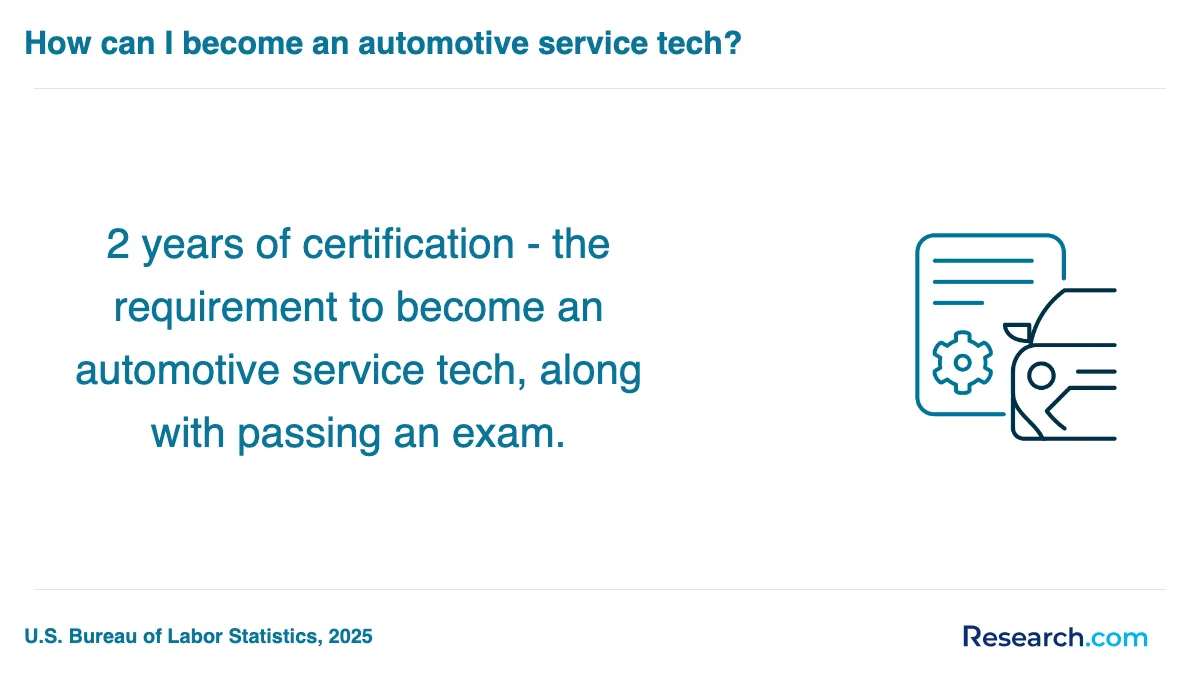
- Programs in Los Angeles last from 6 months to 2 years, with certificate programs requiring about 36 specialized units and associate degrees including general education.
- ASE certification is preferred by employers, and most programs include NATEF student certification exams; a BAR Automotive Repair Dealer license costs $200 and must be renewed yearly.
- Tuition varies widely, with short certificate programs costing a few thousand dollars and associate degrees ranging from $10,000 to $20,000, especially at private schools.
- Entry-level technicians earn between $34,000 and $40,000 annually, while experienced technicians with advanced certifications can make $66,000 to $75,000.
- Career options include automotive service technician, engine performance technician, and electrical systems specialist, with many schools offering job placement support.
How long does it take to complete automotive technician trade schools in Los Angeles?
Most automotive technician trade school programs in Los Angeles can be completed in 12 to 24 months, depending on the credential, schedule, course sequence, and whether the student attends full-time or part-time. Some shorter certificate options may take about 6 months, while associate degree pathways can extend toward 2 years because they include additional general education requirements.
Certificate programs usually focus on the technical skills needed for entry-level work. Students may move through modules in areas such as brakes, engines, electrical systems, steering and suspension, or diagnostics. This structure can help students build skills in stages and earn targeted credentials along the way.
Associate degree programs generally take longer because they combine automotive coursework with broader academic requirements. This may be useful for students who want a more complete credential, plan to transfer credits later, or want a stronger foundation for supervisory or management roles.
Before choosing a program length, ask these questions:
- Can you attend full-time, or do you need evening, weekend, part-time, online, or hybrid options?
- Does the program include enough hands-on shop time to build confidence before graduation?
- Are courses offered every term, or could scheduling delays extend your completion time?
- Does the credential align with the jobs you want immediately after graduation?
What's the difference between online and on-campus automotive technician trade school programs?
The main difference is how students complete hands-on training. On-campus automotive technician programs place students in labs or shops where they can work with vehicles, tools, lifts, diagnostic scanners, and instructors. Online programs are more flexible for theory-based topics, but students still need practical experience to become job-ready.
On-campus programs at schools such as Los Angeles Trade Technical College can be especially useful for students who learn best by doing. Direct supervision, shop safety practice, vehicle access, and immediate instructor feedback can make a major difference in developing diagnostic and repair skills. Some campus-based programs also connect students with local dealerships, externships, or manufacturer-specific training opportunities.
Online programs may be better for students who need schedule flexibility or want to study automotive theory, service writing, basic systems, or test preparation from home. However, an online-only option can leave gaps if it does not include supervised lab work, local hands-on requirements, or a clear plan for gaining practical experience.
Cost can also differ. On-campus programs typically range from $6,000 to $20,000, while online courses can be as low as $700. A lower online price may look attractive, but students should budget for tools, lab access, certification fees, and any additional training needed to practice real repairs.
For most students, the best format is the one that matches both schedule and skill development. If choosing online or hybrid study, confirm exactly where and how you will complete hands-on work before enrolling.
What is the average cost of automotive technician trade schools in Los Angeles?
The average cost of automotive technician trade schools in Los Angeles varies by institution type, credential, program length, and required supplies. Students should compare total cost, not just advertised tuition, because tools, books, uniforms, fees, and certification exams can add significantly to the final price.
At Los Angeles Trade-Technical College, students in the Automotive and Related Technology program often report paying around $1,830 for 12 months of study, with books and supplies totaling approximately $1,620. That brings total expenses close to $3,450, making it a comparatively affordable option for students who want structured training at a public institution.
Abram Friedman Occupational Center may offer shorter, focused training options, with tuition as low as $120 when paid upfront for shorter, 180 clock-hour courses. These programs may help students build specific skills quickly, although students should still confirm the full cost of books, supplies, tools, and any follow-up training needed for employment.
Private institutions can cost substantially more. Students attending Universal Technical Institute (UTI) in Long Beach may face total expenses between $15,000 and $25,000 for programs near a full year that include specialized training such as electric vehicle and diesel engine maintenance. For some students, the higher cost may be justified by program structure, equipment, employer relationships, or specialized skills connected to the automotive mechanic career path.
When comparing programs, request a written cost breakdown that includes:
- Tuition and enrollment fees
- Books, digital materials, and manuals
- Tools, safety gear, and uniforms
- Certification or exam fees
- Transportation and parking
- Living expenses, if the schedule reduces your ability to work
A program with higher tuition may still be worthwhile if it offers stronger hands-on training, better equipment, job placement support, or specialized instruction. A low-cost program may be the better choice if it provides the skills and credentials needed for your first job without unnecessary debt.
What financial aid is available for automotive technician trade schools in Los Angeles?
Financial aid for automotive technician students in Los Angeles may include federal aid, California state aid, institutional support, scholarships, work-study, and payment plans. Eligibility depends on the school, the credential, enrollment status, residency, financial need, and whether the program qualifies for aid.
The first step for most students is completing the FAFSA. This can help determine eligibility for Pell Grants, federal loans, and Work-Study programs. Grants are especially valuable because they do not require repayment, while loans should be used carefully and only after comparing total program cost with realistic starting wages.
California residents may also qualify for state aid such as the Cal Grant and the California College Promise Grant. At community colleges such as Long Beach City College (LBCC), the California College Promise Grant can significantly reduce or eliminate enrollment fees for eligible students.
Automotive-specific scholarships can also help cover tools, books, supplies, and certification-related costs. Organizations such as the ASE Education Foundation offer awards that may support students pursuing automotive technology training.
Before enrolling, ask the financial aid office these questions:
- Is this specific automotive program eligible for federal financial aid?
- What grants or fee waivers can reduce the amount I must borrow?
- Are tools, books, and certification exams included in the aid budget?
- Are scholarships available for automotive technology students?
- What happens to my aid if I attend part-time or change schedules?
What are the prerequisites for enrolling in automotive technician trade schools in Los Angeles?
Most automotive technician trade schools in Los Angeles require a high school diploma or GED. Schools may also expect students to have basic reading, math, and technical comprehension skills because automotive work involves service manuals, measurements, electrical values, diagnostic procedures, and safety instructions.
Applicants may be asked to provide:
- Proof of residency or citizenship, especially for state-funded programs
- Completion of a background check, depending on the school or training site
- A valid driver's license, particularly when hands-on training involves moving or operating vehicles
- Placement testing or proof of basic academic readiness
- Immunization, safety, or campus compliance documentation, if required by the institution
Students should not overlook the practical expectations of automotive training. Programs may require physical stamina, the ability to follow safety procedures, comfort working around tools and shop equipment, and readiness to learn in both classroom and lab settings.
If your math or reading skills are rusty, consider reviewing basic arithmetic, measurements, fractions, decimals, and technical reading before classes begin. These skills are directly useful in diagnostics, engine performance, electrical troubleshooting, and repair documentation.
What are the typical courses in automotive technician trade schools in Los Angeles?
Automotive technician programs in Los Angeles typically begin with safety, tool use, shop procedures, and introductory automotive systems. From there, students move into specific repair and diagnostic areas that prepare them for entry-level service work and certification exams.
Common courses include:
- Introduction to Automotive Technology: Covers shop safety, basic systems, tools, service information, and professional expectations.
- Automotive Engine Repair and Engine Fundamentals: Teach engine operation, inspection, diagnosis, and repair procedures.
- Brake Systems: Focuses on hydraulic systems, friction components, inspection, repair, and safety-critical service procedures.
- Steering and Suspension: Covers alignment concepts, suspension components, steering systems, and ride or handling concerns.
- Electric Systems: Builds the foundation for understanding circuits, batteries, charging systems, starting systems, and electrical diagnosis.
- Vehicle Electronic Systems & Technology: Addresses the growing role of modules, sensors, networks, and onboard diagnostics.
- Automotive Emission Controls: Covers emissions systems and related diagnostic procedures.
- Hybrid and Battery Electric Vehicle Technology: Introduces high-voltage safety, hybrid systems, battery electric drivetrains, and related maintenance procedures.
- Transmission Systems: Covers automatic and manual transmission concepts, inspection, service, and troubleshooting.
- Climate Control: Focuses on heating, ventilation, air conditioning, refrigerant handling, and system diagnosis.
- Fuel System Service: Teaches fuel delivery, injection systems, inspection, maintenance, and performance-related troubleshooting.
Programs at schools such as Long Beach City College and UTI Long Beach may organize these topics differently, but the goal is similar: connect classroom theory with repeatable hands-on procedures. Many programs also include preparation for ASE certifications, which can improve a graduate’s credibility when applying for entry-level technician roles.
What are the available specializations in automotive technician trade schools in Los Angeles?
Specializations allow automotive students in Los Angeles to focus on a particular part of the industry. A broad general program can be useful for entry-level work, while a focused track can help students target higher-demand or more technical roles.
- General Automotive Technology: Covers engine repair, electrical systems, diagnostics, brakes, steering, suspension, and other core service areas. This is often the most flexible starting point.
- Transmission Repair: Focuses on the diagnosis and service of complex transmission systems, a specialty emphasized at Los Angeles Trade-Technical College.
- Hybrid and Electric Vehicle Technology: Prepares students to understand alternative fuel vehicles, high-voltage safety, battery systems, and maintenance procedures. East Los Angeles Occupational Center is associated with this growing field.
- Diesel Technology: Builds skills in diagnostics and repair for heavy-duty diesel engines and related systems.
- Manufacturer-Specific Training: Programs such as T-TEN at Cypress College combine classroom learning with paid internships and brand-specific preparation.
When choosing a specialization, consider where you want to work after graduation. Dealerships may value manufacturer-specific training, independent shops may prefer broad diagnostic ability, and employers working with newer fleets may prioritize hybrid and electric vehicle knowledge.
Students comparing credentials can also explore an auto technology degree if they want a broader academic pathway with specialization options in Los Angeles and related markets.
How do you choose the best automotive technician trade school program in Los Angeles?
The best automotive technician trade school in Los Angeles is the one that fits your career goal, budget, schedule, and learning style while providing credible hands-on training. Start by confirming accreditation, program outcomes, total cost, and the type of credential awarded.
Use these factors to compare programs:
- Accreditation and recognition: Regional accreditation can support credit transfer, financial aid eligibility, and employer confidence.
- Hands-on training: Look for real shop time, current diagnostic equipment, vehicle access, and supervised lab work.
- Instructor qualifications: Instructors with ASE Master Certification or relevant industry experience can strengthen technical training.
- Certification preparation: Programs that align with ASE certification or NATEF student certification exams may better prepare students for employer expectations.
- Employer connections: Partnerships with dealerships, repair shops, or fleet employers can help students access internships, externships, or interviews.
- Credential type: Compare certificates and associate degrees based on your timeline, cost tolerance, and long-term plans.
- Total cost: Include tuition, books, tools, certification exams, supplies, transportation, and lost work hours.
- Student support: Ask about tutoring, advising, job placement support, resume help, and interview preparation.
Los Angeles Trade Technical College, for example, offers certificate and associate degree paths that may suit different goals. Students who need a flexible route can also compare local options with affordable online diesel mechanic training programs, especially if they already have a plan for gaining hands-on experience.
Before enrolling, speak with admissions, financial aid, and program faculty. If possible, tour the shop space, ask to see equipment, review the course sequence, and request job placement information. Avoid choosing a school based only on advertising, speed, or tuition.
What career paths are available for automotive technician trade school graduates in Los Angeles?
Automotive technician trade school graduates in Los Angeles can pursue several career paths, from general repair to specialized diagnostic and compliance roles. The best fit depends on the graduate’s technical strengths, communication skills, certifications, and preferred work environment.
Common career paths include:
- Automotive technician: Diagnoses, maintains, and repairs vehicles in repair shops, dealerships, or service centers.
- Parts associate: Manages vehicle components, inventory, ordering, and parts support for technicians and customers.
- Service writer: Communicates with customers, documents concerns, explains repair recommendations, and coordinates shop workflow.
- Certified smog inspector: Supports emissions compliance in a market where smog-related work is important.
- ADAS technician: Works with advanced driver assistance systems and related calibration or diagnostic procedures.
- Classic car mechanic: Focuses on restoration, maintenance, and repair of older vehicles.
- Master technician: Advances into complex diagnostics and higher-skill repair work after gaining experience and certifications.
- Shop management: Moves into leadership, scheduling, customer service, quality control, or business operations roles.
Some graduates begin in entry-level service roles and then specialize after gaining experience. Others use trade school as a foundation for dealership training, manufacturer programs, or additional certifications. Researching options at the best trade schools online can also help students compare flexible training paths that complement local hands-on programs.
What is the job market for automotive technician trade school graduates in Los Angeles?
The automotive technician job outlook Los Angeles 2026 is promising, with over 277 job postings showing strong demand for graduates of local trade schools. Dealerships, independent repair shops, specialty garages, service centers, and fleet employers all need technicians who can diagnose and repair modern vehicles.
Typical salary ranges show how much pay can vary by experience and employer:
- Entry-level technicians at service centers earn between $16.75 and $20.00 per hour, often with benefits.
- Advanced technicians at luxury dealerships can make $33 to $62+ per hour, translating into an average automotive technician salary Los Angeles of $66,000 to $225,000 annually.
Beyond wages, some employers offer health coverage, paid training, and sign-on bonuses up to $10,000. These benefits can make a meaningful difference, especially for new technicians who may also need to purchase tools or continue certification training.
Graduates improve their chances in the Los Angeles market by building strong diagnostic skills, completing ASE-related preparation, documenting hands-on experience, and staying current with electric vehicles, hybrid systems, ADAS, and emissions technology. For students deciding between career-focused training and a traditional academic path, understanding the benefits of trade school vs college can clarify why automotive trade school may be a practical route into skilled technical work.
Frequently Asked Questions about automotive technician
As of 2026, Los Angeles offers several affordable options for pursuing an Automotive Technician degree. Los Angeles Trade-Technical College, for instance, provides budget-friendly programs with accessible tuition rates, ensuring that students gain valuable skills without a significant financial burden.
In Los Angeles, students pursuing automotive technician trade programs in 2026 might find part-time job opportunities at local garages, dealerships, or repair shops. These positions offer hands-on experience, helping students apply their learning in real-world scenarios while developing technical and customer service skills.
Finding internships relevant to an automotive technician trade school program in Los Angeles involves several practical steps. Start by contacting your school's career services office, as many trade schools maintain partnerships with local auto shops and dealerships. According to the California Employment Development Department, Los Angeles has a strong automotive repair industry, which increases internship opportunities for students.
Additionally, use online job platforms like Indeed or LinkedIn, filtering for "automotive technician internships" in Los Angeles. Local employers often post openings there. Networking at industry events and joining organizations such as the Automotive Service Association (ASA) Southern California chapter can also connect you with potential internship providers. These approaches reflect current best practices for students entering this field.
While most hands-on training is conducted on-campus, some schools in Los Angeles offer hybrid automotive technician trade programs combining online theoretical coursework and in-person lab sessions. These programs provide flexibility but still require attendance for practical skills training.
After completing an automotive technician trade school program in Los Angeles, students can pursue several key professional certifications to enhance their career prospects. The most recognized credential is the Automotive Service Excellence (ASE) certification, which covers areas like engine repair, brakes, and electrical systems. ASE certification is highly valued by employers nationwide, including in Los Angeles.
Additionally, students may consider certifications in manufacturer-specific training programs offered by companies like Ford, Toyota, or General Motors. These programs often provide specialized skills for working on particular vehicle brands.
Certifications from the National Institute for Automotive Service Excellence improve job placement rates and earning potential in the Los Angeles automotive market, according to data from the Bureau of Labor Statistics and local industry reports.
Related Automotive Technician Rankings for Nearby Cities
- Most Affordable Automotive Technician Schools, Colleges & Trade Certification Training Programs in Santa Barbara for 2026
- Most Affordable Automotive Technician Schools, Colleges & Trade Certification Training Programs in Santa Rosa for 2026
- Most Affordable Automotive Technician Schools, Colleges & Trade Certification Training Programs in Ogden for 2026
- Most Affordable Automotive Technician Schools, Colleges & Trade Certification Training Programs in Odessa for 2026
- Most Affordable Automotive Technician Schools, Colleges & Trade Certification Training Programs in Seattle for 2026
- Most Affordable Automotive Technician Schools, Colleges & Trade Certification Training Programs in Wichita for 2026
- Most Affordable Automotive Technician Schools, Colleges & Trade Certification Training Programs in Bismarck for 2026
Top Trending Rankings
References
- Automotive Technician – CTE Department – Los Angeles Technology Center https://www.latcdace.com/apps/pages/index.jsp
- Automotive Service Technology | LAPC https://www.lapc.edu/academics/pathways/iat/ind-tech/automotive-tech
- Automotive Technician Program - Maxine Waters Employment Preparation Center https://mwepc.org/career-technical/automotive-technician/
- Automotive Technology - Career Technical Education - Pasadena City College https://pasadena.edu/academics/divisions/career-technical-education/automotive.php
- Automotive Technology - Santa Monica College https://www.smc.edu/academics/academic-departments/business/automotive-technology.php
- Auto Mechanic Schools in Los Angeles https://automechanicschools.com/ca/los-angeles/
- Automotive Service Technicians and Mechanics : Occupational Outlook Handbook: : U.S. Bureau of Labor Statistics https://www.bls.gov/ooh/installation-maintenance-and-repair/automotive-service-technicians-and-mechanics.htm
- Automotive Mechanic Salary Guide For The United States In 2024 https://www.lincolntech.edu/news/automotive/automotive-technology/automotive-mechanic-salary-guide-united-states
- Automotive Technician Salary Information | Pennco Tech https://www.penncotech.edu/how-much-can-an-automotive-technician-earn/
- How Much Can an Automotive Technician Earn? | NYADI The College of Transportation Technology https://nyadi.edu/blog/automotive-technician-salary-projections/


