
Best Automotive Technician Training Programs & Trade Schools - Top Automotive Technician Schools in Midwest for 2026

Co-Founder and Chief Data Scientist
Choosing the right automotive technician trade school in the Midwest can shape your future career and open doors to exciting opportunities. This article introduces a carefully crafted ranking of automotive technician trade school programs created by the Research.com team of data scientists to guide you in making an informed decision.
By exploring these top programs, you’ll discover schools that offer quality training and hands-on experience, helping you gain valuable skills and confidence. Earning a diploma or certification in this field can lead to rewarding work and long-term success. Dive in to find the best fit for your goals and ambitions.
Key benefits of finishing automotive technician trade school in Midwest
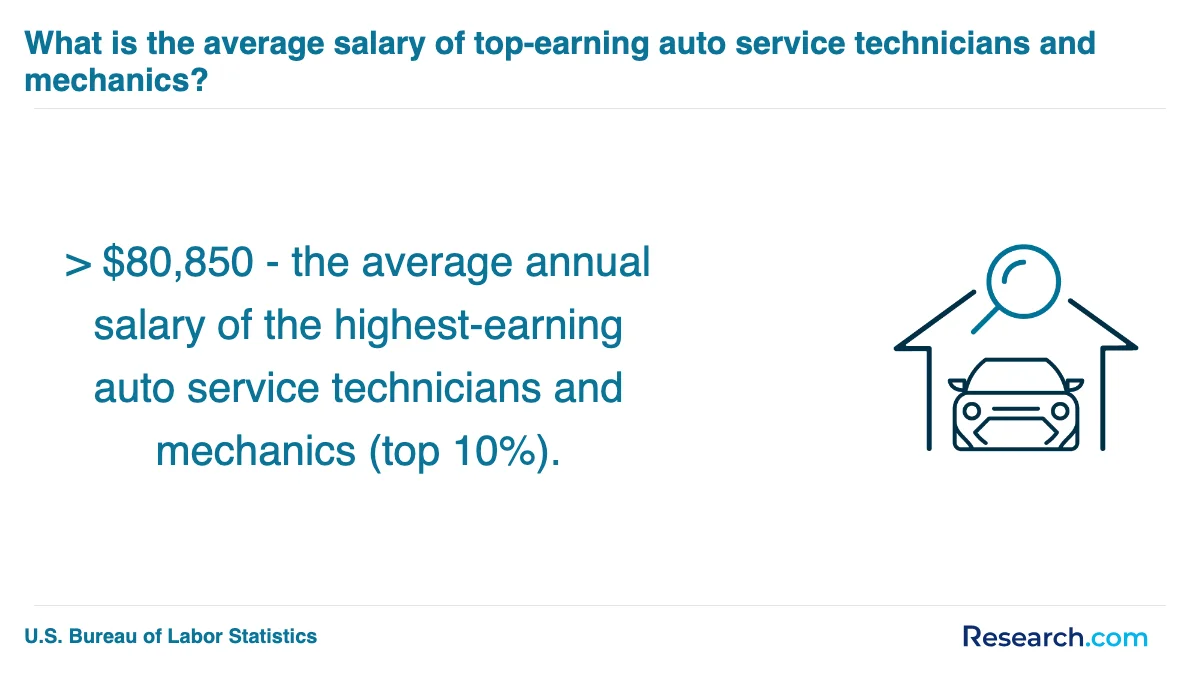
- Graduates of automotive technician trade schools in the Midwest can expect starting salaries between $36,000 and $42,000, with experienced technicians earning up to $80,000 or more, reflecting strong earning potential in this growing field.
- Career paths include becoming certified mechanics, specialists in electric or diesel vehicles, or advancing into management, offering diverse opportunities after graduation from popular Midwest trade schools.
- Completing an automotive technician trade school online provides flexibility and faster completion times, allowing graduates to enter the workforce sooner while gaining hands-on skills, as seen in successful online program alumni from well-known Midwest schools.
- Best Automotive Technician Training Programs & Trade Schools - Top Automotive Technician Schools in Midwest for 2026
- What can I expect from automotive technician trade schools in Midwest?
- Where can I work after finishing automotive technician trade schools in Midwest?
What can I expect from automotive technician trade schools in Midwest?
Expect to dive headfirst into hands-on learning that feels more like a mechanic's playground than a classroom. At places like Anoka Technical College in Minnesota, graduates recall spending roughly 75% of their time elbow-deep in engines and diagnostic tools, mastering skills on cutting-edge equipment that mirrors real shop environments.
Programs in Illinois, such as Illinois Central College, mix classroom theory with an 8-week internship, giving students a front-row seat to the daily hustle of automotive repair shops. They describe the thrill of applying their newfound knowledge on actual vehicles, sharpening their confidence and readiness for the workforce.
Coursework covers everything from engines and transmissions to complex electronic diagnostics, ensuring you're not just fixing cars but decoding their tech DNA. Whether you're at Universal Technical Institute finishing a 51-week blended program or tackling a 21-month associate degree at Mid-State Technical College, expect a curriculum that respects your pace and commitment.
Graduates smile knowing their credentials open doors across dealerships, fleets, and specialty shops throughout the Midwest, backed by programs accredited by ASE - a seal of approval employers trust. The future feels promising, with thousands of new jobs and competitive wages waiting just down the road.
Where can I work after finishing automotive technician trade schools in Midwest?
After finishing an automotive technician trade school program in the Midwest, graduates dive into a bustling job market that feels alive with opportunity. Imagine stepping out of a popular Midwest trade school, ready to pick up a wrench at a local dealership or an independent repair shop where every car tells a different story. One graduate shared how starting as an entry-level technician in Illinois quickly turned into mastering complex diagnostics while earning between $20 and $38 per hour.
Others find themselves in body shops, restoring battered vehicles to showroom condition-a rewarding blend of art and science. Think about working full-time at a place like Midwest Transit Equipment in Indiana, where skills in collision repair become your daily craft. Some graduates even branch into service advisor roles, using their technical knowledge to guide customers through repairs, turning frustration into relief.
The Midwest's automotive scene spans urban streets and rural roads, offering roles in engine testing, diesel maintenance, and preventative care. Trade schools here don't just teach theory-they prepare you to join a workforce hungry for skilled hands and sharp minds, where your training opens doors to diverse, fulfilling careers.
After finishing an automotive technician trade school program in the Midwest, graduates often find themselves stepping into jobs paying between $36,000 and $42,000 a year right out of the gate. Imagine walking into a bustling auto shop near Chicago or Indianapolis, where your hands-on skills learned at a local trade school suddenly translate into an hourly wage of $18 to $21. It's a solid start, especially when you know many peers are landing similar gigs with steady, reliable pay.
Some graduates in Missouri share stories of earning an average of $26.07 per hour, pushing their annual income toward $40,800 to $65,200. This range reflects the vibrant demand for skilled technicians across Midwest states, where city and rural shops alike appreciate certified and talented workers.
What really excites many is the boost certification brings. Those who become ASE-certified masters or specialize in electric vehicles often report salaries soaring to $60,000-$80,000 or even $75,000 to $95,000. It's not just a job; it's a career path with clear milestones and rewards, fueled by the very programs that helped them start strong.
- Most programs require placement tests in reading, math, and writing if ACT or SAT scores are unavailable, with admission open to high school graduates or GED holders.
- Programs typically offer an Associate in Applied Science degree completed in 21 to 24 months or shorter certificate options, with part-time and evening classes available.
- Tuition and fees for an AAS degree usually range from $8,000 to $12,000 for in-district students, and some schools provide tuition assistance.
- Programs are often accredited by the ASE Education Foundation and taught by ASE Master Certified Technicians with extensive experience.
- The median wage for automotive technicians in the Midwest is about $24.67 per hour, with top earners making up to $38.69 per hour.
- Hands-on training makes up around 75% of the curriculum, including internships and real-world experience to prepare students for jobs.
Completing an automotive technician trade school program in the Midwest typically takes about 12 to 24 months, depending on whether you choose a full-time or part-time path. Imagine diving into hands-on classes at a bustling trade school in Illinois, where graduates describe their first engine rebuild as a thrilling "aha" moment after just a few months. These programs balance classroom theory with practical shop time, letting you get greasy and confident quickly.
Some students at popular Midwest schools, like those in Ohio and Michigan, share how their schedules allowed them to work part-time while learning, stretching the program closer to two years but maintaining steady progress. The excitement of mastering diagnostics and repairs keeps the energy high, and the relatively short timeline means you're ready to hit the job market fast-often before friends in four-year programs finish their degrees.
This focused, hands-on learning experience in the heart of the Midwest's automotive industry creates a sense of pride and readiness among graduates eager to jump into careers with confidence and practical skills.
The difference between online and on-campus automotive technician programs in the Midwest boils down to how you get your hands dirty-literally. Imagine juggling a full-time job and family while logging into Delta College's online classes from your couch. That flexibility lets you learn at your own pace, but when it comes to real grease and engines, you still hit the shop for in-person labs. Many graduates from Universal Technical Institute rave about this blended approach, where theory is digital but the wrench work happens face-to-face, balancing convenience with crucial hands-on skills.
On the flip side, those who choose Illinois Central College or Lansing Community College dive headfirst into daily shop life. Picture walking into a buzzing garage, tools in hand, guided by instructors who've been in the field. These on-campus students get instant feedback, mentorship, and the kind of camaraderie that fuels passion and sharpens skills. They also tap into networks like SkillsUSA, opening doors beyond the classroom.
Both paths meet accreditation standards, but the vibe and rhythm of your learning adventure depend on whether you thrive in a flexible schedule or crave the energy of a live shop floor.
When considering the average tuition fees for automotive technician programs in the Midwest, keep in mind the real-world expenses that shape a student's journey. Graduates from popular trade schools like those in Illinois face not just the tuition but also additional costs - think of the College of DuPage, where lab fees of about $585 stack up alongside $400 to $1,400 for essential tools and roughly $1,650 for books. These numbers may seem like just figures on paper, but for many, they translate into hands-on experience, fixing real engines and mastering diagnostics in a lively garage environment.
Midwest trade schools often boast tuition rates that can surprise you-in Missouri, for instance, the average tuition sits near $5,000, while savvy students have unlocked in-district discounts as low as $2,400. Imagine the relief these savings bring when every dollar counts. Prospective students juggling living expenses, transportation, and the anticipation of their first paycheck understand the importance of balancing quality education with affordability. This is why knowing the cost of automotive technician trade school diplomas in Midwest states is crucial before taking the plunge.
Graduates often share stories of how investing wisely in their tuition paid off when landing jobs soon after training. The satisfaction of stepping into a career with confidence is central to the appeal of these programs. For anyone eager to explore career options that pay well, it's worthwhile to check out detailed insights into trade school high paying jobs as part of your study planning.

Imagine starting your journey at a Midwest trade school like Universal Technical Institute, where over $15 million in scholarships and grants were handed out in 2022 alone. Graduates often recall how these merit- and need-based awards turned daunting tuition bills into manageable steps toward their dream careers. Many kick off their financial aid quest by filing the FAFSA, unlocking access to federal Pell Grants that feel like a gift rather than a loan.
Community colleges such as Moraine Valley in Illinois add to the mix with tuition assistance programs offering up to $8,000, easing the burden while you focus on mastering engine diagnostics and brake systems. Illinois Central College's streamlined scholarship application is a favorite among students, opening doors to hundreds of funding opportunities with a single form.
For those who want to hustle and learn simultaneously, apprenticeships partner you with local automotive shops, where tuition, books, and fees often get covered while you earn hands-on experience. Private scholarships tailored for Midwest residents provide yet another boost, making it clear that financial hurdles don't have to stall your passion for automotive technology.
To jump into an automotive technician trade school in the Midwest, you'll usually need a high school diploma or GED-think of it as your ticket to the garage. Graduates from well-known Midwest trade schools often share that having a solid foundation in math and science really turbocharges your learning experience, especially when diagnosing complex engine issues or electrical systems.
Typical prerequisites include:
- High school diploma or GED
- Basic math and science proficiency
- Sometimes a valid driver's license
- Pass a background check or drug screening in select programs
One graduate fondly recalls how brushing up on algebra before starting at a Chicago-area trade school made tackling engine diagnostics feel less intimidating. Another from a Detroit school appreciated the hands-on readiness gained by meeting these prerequisites, which helped them dive straight into wrench-turning and troubleshooting.
The prerequisites aren't just hoops-they're your first pit stops on the journey to becoming a skilled automotive technician in the heart of America's auto industry.
Midwest automotive technician trade schools pack their programs with courses that make you feel like you're already under the hood. Graduates often say the hands-on experience was a game-changer, transforming theory into real skills. Imagine diagnosing engine hiccups or mastering brake repairs by actively working on vehicles, not just reading manuals.
Typical courses you'll dive into include:
- Automotive Fundamentals: Grasping the basics of vehicle design and safety, setting a solid foundation.
- Engine Repair and Performance: Learning to troubleshoot and rebuild engines-real motor magic happens here.
- Suspension, Steering, and Alignment: Ensuring cars drive smooth and safe, with practical wheel alignment practice.
- Transmission Systems: Tackling both manual and automatic transmissions, a favorite among students who love problem-solving.
- Brakes: Getting hands-on with hydraulic and electronic systems-critical for road safety.
- Electrical and Electronic Systems: From wiring to computerized controls, this course unlocks the tech side of modern vehicles.
- HVAC: Repairing climate control systems to keep rides comfortable all year.
- Automotive Welding: Some programs include welding, perfect for students who want to fabricate and repair like pros.
Many students appreciate that up to 75% of their time is spent in fully equipped labs, turning lessons into unforgettable, hands-on moments. The blend of technical courses with customer communication and shop management prepares graduates to hit the ground running in Midwest garages and dealerships.
Midwest automotive technician trade schools serve up a vibrant palette of specializations that thrill students eager to master the mechanical and electronic artistry under every hood. Graduates recall diving into core areas like engine design, suspension systems, transmissions, and automotive electrical systems-each skill unlocking a new layer of expertise. For those hungry for more, advanced courses unfold mysteries of Automotive Body Electricity, diesel fuel systems, hybrid technology, and sophisticated diagnostics, transforming the curious novice into a confident pro.
Hands-on lab work-sometimes up to 75% of class time-immerses learners in real-world scenarios, whether tinkering with Ford drivetrains or decoding hybrid vehicles. One Midwest trade school grad fondly remembered honing skills with manufacturer-specific training from BMW and Toyota, a vital edge for career-ready technicians.
The diversity of options in automotive technician specializations Midwest trade schools offer fuels both excitement and assurance, especially as these programs gear up students toward ASE certified automotive programs in Midwest. Electives stretch to motorsports, heavy trucks, and even business management, letting students tailor their journey.
For those targeting bigger credentials, the path continues seamlessly toward an associate degree or even a bachelor degree in automotive technology, marrying passion with proven industry standards.
Picking the best automotive technician trade schools in Midwest means getting your hands dirty in places where real engines roar and diagnostics tools beep like in a bustling garage down the street. Graduates from popular colleges here rave about how their programs matched the fast pace of local dealerships and repair shops, turning classroom theory into tangible skills. Imagine working on hybrid vehicles today because your Midwest program invested in cutting-edge labs-this is the competitive edge many find essential.
In Midwest schools, how to select top automotive technician programs in Midwest often boils down to digging into curriculum depth and hands-on training opportunities. Some grads share stories of internships lined up through school partnerships with regional auto businesses, giving them a foot in the door right after graduation. Facilities equipped with up-to-date gear make a noticeable difference for those learning diagnostic and repair work, preparing them for tomorrow's automotive world.
Don't overlook practicalities like location or schedule flexibility that fit your lifestyle. Many students appreciate programs offering evening or hybrid classes, especially when balancing other commitments. The cost is another factor-financial aid can transform dream schools into achievable goals. For a detailed journey on how to become an auto mechanic, explore trusted resources that align with your Midwest ambitions.
Graduates from automotive technician trade school programs in the Midwest dive into diverse career opportunities for automotive technicians in Midwest that go far beyond basic repair roles. Many alumni find themselves working as Automotive Service Technicians or Mechanics, using cutting-edge diagnostic tools learned at popular Midwest trade schools to tackle vehicle troubles head-on. Others carve out niches as Fleet Technicians, managing entire company fleets and ensuring everything runs smoothly on the road.
The journey often doesn't stop there. Graduates share stories of advancing to service counter roles or becoming Service Writers, acting as the crucial bridge between customers and the garage. Those with a knack for leadership and communication frequently climb the ladder to Service Manager or Service Advisor positions, steering daily operations at bustling dealerships or independent shops.
Midwest automotive technician jobs and advancement also include specialties like electric and hybrid vehicle servicing, reflecting the region's evolving automotive technology. School programs emphasize stackable credentials, setting up graduates for lifelong growth. For a comprehensive range of options, many look into accredited online trade schools, enhancing their skills flexibly while expanding their career horizons.
- Entry-level roles: Automotive Service Technician, Mechanic, Maintenance Light Repair Technician
- Specialized paths: Fleet Technician, Parts Counterperson, Service Writer
- Advancement: Service Manager, Service Advisor, Master Technician
The automotive technician job outlook Midwest paints a promising picture for graduates of trade schools across the region. Imagine a graduate stepping out from a popular Midwest trade school, armed with hands-on skills and certifications like ASE, ready to tackle over 870 job openings in states like Minnesota alone. Employers in bustling hubs-from Chicago garages to Minneapolis dealerships-are eager to snap up talent, especially those versed in hybrid systems or computer diagnostics.
Graduates often share stories of landing jobs with hourly wages between $30 and $56 or annual salaries stretching up to $104,000 for specialists. These figures aren't just numbers; they reflect real opportunities fueled by aging car fleets needing expert care and employers struggling to fill roles.
Why the surge? Consider these key factors:
- Growing demand for advanced automotive technology skills
- Strong preference for certified, postsecondary-trained technicians
- Consistent job openings due to retirements and career shifts
If you're weighing options between college vs. trade school in the automotive field, the demand in Midwest trade schools offers a vibrant pathway where quick entry and solid pay converge.
Best Automotive Technician Training Programs & Trade Schools - Top Automotive Technician Schools in Midwest for 2026
# 1 position
Mahoning County Career and Technical Center - Automobile/Automotive Mechanics Technology/Technician.
certificate or diplomaThe Automobile/Automotive Mechanics Technology/Technician program at Mahoning County Career and Technical Center offers a hybrid format with some distance-education options. It prepares students to repair, service, and maintain various automobile systems, including brakes, electrical, engines, transmissions, and heating and air conditioning. The program is accredited by the Accrediting Commission of Career Schools and Colleges.
# 2 position
Metropolitan Community College Area - Automobile/Automotive Mechanics Technology/Technician.
associateThe Automobile/Automotive Mechanics Technology/Technician program at Metropolitan Community College Area offers a hybrid learning format. It prepares students to repair, service, and maintain various automobile systems, including brakes, electrical, engines, transmissions, and heating/air conditioning. The program is accredited by the Higher Learning Commission. Annual in-state tuition is $3,285, and median earnings one year after completion reach $52,060.
# 3 position
Metropolitan Community College Area - Automobile/Automotive Mechanics Technology/Technician.
certificate or diplomaThe Metropolitan Community College Area offers a hybrid Automobile/Automotive Mechanics Technology/Technician program designed to prepare students with technical skills to repair, service, and maintain various automobiles. The curriculum covers brake systems, electrical systems, engine performance and repair, suspension and steering, transmissions, and heating and air conditioning systems. Annual in-state tuition is $3,285. Median earnings one year after completion are $52,060. The program is accredited by the Higher Learning Commission.
# 4 position
State Technical College of Missouri - Automobile/Automotive Mechanics Technology/Technician.
associateThe Automobile/Automotive Mechanics Technology/Technician program at State Technical College of Missouri offers a hybrid format with some distance education options. It prepares students to repair, service, and maintain various automobile systems, including brakes, electrical, engine, suspension, transmissions, and HVAC. The program is accredited by the Higher Learning Commission. Annual in-state tuition is $7,830, and median earnings one year after completion are $42,544.
# 5 position
State Technical College of Missouri - Automobile/Automotive Mechanics Technology/Technician.
certificate or diplomaThe Automobile/Automotive Mechanics Technology/Technician program at State Technical College of Missouri offers a hybrid format with some distance education. It prepares students to repair and maintain various automobile systems, including brakes, electrical, engines, transmissions, and HVAC. The annual in-state tuition is $7,830. Graduates earn a median salary of $42,544 one year after completion. The program is accredited by the Higher Learning Commission.
# 6 position
Fox Valley Technical College - Automobile/Automotive Mechanics Technology/Technician.
associateFox Valley Technical College offers a hybrid Automobile/Automotive Mechanics Technology/Technician program designed to prepare students for repairing, servicing, and maintaining various automobiles. The curriculum covers brake systems, electrical systems, engine performance and repair, suspension and steering, transmissions, and heating and air conditioning systems. The program is accredited by the Higher Learning Commission. Annual in-state tuition is $4,916, and median earnings one year after completion reach $47,998.
# 7 position
Fox Valley Technical College - Automobile/Automotive Mechanics Technology/Technician.
certificate or diplomaFox Valley Technical College offers a hybrid Automobile/Automotive Mechanics Technology/Technician program that prepares students to repair, service, and maintain various automobile systems. The curriculum covers brake systems, electrical systems, engine performance and repair, suspension, steering, transmissions, drive trains, and heating and air conditioning. Annual in-state tuition is $4,916. Graduates earn a median salary of $47,998 one year after completion. The program is accredited by the Higher Learning Commission.
# 8 position
Lake Area Technical College - Automobile/Automotive Mechanics Technology/Technician.
associateLake Area Technical College offers a hybrid Automobile/Automotive Mechanics Technology/Technician program that prepares students to repair, service, and maintain various automobiles. The curriculum includes brake systems, electrical systems, engine performance and repair, suspension and steering, transmissions, and heating and air conditioning systems. Annual in-state tuition is $6,718. Median earnings one year after completion are $47,080. The program is accredited by the Higher Learning Commission.
# 9 position
North Dakota State College of Science - Automobile/Automotive Mechanics Technology/Technician.
associateThe North Dakota State College of Science offers a Hybrid program in Automobile/Automotive Mechanics Technology/Technician that prepares students to repair, service, and maintain various automobile systems. The curriculum covers brake, electrical, engine, suspension, transmission, and heating and air conditioning systems. Annual in-state tuition is $5,928. Graduates have median earnings of $56,659 one year after completion. The program is accredited by the Higher Learning Commission.
# 10 position
Salina Area Technical College - Automobile/Automotive Mechanics Technology/Technician.
associateSalina Area Technical College offers a Hybrid program in Automobile/Automotive Mechanics Technology/Technician that prepares students to repair, service, and maintain various automobile systems, including brakes, engines, transmissions, and air conditioning. The program is accredited by the Higher Learning Commission. Annual in-state tuition is $7,020. Graduates earn a median income of $35,847 one year after completion, reflecting strong employment outcomes in the automotive field.
Frequently Asked Questions about automotive technician
After completing an automotive technician trade school in the Midwest, preparing for the job market involves several key steps. First, obtaining industry certifications such as the National Institute for Automotive Service Excellence (ASE) credentials can significantly boost employability. According to the Bureau of Labor Statistics, ASE-certified technicians often earn higher wages and have better job prospects.
Networking is also vital. Attending local job fairs and joining professional associations like the Automotive Service Association (ASA) helps graduates connect with employers. Many Midwest schools offer career services that assist with resume writing and interview preparation.
Gaining hands-on experience through internships or apprenticeships during or after training is highly recommended. The Midwest's automotive sector is robust, with a growing demand for skilled technicians due to an increase in vehicle complexity and electric vehicle maintenance needs, as reported by the National Automotive Technicians Education Foundation (NATEF).
Employers in the Midwest prioritize several key skills when hiring automotive technician trade school graduates. According to the U.S. Bureau of Labor Statistics and regional workforce reports, technical proficiency in engine diagnostics and repair is essential. Graduates must be skilled with computerized diagnostic tools, reflecting the growing complexity of modern vehicles.
Strong problem-solving abilities and attention to detail are also highly valued. Employers often look for candidates who can quickly identify issues and perform accurate repairs to reduce vehicle downtime.
Additionally, good communication skills are important for explaining repairs to customers and collaborating with team members. Safety knowledge and adherence to industry standards remain critical for all automotive technicians.
Finding internships relevant to automotive technician trade school programs in the Midwest involves several strategic steps. Begin by consulting your school's career services office, which often partners with local dealerships and repair shops to offer internship opportunities. Many Midwest trade schools maintain relationships with industry employers to facilitate placements.
Additionally, explore resources like the National Institute for Automotive Service Excellence (ASE), which provides listings of certified shops that may offer internships. According to the U.S. Bureau of Labor Statistics, the Midwest has a growing demand for automotive service technicians, increasing internship availability.
Networking through local automotive trade associations and attending job fairs in cities such as Detroit or Indianapolis can also uncover internship openings. Online platforms focused on Midwest job markets, like the Illinois Department of Employment Security website, provide updated internship listings tailored to the region.
Obtaining an automotive technician trade school diploma in the Midwest significantly enhances career mobility and advancement opportunities. According to the U.S. Bureau of Labor Statistics, automotive service technicians in the Midwest earn a median annual wage higher than the national average, reflecting strong regional demand.
Trade school diplomas provide hands-on training and industry-recognized certifications, which employers value highly when promoting technicians to specialized or supervisory roles. Additionally, many Midwest states offer apprenticeship programs linked to trade schools, further improving job prospects and skill development.
Graduates often find easier access to dealerships, repair shops, and manufacturing facilities, which prioritize certified technicians for higher pay and advancement. Data from the National Center for Education Statistics shows that diploma holders experience a 15-20% increase in employment rates compared to those without formal training.
Students enrolled in automotive technician trade schools in the Midwest can benefit from part-time jobs that directly relate to their field. Positions such as automotive service assistants or tire technicians at local repair shops provide practical experience alongside classroom learning. According to the Bureau of Labor Statistics, the Midwest region shows steady demand for automotive service technicians, with job growth around 5% from 2022 to 2032.
Additionally, roles in parts departments or dealerships allow students to familiarize themselves with vehicle components and customer service. These jobs typically offer flexible hours to accommodate class schedules. Gaining hands-on experience through such positions can improve technical skills and increase employability after graduation.
Yes, there are reputable automotive technician degree programs near me in the Midwest, offering comprehensive training for aspiring professionals. These programs often include both classroom instruction and hands-on experience to prepare students for the demands of the industry. Research.com can be a helpful resource to identify top-ranking programs located near Midwest universities and colleges.
- Jobs You Can Only Get with an Automotive Technology Degree - Benjamin Franklin Cummings Institute of Technology https://franklincummings.edu/blog/automotive-technology/
- What Can You Do With An Auto Tech Degree? | MWCC https://mwcc.edu/blog/automotive-technology-faqs/
- What You Can Do With An Automotive Technology Degree 2021 https://www.neit.edu/blog/automotive-technology-degree
- What Can You Do With An Automotive Technology Degree? https://thebestschools.org/degrees/automotive-technology-degree/
- Automotive Technician Jobs to Apply For | NYADI The College of Transportation Technology https://nyadi.edu/blog/industries-to-explore-after-finishing-your-automotive-technology-degree/
- Master Automotive Service Technology A.A.S. - Career Degree - College of Lake County https://www.clcillinois.edu/programs/egrdv/automotive-technology/master-automotive-service-technician-aas-career-degree
- Auto Technician | Cox Careers https://jobs.coxenterprises.com/en/career-areas/auto-technician/
- Become a Technician - More Than Auto Dealers - Educating | Giving | Connecting https://morethanautodealers.com/the-auto-industry/career-opportunities/become-a-technician/
- Automotive Service Technician Apprenticeship Program https://www.confederationcollege.ca/program/automotive-service-technician-apprenticeship
- Automotive Technology | Hennepin Technical College https://hennepintech.edu/academic-programs/transportation/automotive-technology.html


