Best Automotive Technician Training Programs & Trade Schools - Top Automotive Technician Schools in Colorado Springs for 2026

Co-Founder and Chief Data Scientist
The right automotive technician trade school in Colorado Springs should do more than teach basic repair skills. It should give you enough hands-on practice, certification preparation, employer connections, and cost transparency to move into an entry-level shop role with confidence. This guide is designed for students comparing local automotive programs, working adults who need a faster path into a skilled trade, and career changers who want practical training without spending years in school.
Research.com’s ranking of automotive technician trade school programs was developed by the Research.com team of data scientists to help readers compare options more clearly. In the sections below, you will learn what these programs typically cover, how long they take, what they may cost, what financial aid can help, and what Colorado Springs graduates can expect from the local job market. The goal is simple: help you choose a program that fits your budget, schedule, career goals, and need for real shop experience.
Key benefits of finishing automotive technician trade school in Colorado Springs
- Clearer path into paid automotive work: Trade school can help students move from general interest in cars to job-ready skills in diagnostics, brakes, suspension, electrical systems, engine performance, and shop safety.
- Local earning potential: Graduates of automotive technician trade schools in Colorado Springs can expect an average salary around $67,033 per year. Entry-level positions start near $50,610, while experienced roles can earn up to $76,367.
- Room to specialize: Graduates can work as automotive mechanics, move into lead technician roles, or focus on high-demand areas such as diagnostics, diesel systems, electronics, transmissions, or fleet maintenance.
- Faster training than many degree paths: Many programs are designed to be completed in one to two years, giving students a shorter route into the workforce than traditional four-year study.
- Flexible learning options: Completing a trade school online can offer flexibility and faster completion for students balancing work, family, and school, though automotive students should confirm how hands-on lab requirements are handled.
- Best Automotive Technician Training Programs & Trade Schools - Top Automotive Technician Schools in Colorado Springs for 2026
- What can I expect from automotive technician trade schools in Colorado Springs?
- Where can I work after finishing automotive technician trade schools in Colorado Springs?
What can I expect from automotive technician trade schools in Colorado Springs?
Automotive technician trade schools in Colorado Springs usually combine classroom instruction with hands-on shop training. Students learn how vehicle systems work, then apply that knowledge by inspecting, diagnosing, and repairing real or training vehicles under instructor supervision. Programs such as those at IntelliTec College and Pikes Peak Community College are often valued because students spend time in automotive bays using tools and procedures similar to those used in service departments.
Expect the training to be practical and systems-based. Instead of studying vehicles as one broad topic, students typically move through major areas such as engine repair, brakes, steering and suspension, ignition, HVAC, transmissions, diesel engines, and automotive electronics. This matters because modern vehicles rely heavily on sensors, modules, wiring, and computer-based diagnostics.
Program length depends on the credential. Certificates may take less time, while associate degree programs usually require a longer commitment and include broader technical or general education coursework. Programs typically last one to two years, depending on whether students pursue certificates or associate degrees.
Admissions are usually straightforward. Many schools ask for a high school diploma and a driver's license, especially when students may work around customer vehicles or participate in driving-related lab activities. Students should also expect to build toward industry-recognized credentials such as ASE certification, although exact certification preparation varies by school.
Where can I work after finishing automotive technician trade schools in Colorado Springs?
After completing an automotive technician trade school program in Colorado Springs, graduates can pursue work in dealerships, independent repair shops, tire and service centers, fleet maintenance departments, and specialty repair businesses. Dealerships such as Lexus of Colorado Springs and AutoNation are examples of local employers where technicians may handle maintenance, inspections, diagnostics, and repair work.
Common entry points include automotive technician, automotive mechanic, tire technician, auto body repair technician, detailer, and service support roles. Some graduates also move into fleet maintenance, where they service vehicles for companies, delivery operations, public agencies, or local government fleets.
Pay can vary widely by employer, experience, certifications, and pay structure. Local roles may offer wages typically between $18 and $50 per hour based on experience and certifications. New graduates often begin with maintenance and basic repair work, then advance as they prove their diagnostic ability, speed, accuracy, and customer-service professionalism.
Career growth usually depends on continued learning. Employers may provide on-the-job training or encourage certifications such as Certified GM Technician. Over time, technicians can move toward senior technician, lead technician, master technician, shop foreman, service advisor, or specialty diagnostic roles.
After finishing an automotive technician trade school program in Colorado Springs, graduates typically start with an annual salary around $50,610, with most earning between $43,711 and $57,021. This is a realistic range for entry-level positions such as Automotive Mechanic I and similar early-career shop roles.
With experience, additional certifications, and stronger diagnostic skills, many technicians can increase their earnings. The average is $67,033 per year, and hourly wages often range from $18.32 to $29.28. Technicians with advanced skills, strong productivity, or specialized diagnostic ability may earn up to $39.82 per hour.
Local job postings show that skilled technicians can command salaries from $60,000 to $125,000 annually, depending on role complexity, employer type, certifications, and experience. Dealerships and specialized repair environments may offer higher earning potential, but they may also expect faster turnaround, manufacturer-specific training, or a stronger record of completed repairs.
Students should evaluate salary alongside total program cost, tools, certification fees, commute time, and the likelihood of job placement. A lower-cost program with strong local employer ties may deliver better value than a more expensive option without clear hands-on training or career support.
- Automotive technician programs in Colorado Springs typically take one to two years, offering certificates or associate degrees.
- Training covers engine performance, electrical systems, brakes, suspension, air conditioning, and vehicle diagnostics.
- Admission usually requires a high school diploma or GED; some programs also ask for a valid driver's license and clean driving record.
- Tuition ranges from $10,000 to $18,000 for one-year certificates and $18,000 to $30,000 for two-year associate degrees.
- Entry-level technicians earn about $40,000 to $45,000 annually, with experienced professionals making $60,000 or more.
Completing an automotive technician trade school program in Colorado Springs typically takes between 9 months and 18 months, depending on the school, credential, schedule, and depth of training. Shorter programs may focus on core repair skills and job readiness, while longer programs may include broader diagnostics, additional systems training, or associate degree requirements.
Students choosing a faster program should make sure the shorter timeline does not reduce access to shop time. Automotive training depends heavily on repetition: inspecting parts, using diagnostic equipment, following service procedures, and correcting mistakes under supervision. A program that moves quickly can be valuable, but only if students still get enough hands-on practice.
Before enrolling, ask each school for a detailed weekly schedule, total lab hours, expected outside study time, and any required externship or internship components. Also ask whether classes are offered during the day, evening, or in a hybrid format. The best timeline is not always the shortest one; it is the one you can complete consistently while building skills employers will trust.
The main difference between online and on-campus automotive technician trade school programs is access to hands-on vehicle training. On-campus students typically work in labs or automotive bays with vehicles, lifts, scan tools, and instructor supervision. For many students, this direct practice is the fastest way to build confidence with diagnostics, repairs, safety procedures, and shop workflow.
Online programs are usually stronger for theory-based topics, such as system operation, terminology, repair documentation, safety concepts, and basic diagnostics. They can be helpful for students who need flexibility, but automotive training cannot be fully mastered through videos and assignments alone. Students in online programs may need to arrange local shop experience, internships, or employer-based training to gain practical skills.
For students in Colorado Springs, an on-campus or hybrid program may be the better fit if they are new to the field and need guided practice with tools and vehicles. An online option may work better for students who already work in a shop, have access to equipment, or need to complete classroom portions around an existing schedule.
- Choose on-campus if you need structured labs, instructor feedback, and regular access to vehicles and tools.
- Choose online or hybrid if flexibility is essential and you have a realistic plan for hands-on practice.
- Ask before enrolling how the program prepares students for ASE-related knowledge and practical shop expectations.
The average cost automotive technician trade school Colorado Springs students can expect generally hovers around $16,000. Actual costs vary by credential, school, program length, fees, tools, books, supplies, and whether students qualify for financial aid.
Pikes Peak Community College charges approximately $8,858 in tuition fees for its Associate of Applied Science in Automotive Service Technology. IntelliTec College has an average net price closer to $18,035. These figures show why students should compare total cost, not just advertised tuition.
The typical course length is about 47 weeks, which helps students estimate both the time commitment and the period during which they may need to manage transportation, work schedules, childcare, and living expenses. Tuition fees automotive technician programs Colorado Springs offer can vary widely, so applicants should request a written cost breakdown from each school before applying.
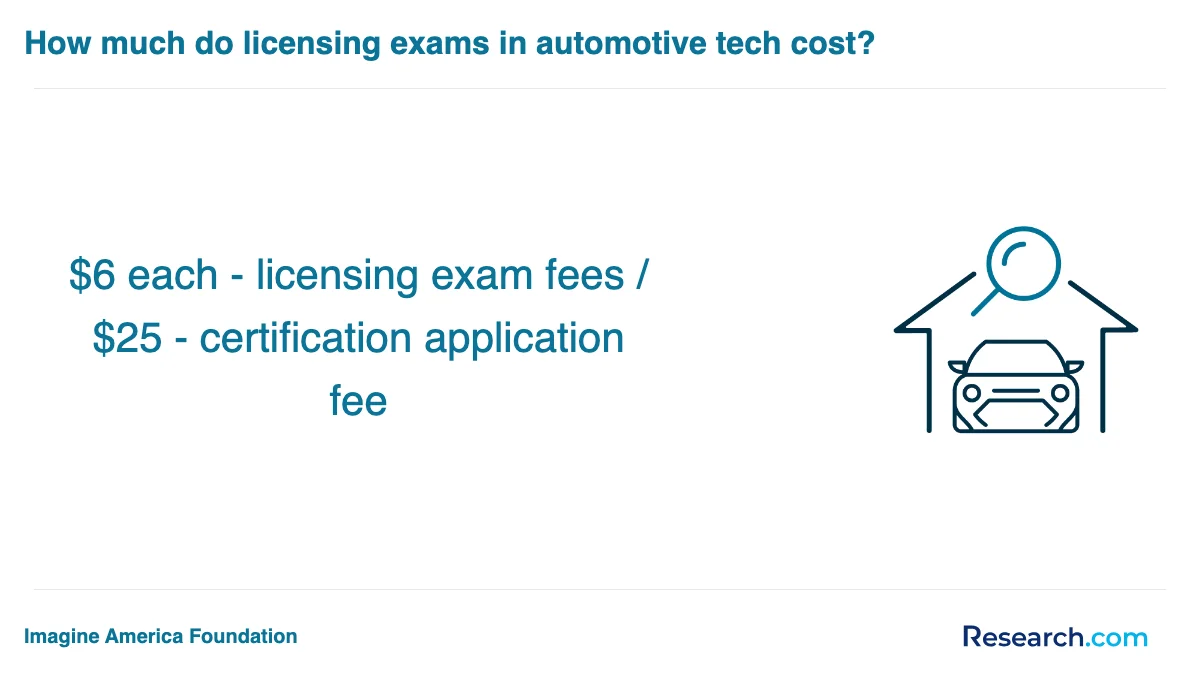
When comparing programs, look at what the price includes. A program that appears cheaper may require separate tool purchases or certification exam fees, while a higher-cost program may include more lab access, career support, or equipment. Students comparing flexible training models can also review the best vocational trade online schools to understand how online vocational options differ in cost and format.
Automotive technician students in Colorado Springs may be able to use federal, state, local, institutional, and employer-based aid to reduce out-of-pocket costs. The first step for many students is completing the FAFSA, which determines eligibility for federal student aid such as Pell Grants, FSEOG, and federal loans.
Financial aid offices can help students understand what they qualify for and what must be repaid. Grants and scholarships generally do not require repayment, while loans do. Before accepting loans, students should compare expected payments with realistic entry-level earnings.
Colorado residents may also qualify for state and local scholarships. Examples include the Daniels Scholarship, which rewards students maintaining a 3.0 GPA, and awards from local groups like the BCC, which specifically targets automotive trade students. Availability and eligibility can vary, so students should confirm deadlines, residency rules, GPA requirements, and whether funds can be used for tools or fees.
Institutional grants and scholarships may also be available through individual schools based on merit, financial need, or program enrollment. Some students may also benefit from apprenticeship programs sponsored by car manufacturers, which combine paid work experience with training. These options can be especially valuable because they help students earn while building the hands-on skills required in automotive careers.
Most automotive technician trade schools in Colorado Springs have accessible admissions requirements. Applicants usually need a high school diploma or GED to show they have the reading, writing, and math foundation needed for technical training, repair documentation, measurements, and diagnostic procedures.
Some schools may also ask for a valid driver's license, especially if students will move vehicles, complete road-test procedures, or work in lab settings that involve customer or school-owned vehicles. A clean driving record may be required by some programs or employers, particularly for internships, apprenticeships, or dealership placement.
Typical prerequisites include:
- Proof of a high school diploma or GED
- Basic math and reading competency
- Sometimes, a driver's license to participate in practical vehicle work
- Interest in hands-on learning and problem-solving
Prior automotive experience can help, but it is not always required. Students who took high school automotive classes, worked on personal vehicles, or gained informal mechanical experience may feel more comfortable at first. However, motivation, attendance, safety awareness, and willingness to practice are often just as important for success.
Automotive technician trade school programs in Colorado Springs usually organize coursework around the major systems technicians service in real shops. Students learn how each system operates, how to identify failures, how to use diagnostic tools, and how to complete repairs safely and accurately.
Core courses usually cover:
- Engine repair and performance: Students learn to inspect, diagnose, and repair gasoline and diesel engine systems, including performance problems that affect drivability.
- Brakes, suspension, and steering: These courses focus on essential safety systems, including inspection procedures, component replacement, alignment-related concepts, and roadworthiness.
- Automotive electronics: Modern vehicles rely on electrical circuits, sensors, modules, and computerized controls, so students need a strong foundation in wiring, testing, and diagnostics.
- Transmissions and drivetrains: Training may include manual, automatic, and four-wheel drive systems, helping students understand how power moves from the engine to the wheels.
- HVAC systems: Students learn to diagnose and repair heating, ventilation, and air conditioning systems, which are common sources of customer repair requests.
- Emission and environmental systems: These courses teach students how vehicles control emissions and why proper repair procedures matter for compliance and performance.
Students also commonly learn shop safety, tool use, service documentation, customer communication, and diagnostic workflow. These skills matter because employers need technicians who can do more than replace parts; they need workers who can identify the actual problem, explain the repair clearly, and complete work consistently.
Automotive technician trade school programs in Colorado Springs may allow students to build depth in specific repair areas, either through formal tracks or through advanced coursework and certifications. Specialization can help graduates qualify for more focused roles and stand out from entry-level applicants.
Common areas of specialization include engine repair and performance, gasoline and diesel engines, electronics and electrical systems, HVAC systems, collision repair, transmissions, suspension, estimating damages, and plastics repair. Diesel mechanic training programs Colorado Springs students consider may be especially relevant for those interested in trucks, fleet vehicles, commercial service, or heavy-use engines.
Students should choose a specialization based on local demand, personal strengths, and long-term career goals. For example, students who enjoy complex problem-solving may prefer diagnostics and electrical systems, while those who like physical repair work may prefer collision, suspension, or drivetrain work. Students interested in broader advancement can also explore a 4 year automotive degree as a way to compare trade-focused training with longer automotive technology pathways.
To choose the best automotive technician trade school program in Colorado Springs, focus on the factors that directly affect employability: accreditation, hands-on lab time, certification preparation, instructor experience, equipment quality, employer relationships, cost, and completion support.
Accreditation is important because it signals that a program has gone through an external review process. Graduates from top-rated automotive trade schools in Colorado Springs often point to the value of NATEF-accredited courses, such as those at Pikes Peak Community College, because employers may recognize that training standard. Students should verify current accreditation directly with the school before enrolling.
Hands-on training should be a top priority. For example, IntelliTec College's 15-month program immerses students in practical automotive repair scenarios using up-to-date equipment. Applicants should ask how much time is spent in the lab, what types of vehicles and diagnostic tools are used, and whether students practice procedures that match current shop expectations.
Certification preparation can also affect job prospects. Programs that prepare students for ASE exams, EPA and Pro Cut certifications, or manufacturer-related credentials may offer an advantage. Job placement support is another key factor. Schools like Pikes Peak boast nearly 90% placement, reflecting strong employer connections.
Before committing, ask each school these questions:
- Is the program accredited, and by whom?
- How many hours are spent in hands-on labs?
- What certifications can students prepare for or earn?
- What is the total cost, including tools, books, fees, and exam costs?
- What job placement support is available after graduation?
- Which local employers hire graduates?
A strong program should help students access some of the trade school highest paying jobs in automotive technology by combining practical training with credible credentials and local employer connections.
Automotive technician trade school graduates in Colorado Springs can pursue several career paths, from entry-level maintenance roles to specialized repair and leadership positions. Many begin as technicians handling oil changes, tire rotations, inspections, brake work, and basic diagnostics at dealerships, independent shops, or service centers.
As graduates gain experience, they may move into A-level repair technician roles, factory-trained specialist positions, or brand-specific service work for manufacturers such as BMW or Lexus. Some specialized or advanced roles may offer higher hourly wages from $23 to $45, depending on experience, certifications, and employer expectations.
Career opportunities for automotive trade school graduates in Colorado Springs include:
- Entry-level technicians performing diagnostics and basic repairs
- Service advisors and shop foremen managing customer relations and workflow
- Automotive parts specialists supporting repair teams
- Auto detailers focusing on vehicle appearance and upkeep
- Entrepreneurs opening independent repair shops or mobile mechanic services
Some employers provide benefits such as health insurance and 401(k)s, which can improve long-term career stability. The shift toward electric vehicle technologies may also create additional opportunities for technicians willing to pursue further certification and updated training.
Students comparing career routes should consider how trade school differs from longer academic pathways. This comparison of trade school and college options can help clarify whether a hands-on automotive program or a broader degree path better fits your goals.
The automotive technician job market Colorado Springs remains active, with employers seeking graduates who can perform reliable maintenance, diagnostics, and repair work. Recent graduates from local programs may find opportunities in independent shops, dealership service centers, tire and service businesses, fleet departments, and specialty repair environments.
Local listings commonly show 100 to 200 job openings targeting various levels of automotive expertise. Employers often prefer applicants who have completed trade school, gained hands-on experience, or obtained ASE certifications. Entry-level roles typically start around $18 per hour, while experienced technicians may earn $50 or more, depending on skill level, certifications, employer, and pay structure.
Many shops use flat-rate pay systems, which can reward speed and accuracy but may be challenging for new technicians still building efficiency. Students should ask potential employers how pay is calculated, whether training time is paid, and what support is available for certification testing.
Trade school grads frequently highlight these benefits:
- Strong employer demand welcoming entry-level technicians.
- Flexible part-time and full-time job opportunities.
- Additional perks such as 401(k) matching and sign-on bonuses.
Graduates who continue learning often have better long-term prospects. Some local employers support ongoing ASE test fees and training updates, which can help technicians move into higher-skill roles. Students who want a broader view of the occupation can review this guide on how to become an automotive service technician for practical career-path and salary context.
Best Automotive Technician Training Programs & Trade Schools - Top Automotive Technician Schools in Colorado Springs for 2026
# 1 position
Intellitec College-Colorado Springs - Automobile/Automotive Mechanics Technology/Technician.
associateThe Automobile/Automotive Mechanics Technology/Technician program at Intellitec College-Colorado Springs offers hybrid learning with some distance-education options. It trains students in repairing, servicing, and maintaining automobiles, covering brake systems, electrical systems, engine performance, transmission, suspension, and heating and air conditioning. Graduates have median earnings of $34,423 one year after completion. The program is accredited by the Accrediting Commission of Career Schools and Colleges.
# 2 position
Pikes Peak State College - Automobile/Automotive Mechanics Technology/Technician.
associatePikes Peak State College offers a hybrid Automobile/Automotive Mechanics Technology/Technician program that prepares students to repair, service, and maintain various automobile systems. Instruction covers brake systems, electrical systems, engine performance and repair, suspension, steering, transmissions, and heating and air conditioning. The program’s annual in-state tuition is $4,302. It is accredited by the Higher Learning Commission and includes some distance-education options for flexibility.
# 3 position
Intellitec College-Colorado Springs - Automobile/Automotive Mechanics Technology/Technician.
certificate or diplomaThe Automobile/Automotive Mechanics Technology/Technician program at Intellitec College-Colorado Springs offers a hybrid format with some distance education options. It trains students to repair, service, and maintain various automobile systems, including brakes, electrical, engines, transmissions, and heating and air conditioning. Graduates have median earnings of $34,423 one year after completion. The program is accredited by the Accrediting Commission of Career Schools and Colleges.
# 4 position
Pikes Peak State College - Automobile/Automotive Mechanics Technology/Technician.
certificate or diplomaPikes Peak State College offers a Hybrid Automobile/Automotive Mechanics Technology/Technician program designed to prepare students for careers in vehicle repair and maintenance. The curriculum covers brake systems, electrical systems, engine performance and repair, suspension and steering, transmissions, and heating and air conditioning systems. The program is accredited by the Higher Learning Commission. Annual in-state tuition is $4,302.
Frequently Asked Questions about automotive technician
After completing an automotive technician trade school in Colorado Springs, preparing for the job market involves several key steps. First, obtaining industry certifications such as the National Institute for Automotive Service Excellence (ASE) can significantly boost employability. ASE certification is widely recognized by employers and can increase salary potential.
Next, building practical experience through internships or apprenticeships is crucial. Many local repair shops and dealerships in Colorado Springs offer opportunities for hands-on training, which helps graduates apply their skills and network within the industry.
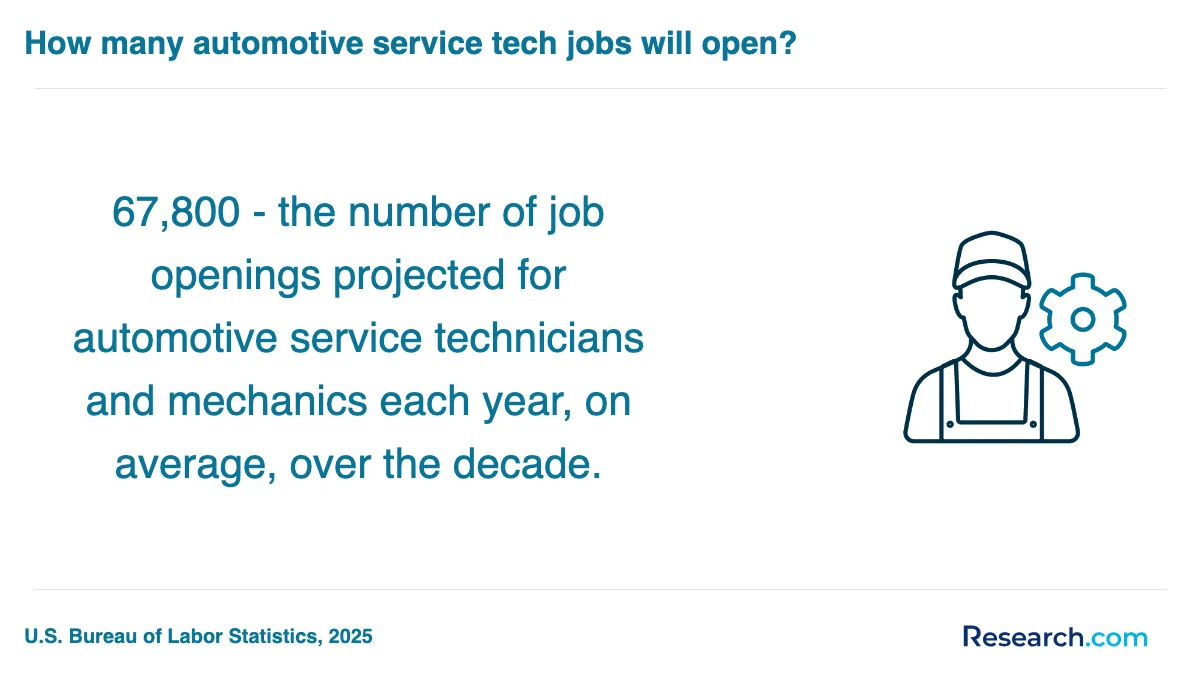
Job seekers should also develop a professional resume highlighting technical skills, certifications, and relevant work experience. According to the U.S. Bureau of Labor Statistics, automotive service technician jobs in Colorado Springs are expected to grow by 6% over the next decade, reflecting steady demand.
Finally, leveraging local job boards and attending career fairs at trade schools can connect graduates with employers actively hiring in the area.
Employers in Colorado Springs seek automotive technician graduates with strong diagnostic and mechanical skills. Proficiency in using computerized diagnostic tools is essential, as modern vehicles rely heavily on electronic systems. According to the U.S. Bureau of Labor Statistics, automotive technicians with expertise in hybrid and electric vehicle technology are increasingly in demand nationwide, a trend reflected locally.
Critical thinking and problem-solving abilities are highly valued. Employers also prefer graduates who demonstrate good communication skills to explain repairs clearly to customers. Hands-on experience gained through trade school internships or apprenticeships significantly improves job prospects. Additionally, knowledge of safety protocols and environmental regulations is important in Colorado Springs's automotive industry.
Finding internships in Colorado Springs relevant to automotive technician trade school programs involves several practical steps. Start by contacting the career services or internship coordinators at your trade school, as many local dealerships and repair shops partner with these institutions to offer hands-on training opportunities.
Additionally, explore local job boards such as those on the Colorado Springs Workforce Center website, where automotive internships are periodically posted. According to the Colorado Department of Labor and Employment, the automotive repair sector in Colorado Springs has grown by 4% annually, increasing internship availability.
Networking with local automotive businesses, attending industry events, and joining professional organizations like the Automotive Service Association can also help secure internships. Finally, consider reaching out directly to dealerships and repair shops, as many offer informal internships not widely advertised.
Obtaining an automotive technician trade school diploma in Colorado Springs significantly enhances career mobility and advancement opportunities. According to the U.S. Bureau of Labor Statistics, automotive service technicians with formal training tend to earn higher wages and have lower unemployment rates compared to those without credentials.
In Colorado Springs, employers often prefer candidates with diplomas or certificates from accredited trade schools, as these programs provide hands-on experience with modern diagnostic tools and industry standards. This practical expertise is crucial for promotions, especially into specialized roles such as diagnostics or management.
Trade school graduates also benefit from strong local industry connections. Many schools partner with dealerships and repair shops, facilitating internships and job placements that improve career prospects. The Colorado Department of Labor projects a steady growth in automotive service jobs locally, making diploma holders more competitive for new opportunities.
Part-time jobs in Colorado Springs that complement automotive technician trade school education often include roles like automotive service assistant, parts clerk, or tire technician. These positions provide hands-on experience with vehicle maintenance and repair, reinforcing classroom learning. According to the U.S. Bureau of Labor Statistics and local job market data, automotive service technicians in Colorado Springs earn an average hourly wage of around $18 to $22, making part-time work financially beneficial.
Additionally, working at dealerships or independent repair shops exposes students to industry tools and customer service practices. Such jobs help build practical skills and professional networks, which are valuable for entry-level positions after graduation.
To choose the best Automotive Technician degree program near me in Colorado Springs, CO, first consider accredited programs and institutions that offer specialized automotive technology courses tailored to current industry standards. It's beneficial to explore nearby community colleges and technical schools, which often have strong connections with local employers, providing internship and job placement opportunities. Utilizing resources like Research.com can help you find detailed program reviews and rankings that highlight top educational institutions near Colorado Springs, CO, to ensure you make an informed decision.
- Best Automotive Technician Training Programs & Trade Schools - Top Automotive Technician Schools in Greeley for 2026
- Best Automotive Technician Training Programs & Trade Schools - Top Automotive Technician Schools in Walla Walla for 2026
- Best Automotive Technician Training Programs & Trade Schools - Top Automotive Technician Schools in San Luis Obispo for 2026
- Best Automotive Technician Training Programs & Trade Schools - Top Automotive Technician Schools in Danville for 2026
- Best Automotive Technician Training Programs & Trade Schools - Top Automotive Technician Schools in Monterey for 2026
- Best Automotive Technician Training Programs & Trade Schools - Top Automotive Technician Schools in Milwaukee for 2026
- Best Automotive Technician Training Programs & Trade Schools - Top Automotive Technician Schools in Chicago for 2026
- View of Challenges Encountered of Automotive Technology Instructors in Higher Education Institution https://jisem-journal.com/index.php/journal/article/view/5805/2694
- Addressing the Technician Shortage in Automotive Service and Repair | MOTOR https://www.motor.com/2025/06/addressing-the-tech-shortage-in-auto-service/
- The Auto Tech Problem https://www.insidehighered.com/blogs/confessions-community-college-dean/auto-tech-problem
- Auto technician worker shortage creates challenges for Wisconsin repair shops, technical colleges - WPR https://www.wpr.org/news/auto-technician-worker-shortage-creates-challenges-for-wisconsin-repair-shops-technical-colleges
- Service Advisor's Challenges After Automotive Training https://www.autotrainingcentre.com/blog/challenges-of-service-advisors-after-automotive-training/
- Automotive Mechanic Techician Job Opening in Colorado Springs https://www.rednoland.com/automotive-technician-mechanic-job-opening-colorado-springs/
- Jobs | Careers at Christian Brothers Automotive https://www.cbautojobs.com/jobs
- What to Expect From an Automotive Tech Program https://www.stvt.edu/automotive-tech-program-expectations/
- Auto Mechanic School: What to Expect in Training Programs https://www.uti.edu/blog/automotive/auto-mechanic-school-expectations
- How to Become an Automotive Technician Guide | UEI College https://www.uei.edu/guides/automotive-technician/how-to-become-automotive-technician/