2027 Best Online Bachelor's in Human Services Degree Programs Ranking in the Midwest

Co-Founder and Chief Data Scientist
Looking for the best online bachelor's degree programs in human services in the Midwest? This article presents the 2027 Best Online Bachelor's in Human Services Degree Programs Ranking in the Midwest, created by the Research.com team of data scientists. It's designed to help you make an informed decision about where to pursue your degree.
Whether you're starting fresh or advancing your career, earning a human services degree opens doors to meaningful work that makes a difference. Discover programs that fit your goals and lifestyle with confidence.
Key benefits of getting online human services degree in the Midwest
- Human services graduates in the Midwest often start with salaries around $35,000 to $45,000 annually, reflecting typical entry-level roles in social support and community services.
- Agricultural and popular Midwest universities like the University of Iowa show human services alumni pursuing careers in counseling, case management, and nonprofit leadership, offering diverse paths to impact lives positively.
- Online degrees from schools such as Illinois State University provide flexible learning tailored for working students, making it easier to balance education with personal and professional commitments.
- 2027 Best Online Bachelor's in Human Services Degree Programs Ranking in the Midwest
- What can I expect from online human services degree in the Midwest?
- Where can I work with online human services degree in the Midwest?
What can I expect from online human services degree in the Midwest?
The average cost of an online human services degree in the Midwest tends to be more affordable compared to coastal programs, with tuition rates often ranging between $8,000 and $15,000 per year at popular institutions like those in Illinois or Ohio. Graduates frequently share that this pricing helped them manage expenses without sacrificing quality, especially when paired with federal grants and state tuition assistance programs available to residents.
Midwestern colleges balance affordability with strong regional accreditation, ensuring your investment supports a recognized credential. For example, students from widely respected universities reported that the combination of in-state tuition discounts and financial aid made it possible to complete their degrees without accumulating significant debt.
When budgeting, keep in mind fees for practicum placements and study materials, which vary but remain manageable. Many graduates appreciate having the option to work while studying online, allowing for steady income and less financial stress during their coursework.
Planning ahead by applying for scholarships and exploring state tuition aid can significantly reduce overall costs. This practical approach gives you peace of mind and the freedom to focus on gaining real-world skills that thrive in Midwestern communities.
Where can I work with online human services degree in the Midwest?
Graduates with an online human services degree in the Midwest frequently secure roles in social service agencies, healthcare facilities, and nonprofit organizations. For example, those who studied at well-known programs like the University of Illinois or Michigan State University often become case managers or behavioral health technicians, working hands-on in community mental health centers or rehabilitation facilities. These roles provide meaningful day-to-day interaction with clients, creating a strong sense of personal fulfillment.
Many graduates also find opportunities within public schools across Indiana and Wisconsin, supporting students through counseling, program coordination, or family engagement services. This career path is ideal for those who want to make a direct positive impact on youth development.
Nonprofit work in cities like St. Louis or Des Moines is another common step. Graduates often assist with homelessness or elder care programs, gaining real-world experience addressing urgent community needs. Midwest government agencies hire social service coordinators to manage public assistance and workforce development, offering stable, mission-driven jobs that contribute to local well-being.
Graduates with an online human services degree in the Midwest can expect starting salaries typically in the $35,000 to $40,000 range, especially those from well-regarded programs at universities such as the University of Wisconsin or Ohio State University. Many of these graduates find entry-level roles in cities like Chicago or Minneapolis where wages for social and community service managers average around $58,000 annually, slightly above the Midwest norm.
With practical experience and additional certifications gained through internships or part-time roles during their studies, graduates often move into higher-paying positions. For example, program director roles in metropolitan areas can offer salaries between $60,000 and $75,000. These figures reflect the positive impact of combining a solid online education with hands-on community involvement.
Some graduates from rural areas of the Midwest report lower wages but highlight benefits like loan repayment programs and strong community connections that enhance their career satisfaction. Overall, the Midwest's stable job outlook and competitive wages make an online human services degree a practical choice for those wanting to grow professionally while living locally.
- Tuition for online human services bachelor's degrees in the Midwest ranges from $8,000 to $18,000 per year at public institutions.
- Human services jobs in the Midwest are expected to grow about 10% between 2022 and 2032, driven by aging populations and mental health needs.
- Early career salaries range from $35,000 to $42,000 annually, with experienced workers earning $50,000 to $60,000 long-term.
- Online programs often include practicum or internships with local agencies to provide real-world experience.
- It is important to choose programs with regional accreditation and, if possible, program-specific accreditation like CSHSE for better quality and job prospects.
Completing an online human services degree in the Midwest typically takes about four years for full-time students, aligning with traditional bachelor's program lengths. For example, graduates from Illinois State University often share how a structured four-year plan helped them stay on track while balancing part-time jobs.
However, this timeline isn't fixed. Part-time students juggling work or family can expect five to six years or more, as many Midwest schools allow flexible course loads. This flexibility is a practical advantage, enabling students to maintain steady progress without overwhelming commitments.
Several Midwest universities like the University of Missouri offer accelerated online programs. Graduates who transferred in prior credits or took intensive courses finished in as little as two to three years, giving them a fast track to career advancement.
Using transfer credits and choosing the right program pace are key strategies to tailor your timeline. These tailored approaches reflect how many Midwest students successfully balance life and learning while feeling confident about their education's pace.
After completing your bachelor’s in human services, securing relevant credentials boosts employability and ensures compliance with state requirements.
- Human Services–Board Certified Practitioner (HS-BCP): Administered by the National Organization for Human Services, this covers ethics, case management and program evaluation.
- Certified Alcohol and Drug Counselor (CADC): State-specific credentials requiring coursework in addiction studies and supervised clinical hours.
- Certified Community Health Worker (CCHW): Focuses on outreach, health education and advocacy in community settings.
Many roles also demand supervised field experience (often 500+ hours) and passing a standardized exam. Some specialized careers, like licensed clinical social work or behavior analysis, require a master’s degree and state licensure. Explore bcba online programs for applied behavior analysis certification pathways.
Check your state’s credentialing board early to align practicum choices and course selection with licensure requirements before graduation.
Online and on-campus human services degrees in the Midwest mainly differ in how you attend classes. For example, graduates from large Midwestern universities appreciate the flexibility of online programs, which let them study after work or during family time. This is especially useful for those living in rural areas where traveling to campus isn't practical. Conversely, students at colleges like those in Minnesota or Illinois often mention how on-campus programs offer face-to-face access to professors and peers, which helps build a strong support network and immediate feedback.
Cost-wise, both online and on-campus programs tend to have similar tuition rates-around $9,000 to $11,000 annually for in-state students-but online learners save on commuting and housing. Practically, online students use video lectures and discussion boards, while on-campus students benefit from hands-on labs and client interactions. Many programs in the Midwest require practicum hours that online students arrange locally, which some find empowering but others find challenging without direct school support.
Student services differ too: those attending campus enjoy in-person career counseling and tutoring, while online students rely on virtual advising. Knowing your learning preferences and lifestyle can help you decide which format fits best with your Midwest life.
Obtaining a recognized credential can enhance your credibility and open doors to advanced roles in human services. Midwest graduates commonly pursue:
- Human Services-Board Certified Practitioner (HS-BCP): Requires a bachelor’s degree, 3,000 hours of supervised work and passing a national exam.
- Certified Case Manager (CCM): Offered by the Commission for Case Manager Certification, ideal for case management positions.
- Certified Clinical Trauma Professional (CCTP): Focuses on trauma-centered care with supervised practice and an exam.
- Board Certified Behavior Analyst (BCBA): A specialized credential in behavior analysis; explore bcba online programs for affordable pathways.
- State Licenses: Verify your state’s social work or counseling board requirements, since licensure rules vary across the Midwest.
The average cost of an online human services degree in the Midwest typically centers around $41,700 in total tuition. Public universities in this region often offer more affordable online programs for in-state students, with median costs near $33,246, while out-of-state students may expect to pay closer to $53,533 on average. Graduates from popular Midwest universities have found that budgeting based on these figures provides a clear financial path toward completing their degrees.
Many students pursuing an affordable online human services program in the Midwest appreciate that these costs encompass around 120 to 130 credit hours, with tuition rates reflecting a balance between price and quality. For example, graduates from well-known public colleges in the region often share how reduced tuition rates for online learners helped ease their financial burden, allowing them to focus more on studies and career growth.
Beyond tuition, it's important to consider additional fees such as technology and course materials. Some have noted that while these add-on expenses do increase the overall payout, they are generally modest. Many students feel reassured knowing that online study eliminates commuting and housing expenses, making the total financial investment manageable in the long run.
To maximize savings, prospective students should explore scholarships or financial aid options specifically aimed at human services majors. Those interested in advancing their careers can find detailed insights about jobs with masters in human services, helping them weigh the value of their degree investment in real-world terms.
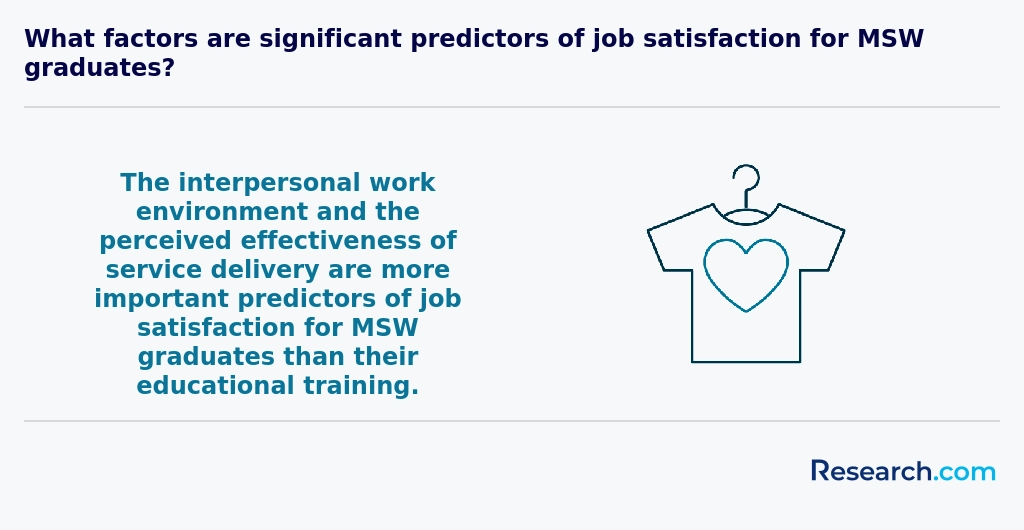
Accreditation confirms your online human services degree meets high academic and professional standards, influencing credit transferability, financial aid eligibility and employer recognition. Key accreditation markers include:
- Regional accreditation by bodies like the Higher Learning Commission for broad institutional credibility.
- Programmatic accreditation from the Council for Standards in Human Service Education (CSHSE) for field-specific rigor.
- Third-party rankings and state approvals to verify curriculum quality and graduate outcomes.
Choosing an accredited program also supports eligibility for specialized certifications and advanced credentials, such as bcba online programs.
Students pursuing an online human services degree in the Midwest can access a variety of financial aid options tailored to regional needs. Completing the FAFSA is the essential first step, unlocking federal grants like the Pell Grant, which can offer up to $7,395 annually. Graduates from Midwest schools such as those attending community colleges in Illinois or universities in Minnesota often share how this federal aid made a tangible difference in managing tuition.
Many Midwest states, including Ohio and Illinois, also provide targeted scholarships and grants for social work and human services students. These awards frequently cover tuition or learning materials, easing the financial strain as graduates describe. Institutional scholarships at popular schools, paired with work-study programs, offer flexible part-time roles related to human services, allowing students to gain hands-on experience while earning money.
Professional organizations like the National Organization for Human Services sometimes offer scholarships as well. Additionally, employer tuition assistance programs prove invaluable for working adults already in social service roles, helping them advance their education without overextending financially.
Accreditation and state credentials ensure your degree meets quality standards and prepares you for licensure.
- Council for Standards in Human Service Education (CSHSE) program approval
- Regional accreditation by the Higher Learning Commission or equivalent
- State licensure: Certified Social Worker (CSW) or Human Service-Board Certified Practitioner (HS-BCP)
After graduation, consider certifications such as Certified Community Health Worker (CCHW). Maintaining credentials often requires continuing education and supervised field hours. For specialized behavior analysis credentials, explore bcba online programs to build advanced skills.
To enroll in an online human services degree program in the Midwest, start by ensuring you have a high school diploma or GED, a basic yet essential step noted by many graduates from popular Midwestern colleges. These institutions often require official transcripts to confirm your academic history, which helps admissions offices determine your readiness for college coursework.
Most programs expect a minimum GPA around 2.0 to 2.5, a realistic benchmark that former students say motivated them to focus on steady study habits early on. Unlike some fields, submitting SAT or ACT scores is increasingly optional, giving applicants more flexibility.
Because classes are fully online, schools frequently require basic computer skills and reliable internet. Graduates report that mastering these tools early made participating in virtual discussions and assignments easier, turning initial anxiety into confidence.
Prerequisite courses in psychology or sociology are common; these foundational classes prepare you for advanced subjects and mirror the experiences of many successful Midwestern online learners. While not always mandatory, relevant volunteer work or letters of recommendation can enhance your application, much like they did for several accomplished graduates from well-known regional universities.

Many online human services programs in the Midwest build in exam preparation and meet standards for key professional credentials:
- Certified Human Services Practitioner (CHSP) – exam prep woven into ethics and case management courses
- Certified Case Manager (CCM) – eligibility requirements fulfilled through supervised fieldwork hours
- Behavior analysis electives aligned with bcba online programs, giving you a head start on BCBA certification
Faculty often include licensed practitioners who share real-world insights, and programs track graduate pass rates to ensure you’re ready for national and state licensure exams.
Core courses in Midwest online human services programs focus on practical knowledge needed to excel in social work and community support roles. Graduates from popular universities in the region often mention how classes like human behavior and the social environment helped them understand client challenges from psychological and sociological angles, making their future work more effective.
Key subjects include ethics and professional issues, teaching the legal and moral standards essential for ethical decision-making in real-world cases. For example, students at well-known Midwestern colleges report feeling confident handling client confidentiality and advocacy after these courses.
Courses in case management provide hands-on skills to coordinate resources, something graduates say proved invaluable during internships in agencies dealing with poverty and housing instability. Classes on social policy and program planning equip students to develop strategies addressing local community needs, with a particular focus on rural mental health and aging populations.
Students also benefit from studying substance abuse and addiction, a growing concern in many Midwestern areas, and diversity and cultural competence, which prepares them to work effectively in the region's varied communities.
Online human services degree specializations Midwest programs commonly include addiction studies, community development, gerontology, mental health counseling, and case management. Graduates from notable Midwestern institutions often share how addiction studies prepared them to support individuals affected by substance abuse, a pressing issue in states confronting opioid crises. Community development courses teach practical skills for revitalizing neighborhoods, which resonates well with students eager to engage in regions experiencing economic shifts.
Gerontology specialization meets growing demand as colleges in Minnesota and Iowa equip students to work effectively with an aging population. Midwestern graduates value mental health counseling because it offers targeted training to help clients facing psychological challenges, reflecting expanding mental health service needs in cities like Chicago and Cleveland. Case management emphasizes navigating complex health systems, a skill praised by alumni working in Illinois and Ohio.
Students exploring Midwest human services degree program options also find youth services and family support concentrations valuable, addressing local issues like poverty and abuse in both rural and urban environments. For those considering these paths, exploring affordable human services programs online can provide practical financial planning options to complement their career goals.
Start by verifying that the program holds accreditation from a recognized agency like the Council for Standards in Human Service Education (CSHSE) or the Higher Learning Commission (HLC). This ensures the degree is respected by employers and meets regional standards common among Midwest schools. Graduates from popular universities often emphasize how accreditation opened doors for certifications and job opportunities.
Next, compare costs carefully. Affordable human services bachelor's degree Midwest options usually range between $8,000 and $15,000 per year at public institutions for in-state students. Look beyond tuition to assess fees for materials or tech, and seek financial aid or scholarships targeting human services students. Many learners balancing work and family recommend programs with transparent pricing and flexible payment plans.
Choose a program that offers flexibility, such as asynchronous coursework and multiple start dates, allowing you to study without compromising your busy schedule. Graduates from Midwestern colleges appreciate part-time options that let them progress steadily while working. Specializations in addiction counseling or child welfare can boost your job prospects by focusing your skills.
Finally, prioritize programs providing strong student support and practicum placement assistance. Access to academic advising, career counseling, and online libraries can make a huge difference, especially for online students. For practical insights and detailed program options, consider reviewing masters human services online offerings from Midwest institutions.
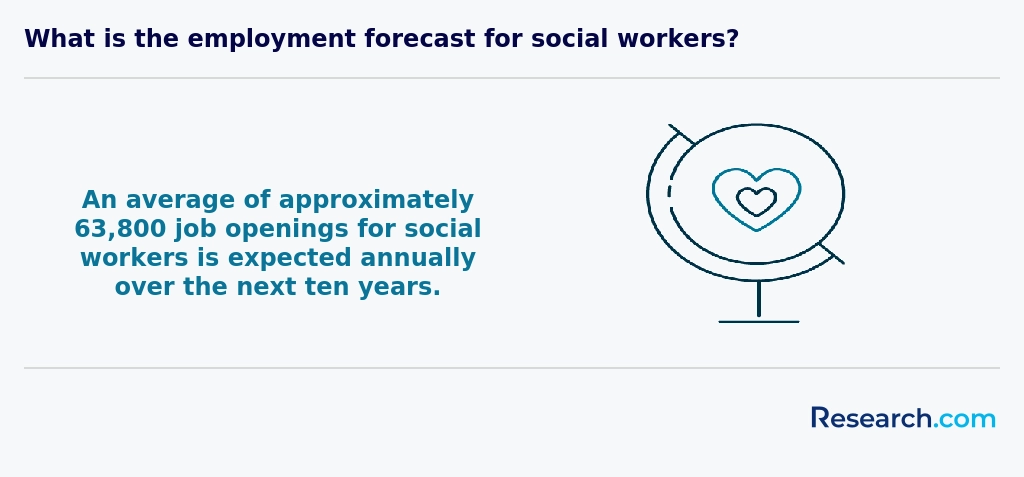
Graduates holding an online human services degree in the Midwest often find practical job opportunities as case managers, social service specialists, or community outreach coordinators. For instance, many graduates from colleges popular in Illinois or Ohio quickly secure positions helping clients access housing assistance or mental health services. These career paths demand strong interpersonal skills and the ability to navigate local resources, something many online students gain through internships or practicum placements in nearby nonprofit organizations.
Those pursuing human services careers in the Midwest also frequently become social and community service managers overseeing programs that enhance community well-being. Graduates of respected online programs in the region report satisfaction working in both government agencies and healthcare facilities, addressing urgent social needs. Some choose to specialize further, becoming counselors or advocates for disabled and elderly populations to maximize their impact.
Working adults value the flexibility of online study, particularly at universities known for affordable tuition. Those seeking to expand options can explore career growth via certifications like Licensed Social Worker status. To compare program advantages and outcomes, prospective students often research online social work degrees which can further illuminate job opportunities in their state and beyond.
The job market for graduates with an online human services degree in the Midwest is steadily growing, driven by regional needs in healthcare, social work, and community support. Graduates from popular Midwest colleges often find themselves recruited by local nonprofits or government agencies addressing aging populations and mental health. This demand makes the career path both promising and stable for those balancing work and education, especially when pursuing an online program.
Many students appreciate how an online human services degree job outlook Midwest supports workforce reentry and career advancement by offering flexibility. Graduates report securing roles as case workers or counselors in Illinois and Ohio, where agencies value the practical skills gained through these programs. Salaries typically range from $35,000 to $45,000, with opportunities to grow into supervisory positions earning higher wages.
Students considering this field should explore options at regional universities known for their human services curricula and affordable tuition. Accessing financial aid is often possible, keeping education costs competitive. For more insights on career opportunities, check out human services degree jobs.
2027 Best Online Bachelor's in Human Services Degree Programs Ranking in the Midwest
Investing in your education is a significant decision that can shape your future, and the Research.com team understands the importance of making informed choices. To assist prospective students in the Midwest, we have meticulously crafted the "2027 Best Online Bachelor's in Human Services Degree Programs Ranking in the Midwest." Our commitment to quality, credibility, and accuracy is reflected in the extensive research and analysis conducted to compile this ranking.
We utilized the following reputable data sources to ensure a comprehensive evaluation of human services programs:
By exploring this ranking, readers will gain valuable insights into the best online human services degree programs offered in the Midwest, empowering them to make informed decisions about their educational and career paths. For more details on our methodology, please visit our Research.com methodology page.

# 2 position
Bethel University, Minnesota
Bachelor of Human Services


# 4 position
Central Michigan University
Bachelor of Community Development - Public Administration


Frequently Asked Questions About human services
Students pursuing online human services degrees in the Midwest can maximize their learning by actively engaging with their coursework and classmates. Many accredited programs, including those recognized by the Council for Standards in Human Service Education, emphasize practical skills through virtual labs and case studies. Leveraging local internships or volunteer opportunities can deepen real-world understanding, as the Midwest's community organizations often seek support in areas like addiction counseling and family services.
Utilizing university resources such as online tutoring, academic advising, and career services improves retention and outcomes. According to the National Association of Social Workers, nearly 30% of human services roles in the Midwest require hands-on experience, highlighting the importance of practical exposure alongside online classes.
The human services field is evolving, with several emerging niches gaining importance. One notable area is gerontology, which addresses the needs of the aging population, particularly relevant in Midwest states where seniors make up a substantial demographic. According to the U.S. Census Bureau, the Midwest saw a 12% increase in residents aged 65 and older between 2010 and 2020.
Another growing niche is behavioral health coordination, focusing on integrating mental health support within community services. This need has intensified due to rising awareness of mental health challenges across the region.
Additionally, substance abuse counseling remains critical as opioid addiction rates in the Midwest continue to exceed national averages, highlighted by data from the CDC.
After completing an online human services degree in the Midwest, focusing on practical experience is key to entering the job market. Many employers prioritize candidates with internships or volunteer work in community organizations. According to the U.S. Bureau of Labor Statistics, human services jobs in the Midwest are projected to grow about 10% from 2022 to 2032, highlighting rising demand.
Networking is also essential. Joining regional professional associations, such as the Midwest Human Services Coalition, can provide job leads and mentorship opportunities. Additionally, obtaining relevant certifications like CPR, first aid, or substance abuse counseling enhances employability.
Developing strong communication and case management skills through online resources or workshops is advisable. Finally, tailoring resumes and cover letters specifically for Midwest agencies will improve job prospects.
Employers in the Midwest highly value human services degree graduates who demonstrate strong communication and interpersonal skills. These abilities help professionals effectively engage with diverse client populations, a critical aspect noted by the National Organization for Human Services. Additionally, problem-solving and critical thinking are essential, enabling graduates to navigate complex social issues common in Midwestern communities. Data from the Bureau of Labor Statistics highlights that organizational skills and cultural competency also rank among the top employer priorities. Graduates with technological proficiency, particularly in case management software, gain a competitive edge. These skills collectively prepare students for impactful roles across various social service settings in the region.
Finding internships in the Midwest relevant to a human services degree involves strategic use of local resources and networks. Students should begin by contacting their university's career services, as many Midwestern schools maintain partnerships with local agencies and nonprofits. According to the National Association of Social Workers (NASW), states like Illinois, Michigan, and Ohio offer numerous internship opportunities due to their large social service sectors.
Additionally, websites like Handshake and internships.com often list openings specifically in the Midwest. Networking through local professional groups, such as state chapters of the NASW, can also lead to internship placements. Volunteering with community organizations often serves as a pathway to internships and builds valuable experience in human services roles.
An online human services degree can significantly enhance career mobility and advancement for professionals in the Midwest. According to the U.S. Bureau of Labor Statistics, human services roles in this region are projected to grow faster than the national average through 2031. This demand opens pathways for degree holders to move into supervisory or specialized roles.
Flexible online programs allow working adults in states like Illinois, Ohio, and Michigan to gain credentials without relocating or leaving their jobs. Many employers in health and social services recognize accredited online degrees, helping graduates qualify for promotions or salary increases.
Research from the National Organization for Human Services highlights that a bachelor's degree is often required for clinical positions and leadership roles, supporting long-term career growth.
Studying for a human services degree in the Midwest equips students with essential skills to excel in interdisciplinary roles. Many programs emphasize collaboration across social work, psychology, healthcare, and education fields. This approach reflects the integrative nature of human services careers, allowing graduates to work effectively with diverse populations and professionals.
Midwestern institutions often incorporate case management, community outreach, and policy analysis into their curricula, promoting broad competencies. According to the Illinois Department of Human Services, over 60% of regional agencies favor candidates with interdisciplinary training to address complex social challenges.
Additionally, online programs in the Midwest frequently offer practicum experiences connecting theory with varied real-world settings, further preparing students for multifaceted roles.
Choosing between a thesis and a non-thesis human services degree program in the Midwest depends largely on your career goals and learning preferences. Thesis programs emphasize research skills and typically require students to complete a significant research project. This path can be beneficial if you aim for graduate school or a research-focused role.
Non-thesis programs generally focus more on practical skills and coursework, offering a faster route to graduation. According to the National Organization for Human Services, many Midwest programs tailor non-thesis tracks toward community-based and direct service roles.
Consider your professional objectives and consult specific Midwest university requirements when deciding.
Students in the Midwest interested in studying human services abroad have several pathways, despite the largely domestic focus of U.S. higher education. Many accredited Midwest universities with online human services programs, such as those in Illinois and Ohio, offer study abroad options or international internships as part of their curriculum. These opportunities allow students to gain cross-cultural experience while completing degree requirements.
Additionally, partnerships between Midwest institutions and foreign universities-especially in Canada and Europe-can facilitate study abroad semesters or integrated virtual exchanges. The Council for Social Work Education reports that 25% of human services programs nationwide incorporate some form of international study or service learning, reflecting growing interest.
Students pursuing online human services degrees in the Midwest can benefit from several part-time job opportunities that complement their studies. Roles such as case aides, community outreach workers, and behavioral health technicians offer practical experience directly related to human services. According to the U.S. Bureau of Labor Statistics, these positions often have flexible hours suitable for students balancing coursework and employment.
Additionally, nonprofit organizations in states like Illinois and Michigan frequently seek part-time assistants to support social programs. Gaining experience in such roles helps develop skills in client advocacy, crisis intervention, and data collection. This hands-on work complements the theoretical knowledge students acquire in their online programs, increasing employability upon graduation.
Online human services students in the Midwest benefit from diverse networking opportunities despite studying remotely. Many programs partner with local agencies and nonprofits for internships and fieldwork, fostering real-world connections. Professional organizations, such as the National Organization for Human Services (NOHS), have active Midwest chapters that host conferences and networking events accessible virtually and in-person.
Midwestern universities often provide exclusive online forums and alumni networks for current students, helping them connect with peers and industry professionals across states like Illinois, Michigan, and Ohio. According to the Bureau of Labor Statistics, human services roles are growing 13% in the Midwest, increasing the value of networking to secure job placements. These regional collaborations support students in building meaningful professional relationships during and after their studies.
Alumni networks provide significant advantages for online human services degree students in the Midwest. These networks often offer mentorship opportunities, connecting current students with graduates experienced in local human services agencies. In a region where community-based work is vital, these relationships can lead to internships and job placements.
Many Midwestern universities maintain active alumni groups that organize events and share job openings specifically tailored to human services roles. According to the National Association of Social Workers, states like Illinois and Ohio report stronger employment outcomes for graduates who engage with alumni.
This support system also helps students navigate licensing requirements and professional development unique to the Midwest's regulatory environment.
Customizing your online human services degree in the Midwest allows you to align education with specific career goals. Many Midwestern universities offer elective courses focusing on areas like substance abuse, mental health, or youth services. This flexibility helps tailor your skill set to local job markets.
Internship opportunities through online program partnerships with regional agencies can provide practical experience. Data from the Bureau of Labor Statistics (2023) shows a projected 12% growth in human services jobs in the Midwest, especially in social and community service roles.
Additionally, some programs enable specialization through certificate add-ons, enhancing credentials in fields like gerontology or crisis intervention. Advisors at these institutions often guide course selections based on individual career ambitions.
By leveraging these customizable components, students can build a degree that meets both personal interests and regional employment demands.
Online human services students in the Midwest often face unique challenges related to access and technology. Despite improvements, rural areas still experience limited broadband connectivity, affecting consistent participation in coursework. According to the Pew Research Center, approximately 23% of Midwestern residents in rural counties lack high-speed internet. This digital divide can hinder students' ability to engage fully in interactive learning platforms.
Another challenge is balancing coursework with family and work responsibilities, especially since many online students are adults returning to education. Additionally, some students find it difficult to build strong connections with peers and instructors due to the online format, impacting networking opportunities essential for human services careers.
With an online human services degree, you can pursue several professional certifications that enhance your career prospects. Popular certifications include the Certified Human Services Professional (CHSP) and the Certified Healthcare Access Associate (CHAA). These credentials demonstrate your commitment to ethical standards and professional knowledge in social services.
In the Midwest, states like Illinois and Ohio recognize these certifications for various roles in community and social service agencies. According to the National Organization for Human Services, certification holders often see better job opportunities and higher salaries.
Additional options include certifications in case management and substance abuse counseling, adding to your expertise in specialized fields.
When applying to an online human services program in the Midwest, start by carefully reviewing each school's specific admission criteria. Many programs require a personal statement that clearly explains your interest in human services and highlights your commitment to helping communities.
Demonstrate relevant experience, including volunteer work or employment in social services. According to the Midwest Association of Colleges and Employers, 65% of programs value practical experience in applicant evaluations.
Highlight academic achievements, particularly in psychology, sociology, or related fields. Including strong letters of recommendation from professionals familiar with your work or studies strengthens your application.
Ensure all materials are error-free and submitted before deadlines, as Midwest schools report an increase in applicants from 2020 to 2023, making timely, polished applications more competitive.
The human services profession is growing globally as societies seek to address complex social challenges. In the United States, including the Midwest, the field is recognized for its role in improving community well-being through education, counseling, and support services.
Globally, human services careers share common goals, but educational requirements vary by country. In the US, a bachelor's degree often serves as the entry point, with Midwest universities offering accredited online programs designed to meet regional workforce demands. The Bureau of Labor Statistics projects a 17% growth in social and human services jobs nationally from 2022 to 2032, emphasizing increasing demand.
Midwest-specific data from the National Association of Social Workers highlights a focus on rural and urban community support, reflecting diverse population needs. Understanding these global and regional perspectives helps students appreciate the broad impact and evolving opportunities within human services.
Students pursuing an online human services degree in the Midwest can gain practical experience through field placements and internships required by many accredited programs. These opportunities often partner with local organizations such as community centers, healthcare providers, and social service agencies. The National Organization for Human Services (NOHS) recommends at least 100 hours of supervised practical experience to develop essential skills.
Midwestern schools commonly facilitate placements in cities with strong social services sectors, such as Chicago and Minneapolis. According to recent data from the U.S. Bureau of Labor Statistics, practical experience significantly improves job prospects in this region's growing human services workforce, projected to increase by 12% from 2022 to 2032.
Additionally, online students can participate in virtual simulations and remote volunteer work, especially useful for those balancing work or family commitments. These experiences build critical competencies in client interaction, assessment, and case management despite geographical constraints.
Choosing the right concentration within an online human services degree in the Midwest depends on understanding local workforce demands and your career goals. According to the U.S. Bureau of Labor Statistics, social and community service jobs are projected to grow 12% nationwide through 2032, with states like Illinois and Minnesota showing strong growth in behavioral health services.
Prospective students should evaluate concentrations such as mental health, addiction counseling, or gerontology based on regional needs. For example, Wisconsin reports increasing demand for elder care professionals due to its aging population. Research state-specific licensure requirements, as these can influence your choice of specialization and post-graduate opportunities.
Lastly, consider programs with faculty experienced in Midwest human services or partnerships with local agencies to enhance real-world skills.
- Best undergraduate courses in Human Services to study abroad - Edvoy https://edvoy.com/courses/undergraduate-human-services/
- What can you do with a bachelor's in human services? | edX https://www.edx.org/resources/what-can-you-do-with-a-bachelors-in-human-services
- Is a thesis always mandatory in a master's degree program? - EFMU: The Euler-Franeker Memorial University and Institute https://euler.euclid.int/is-a-thesis-always-mandatory-in-masters-degree-program/
- Utilize Your Alumni Networks https://www.keg.com/news/ways-to-use-your-alumni-networks-for-the-better
- What Are My Career Options After a Course in Human Services? https://columbia.ca/career-options-after-a-course-in-human-services/
- How To Solve the Key Challenges Faced by Community Social Workers https://www.casebook.net/blog/how-to-solve-the-key-challenges-faced-by-community-social-workers/
- Study Social Work Abroad | Go Overseas https://www.gooverseas.com/study-abroad/social-work
- HS-BCP Credential https://www.nationalhumanservices.org/hs-bcp-credential/
- How to Overcome the Top Challenges Social Workers Face https://www.pacificoaks.edu/voices/social-work/social-work-challenges/
- Human Services - Century College https://www.century.edu/programs/human-services/