2027 Social & Behavioral Sciences Roles With the Strongest Promotion Potential

Co-Founder and Chief Data Scientist
For professionals and students in social & behavioral sciences, identifying roles with real promotion potential has become increasingly complex amid shifting workforce demands and evolving educational pathways. The rapid expansion of online and flexible learning options-as evidenced by a 15% increase in adult learner enrollment in social science programs reported by the National Center for Education Statistics-reflects a growing need for career mobility through adaptable education. However, not all positions offer equivalent advancement opportunities despite similar credentials, complicating decisions about where to invest time and resources. This article analyzes the social & behavioral sciences roles with the strongest promotion potential to guide strategic career planning and optimize advancement outcomes.
Key Things You Should Know
Which social and behavioral sciences careers offer the strongest promotion and leadership potential?
Advancement in social and behavioral sciences careers with high promotion potential increasingly favors professionals who demonstrate measurable impact in policy and organizational contexts. Roles tied to federal policy initiatives, particularly after the White House Blueprint's 2024 mandate for increased behavioral science investment, show faster pathways to top leadership roles in social and behavioral sciences. For instance, a behavioral scientist at the CDC who crafts scalable interventions can progress to directing multi-agency projects with substantial budgets, requiring skills beyond research-such as strategic communication and cross-sector program management.
Industrial-organizational psychologists focused on workforce behavior also illustrate this trend by moving into executive positions that oversee organizational change and talent development. This transition is driven by their ability to directly affect business outcomes, distinguishing them from peers in more theoretical roles. Job seekers must therefore balance advanced credentials with hands-on, high-visibility experience to meet employer expectations for interagency or interdepartmental collaboration.
Those evaluating educational pathways would benefit from considering programs that emphasize applied skills linked to leadership impact. For individuals targeting a practical credential, exploring the best online MSW programs can offer alternative routes bearing similar workforce application and promotion potential as behavioral science roles focused on policy implementation.
Key career considerations include:
- Prioritizing roles in policy development to leverage federal funding expansions
- Developing interdisciplinary capabilities that extend beyond foundational degrees
- Focusing on data-driven results to demonstrate tangible organizational or public health improvements
What education and degree levels are typically required to advance in social and behavioral sciences roles?
Advancement in social and behavioral sciences careers in the United States hinges on acquiring graduate-level credentials beyond the bachelor's degree, reflecting employer demands for specialized expertise. Entry-level roles often accept a bachelor's degree in psychology, sociology, or public health, but progression to senior analytical or leadership positions requires a master's or doctoral degree due to complex methodological and theoretical requirements. For example, roles in epidemiology increasingly mandate at least a master's degree; doctoral qualifications have become the norm for leadership and policy-influencing positions, fueled by a projected 27% job growth from 2022 to 2032.
Employers expect proficiency in statistical software, data analytics, and applied behavioral theory-skills typically developed through graduate coursework and research. Those targeting policymaker or program director tracks should weigh the investment of 4-6 years toward a doctoral program that incorporates leadership and grant writing alongside interdisciplinary collaboration. In contrast, master's programs generally require 2 years, often pursued part-time or online, balancing ongoing employment. These practical tradeoffs influence career timing and funding availability, especially since opportunities plateau rapidly without advanced degrees in federal agencies, academia, and high-tier NGOs.
Education requirements for promotion in social and behavioral sciences emphasize this stratification: master's degrees are essential beyond entry level, while research-intensive and top-tier roles generally necessitate a doctorate. Prospective students assessing educational pathways can find options that fit diverse needs, including some of the cheapest online school psychology programs. This alignment with workforce trends underscores navigating advanced degrees with strategic foresight.
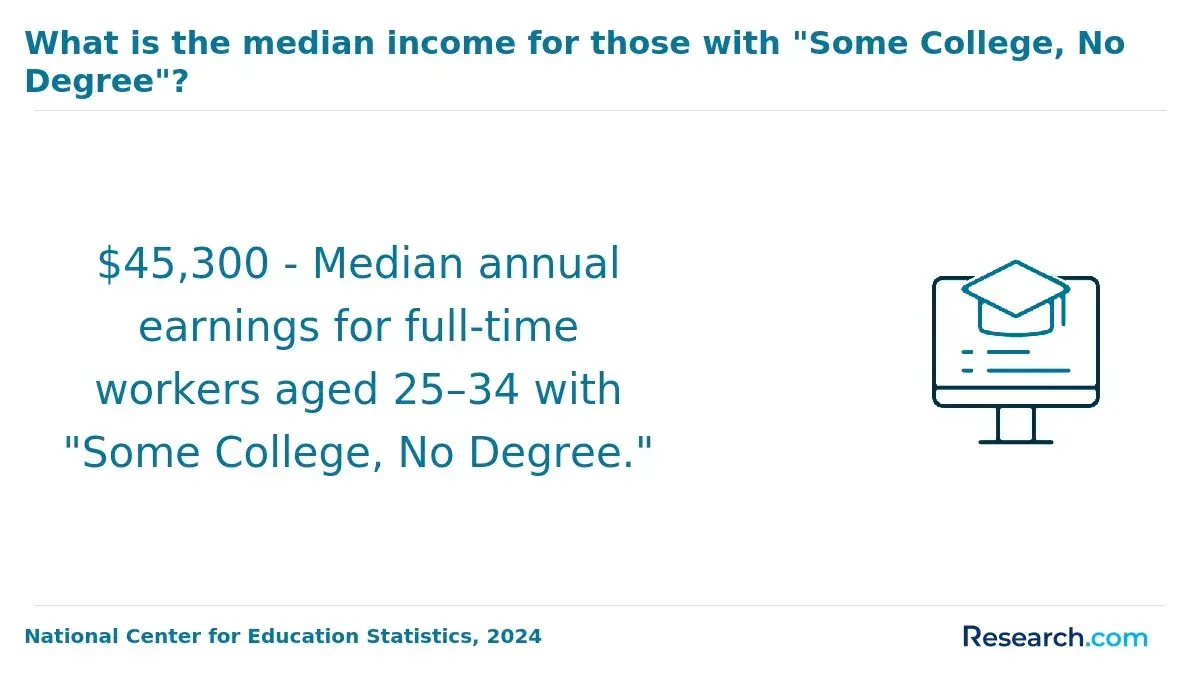
How do salaries and promotion timelines compare across major social and behavioral sciences career paths?
The trajectory of salaries and promotion timelines in social and behavioral sciences careers reveals distinct patterns that significantly impact professional choices. Health education specialists emerge as a notable example, benefiting from a job growth rate of 7% between 2022 and 2032-more than twice the national average. This robust demand compresses advancement cycles, enabling faster salary increases and upward mobility compared to research or policy-focused roles.
Positions in health education typically start with salaries between $50,000 and $60,000, with promotions to leadership occurring within 4 to 6 years contingent on measurable outcomes and certification progress. In contrast, research and policy careers offer competitive starting salaries but often require 7 to 10 years or more for significant promotions due to emphasis on publications, grant funding, and advanced degrees.
A practical consideration for professionals weighing their options involves geographic mobility: health education roles provide broader availability across urban and underserved regions, while research and policy jobs are concentrated in metropolitan or federal hubs, potentially limiting flexibility and slowing career momentum.
These variables shape career outcomes in social and behavioral sciences salary comparison and promotion timelines in social and behavioral sciences careers, guiding decision-makers toward paths balancing earning potential, advancement speed, and lifestyle preferences. Those evaluating education pathways should also consider program affordability and accessibility, especially when seeking a psychology online degree that aligns with long-term workforce realities.
Which social and behavioral sciences specialties have the best long-term job outlook and demand?
Specialties at the intersection of health policy and political science offer the most resilient long-term career demand for social and behavioral sciences professions, driven by the complex requirements of health systems and evolving regulatory landscapes. Political scientists in health-focused behavioral roles commanded a median salary of $128,020 in May 2022, highlighting the premium employers place on expertise that merges policy fluency with behavioral insight.
This demand is fueled by government and private sector initiatives integrating behavioral data into public health strategies, such as hospitals adopting behavior-driven patient engagement programs. These developments create specific workforce needs that reward cross-disciplinary training and practical policy experience.
Other fields with notable growth include industrial-organizational psychology and behavioral economics, particularly in technology companies optimizing workforce and consumer behaviors. However, these areas face intense competition and require ongoing investment in data science and AI skills, a key tradeoff for potential entrants.
Prospective students evaluating social and behavioral sciences specialties with highest job growth in the US must also consider the longer degree paths and policy-focused internships necessary for political science-aligned roles versus faster but narrower behavioral analytics positions. Practical work experience remains a decisive factor in employability.
For those interested in complementary fields, environmental health and safety online degree programs offer viable alternatives linked to public health workforce demands.
What accredited degree programs prepare students for high-advancement social and behavioral sciences roles?
Degrees in social work, psychology, sociology, public administration, and human services are differentiated by their direct alignment with managerial and leadership demands in social & behavioral sciences roles. For instance, social and community service manager roles generally require a bachelor's degree paired with hands-on program supervision experience, underscoring the necessity of practical application beyond theory.
Public administration programs are distinctively oriented toward funding navigation, compliance, and resource management-skills essential for leadership positions that command median salaries over $74,000 per year, according to 2022 Labor Statistics. Psychology and sociology degrees that emphasize research and program evaluation prepare graduates to contribute effectively to outcome measurement, a critical factor for nonprofits and government agencies seeking grant funding.
Choosing an accredited program recognized by bodies like the Council on Social Work Education (CSWE) matters significantly since employers prioritize credentials from established institutions for higher-level roles. Additionally, certifications in project management or data analytics can materially influence promotion speed.
Key hurdles include balancing coursework with valuable internships and understanding how local social service systems operate. Degrees incorporating leadership and budget management training offer clearer pathways to upper-level roles compared to purely theoretical studies. Ultimately, social & behavioral sciences professionals who translate academic concepts into measurable program results aligned with organizational and funding priorities gain a distinct competitive edge.
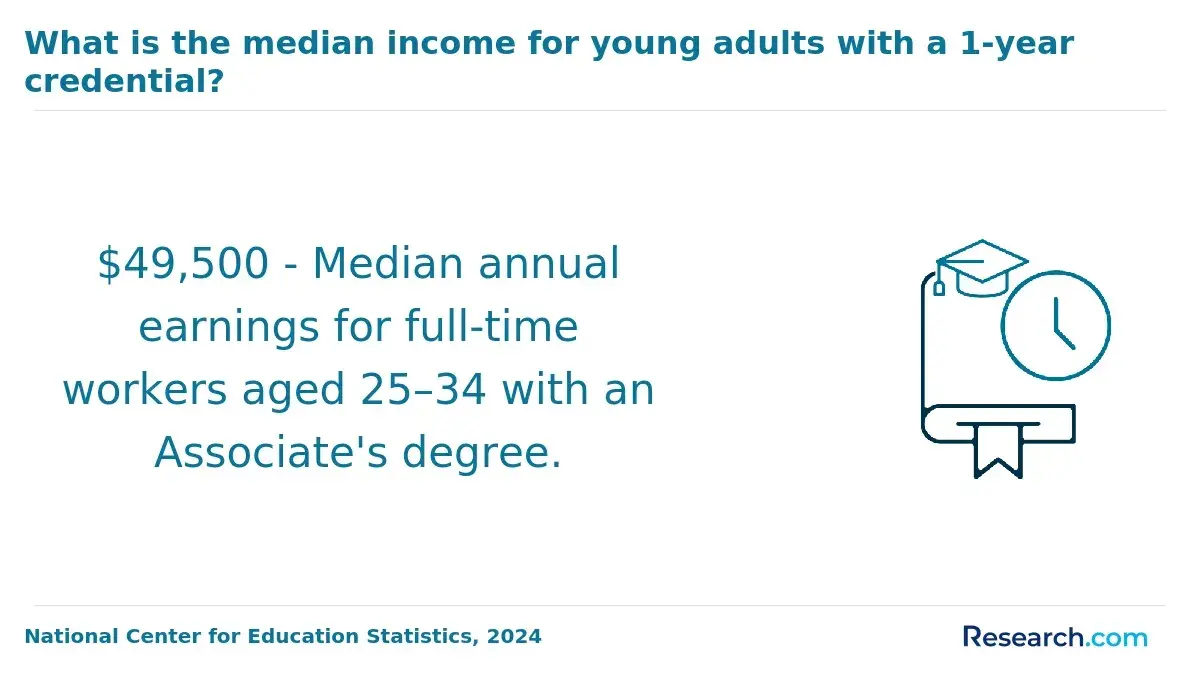
How do online social and behavioral sciences degrees compare to campus programs for career advancement?
Degrees in social & behavioral sciences earned online often lack the embedded research mentorship and institutional connections intrinsic to campus-based programs, which significantly affect career trajectories in academic and research settings. For example, doctoral candidates engaged in behavioral science studies through traditional campuses benefit from collaborative lab work, faculty-led research projects, and in-person networking opportunities-all pivotal for securing competitive promotions in research-intensive roles.
U.S. workforce data indicates a 20% rise in PhD graduates within social & behavioral sciences research over the last decade, reflecting expanding demand and recruitment. However, graduates from fully online programs may face challenges demonstrating equivalent research depth or access to established academic networks highly valued by employers and promotion committees.
Key practical distinctions include:
- Campus programs typically offer direct access to specialized research facilities and synchronous data collection, enhancing hands-on experience.
- Online learners must independently arrange internships or fieldwork to fulfill experiential requirements emphasized by hiring bodies.
- Leadership and collaboration skills crucial for upward mobility develop more organically through campus-based group projects and departmental engagement.
For professionals aiming to pivot quickly or advance within research-driven environments, hybrid or campus degrees with substantial research engagement present clearer pathways than purely online routes. Online social & behavioral sciences degrees may be better suited for applied roles outside academia or for those with existing experience who prioritize flexibility over immediate promotion prospects.
What typical curriculum and skill sets support promotion into supervisory and management positions?
Promotion into supervisory roles within social & behavioral sciences hinges on a blend of advanced research expertise and practical leadership capabilities. Doctoral programs emphasizing quantitative methods, experimental design, and data analytics align with employer demands for strategic analysis, yet these technical skills alone rarely suffice in management contexts. Organizational behavior, policy understanding, and ethical compliance knowledge form essential complements, enabling candidates to handle team dynamics, adherence to regulations, and stakeholder negotiation effectively.
A social scientist moving into nonprofit program management must develop grant writing and cross-sector collaboration skills that extend beyond pure research. In contrast, government agency roles require a more nuanced grasp of regulatory frameworks and policy application, shaping varied promotion pathways based on industry-specific criteria.
Data from the National Science Foundation's 2024 report shows 61% of social, behavioral, and economic sciences doctorates graduated debt-free in 2022, which can create latitude for unpaid or low-paid supervisory internships that are often prerequisites for leadership roles. This financial advantage can be a decisive factor in early-career strategic decisions.
Critical curricular and skill priorities include:
- Advanced quantitative and qualitative research methods paired with applied analytics tools
- Leadership development through practicum or lab management experience
- Project management certification or formal budget training
- Communication and negotiation tuned for interdisciplinary teams and policy engagementEthical standards familiarity in research and human subjects protection
Which licensing and certification requirements affect advancement in counseling, social work, and related roles?
Licensure remains the pivotal barrier to meaningful progression in social and behavioral sciences roles, directly influencing employability, responsibility scope, and income tiers. For licensed clinical social workers, securing the Licensed Clinical Social Worker (LCSW) designation entails completing a relevant master's program, accumulating 3,000 hours of supervised clinical work, and passing a state exam, prerequisites that gatekeep independent practice and eligibility for supervisory or managerial positions.
Counselors face a similar structure, requiring Licensed Professional Counselor (LPC) credentials with 2,000-4,000 supervised hours and exam completion. Without these licenses, career advancement stalls rapidly since most employers enforce licensing to mitigate liability and meet reimbursement criteria.
Certifications add layers of specialization, notably in social work disciplines such as gerontology or substance abuse, yet these are auxiliary and often demand ongoing recertification and education. Contrastingly, board certification in clinical psychology fine-tunes placement and compensation but does not substitute compulsory licensure.
Workforce dynamics differ by sector: healthcare employers mandate licensure at hire to align with direct patient care accountability, while nonprofit organizations may prize certifications as advantages for funding opportunities. Professionals in quantitative behavioral areas fare differently; for example, economics doctorates report median starting salaries around $120,000, markedly exceeding psychology's $81,000, reinforcing the value of credentials tied to measurable skill sets.
How do program costs, financial aid, and ROI differ for high-promotion social and behavioral sciences degrees?
Cost structures and financial aid availability critically shape outcomes in social & behavioral sciences degrees, with direct implications for promotion timelines and ROI. Public institutions generally charge $9,000 to $15,000 annually for in-state students, while private universities often charge more than $30,000 per year. However, scholarships and federal aid typically cover 40% to 60% of costs for qualified applicants, though award competitiveness correlates with program prestige and market demand.
Employment growth in behavioral and social sciences is robust, with workforce size rising from 27,356 in 1973 to 99,145 in 2001, indicating persistent opportunities but varying advancement paths depending on credential relevance and specialization.
Consider a clinical psychology master's candidate at a public university paying $12,000 yearly tuition with 50% financial aid: this lowers upfront debt, facilitating expedited licensure and salary increases through full-time study. Conversely, a similar student at a private institution facing $35,000 tuition and minimal aid may delay promotion due to financial pressure and part-time enrollment.
Degrees emphasizing applied research, data analysis, or clinical skills consistently accelerate return on investment by aligning with employer-valued credentials and advancement ladders. Meanwhile, generalized liberal arts social science programs often require over seven years to recoup costs due to slower wage growth and fewer promotion routes.
Students balancing cost, financial aid, and program focus should expect faster career progression in behavioral health and applied sociology sectors, where workforce demand remains strong and educational investment corresponds with tangible employer valuation.
How can students evaluate and choose reputable social and behavioral sciences programs for career growth?
Selecting a social and behavioral sciences program without scrutinizing accreditation and outcome transparency risks misaligned career returns. Programs vetted by recognized accreditation bodies and those publishing detailed graduate employment and promotion statistics tend to deliver measurable career leverage-especially within sectors prioritized by federal policies emphasizing evidence-based interventions.
For instance, a student aiming for a government policy analyst role must prioritize curricula integrating quantitative methods, policy analysis, and program evaluation with applied experiences such as internships or live projects focused on social impact research. This alignment is critical since employers in these sectors increasingly require documented expertise meeting federal funding and evaluation criteria.
Faculty active in current research tied to influential datasets and government reports expand networking and insight opportunities, directly benefiting promotion trajectories. Meanwhile, program flexibility through practicum opportunities and professional mentorships mitigates common gaps between academic instruction and real-world employer expectations.
Prospective students must weigh tuition costs against alumni career trajectories to avoid programs heavy on theory but light on workforce relevance. Those balancing cost-effectiveness and job market alignment often report stronger advancement prospects in behavioral science careers, particularly in government, nonprofits, and private industries.
Other Things You Should Know About Social & Behavioral Sciences
Research-oriented roles often require higher academic qualifications and publication records for advancement, leading to slower but more academically prestigious promotions. Applied roles typically promote based on demonstrated impact, leadership in projects, and stakeholder management skills, which can accelerate advancement in organizational or clinical settings. Candidates should assess whether they prioritize steady academic progression or dynamic leadership opportunities in practical environments when planning their career path.
Interdisciplinary roles may offer broader exposure and flexible career pathways but can complicate promotion due to unclear role definitions and evaluation criteria. Employers may prioritize specialists for leadership in technical areas, making it harder for interdisciplinary professionals to demonstrate focused expertise. Prioritizing either clear specialization or strategically aligning interdisciplinary work with organizational goals improves chances for leadership recognition.
Employers increasingly value practical experience and demonstrated leadership over additional formal degrees for mid-to-senior promotions in many social & behavioral sciences roles. Professionals should balance continued education with opportunities to lead projects and produce measurable outcomes, as promotions hinge more on impact than credentials alone. Tailoring professional development towards skill application and stakeholder engagement aligns better with employer expectations for advancement.
References
- What Are the Licensed Social Worker Requirements? https://www.tuw.edu/school-news/licensed-social-worker-requirements/
- 10 Careers for Social Work Majors https://www.umassglobal.edu/blog-news/careers-for-social-work-majors
- Leadership Training for Supervisors: 5 Skills Employers Should Build https://contempohcm.com/leadership-training-for-supervisors/
- Social and Behavioral Science https://www.publichealth.org/careers/social-behavioral-science/
- Top 5 Supervisor Skills Every Organisation Needs | London Corporate Training https://lct.co.uk/top-5-supervisor-skills-every-organisation-needs/
- Social and Behavioral Science Careers and Education | PublicHealthOnline.org https://www.publichealthonline.org/social-and-behavioral-science/
- Behavioral Sciences https://www.southmountaincc.edu/degrees-certificates/behavioral-science-human-services/behavioral-sciences-9300-bs
- Advancing Your Career with Supervisory Management - oiliuna.ie https://oiliuna.ie/advancing-your-career-with-supervisory-management/
- From Manager to Leader: Essential Skills for Supervisory Success https://www.skillrise360.com/from-manager-to-leader-essential-skills-for-supervisory-success/
- Types of Social Science Degrees https://www.warnerpacific.edu/blog/types-of-social-science-degrees/