2027 Social & Behavioral Sciences Career Paths With the Best Advancement Potential

Co-Founder and Chief Data Scientist
Facing a crowded job market, many social & behavioral sciences graduates confront the dilemma of selecting career paths that truly offer upward mobility rather than stagnation.
With over 45% of adult learners now seeking flexible, part-time, or online study options according to the National Student Clearinghouse Research Center, timing and accessibility play pivotal roles in education-to-career impact. Employers increasingly prioritize interdisciplinary skills and demonstrated adaptability, raising the stakes for selecting programs that align with evolving workforce needs.
This article evaluates promising social & behavioral sciences career trajectories, highlighting those with tangible advancement potential based on employment trends and educational pathways to help readers navigate these critical choices effectively.
Key Things You Should Know
- Employment growth for advanced social & behavioral sciences roles is concentrated in research and data analytics, with BLS projecting a 12% increase by 2032, pressuring candidates toward quantitative skillsets despite higher initial credentialing costs.
- Employers prioritize graduate credentials combined with demonstrated interdisciplinary expertise, creating a barrier for professionals lacking advanced degrees who face stagnant wage trajectories despite practical experience.
- Extended educational timelines averaging six years for doctoral pathways impose opportunity costs that disproportionately affect mid-career pivoters, intensifying the tradeoff between rapid entry-level employment and long-term advancement potential.
What are the most promising social and behavioral sciences career paths for advancement?
Clinical and counseling psychology roles emerge as the highest-paying social and behavioral sciences careers with high advancement potential, offering a median annual wage of $99,150 in 2025 and employment growth projected at 11% through 2034. This indicates sustained demand driven by expanding mental health services across healthcare and policy sectors.
However, entering these roles requires significant educational investment: typically, earning a PhD or PsyD followed by licensure, which delays career entry but provides access to leadership roles in hospitals, private practice, or academia.
In contrast, social work leadership positions, part of the top social and behavioral sciences career paths for professional growth, allow faster workforce entry with master's degrees but face wage compression.
To achieve meaningful advancement, social workers often need to move into managerial or policy-focused roles. Behavioral research specialists benefit from interdisciplinary skills, frequently advancing by integrating data science and policy analysis to address complex social issues in government, nonprofit, and corporate environments.
This tradeoff between education duration and career trajectory demands strategic planning. For instance, an aspiring clinical psychologist might realistically expect 6-8 years of postgraduate training before salary gains, while social workers might progress more rapidly but with limitations unless earning additional credentials.
Choosing the right path also involves aligning educational choices with labor market realities, where strong analytics and interdisciplinary expertise increasingly define competitive advantage in social and behavioral sciences careers with high advancement potential.
For those considering supplemental skills, resources such as programs focused on an online social media marketing degree can provide valuable adjunct expertise relevant to policy communication and outreach roles.
Which social and behavioral sciences degrees are best for long-term career growth?
Career advancement in social and behavioral science degrees with the highest career advancement potential is notably concentrated in counseling and social work fields, where demand aligns directly with societal needs. Employment for substance use, behavioral disorder, and mental health counselors is projected to increase by 16.8% from 2024 to 2034, adding around 81,000 jobs, a growth fueled by heightened focus on mental health and addiction recovery.
These programs, particularly those with clinical or substance use specialization, offer more immediate access to stable and higher-paying roles compared to broader majors like sociology or anthropology, which often require further credentials for upward mobility.
Social work degrees, especially for those obtaining clinical licensure, enable structured career progression through healthcare systems and client-centered roles. Employers prioritize candidates with internship or practicum experience in settings such as schools or community organizations, making such practical components critical for competitiveness.
Conversely, social and behavioral sciences majors with less direct professional licensing paths tend to face unclear career trajectories without supplemental qualifications.
For example, a professional with a master's in clinical counseling focused on substance use will typically secure senior positions and improved salary prospects faster than a generalist holding a bachelor's in behavioral sciences. This illustrates a key tradeoff: investing time and money in graduate-level credentials often translates into measurable job stability and progression advantages.
Prospective students actively evaluating these fields should also consider affordable online psychology masters options to balance cost with long-term career potential.
Understanding these realistic employment patterns and practical hurdles aids in making informed decisions about educational pathways in social and behavioral sciences majors for long-term career growth.
What entry-level, mid-level, and senior roles exist in social and behavioral sciences?
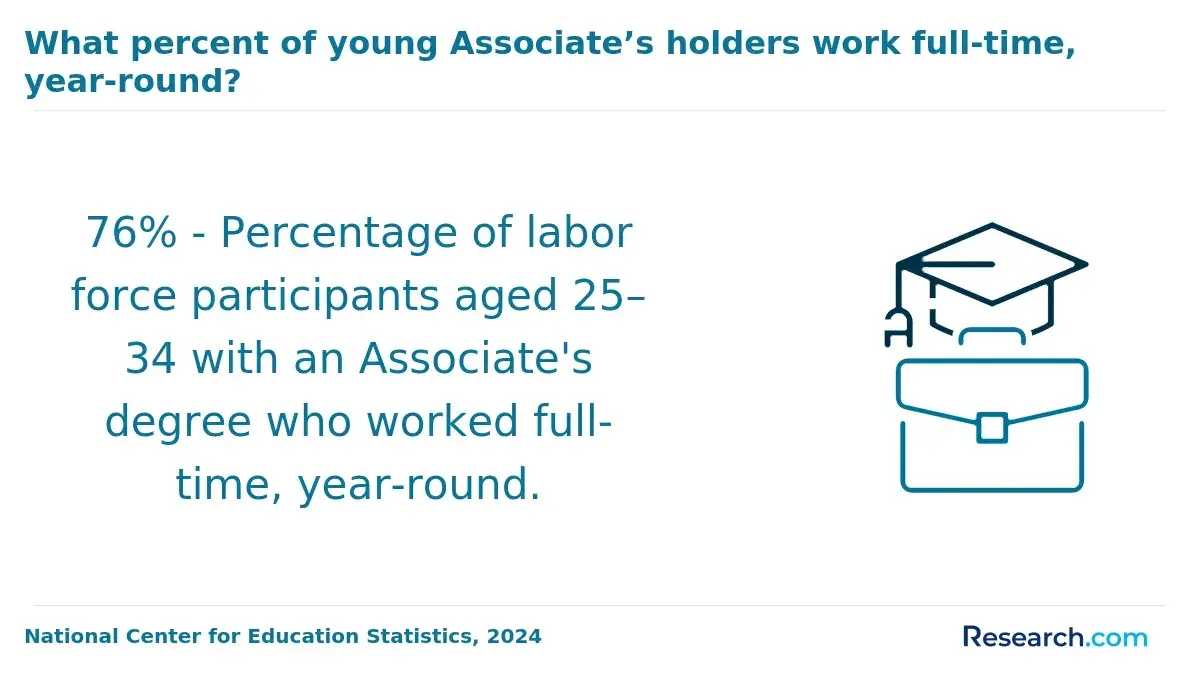
The trajectory of careers in social and behavioral sciences is marked by distinct operational demands at each stage that shape employability and advancement. Entry-level roles, such as research assistants or counseling technicians, typically require a bachelor's degree and focus on developing hands-on skills through client interaction and data management. These foundational positions are critical for gaining administrative insight and practical discipline.
Mid-level roles demand specialized expertise or licensure, encompassing clinical social workers or program coordinators who manage caseloads and lead intervention strategies.
For example, a clinical social worker coordinating patient discharge in a healthcare environment balances regulatory compliance with client advocacy, a complex skill set essential for elevating beyond direct service roles. This phase significantly impacts career mobility and operational effectiveness in managing community resources.
Senior professionals, including social services managers and policy analysts, are responsible for strategic oversight and organizational leadership. The U.S. Bureau of Labor Statistics projects a 6% employment growth from 2024 to 2034 in these fields, reflecting steady demand for advanced competence in navigating social systems.
The choice between clinical and administrative tracks entails tradeoffs: a Licensed Clinical Social Worker (LCSW) credential facilitates direct treatment roles but can restrict upper-management access without additional qualifications, whereas combining a Master's in Social Work with administrative experience expands leadership prospects.
Those exploring career pivots or advancement in social and behavioral sciences roles should also consider comparative earnings in adjacent areas, which can influence specialization decisions; for specific insights on earnings, see how much do forensic psychologists make.
What education, licensing, and certification are required for major social and behavioral sciences careers?
Social and behavioral sciences careers demand a strategic approach to education and credentialing due to varied licensing and certification processes in social and behavioral sciences professions. A bachelor's degree remains the basic entry point, but advancing beyond operational roles almost always requires graduate education. For instance, clinical social workers must hold a master's degree and secure state licensure obtained through extensive supervised practice.
Conversely, career paths in health education or community health programs offer faster workforce entry and incrementally attainable certifications such as the Certified Health Education Specialist (CHES) or the Master Certified Health Education Specialist (MCHES), which signal professional expertise without the time and financial costs of doctoral programs.
These licensing and certification processes in social and behavioral sciences professions influence both earning potential and employment stability. The U.S. Bureau of Labor Statistics reports that professionals with advanced qualifications earned an average of $80,450, emphasizing employer preference for demonstrable credentials.
However, specialized roles like clinical psychology require not only a doctoral degree but also passing rigorous exams and supervised practice, often delaying employment by multiple years. In contrast, public health practitioners with practical experience and targeted certification can achieve leadership roles without doctoral education, mitigating credential redundancy.
With a national workforce of approximately 31,360 professionals, individuals must balance upfront education costs, licensing timelines, and midcareer salary ceilings. Those aiming for academic research or policy analysis generally require a PhD, while practitioners focused on applied health education benefit from more streamlined paths. Exploring work from home degrees that pay good money may also supplement practical workforce entry or flexible career pivots within the field.
How do online social and behavioral sciences programs compare to campus-based options?
Programs in social & behavioral sciences that operate exclusively online offer theoretical foundations comparable to their campus-based counterparts but typically fall short on delivering critical experiential learning components.
Employers targeting roles in areas like public policy and behavioral economics demand proven hands-on experience such as internships or collaborative research projects, which campus programs more reliably provide through embedded fieldwork or faculty-led industry engagements.
For instance, economists in nonacademic positions command significantly higher salaries than those limited to academic tracks—a discrepancy linked to accessible applied learning opportunities more common in traditional settings. This gap signals the importance of selecting a program with structured access to real-world projects if aiming for competitive industry roles.
Working professionals seeking career pivots benefit from online flexibility but often struggle to acquire practical skills crucial in dense urban labor markets and government agencies that emphasize applied expertise. Campus environments foster networking through live workshops, labs, and alumni connections, which remain difficult to replicate virtually at scale.
Ultimately, while online formats widen access, social & behavioral sciences careers with substantial nonacademic earning potential frequently hinge on experiential advantages embedded in campus-based study.
What core courses and skills do social and behavioral sciences programs typically include?
Choosing a social & behavioral sciences program demands weighing the balance between quantitative rigor and qualitative insight, given employer emphasis on both data fluency and cultural competence. Job forecasts from the U.S. Bureau of Labor Statistics predict faster growth in life, physical, and social science fields—particularly in criminology and criminal justice research—with roughly 144,700 openings annually from 2024 to 2034.
This creates a concrete employment opportunity for graduates who can navigate complex datasets and apply research designs that translate into actionable policies or community interventions.
For instance, aspiring criminal justice professionals benefit from coursework in forensic psychology and ethics, which align with the expectations of legal and enforcement agencies. Meanwhile, proficiency in software such as SPSS or R is increasingly a baseline requirement, emphasizing the need for technical skill development alongside field experience or internships.
Social theory and behavioral science studies develop the contextual understanding essential for roles in social work or human services, where nuanced interpretation of behavior guides effective interventions. Employers distinctly prioritize candidates capable of analytical precision matched with ethical awareness within social systems.
What are typical program length, tuition costs, and financial aid options in this field?
Many students targeting roles such as psychiatric technicians prioritize shorter programs—typically 1 to 2 years postsecondary—that offer quicker labor market entry compared to four-year degrees. This accelerated timeline often results in a certificate or associate degree, which aligns with workforce demands demonstrated by a projected 28,900 new jobs in this field between 2024 and 2034.
Financially, community colleges provide the most cost-effective route, with tuition ranging from $3,000 to $10,000 annually. Public four-year institutions can cost $10,000 to $25,000 yearly for in-state students, presenting a tradeoff between upfront investment and longer-term credentialing. Given the median annual salary of $45,130 for psychiatric technicians, candidates must weigh whether extended study and higher debt will translate to sufficient income gains.
Funding avenues include federal Pell Grants, subsidized loans, work-study, and regionally targeted scholarships in behavioral health, reflecting employer demand pressures. Employer tuition assistance also factors into practical affordability when students balance work and study.
Effective decision-making involves evaluating local labor market wage ceilings alongside program length and cost to prevent extended debt without commensurate returns. Those in higher-cost areas may find shorter credential programs more viable for a faster return on investment, while others might accept longer academic routes if aligned with clearer advancement pathways.
What are the salary ranges for high-advancement social and behavioral sciences careers?
Salary outcomes in social and behavioral sciences diverge sharply between academic and nonacademic sectors, with the latter offering substantially higher income but distinct professional tradeoffs.
Nonacademic roles in policy consulting, market research, and data analytics typically start near $85,000 and can surpass $130,000 annually, demonstrating robust demand for applied expertise. By comparison, entry-level academia often offers $60,000 to $80,000, with mid-career caps near $100,000 influenced by institutional factors and geographic location.
A social scientist employed by a federal agency or private think tank may earn 20% to 40% more than university counterparts, particularly if they harness advanced quantitative methods or interdisciplinary tech skills.
For example, those integrating project management and data science find themselves in mid-career salary brackets of $110,000 to $150,000. However, gaining access to these roles typically requires intentional skill acquisition beyond traditional doctoral training.
Key tradeoffs exist: nonacademic careers provide higher pay but often constrain research autonomy and emphasize aligned deliverables. Conversely, academic positions offer tenure security and intellectual independence but face slower wage growth and high competition for resources. Aligning doctoral preparation with market realities is critical for navigating these divergent pathways effectively.
What is the job outlook and demand for social and behavioral sciences professionals?
The labor market for professionals in Social & Behavioral Sicences, particularly substance abuse and mental health counselors, is expanding at an above-average 17% rate from 2024 to 2034, reflecting tangible demand in healthcare and community services. However, advancing beyond entry-level roles requires practical certification, licensure, and graduate education tailored to regulatory demands that differ by state.
For instance, counselors working in urban community health centers who obtain trauma or addiction certifications can respond more effectively to localized public health issues, improving both employability and impact.
The field's growth is not confined to healthcare—it increasingly intersects with workplace wellness, criminal justice reform, and education sectors. Employers especially value candidates adept at telehealth technologies, interdisciplinary collaboration, and data-driven interventions, which align with evolving treatment models and funding parameters.
Prospective students must weigh logistical hurdles: securing supervised clinical hours and navigating complex licensure paths can delay full professional entry. Those unable or unwilling to complete these requirements might pivot to research assistantships, public policy positions, or human resources, roles that generally offer slower wage growth and fewer leadership prospects.
How can students choose an accredited, reputable social and behavioral sciences program?
Choosing accredited social & behavioral sciences programs is critical because they directly affect eligibility for federal financial aid and employer recognition. Institutions with strong ties to federally funded research tend to offer a more stable career trajectory due to consistent funding and job availability in government and affiliated research sectors.
Students targeting federal research labs benefit from programs emphasizing data analytics and grant writing skills, which reflect concrete employer demands. Conversely, those aiming for private-sector research roles should consider programs integrating behavioral economics with emerging technologies, offering broader interdisciplinary expertise.
Program evaluation should include:
- Faculty engagement in federally sponsored projects and partnerships with government agencies or established institutions
- Graduates' placement rates in federal agencies, research centers, and economic analysis roles
- Transparency on employment outcomes, including timelines and salary progression
Practical training through internships or fieldwork must complement theory to align with workforce realities. For instance, programs reporting over 70% job placement in federally affiliated roles within 12 months indicate a lower risk investment. Ignoring such data risks selecting programs that fail to prepare students adequately for labor market expectations and long-term advancement.
Other Things You Should Know About Social & Behavioral Sicences
Specializing offers deeper expertise and can lead to roles requiring advanced technical knowledge, but it limits flexibility if job markets shift or funding changes. Maintaining interdisciplinary skills enhances adaptability and access to diverse job sectors like community outreach, research, or governmental roles. For advancement, candidates with interdisciplinary competencies are better positioned to lead cross-functional teams and manage complex projects. Choosing between focus and breadth should depend on personal career goals and labor market trends in targeted sectors.
The integration of data analytics reshapes employer expectations, demanding proficiency in statistical software, data visualization, and quantitative methods alongside traditional qualitative skills. Programs lacking robust data training may hamper graduates' competitiveness for advanced positions that involve program evaluation or policy impact assessment. Prioritizing education paths with strong data analytics components is essential to meet rising standards and secure roles offering advancement and higher salaries. Workers without these skills may face limited growth opportunities.
Graduate education significantly enhances advancement opportunities, especially in supervisory, research, or specialized roles, by providing deeper knowledge and credentials that employers value. However, in some applied or community-based settings, extensive experience and demonstrated leadership can substitute for an advanced degree. Decision-makers should weigh the cost and time of graduate programs against the specific career trajectory desired-roles in policy, research institutions, or clinical practice generally require graduate credentials, while some managerial positions in nonprofit or government sectors may reward experience more heavily.
References
- 10 Careers for Social Work Majors https://www.umassglobal.edu/blog-news/careers-for-social-work-majors
- How People Pay for College [2026]: Financing Statistics https://educationdata.org/how-do-people-pay-for-college
- Studying Human Behavior with a Behavioral Science Major https://www.cune.edu/news/studying-human-behavior-behavioral-science-major
- Online Degree vs. Traditional: Choosing the Right Path https://beal.edu/online-degree-vs-traditional/
- Careers in Behavioral Science: 3 Barriers (& Why You Should Break Them Down) - Irrational Labs https://irrationallabs.com/blog/careers-in-behavioral-science-3-barriers-why-you-should-break-them-down/
- High-demand social work careers in California: trends and opportunities https://socialwork.pacific.edu/blog/high-demand-social-work-careers-california-trends-and-opportunities
- Social and Behavioral Science https://www.publichealth.org/careers/social-behavioral-science/
- Entry-Level Social Work Jobs | Earn a BA in Social Work at TUW https://www.tuw.edu/health/entry-level-social-work-jobs/
- Where to use Behavioural and Social Science | BSPHN https://www.bsphn.org.uk/advice/where-to-use-behavioural-and-social-science
- Social and Behavioral Science Careers and Education | PublicHealthOnline.org https://www.publichealthonline.org/social-and-behavioral-science/