2027 Public Service Roles You Can Target With a Social & Behavioral Sciences Degree

Co-Founder and Chief Data Scientist
Professionals with a social & behavioral sciences degree often face a fragmented labor market where aligning academic expertise with concrete public service roles is anything but straightforward. The challenge intensifies as employers increasingly seek candidates skilled in data-driven decision-making and cultural competency, skills not uniformly emphasized across programs. According to the National Center for Education Statistics, online enrollment in social sciences grew by nearly 15% in the past year, reflecting substantive shifts in access and flexibility but also signaling variable program rigor and market perception.
Navigating this complexity requires a clear understanding of actionable career targets and viable pathways. This article identifies specific public service roles suited for social & behavioral sciences graduates and clarifies how to strategically pursue them to maximize employment outcomes.
Key Things You Should Know
- Labor projections from the U.S. Bureau of Labor Statistics show 8% growth for social science-related public roles through 2031, but nearly 40% require master's degrees, pressuring undergraduates to weigh costly graduate education against entry-level employment.
- Government employers increasingly prioritize candidates with applied data analytics skills within social & behavioral sciences, complicating career entry for graduates lacking interdisciplinary quantitative training despite traditional degree relevance.
- Public sector budgets constrain hiring cycles, with a 2024 OPM report noting a 15% decline in social services positions filled via direct hire since 2022, forcing candidates to strategize around periodic hiring freezes and contract-based alternatives.
What public service careers can you pursue with a social and behavioral sciences degree?
Graduates holding a social and behavioral sciences degree pursuing public service careers encounter opportunities shaped by growing demand for evidence-based policy and program implementation. Employment for social scientists like policy analysts and program evaluators is projected to grow 15% between 2024 and 2034, well above average. However, these roles require fluency in quantitative analysis, stakeholder communication, and proficiency with statistical software, reflecting a practical tradeoff: foundational theory alone rarely suffices in public sector job opportunities.
Policy analysts must interpret complex legislation impacts, balancing socioeconomic data to recommend cost-effective interventions that often involve navigating bureaucratic and political constraints. For example, program evaluators in education or health sectors assess initiative effectiveness to guide fiscal priorities, demanding both analytical rigor and adaptability to shifting policy priorities. Community outreach coordinators must integrate behavioral science with cross-sector collaboration, tailoring engagement strategies to diverse populations under operational constraints.
Public health educators additionally require cultural competence and messaging acumen to effectively promote wellness in multilingual environments. Students considering this pathway should assess the balance between theoretical grounding and technical skills, such as data analytics, to enhance employability and meet evolving employer expectations for social and behavioral sciences degree public sector job opportunities.
Those intrigued by accelerated educational routes might explore accelerated psychology programs to shorten timelines, but must weigh the intensity and depth of such programs regarding long-term practical workforce impact.
How does a social and behavioral sciences degree prepare you for government and community roles?
Graduates aiming for government careers for social and behavioral sciences graduates must master the interplay between evidence-based program design and the constraints of public sector environments. Success in community engagement jobs with a social and behavioral sciences degree hinges on applying interdisciplinary methods-drawing from psychology, sociology, and economics-to analyze and influence group behaviors under complex social conditions.
For example, community health workers often tailor outreach strategies using behavioral science principles to improve public health outcomes, a role with a projected growth rate of 11% from 2024 to 2034, nearly doubling the average for all occupations, according to the U.S. Bureau of Labor Statistics. The median wage for these professionals was $51,030 as of May 2024.
Practical challenges include aligning program objectives with limited budgets, effectively engaging diverse stakeholders, and employing robust metrics for program evaluation. Proficiency in survey design, statistical software, and communications is essential. In government health departments, employees interpret social determinants of health to monitor disease trends and devise prevention policies, adapting continuously to evolving data landscapes.
Challenges such as bureaucratic delays and shifting political climates require graduates to maintain analytic rigor while balancing real-world constraints. Those seeking to advance through a psychology masters online program can develop specialized skills that enhance both analytical depth and practical impact within public service settings.
Which social and behavioral sciences jobs offer the best salary potential and career advancement?
Social and behavioral sciences jobs with highest salary potential tend to concentrate in specialized social work, clinical psychology, and policy analysis roles within government settings. For instance, social workers in government agencies earned a median annual wage of $61,330 in May 2024, with employment projected to increase by 6% over the next decade. This growth represents about 45,000 new jobs largely in sectors like child welfare, mental health services, and case management, making these roles significant for those targeting top career advancement opportunities in social and behavioral sciences roles.
Advanced qualifications dramatically influence salary trajectories and leadership opportunities. Clinical social workers with a master's degree plus clinical licensure often progress into supervisory roles, pushing earnings above average. Conversely, entry-level roles without licensure face earlier salary caps. Policy analysts who master government regulatory frameworks and quantitative skills command competitive wages by directly shaping public programs.
Geographic and institutional factors also shape compensation and mobility: urban agencies usually pay more but face intense competition, while rural or state positions may offer slower promotions yet broader practical experience. Candidates should balance local demand, credential paths, and employer expectations to make strategic decisions.
Continuous professional development, networking in public sector circles, and expertise in evidence-based program evaluation are critical for those pursuing stable advancement. For practitioners considering a pivot or specialization, programs such as an online forensic psychology masters can offer relevant credentials aligned with market needs and role demands.
What types of social and behavioral sciences programs are available online versus on campus?
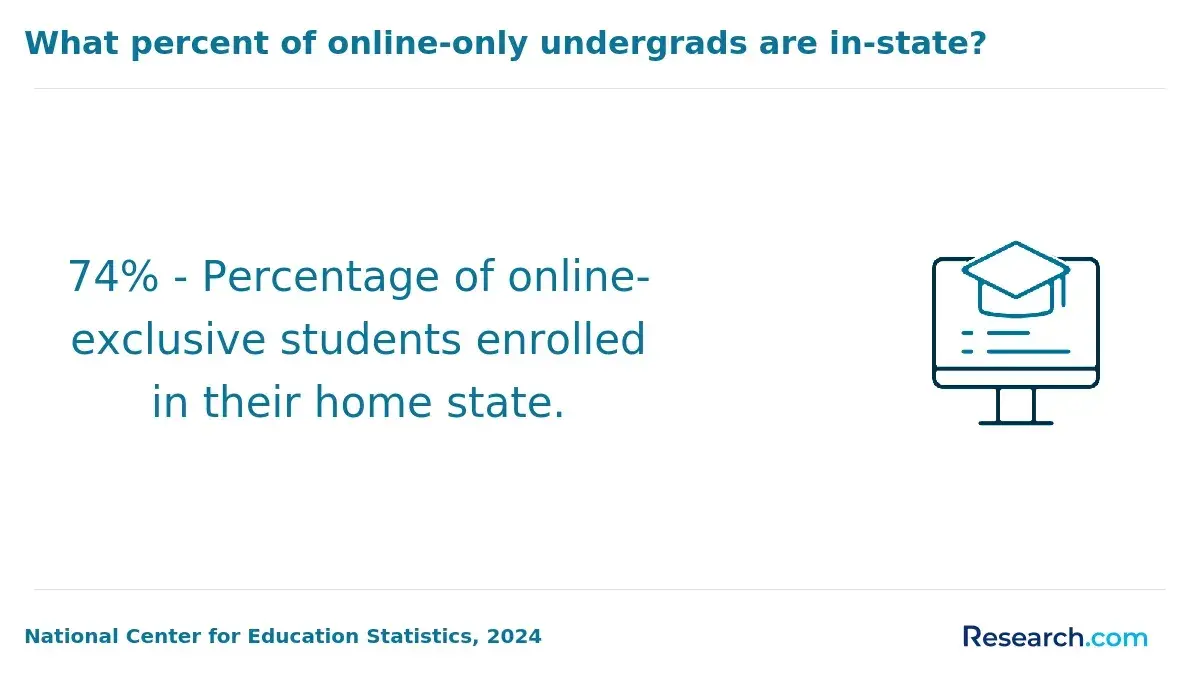
Practical training and supervised field experience create the primary divide between online social and behavioral sciences degree programs in the United States and their on-campus counterparts. While online curricula emphasize theory, research methods, and data analysis tailored for working professionals, they often fall short in delivering the hands-on skill acquisition essential for roles like substance abuse or mental health counseling. For instance, mental health counseling licensure typically requires clinical hours under direct faculty supervision - a standard more reliably fulfilled on campus.
Employers in public service sectors prioritize candidates with proven supervised experience, which tends to advantage those enrolled in campus-based programs or hybrid formats that pair online coursework with local internships. The Bureau of Labor Statistics projects a 17% growth rate for substance abuse and mental health counselors through 2034, with a median wage near $59,190, underscoring robust demand for practitioners who can document practical competencies.
Students must evaluate how online formats may restrict access to professional networks and mentorship compared to richer ecosystems found on campus. Hybrid options or independent local placements can mitigate these gaps, but suitability depends on a student's ability to secure quality practicum sites and navigate state licensure requirements. Those investigating options should also consider alternatives such as online human resource management masters programs as a strategic pivot if seeking broader flexible learning paths.
What courses and skills in social and behavioral sciences are most valued in public service?
Employers in public service prioritize practical mastery of criminological theories and data analysis within social and behavioral sciences to meet operational demands. For instance, probation officers must integrate risk assessment tools with evidence-based rehabilitation strategies to craft supervision plans that effectively lower recidivism rates. Employment for these roles is projected to grow by 5% from 2024 to 2034, and median wages stood at $63,840 in May 2024, signaling consistent demand and competitive pay.
Core competencies extend beyond theory to include communication, cultural sensitivity, and conflict resolution, essential for navigating diverse client populations in high-pressure environments. Quantitative skills in statistics and program evaluation are crucial for assessing policy impacts and supporting grant applications. Familiarity with legal and ethical frameworks governing confidentiality and client rights remains a non-negotiable employer expectation.
Students face tradeoffs between theoretical knowledge and applied skill-building; those targeting probation or correctional roles benefit significantly from programs offering internships or fieldwork. Balancing enforcement with rehabilitation requires adaptability that purely academic programs may not fully develop.
Strategic educational choices around these specialized courses and competencies enhance employability by aligning with workforce realities that favor data-driven, human-centered approaches. This pragmatic alignment influences not just entry opportunities but long-term effectiveness in social and behavioral sciences careers.
What are the typical admission requirements for social and behavioral sciences bachelor's and master's programs?
Admission into bachelor's programs in social and behavioral sciences typically requires a minimum 2.5 to 3.0 GPA, completion of core high school coursework, and sometimes standardized test scores. Letters of recommendation and personal statements focused on career intent are often necessary, especially for candidates aiming at public policy or nonprofit leadership roles. Demonstrated involvement in community service or related extracurriculars strengthens these applications by offering evidence of practical commitment.
Graduate programs usually expect a relevant bachelor's degree with a GPA around 3.0. Although GRE scores are becoming optional, applicants must provide a statement of purpose outlining clear research interests and career goals, along with strong professional references. Some programs also include interviews or writing samples to assess critical reasoning and communication-skills essential for managerial or leadership positions in sectors like nonprofit management.
Practical implications matter: the Bureau of Labor Statistics reports a median annual wage of $78,240 for social and community service managers, with a projected 6% job growth through 2034. For professionals shifting careers, selecting programs with applied learning components and leadership training improves job market viability in fields demanding policy savvy and organizational skills. This alignment between education and workforce realities shapes long-term employability more decisively than credential prestige.
How long do social and behavioral sciences degrees take, and what do they cost at U.S. schools?
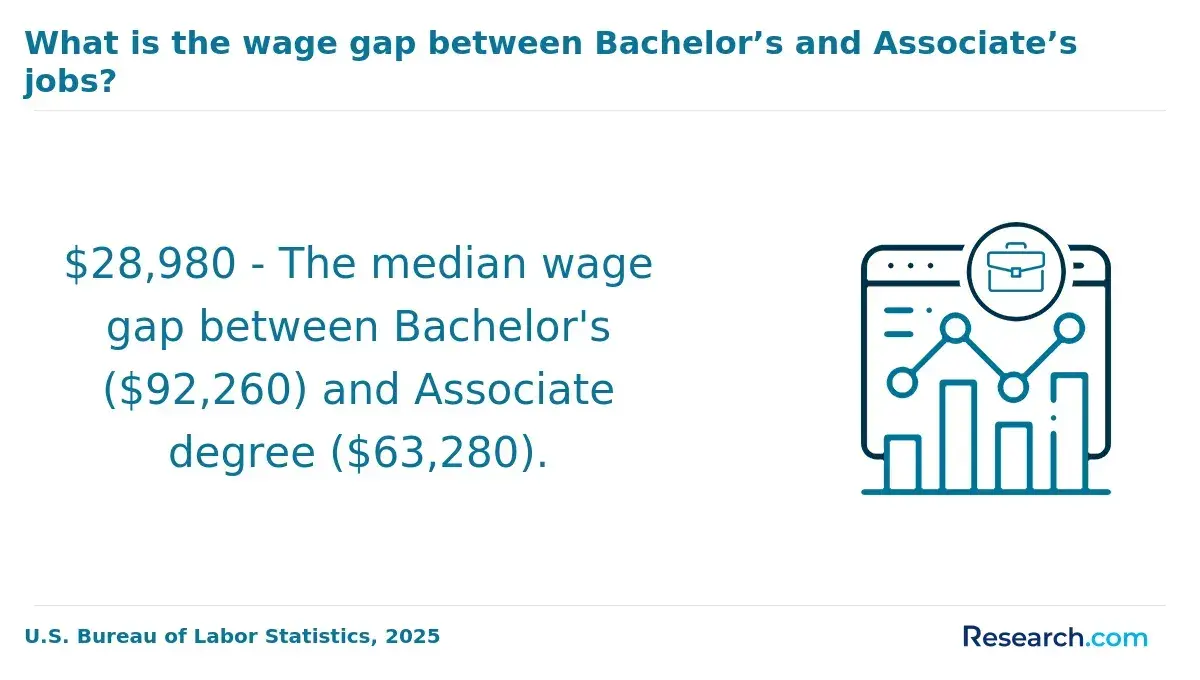
Completing a social and behavioral sciences degree typically involves four years of full-time study for a bachelor's credential, yet many students face strategic choices balancing time, cost, and career outcomes. Accelerated or associate programs offer quicker entry points but often constrain advancement, especially in roles demanding a bachelor's or higher.
For example, health education or community outreach jobs generally require at least a bachelor's degree. According to the Bureau of Labor Statistics, health education specialists earned a median wage of $63,000 in May 2024, with steady 4% growth expected through 2034 driven by prevention initiatives. This wage context highlights the importance of relevant credentials.
Financially, tuition varies sharply: public in-state programs average $10,000 yearly, while out-of-state or private institutions can exceed $35,000. Additional costs for textbooks, fees, and living expenses may add $12,000 or more annually, underscoring the need for budgeting beyond tuition alone.
Part-time enrollment is common for working students, extending degree timelines and overall costs but maintaining income flow. Those targeting specialized roles like policy analysis should anticipate graduate study adding multiple years and significant tuition expenses.
Decision-making should factor in institutional transfer options, financial aid availability, and program specificity to avoid misaligned credentials and inefficient use of time and money.
What licenses or certifications might you need for public service roles in social and behavioral sciences?
Licenses and certifications in social & behavioral sciences are not interchangeable assets but strategically aligned credentials that differ sharply by career focus and jurisdiction. Research roles typically emphasize advanced degrees combined with project management certifications like the Certified Research Administrator (CRA) or Project Management Professional (PMP) to navigate complex funded projects. In contrast, clinical or counseling careers mandate state licensure, such as the Licensed Clinical Social Worker (LCSW), which involves a master's degree, supervised clinical hours, and a state licensing exam-barriers that can delay workforce entry but are essential for direct client service roles.
Public health careers often prioritize certifications like the Certified Health Education Specialist (CHES) to substantiate expertise in community-focused interventions. Government positions may add layers of security clearances and compliance credentials, especially concerning data privacy (e.g., CIPP/US), underscoring the need for role-specific compliance beyond academic qualifications.
These credentials demand significant time and financial investment for exams, preparation, and ongoing education. Prospective candidates must weigh their geographic labor markets carefully since states vary in licensure requirements and funding priorities. For example, social & behavioral scientists earn notably more in states like California and Virginia, where licensure or certification can be a key competitive differentiator. Without targeted licensing, professionals risk exclusion from pivotal policy-influencing or public-facing roles, limiting long-term career mobility and salary growth.
- Research roles lean on academic and management certifications without mandatory licensure.
- Clinical roles require state licensure with rigorous educational and supervised practice components.
- Public health and government positions integrate certifications aligned to community impact and regulatory standards.
Choosing credentials should be a calculated decision aligned with intended roles, employers' expectations, and jurisdictional mandates, not a default step. Operational realities and employer-driven criteria outweigh generic credential accumulation in a field where relevance and alignment dictate professional viability.
How is the job outlook for social and behavioral sciences graduates in public and nonprofit sectors?
The labor market for social and behavioral sciences graduates in public and nonprofit sectors demands a hybrid skill set combining analytical insight with administrative competence, particularly in management roles within social assistance. Median wages for these positions stand near $87,000 annually, about 40% above the general industry median, signaling clear value to employers for candidates adept at navigating complex program requirements while maintaining service goals.
Employment stability in this sector contrasts with slower career progression, often linked to the mission-driven nature of organizations and funding constraints. For example, a graduate leading a homelessness prevention program must merge compliance-driven reporting for federal grants with efficient community service delivery-a balancing act requiring operational agility and precision.
Key skills employers prioritize include project management, grant writing, and applied research capabilities that go beyond interpersonal aptitude. Practical experience through internships or certifications in data-driven program evaluation enhances competitiveness in a crowded field.
Graduates face limited mobility without advanced credentials, making continuing education critical for upward movement. Long-term career advancement hinges not just on degree attainment but on honing specific competencies relevant to public sector realities and nonprofit organizational dynamics.
In this context, those evaluating Social & Behavioral Sciences pathways should weigh stable employment and social impact against the slower pace of promotion and the necessity of targeted skill development to align with evolving funding and policy environments.
How can you choose an accredited, reputable social and behavioral sciences program for public service careers?
Accreditation from recognized agencies such as the Council for the Accreditation of Educator Preparation (CAEP) or regional accreditors approved by the U.S. Department of Education is a crucial determinant of program credibility and credit transferability. Employers in public service consistently prioritize candidates from accredited institutions, as this reflects adherence to rigorous academic and ethical standards essential for effective government communication and outreach roles. Choosing a program grounded in skill-building areas like data analysis, public policy, and evidence-based behavioral interventions aligns training with actual job functions.
Programs that integrate experiential learning, particularly internships with government or nonprofit agencies, materially enhance employability. Since public relations specialists in government earned a median wage of $70,400 in May 2024, with projected employment growth of 6% through 2034, hands-on experience amplifies readiness for behavior-change campaign roles. Graduates from such programs demonstrate measurable employment outcomes that outperform more theoretical curricula.
Evaluating faculty expertise and research focus is also essential; those immersed in applied research and community-engagement projects better prepare students for practical challenges. Candidates should be wary of programs with overly broad or generic social sciences curricula lacking clear governmental or public service relevance. Finally, flexible delivery formats tailored to working professionals enable balancing mid-career studies with ongoing employment demands, addressing a common barrier in career pivots within the social & behavioral sciences field.
Other Things You Should Know About Social & Behavioral Sciences
Social & behavioral sciences programs typically demand extensive reading, research projects, and statistical analysis, which can be time-intensive and mentally demanding. Students working full time should expect uneven workload peaks during data collection or thesis periods. Part-time enrollment or evening classes can mitigate this but may extend time to graduation. Prioritizing programs that offer flexible scheduling and integrate practical assignments aligned with work experience helps manage workload without sacrificing academic progress.
Public service employers increasingly value quantitative skills for data-driven decision-making, program evaluation, and policy impact assessment. However, qualitative methods remain essential for community engagement, cultural competence, and understanding complex social dynamics. Candidates with balanced quantitative and qualitative training are more competitive. If forced to prioritize, lean towards quantitative skills while ensuring foundational exposure to qualitative techniques, since the ability to interpret and apply data is generally non-negotiable in public service roles.
Online programs often lack the spontaneous interactions and on-site mentorship critical for building professional relationships in social & behavioral sciences. Networking in public service relies heavily on connections formed through internships, faculty, and peer collaboration that are more accessible on campus. However, some online programs with strong virtual communities and coordinated internship placements can partially bridge this gap. Prospective students should verify how online options facilitate direct mentorship and meaningful field experiences before committing.
References
- Bachelor’s in Psychology Programs Online https://www.onlinemswprograms.com/careers/social-work-vs-counseling-vs-psychology/ba-psychology/
- A Guide to Career Paths in Behavioral Science - Social Science Space https://www.socialsciencespace.com/2021/08/a-guide-to-career-paths-in-behavioral-science/
- Informing Public Policy with Social and Behavioral Science https://issues.org/perspective-informing-public-policy-with-social-and-behavioral-science/
- Social and Behavioral Health https://www.publichealthdegrees.org/specializations/social-behavioral-science/
- B.S. Behavioral & Social Science - Bethel University Online https://ags.betheluniversity.edu/degrees/bs-bachelors-behavioral-social-science/
- Social and Behavioral Science https://www.publichealth.org/careers/social-behavioral-science/
- Become a Social Worker in California https://socialworklicensemap.com/social-work-licensure/become-a-social-worker-in-california/
- Can You Get An MSW Degree Without A BSW? | Psychology.org https://www.psychology.org/social-work/msw-with-no-bsw/
- Social and Behavioral Science Careers and Education | PublicHealthOnline.org https://www.publichealthonline.org/social-and-behavioral-science/
- A Complete Guide to Becoming a Social Worker in California https://www.umassglobal.edu/blog-news/a-complete-guide-becoming-a-social-worker-california