2027 Online Social & Behavioral Sciences Degrees With Strong Human Services Training

Co-Founder and Chief Data Scientist
Professionals seeking advancement in social and behavioral sciences face a pressing dilemma: how to acquire specialized human services training without disrupting demanding work schedules or personal commitments. As the U. S. Department of Education reports, over 65% of online students are adult learners balancing employment, underscoring the necessity for flexible, credible degree options that deliver both theoretical and applied competencies.
The growth in online program enrollment signals a shift toward education models prioritizing accessibility without sacrificing workforce readiness. This article evaluates online social and behavioral sciences degrees with robust human services training to guide strategic enrollment decisions that align with career goals and market realities.
Key Things You Should Know
- Graduates with human services training embedded in online social & behavioral sciences degrees face a median salary 12% below specialized clinical fields despite similar credential timelines, reflecting employer preference for direct service certifications.
- The 2024 National Center for Education Statistics data indicate 31% of employers prioritize field-specific internships over GPA for hiring in human services roles, underscoring the strategic value of practicum integration.
- Programs averaging 24 months reduce opportunity costs versus typical 36-month trajectories, but accelerated formats often sacrifice depth in community engagement skills, producing tradeoffs between speed and workforce readiness.
What are online social and behavioral sciences degrees with a human services focus?
Earning an online social and behavioral sciences degree with human services training demands careful scrutiny of program structure, particularly how practical experiences are integrated. Working professionals juggling employment and family obligations must confirm that schools facilitate supervised internships or practicum placements essential for licensure eligibility and skill application.
Human services focused social and behavioral sciences programs target applied competencies-case management, counseling techniques, community resource coordination-critical in social work agencies and healthcare supports. Yet, they inherently sacrifice face-to-face interaction, which affects development in interpersonal communication and collaborative group dynamics. The flexibility to immediately apply newly acquired skills in current roles can accelerate proficiency; for example, a healthcare case manager can refine client assessment methods online while practicing these skills on the job.
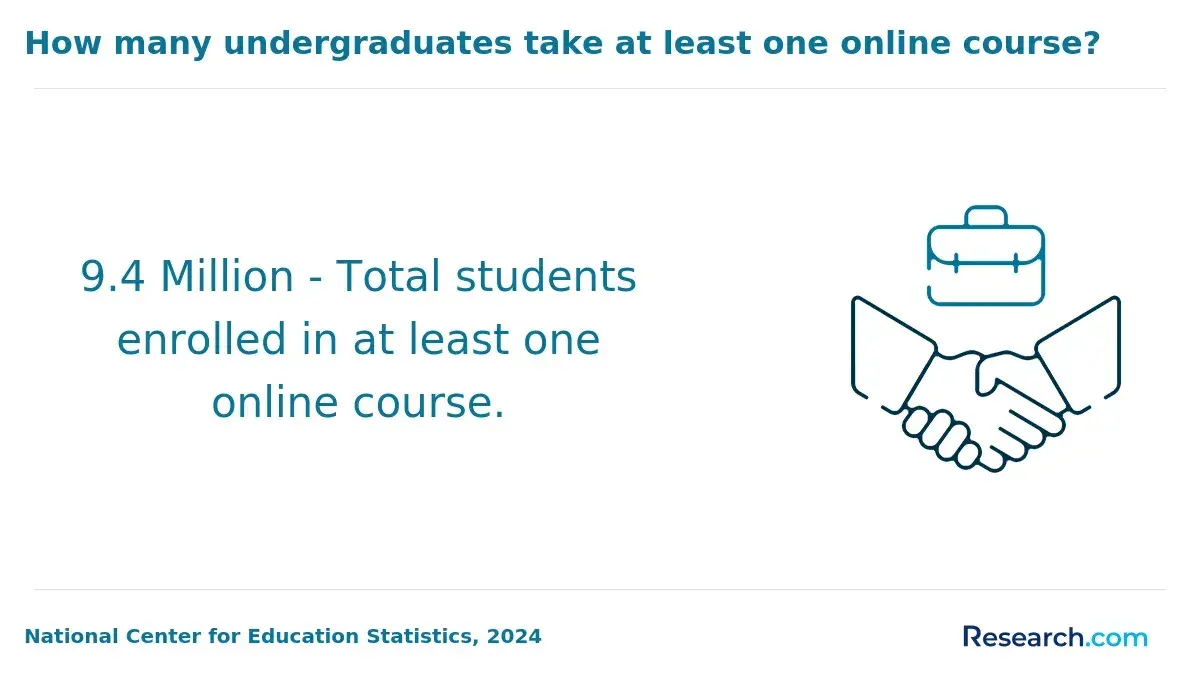
Greater online enrollment-from 46% in 2019 to 56% of undergraduates in 2024-reflects increasing acceptance of remote formats, but students must verify accreditation, curriculum relevance, and clear certification pathways. Employers expect graduates to deliver both academic rigor and workforce-ready competencies, pressing programs to balance theory and field experience despite distance delivery.
Those evaluating options should also consider pathways like an online social work masters degree, which may offer advanced credentials aligned with career goals within social and behavioral sciences.
How do online human services-oriented social and behavioral sciences programs work compared to campus options?
Choosing between online human services training programs versus traditional campus programs often hinges on how candidates manage practicum requirements and professional readiness. Online formats demand students proactively secure community placements aligned with state licensure standards, which can extend program duration if suitable sites are scarce locally. Campus programs, in contrast, typically leverage institutional partnerships to streamline placement and provide immediate supervision, enhancing direct client interaction skills prized by employers.
The differences between online and campus social and behavioral sciences degrees become pronounced in communication dynamics. Online students must navigate scheduled virtual meetings, structured discussion boards, and simulated case studies to compensate for the absence of spontaneous peer collaboration and real-time problem solving on campus. These aspects cultivate remote communication and independent time management skills increasingly valuable for social service roles, especially as the field projects a 7% job growth from 2023 to 2033 by the U.S. Bureau of Labor Statistics.
Prospective students should weigh their access to reliable practicum sites and their learning preferences carefully. Online pathways offer flexibility for working professionals or those in underserved areas but require substantial self-direction and planning. For practical insight into cost-effective options, see the cheapest masters in psychology online for reference in related Social & Behavioral Sicences advanced degrees.
What types of social and behavioral sciences degrees prepare you for human services careers?
Degrees in social work, psychology, sociology, and human services-specific fields offer distinct pathways into human services careers, each with tradeoffs affecting employability and licensure hurdles. Social work degrees integrate substantial fieldwork, positioning graduates for immediate roles like case management or mental health clinic work under supervision. In contrast, psychology degrees emphasize clinical assessment and diagnosis but typically require graduate education and licensure to practice independently, as seen with masters in clinical psychology online. Sociology provides analytical frameworks suitable for policy or advocacy roles but less direct client interaction, extending the timeline before entering frontline human services.
Programs focused explicitly on human services equip students with practical client interviewing, crisis intervention, and systems navigation skills, aligning well with employer priorities for practitioners ready from day one. The U.S. Bureau of Labor Statistics forecasts a 7% growth in mental health and substance abuse social worker jobs from 2023 to 2033, with a median wage of $51,240 as of May 2023, highlighting the labor market demand for degrees anchored in human services and social work.
Students considering social and behavioral sciences degrees for human services should weigh the tradeoff between broad foundational knowledge and the need for additional credentials in psychology or sociology, which may delay employment and increase costs. Those evaluating online social and behavioral sciences programs with human services focus must prioritize those offering integrated internships or certifications to reduce workforce entry friction.
What courses and practical training are included in human services-focused social and behavioral sciences programs?
Human services coursework in social and behavioral sciences programs balances foundational academic content with applied skill development, often through practical training and internship opportunities in human services degrees. Programs integrate sociology, psychology, and ethics with focused studies on substance abuse and community resources to prepare students for complex client-facing roles.
Employers prioritize candidates who have demonstrated competencies in needs assessment, client advocacy, and interagency collaboration. For example, working with homeless populations demands proficiency in navigating housing services, healthcare access, and workforce programs. These tasks require practical knowledge gained through supervised internships or practicums within social service agencies or nonprofit settings, where students also confront real-world challenges such as confidentiality compliance and crisis management.
Graduates face median salaries around $43,300 six years post-graduation, as reported by BestColleges' 2025 analysis, which suggests a measured return on investment compared to other social sciences degrees. Students must weigh program quality, licensing alignment, and the depth of internship experiences to enhance employability. Those interested in work from home degrees that pay good money might consider how remote opportunities fit within human services career paths and evolving employer expectations.
Taking a strategic approach to coursework and field placements is essential for navigating the human services labor market's competitive realities and achieving operational readiness.
How can you verify accreditation and quality for online social and behavioral sciences programs?
Institutional accreditation via the U.S. Department of Education or the Council for Higher Education Accreditation remains the non-negotiable baseline for credible online social & behavioral sciences degrees. Beyond this, specialized accreditation such as the Council on Social Work Education (CSWE) for MSW programs or the Commission on Accreditation for Marriage and Family Therapy Education marks programs meeting rigorous curricular and practicum standards demanded by employers.
The absence of transparent licensure pass rates and employment outcomes should raise immediate concerns; these metrics serve as tangible proxies for a program's real-world effectiveness. For example, wage data from the Bureau of Labor Statistics shows mental health and substance abuse social workers with advanced degrees can expect growth from roughly $34,000 at entry levels to over $86,000 near the top tier, underscoring the value of accredited credentials in employer markets.
Scrutiny of curriculum relevance is essential. Prospective students must confirm programs embed evidence-based practices and supervised field placements that align with licensing requirements and labor demand. Schools that maintain active partnerships with community organizations or healthcare providers enable practical experience critical for credentialing.
Ignoring accreditation or verified outcomes often means limited licensure eligibility and employer recognition. Working professionals balancing cost and flexibility should prioritize programs that maintain educational rigor without sacrificing quality field training or workforce alignment.
What admission requirements and prerequisites do online human services-related programs typically have?
Admission into online human services programs balances academic prerequisites with practical experience, often creating a bottleneck for working professionals attempting a timely pivot. While associate degrees primarily require a high school diploma or GED, bachelor's and graduate programs demand verified college transcripts, frequently with minimum GPAs of 2.5 to 3.0. Prerequisites such as introductory psychology or sociology courses are standard to ensure foundational knowledge.
Applicants for upper-level programs must supply personal statements and letters of recommendation that demonstrate career focus and relevant engagement, often necessitating prior volunteer or professional experience in social services. These elements serve as important filters for admission committees scrutinizing candidates' readiness for the field's complexity and client demands.
Consider a working professional aiming to transition into child and family social work: they may need to juggle prerequisite completion, prior learning credit arrangements, and ongoing employment. Programs offering asynchronous coursework and flexible start dates mitigate timing conflicts but do not eliminate the requirement to meet academic standards first.
Wage data underscores the market's valuation of specialized training: median earnings near $50,820 reflect typical entry points, while the upper quartile approaches $79,640-attainable primarily by those with credentials aligned to licensure and embedded practical training. Employers prioritize integrated curriculum components that prepare candidates to navigate certification processes and field realities effectively.
How long do online social and behavioral sciences degrees take, and what do they cost?
Choosing an online social and behavioral sciences degree with a human services focus demands weighing time, cost, and labor market outcomes. Associate degrees typically take two years and prepare students for entry-level roles such as community social service assistants, aligning with moderate financial investment and a projected 6% job growth from 2024 to 2034. Bachelor's degrees generally require four years, offering broader employment opportunities but increasing upfront debt and delaying workforce entry.
Costs vary widely: public institutions charge approximately $6,000-$15,000 annually for in-state students, while private schools often exceed $20,000 per year. Total bachelor's degree expenses may reach $60,000, whereas affordable associate options can start near $5,000. Financial aid possibilities exist but depend on proactive searching and eligibility.
Working adults face tradeoffs between program pacing and career impact. Part-time or accelerated enrollment affects completion timelines, often extending beyond four years when balancing employment. Programs demanding 12-15 credit hours per semester for on-time graduation require significant weekly commitment, especially when paired with practicum components essential for human services readiness.
Prospective students must prioritize program features that emphasize applied training alongside theoretical foundations to optimize employability. The practical path hinges on matching program duration and cost to individual circumstances and career goals within the social and behavioral sciences sector.
What human services careers can you pursue with a social and behavioral sciences degree?
Social & behavioral sciences degrees paired with robust human services training prepare graduates for roles that require direct client interaction and resource coordination, such as case management and community outreach. For instance, case managers must navigate complex healthcare systems and advocate for clients, applying knowledge of social determinants and behavioral theory acquired through these programs.
Employment projections indicate a 17% growth for social and human service assistants through 2032, yet many positions require state-specific certifications or supervised clinical hours beyond the bachelor's degree. Graduates targeting specialized counseling or therapy roles should anticipate additional licensure steps.
Cost considerations are significant for those pivoting careers. Hilbert College Online reports annual tuition around $16,800 for a four-year human services track, which may offer better return on investment compared to pricier traditional campus programs. Employers value candidates who combine academic credentials with meaningful practicum or internship experience, emphasizing program selection criteria.
Adapting to sector demands-such as humanitarian crisis response, aging populations, and mental health services-requires interdisciplinary skills informed by social & behavioral sciences and human services. Understanding credentialing norms, labor market conditions, and practical workforce challenges is essential for aligning educational choices with career objectives in this field.
What salary ranges and advancement opportunities exist in human services and related fields?
Entry-level salaries for human services roles reflect the tension between educational attainment and practical experience, with associate degree holders earning approximately $30,000 to $40,000 annually. Advancing to a bachelor's degree typically shifts the range upward, from $45,000 to $60,000, but this depends heavily on specialization and location. For example, community health workers with a bachelor's degree in urban areas often start around $50,000, while supervisory roles such as human service managers surpass $65,000 once certifications and leadership responsibilities are in place.
The path from associate to bachelor's degrees often necessitates navigating credential recognition challenges and funding constraints, which can limit wage growth despite higher qualifications. Employers increasingly prefer candidates who combine verified credentials with relevant field experience, particularly those aligning with social & behavioral sciences accreditation standards. Specialized certifications like Licensed Social Work or Certified Case Manager are frequently required to secure leadership positions and improved compensation.
Consider a human services assistant making $33,000 annually. By leveraging an online associate degree to enter a bachelor's program, this worker can target roles such as program analyst, where salaries typically reach $55,000. However, progression is rarely linear and requires deliberate credential stacking and sector-specific experience.
What licensing or certification might you need for human services and counseling roles?
Licensing credentials fundamentally shape career progression and earning potential in human services and counseling roles. Mental health counselors, for instance, confront a non-negotiable threshold of 2,000 to 4,000 supervised clinical hours plus a state board exam, without which eligibility is confined to subordinate positions with lower compensation. This rigid structure means that educational programs must align precisely with licensing requirements to avoid inefficiencies or costly delays in workforce entry.
In contrast, human services positions such as case management or community outreach typically require less formal certification, though credentials like Certified Human Services Professional (CHSP) can enhance credibility and hiring prospects, particularly in public and nonprofit sectors. However, these certifications do not substitute for clinical licensure necessary in more specialized, higher-paying roles.
Employers consistently demand relevant experience and ongoing education, with licensure renewals commonly requiring 20 to 40 continuing education units every two years in areas like ethics and new therapeutic methods. Occupational therapists exemplify this standard, maintaining median annual salaries near $98,340 while balancing professional development mandates.
This regulatory framework creates a clear earnings gradient from community health workers at around $51,030 annually to licensed therapists approaching $100,000, emphasizing the tradeoff between upfront educational rigour and long-term financial and professional reward. Prospective students considering a human services degree online must navigate these licensure landscapes pragmatically, selecting educational paths that synchronize with their targeted credentialing to optimize return on investment.
Other Things You Should Know About Social & Behavioral Sicences
Employers increasingly accept online degrees in social and behavioral sciences when the program is regionally accredited and includes practical human services training such as internships or practicum experiences. However, purely theoretical programs without applied components are viewed less favorably in fields requiring direct client interaction. If your goal is to enter frontline human services, prioritize programs with verified experiential learning and strong ties to community organizations to enhance employability.
Online programs demand high self-discipline, especially for students balancing coursework with internships or client fieldwork integral to human services training. Time management challenges increase because practicum hours require coordination with external agencies, complicating scheduling compared to campus programs. Candidates should realistically assess their capacity to manage asynchronous study alongside unpredictable field placements before committing to an online format.
For a career focused on human services, selecting a program with specialized coursework and applied fieldwork in that area improves job readiness and helps meet employer expectations for relevant experience. General social and behavioral sciences degrees offer broad knowledge but may require additional certifications or training to qualify for human services roles. Prioritize programs with a clear human services curriculum if you want a direct route to practical employment.
In 2027, pursuing an advanced degree in human services can lead to higher earning potential and specialized knowledge, yet it may delay entry into the workforce. Entering the workforce sooner offers immediate experience and financial stability, but may limit advancement opportunities without further education.
References
- Bachelor’s Behavioral Science Degrees | University of Phoenix https://www.phoenix.edu/online-behavioral-sciences-degrees/bachelors.html
- Are Online Degrees Accredited? How to Identify Quality Distance Learning Programs https://www.umassglobal.edu/blog-news/online-degrees-accredited-identify-quality-distance-learning-programs
- Social and Behavioral Science Careers and Education | PublicHealthOnline.org https://www.publichealthonline.org/social-and-behavioral-science/
- Program Overview https://educationhumanservices.seattlecentral.edu/programs/social-and-human-services
- Online Social Work and Human Services Degree Programs - OnlineEducation.com https://www.onlineeducation.com/social-work/
- Humanity in Action: Understanding Human Services Degrees https://www.ucumberlands.edu/blog/humanity-in-action-understanding-human-services-degrees
- St. Petersburg College https://www.spcollege.edu/future-students/degrees-training/social-and-behavioral-sciences-and-human-services
- Top 15 Highest‑Paying Pharmacy Jobs in the UK 2025 (Including Salaries) https://apexlearning.org.uk/highest-paying-social-work-jobs-uk-2026/
- Social and Behavioral Health https://www.publichealthdegrees.org/specializations/social-behavioral-science/
- Bachelor’s in Psychology Programs Online https://www.onlinemswprograms.com/careers/social-work-vs-counseling-vs-psychology/ba-psychology/