2027 Online Social & Behavioral Sciences Degrees With Program Coordination Career Alignment

Co-Founder and Chief Data Scientist
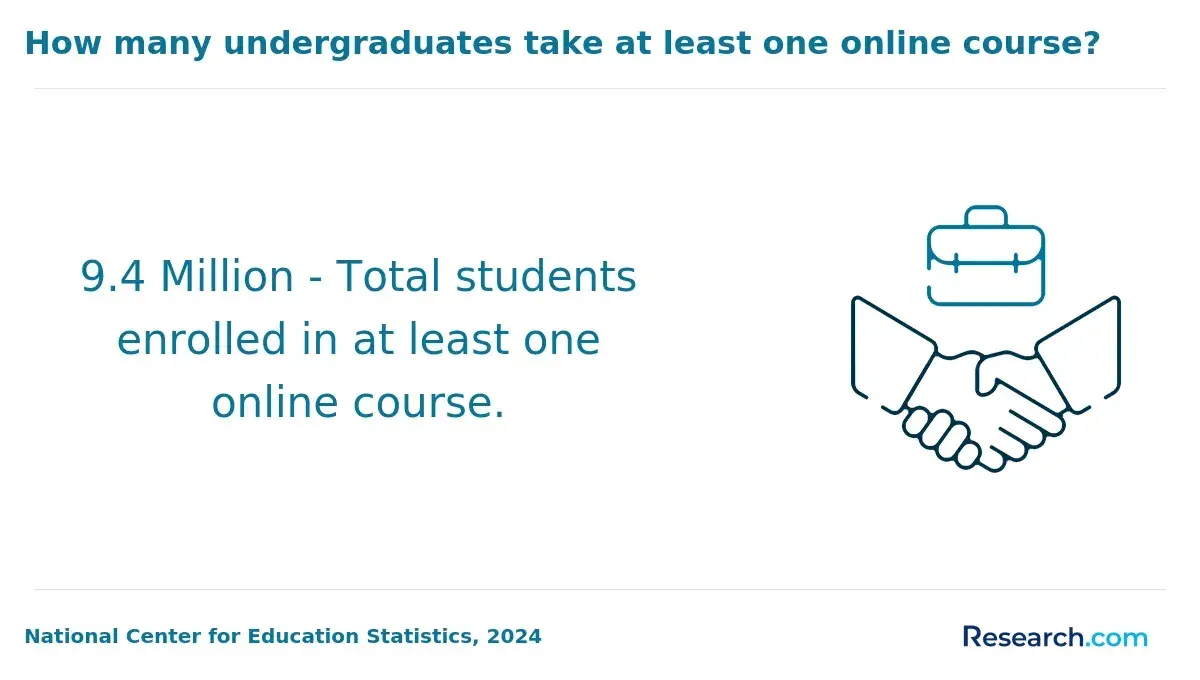
Professionals seeking online social & behavioral sciences degrees must navigate a complex blend of program flexibility, accreditation, and direct career alignment. With more than 60% of adult learners balancing work and study, according to the National Center for Education Statistics 2024 update, program accessibility shapes enrollment decisions and eventual workforce integration. Employers increasingly demand candidates with demonstrated coordination skills alongside theoretical knowledge, yet poorly aligned curricula can delay career advancement or limit job prospects.
Understanding which online degrees effectively integrate program coordination competencies is vital for candidates aiming to streamline education-to-career transitions. This article dissects current online social & behavioral sciences degree options geared toward practical career alignment with program coordination roles to guide optimal pathway selection.
Key Things You Should Know
- The median wage in 2024 for social and behavioral sciences roles with program coordination sits 12% below STEM counterparts, forcing many graduates to weigh lower starting salaries against long-term sector impact and funding volatility.
- Employers prioritize candidates with integrated project management experience alongside social science expertise, with 68% of surveyed organizations demanding multi-disciplinary coordination fluency, reshaping hiring practices beyond pure academic credentials.
- Programs extending beyond 24 months raise total education costs by 35% on average, disproportionately affecting mid-career professionals balancing income loss versus skill acquisition critical for managerial advancement in social and behavioral sciences.
What are online social and behavioral sciences degrees with program coordination career paths?
Applicants targeting program coordination roles should note that online social and behavioral sciences degree programs with career coordination focus deliver essential competencies like research methodology, community engagement, and data-driven evaluation. For instance, a coordinator at a public health nonprofit relies on skills from these degrees to interpret analytics and retool outreach efforts toward vulnerable groups effectively.
Employers demand credentials: 74% of social and community service workers hold at least a bachelor's degree, reflecting a threshold that favors programs integrating applied projects over generalist curricula. This credentialing reality highlights a practical requirement rather than a flexible suggestion.
One challenge in online program coordination-focused degrees is limited access to traditional internships, necessitating proactive sourcing of virtual or local field experiences. Success in this career path also depends on mastering grant writing, evaluation software, and stakeholder communication-skills typically emphasized in well-designed programs.
When assessing program options, candidates should evaluate how extensively curriculum incorporates quantitative tools and policy frameworks that align with employer expectations. Graduates balancing theory and applied coordination experience position themselves competitively for roles within nonprofits, government agencies, and private community relations.
Those interested in advanced credentials may explore DSW programs online as a further step.
How do online social and behavioral sciences degrees compare to campus-based programs?
Choosing between online social and behavioral sciences degrees vs campus programs involves weighing flexibility against built-in experiential opportunities. Online programs demand that students independently secure local internships or community engagements to meet employer expectations for program coordination roles, whereas campus programs often provide direct access to internships and face-to-face collaboration, accelerating skill development.
For working professionals, the flexibility and outcomes of online social and behavioral sciences education can be vital to maintain employment while studying, but this comes with the tradeoff of fewer direct networking events and on-site mentorship. Employment for social and community service managers, a key role in program coordination, is expected to grow by 6% from 2024 to 2034.
Success in this field depends on demonstrated applied project management and community engagement skills more than the mode of education. Hiring managers prioritize proven coordination abilities that translate into results, as reflected in the median wage of $78,240.
Online students should actively leverage virtual alumni networks, professional associations, and volunteer work to cultivate relevant connections, compensating for the limited in-person interaction. Campus students typically benefit from more immediate peer and mentor support, aiding smoother workforce entry.
Ultimately, selecting a pathway depends on individual constraints such as access to internships, professional obligations, and the capacity to independently pursue applied experiences. Prospective students can explore options like a fast-track master's in psychology for accelerated credentials within this landscape.
What accredited online social and behavioral sciences majors lead to program coordination roles?
Degrees in social and behavioral sciences that lead directly to program coordination often demand balancing academic foundations with regulatory and practical workforce demands. Majors such as social work, psychology, sociology, and substance abuse counseling provide essential skills in human behavior and organizational planning relevant to managing programs in community, healthcare, or nonprofit sectors.
Employers prioritize candidates with concrete experience in client interaction and evidence-based intervention methods, particularly in regulated environments where state licensure and accreditation affect employability. For example, licensed substance abuse and mental health counselors typically require certification beyond a bachelor's degree to develop and maintain treatment protocols. The median wages-$59,190 for licensed counselors and $61,330 for social workers-reflect these roles' economic viability.
Students pursuing accredited online social and behavioral sciences degrees for program coordination should critically assess program components like practicum and internship opportunities, which build applied skills in data management, budgeting, and staff coordination. Programs incorporating funding cycle understanding and grant writing better prepare graduates for nonprofit or government agency challenges.
Those exploring best social and behavioral sciences majors for careers in program coordination might also consider the value of specialization fields that facilitate career pivots, such as forensic psychology. For insights into specific career outcomes aligned with such specialization, reviewing jobs i can get with a masters in forensic psychology provides data-driven clarity.
What admission requirements and prior experience are needed for program coordination-focused degrees?
Admission to program coordination degrees within social & behavioral sciences hinges on more than academic credentials; real-world preparatory experience significantly shapes candidate viability. Undergraduate entrants need a high school diploma or GED, while graduate applicants must present a bachelor's degree, preferably in psychology, social work, or adjacent fields. A competitive GPA of 2.5 to 3.0 is frequently a baseline, but prerequisite courses like statistics and research methods are critical to establish necessary analytical skills.
Prior experience needed for program coordination degrees often means documented volunteer or paid hours-commonly ranging from 100 to 300-in environments that mirror actual case management or counseling work. This immersion is less an academic formality and more an operational necessity, as employers in healthcare and nonprofit sectors expect graduates to already grasp documentation, confidentiality, and interprofessional communication protocols.
Program applicants without such exposure face practical tradeoffs: bridging coursework and extended internships of 6-12 months, which may delay workforce entry and add financial burden. Candidates should also consider licensing prerequisites tied to accredited degrees with ethics and evidence-based practice training. The U.S. Bureau of Labor Statistics anticipates a 17% growth in related roles like substance abuse and mental health counseling over the coming decade.
Evaluating these factors alongside degree costs and career trajectories can clarify the return on investment. For example, understanding current occupational salary trends, such as the health information manager salary, offers a benchmark for setting realistic expectations about outcomes within social & behavioral sciences pathways.
What core courses and skills do social and behavioral sciences programs teach for coordinators?
Effective social and behavioral sciences programs designed for coordinators prioritize tangible skills that align with workforce demands rather than abstract theory alone. Graduates must navigate both quantitative and qualitative research methods, including statistical analysis and survey design, to actively assess community or organizational challenges and measure program results. For example, a public health coordinator's ability to analyze behavioral data directly shapes intervention strategies and cross-agency collaboration.
The emphasis on translating research into action requires competencies in project management, report writing, and stakeholder communication. Practical experience through capstones or internships is indispensable, as those without applied training often face career misalignment-a trend demonstrated by OECD data comparing wage and job satisfaction disparities between well-positioned and mismatched graduates.
Additional workforce realities include the rising need for technological fluency in data management and adaptive problem-solving skills to respond to changing social dynamics. Programs that underemphasize these essentials risk producing graduates unprepared for coordinator roles in government, nonprofit, or corporate social responsibility sectors where precise coordination affects social outcomes.
- Integration of data-driven decision-making with organizational management
- Balance between theoretical knowledge and practical leadership skills
- Importance of internships for real-world application
- Consequences of curriculum-labor market misalignment on income and satisfaction
- Growing emphasis on technology and adaptive competencies
How long do online social and behavioral sciences degrees take and what do they cost?
Choosing a degree in social & behavioral sciences demands careful consideration of program length, cost, and employability outcomes tailored to student circumstances. Associate degrees typically require about two years and cultivate foundational coordination skills suitable for roles like community health workers, where practical experience often outweighs academic tenure.
Bachelor's programs extend to four years, balancing theory and applied learning, and preparing candidates for supervisory positions, though total expense and time investment can pose barriers for working adults. Master's degrees, adding one to two years beyond a bachelor's, concentrate more on leadership and program evaluation, critical in public health and social service contexts.
However, these advanced credentials come with higher costs that may range from $10,000 to $30,000 on top of prior studies, forcing students to weigh tuition premiums against anticipated wage growth or promotion likelihood. Key workforce realities include:
- Community health workers face an expected 11% job growth through 2034 and median salaries above $51,000, placing value on demonstrated coordination and practical experience over credentials alone.
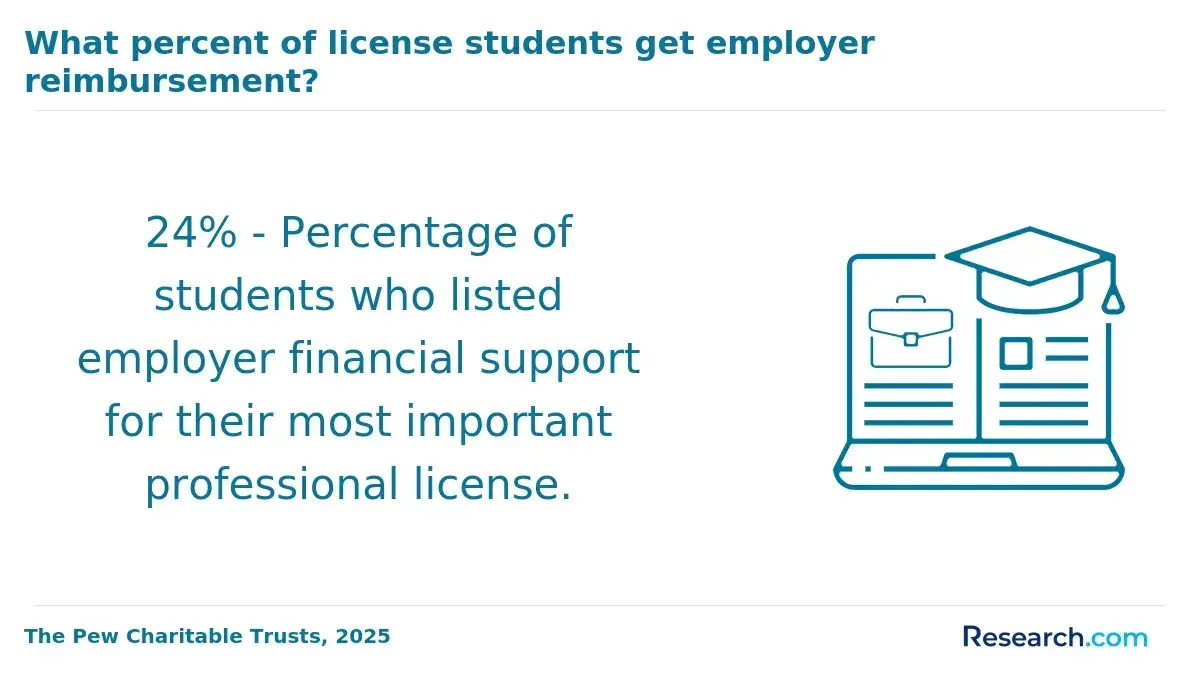
- Flexible or part-time enrollment extends program duration to three to six years, requiring assessment of opportunity costs versus employer tuition reimbursement policies.
- Programs with integrated internships or hands-on projects deliver superior alignment with market demands, improving employability beyond degree completion.
Public institutions charge $8,000 to $15,000 annually in-state on average, whereas private schools often double or triple this, intensifying cost-benefit analysis for candidates balancing finances and job market timing.
What jobs can graduates pursue in program coordination and related behavioral science roles?
Program coordination roles within social & behavioral sciences demand a blend of operational acuity and interpersonal skills to manage multifaceted service deliveries, particularly in healthcare, government, and nonprofit environments. A program coordinator in healthcare, for example, might lead multidisciplinary teams, ensure adherence to regulatory frameworks, and continuously monitor client outcomes to align interventions with program objectives.
Employment prospects remain steady, with social work-a closely related field-expected to grow by 6% through 2034 according to the U.S. Bureau of Labor Statistics, Occupational Outlook Handbook. The median wage of $61,330 demonstrates reasonable financial outcomes for roles like case managers and behavioral health coordinators, though salaries vary by sector and location.
Key challenges in this pathway include mastering multitasking across competing priorities, communication with diverse stakeholders, and navigating bureaucratic constraints typical in publicly funded or resource-limited settings. For instance, coordinating mental health programs necessitates balancing clinical demands against available funding while engaging community outreach-a complex task requiring adaptability and pragmatic decision-making.
Graduates should assess whether their educational preparation equips them for this high-accountability environment, where integrating program goals with frontline services is critical. The pathway suits those ready to manage operational complexities alongside direct service coordination within varied institutional frameworks.
What salary ranges and advancement opportunities exist for program coordinators in behavioral fields?
Program coordinators in behavioral fields typically earn around a median annual salary of $63,000, according to the U.S. Bureau of Labor Statistics for health education specialists who manage behavioral change initiatives. Entry-level salaries often start in the mid-$40,000s but vary widely depending on geographic location and employer type. In more specialized or federal roles, salaries can exceed $80,000, indicating a premium for experience and sector complexity.
Advancement beyond coordination generally hinges on earning advanced qualifications such as a master's degree or relevant certifications. Without these, upward mobility is limited and largely lateral, often offering minimal salary growth. Employers expect coordinators to demonstrate skills in grant writing, data analysis, and cross-agency collaboration for any promotion prospects.
Projected employment growth for coordinators is modest at 4% over the next decade, heavily influenced by public health funding cycles and policy priorities. For instance, coordinators in large urban health departments may experience faster advancement due to higher budgets and complex programs, whereas those in smaller nonprofits might face slower progression.
Key decisions between immediate workforce entry and continued education should consider one's long-term goals. Practical experience tends to benefit short-term earning potential, while graduate education is often necessary for strategic leadership roles within the social & behavioral Sciences field.
How strong is the job outlook and employer demand for social and behavioral program coordinators?
The demand for program coordinators in social and behavioral sciences hinges on the ability to blend administrative expertise with a nuanced grasp of behavioral research. Employment growth projections of about 6% through 2030 reflect steady openings driven by government and nonprofit community health initiatives. Coordination roles often require managing multifaceted projects-such as a mental health outreach program-where juggling diverse funding streams and regulatory compliance is standard.
Cost considerations significantly affect educational selection. Public four-year institutions providing online degrees charge on average $10,940 annually for in-state students, a marked contrast to roughly $28,240 at private nonprofits. This disparity influences decisions since employers emphasize applied skills gained through internships or hands-on training within online behavioral science degree programs rather than degree prestige alone.
Keeping pace with technology changes in data management and automated reporting tools is essential for competitiveness. Aspiring coordinators should anticipate ongoing skill development beyond initial academic credentials, aligning learning with practical employer needs.
- Federal and state agencies prioritize coordinators who can adapt to evolving regulations and collaborate across interdisciplinary teams.
- Practical experience, not just academic completion, strongly impacts employability in budget-conscious social programs.
- Online degree affordability affects capacity to pursue supplementary certifications or experiential learning opportunities.
How can students evaluate and choose a reputable online social and behavioral sciences program?
When evaluating online social & behavioral sciences programs, prioritizing regional accreditation and transparent career outcomes is essential for aligning education with workforce realities. Employers and state certification boards emphasize accredited credentials, especially for roles requiring licensure or advanced study.
Students pursuing management-level positions should recognize the economic benefit reflected in wage data: master's-level social and community service managers earn a median salary of $78,240, about 73% higher than the $45,120 median for bachelor's-level social and human service assistants, according to the 2024 U.S. Bureau of Labor Statistics Occupational Outlook Handbook.
Prospective students must critically assess whether program curricula match industry skills and include verifiable experience through internships, practicums, or portfolios. Access to career services, professional networks, and employer partnerships frequently determines the ease of employment transitions.
Program format and scheduling flexibility impact working professionals differently. Asynchronous coursework accommodates irregular hours, while synchronous or cohort-based models foster collaborative learning and networking-vital in careers reliant on professional relationships.
Cost-to-benefit tradeoffs require scrutiny: mid-career professionals aiming for specialist or management roles will see greater long-term returns from master's programs with clear advancement pathways versus bachelor's credentials alone. Avoid programs lacking solid data on graduate outcomes or those with disproportionate tuition relative to demonstrated success.
Other Things You Should Know About Social & Behavioral Sciences
Online social and behavioral sciences programs often require extensive reading, critical analysis, and participation in discussion forums, which can demand 15-20 hours per week. Students working full-time should prioritize programs with flexible deadlines and asynchronous classes to manage workload effectively. Programs lacking these features risk high stress and lower academic performance, especially because in-depth projects and group work can intensify time conflicts.
Practical experience directly influences employability in program coordination, where applied skills in planning, client interaction, and data management are essential. Programs offering integrated internships or hands-on projects provide a clear advantage by enabling skill development over theory alone. For career switchers or advancement, prioritizing programs with experiential components minimizes the gap between academic preparation and workplace demands.
While online degrees open access, graduates should consider employer perceptions and networking limitations that may affect upward mobility. Coordination roles often serve as entry points, but progression into senior management or specialized fields usually requires demonstrated leadership and advanced credentials. Prioritizing programs with strong alumni networks and opportunities for professional certification can bridge some gaps inherent to online education.
References
- Social Worker Salary and Jobs in Social Work https://teach.com/online-ed/social-work-degrees/online-masters-social-work/salary-and-career-outlook/
- Eligibility Requirements https://www.uregina.ca/graduate-studies-research/future-students/eligibility-requirements.html
- Healthcare Program Coordinator Job Overview: Duties, Salary, and Growth Opportunities https://www.operationsarmy.com/post/healthcare-program-coordinator-job-overview-duties-salary-and-growth-opportunities
- B.S. Behavioral & Social Science - Bethel University Online https://ags.betheluniversity.edu/degrees/bs-bachelors-behavioral-social-science/
- Skills: "social and behavioral science" | UNjobs https://unjobs.org/skills/social-and-behavioral-science
- 7 Advantages to a Campus-Based Degree Program - Organizational Psychology Degrees https://www.organizationalpsychologydegrees.com/lists/advantages-to-a-campus-based-degree-program/
- Social and Behavioral Health https://www.publichealthdegrees.org/specializations/social-behavioral-science/
- Online Degree vs. Traditional: Choosing the Right Path https://beal.edu/online-degree-vs-traditional/
- Requirements https://www.hec.edu/en/mba-executive-mba/mba/admissions/requirements
- Eligibility Criteria https://careers.cern/eligibility-criteria/