2027 Online Social & Behavioral Sciences Degrees With Human Services Career Alignment

Co-Founder and Chief Data Scientist
Professionals seeking to transition into human services often confront the challenge of finding online social & behavioral sciences degrees that truly align with workforce expectations and offer flexible pacing amid demanding schedules. As the National Center for Education Statistics reports, 41% of all undergraduates now pursue online courses, reflecting a shift toward accessible, adaptable learning formats essential for adult learners balancing employment and family obligations.
Yet not every program delivers practical training relevant to human services roles, risking prolonged job search or underemployment. This article evaluates current online social & behavioral sciences degree options with direct applicability to human services careers, helping prospective students target programs that balance flexibility with career mobility and employer-recognized skills.
Key Things You Should Know
- Online social & behavioral sciences degrees aligned with human services demand prioritize applied skill sets over theoretical breadth, constraining career shifts to roles with state licensing requirements, as reported by the National Center for Education Statistics in 2024.
- Employers in human services increasingly favor candidates with practicum-integrated online degrees, correlating with 18% higher job placement rates in government and nonprofit sectors, per Department of Labor workforce analytics 2024.
- Costs for accredited online programs average 23% less than traditional campuses, yet extended completion timelines due to part-time enrollment can delay wage growth by up to 12 months, based on data from the Georgetown University Center on Education and the Workforce.
What are online social and behavioral sciences degrees and how do they align with human services careers?
Programs in online social and behavioral sciences degree programs offer more than theoretical study; they directly prepare students for human services career pathways with social and behavioral sciences degrees by blending analytical rigor with applied skills. Graduates often enter roles like case managers or rehabilitation specialists where situational judgment about client history and psychological context impacts intervention success. This practical edge matters amid a 17% projected job growth rate for substance abuse and mental health counselors from 2024 to 2034, exceeding many fields.
Key decision points hinge on accreditation and practicum components since many states require supervised internships for licensure. Without such credentials, graduates may struggle to meet employer standards despite holding a degree. Employers increasingly seek candidates demonstrating crisis management, cultural competency, and data-informed approaches-capabilities enhanced by programs incorporating interactive simulations or real-world projects.
Students weighing these pathways should note that a purely academic curriculum may necessitate additional training later, delaying workforce entry. Selecting a program aligned with regulated career tracks can streamline credentialing and improve labor market outcomes. For those aiming at clinical or counseling licensure, reviewing options like LCSW online programs provides insight into specialized training that addresses these professional requirements.
Which human services career paths can you pursue with a social and behavioral sciences degree?
Employers in human services increasingly seek candidates with a social and behavioral sciences degree who can navigate complex client needs and bureaucratic systems simultaneously. Roles such as licensed social workers command median wages of $61,330 (May 2024) and require critical negotiation of licensure demands that vary by state, including supervised clinical hours. For example, balancing full-time jobs with rigorous fieldwork can delay credentialing and entry-level employment.
Graduates with a social and behavioral sciences degree human services career options beyond social work, including case management in mental health clinics and program coordination within community nonprofits. These positions demand practical skills in behavioral analysis, resource allocation, and program evaluation-competencies that differentiate candidates in competitive hiring environments. Similarly, substance abuse counseling leverages behavioral science expertise but often mandates certifications post-degree, adding to time and financial commitments.
Human services profession pathways with social and behavioral sciences degree highlight the importance of experiential learning components, such as internships or practica, which employers prioritize for their real-world complexity exposure. Students should evaluate programs' practical training intensity to reduce transition friction into their intended roles. For working professionals, online options can offer flexibility; for instance, finding the cheapest online master's in psychology can be a strategic choice to build upon a social and behavioral sciences background while minimizing costs.
How do online social and behavioral sciences programs compare to campus-based options for human services work?
Comparing online social and behavioral sciences degrees vs campus programs for human services reveals significant practical trade-offs despite similar academic rigor. Campus-based programs typically streamline access to licensure-required internships, supervised clinical hours, and in-person mentorships, which remain prioritized by employers overseeing a workforce of over 1 million social workers, including more than 400,000 with master's degrees or higher. Those pursuing clinical roles face particular challenges if their online program lacks facilitation of local practicum placements matching state standards, potentially delaying certification and employment.
The flexibility and accreditation of human services social and behavioral sciences programs online can accommodate working adults and geographically isolated students, reducing time-to-degree. However, the burden of independently securing quality field placements and diminished spontaneous faculty and peer interaction limit network building critical for job market success. Employer preferences still favor graduates from programs with robust experiential training, especially for vulnerable populations and high-stakes human services roles.
Students examining advanced psychology pathways may find value in programs like masters in clinical psychology online, which highlight these considerations. Thorough assessment of accreditation status, practicum support, and alumni employment outcomes is essential before committing to an online option in the Social & Behavioral Sciences field.
What types of social and behavioral sciences degrees best support human services roles?
Degrees in social and behavioral sciences for human services careers impart distinct skill sets aligned with specific workforce roles, influencing employability and job function. Psychology programs equip students with analytical skills essential for evidence-based clinical interventions, vital for substance abuse counseling or mental health support. Sociology degrees concentrate on systemic and community-level factors, preparing graduates to develop outreach programs addressing structural barriers in diverse populations.
Social work degrees offer the most direct pathway for frontline human services employment by integrating field internships with coursework focused on case management, policy, and ethics-elements employers prioritize, especially in child welfare and crisis intervention roles. Human services administration degrees emphasize agency leadership, budgeting, and team coordination, areas increasingly relevant as community health roles grow by 11% through 2034, according to the Bureau of Labor Statistics.
Choosing among these best social and behavioral sciences programs supporting human services roles hinges on intended career trajectory and practical considerations: licensure requirements, internship availability, and program accreditation impact both entry and advancement. For example, social work degrees accredited by the Council on Social Work Education facilitate licensure eligibility, while psychology often requires graduate credentials for clinical roles.
Employers value degrees with practical experience, yet students must weigh licensure exam costs, supervision hours, and continuing education demands. Aligning studies with targeted job descriptions reduces retraining and expedites workforce entry, sustaining median community health wages near $51,030. For those exploring administrative tracks, reviewing a health information management job description and salary provides insights into non-clinical career pathways connected to behavioral sciences.
What courses and concentrations are common in social and behavioral sciences programs focused on human services?
Programs in social & behavioral sciences with a human services orientation demand both theoretical breadth and applied expertise. Coursework integrates foundational studies in psychology, sociology, and social work with practical skills like case management and crisis intervention. Students face decisions between specializations such as substance abuse counseling-which requires understanding pharmacology and rehabilitation fieldwork-and gerontology, which focuses on aging populations and long-term care policies.
Effectiveness in this sector hinges on mastering program evaluation and grant writing to meet employer expectations for data-driven accountability and funding acquisition. Field placements within nonprofit or government agencies provide essential hands-on experience, but students must weigh these time-intensive commitments against academic workload and career timelines.
The median wage for social and community service managers stands at $78,240 (May 2024), reflecting steady job growth projections of 6% through 2034. Employers prefer candidates who combine practical competencies with regulatory and ethical acumen, making concentration choices critical for employment and advancement prospects. For example, designing recovery plans in substance abuse counseling involves navigating relapse prevention and interdisciplinary coordination, whereas a gerontology focus requires fluency in elder law and healthcare regulations.
- Integrated curriculum balancing theory and applied practice
- Specializations tied directly to specific workforce demands
- Emphasis on measurable outcomes and grant writing skills
How can you verify accreditation and program quality for online social and behavioral sciences degrees?
Accreditation verification for online social and behavioral sciences degrees directly impacts eligibility for financial aid and the practical value of the credential. Relying solely on institutional claims risks investing time in programs that may not meet federal or professional licensure standards. Regional or national accreditation recognized by the U.S. Department of Education or the Council for Higher Education Accreditation is the baseline requirement. Specialized programmatic accreditation, such as CSWE for social work or CACREP for counseling, often determines whether graduates qualify for certification and licensure.
A prospective student should scrutinize transparent outcome data metrics, including graduation rates, licensure exam pass rates, and human services job placements. For instance, mental health counseling jobs project 17% growth through 2034 with median wages around $59,190, reflecting strong demand-but only those graduating from accredited programs with fieldwork experience are competitive. Without integrated clinical practicum or supervised internships, degree holders risk limited employability and challenges in meeting certification requirements.
Beyond accreditation, researching alumni networks and partnerships with local employers can reveal a program's connection to workforce realities. Students should verify all accreditation and outcome claims through independent government or higher education transparency databases rather than institutional marketing.
This layered approach minimizes risk and supports strategic decisions in the social & behavioral sciences fields, balancing educational quality against labor market alignment and professional eligibility.
What are typical admission requirements for online social and behavioral sciences programs?
Admission to online social & behavioral sciences programs demands more than just academic credentials; it requires strategic alignment with employer expectations and program rigor. Applicants typically need a high school diploma or equivalent and sometimes a minimum GPA of 2.5 to 3.0. Although many schools no longer require SAT or ACT scores, competitive programs may still consider them to assess essential skills in reading and writing. For working adults, relevant experience in community support or human services can offset academic shortcomings, demonstrating practical readiness.
Key prerequisites often include transcripts evidencing foundational courses in psychology, sociology, or related fields. A personal statement articulating clear career goals is frequently necessary, enabling admissions committees to assess candidate fit and commitment. While letters of recommendation are less routine, they remain valuable for graduate applicants or those transitioning careers within related sectors.
Given the US Bureau of Labor Statistics data, median wages for social and human service assistants were $47,090 in May 2024, with a projected 9% job growth, underscoring the importance of selecting programs that emphasize both academic and experiential credibility. Applicants lacking experience should consider internships or certifications to remain competitive.
Finally, success in these online pathways hinges on reliable internet access, proficiency with learning platforms, and the ability to engage in flexible online participation modes. Admission decisions weigh verified academic accomplishment alongside demonstrated practical ability to navigate fully online learning environments.
How long do online social and behavioral sciences degrees take and what do they cost?
Students pursuing online social & behavioral sciences degrees face significant variations in time and cost, with associate programs typically lasting about two years and bachelor's degrees around four. Part-time enrollment or accelerated tracks modify these timelines but often involve quality tradeoffs. Tuition alone for a bachelor's ranges from $15,000 to $40,000, with public universities generally offering lower per-credit costs than private institutions. Additional expenses-technology, textbooks, and proctoring fees-can increase the total by 10-20%. These financial realities must be balanced against labor market outcomes.
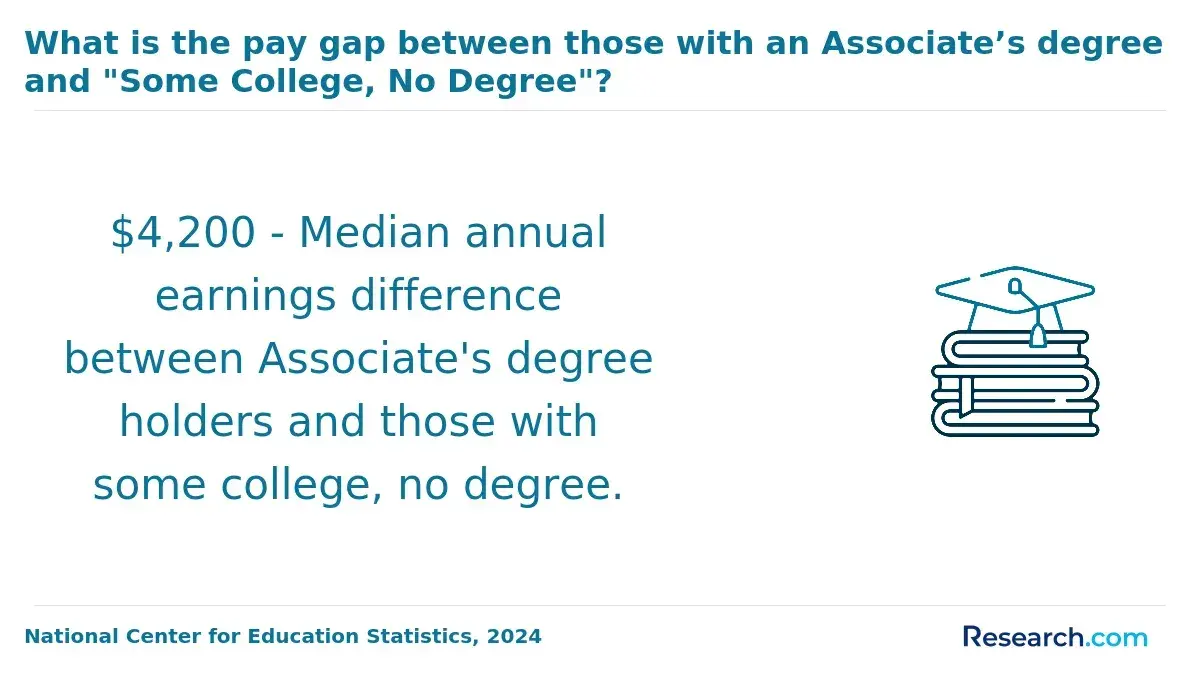
For example, obtaining a bachelor's degree aligns more closely with market demands for occupations like market research analysts, which employ over 670,000 professionals classified by the U.S. Bureau of Labor Statistics, show a projected growth rate exceeding 20%, and report median salaries near $71,570. Associate degrees rarely open equivalent opportunities or salary levels, signaling that partial credentials may limit long-term career mobility.
Employers consistently seek candidates with strong theoretical foundations and applied research skills obtainable only through comprehensive, multi-year programs. Part-time students should anticipate extended completion times up to six years. Accreditation status is critical, as unaccredited programs diminish credential value and employment prospects. While accelerated paths may appear financially attractive, their rigor and depth must be carefully evaluated to ensure viable workforce preparation.
What are the salary expectations and job outlook for human services careers with these degrees?
Human services roles linked to online social & behavioral sciences degrees typically offer median salaries near $63,000 annually, with health education specialists illustrating this benchmark in May 2024 according to the Bureau of Labor Statistics. However, geographic and sectoral variables create significant wage disparities. For instance, professionals in urban healthcare systems or governmental agencies often surpass $70,000, while rural or nonprofit settings may yield lower compensation but greater community engagement.
Advancement beyond entry-level positions usually hinges on specialized credentials, experience, and the ability to demonstrate relevant skills such as behavior analysis or addiction counseling. Candidates holding only an online social & behavioral sciences degree without accompanying internships or fieldwork face limited roles focused on administrative or support tasks, which suppresses earning potential and slows career growth.
Employers prioritize practical experience alongside academic completion, making internships and volunteer work critical for employability and salary improvement. The 4% job growth projection through 2034 suggests moderate demand increase, primarily driven by preventive care needs amid aging populations.
Key considerations include:
- Tradeoffs between higher salaries in urban or governmental settings versus broader impact opportunities in rural areas
- The importance of credentialing and applied experience for accessing supervisory or program development roles
- Salary variability depending on employer type and location emphasizing strategic alignment of skills and education
Students and career changers must evaluate these factors carefully to leverage an online social & behavioral sciences degree effectively within the evolving human services landscape.
How do licensing, certification, and state requirements affect human services roles in this field?
Licensing and certification requirements significantly shape employability within social & behavioral sciences, creating a complex landscape where educational credentials alone rarely suffice. For example, mental health counselors must secure a Licensed Professional Counselor (LPC) credential, demanding between 2,000 and 4,000 supervised clinical hours plus passing a national exam. This process entails substantial time and financial investment that can delay entry into independent practice.
Employers in this sector prioritize candidates who combine national certifications with state-specific licensure, as these credentials reduce liability and bolster client confidence. In fields such as child welfare or substance abuse treatment, certifications like the Certified Alcohol and Drug Counselor (CADC) are often mandatory, directly influencing eligibility for federally funded positions or agency contracts.
Practical workforce realities include:
- State-by-state variation in credential requirements that often necessitate geographic-specific training or supervised internships
- The limitation of a bachelor's degree for autonomous roles, pushing graduates to pursue additional licensing or certifications
- The need for early planning to meet state board mandates and secure required supervised hours
With approximately 144,700 average annual job openings projected through 2034 and a median wage near $78,980, successful navigation of these licensure hurdles is vital to avoid underemployment or constrained roles under supervision. Strategic alignment of coursework, credentialing, and practical experience is essential for those pursuing career advancement in social & behavioral sciences.
Other Things You Should Know About Social & Behavioral Sciences
Employers in human services value degrees that demonstrate practical skills and relevant experience, not just delivery mode. Online social and behavioral sciences degrees with strong internship or practicum components achieve parity with traditional formats. However, programs that lack applied fieldwork or real-world engagement risk producing graduates who struggle to meet employer expectations for hands-on competence.
In 2027, these programs often offer flexible schedules and part-time options to accommodate the needs of working professionals. Many institutions have incorporated asynchronous learning and personalized course pathways, making it easier for students to balance their studies with occupational commitments.
Broad social and behavioral sciences degrees provide critical analytical frameworks but may lack the targeted skill training employers expect in human services roles. Candidates prioritizing immediate employability should seek programs with clear human services alignments, including training in case management, counseling techniques, and social policy. Conversely, broad degrees may better serve those aiming for graduate study where foundational theory is essential.
Program reputation impacts job placement opportunities and employer trust more than lower cost alone. Investing in accredited programs with strong networks and field placement success often delivers better long-term returns than simply opting for the cheapest option. Nonetheless, students must balance cost with reputation carefully; excessively high-priced programs without clear outcome data are not justifiable investments.
References
- Online Behavioral Science Degree Programs | University of Phoenix https://www.phoenix.edu/online-behavioral-sciences-degrees.html
- 10 Careers for Social Work Majors https://www.umassglobal.edu/blog-news/careers-for-social-work-majors
- Human Services Online - Saint Mary-of-the-Woods College https://www.smwc.edu/departments/social-behavioral-sciences/human-services-online/
- How Occupational Licensing Requirements Affect Access to Middle-Skills Pathways - R Street Institute https://www.rstreet.org/
- Human Services Careers | PublicHealthOnline.org https://www.publichealthonline.org/human-services/
- Social and Behavioral Health https://www.publichealthdegrees.org/specializations/social-behavioral-science/
- Human Services vs. Social Work: What’s the Difference? https://www.herzing.edu/difference/human-services-vs-social-work
- Online Degree Programs and Certificates at California Southern University https://www.calsouthern.edu/
- What Are the Licensed Social Worker Requirements? https://www.tuw.edu/school-news/licensed-social-worker-requirements/
- The difference between social work and other behavioral health degrees https://socialwork.pacific.edu/blog/difference-between-social-work-and-other-behavioral-health-degrees