2027 Online Social & Behavioral Sciences Degrees With Community Organization Career Alignment

Co-Founder and Chief Data Scientist
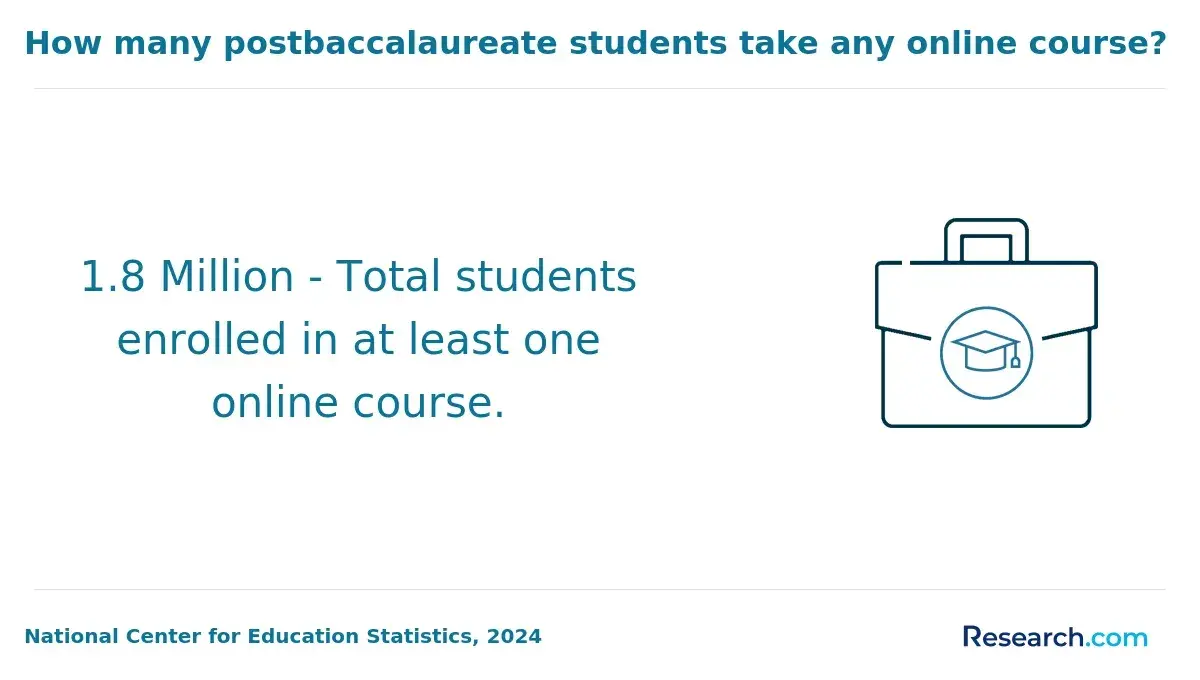
Professionals aiming to transition into community organization face a tightrope of balancing timely credential acquisition with hands-on experience, often while managing existing job or family commitments. Demand for flexible scheduling intensifies as 58% of online learners identified by the National Center for Education Statistics in 2024 report prioritizing adaptable course formats to maintain income streams. This trend reveals a pragmatic shift toward concurrency of employment and education, challenging traditional degree pathways that lack modular or accelerated options. Choosing an online social & behavioral sciences program aligned with community organization requires careful scrutiny of curriculum relevance, accreditation, and career support to optimize employability and real-world impact.
This article evaluates current online degree options structured to meet these demands, guiding prospective students through critical factors for aligning academic investment with strategic career advancement in community organization.
Key Things You Should Know
- Students face a tradeoff between deeply specialized community organization methods and broader social & behavioral sciences curricula, as workforce data from the U.S. Bureau of Labor Statistics 2024 indicate a 7% faster wage growth for graduates with targeted field skills over generalists.
- Employers prioritize candidates demonstrating measurable impact in community engagement metrics, with 62% of nonprofit HR leaders surveyed by the Nonprofit Allied Report 2024 favoring applied practicum experience over theoretical coursework.
- Increasing program costs and extended completion times-averaging 30% above national degree averages per National Center for Education Statistics 2024-challenge working adults seeking rapid credentialing, affecting timely entry into community organization roles.
What are online social and behavioral sciences degrees with a community organization focus?
Opting for online social and behavioral sciences degrees with community organization emphasis demands consideration of the tradeoffs between practical skills and the program's applied focus. Graduates are expected to design and evaluate initiatives addressing tangible community issues like housing affordability or mental health service coordination among underserved populations. Such roles require mastering group dynamics, public policy analysis, and stakeholder negotiation, which can be difficult to fully replicate in virtual learning environments.
Employers prioritize candidates who combine research rigor with execution capacity, especially in nonprofit management, urban planning, or public health outreach sectors. Typical coursework includes social research methods, grant writing, advocacy, and organizational leadership, essential for navigating complex funding landscapes and diverse stakeholder demands. This practical emphasis makes community-focused social and behavioral sciences degree programs distinctive but also demanding.
Considering workforce realities, life, physical, and social science occupations command a median annual wage of $78,980 as of May 2024-about $30,000 higher than the overall U.S. median. Yet students must weigh this premium against program rigors and required technical proficiencies like statistical software and program evaluation. Online formats offer scheduling flexibility valuable for working professionals pivoting careers but increase the need for disciplined time management and proactive networking.
When assessing degree options, ensure program accreditation and alignment with federal or nonprofit employment criteria, as compliance and impact measurement are frequently non-negotiable. For those specifically searching outside broad social sciences, exploring related pathways such as a psychology degree online can complement community engagement skills and expand career opportunities.
How do online social and behavioral sciences programs compare to campus-based options?
The choice between online social and behavioral sciences degree programs versus campus-based options hinges on balancing flexibility with hands-on engagement, both critical for careers in community organization. Online degrees demand heightened self-regulation and often lack the immediate in-person networking essential for localized job placement. However, many accredited online programs now integrate virtual internships and community projects, partially bridging this gap.
Campus-based programs provide structured environments emphasizing face-to-face mentorship and direct faculty interaction, which can be decisive for students needing practical guidance and timely feedback. Access to local community partnerships remains a pivotal advantage for those pursuing applied social service roles through campus programs.
Employment outcomes from reputable online social and behavioral sciences degrees show increasing parity with campus programs, primarily because employers prioritize demonstrable skills and community engagement over delivery mode. With approximately 313,700 annual openings predicted by the U.S. Bureau of Labor Statistics in community and social service, choosing a program with robust practicum opportunities is essential.
Prospective students should align program modality with their current employment responsibilities and networking needs. Working professionals seeking scalable learning often favor online options, while those requiring immersive mentorship benefit from campus settings. For those evaluating financial options within this field, reviewing an affordable online master's in psychology can offer comparable pathways.
What accredited schools offer online community organization-aligned social and behavioral sciences degrees?
Choosing accredited online social and behavioral sciences degrees for community organization requires evaluating curricula that balance theory with practical fieldwork. The demand for roles such as substance abuse counselors is projected to grow by 17%, while community health workers will see an 11% increase by 2034, underscoring the need for programs that deliver verified experiential learning tied to workforce standards.
Universities like Arizona State University and the University of Central Florida provide fully online Bachelor of Science degrees with community-focused concentrations, emphasizing direct engagement with vulnerable populations and collaboration with public health agencies. California State University offers online degrees in Social Work or Human Development that include internships or practicum obligations critical for licensure and local employment.
Applicants must scrutinize program accreditation by bodies like the Council on Social Work Education and confirm online formats allow substantial interaction with community partners. For professionals aiming to work as substance abuse counselors, curricula must include behavioral health modules and supervised clinical hours-these elements substantially affect credential attainment timelines.
Deciding on the best online schools for community organization aligned Social and Behavioral Sciences programs involves recognizing that measurable competencies and flexible scheduling often outweigh generalized credentials in public and nonprofit hiring. For those considering specialization, examining related fields like an online master's in forensic psychology can offer complementary skills and employment niches.
What courses and skills are taught in community organization-focused social and behavioral sciences programs?
Core competencies in social and behavioral sciences programs center on practical skills that connect academic theory with the complexities of managing community initiatives. Community organization curriculum and skill development emphasize program planning, advocacy, grant writing, and stakeholder engagement, equipping students to address social inequities through data-informed strategies. This includes mastering community assessment methods for precise demographic and needs analysis, which drives more effective and targeted interventions.
Graduates must balance interpersonal agility-such as conflict resolution and coalition building-with technical competencies like financial management and program evaluation. For instance, a graduate leading a housing security initiative at a local nonprofit navigates competing stakeholder interests, limited budgets, and the necessity of adapting communication styles across government and grassroots actors. These real-world dynamics illustrate how such programs prepare candidates for impact-sensitive roles.
Employers increasingly value candidates who can document program outcomes through rigorous, data-driven evaluation techniques, often tied to funding accountability. Coursework in ethics and cultural competency further align with employer expectations for inclusive engagement. According to the U.S. Bureau of Labor Statistics, social and community service managers earn a median wage of $78,240, underscoring the field's demand for multifaceted expertise.
Students considering a focus in social and behavioral sciences may also explore a complementary pathway, such as an environmental health and safety bachelor degree online, to broaden their strategic options in public health and community settings.
What admission requirements and prerequisites do these online programs typically have?
Pursuing online social & behavioral sciences degree programs aligned with community organization roles demands a nuanced understanding of admissions realities and workforce expectations. Most programs require at least a high school diploma or GED, but accelerated or bachelor's completion tracks often insist on prior college experience or an associate degree. Foundational coursework-frequently in sociology, psychology, or political science-is not simply recommended but essential to prepare candidates for the complexity of social issues they will address.
Standardized tests like the SAT or ACT are largely optional post-pandemic; however, selective programs might still require evidence of critical reading and writing skills. Employers and programs expect applicants to demonstrate academic discipline, as shown by transcripts with minimum GPAs around 2.5. Personal statements and professional or academic recommendations serve to assess interpersonal competencies and ethical orientation, critical in community-centered roles.
Notably, the rise of fully online enrollments (from 7.6% to 17.3% over a decade per National Center for Education Statistics) reflects both increased accessibility and a demand for rigorous preparation. For example, a mid-career professional transitioning into community organization can often substitute relevant work experience for some prerequisites but must still meet core competencies to maintain employability and certification prospects.
- Requirement balancing: prior college credits or relevant experience vs. foundational academic preparation
- Test requirements: largely waived but contingency for skill verification remains
- Application elements focused on motivation, experience with diverse populations, and leadership
Such details illustrate the operational tradeoffs prospective students face when calibrating readiness against program demands and employer expectations in social & behavioral sciences pathways.
How long do online social and behavioral sciences degrees take and what do they cost?
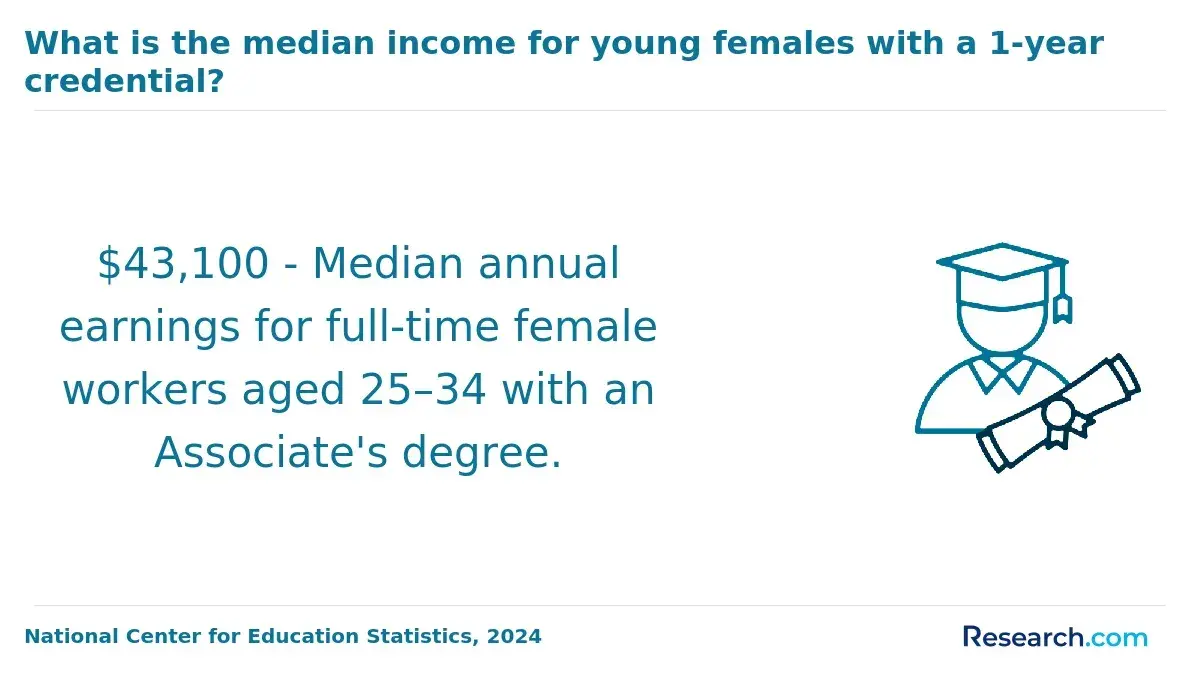
Program duration and cost directly affect labor market timing and return on investment for social & behavioral sciences degrees. Associate degrees typically require about 2 years, while bachelor's degrees average 4 years, though accelerated online tracks allow completion in approximately 3 years, reducing lost income and tuition overhead. Master's programs extend study by 1 to 2 years beyond the bachelor's degree, often demanding additional financial and time commitments that must be weighed against expected career gains.
Tuition costs vary significantly between public and private institutions. Public in-state undergraduate programs average $10,000 annually, whereas private options range from $25,000 to $40,000 per year. Online programs may charge per credit or use flat-rate models, adding complexity to budgeting. Students should also anticipate expenses for technology fees and course materials, which can accumulate and impact total cost.
Practical experience remains a critical valuation metric in community organization and related fields. Employers prioritize candidates blending academic credentials with internships or project-based learning, even if it requires longer study or higher investment. Part-time students often extend their programs beyond 4 years but maintain income streams, a vital tradeoff for working adults balancing financial stability and education.
The U.S. Bureau of Labor Statistics forecasts 144,700 annual job openings in social science-related roles from 2024 to 2034, signaling growth outpacing overall labor markets. Strategic program selection, timely completion, and balancing cost pressures strongly influence access to these opportunities.
What careers in community organization and advocacy can these degrees lead to?
Degrees in social & behavioral sciences funnel graduates into specialized roles such as community outreach coordinator, policy analyst, program manager, and nonprofit director. These positions require applied skills in stakeholder engagement, data analysis, and policy formulation, with success often hinging on demonstrated impact rather than theoretical knowledge alone. For instance, a policy analyst at a municipal agency might use demographic data to adjust housing policy, responding to shifting community needs in real time.
Employers place a premium on measurable outcomes such as increasing public participation in health programs or winning grant funding. Candidates without hands-on experience or cross-sector internships often face hiring barriers despite strong academic records. Geographic concentration of jobs in urban centers and funding-dependent volatility contribute to career instability, pushing graduates toward additional certifications in nonprofit management or public policy to enhance prospects.
Compensation in these fields is competitive compared to broader social services, with the U.S. Bureau of Labor Statistics reporting median annual wages near $79,000 for life, physical, and social science occupations. This reflects the value of blending analytical abilities with community-focused advocacy.
Considerations for prospective students:
- Practical fieldwork is essential to overcome entry barriers.
- Job locations often require mobility or willingness to travel.
- Supplementary credentials can mitigate funding-related employment fluctuations.
What are typical salaries and benefits for community organization and social services roles?
Entry-level roles in community organization and social services typically offer salaries from $40,000 to $55,000, placing early-career workers such as case managers or outreach coordinators near the lower wage spectrum of social and behavioral sciences employment. Professionals with bachelor's degrees can expect a moderate increase, earning between $50,000 and $70,000, but advancement beyond this requires supplementary specialization or leadership experience. Supervisory and highly specialized positions often start around $70,000, reaching beyond $90,000 for those combining skill sets strategically.
Master's degrees that focus on healthcare administration or program management can unlock salaries exceeding $100,000, yet this comes with necessary tradeoffs: the time and financial burden of graduate education versus measurable income and long-term job security gains. Benefits vary widely based on employer type; public agencies and large nonprofits generally provide more robust packages, including healthcare, retirement, and paid leave, plus potential student loan repayment options and flexible work arrangements.
Healthcare management roles, where many social and behavioral sciences graduates transition, are projected to grow 28% from 2022 to 2032, intensifying demand for professionals who combine community-based skills with healthcare system knowledge. Those who remain in frontline or purely entry-level social services roles frequently encounter stagnant wages and limited benefits, emphasizing the importance of targeted graduate education and experience for salary mobility.
- Entry-level salaries: $40,000-$55,000
- Bachelor's degree range: $50,000-$70,000
- Supervisory/specialized roles: $70,000-$90,000+
- Master's in healthcare administration: $100,000+
What is the job outlook and labor market demand for community organization professionals?
The projected 7% growth for political scientists, including community-focused roles like health policy analysts, signals above-average demand driven largely by expanding public health and social justice initiatives. However, this favorable outlook comes with significant tradeoffs: candidates face intense competition in specialized skills such as advanced policy analysis and grant writing, which many employers list as prerequisites for strategic positions.
In practical terms, success in community organization requires fluency in both quantitative data and qualitative community engagement. This dual skill set enables professionals to convert complex local data into targeted, actionable policies. For example, urban planners or nonprofit workers focused on housing equity must navigate shifting municipal priorities and variable public funding cycles, which can undermine job stability.
Employers increasingly favor candidates who complement these analytical capabilities with robust networks inside local government or advocacy sectors, reflecting the sector's reliance on relational access as much as technical expertise.
Decision-makers considering graduate degrees in social & behavioral sciences or public policy should weigh the benefits of credential-based marketability against limited geographic demand primarily clustered in metropolitan regions with active civic infrastructures. Ultimately, career durability depends on balancing analytical rigor, real-world policy application, and adaptability to funding volatility-factors that shape both employability and professional impact.
How can students evaluate and choose a reputable online social and behavioral sciences program?
Accreditation and workforce alignment critically differentiate online programs in social & behavioral sciences, impacting credit transferability and employer recognition. Programs with regional or national accreditation from recognized bodies offer demonstrable value in credential legitimacy. The U.S. Bureau of Labor Statistics projects community and social service roles to outpace average job growth from 2024 to 2034, making practical skills in community organization a key outcome.
Applied coursework and internships often separate programs that lead to genuine workforce readiness from those focused on theory. For instance, nonprofit management aspirants should prioritize curricula that integrate community engagement projects or program evaluation practicums. Comparing institutions offering substantial fieldwork to those relying solely on lecture-based content reveals tradeoffs in preparedness.
Graduation rates, job placement, and employer partnerships are tangible indicators of program effectiveness. Low completion statistics or absence of career support suggest weaker outcomes. Faculty specializing in community-based research can significantly enhance skill relevance and policy insight.
Online infrastructure's robustness affects nontraditional students balancing work and study. Programs demanding synchronous participation may complicate schedules compared to asynchronous models.
Cost evaluation requires weighing tuition against salary uplift potential in community-driven careers. Savings on relocation don't justify sacrificing quality or outcome reliability. Beyond institutional reputation, students benefit from matching program attributes to sustained labor market demand forecasts from the Bureau of Labor Statistics.
Other Things You Should Know About Social & Behavioral Sciences
Hands-on experience is critical in social and behavioral sciences but can be limited in fully online formats, especially those without integrated fieldwork or internship options. Programs that mandate or facilitate placement opportunities deliver stronger job market outcomes, as employers expect evidence of applied practice, not just theory. Students should verify availability of community-based projects, virtual practicums, or partnerships that simulate real-world environments when selecting a program.
Choosing a program with a direct community organization focus aligns better with targeted career goals, providing specialized coursework and relevant networking opportunities that generalist degrees often lack. However, broader degrees may offer flexibility for career pivots beyond community roles. For those committed to advancing in community advocacy or nonprofit sectors, prioritizing specialized tracks reduces skill gaps employers often flag, resulting in faster career progression.
Employer acceptance of online degrees varies, with those from accredited institutions and established programs gaining more traction. Hiring managers emphasize demonstrated competencies and relevant experience over delivery mode, so graduates must showcase practical skills and completed projects to stand out. Candidates from online programs should proactively seek internships and volunteer positions to compensate for any employer bias toward traditional degrees.
References
- Online Degree vs. Traditional: Choosing the Right Path https://beal.edu/online-degree-vs-traditional/
- Social and Behavioral Sciences https://www.mvc.edu/academics/social-behavioral-sciences.php
- Types of Social Workers: Exploring the Many Fields in Which They Serve https://www.umassglobal.edu/blog-news/types-of-social-workers
- Job demand for community work professionals in Australia https://www.communitywork.org.au/about-community-work/job-demand-in-australia
- Social and Behavioral Health https://www.publichealthdegrees.org/specializations/social-behavioral-science/
- Online Behavioral Science Degree Programs | University of Phoenix https://www.phoenix.edu/online-behavioral-sciences-degrees.html
- Social and Behavioral Sciences https://www.cloviscollege.edu/academics/guided-pathways/social-behavioral-sciences/social-and-behavioral-science.html
- Bachelor’s in Psychology Programs Online https://www.onlinemswprograms.com/careers/social-work-vs-counseling-vs-psychology/ba-psychology/
- Social and community service workers | WorkBC https://www.workbc.ca/career-profiles/social-and-community-service-workers
- 5 Social Justice Careers and the Degrees that Get You There https://www.pacificu.edu/blog/degrees-for-a-social-justice-career