2027 Online Social & Behavioral Sciences Degrees for Community Support Specialist Roles

Co-Founder and Chief Data Scientist
Community support specialists often confront unpredictable scheduling demands and urgent client needs that require swift, informed decision-making. Balancing work responsibilities while pursuing relevant credentials presents significant challenges, especially as the Bureau of Labor Statistics projects a 12% growth in social and human service assistant roles through 2032, indicating increased employer demand for adaptable, well-qualified professionals.
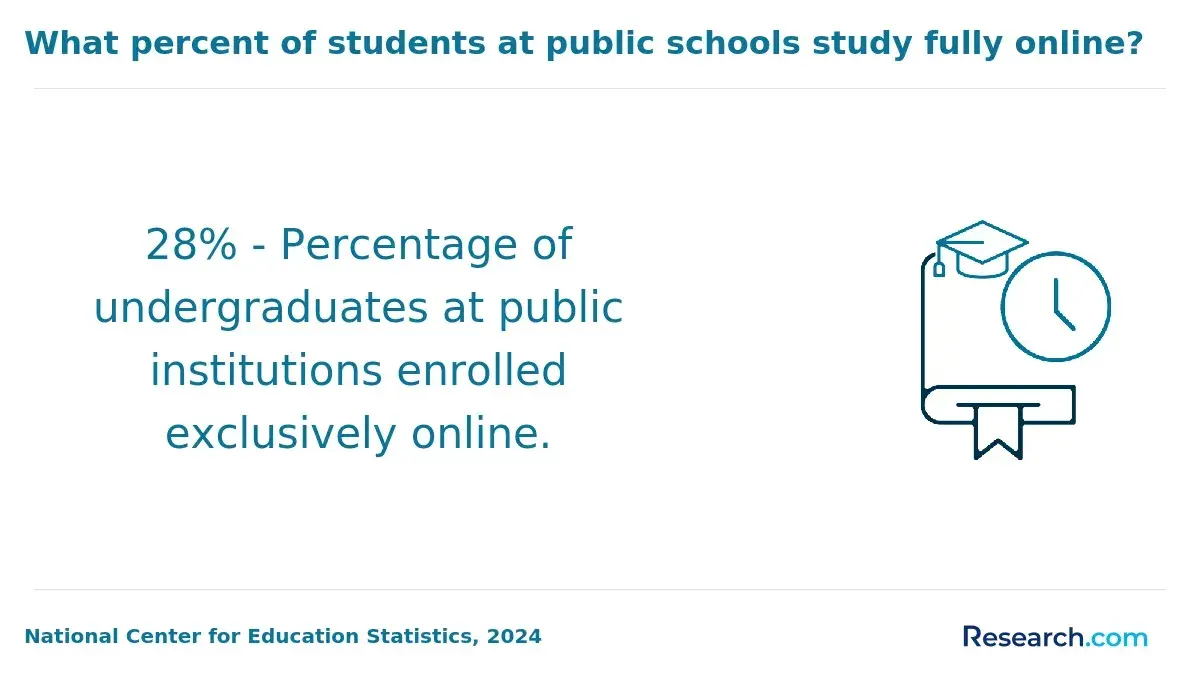
Simultaneously, 2024 data from the National Center for Education Statistics shows a 35% spike in adult enrollment in online programs, signaling growing recognition that flexible delivery models enable career-driven learners to upskill without sacrificing income. This article examines online social & behavioral sciences degrees tailored to community support careers and evaluates how program structures align with the real-world constraints and advancement goals of working students.
Key Things You Should Know
- Community support specialist roles increasingly demand interdisciplinary skills, yet online social & behavioral sciences degrees often sacrifice field-specific practicum hours for broader theory, limiting immediate employer readiness per 2024 Lumina Foundation workforce impact data.
- Federal labor projections show 12% job growth for community support specialists through 2030; however, 72% of surveyed employers in a 2024 National Association of Social Workers report prioritize degree programs with integrated policy and case management modules, influencing hiring preference.
- Online degree affordability averages 30%-40% less than campus equivalents per 2024 NCES finance data, but extended part-time pathways can delay credentialing by 18 months, affecting career pivot timing amid tightening funding for community social services.
What does a community support specialist do in social and behavioral sciences?
The community support specialist responsibilities in social and behavioral sciences extend beyond basic advocacy, demanding a balance of direct client intervention and complex coordination among various healthcare and social service providers. For instance, in rural settings with scarce resources, specialists frequently connect clients to telehealth or regional programs to bridge access gaps-a tradeoff that prioritizes remote engagement over in-person services. Urban environments, by contrast, require navigating a dense network of overlapping resources, complicating case management but offering broader options.
These professionals must develop and implement individualized care plans, manage crisis situations such as substance relapse, and educate families to expand client support networks. Handling unpredictable emotional distress highlights the necessity for specialized training and an in-depth understanding of behavioral health dynamics. Administrative tasks, including meticulous documentation under confidentiality rules, compete with the demand for empathic communication and cultural competency when serving diverse populations.
The role of community support specialist in social and behavioral sciences careers reflects these multi-dimensional responsibilities, signaling a workforce need for candidates skilled not only in clinical knowledge but also in adaptive problem-solving. As employment for mental health and behavioral disorder counselors grows at 17% through 2034, with a median wage near $59,190, the practical benefits of targeted education are clear. An online social and behavioral sciences degree equips graduates to meet these challenges effectively, aligning academic outcomes with operational realities. Prospective students seeking an informed evaluation of advanced credentials may find value in consulting master of social work research to gauge educational pathways relevant to this field.
Which social and behavioral sciences degrees best prepare you for community support roles?
Community support specialist roles in 2026 demand degrees that balance theoretical knowledge with applicable skills, especially emphasizing real-world readiness. Among social and behavioral sciences degrees for community support careers in the US, psychology, social work, and human services each offer distinct advantages and limitations relevant to employability and job function.
Psychology degrees provide strong foundations in cognitive and developmental behavioral frameworks, aiding client condition assessment but often lacking the case management focus required for frontline community support tasks. By contrast, social work degrees offer robust training in client advocacy, ethics, and navigating complex service systems, though many advanced positions require licensure that can delay immediate entry.
Human services degrees excel in blending theory with practical intervention skills such as crisis response and program coordination, aligning closely with many entry-level community support job descriptions. Given workforce demand with nearly 48,300 average annual job openings for substance abuse, behavioral disorder, and mental health counselors from 2024 to 2034, employers notably prefer graduates with hands-on experience like supervised internships.
For students weighing programs, accreditation status and availability of experiential learning are critical, especially when targeting community mental health facilities or state agencies. A candidate with a human services degree plus documented internship may outperform those with solely theoretical backgrounds. For authoritative details on program quality, prospective students should consult NASP approved online programs.
How do online social and behavioral sciences programs compare with campus-based options?
Choosing between online social and behavioral sciences degrees vs campus programs requires weighing the tradeoffs between flexibility and hands-on experience. Online social and behavioral sciences courses offer critical scheduling freedom for working professionals or caregivers but often lack the embedded networking and structured internships traditional campus programs provide.
Employers increasingly emphasize proven practical skills and local community knowledge, which campus programs deliver through systematic practicum placements and sustained mentorship. In contrast, online learners must proactively secure virtual internships and local fieldwork to build comparable applied expertise. For example, a full-time community support specialist benefits from the adaptability of online classes but faces the challenge of independently arranging client engagement opportunities.
Cost factors also influence decisions. While online formats can reduce commuting and housing expenses, tuition rates often align closely with campus options, making budget planning complex. The self-discipline required in online programs affects timely completion and skill mastery, impacting career trajectory in fields where median wages for supervisory roles reach $78,240, according to Bureau of Labor Statistics data cited by PublicHealthOnline.org.
Prospective students evaluating the flexibility of online social and behavioral sciences courses should consider their capacity for self-directed internships and the need for direct community interaction. Those seeking immersive guidance and quicker access to higher-level supervisory roles may find campus environments more conducive.
For detailed financial comparisons, reviewing the cheapest online degree in psychology can provide insight into tuition variability and affordability when assessing online pathways.
What accreditation should online social and behavioral sciences programs have for community support careers?
Regional accreditation remains a decisive factor for online social and behavioral sciences degrees for community support roles, directly shaping employability and wage potential. Programs lacking such recognized accreditation for social and behavioral sciences programs community careers risk limiting graduates' access to licensure and higher-tier positions, notably in substance abuse and mental health sectors. Employers specifically seek candidates with verified, evidence-based training from regionally accredited institutions to ensure readiness for state certification and compliance with ethical standards.
For example, credits from nationally accredited or non-accredited programs often do not transfer toward state licensure or continuing education requirements, creating barriers for advancement in clinical or government-funded behavioral health settings. Candidates who complete properly accredited pathways have a competitive edge when pursuing roles in hospital behavioral units, nonprofit rehabilitation agencies, or community projects requiring specialized competencies.
Given substance abuse, behavioral disorder, and mental health counselors earn at the 90th percentile wage of $98,210, decisions about program accreditation directly impact long-term income trajectories. Students evaluating their options should confirm that programs hold regional accreditation recognized by the U.S. Department of Education or CHEA and consider additional specialized accreditations such as COA or CRCC that align curricula with workforce expectations.
Verifying program accreditation beforehand mitigates risks of costly retraining or credentialing setbacks. Prospective learners may also explore related fields through online health information management degree programs CAHIIM accredited as alternatives or complements to social and behavioral sciences education.
What courses and skills are taught in online community support specialist degree programs?
Online community support specialist programs aim to move beyond theory by developing skills critical to frontline social support roles. Graduates must navigate complex client interactions, balancing behavioral health knowledge with administrative duties like documentation and resource coordination. For instance, working within mental health settings requires creating and managing individualized care plans that integrate clinical insight with practical follow-through, a capability not taught by programs lacking experiential components.
Hands-on elements such as virtual simulations or supervised fieldwork enable students to apply assessment strategies and advocacy in real-world scenarios. This practical experience supports employer demands for competencies in ethical decision-making, crisis intervention, and cultural competence-skills essential when serving vulnerable populations.
Between 2020 and 2024, the approximately 15% increase in U.S. online enrollment suggests a shift toward flexible education models favored by working adults. However, onsite practicum requirements remain a significant logistical hurdle that can affect licensure timelines and entry into the workforce.
Core skills developed include:
- Client needs assessment and personalized care planning
- Interpersonal communication with diverse populations
- Ethical decision-making aligned with regulatory standards
- Community resources navigation and referral management
- Use of technology in case documentation and communication
To mitigate post-graduation obstacles, prospective students must ensure that program accreditation matches state licensure requirements and that practicum placements are feasible locally. Training in trauma-informed care and legal compliance is especially relevant for sectors such as disability services and substance abuse recovery, where regulatory scrutiny is increasing.
What are the typical admission requirements for online social and behavioral sciences degrees?
Admission criteria for online social and behavioral sciences degrees typically hinge on a high school diploma or equivalent, but true differentiation emerges in program-specific prerequisites. Many require minimum GPA thresholds around 2.5-3.0 and evidence of foundational coursework in English and math, reflecting the quantitative and communication skills essential in community-oriented roles. While some programs still ask for SAT or ACT scores, an increasing number adopt holistic reviews-evaluating personal statements, letters of recommendation, or relevant work experience-to better gauge real-world readiness.
Applicants balancing employment must consider that program costs vary widely: public four-year institutions average around $10,750 annually, whereas private nonprofit colleges can exceed $40,000. These disparities significantly affect return on investment, especially in service-driven sectors where salary growth may be gradual. Some schools ease entry for working professionals by granting credit for prior learning or professional certifications, enabling accelerated completion.
Operational hurdles such as residency verification for in-state tuition, background checks for practicum eligibility, and technical capacity (reliable internet and compatible devices) are often overlooked but critically influence timelines and feasibility. Prospective students should weigh these logistical demands alongside financial and time commitments to align their choices with career trajectory and industry expectations.
How long do online social and behavioral sciences degrees take and what do they cost?
Degrees in online social and behavioral sciences for community support roles vary in duration and cost, reflecting distinct career objectives and student circumstances. Associate degrees, typically two years, focus on foundational skills suitable for immediate workforce entry, while bachelor's degrees-often required for certified community health workers-generally take four years but can be shortened to about three through intensive study.
Cost is a significant factor, with public in-state tuition ranging from $12,000 to $40,000, and private or out-of-state programs exceeding $50,000. Part-time or online formats extend program length, increasing total expenses and delaying labor market entry. Many employers prioritize practical experience over formal credentials, so program structures emphasizing hands-on learning and credit transferability are beneficial for reducing time-to-employment.
For example, a working adult choosing a part-time online bachelor's program may face a tradeoff between schedule flexibility and delayed wage gains. Graduates specializing as community health workers earned a median wage of $51,030 in May 2024, with an 11% job growth forecast through 2034-the fastest among many occupations, according to data synthesized by PublicHealthOnline.org from the Bureau of Labor Statistics. Strategic candidates should weigh program pacing, practical components, and cost to optimize both immediate affordability and long-term employability in this evolving field.
What entry-level and advanced careers can online graduates pursue as community support specialists?
Employment opportunities for online graduates with degrees in social & behavioral sciences are largely concentrated in entry-level roles such as social and human service assistants, behavioral health technicians, and crisis intervention specialists. These positions typically involve direct client interaction, resource coordination, and supervised case management. Employers expect strong communication skills and a foundational understanding of human services, while licensure or advanced credentials are seldom required initially.
Progression toward roles like social and community service managers demands additional credentials and experience. These positions include responsibilities such as program oversight, staff supervision, and strategic resource allocation within nonprofit, healthcare, or government contexts. Obtaining supervisory experience and professional certifications, like licensed social worker (LSW) status or mental health counseling credentials, is often necessary to bridge the gap between entry-level and management.
The financial difference is significant: the median wage for social and human service assistants was $45,120 in May 2024, whereas social and community service managers earned $78,240, reflecting employer valuation of advanced skills and regulatory compliance. For career mobility, programs with embedded licensure exam preparation or pathways to graduate degrees have practical value, while those lacking such features may confine graduates to stagnant roles with capped earnings. Flexibility through asynchronous coursework and locality-based internships addresses workforce realities and improves career outcomes.
What salary ranges and benefits can community support specialists expect in the United States?
Community support specialist salaries in the United States vary significantly based on sector and experience, with a typical range between $35,000 and $55,000 annually. Entry-level roles, particularly in non-profit or government settings, tend to cluster around the $35,000 mark. However, positions in ambulatory health care services or outpatient centers offer higher wages-up to $55,000-due to stronger employer demand and growth in these community-based care environments.
This wage distribution stems from a labor market shift documented by the Bureau of Labor Statistics, showing faster employment growth in outpatient and ambulatory services than in hospitals or government agencies. For those pursuing degrees in social & behavioral sciences, this trend translates into practical considerations:
- Employers increasingly value skill sets emphasizing community outreach, behavioral interventions, and support coordination outside traditional institutional settings.
- Targeting outpatient care organizations can enhance salary potential and job stability compared to government roles, which often offer better benefits but lower pay.
- Benefits packages vary widely, with larger healthcare networks tending to provide more comprehensive coverage, including health insurance and tuition reimbursement options.
Prospective specialists must weigh these tradeoffs carefully to align their educational investments with evolving employer expectations and compensation realities. Practical positioning within outpatient sectors may yield stronger returns for those seeking to leverage social & behavioral sciences degrees toward viable career pivots or advancement.
Are licenses, certifications, or background checks required for community support specialist jobs?
Employers in community support roles prioritize credentialing and background verification as fundamental hiring filters, often disqualifying candidates unable to clear criminal background checks due to the vulnerable populations served. This gatekeeping supersedes educational credentials alone.
Certification requirements differ widely by state and job function, notably impacting Medicaid-funded case management or crisis intervention roles. Recognized certifications such as Certified Peer Specialist or Certified Community Support Professional demand specific training hours and successful exam completion. Without these, career growth and job access remain constrained despite degree attainment.
Licensure is rarer but essential in clinical or specialized behavioral health contexts, such as licensed social workers or mental health counselors. For students pursuing online social & behavioral sicences degrees, aligning coursework with state licensing requirements can prevent costly education-to-career misalignments.
The labor market's 12% projected growth through 2030 will intensify competition among credentialed applicants, pressuring aspiring professionals to secure verifiable applied skills. Graduates lacking certifications find themselves at a disadvantage when competing with candidates who hold specific credentials recognized by employers.
Other Things You Should Know About Social & Behavioral Sicences
Practical experience is critical in social and behavioral sciences programs aimed at community support roles because employers prioritize candidates with hands-on skills. Online programs that integrate internships, fieldwork, or applied projects provide measurable advantages in job readiness. Without robust practical components, graduates may struggle to demonstrate competencies in client interaction and case management, which are essential for these roles.
Choosing a specialized track often enhances expertise in areas like mental health, substance abuse, or social work, increasing employability in targeted community support settings. However, broader degrees offer flexibility and adaptability for diverse roles, which may better suit those uncertain about their exact career path. Prioritize specialization if you have a clear career focus; otherwise, a generalist degree offers a safer pivot into multiple sectors.
Employers commonly require a bachelor's degree for entry-level community support specialist roles but place higher value on advanced degrees when it comes to leadership or clinical positions. An advanced degree can significantly improve job mobility and salary prospects but entails additional time and financial investment. Choose a bachelor's degree for quicker workforce entry; consider graduate study if aiming for supervisory or specialized roles.
References
- How Online Community Services Training Leads to Real Impact | Hader https://www.haderinstitute.edu.au/news/real-life-applications-of-online-community-services-training
- Social and community service workers | WorkBC https://www.workbc.ca/career-profiles/social-and-community-service-workers
- Training and skills to work in community services https://www.vic.gov.au/training-and-skills-community-services
- What It Takes to Become a Community Support Worker https://discoverycommunitycollege.com/blog/becoming-a-community-support-worker/
- Entry-Level IT Support Jobs - How to Get Started https://digitalworkshopcenter.com/career-advice/career-training/entry-level-it-support-jobs-how-to-get-started/
- Can You Get An MSW Degree Without A BSW? | Psychology.org https://www.psychology.org/social-work/msw-with-no-bsw/
- Social and Behavioral Science https://www.publichealth.org/careers/social-behavioral-science/
- 12 top careers in community services built for people who care | Acknowledge Education https://www.acknowledgeeducation.edu.au/knowledge-hub/careers-community-services-opportunities
- What does a Community Support Specialist do? Career Overview, Roles, Jobs | KAPLAN https://jobs.community.kaplan.com/career/community-support-specialist
- What is a Community Support Specialist? - Career Insights | Teal https://www.tealhq.com/career-paths/community-support-specialist