2027 Online Social & Behavioral Sciences Degrees for Community Outreach Roles

Co-Founder and Chief Data Scientist
Facing stagnant career growth, many community outreach professionals must decide whether pursuing an online social & behavioral sciences degree will provide tangible advancement without sacrificing current job responsibilities. The challenge intensifies as employers increasingly prioritize candidates with both real-world experience and formal credentials, creating a high-stakes balancing act. According to the National Center for Education Statistics, adult online enrollment rose by over 15% between 2022 and 2024, indicating a shift toward flexible learning but also highlighting intensified competition among nontraditional learners. This evolving landscape demands strategic program selection aligned with workforce needs and scheduling realities.
This article evaluates practical degree options tailored for community outreach roles, comparing accessibility, curricular relevance, and career impact to guide informed decisions.
Key Things You Should Know
- Community outreach roles increasingly demand interdisciplinary skills blending social and behavioral sciences with data analytics, yet 65% of 2024 graduates report insufficient practical evaluation training, complicating employer hiring decisions.
- Employers from nonprofit to local government sectors cite a 22% higher preference for candidates with demonstrated policy impact experience, intensifying the need for targeted practicum opportunities within degree programs.
- Online degree completion time varies widely, with median costs reaching $27,000 nationally in 2024, forcing candidates to weigh accelerated but costly tracks against longer, cost-effective pacing impacting career entry timing.
What are online social and behavioral sciences degrees for community outreach roles?
Effective community outreach requires a blend of applied skills and theoretical knowledge that online social and behavioral sciences degrees for community outreach professionals attempt to deliver. In evaluating distance learning programs in social and behavioral sciences for community engagement careers, prospective students must weigh the inclusion of practicum or internship opportunities that link academic theory with local, real-world contexts. For instance, training in client communication and grant writing is often critical but can be underdeveloped in programs lacking applied components.
Employers expect measurable impact in community programming, strong cultural competence, and data-driven decision-making capabilities-competencies best developed through partnerships with community organizations and hands-on projects. While asynchronous online formats offer flexibility, synchronous sessions combined with local field placements mitigate challenges related to engagement and practical experience.
Graduates in community and social service roles earned a median annual wage of $57,530 as of May 2024, above the overall occupational median. Projections estimate roughly 313,700 openings annually over the next decade due to growth and turnover.
Those seeking advanced credentials can find specialized pathways such as online DSW programs in social work, which may better address the increasing demand for leadership and intervention expertise in the field.
Which accrediting agencies should these online programs have?
Regional accreditation remains the cornerstone for credible online social and behavioral sciences programs in the US aiming at community outreach roles. Agencies like the Middle States Commission on Higher Education or the Southern Association of Colleges and Schools Commission on Colleges ensure that curricula meet rigorous academic and administrative standards directly applicable to workforce demands.
Beyond institutional validation, programmatic accreditation from bodies such as the Council on Social Work Education (CSWE) or the National Association of Schools of Public Affairs and Administration (NASPAA) ensures alignment with industry-specific competencies. This alignment is critical for specialized paths like licensed substance abuse counseling or public administration, where state boards often require approved program credentials to advance certification.
Employers increasingly prioritize candidates whose education reflects adherence to evidence-based practices and recognized regulatory frameworks, especially for mental health and substance abuse counseling roles that are projected by the U.S. Bureau of Labor Statistics to grow by 17% between 2024 and 2034. Conversely, degrees from nationally accredited or non-accredited programs typically present transferability challenges and lack eligibility for licensure-factors that materially impact long-term career trajectories.
Students considering these fields should weigh the practical tradeoffs of educational programs and consult resources like the affordable online master's in psychology listings for additional insight into cost-effective accredited options. Prioritizing regional accrediting agencies for community outreach degree programs safeguards not only academic credibility but also employability and certification success.
Do online and campus programs prepare you equally for outreach work?
Candidates seeking roles in community outreach face significant differences in readiness depending on whether they complete campus versus online programs for outreach work readiness. Campus programs provide critical supervised fieldwork essential for mastering community engagement skills, which employers in social and behavioral sciences sectors such as social work and public health explicitly require. For instance, community health workers benefit from hands-on experience in navigating local healthcare systems-something often lacking in fully online curricula.
Employers filling positions like health education specialists and community health workers-both offering median wages above $50,000 annually-prioritize verifiable, community-based project experience. Graduates from campus programs typically enter the workforce with stronger applied skills, directly influencing hiring and advancement, whereas online social and behavioral sciences degrees for community outreach preparation often necessitate additional real-world internships or volunteer work to bridge practical gaps, possibly delaying employment progression.
Remote learners should carefully evaluate programs that include structured internships or local agency partnerships, enabling live community interactions despite geographic barriers. Those who must pursue flexible options, such as a cheap online psychology degree, will benefit by proactively seeking hands-on opportunities post-graduation to meet employer expectations and develop essential competencies.
Ultimately, tradeoffs between convenience and experiential learning shape employability outcomes in community outreach roles, reinforcing the need for conscientious program selection aligned with practical workforce demands.
What courses are common in social and behavioral sciences programs?
Core classes in social and behavioral sciences programs shape community outreach roles by emphasizing applied research design and quantitative analysis essential for grant writing, program evaluation, and policy assessments. Students who master social and behavioral sciences coursework for community outreach gain skills to interpret social data critically-an advantage when tailoring interventions such as youth mentoring or addiction recovery programs to specific populations.
Training in public health and social welfare equips graduates to confront systemic challenges like poverty and healthcare access, preparing them for integrated case management and cross-agency collaboration. Ethics and cultural competency courses are integral, reflecting employer demands for inclusive and sensitive service delivery to marginalized groups.
Communication, leadership, and conflict resolution classes address practical needs in organizing community campaigns and facilitating meetings, while internships embed students in real-world settings, bridging the gap from classroom theory to workforce readiness. However, programs lacking robust data analysis or cultural competence training risk leaving graduates ill-prepared for the competitive growth anticipated in community and social service occupations, projected to expand 13% from 2024 to 2034.
Those assessing educational pathways in this field should also consider related online resources like best online environmental health and safety programs to broaden their strategic options.
What admission requirements do these degree programs usually have?
Admission to online social & behavioral sciences degree programs aimed at community outreach prioritizes verified academic readiness and relevant experience, reflecting real employer standards. Candidates generally need a high school diploma with transcripts showing at least a 2.5-3.0 GPA on a 4.0 scale. Although standardized tests like the SAT or ACT remain common requirements, an increasing number of programs waive these, reflecting changes motivated by equity and pandemic-related adjustments.
Applicants must convey authentic motivation in personal statements by detailing community engagement or work experience; these narratives often distinguish candidates with similar academic profiles. Professional references from reputable sources such as employers or community leaders play a key role in confirming soft skills essential for outreach effectiveness.
Those with prior college credits or relevant experience can pursue transfer options, but must provide detailed transcripts and course descriptions to establish equivalency. Some programs incorporate interviews or scenario-based exercises focused on interpersonal reasoning and practical problem-solving, testing adaptability highly valued by employers.
Practical considerations include balancing rigorous application demands with work or family commitments. For example, a working adult aiming to enter a health education specialist role-with a median wage near $63,000 according to the U.S. Bureau of Labor Statistics-must ensure all documentation clearly demonstrates applicable competencies to meet admissions criteria and improve labor market outcomes.
How long do online social and behavioral sciences degrees take?
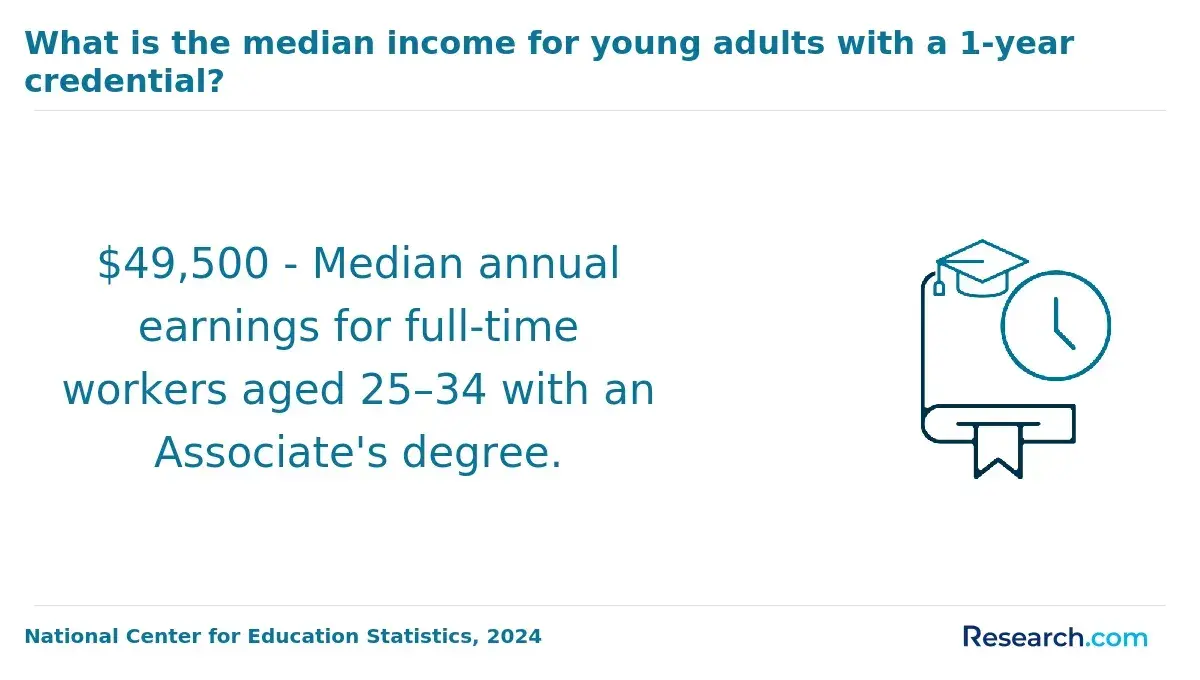
The timeline for completing online social & behavioral sciences degrees directly influences both workforce entry and career trajectory, making program length a critical strategic factor. Associate degrees typically require about two years of full-time study and serve as entry points into basic community outreach roles. Bachelor's degrees are considered the minimum for most frontline social work positions and generally take four years at a traditional pace, though accelerated online options can reduce this to three years. Many part-time students extend this period to five or six years, balancing employment alongside studies. Master's programs vary between 18 months to three years, shaped by fieldwork demands and transfer credits.
Employers, especially in public agencies managing complex cases, often require at least a bachelor's degree. Choosing an accelerated bachelor's program can facilitate faster career changes, but extending coursework duration delays eligibility for licensure, which is critical for regulated social work professions. Field placements and practicum hours are mandatory for many degrees and can add months to the overall process, limiting flexibility.
State licensure timelines further influence workforce readiness since they frequently demand supervised hours post-graduation. This means students must plan realistically for additional time beyond formal education to meet employment criteria in regulated environments.
How much do online social and behavioral sciences degrees cost?
Cost variations among online social and behavioral sciences degrees significantly impact the strategic decisions of prospective students aiming for a workforce pivot or entry. Public universities offer in-state tuition generally around $300 to $500 per credit hour, yielding total costs near or under $20,000 for many programs. Private institutions elevate expense expectations, charging $600 to $1,200 per credit hour, which may result in total tuition surpassing $60,000.
For working professionals targeting outreach or community engagement roles, the decision extends beyond tuition. The tradeoff between accelerated, flexible programs and slower, less costly options shapes income continuity and opportunity cost. Programs emphasizing hands-on internships, practicum, or community involvement often drive better employer recognition, frequently outweighing minor cost savings of cheaper certificates or associate degrees.
Financial aid can mitigate upfront expenses but requires tight management to prevent debt accumulation. While average entry-level annual salaries hover around $49,380, with a projected 9% job growth rate according to research.com data cited by Walsh University, not all credentials guarantee this outcome. Choosing programs aligned with direct community outreach curricula correlates more strongly with successful hiring and salary than simply minimizing initial tuition.
- Tuition cost must be balanced against program quality and time-to-completion.
- Hands-on experience components add measurable employer value.
- Long-term career implications often outweigh short-term price reductions.
What jobs can you get with a community outreach degree?
Degrees focused on community outreach prepare graduates for roles that require direct engagement with underserved populations, such as community health workers and outreach coordinators. These positions demand strong communication skills, cultural competency, and the ability to navigate diverse community resources. For instance, community health workers often operate within neighborhoods to provide health education and coordinate support services, frequently aligning efforts with public health departments or nonprofits.
The labor market values these roles in healthcare, government, and social services, where program management, community needs assessment, and stakeholder relationship building are key competencies. The median wage of $51,030 (May 2024) for community health workers slightly exceeds the national median, revealing modest but tangible economic returns tied to this pathway.
Practically, data collection and reporting skills are increasingly vital as funding entities demand measurable outcomes. Graduates must remain adaptable to evolving public health priorities and community feedback, distinguishing outreach roles from administrative positions by requiring hands-on interpersonal experience.
Some sectors, including nonprofit leadership or policy implementation, offer entry-level openings but often expect advancement through certifications or graduate education. Choosing this educational path entails balancing immediate job accessibility against long-term credential investments, especially for specialized roles like public health advisors or behavioral specialists.
What salary and job outlook can outreach graduates expect?
Graduates targeting community outreach positions with online social & behavioral sciences degrees face a median starting salary range of approximately $40,000 to $55,000 annually, subject to location, employer type, and experience. Within this spectrum, nonprofit outreach coordinators-especially those in rural or underfunded areas-typically earn toward the lower end due to restricted budgets. Conversely, government and healthcare employers generally offer salaries above $50,000, compensating for the complexity of managing public health initiatives or social programs. For example, a community outreach specialist working at a municipal health department can expect better salary potential and structured benefits compared to one at a smaller local charity.
The expected 10% job growth rate in community and social services through 2032, according to U.S. Bureau of Labor Statistics (2024), signals demand but also rising competition. The recent global expansion of behavioral science degree programs intensifies this reality by increasing graduate supply. Employers now prioritize candidates combining academic credentials with practical experience, certifications, or bilingual proficiency to enhance direct community engagement impact.
Practical challenges like securing internships and navigating uneven funding in outreach agencies can impede job stability. Students are advised to select programs featuring applied practicum components and seek employers with stable funding portfolios to improve career longevity and salary advancement.
What certifications or licenses may community outreach careers require?
Employers in community outreach prioritize candidates who combine foundational academic preparation with targeted certifications or licensure, based on the specific demands of their roles and work environments. A bachelor's degree in a social or behavioral science remains the non-negotiable baseline credential as outlined in HumanServicesEdu.org's 2024 guide. Yet, in many cases, specialized certifications such as Certified Community Outreach Professional (CCOP) or Mental Health First Aid certification offer tangible, industry-recognized proof of skill relevance-particularly in communication, crisis response, and cultural competence.
The necessity of formal licenses emerges primarily when outreach roles intersect with clinical or counseling services. For example, outreach workers in mental health or substance abuse settings typically require state-issued credentials such as Licensed Professional Counselor (LPC), Licensed Clinical Social Worker (LCSW), or Certified Alcohol and Drug Counselor (CADC). These licenses involve postgraduate supervised experience and passing rigorous exams, which have significant implications for time, cost, and career trajectory.
For nonprofit or public health outreach, certifications in trauma-informed care and compliance with confidentiality standards (like HIPAA) often serve as essential or preferred qualifications. Hiring managers weigh training against practical costs and relevance, often favoring program management and cultural competency certifications for public-sector outreach over clinical licenses that carry more overhead and less immediate role applicability.
Pragmatically, aligning certification choices with sector-specific demands-public health, education, or social services-while securing a foundational bachelor's degree delivers the most applicable qualifications for entry and progression in community outreach careers.
Other Things You Should Know About Social & Behavioral Sciences
Many programs lean toward theory, which can limit immediate applicability in outreach settings. Students should prioritize curricula offering hands-on learning through case studies, community engagement, or service-learning components. Programs lacking these features may delay skill translation into the workplace, impacting job performance and advancement prospects.
The asynchronous nature often grants flexibility, but workloads remain demanding due to extensive reading, research, and writing assignments. Balancing work, study, and community engagement requires strong time management. Students with professional or caregiving commitments should choose programs with clear pacing and structured support to avoid burnout or incomplete coursework.
Specialized programs enhance targeted expertise, making candidates appealing for niche outreach roles but may reduce flexibility if career goals shift. Broad training provides adaptability across multiple outreach sectors but can dilute depth in any single area. Professionals must assess their immediate career trajectory: prioritize specialization when certain about the field, or choose broad programs for versatility in changing job markets.
References
- Behavioral and Social Sciences - East-West University https://www.eastwest.edu/behavioral-and-social-sciences/
- Social and Behavioral Science Careers and Education | PublicHealthOnline.org https://www.publichealthonline.org/social-and-behavioral-science/
- IAI General Education Social and Behavioral Sciences Course Descriptions https://itransfer.org/courses/gecc/socialbehavioralsciences.php
- Outreach alumni do well at work – but here is what their employers could do better — Bridge Group https://www.thebridgegroup.org.uk/blog-posts/2023/10/01/outreach-alumni-do-well-at-work
- Bachelor’s Behavioral Science Degrees | University of Phoenix https://www.phoenix.edu/online-behavioral-sciences-degrees/bachelors.html
- Skills: "social and behavioural research methods" | UNjobs https://unjobs.org/skills/social-and-behavioural-research-methods
- Community Engagement Credentials | NeighborWorks America https://www.neighborworks.org/Training-Services/Training-Professional-Development/Courses-Certifications/Community-Engagement
- Answering 8 Common Questions About Grad School Requirements https://www.umassglobal.edu/blog-news/answering-8-common-questions-grad-school-requirements
- Navigating the job market as a recent graduate | Genio https://genio.co/blog/navigating-the-job-market-as-a-recent-graduate-genio
- B.S. Behavioral & Social Science - Bethel University Online https://ags.betheluniversity.edu/degrees/bs-bachelors-behavioral-social-science/