2027 Best Online Social & Behavioral Sciences Programs for Professionals Seeking Program Coordination Careers

Co-Founder and Chief Data Scientist
Professionals seeking to transition into program coordination roles within social & behavioral sciences face the challenge of balancing rigorous work schedules with gaining specialized education. As reported by the National Center for Education Statistics, over 70% of online graduate students in related fields are adults juggling employment, highlighting a shift toward programs accommodating flexible pacing and asynchronous learning.
This trend signals that rigid, campus-bound programs increasingly hinder upward mobility for working learners. Selecting an online program that offers both accreditation and practical relevance is critical to bridging skill gaps and meeting employer expectations. This article evaluates the best online social & behavioral sciences programs designed to equip professionals for effective program coordination careers.
Key Things You Should Know
- Employment projections for program coordinators in social & behavioral sciences show a 10% growth rate through 2032, per the U.S. Bureau of Labor Statistics, pressuring candidates to prioritize programs with embedded applied research skills for immediate workforce impact.
- Employer surveys from 2024 reveal 68% of hiring managers value advanced data analysis competencies over broad theoretical knowledge, indicating graduates without quantitative specialization face longer job search durations.
- Programs averaging 18 months with hybrid delivery reduce opportunity costs by 25% compared to traditional full-time degrees, but accelerated formats often limit comprehensive practicum experiences critical for career pivot effectiveness.
What are the best online social and behavioral sciences programs for program coordination careers?
Employers in program coordination roles specifically value evidence-based curricula combined with practical project management training that prepare candidates for sector-specific demands. For example, coordinators in community health must navigate federal grant compliance and produce quantifiable outcomes, which calls for programs emphasizing relevant research methods. In contrast, roles within corporate social responsibility leverage behavioral science insights to foster organizational change and employee engagement, requiring a curriculum focused more on change management and organizational behavior.
Johns Hopkins University leads among online options for social and behavioral sciences program coordination careers, rated highest by U.S. News with a 4.7 peer assessment score. This ranking is not simply reputation-based but reflects rigor and employer recognition, translating into measurable professional advantages. However, prospective students should critically evaluate programs against their targeted sectors, especially because many programs vary widely in how well they incorporate interdisciplinary elements such as psychology, sociology, public administration, data analysis, and communication skills.
Key practical factors include real-time case studies and capstone projects that simulate real coordination challenges, supporting readiness for competing deadlines and stakeholder complexities. Flexible pacing and strong virtual collaboration tools further distinguish programs suited for working professionals balancing job commitments. The best online programs for social and behavioral sciences program coordination careers must align with these operational realities and documented employer outcomes to be worthwhile investments.
For students comparing pathways, the research-driven and applied approach found in top social and behavioral sciences degrees for program coordinators remains essential. Detailed program impact surveys and national education datasets from recent years can aid informed decisions. Exploring options among the best online MSW programs can also offer complementary perspectives on related fields emphasizing similar skill sets and workforce expectations.
How do you choose an accredited online social and behavioral sciences program?
Accreditation is a decisive factor when evaluating accredited online social and behavioral sciences programs in the United States. Employers in public health, community development, and policy sectors strictly prefer candidates with degrees from recognized institutions, especially for specialized roles such as program coordinators. For instance, a nonprofit program coordinator focused on grant management should prioritize programs that provide practical training in budgeting and community engagement, whereas research coordination candidates must seek curricula emphasizing research ethics and data analysis aligned with institutional review board standards.
The market offers only 16 online behavioral science degrees listed by Educations.com for 2025, narrowing choices and increasing the risk of selecting less-established programs. Confirming regional or national accreditation recognized by the U.S. Department of Education verifies program legitimacy and ensures wider professional acceptance. Working professionals must weigh synchronous versus asynchronous formats in relation to their obligations and assess available support services like career mentoring and field placements to maximize employability outcomes.
The value of a program becomes clearer when scrutinizing graduation rates, average time-to-completion, and alumni employment data. Programs delivering measurable outcomes present a more realistic return on investment than generic credentials. Those focused on top online social and behavioral sciences degrees for program coordination careers will find distinct tradeoffs based on specialization and delivery.
Cost considerations are integral. Prospective students often explore options such as masters in psychology online to balance affordability with curriculum relevance and career trajectory.
What degree level is best for program coordination careers?
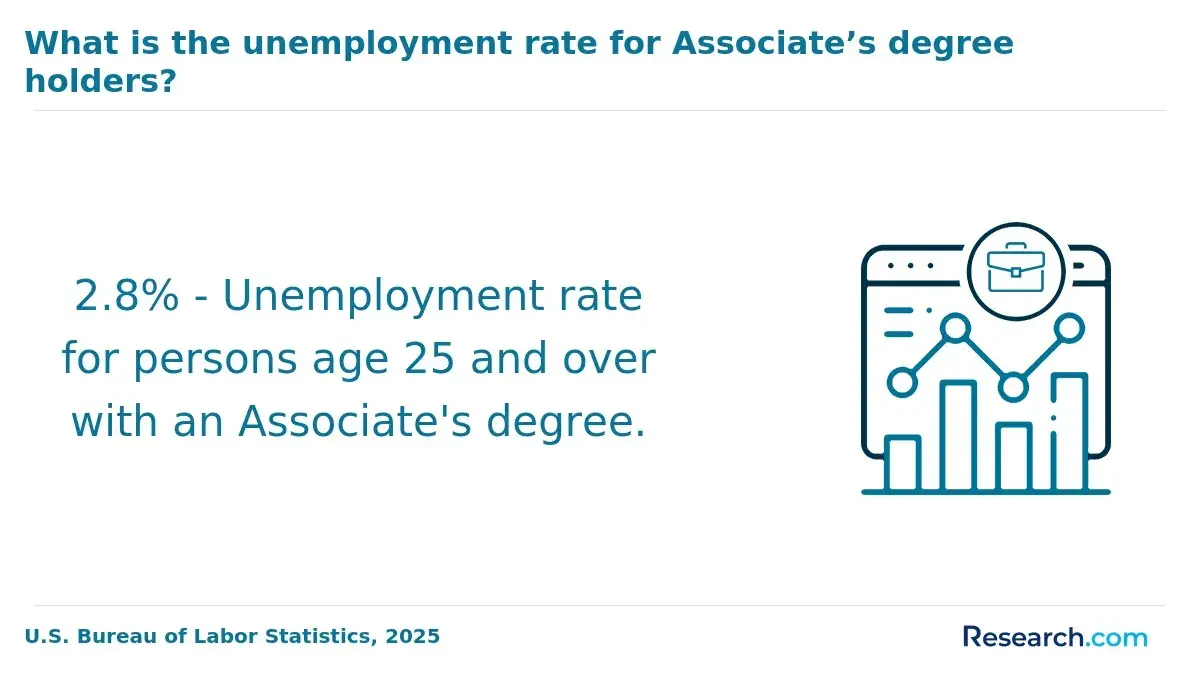
Program coordination roles in social & behavioral sciences require a nuanced approach to degree selection based on sector demands and career goals. Entry-level positions commonly accept a bachelor's degree in psychology, sociology, public health, or related fields, providing foundational skills in program design, data interpretation, and service delivery. However, advancing to senior or specialized coordination roles-especially within government agencies or large nonprofits-often necessitates a master's degree. This higher qualification enhances expertise in leadership, policy analysis, and project evaluation, aligning with regulatory expectations and complex funding structures.
For instance, program coordination degree requirements in the United States vary considerably: a nonprofit mental health agency may prioritize experience alongside a bachelor's degree, whereas a government health department typically requires a master's to satisfy oversight and reporting mandates. Workforce data reflect that those with master's degrees achieve 20-30% higher employment rates in targeted social & behavioral sciences program coordination careers.
The field's concentrated nature means selecting well-regarded programs with embedded practicum elements has outsized value, particularly for sectors enforcing stringent credential standards such as education, healthcare, and justice programs. Students must balance the added time and financial commitment of an advanced degree against tangible labor market returns.
Prospective students seeking flexible graduate pathways can explore options like masters in clinical psychology online, which align well with the skill sets demanded for advanced coordination roles in this domain.
Which online program formats work best for working adults?
Choosing flexible online social and behavioral sciences programs for working adults requires weighing how different formats impact both learning and career outcomes. Asynchronous online program formats are often best suited for professionals balancing full-time jobs and family, allowing learners to engage with coursework at their convenience without compromising job responsibilities. For instance, a human services coordinator working 40+ hours weekly can fit studies into early mornings or weekends, aligning education with unpredictable schedules.
Hybrid programs that mix asynchronous content with scheduled live sessions offer a middle ground for those needing real-time interaction but demand rigorous time management, which can be difficult in fields with fluctuating shifts such as public health.
University-affiliated degrees in behavioral science typically emphasize applied skills relevant to workforce demands across public health, human services, and related roles. Features like monthly cohort starts and self-paced modules help reduce enrollment barriers, while interactive components such as virtual simulations enhance skill development-though they require increased time commitment.
Employers prioritize candidates demonstrating both theoretical knowledge and coordination skills, making the choice of program format pivotal in preparing graduates for evolving workforce expectations. Working professionals evaluating the best asynchronous program formats for professionals in social and behavioral sciences should focus on accredited curricula offering applied projects that balance independent study with structured guidance.
For additional insight on selecting flexible educational pathways, see the best degrees for remote work analysis.
What courses are included in social and behavioral sciences programs?
Social and behavioral sciences programs prepare students for program coordination roles by integrating quantitative and qualitative skills essential for managing evidence-based interventions. Employers expect graduates to interpret behavioral patterns and policy frameworks accurately to ensure compliance and effectiveness-critical where funding and ethical standards converge, such as in community mental health settings.
Core courses emphasize statistics and research methods, providing the quantitative literacy necessary to evaluate outcomes. Applied psychology and sociology deepen understanding of social dynamics and organizational processes used to design and assess programs. Coursework in policy analysis, ethics, and leadership targets alignment with legal and stakeholder requirements.
The program typically demands around 120 credit hours. For example, Bethel University's online B.S. in Behavioral & Social Science charges $485 per credit hour, tallying to about $58,200 before additional fees. Students must weigh this substantial investment against the complexity of the curriculum and its emphasis on analytical as well as interpersonal competencies.
Specialized classes in cultural competency and developmental psychology address the challenges of coordinating services across diverse populations. Electives in communication strategies and conflict resolution sharpen practical skills needed for stakeholder negotiation and team management.
Graduates who move beyond theory to apply measurable strategies are better positioned in competitive sectors such as nonprofit, healthcare, or government. The balance between tuition cost, curriculum rigor, and market demands influences long-term career mobility and preparedness.
What admission requirements do these online programs usually have?
Securing a role as a program coordinator in social & behavioral sciences frequently demands more than an accredited bachelor's degree with approximately a 3.0 GPA. Employers prioritize candidates who demonstrate proficiency in interdisciplinary analysis and data-driven evaluation, which often leads to requests for official transcripts emphasizing social sciences or public health foundations. While GRE scores have become optional, competitive programs favor applicants with strong quantitative skills, especially in agencies requiring rigorous program assessment.
Relevant work experience-typically one to three years within healthcare, government, or nonprofit sectors-is a significant differentiator. This aligns with workforce realities where coordinators actively handle monitoring and evaluation tasks, necessitating practical know-how beyond theoretical learning. Applications bolstered by professional recommendations that evidence leadership and project management have an edge, especially for candidates targeting advancement in complex organizations rather than entry-level coordination.
Prospective students transitioning from unrelated fields must weigh potential delays and added expenses from prerequisite coursework. Programs offering bridge courses or admissions based on skills assessments can mitigate these barriers. Additionally, synchronous participation and technology proficiency are increasingly integral, reflecting employer expectations for coordinators who can manage virtual teams and data systems effectively. Navigating these admission nuances with strategic planning can optimize timelines and financing while positioning candidates for stable roles.
How long do online social and behavioral sciences programs take?
Program duration in social & behavioral sciences significantly shapes career trajectories by influencing when and how graduates enter critical roles such as behavioral health technicians or human resources specialists. For instance, an accelerated 18-month associate degree might fast-track entry but demands intense weekly commitment and prior relevant credits, which is unrealistic for many working adults. Conversely, part-time paths extending beyond four years accommodate work-life balance but risk disconnect from fast-evolving certification requirements and employer expectations.
Degrees typically require 60 credits for associate and 120 for bachelor's, with timelines adjusted by enrollment status. Practicum or internship components add essential months beyond coursework, ensuring practical readiness but necessitating strategic scheduling, especially for clinical social work careers requiring supervised fieldwork post-graduation.
Evaluations grounded in these tradeoffs offer actionable insights for those targeting roles in psychology, sociology, and social work, recognizing that a one-size-fits-all duration overlooks the nuanced balance between educational rigor and career pragmatism.
How much do online social and behavioral sciences programs cost?
Tuition for online social & behavioral sciences degrees spans a wide range, $15,000 to $50,000 for full bachelor's or master's programs, but this figure alone conceals several critical factors affecting value and accessibility. Public universities, especially for in-state students, may charge as low as $300 per credit, a clear advantage for public employees or those with state residency. In contrast, private schools and advanced specialty tracks-such as clinical counseling coordination-can levy fees exceeding $800 to $1,200 per credit, which significantly raises total costs.
Professionals balancing work and study face compounded strain when programs require reduced hours, unpaid internships, or lose income opportunities; tuition debt only intensifies financial risk if employer tuition reimbursement excludes online or behavioral sciences programs. For example, a full-time program coordinator pursuing a master's degree must carefully weigh these tradeoffs, as lost wages combined with expensive credits can surpass salary gains post-graduation.
Key considerations extend beyond sticker price to total cost of attendance, including fees, technology requirements, and licensing exams. Evaluating program accreditation and state licensure compatibility is essential, as regional demand for licensed counselors and social workers drives practical return on investment. Without robust employer partnerships or accelerated licensure routes, higher tuition may not justify the debt burden in a competitive labor market.
Liberty University's online degrees in behavioral sciences are often cited but lack transparent cost and outcome data, leaving applicants with limited guidance on value comparison. Consequently, due diligence in analyzing program specifics and regional workforce dynamics remains crucial.
What jobs can you get with a social and behavioral sciences degree?
Graduates with a social and behavioral sciences degree often enter roles demanding coordination across diverse stakeholders and rigorous data application, such as managing public health initiatives on obesity or diabetes. For instance, a state health department program coordinator must facilitate collaboration between healthcare providers, data analysts, and community groups, illustrating the operational complexity beyond theoretical knowledge.
Employers prioritize practical skills including applied research, data interpretation, and compliance with funding regulations, which can pose challenges for career changers lacking quantitative training or project management experience. Behavioral health analysts, specifically, often require proficiency with statistical software and outcome evaluation to influence health policy or support grants.
Job demand grows notably within government and nonprofit sectors focused on chronic disease control and cost containment, reinforcing the importance of integrating population health metrics and policy understanding into professional preparation. However, progression typically necessitates ongoing skill development, such as certifications or graduate-level public health study, which entails time and financial commitments that may affect working professionals differently.
Targeting programs that provide hands-on coordination experience and strong institutional ties to healthcare agencies enhances employability. Candidates should be prepared to navigate the interdisciplinary and regulatory complexities inherent in this sector, where measurable impact on population health outcomes becomes a critical evaluation metric.
What salary and job outlook can program coordinators expect?
Program coordinators in social & behavioral sicences face distinct salary and employment dynamics shaped by sector and geography. Median wages range roughly from $53,000 to $63,000, yet entry-level roles in nonprofits often start near $45,000, while healthcare and academic settings may surpass $70,000 for experienced professionals. A key consideration is the tradeoff between stability and project variety: grant-funded public health coordinators typically contend with contract-based roles and fluctuating pay, whereas university research administrators often benefit from steady salaries and benefits but usually require advanced credentials.
Employment is expected to grow by about 8% through 2032, driven largely by increased public funding and rising demand for behavioral health interventions targeting mental health, substance abuse, and community development. For those pivoting into this field, recognizing the influence of local pay scales, credential recognition, and sector-specific demand is essential. Developing skills in grant writing, data analysis, and stakeholder engagement materially enhances employability and income potential.
Consider the practical impact of sector choice: a coordinator in a state-funded behavioral health initiative might experience more frequent contractual transitions, impacting income stability, whereas those embedded in higher education administration are likely to encounter clearer promotion pathways albeit with academic credential barriers.
Expansive online options, such as those listed through SUNY Online, broaden access but should be evaluated against sector-specific outcomes to align education investments with realistic salary and job security expectations.
Other Things You Should Know About Social & Behavioral Sicences
Enrolling in the best online social & behavioral sciences programs in 2027 offers key benefits like flexibility for working professionals, exposure to cutting-edge research and methodologies, and access to networking opportunities. These programs enhance essential skills for program coordination careers, such as effective communication, project management, and problem-solving, tailored to contemporary industry needs.
Balancing coursework with full-time work and personal responsibilities is the primary challenge, as many social & behavioral sciences programs require consistent critical reading, frequent writing, and collaborative projects. Programs with flexible deadlines and asynchronous content reduce stress but may limit networking opportunities and real-time instructor feedback. Professionals should evaluate their capacity for self-directed study and select programs offering structured support to sustain momentum and meet employer timelines.
A specialized track tailored to program coordination-such as nonprofit management, health behavior, or organizational leadership-provides sharper focus and more relevant skills, which employers value for those roles. Broad curricula offer versatility but may dilute practical knowledge needed to navigate complex stakeholder environments or specialized reporting. Prioritize programs with clearly defined tracks if you want to accelerate entry or promotion within program coordination fields.
Employers increasingly expect candidates to demonstrate applied skills through internships, fieldwork, or capstone projects that mirror real program coordination challenges like budgeting, evaluation, and team management. Programs lacking strong experiential components risk producing graduates who struggle to translate theory into practice. Evaluate programs based on their partnerships with organizations and the quality of hands-on opportunities offered to ensure alignment with workforce demands.
References
- Social and Behavioral Health https://www.publichealthdegrees.org/specializations/social-behavioral-science/
- Best Online Master's Programs For Social Work 2025 https://www.psychology.org/social-work/best-masters-programs/
- Best Online Degree Programs for Working Adults https://www.scholaro.com/db/News/best-online-degree-programs-256
- Program Coordinator https://www.upskilled.edu.au/your-career/job-roles/program-coordinator
- Program Coordinator Certifications: Best Credentials to Advance Your Career | Teal https://www.tealhq.com/career-paths/program-coordinator-certifications
- IAI General Education Social and Behavioral Sciences Course Descriptions https://itransfer.org/courses/gecc/socialbehavioralsciences.php
- Studying Human Behavior with a Behavioral Science Major https://www.cune.edu/news/studying-human-behavior-behavioral-science-major
- What are the Admission Requirements for Online MSW Programs? https://www.onlinemswprograms.com/faqs/admission-requirements/
- Program Coordinator Salary Insights: Key Factors https://4dayweek.io/salary/program-coordinator
- Online Behavioral Science Degree Programs | University of Phoenix https://www.phoenix.edu/online-behavioral-sciences-degrees.html