2027 Best Online Social & Behavioral Sciences Degrees for Youth Services Careers

Co-Founder and Chief Data Scientist
Balancing a full-time job, family commitments, and the urgent need to upskill in youth services creates a critical bottleneck for many aspiring professionals. According to the National Center for Education Statistics, over 40% of online learners in recent years are adults seeking flexible pathways to career advancement, reflecting a shift toward non-traditional enrollment. This rising demand exposes persistent gaps in program accessibility and relevance, particularly within social & behavioral sciences fields where practical experience and academic rigor must align.
Navigating these complexities calls for strategic choices that optimize flexibility, employer recognition, and timely completion. This article evaluates the best online social & behavioral sciences degrees tailored for youth services careers, providing actionable guidance for informed decision-making around program selection and career impact.
Key Things You Should Know
- Graduates with degrees focusing on youth services face a 7% employment growth through 2031, yet must weigh lower median wages-$46K versus $62K in broader social science roles-impacting long-term financial planning per Bureau of Labor Statistics data.
- Employers prioritize candidates with integrated practicum experiences over purely academic credentials, with 67% of nonprofit youth organizations favoring hands-on client engagement as a key hiring criterion, necessitating program selection that embeds fieldwork.
- Programs averaging 120+ credit hours delay graduation by a semester, increasing tuition by 10-15% per NCES reports; accelerated options improve return on investment but may compromise depth of theoretical training vital for advanced certification.
What are online social and behavioral sciences degrees focused on youth services?
Online social and behavioral sciences degrees focused on youth development demand more than theoretical knowledge; they require programs that integrate practical crisis management and cultural competence in working with diverse youth populations. For instance, mental health counselors in juvenile detention settings must apply trauma-informed care through supervised practicum experiences that many reputable behavioral sciences programs focused on youth services careers embed within their curriculum.
Without such hands-on training, graduates may face barriers meeting state-specific licensing prerequisites, affecting employability. Curricula typically blend psychology, counseling techniques, child development, and social work principles tailored to young populations, equipping students with behavioral assessment and intervention skills.
However, wages differ by specialization: median annual pay is approximately $65,100 for substance abuse and mental health counselors but slightly lower at $62,920 for child, family, and school social workers, according to U.S. Bureau of Labor Statistics data referenced by HumanServicesEdu.org.
Prospective students should critically evaluate online offerings for robust practicum placement support and alignment with certification pathways. Those seeking efficient pathways might consider colleges with accelerated psychology programs that still ensure rigorous practical experience. Decisions balancing accelerated coursework against hands-on training availability can shape workforce readiness and long-term career stability in these social and behavioral sciences roles.
Which youth-focused social and behavioral sciences careers can these degrees lead to?
Youth-focused degrees in social and behavioral sciences offer targeted preparation for careers such as youth counselors, juvenile probation officers, community outreach coordinators, and youth program directors. These positions require an applied knowledge of adolescent development and behavioral interventions to effectively address socio-environmental challenges.
A youth counselor in a school district, for instance, must navigate complex family and psychological dynamics, contrasting with roles like youth advocacy that demand policy knowledge and community organizing skills. These distinctions affect both daily practice and career trajectories. Employment in these community and social service roles is projected to grow 12% through 2030, outpacing average occupational growth.
This trend is driven by increasing demand for evidence-informed youth services addressing mental health and social disparities. However, tradeoffs include variable state licensure requirements, especially for clinical or counseling pathways, often necessitating education beyond the bachelor's level.
Budget constraints in nonprofit and public sectors can limit early salary growth despite offering employment stability and benefits, which must be weighed against personal goals and regional job markets. Navigating these complexities is integral to social and behavioral sciences jobs for youth support professionals seeking lasting impact.
Graduates should also expect to develop case management, multidisciplinary collaboration, and data-driven program evaluation skills. For professionals prioritizing speed in credential attainment, reviewing the fastest psychology degree options can inform strategic educational decisions aligned with workforce demands.
How do online youth services degrees compare with campus-based programs?
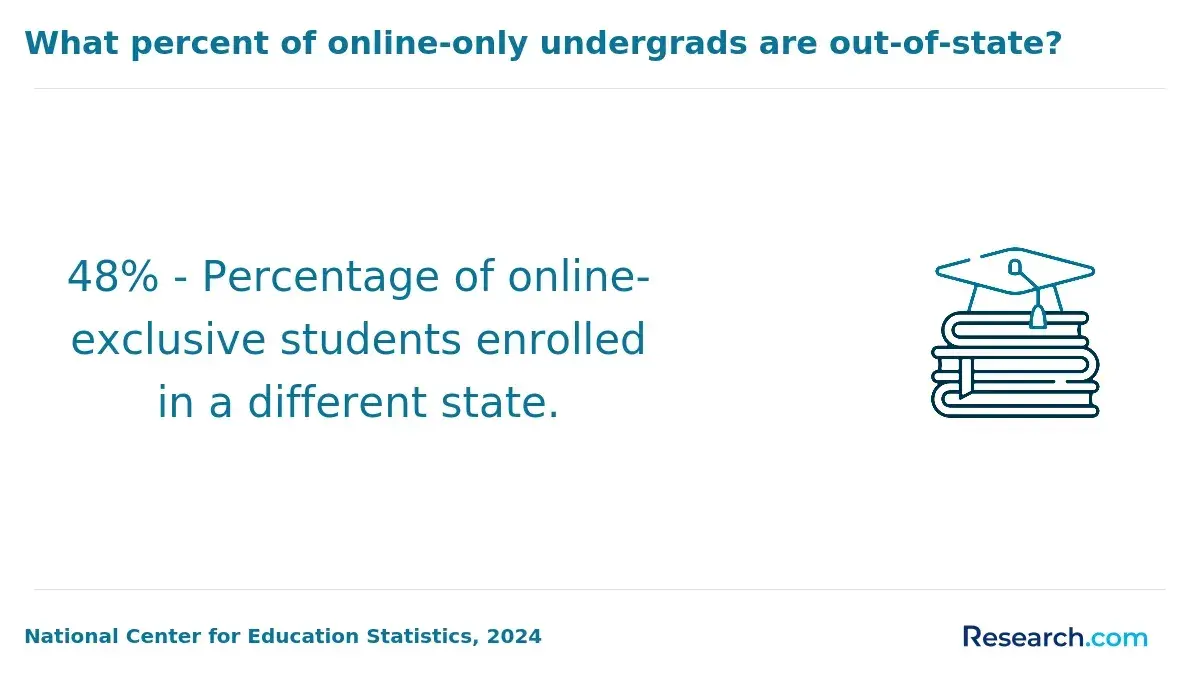
Choosing between online youth services degree programs vs campus-based options requires assessing critical tradeoffs in practical exposure and networking. While online courses deliver comparable theoretical content, they often lack embedded fieldwork systems and direct mentorship that campus programs provide. These gaps matter because employers in social & behavioral sciences emphasize verified hands-on experience alongside academic credentials.
Campus-based programs frequently integrate internships, cooperative education, or community partnerships that facilitate real client interaction. In contrast, students in online youth services degree programs must independently secure supervised placements. Without these, graduates may face challenges matching the employability profile favored by hiring managers. For instance, a working professional completing an online degree needs to deliberately pursue local youth services experience to compete effectively.
Salary variations across regions also reflect this divide. Social and behavioral scientists in states with strong demand, such as Virginia-with average salaries above $100,000-expect candidates to demonstrate practical skills beyond coursework. Those relying solely on virtual classes risk lagging behind campus-trained peers with institutional access to practicum opportunities.
Balancing convenience and cost against essential direct field engagement is crucial. Prospective students should factor in the additional effort required to build professional networks and gain experiential learning when evaluating differences between online and traditional youth services degrees.
For a focused guide on related advanced studies, consider exploring online master's in clinical psychology, which presents similar delivery challenges and outcome considerations.
What accreditation should online social and behavioral sciences programs have for youth services work?
Regional accreditation is the non-negotiable baseline for online social and behavioral sciences program accreditation for youth services, as it substantially impacts credit transfer, federal aid, and employer trust. Agencies such as the Higher Learning Commission and the Middle States Commission on Higher Education provide this institutional oversight and guarantee core curriculum standards.
Beyond this, programmatic accreditation-like that from the Council on Social Work Education (CSWE) or National Association of Social Workers (NASW)-is often mandatory for licensure and specialized career tracks. For instance, child life specialists in healthcare settings, where median incomes range between $61,000 and $70,000 according to University of Arkansas youth-career data, require degrees that integrate rigorous human development coursework with supervised clinical training.
Opting for programs without regional accreditation or only nationally accredited credentials narrows eligibility for government positions, graduate schools, and funding opportunities. Regional accreditation standards for social and behavioral sciences degrees in youth work hold particular weight for licensing and professional advancement in education, healthcare, and governmental agencies.
Students targeting nonprofit leadership or program development roles benefit most from programs emphasizing evidence-based youth interventions, a factor often reflected in the curriculum design of accredited institutions. Employers actively prioritize credentials tied to recognized accreditations to mitigate hiring risks, affecting salary potential and credentialing exam eligibility.
Prospective students must verify both institutional and programmatic accreditation thoroughly before enrollment to align educational investment with long-term labor market acceptance. While salary data specific to child life specialists is available, comparative insights into salaries in related fields, such as a bachelor of science in health information management salary, illustrate divergent economic outcomes across youth-focused career paths.
What courses and specializations are typical in youth services-oriented social and behavioral sciences majors?
Majors focused on youth services within social & behavioral sciences emphasize applied competencies critical for direct engagement with children, adolescents, and families in varied environments. These programs typically integrate practical dimensions such as trauma-informed care and risk behavior intervention, meeting employer expectations for evidence-based approaches rather than relying solely on theoretical knowledge.
Candidates targeting juvenile justice advocacy roles face distinct curricular needs, including extensive legal frameworks and real-world internships in community or justice settings. Conversely, those pursuing school-based counseling paths should prioritize programs concentrating on developmental psychology and educational policies, reflecting divergent workforce requirements within the same broad field.
Essential coursework balances research methods for outcome evaluation and applied ethics with multicultural competence, preparing students to navigate legal and cultural complexities in fieldwork. Practicum or internships serve as critical differentiators, providing supervised exposure often required by employers.
Specialization options frequently include:
- Youth Substance Abuse Prevention and Treatment
- Child Welfare and Protective Services
- Educational and Behavioral Interventions
- Community Outreach and Program Development
Given roughly 4,600 global programs-with many available online-prospective students must scrutinize program depth and practical relevance. Failure to prioritize experience-based learning risks gaps in readiness for direct-service roles, impacting employability and career progression within youth-centered social & behavioral sciences disciplines.
What admission requirements and prior experience do youth services online programs expect?
Admission requirements for youth services online programs commonly include a high school diploma or GED, yet many competitive tracks demand some college credits or an associate degree, especially for bachelor's pathways. Programs require official transcripts, a personal statement on motivation and experience, plus recommendation letters emphasizing interpersonal skills and adaptability.
Practical experience expectations diverge: some accept applicants without direct youth services history, while others insist on documented volunteer work, internships, or relevant employment. This difference aligns with programs targeting distinct workforce entry points-either career changers with limited background or individuals embedded in social service roles.
Consider an applicant working as a paraprofessional in education who may need less formal experience due to on-the-job training, contrasting with someone without such credentials who must provide substantial community engagement evidence. Programs with integrated field placements tend to prioritize applicants demonstrating reliability and maturity through prior work or service records.
From an employer's viewpoint, graduates with hands-on experience verified by internships or practicum stand a stronger chance at roles paying median wages between $50,000 and $60,000 annually, according to aggregated BLS wage data. Licensed clinical youth counselors and school social workers often earn higher, reinforcing the advantage of admission criteria that emphasize prior relevant experience in real-world social & behavioral sciences workforce outcomes.
How long do online youth services degrees take, and what do they cost?
Completing an online bachelor's degree in youth services requires a minimum of two years full-time, commonly extending up to four, with public institutions typically offering lower tuition ($15,000-$25,000) compared to private colleges ($30,000-$45,000). Accelerated programs can shorten this timeline but often demand intensive scheduling, which is challenging for working students balancing job and study commitments.
Advancing into specialized roles like clinical youth counselor or school social worker involves an additional two years of graduate study combined with required supervised clinical hours. This raises total education time to about six years and imposes a significant financial burden, with graduate tuition alone ranging from $20,000 to $60,000. Employers distinctly prefer candidates with this master's-level qualification for positions offering greater responsibility, stability, and pay.
Consider a mid-career professional shifting into youth clinical counseling: while part-time bachelor's programs may take approximately three years, the subsequent master's demands flexible program structures and access to local practicum sites to complete supervised hours. Programs embedded in strong community partnerships provide a critical advantage by easing clinical placement logistics and time management.
- Lower-cost bachelor's degrees enable quicker labor market entry but limit access to advanced, higher-paid roles
- Graduate studies expand career scope and earnings potential but lengthen education timelines substantially
- Field experience and practical partnerships influence employability beyond academic credentials
Strategic planning based on these considerations is essential to optimize the return on investment in this Social & Behavioral Sciences pathway, balancing cost, time, and labor market outcomes. Workforce trends show that completing both undergraduate and graduate milestones significantly improves long-term job security and upward mobility within youth services professions.
What licenses or certifications might be required for youth services and counseling roles?
Licensure for youth services roles demands navigating complex state-specific requirements that weigh heavily on career trajectory and job scope. Positions like Licensed Professional Counselor (LPC), Licensed Clinical Social Worker (LCSW), or Licensed Marriage and Family Therapist (LMFT) mandate a master's degree in social work, counseling, psychology, or related social & behavioral sciences fields, plus 2,000 to 4,000 supervised clinical hours and passing rigorous exams.
For instance, a youth counselor in California faces 3,000 supervised hours and two licensing exams before independent practice-a clear barrier affecting workforce entry speed and earning potential. Non-clinical youth services roles-such as youth services coordinators-often require certifications like Certified Youth Specialist (CYS), focused on case management or program development, reflecting a practical divergence from clinical licensure paths.
These certifications align better with community-or school-based roles but carry different employability and growth prospects. Public health employers prioritize licensed candidates for funding, compliance, and program integrity. Without these credentials, workers face restricted upward mobility and eligibility, especially in hubs like California, Virginia, and D.C., where 31,360 social and behavioral scientists were employed nationwide.
The time-intensive nature of supervised practice disproportionately impacts mid-career professionals balancing work and licensing demands. Strategic educational planning must incorporate state-specific hurdles and labor market realities to optimize long-term outcomes in youth services counseling.
What salary ranges and job outlook can graduates expect in youth services careers?
Starting salaries for graduates with online social & behavioral sciences degrees in youth services generally range from $35,000 to $45,000, with mid-career wages climbing to between $50,000 and $65,000. These figures vary significantly by region, employer type, and job role such as youth counselor, social worker, or case manager. Positions within government agencies or nonprofit organizations may offer higher salaries but typically require advanced credentials or certifications.
Candidates who combine relevant hands-on experience and bilingual abilities improve their marketability notably. Employment growth for youth services workers is projected at 7% to 10% through 2032, outstripping the average for all occupations. This demand aligns with a heightened societal focus on mental health and support services targeting at-risk youth. However, competitive hiring persists, especially in urban programs with ample funding.
Cost efficiency is a critical factor when assessing online behavioral science degrees, which often cost less than many traditional private institutions. Lower tuition reduces student debt burdens, materially improving early career financial stability and return on investment. Public sector roles may impose salary limits but compensate with pension plans and loan forgiveness options, warranting consideration of total compensation packages rather than base salary alone.
Prospective students must weigh tradeoffs between immediate earnings and long-term benefits, balancing affordability, certification requirements, and employer expectations. Focused decision-making, backed by understanding these dynamics, drives more strategic career pivots and sustainable positioning within youth services professions.
How can students evaluate and choose a reputable online youth services degree program?
Accreditation status critically defines the legitimacy and employer acceptance of a program, particularly in social & behavioral sciences where job markets demand specific competencies. Candidates targeting roles such as youth program coordinators in public health agencies should prioritize degrees with verified content on public health policy and youth risk behavior analysis. Such practical alignment matters more than generic degree titles.
Outcome transparency, beyond marketing claims, is essential. Graduation rates, licensure or certification pass statistics, and employment records connected to youth services provide tangible evidence for informed decisions. Programs that integrate practicums or internships with recognized youth organizations enable candidates to transition theoretical knowledge into applicable skills, meeting employer expectations that often hinge on demonstrated field experience.
For working professionals balancing employment, program delivery format and institutional support shape retention and skill acquisition. Asynchronous online courses with active faculty engagement outperform purely self-paced models. Financial scrutiny must extend to total cost of attendance, access to federal aid, and employer tuition reimbursement options to avoid unsustainable debt. Flexible credit transfer policies for prior relevant coursework or certifications can shorten time-to-completion.
- Verify U.S. Department of Education or CHEA accreditation coupled with practical youth services curricula
- Demand evidence-based outcomes data specific to youth services employment
- Prioritize programs with structured fieldwork and internship opportunities
- Assess online delivery formats and faculty interaction for ongoing employed learners
- Analyze total cost, financial aid access, and credit transfer flexibility
Other Things You Should Know About Social & Behavioral Sciences
Many social & behavioral sciences programs prioritize research, theory, and broad social issues over practical skills specific to youth services. This can leave graduates underprepared for the fast-paced, client-centered demands typical of youth work. Prospective students should prioritize programs offering applied coursework, case studies, or simulated client interactions to build relevant competencies employers seek.
The self-paced nature of many online programs appeals to working professionals but managing concurrent full-time work with rigorous coursework, especially projects requiring community engagement, can be difficult. Time management skills are essential because inconsistent pacing may delay graduation or reduce the quality of practicum experiences, impacting readiness for youth services roles.
While flexible scheduling is convenient, program reputation-reflected in faculty expertise, graduate employment rates, and agency connections-directly impacts job prospects in youth services. Prioritizing well-regarded programs that offer structured support, clear field placement pathways, and proven outcomes will yield better long-term career advancement, even if they demand a more stringent commitment.
References
- Online Social Work and Human Services Degree Programs - OnlineEducation.com https://www.onlineeducation.com/social-work/
- BEHAVIORAL SCIENCES - Brussels Capital University https://bcuni.eu/undergraduate-programs/behavioral-sciences/
- FAQ https://www.cshse.org/faq
- Verification Required https://www.jobsgopublic.com/careers/youth-work
- Child and Youth Care | Lethbridge Polytechnic https://lethpolytech.ca/programs-and-courses/child-and-youth-care
- Bachelor of Youth Work https://www.vu.edu.au/courses/bachelor-of-youth-work-abyw
- Social Sciences, Behavioral Sciences & Human Services (SBSHS) https://www.broward.edu/academics/sbshs/
- NYA academy - National Youth Agency https://nya.org.uk/nya-academy/
- Study Child And Youth Services Worker Course, Program, Diploma Online https://www.cdicollege.ca/study-online/programs-and-courses/healthcare/child-and-youth-services-worker-ontario-online/
- Child and Youth Services Worker Course, Program, Diploma in Alberta https://www.reevescollege.ca/programs-by-category/health-care/child-and-youth-services-worker/