2027 Best Online Bachelor's in Social & Behavioral Sciences With Advocacy and Service Training

Co-Founder and Chief Data Scientist
Professionals in social & behavioral sciences often confront the urgent need to integrate advocacy and service skills into their roles while balancing work, education, and personal responsibilities. With nearly 45% growth in online bachelor's enrollment since 2023 reported by the National Center for Education Statistics, more adult learners prioritize programs offering flexibility without sacrificing applied training. This shift reflects demands for quicker workforce entry and career adaptability amid evolving social challenges. Navigating program options that deliver accredited, comprehensive curricula combining theory with practical advocacy can determine long-term career mobility. This article evaluates top online bachelor's programs specifically designed to meet these pressing professional and educational requirements.
Key Things You Should Know
- Graduates with advocacy and service training in social & behavioral sciences face median salaries approximately 12% below STEM fields, forcing evaluators to weigh lower short-term earnings against long-term sector growth predicted by the Bureau of Labor Statistics through 2032.
- Employers increasingly demand measurable community engagement and trauma-informed care experience, with 68% of nonprofit job listings in 2024 explicitly requiring applied advocacy skills, shifting hiring toward programs integrating real-world service practicums.
- Online bachelor's programs offering synchronous instruction cost 15%-25% more than asynchronous counterparts per credit hour, affecting affordability and pacing choices that directly impact time-to-degree and workforce reentry timing for working adults.
What is an online bachelor's in social and behavioral sciences with advocacy and service training?
A strategic decision to pursue an online bachelor's degree in social and behavioral sciences with advocacy hinges on its practical emphasis rather than purely theoretical foundations. This program integrates behavioral theories with focused, actionable service training, equipping students to navigate nonprofit operations, coordinate client engagement, and influence legislative processes effectively. Unlike traditional social science degrees, its design prepares graduates to address entrenched issues such as mental health disparities and systemic inequality through both direct service and policy advocacy.
For example, a graduate employed by a rural health advocacy organization must apply behavioral science principles to adapt outreach methods while simultaneously managing diverse community resources, illustrating the dual analytical and interpersonal demands of such roles. Employers in government, healthcare, and nonprofits increasingly prioritize candidates with these combined competencies, who demonstrate cultural competence, ethical judgment, and practical advocacy skills.
A social and behavioral sciences online program with service training often requires internships or practicum placements with local agencies, introducing logistical challenges that students must manage proactively to satisfy accreditation and employer standards. This adds complexity to distance learning pathways but enhances field readiness and employability.
Salary benchmarks support the degree's financial value, with the U.S. Bureau of Labor Statistics reporting a median annual wage of $58,380 for social workers in May 2024. Students should critically assess program alignment with their specific career goals and regional accreditation.
For those exploring related fields, consider the accelerated bachelor's degree in psychology as a complementary or alternative pathway focused more on psychological sciences and expedited completion timelines.
How does an online social and behavioral sciences bachelor's compare to a campus program?
Online bachelor's in social and behavioral sciences versus traditional campus programs reflects a critical tradeoff between flexibility and experiential depth. While online curricula deliver rigorous theoretical content and research methods suitable for working adults, they often lack the integrated, face-to-face practicums essential for mastering client-centered skills vital in social work or counseling. Campus programs leverage structured local partnerships to facilitate internships and labs, translating into more direct workforce readiness.
Job placement outcomes frequently hinge on such practical fieldwork, given that social worker employment is projected to grow 7% from 2024 to 2034 per the U.S. Bureau of Labor Statistics. Online students face the challenge of independently securing equivalent internships, which can limit immediate employability without strategic networking or additional certification.
Key workforce considerations include employer expectations: nonprofit and government sectors often prioritize demonstrated community engagement gained through campus experiences, whereas roles in corporate social responsibility and remote advocacy increasingly accept online degrees when paired with validated professional experience. Online formats also demand strong self-discipline and tech proficiency to navigate asynchronous learning and virtual collaboration effectively.
Prospective students should weigh their current work/life balance and local agency access before committing. For example, behavioral analysts working remotely might require supplementary supervised hours or credentials beyond online coursework to meet licensing standards, a requirement less often encountered through some campus programs.
Those exploring accredited pathways may consider specialized credentials such as NASP accredited school psychology programs, which illustrate how targeted online options can combine flexibility with recognized standards.
What careers can this degree lead to in advocacy, service, and human support roles?
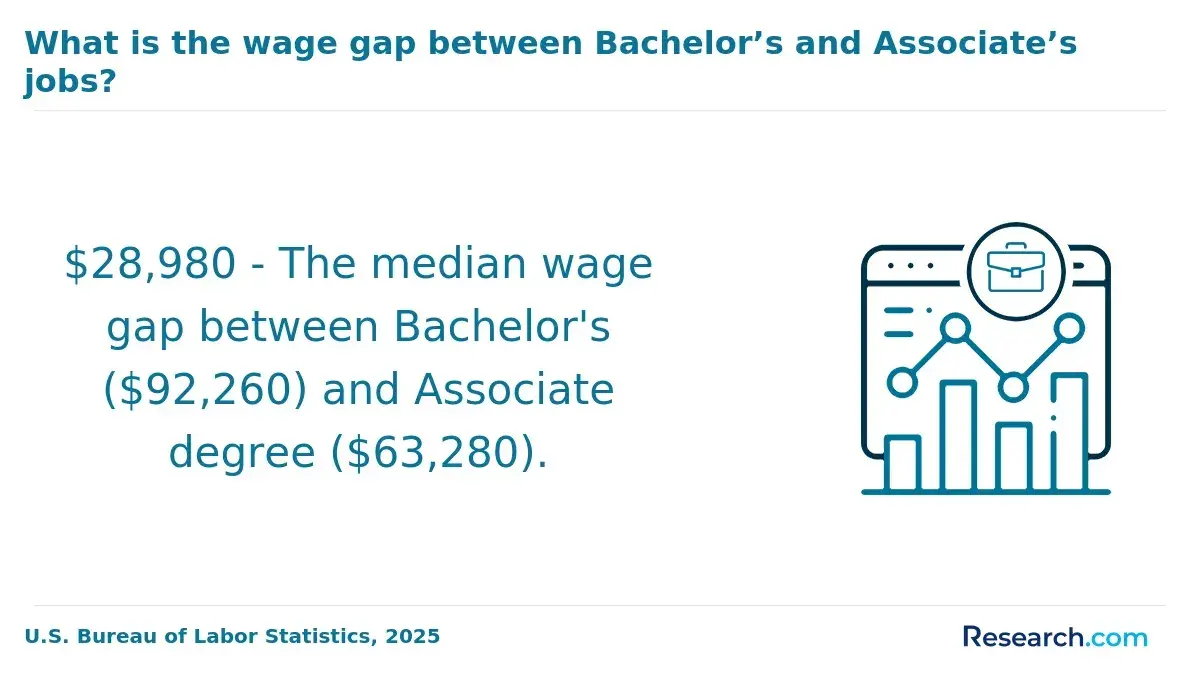
Graduates holding an online bachelor's in social & behavioral sciences with advocacy and service training often enter roles focused on direct client support and systemic intervention within nonprofit, governmental, and healthcare sectors. Positions such as mental health counselor assistants, social service caseworkers, community advocates, and program coordinators involve competencies in client assessment, crisis intervention, and resource coordination. These roles reflect practical employment realities rather than solely academic knowledge.
For instance, a mental health counselor assistant collaborates under licensed professionals to support individuals' psychological wellbeing by administering therapeutic activities and monitoring treatment outcomes. The median wage for mental health counselors was $59,160 in May 2024. However, entry-level roles commonly earn less, with growth driven by increased demand for community-based and mental health services.
Child and family advocacy roles require managing diverse client needs while interfacing with multiple agencies, demanding negotiation skills and system navigation. Many social and behavioral sciences jobs in advocacy and support necessitate additional certification or supervised experience due to varying state licensure requirements, which can delay direct employment.
Challenges in these careers include high caseloads and emotional strain, emphasizing the value of cultural competence, legal knowledge, and familiarity with social service technologies. Practical training empowers graduates for public health, correctional, and rehabilitation settings where advocacy and human services career opportunities are available. Exploring options for an online degree in psychology may complement foundational skills with a behavioral health focus.
What courses and specialization tracks are typically included in these online programs?
The practical value of an online bachelor's in social and behavioral sciences course list lies in its alignment with workforce demands and specialized competencies. Programs systematically combine interdisciplinary core courses on human behavior, ethics, research methods, and social policy with focused specialization tracks in areas such as social work, nonprofit leadership, community health advocacy, and criminal justice reform. Each track requires distinct skills, influencing the environments graduates typically enter. For instance, community health advocacy trains students in behavioral change models and demographic analysis to develop targeted health education, while criminal justice reform emphasizes legislative advocacy and restorative justice techniques.
Specialization tracks in US social and behavioral sciences programs are not interchangeable; career outcomes vary significantly based on chosen focus, with practical skills like case management, program evaluation, and grant administration factoring heavily into employability. Integration of experiential learning via virtual internships or service projects enhances communication and organizational skills essential to navigating complex community systems.
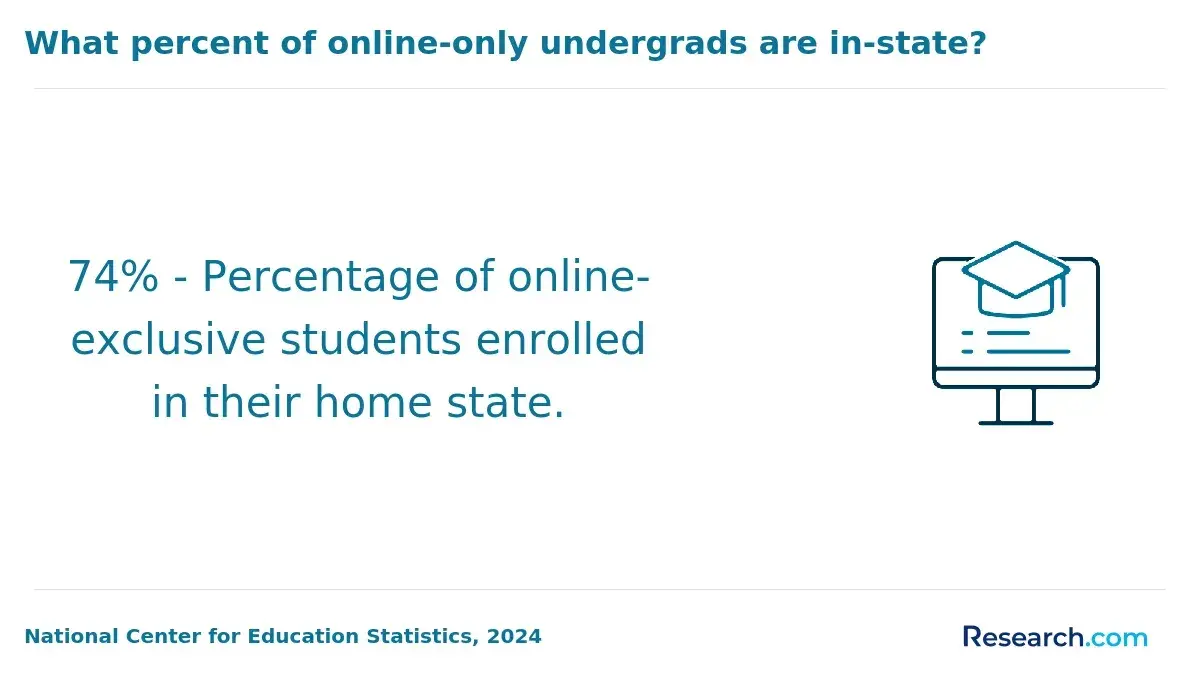
From a cost perspective, affordability affects access for working adults pursuing professional pivots. The average net price for online bachelor's degrees in social services and public administration was $4,340 for in-state students in 2019-2020. This balance of curriculum depth, practical demands, and cost efficiency directly impacts strategic educational decision-making.
Those evaluating degrees should consider how these factors correspond with employment goals, noting that hands-on experiences and specialized skill sets significantly influence readiness and market value. For broader options that align with location flexibility and role diversity, consult degrees for remote work.
How can students verify accreditation and program quality for online social and behavioral sciences degrees?
Verification of accreditation remains the primary indicator distinguishing credible online social and behavioral sciences degrees from superficial programs. Regional institutional accreditation confirms overall legitimacy, while specialized accrediting bodies, such as the Council on Social Work Education, address program-specific rigor vital for licensed professions. Prospective students should rely on official databases rather than institution claims to avoid outdated or misleading accreditation status.
Assessing program quality requires examining measurable outcomes: graduation and retention rates that signal academic support infrastructure; licensure exam passage rates that demonstrate qualification for regulated roles; and post-graduate employment within relevant sectors illustrating employer acceptance. For example, an individual shifting into government social work must prioritize programs aligned with state licensure processes and offering established internship or hiring pathways.
Financial factors are equally consequential. The average net price for online bachelor's degrees in social services and public administration was $7,547 for out-of-state students in 2019-2020, according to BestColleges. Programs with high tuition but weak placement or exam preparation prolong financial strain and delay workforce entry. Weighing cost against transparent outcome data is essential.
Furthermore, students should request granular program outcomes, review faculty credentials tied to professional standards, and ensure curricula reflect current social policies. This multidimensional review minimizes enrollment in outdated, overly theoretical programs disconnected from today's practical service delivery and advocacy demands.
What admission requirements do online social and behavioral sciences bachelor's programs usually have?
Admission to online bachelor's programs in social & behavioral sciences with advocacy and service components hinges less on standardized testing today and more on documented academic preparation and professional intent. While a high school diploma or GED with a minimum GPA near 2.5 remains standard, many institutions waive SAT/ACT requirements in favor of transcripts demonstrating foundational coursework in English and math.
Applicants aiming to pivot careers or deepen human services expertise should expect to submit personal essays articulating practical goals and social justice commitments. This is not mere formality; it directly correlates with readiness for internships and supervised service hours, which often require background checks that can delay program start dates if not completed on time.
Transfer credits matter significantly for working adults, but institutions typically cap acceptance near 60 semester hours to preserve academic rigor and accreditation standards. Offering detailed course descriptions during transfer evaluations helps avoid unnecessary extension of degree timelines-an important tradeoff for those balancing work and school.
Financially, the per-credit cost varies widely; for example, TheBestSchools.org notes programs as affordable as $289 per credit. Overlooking these real costs or operational admissions steps can hinder timely enrollment and limit employability in social work, policy, or advocacy sectors where regulatory licensure and practical experience weigh heavily.
How long do these online programs take to complete, and what schedules are available?
Online bachelor's programs in social & behavioral sciences vary significantly in duration and format, with direct consequences for workforce readiness. Full-time tracks typically span 3 to 4 years, while accelerated pathways reduce this to as little as 2.5 years by intensifying course loads or eliminating traditional breaks. Part-time options extend to 5 years or more, suiting working adults but risking outdated skillsets if experiential components are lacking.
Employers increasingly prioritize candidates who combine theoretical knowledge with applied advocacy and service experience. The 2025 National Association of Colleges and Employers survey found 83% of employers rate recent graduates as underprepared, mainly because of limited practical application.
Key programmatic tradeoffs include:
- Asynchronous delivery offers flexibility for those balancing employment or family but may reduce collaborative skill-building involved in advocacy.
- Synchronous sessions elevate real-time interaction, crucial for developing communication and service capability, but restrict scheduling freedom.
- Hybrid models that integrate online coursework with on-campus residencies or practicums provide hands-on exposure that correlates more tightly with employer expectations.
For working professionals targeting social services roles, a 3-year full-time online program with mandated service experiences strikes a balance between timely graduation and relevant skill development. Students prioritizing schedule flexibility should select programs that emphasize clear progress markers to prevent prolonged time-to-degree, which correlates with delayed labor market entry and diminished momentum.
What do tuition, fees, and financial aid options look like for these online degrees?
Online bachelor's degrees in social & behavioral sciences with advocacy and service training carry significant cost considerations beyond tuition lists. Credit-hour charges typically range from $250 to $600 at accredited institutions, with total program expenses often exceeding $30,000 and reaching upward of $50,000 depending on residency, credits, and institutional status. Unlike traditional on-campus programs, ancillary fees are often reduced or absent online, but students should still budget $50 to $300 per semester for technology or course materials.
Financial aid remains fundamental but frequently insufficient alone. Pell Grants form a critical foundation, yet they fall short of full costs, necessitating strategic supplementation through scholarships, state aid, or employer tuition reimbursement programs, which may require ongoing employment or academic performance commitments.
Moreover, employers emphasize practical experience: a 2025 survey by the National Association of Colleges and Employers found 59% prefer candidates with tangible volunteer or service-learning history. These unpaid commitments impose real costs in time and lost income, integral to evaluating program return on investment.
Employer hiring patterns often prioritize applied advocacy skills over academic credentials alone, incentivizing investment in programs with embedded practicum components despite higher tuition. Prospective students must weigh immediate financial burden against long-term employment positioning in the social & behavioral sciences domain, recognizing that degree selection influences not only cost but also workforce readiness.
What are the salary expectations and job outlook for advocacy and human services graduates?
Graduates with advocacy and human services education face a median annual salary near $77,030 when working as social and community service managers, according to May 2024 data from the U.S. Bureau of Labor Statistics. This median reflects candidates with relevant bachelor's degrees coupled with practical experience. Pay varies markedly across sectors: government, nonprofits, and healthcare organizations each provide distinct compensation frameworks. For instance, managers employed by large urban hospitals often earn notably more than those in smaller nonprofit agencies due to differences in funding sources and budget scale.
Employment growth in social and community service management is estimated at 8% from 2024 to 2034, outpacing the national occupational average. However, successful candidates must blend expertise in service delivery with skills in policy navigation, grant writing, and stakeholder coordination. Without this combination, advancing beyond entry-level positions becomes challenging even amid growing demand.
Professionals should anticipate volatility driven by nonprofit funding cycles and shifting public budgets. Maintaining job stability frequently requires active management of grants and government contracts, complete with thorough outcome reporting. Pursuing advanced credentials or specialized certifications can mitigate entry-level salary constraints and open doors to senior roles.
How should students choose a reputable online program that supports their advocacy career goals?
Effective pursuit of social & behavioral sciences programs demands prioritizing concrete outcomes tied to advocacy work within government, nonprofits, or community health environments. Accreditation by recognized agencies not only secures curricular rigor but also ensures employer and licensure acceptance, a baseline non-negotiable for students investing time and resources. Programs offering experiential components-virtual internships, service learning, or partnerships with advocacy organizations-bridge theory and applied skills, critical in social service roles. For instance, community mental health advocacy students benefit markedly from supervised fieldwork, a practical credential that aligns with a $49,830 median annual wage in social service occupations reported by the U.S. Bureau of Labor Statistics as of May 2024.
Focus on curricula emphasizing policy analysis, cultural competency, and ethical advocacy rather than general sociology or psychology theory. Flexibility, especially through asynchronous courses or accelerated tracks, is essential for working adults to maintain income streams without sacrificing progress. Metrics like retention, graduation, and post-graduation employment provide rare but invaluable transparency into program efficacy and real-world returns.
Support infrastructure, including career advising, networking, and pathways to specialized advocacy certifications, significantly affects long-term career advancement. Avoid programs lacking clear alumni outcomes or that lean heavily on abstract theoretical frameworks without practical application. Choosing an online bachelor's degree in social & behavioral sciences requires a rigorous vetting of education quality, employment trajectories, and workable schedules to optimize both career impact and personal commitments.
Other Things You Should Know About Social & Behavioral Sciences
Employers focus primarily on accreditation and relevant practical experience rather than delivery format. However, some human services employers value internship or fieldwork components more when earned through campus-based programs. For career entry or advancement in advocacy roles, prioritize programs with built-in practicum opportunities and strong employer connections.
Advocacy and service training requires hands-on skills that can conflict with theoretical coursework spread across multiple disciplines. Students often face a tradeoff between depth in advocacy methods and breadth in social science theory, which impacts both learning outcomes and resume focus. Opting for programs with clear integration between theory and applied advocacy practice clarifies skill development for employers.
Specialization tracks offer clearer skill sets aligned with specific advocacy fields, improving immediate employability in targeted areas. Conversely, broader programs provide flexibility for career shifts but may dilute practical training intensity. For professionals seeking direct advocacy roles, prioritizing focused tracks with service components delivers stronger job readiness and clearer professional identity.
References
- How Long Do eLearning Courses Take to Complete? https://www.elearningcollege.com/elearning-blog/how-long-do-elearning-courses-take-to-complete
- Human Services Careers | PublicHealthOnline.org https://www.publichealthonline.org/human-services/
- Are Online Degrees Accredited? How to Identify Quality Distance Learning Programs https://www.umassglobal.edu/blog-news/online-degrees-accredited-identify-quality-distance-learning-programs
- How to Choose the Right Online Business Program for Your Career Goals https://www.abms.ch/post/how-to-choose-the-right-online-business-program-for-your-career-goals
- What Careers Can You Pursue with a Human Services Degree? - Grace Christian University https://gracechristian.edu/blog/what-careers-can-you-pursue-with-a-human-services-degree/
- Best Online Behavior Psychology Bachelor's Degrees https://www.psychology.org/degrees/bachelors/behavioral-psychology/
- How to Choose the Best Specialization for Your Online Degree https://dsuonline.com/resources/blogs/how-to-choose-the-best-specialization-for-your-online-degree/
- B.S. Behavioral & Social Science - Bethel University Online https://ags.betheluniversity.edu/degrees/bs-bachelors-behavioral-social-science/
- Choosing an MPH Specialization - MPH Online https://www.mphonline.org/choosing-an-mph-specialization/
- An Online Course or Degree Can Help You Achieve Career Goals—Here’s How to Pick the Right One https://www.caliber8.sg/blog/2020/08/an-online-course-or-degree-can-help-you-achieve-career-goals-heres-how-to-pick-the-right-one