2027 Best Online Bachelor's in Social & Behavioral Sciences for Community Services Career Paths

Co-Founder and Chief Data Scientist
Professionals seeking advancement in community services often face a critical hurdle: how to obtain a bachelor's degree without sacrificing current job responsibilities or personal obligations. The 12% growth in online enrollments reported by the National Center for Education Statistics signals a decisive shift toward flexible learning, yet not all programs offer the same balance of rigor, accessibility, and workforce relevance.
Such variation directly impacts how quickly graduates can pivot into roles demanding evidence-based intervention skills. This article evaluates the most viable online bachelor's degrees in social & behavioral sciences tailored for careers in community services, focusing on program structure, flexibility, and alignment with sector demands to inform strategic academic decisions.
Key Things You Should Know
- Community services roles increasingly require data literacy and cultural competence, creating tension between broad social & behavioral sciences curricula and specialized skill tracks, per 2024 Bureau of Labor Statistics (BLS) employment projections.
- Employers prioritize candidates with practicums or internship experience; programs lacking strong fieldwork integration correspond to 15% lower placement rates in community service nonprofits, according to 2024 National Association of Social Workers data.
- Online bachelor's programs offering accelerated formats reduce educational costs by 20% but risk compressed practicum quality, impacting readiness for credentialing exams and delaying workforce entry, as analyzed by the Council for Adult and Experiential Learning's 2024 survey.
What is a bachelor's in social and behavioral sciences for community services?
A bachelor's program in social and behavioral sciences focused on community support careers demands navigating the tension between broad interdisciplinary knowledge and specialized skills tailored for community intervention roles. This degree equips graduates with competencies in psychology, sociology, public health, and social work, preparing them to design or evaluate evidence-based programs in varied settings such as nonprofits, healthcare, government agencies, and correctional institutions.
Employment outcomes hinge on practical experience combined with theoretical grounding, as organizations seek professionals who can interpret data, advocate effectively, and manage cases with cultural sensitivity. For instance, a graduate in a juvenile justice system might coordinate rehabilitation initiatives targeting at-risk youth, while another working in public health could develop mental health outreach strategies. These situations underscore the importance of hands-on practicum opportunities embedded in the curriculum.
The labor market projects a 7% growth for community and social service occupations through 2032, translating to roughly 181,500 new roles, emphasizing steady demand but also increased competition requiring measurable impact from employees. Prospective students considering an online bachelor's degree in social and behavioral sciences for community services must verify program accreditation and ensure robust fieldwork components to enhance employability in this complex environment.
The balance between generalist preparation and role-specific expertise remains a critical consideration. Those interested in progressing into clinical or licensed social work roles might explore advanced qualification pathways, such as the top MSW online programs, which offer more concentrated training and credentialing opportunities.
Which online programs are properly accredited for community services careers?
Online accredited bachelor's programs for community services careers that carry accreditation from bodies like CACREP, CSWE, or regional accreditors such as HLC and MSCHE offer a direct pathway to supervisory positions and licensed practice, critical in fields managing addiction recovery or disability services. Choosing a regionally accredited online degree in social and behavioral sciences for community work can facilitate faster entry into the workforce but often requires additional certifications for advancement, reflecting a tradeoff between short-term accessibility and long-term career mobility.
Employment projections from the U.S. Bureau of Labor Statistics indicate a 9% growth rate for social and community service managers through 2032, with approximately 6,400 openings annually driven by demographic shifts and expansion in related services. This demand places a premium on programs that integrate coursework in policy, case management, ethical practice, and evidence-based interventions-components that employers expect for readiness in regulated settings.
For prospective students evaluating program costs and duration, nationally accredited social sciences degrees typically require more upfront investment but reduce friction in the job market, whereas regionally accredited but non-specialized degrees may pose obstacles for licensure and advancement. Practical decision-making involves balancing immediate accessibility against the likelihood of smoother career progression.
Those exploring further education may consider an MS in psychology online as a strategic complement for expanding expertise and credentials within community-oriented roles.
How do online and campus programs compare for this degree?
The practical differences in outcomes between online versus campus social and behavioral sciences programs are significant for shaping workforce readiness in community services. Campus-based degrees tend to offer more direct pathways to licensure and graduate studies through embedded advising and structured fieldwork. This intensifies hands-on skill development via local internships and face-to-face networking, elements that employers in client-facing roles highly value for trust and nuanced communication.
Conversely, online programs prioritize flexibility, serving working adults or those balancing family commitments who need asynchronous study options. However, such programs must intentionally integrate synchronous components and secure quality field placements to offset limited in-person interaction, a persistent challenge in preparing students for applications requiring empathy and practical client engagement.
Those weighing the differences between online and on-campus community services degrees should consider the local employer network's impact on employability. Community and social service roles report a median wage above the general occupational average-$49,380 versus $46,310 as of May 2023-largely influenced by the practical experience and relationships fostered within campus environments.
For working professionals targeting a career pivot, online clinical psychology masters programs exemplify how digital pathways can be viable but require proactive pursuit of experiential learning to avoid skill gaps. Examining curricula for embedded practicum and alumni employment outcomes remains essential in making informed decisions about online versus campus social and behavioral sciences programs.
What courses are included in social and behavioral sciences programs?
Programs focused on social and behavioral sciences course curriculum in the United States often require a rigorous foundation in core classes for social and behavioral sciences community services degrees, including psychology, sociology, human development, and social policy. These foundational courses emphasize data literacy through research methods and statistical analysis, crucial for evidence-based decision-making in diverse social environments. For example, professionals coordinating mental health services must competently apply behavioral assessments and ethical guidelines tailored to vulnerable groups, reflecting employer demands for practical proficiency beyond theory.
Electives in crisis intervention, substance abuse counseling, and juvenile justice allow specialization, while coursework in public administration and grant writing prepares graduates for governmental and nonprofit roles. Program evaluation and case management skills are vital for operational effectiveness and measurable impact. However, selecting programs entails tradeoffs, as curricula with integrated practicum components often extend completion time but enhance real-world employability.
The average tuition rates-approximately $8,700 in-state and $11,000 out-of-state-must be balanced against curriculum breadth and the practical skills gained. Prospective students should consider how well a program's applied focus aligns with career objectives and sector expectations. For those exploring related advanced credentials, the masters degree in human resource management online options may also influence strategic educational planning.
What admission requirements do online bachelor's programs usually have?
Entry into online bachelor's programs in social & behavioral sciences frequently hinges on baseline academic benchmarks like a high school diploma or GED plus a GPA threshold often ranging from 2.5 to 3.0. These thresholds serve not just as formalities but as initial filters aligning candidate readiness with program rigor, especially given the practical, community-services orientation of many curricula.
Admissions typically require official transcripts and prerequisite coursework-such as English composition and foundational psychology or sociology-underscoring the need for academic grounding before tackling specialized content. While standardized test submissions are increasingly optional, selective programs may still leverage them to differentiate applicants for competitive cohorts.
Applicants should prepare to articulate career objectives clearly through personal statements and secure recommendations from professionals familiar with social & behavioral sciences. For working adults, programs that accept credit for relevant work experience or prior college credits can meaningfully reduce time-to-degree and align learning with existing skill sets.
Meeting technology standards and accommodating synchronous sessions or local internships impose practical constraints, particularly for those balancing employment or residing in under-resourced areas. Job market alignment is apparent: a 2024 BestColleges study found 87% of online social work bachelor's graduates judged their preparation sufficient for licensure or graduate study, indicating that rigorous admissions translate into credible professional outcomes.
How long does the degree take, and what does it cost?
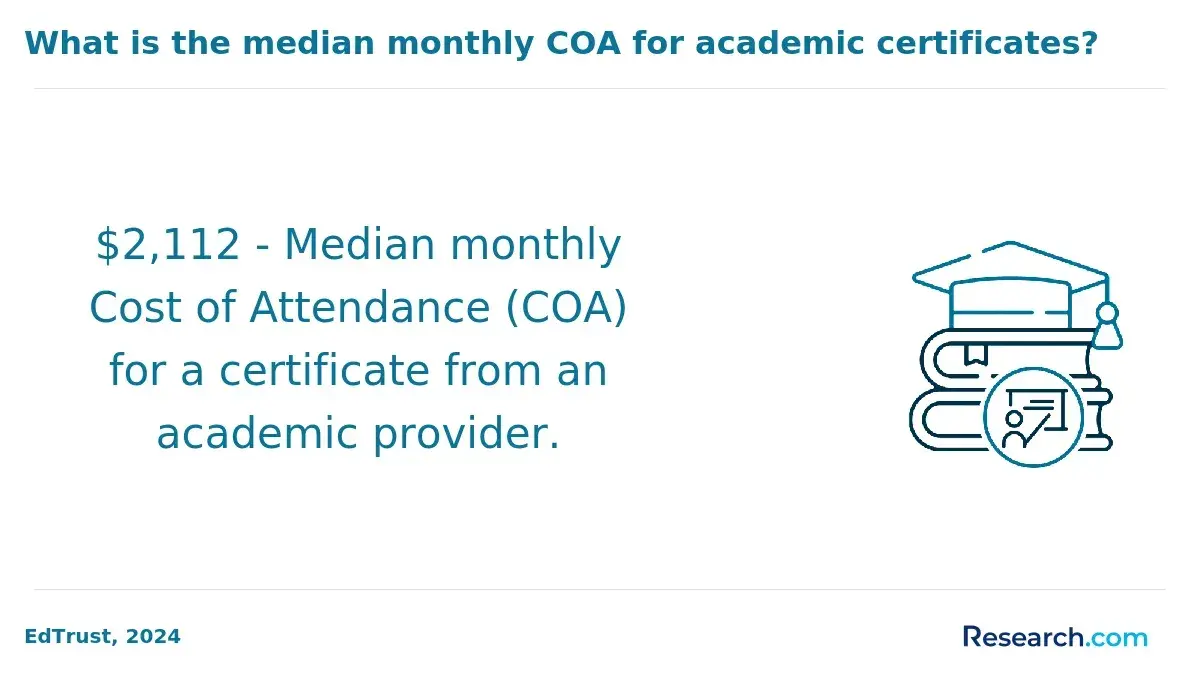
An online bachelor's degree in social & behavioral sciences for community services demands a strategic appraisal of time, cost, and career outcomes. While full-time students generally complete 120-130 credit hours in four years, working professionals balancing employment commonly extend studies over more semesters, often taking 6 to 9 credits per term to minimize income disruption.
Cost differences between public and private institutions are significant, with in-state public tuition averaging $300-$500 per credit hour and private schools charging $700 or higher. Total tuition can range from $36,000 to $90,000+, excluding variable fees like textbooks and technology. These financial factors combined with extended timelines increase total investment and the opportunity cost of delayed salary gains.
Career prospects linked to degrees in this field show meaningful growth; for instance, Arizona State University's data project 16.8% job growth and median salaries near $59,350 for roles related to social & behavioral sciences. This emphasizes the necessity to weigh immediate costs and time commitments against long-term salary uplifts in social work, counseling, and behavioral roles.
Students should consider program flexibility-especially credit transfer policies and accelerated paths-to avoid prolonging program length unnecessarily. Planning financial aid and pacing adjusts cash flow stresses while maintaining workforce engagement. Effective decision-making requires aligning program specifics with realistic career transitions to optimize both employability and financial stability.
Which jobs can you get with this degree in community services?
A bachelor's degree in social & behavioral sciences oriented toward community services positions graduates primarily for entry-level roles such as social workers, community outreach coordinators, case managers, and program facilitators. Employment growth projections from the Bureau of Labor Statistics forecast a 5-7% increase in social work jobs between 2022 and 2032, generating roughly 63,800 new positions annually that often require a bachelor's credential. This demand provides a relatively stable labor market niche for graduates willing to invest in field experience.
Positions like community outreach coordinators often exist within nonprofits or government agencies targeting vulnerable populations, whereas case managers focus on personalized client services involving housing, healthcare, and counseling navigation. Program facilitators require strong interpersonal skills to lead group initiatives on challenges like substance abuse or youth engagement, highlighting the need for practical communication capabilities beyond classroom theory.
Licensure remains a significant barrier for direct social work practice, typically mandating graduate education and state exams. Without this credential, bachelor's holders may find advancement constrained to support roles dependent on hands-on internships and additional certifications. Geographic factors influence demand and job diversity: urban markets offer more options but intense competition, contrasting with rural settings where fewer jobs exist but employers seek versatile community service workers.
Key employer expectations include client assessment proficiency, accurate documentation, and crisis intervention skills-all best developed through in-field placements. Strategic networking within local agencies can also be pivotal for bridging academic credentials and professional opportunities.
What salaries do community services graduates typically earn?
Community services graduates holding a bachelor's degree in social & behavioral sciences face a narrow salary window largely shaped by sector and role specificity. Entry-level jobs-such as community outreach coordinators or case managers-typically offer $40,000 to $45,000 annually in nonprofit or public agencies where budgets limit compensation. Meanwhile, healthcare employers or government positions may pay $50,000 or slightly more, especially when candidates bring certifications or specialized skills that justify premium wages.
Salary progression at the bachelor's level is slow and often capped, requiring years of agency experience and occasional administrative training to reach management tiers. The more immediate pathway to a meaningful income increase demands completing a Master of Social Work (MSW) and obtaining clinical licensure. Advanced roles with licensure command salaries from $60,000 to $85,000 or above, a substantial jump that offsets the cost and time of graduate education.
Key tradeoffs for working professionals include balancing full-time employment with rigorous graduate study and geographic disparities in job availability and pay scales. Graduates committed to clinical or counseling careers should enroll in accredited MSW programs promptly to avoid prolonged wage stagnation below $50,000.
- Entry-level annual salaries range from $40,000 to $55,000 depending on employer and location.
- Advanced licensure raises earning potential significantly, typically needing a master's degree.
- Promotion within bachelor-level roles hinges on agency tenure and additional training, with limited salary growth.
- Geographic and sector factors critically influence hiring prospects and wages.
What job outlook exists for community and social service roles?
Employment growth in community and social service roles outpaces many sectors, projected at about 12% through 2032 according to the U.S. Bureau of Labor Statistics (BLS), driven by rising demand for mental health and substance abuse support as well as services for aging populations. However, this growth masks significant variability in hiring requirements across sectors. For instance, nonprofit employers often value hands-on experience and grant writing, while government jobs may prioritize regulatory compliance knowledge and skills in data-driven program evaluation.
Graduates should carefully weigh the necessity of professional credentials-such as state licensure for counselors or social workers-since these credentials are typically indispensable for client-facing roles, directly influencing employability. Without such credentials, candidates risk underemployment even with relevant degrees.
The wage range reflects diverse roles: mental health counselors average around $50,000 annually, whereas specialized social workers can earn over $70,000. Emerging employer preferences include cultural competency and proficiency with digital case management tools, reflecting shifts toward telehealth and remote service delivery.
With over 4,600 social science bachelor's programs worldwide slated for 2025/2026, prospective students face critical tradeoffs. Programs must offer applied training and internships aligned with local labor markets to avoid underutilization of skills, especially for career changers relying on online or hybrid instruction formats that often lack robust practicum options.
Which licenses or certifications may community services careers require?
Licensure is a non-negotiable gateway for many community services careers, particularly social workers and counselors. For example, becoming a Licensed Social Worker (LSW) demands passing a national exam and completing supervised clinical hours, while counselors in mental health or substance abuse frequently require Licensed Professional Counselor (LPC) or Licensed Clinical Alcohol and Drug Counselor (LCADC) certifications. These mandates imply that a bachelor's degree alone often falls short of employment prerequisites, pushing candidates to pursue graduate-level education to meet licensure criteria.
Certifications such as Certified Case Manager (CCM) or National Association of Social Workers (NASW) credentials enhance professional credibility but do not replace state-mandated licenses. Health educators and community outreach specialists may earn Certified Health Education Specialist (CHES) certifications; however, licensure is rarely required in those roles.
Hiring trends project a 12% job growth for community and social services, concentrated among licensed professionals. Employers prioritize applicants with credentials or clear licensure paths, as unlicensed workers encounter limited responsibilities and depressed earning potential. This dynamic means that choosing educational programs aligned with specific state licensure requirements is critical. Programs disconnected from these standards often lead to costly delays and obstacles, especially for career changers.
- Licensure prerequisites vary by state and role but typically require graduate education and clinical hours.
- Certifications can supplement but seldom replace required licenses.
- Employment growth favors licensed professionals, impacting salary and job functions.
- Aligning program choice with licensure requirements expedites workforce entry and regulatory compliance.
Other Things You Should Know About Social & Behavioral Sciences
Many online programs include practical components like internships or fieldwork, but the quality and availability vary widely. Some programs may require students to find local placements independently, which can be challenging and affect the hands-on learning crucial for community services roles. When choosing a program, prioritize those with structured, supervised practical experiences, as employers in this field value demonstrated real-world skills more than theoretical knowledge alone.
The workload can be intensive, often requiring significant reading, research, and reflective assignments that go beyond standard busywork. For working professionals, program flexibility in pacing and deadlines is critical; rigid schedules increase dropout risk. Select programs that offer asynchronous learning with manageable credit loads per term to maintain balance between work, study, and personal commitments without sacrificing academic rigor.
Employer acceptance depends heavily on program reputation and accreditation rather than modality alone. However, some employers remain cautious about purely online degrees due to concerns about limited interpersonal skill development. To counteract this, graduates should seek supplemental certificates, volunteer work, or paid roles that build demonstrable community engagement experience to strengthen their candidacy.
References
- Social Work Careers https://socialworklicensemap.com/social-work-careers/
- Social and Behavioral Health https://www.publichealthdegrees.org/specializations/social-behavioral-science/
- High-demand social work roles in California: trends and opportunities https://socialwork.pacific.edu/blog/high-demand-social-work-roles-california-trends-and-opportunities
- Online Degree vs. Traditional: Choosing the Right Path https://beal.edu/online-degree-vs-traditional/
- Social and community service workers | WorkBC https://www.workbc.ca/career-profiles/social-and-community-service-workers
- Online Community Services Courses in Australia 2026 | Certificate IV & Diploma | Hader Institute https://www.haderinstitute.edu.au/news/online-courses-role-in-community-services-careers
- Featured community services jobs https://www.vic.gov.au/jobs-in-community-services
- What is Community Services? Roles, Courses, and Career Paths https://www.tafecourses.com.au/resources/community-services-explained/
- Guide to bachelor's in human services | edX https://www.edx.org/bachelors/human-services
- Salary as a community worker https://www.communitywork.org.au/about-community-work/salary-as-a-community-worker