2027 Best Online Bachelor's in Social & Behavioral Sciences for Community-Focused Career Paths

Co-Founder and Chief Data Scientist
Facing an inflexible work schedule and limited local program offerings, many aspiring professionals in social & behavioral sciences struggle to find online bachelor's degrees that truly align with both career ambitions and real-life constraints. According to the National Center for Education Statistics, over 40% of undergraduates now enroll exclusively in online courses-a shift driven largely by adult learners balancing jobs and families.
This trend signals a deeper need for accessible programs that deliver credible social & behavioral sciences training without sacrificing academic rigor or future mobility. This article evaluates top online bachelor's options designed to address these challenges, helping readers pinpoint pathways that match their community-focused career goals and scheduling realities.
Key Things You Should Know
- With a median wage of $48,660 for social scientists in 2024, according to the U.S. Bureau of Labor Statistics, graduates face a tradeoff between specialized expertise and broader employment opportunities in community-focused roles.
- Employers increasingly expect proficiency in data analytics alongside social and behavioral sciences knowledge, making programs lacking quantitative training less competitive for advancement in community-based agencies.
- Average bachelor's degree completion times have extended to 4.8 years nationally, raising direct and opportunity costs; accelerated online options can reduce debt but may constrain deeper field immersion essential for community trust-building.
What is an online bachelor's in social and behavioral sciences and who is it for?
An online bachelor's degree in social and behavioral sciences aims to prepare students for community-centered roles by combining knowledge of human behavior, social systems, and psychological frameworks. Those who should pursue a social and behavioral sciences online bachelor's are often balancing professional or family responsibilities and seek flexible learning tailored for career pivots into social work, counseling, or public health assistance.
Graduates typically gain skills critical for employment in nonprofit agencies, government programs, and healthcare, including research methods and communication across diverse populations. However, practical barriers exist: securing remote internships or community placements is essential to meet employer expectations for hands-on experience and cultural competence.
Labor market data project a 9.5% growth in community and social services occupations over a decade, driven largely by expanding mental health and substance abuse services. Yet, this degree's broad foundation may necessitate additional certification for specialized clinical or licensed social work roles, requiring a careful cost-benefit evaluation by prospective students.
Program selection should emphasize not just accreditation but also availability of applied learning options that align with targeted job functions. Working professionals will find foundational exposure in sociology, political science, and psychology beneficial for easing transitions from unrelated careers.
For insights on related fields, consider reviewing the best colleges for social media marketing, which blend communication and behavioral knowledge in evolving digital domains.
How do online social and behavioral sciences programs differ from campus-based options?
Choosing between online social and behavioral sciences programs vs campus-based options involves weighing distinct tradeoffs in experiential learning and professional networking. Campus programs typically offer structured access to face-to-face mentorship, on-site practicums, and community partnerships that foster interpersonal skills essential for social work and related fields.
In contrast, online formats rely on asynchronous learning and digital interaction, which limits real-time engagement but provide significant flexibility for working adults or those juggling family commitments. This flexibility often enables faster degree completion or simultaneous employment in community-focused roles, yet it may require students to independently secure local internships to meet practicum requirements and build professional networks.
Employers recognize online degrees more than before but prioritize candidates with effective fieldwork and interpersonal competence-qualities often cultivated through campus-based hands-on training. Labor market forecasts project a 6% growth in social worker employment from 2024 to 2034, emphasizing practical experience as critical for employability.
Those evaluating flexibility and curriculum differences in social and behavioral sciences degrees should consider balancing self-discipline for remote learning against the enriched direct contact and resources in campus settings. For insights on cost-effective graduate options within this sphere, prospective students can explore online psychology master's programs.
Which accredited schools offer reputable online bachelor's in social and behavioral sciences?
Choosing accredited online bachelor's programs in social and behavioral sciences involves navigating state authorization restrictions and varying program rigor, factors that directly affect credit transfer and employability. Flagship public universities, regional state institutions, and nationally recognized private schools meet criteria set by regional accrediting bodies such as the Higher Learning Commission or Southern Association of Colleges and Schools.
These standards ensure curriculum relevance and practical skill development in areas like community engagement and applied behavioral science, which align with employer demands for program evaluation, data-informed decisions, and culturally competent outreach. Students should scrutinize programs offering both synchronous and asynchronous options coupled with experiential learning to prepare for roles requiring immediate community impact.
Career services and alumni networks specializing in community and human services markedly improve job placement outcomes, an important consideration for working professionals seeking to pivot or advance. State authorization constraints may limit internship or licensure opportunities, which in turn impacts geographic flexibility and career options.
Salary trends reveal social and community service managers earn a median of $79,310, with the top 10% exceeding $126,650-indicative of leadership roles in nonprofits and government sectors. Evaluating practical tradeoffs becomes critical when comparing programs to more specialized options such as forensic psychology master's programs, which may open different career pathways.
The best online schools for social and behavioral sciences degrees provide nuanced, outcomes-focused curricula that reflect market realities rather than generic academic offerings.
What courses and concentrations are typically included in these online bachelor's programs?
Choosing an online bachelor's in social and behavioral sciences curriculum involves more than completing foundational courses like psychology and sociology; it requires evaluating how specific concentrations align with regional workforce demands and employer expectations. For instance, a community-focused social and behavioral sciences degree concentrations in public health directly connect graduates to a labor market exceeding 3.7 million community and social service workers.
Programs typically mandate quantitative research and statistics, ensuring graduates interpret behavioral trends with evidence-based rigor. However, students often underestimate the importance of practicum or internship components that translate theoretical knowledge into practical capabilities-this gap can hinder employability despite comprehensive coursework. Students juggling work and study must assess program flexibility carefully.
Key skills gaining employer traction include data literacy and cultural competency, particularly given diverse community settings and evolving policy frameworks. Students pursuing this pathway should also consider specialized program formats, such as accelerated mental health counseling programs online, to expedite credentialing and entry into high-demand roles.
Ultimately, prospective students should balance course rigor, applied experience, and concentration outcomes to ensure their education matches targeted career trajectories within social and behavioral sciences.
What admission requirements and prior experience do programs expect from applicants?
Admission to online bachelor's programs in social & behavioral sciences primarily measures readiness for analytic and critical coursework rather than prior domain-specific experience. Most require a high school diploma with a GPA around 2.5 to 3.0. While some still consider SAT or ACT scores, many waive these as admissions priorities shift. Applicants with practical experience in nonprofit, social services, or public health settings tend to outperform peers due to stronger engagement and clearer career focus.
For working professionals aiming to pivot from unrelated backgrounds, relevant work experience can sometimes substitute for formal prerequisites, but awareness of additional course requirements-such as statistics or psychology-is essential, especially for those targeting counseling or policy research roles.
Employers increasingly value measurable community-based involvement that complements academic credentials, influencing hiring in social service and research sectors. This creates a tradeoff for applicants: investing time in internships or practicums during studies can significantly enhance employability post-graduation, especially given the rapidly expanding pool of over 4,600 global bachelor's programs highlighted by educations.com in 2025.
Balancing entry barriers with career timelines demands careful program selection to avoid delays or misaligned qualifications. Prospective students should critically assess how programs integrate experiential learning opportunities and how these align with targeted workforce expectations.
How long do online social and behavioral sciences degrees take and what do they cost?
Length and cost are critical factors shaping returns on an online bachelor's degree in social & behavioral sciences. The standard curriculum demands 120 to 130 credit hours, typically spread across 3 to 4 years of full-time study. For working professionals, extending this timeline to 5 years can ease income maintenance but prolongs tuition payments and delays full credential activation.
Accelerated options exist, trimming completion to about 2.5 years. However, these intensify semester credit loads, increasing stress and limiting work-life balance-a notable consideration since employer expectations often prioritize sustained performance alongside education.
Tuition per credit generally stays under $300 at respected programs, with examples like Appalachian State University at $204 and Charter Oak State College at $329. Such rates align with a total degree cost of roughly $40,000 to $45,000, balancing affordability with academic rigor.
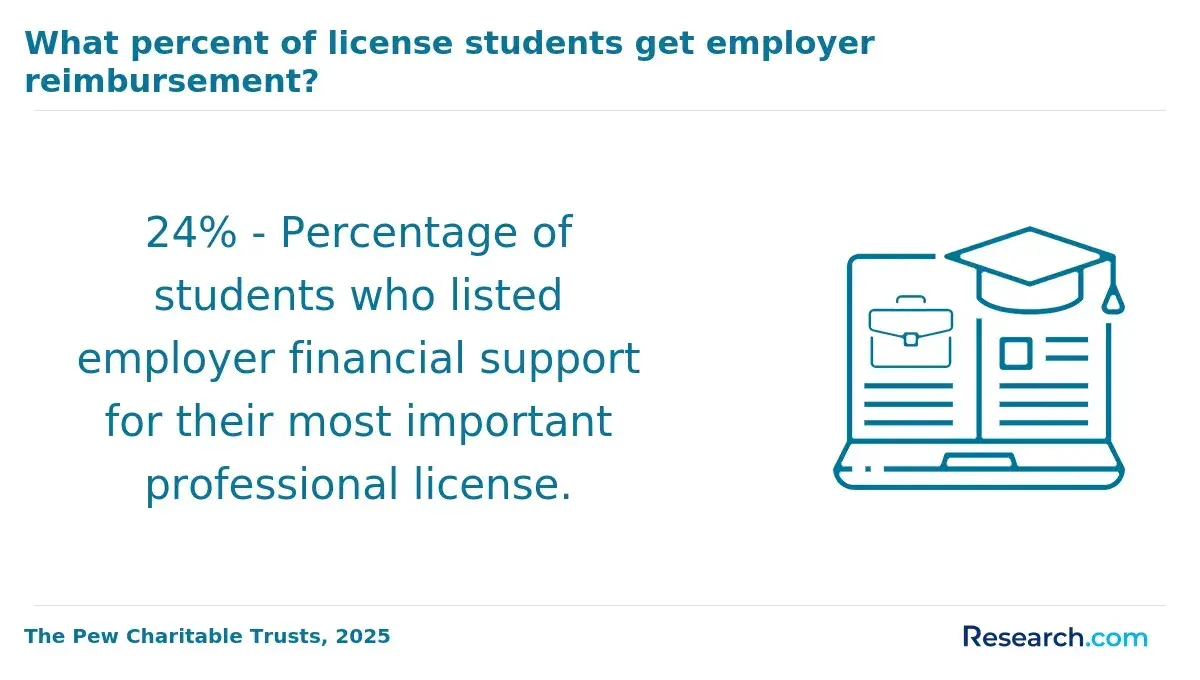
Prospective students should weigh these tradeoffs: a recent graduate might favor speed amid higher short-term financial pressure, while a mid-career professional may opt for pacing that sustains employment. Additional factors like financial aid, employer reimbursement, and residency status further influence net costs and long-term feasibility.
Ultimately, the decision impacts how swiftly and economically one pivots into roles demanding social & behavioral sciences expertise, with real workforce implications revolving around time, financial planning, and practical workload management.
What community-focused careers can you pursue with this online bachelor's degree?
The decision to pursue an online bachelor's in social & behavioral sciences often hinges on balancing entry-level earnings against the mid-career leadership potential within community-focused sectors. Positions like social and community service managers are expected to grow 9% through 2032, outpacing average management occupations, which signals a favorable labor market for graduates equipped with both academic knowledge and practical skills.
Typical roles extend beyond management to include community outreach coordinators and public health educators, where applied behavioral insights inform program design and policy analysis. Success in these roles depends heavily on competencies often absent in purely academic tracks, such as grant writing, data-driven evaluation, and hands-on experience through internships or volunteer work.
Employers prioritize candidates who demonstrate soft skills like communication and conflict resolution, as supervisory responsibilities emerge relatively quickly. This creates a tangible tradeoff: students must accept lower starting salaries common in social sciences in exchange for gaining leadership capabilities and upward mobility over time.
Choosing an online program that emphasizes community-based research methods and policy evaluation is critical to ensuring practical relevance. Graduates should anticipate ongoing professional development to adapt to evolving community needs and maintain competitiveness for expanding leadership roles.
What are typical salaries and job outlook for social and behavioral science graduates?
Entry-level salaries for social and behavioral science graduates range roughly from $40,000 to $55,000 annually, varying by role and location, with mid-career positions in community-focused jobs reaching $60,000 to $75,000. Moving into supervisory or program management roles can push compensation beyond $80,000, though these shifts often require additional certifications or experience.
The field projects a 10% growth rate through 2032, outpacing many others, but opportunities increasingly value proficiency in hybrid and digital service models. For instance, over 60% of clients in behavioral health and social service sectors engage via telehealth or remote counseling. Professionals skilled in telecommunication platforms and remote client engagement significantly improve their employability, particularly within community settings.
Graduates should weigh the tradeoff between mastering traditional engagement methods and acquiring digital fluency to remain competitive. Wage and advancement trajectories differ by sector:
- Public social services and nonprofits provide stability but often offer lower salaries and slower progression.
- Healthcare-related social work roles typically yield higher pay, boosted by digital health integration.
- Corporate social responsibility and government roles may prioritize advanced credentials, affecting promotion speed.
Maintaining currency with technological tools and evidence-based digital interventions is essential, as employers increasingly expect a hybrid skill set that balances community engagement with telehealth competencies.
Are any licenses or certifications required for community-focused roles in this field?
Licensure remains a decisive factor for meaningful roles involving clinical intervention in healthcare, mental health, and substance use within social & behavioral sciences. For example, becoming a Licensed Clinical Social Worker (LCSW) mandates obtaining a Master of Social Work (MSW) plus supervised clinical hours, a requirement unattainable with just a bachelor's degree. This delineates the bachelor's degree as foundational rather than terminal for direct service roles.
Positions emphasizing case management, outreach, or program facilitation often lack formal licensure mandates but commonly require certifications such as Certified Case Manager (CCM) or substance abuse counseling credentials. These certifications enhance employability but do not substitute for licenses needed in treatment or diagnosis roles.
Employers typically restrict clinical responsibilities to those holding valid licenses, limiting bachelor-level holders to support or administrative functions. Without licensure, upward mobility in clinical social & behavioral sciences is severely constrained. Projected job growth of 10% to 15% in healthcare and behavioral fields underscores the strategic advantage of licensure, which is not merely procedural but a career inflection point.
Prospective students must assess their career intentions early, as post-bachelor graduate education and supervised practice are unavoidable for clinical pathways. Conversely, targeted non-clinical certifications require alignment with employer demands in community-focused roles.
How can you evaluate and choose a high-quality, accredited online program?
Accreditation status is the single most reliable indicator of a program's credibility and credit transferability, with regional or national recognition by bodies such as the Higher Learning Commission essential for ensuring academic rigor. Programs requiring 40-60 credit hours in behavioral science fundamentals typically align well with employer expectations across sectors including healthcare, education, business, and social work, offering versatility beyond traditional human services roles.
For example, healthcare employers hiring behavioral specialists favor candidates with clinical or project management experience integrated into the curriculum, rather than purely theoretical training. Students should evaluate whether programs emphasize research methodologies and statistics-which open pathways into data-driven roles-or prioritize policy and community engagement for direct-service careers.
Consider also how asynchronous versus synchronous online formats impact your ability to maintain employment while studying. Access to career support services, internship facilitation, and technology resources markedly influence degree completion and labor market readiness.
Programs lacking verified graduate employment data or employer partnerships pose higher risk for those seeking measurable returns on investment and true career pivots. Prioritize degrees with transparent outcomes data from independent sources dated 2024 onward. This approach ensures alignment with current labor demands and reduces the chance of investing in credentials with limited practical applicability.
Other Things You Should Know About Social & Behavioral sciences
Accreditation is crucial when selecting an online bachelor's program in social & behavioral sciences because it ensures the program meets high educational standards. Accredited programs are often more respected by employers and necessary for transferring credits or pursuing advanced degrees.
Employers in community-focused social & behavioral sciences roles prioritize candidates with applied skills over purely theoretical knowledge. Programs that integrate internships, community projects, or capstone experiences provide a competitive advantage by demonstrating real-world problem-solving ability. When choosing a degree, selecting programs with mandatory experiential components improves job readiness and reflects directly on employment outcomes.
Not all online social & behavioral sciences degrees equally prepare students for leadership in community settings. Leadership development requires curriculum elements such as organizational behavior, program evaluation, and policy analysis, which some programs may neglect. Graduates aiming for supervisory or strategic roles should prioritize degrees that emphasize these skills and offer opportunities for collaborative projects and communication training.
Accelerated online programs can finish in less time but often reduce opportunities for in-depth study or experiential learning, potentially limiting skill acquisition. Conversely, longer programs might incorporate more comprehensive coursework and practical training but require a greater time commitment and delayed entry into the workforce. Students must evaluate their career timeline and learning needs to balance speed versus depth effectively.
References
- Community Services Jobs | Roles Available & Qualifications https://www.careersatcouncil.com.au/community-services/
- Bachelor’s in Psychology Programs Online https://www.onlinemswprograms.com/careers/social-work-vs-counseling-vs-psychology/ba-psychology/
- Answering 8 Common Questions About Grad School Requirements https://www.umassglobal.edu/blog-news/answering-8-common-questions-grad-school-requirements
- What do medical schools actually want? | Projects Abroad US https://www.projects-abroad.org/blog/tips-for-applying-to-med-schools/
- How to Select the Best Accredited Online High School - Sunbeam World https://sunbeamworldschool.com/blog/how-to-select-the-best-accredited-online-high-school/
- Bachelor’s Behavioral Science Degrees | University of Phoenix https://www.phoenix.edu/online-behavioral-sciences-degrees/bachelors.html
- Online Social Work Degree | Programs And Career Options https://www.learnhowtobecome.org/best-online-bachelors-in-social-work-degree-programs/
- Most Popular Online Degrees https://www.affordablecollegesonline.org/college-resource-center/most-popular-online-degrees/
- Predicted Results Do Not Match University Entrance Requirements:... https://www.euruni.edu/blog/predicted-results-do-not-match-university-entrance-requirements-what-to-do/
- How to Start a Community Services Career in WA: Your 2026 Guide - Insight Training https://insight.edu.au/blog/how-to-start-a-career-in-community-services/