2027 RN to BSN vs Direct Entry MSN: Which Path Fits You Best?

Co-Founder and Chief Data Scientist
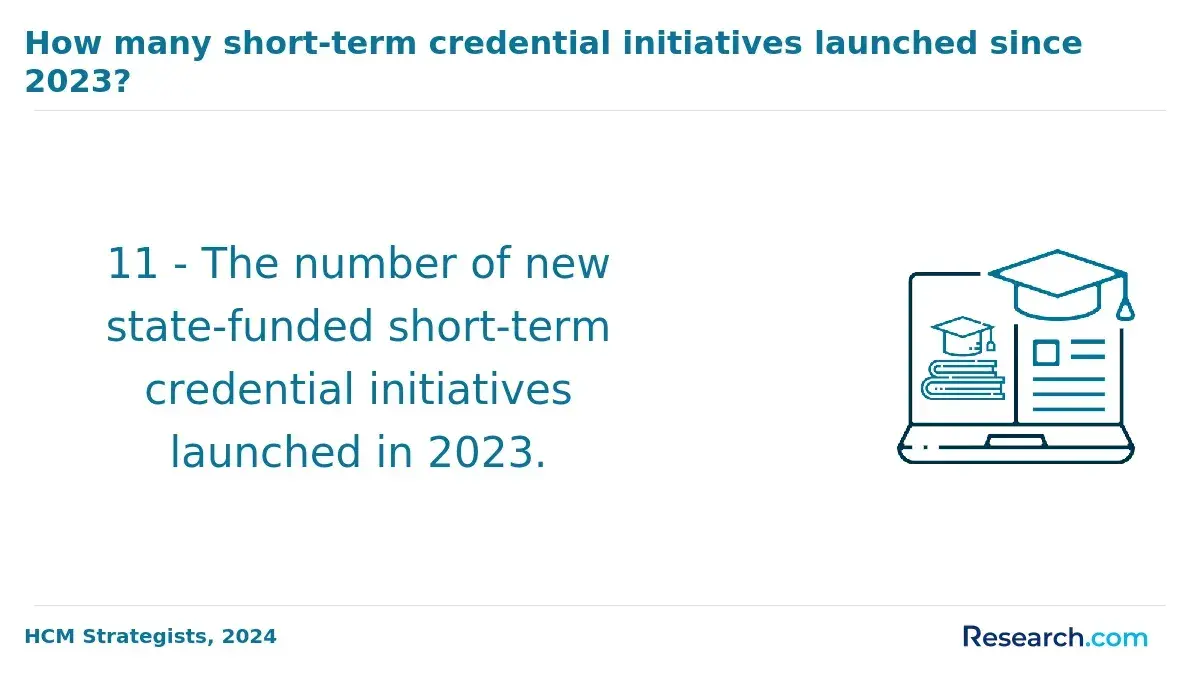
Choosing between finishing an RN to BSN program or entering a direct entry MSN pathway often confronts nurses with critical timing and career trajectory dilemmas. The U. S. Department of Education recently reported a 19% increase in online nursing program enrollments, largely driven by adult learners balancing work and family obligations. This trend highlights the growing need for flexible program structures that align with professional demands and accelerate career mobility.
Yet, program length, clinical requirements, and future specialization opportunities vary widely, impacting both employability and debt load. This article compares RN to BSN and direct entry MSN routes to clarify which suits different professional and personal priorities best.
Key Things You Should Know
- The median cost for RN to BSN programs averages 40% less than direct entry MSN tracks, but the latter condenses time-to-MSN by nearly 30%, impacting early career earnings and loan debt duration.
- Data from the U.S. Bureau of Labor Statistics shows 65% of hospital employers prioritize BSN-prepared nurses for entry-level roles, whereas MSN degrees correlate with a 25% higher likelihood of leadership placement within five years.
- Direct entry MSN candidates face higher academic intensity and licensure hurdles, increasing attrition risk by 15%, while RN to BSN students maintain workforce ties, enhancing income stability and clinical experience accrual.
What is the difference between RN to BSN and Direct Entry MSN?
Choosing between rn to bsn program differences and direct entry MSN overview hinges on distinct applicant profiles and professional goals. RN to BSN programs cater to working registered nurses with associate degrees or diplomas aiming to deepen clinical skills and meet employer preferences that increasingly favor baccalaureate-prepared staff for both frontline and management roles. These programs, typically lasting 12 to 18 months full-time, allow continuity of employment while enhancing leadership and community health competencies.
In contrast, direct entry MSN degrees are designed for career changers without prior nursing licensure. These programs compress foundational nursing education and advanced nursing coursework into about two to three years, preparing graduates for RN licensure and master's-level practice simultaneously. This pathway, available in limited nursing schools nationwide, positions graduates for advanced roles such as nurse practitioners or administrative leaders but requires a significant upfront time and academic investment.
Practical tradeoffs include ongoing employment during an RN to BSN versus a more intense but streamlined trajectory in direct entry MSN programs. Employers increasingly expect BSN credentials for Magnet-recognized systems, making RN to BSN a strategic upgrade for current nurses. Meanwhile, direct entry MSN suits those targeting a swift pivot into advanced practice. Prospective students evaluating these options should consider program accessibility, cost, and timeline implications. For detailed analysis on program costs and structures, refer to ADN to BSN resources.
Which path is better for your nursing career goals?
Choosing between an RN to BSN and a direct entry MSN requires balancing immediate licensure status, career flexibility, and long-term role ambitions. An RN to BSN program is often preferable for practicing nurses focused on incremental skill upgrading and leadership readiness, aligning well with employer demand for bachelor's degrees to validate bedside expertise. Maryland's FY2025 NCLEX-RN results reveal a wide pass rate range from 57.1% to 100%, illustrating how selecting an RN to BSN program with proven outcomes matters for timely licensure and market positioning. This dimension is critical for understanding rn to bsn career advancement options beyond mere credential attainment.
Conversely, direct entry MSN programs target non-licensed candidates aiming rapidly for advanced practice nursing roles like nurse practitioner or clinical nurse specialist. The tradeoff lies in a longer, more intense course load and higher upfront costs, yet graduates achieve eligibility for higher autonomy roles and administrative influence. This pathway fits professionals seeking direct entry msn benefits for nurses who want faster clinical leadership access despite initial career entry hurdles.
For working nurses, the RN to BSN offers part-time and flexible formats that minimize income disruption. However, it does not guarantee access to APRN roles or significant salary increases tied to master's credentials. One may also explore online accelerated nursing programs for non nurses to streamline entry into clinical roles without prior RN licensure, but these require scrutiny regarding rigor and employment outcomes.
What are the admission requirements for each program?
Choosing between RN to BSN and direct entry MSN programs often hinges on prior nursing credentials and career goals, significantly impacting eligibility and outcomes. RN to BSN admission requirements prioritize an active, unencumbered RN license and foundational nursing education, including verified coursework and clinical experience, generally requiring a minimum GPA near 2.5 to 3.0. This pathway suits working nurses aiming to formalize their education and qualify for roles emphasizing bedside care or institutional upskilling without leaving the workforce.
Conversely, direct entry MSN programs target individuals without prior nursing licensure but with a bachelor's degree in another field, raising the bar with GPA thresholds closer to 3.0-3.5 and standardized testing like the GRE. Admission demands supplemental materials such as letters of recommendation and personal statements, reflecting heightened competition and a more rigorous science focus. These programs serve students seeking a faster route to advanced practice roles but require acceptance of delayed workforce entry and greater upfront academic intensity.
Financially, the tuition disparity narrows as public MSN programs average $11,320 annually versus $9,750 for public BSN tracks, a critical consideration for those balancing cost with program demands. Students should also anticipate the operational tradeoffs between stringent MSN admissions and the more accessible RN to BSN admissions that facilitate employer-sponsored tuition assistance and timely credential upgrades. For those choosing advanced pathways beyond master's degrees, exploring options like an online PhD in nursing can further influence long-term career trajectories.
How long does each degree path usually take?
Choosing between an RN to BSN degree and a direct entry MSN hinges on balancing time constraints with professional objectives. The rn to bsn program duration comparison typically reveals a faster pathway, with many working nurses completing their coursework part-time in 12 to 18 months. This option suits those aiming to quickly enhance clinical competency and leadership roles within existing healthcare settings.
In contrast, the average time to complete direct entry MSN programs extends to 2.5 to 3 years of full-time study. This reflects the extensive clinical training and specialization required for advanced roles such as nurse practitioners, who earned a median wage of $126,260 in May 2024. The longer timeline demands full-time commitment, limiting work flexibility and increasing personal and financial strain, particularly for those balancing family or debt.
Practical considerations around program format are critical. RN to BSN programs often offer online or hybrid models conducive to shift work, while direct entry MSN students must manage intensive clinical hours without concurrent employment. These factors affect completion speed-interruptions can prolong the direct entry MSN beyond its standard duration.
Therefore, prospective students should align educational choices with their immediate professional needs and life circumstances, emphasizing programs accredited for licensure eligibility and that meet employer expectations. For those researching further, reviewing the best PMHNP programs can offer additional insight into advanced practice nurse education pathways.
How do online and campus formats compare?
Choosing between online and campus RN to BSN programs involves evaluating key tradeoffs in clinical training, scheduling flexibility, and employer expectations that directly shape career outcomes. Campus formats typically demand in-person clinical hours and provide immersive mentorship, vital for advanced practice roles like nurse anesthetists who command a median annual wage of $212,650 per BLS data from May 2024. These programs build stronger hospital ties and ensure hands-on experience, frequently required for specialized MSN positions.
Online programs appeal to working nurses needing flexible schedules and asynchronous coursework but often require additional coordination for clinical hours. This can pose challenges for direct entry MSN students who must demonstrate sufficient clinical exposure regardless of delivery format. In contrast, RN to BSN students targeting leadership or administrative roles in less acute settings may find online paths sufficiently rigorous without disrupting employment or income.
Decisions must factor in accreditation standards, clinical competence requirements, and realistic capacity for on-site commitments versus remote learning. For many, especially in workforce environments needing immediate application of advanced skills, campus programs provide critical experiential training unmatched by online-only options. Conversely, nurses balancing family and shifts might prioritize online pathways to maintain financial stability while advancing credentials.
What coursework and clinical training do students complete?
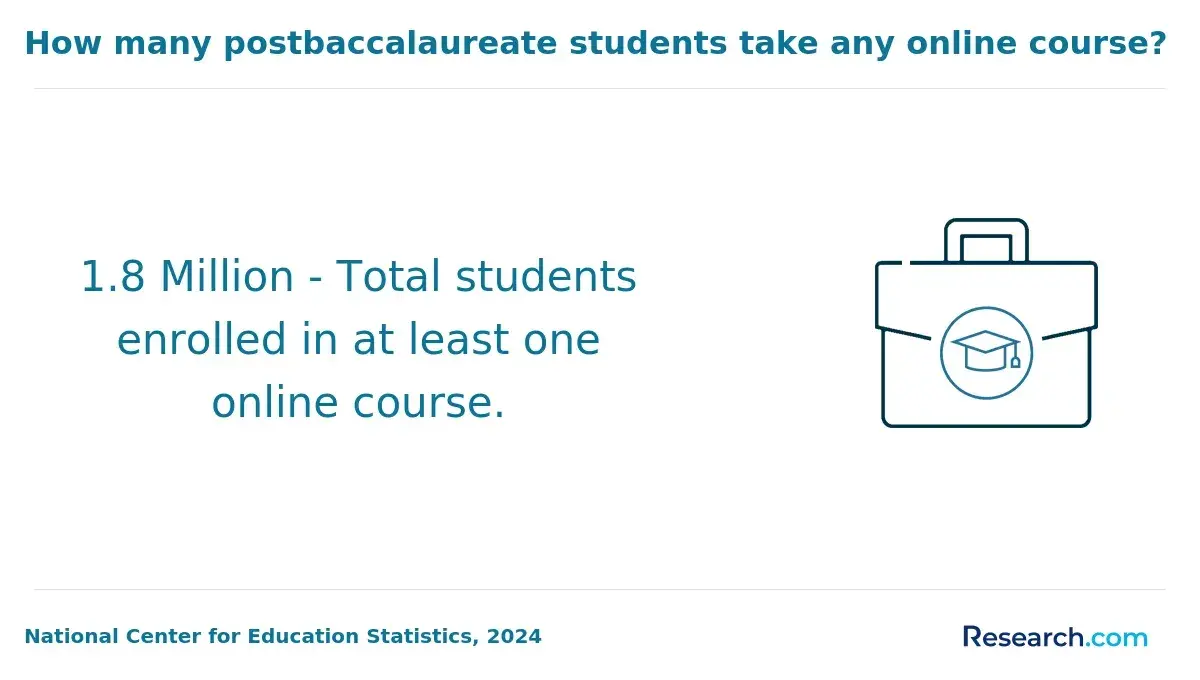
The choice between RN to BSN programs and direct entry MSN tracks hinges on the scope and depth of clinical training and coursework, shaping not only employability but also the spectrum of nursing roles accessible post-graduation. RN to BSN students typically engage in 300-500 hours of clinical work focused on community health, leadership, and outpatient care, reinforcing existing nursing skills while expanding managerial and public health competencies.
By contrast, direct entry MSN students navigate over 600 hours of clinical practice in acute care settings like ICUs combined with graduate-level coursework in pharmacology, pathophysiology, and healthcare ethics. This intensive preparation aligns with credentialing standards for advanced practice roles such as nurse practitioners or clinical nurse specialists.
Consider a hospital bedside RN aiming for a nurse manager role: the RN to BSN route is more targeted to leadership with moderate clinical exposure relevant to administration. Conversely, a nurse intent on qualifying for advanced practice positions must prioritize the broader clinical scope and theoretical rigor of an MSN program.
The salary gap underlines these differences; 2025 data shows MSN graduates average $104,000 annually versus $95,000 for BSN holders, reflecting employer valuation of advanced clinical expertise and expanded responsibilities. Employers expect MSN graduates to fulfill roles demanding critical thinking and acute care skills not typically covered in RN to BSN curricula. Therefore, students must pragmatically assess their career goals against the divergence in training intensity and certification outcomes that separate these pathways.
What accreditation and licensing standards should you check?
Accreditation from the Commission on Collegiate Nursing Education (CCNE) or the Accreditation Commission for Education in Nursing (ACEN) is a foundational criterion for evaluating RN to BSN programs and direct entry MSN pathways. Without these, graduates may face exclusion from essential licensure exams or delayed RN licensure processes. Consider California, where completing an accredited program is mandatory to sit for the NCLEX-RN and maintain compliance with the state board. This illustrates how state-specific requirements impose practical constraints on program selection.
Employers increasingly prioritize candidates who emerge from accredited programs with verifiable clinical experience and academic rigor. Over 51% of new RNs now enter the workforce with at least a bachelor's level education, elevating the BSN as a minimum credential in many hospital systems, especially Magnet-recognized facilities. Graduates from unaccredited programs commonly encounter reduced hiring options and limited credentialing opportunities.
Additional nuances surface with direct entry MSN tracks, where state boards may require an existing RN license before clinical hours or impose extra coursework, extending time and cost. RN to BSN students must verify their chosen program includes all clinical practicum hours mandated by their licensing state, as discrepancies lead to remediation or state-mandated extensions. Candidates aiming for cross-state practice should also assess program compatibility with the Interstate Nurse Licensure Compact (INLC) to avoid future licensure hurdles.
In this context, program accreditation and strict alignment with state board standards are non-negotiable for ensuring licensure stability and long-term career mobility within competitive nursing markets.
How much do RN to BSN and Direct Entry MSN programs cost?
The financial and professional implications of selecting between RN to BSN programs and direct entry MSN pathways vary widely and merit close scrutiny. RN to BSN programs generally present a more affordable route, typically charging between $5,000 and $25,000. These programs are tailored for working nurses aiming to complete their bachelor's degrees with minimal disruption, often through state schools offering in-state tuition in the $7,000 to $12,000 range. Online delivery models reduce indirect costs like commuting and materials, which is crucial for employed professionals managing work-life balance.
In contrast, direct entry MSN programs demand a substantial upfront investment, frequently ranging from $40,000 to over $90,000. This reflects the graduate-level rigor, extensive clinical requirements, and preparation for advanced practice. Candidates pursuing this route should anticipate significant financial and time commitments but can access accelerated pathways into in-demand roles, aligning with labor market data projecting 28% growth for nurse practitioners over the next decade.
Consider a working RN in a community hospital: choosing an RN to BSN under $15,000 aligns pragmatically with limited time and steady income. Conversely, a career changer entering nursing via a direct entry MSN must weigh higher debt against quicker access to advanced roles with elevated earnings potential. Employer tuition assistance and scholarships often favor RN to BSN candidates, adding another dimension to financial planning.
Key evaluation points beyond sticker price include time to completion, lost wages, and program reputation, all influencing job prospects and return on investment. RN to BSN programs offer cost-effective credential enhancement, whereas the direct entry MSN, despite heavier initial costs, can yield broader clinical authority and long-term professional flexibility.
What nursing jobs can each degree lead to?
Positions accessible to RN to BSN graduates tend to emphasize strong clinical skills with added leadership and coordination responsibilities, fitting roles such as staff nurse, charge nurse, and public health nurse. These jobs are common in hospitals, outpatient clinics, and public health agencies that often require a BSN for eligibility in specialty certification or supervisory roles. This pathway suits nurses aiming to enhance clinical practice without stepping away fully from direct patient care, with potential growth into educator or clinical supervisor roles.
In contrast, direct entry MSN graduates qualify for advanced practice roles-nurse practitioners, clinical nurse specialists, nurse anesthetists, and nurse midwives-that carry broader clinical authority, including prescriptive and diagnostic responsibilities. These positions demand substantial tuition investment, typically between $70,000 and $120,000, reflecting the advanced pharmacological and diagnostic training involved. Employers view this level of education as mandatory for roles with significant autonomy and patient management complexity.
Choosing between these routes involves weighing practical career targets against financial realities. For example, a nurse in an urban hospital who wants to move into management or education might find the RN to BSN pathway more financially viable and sufficient for many leadership roles. Conversely, a nurse targeting independent clinical practice as a primary care provider must invest in the direct-entry MSN despite its higher cost.
Employers generally do not accept a BSN in place of an MSN for advanced practice roles, making this distinction key to workforce positioning and compensation prospects.
How do salaries and job outlook compare for each path?
Salary differences between RN to BSN programs and direct entry MSN tracks illustrate distinct career trajectories and financial considerations. Registered nurses with a BSN earn a median annual salary of about $77,000, while those with an MSN average near $99,000, reflecting roles with greater clinical responsibility or leadership. This gap narrows over time with experience and specialization.
The job market expands overall for nurses, but MSN graduates often access advanced practice roles such as nurse practitioners or anesthetists, which command higher salaries and autonomy. Meanwhile, BSN programs typically serve nurses aiming to meet employer baseline requirements and secure gradual salary increases in bedside or administrative roles. For example, an RN can leverage an RN to BSN credential to step into charge nurse positions or quality improvement teams with a modest raise within two years. MSN candidates usually invest 3 to 4 years to qualify for nurse practitioner roles with starting salaries near $110,000.
Tuition cost is a significant factor. MSN programs at private nonprofit institutions average $21,140 annually, which can be a substantial investment compared to many RN to BSN programs that may be available at lower cost or supported through employer tuition assistance. Assessing institutional type and total cost alongside career goals is crucial when deciding between pathways.
Other Things You Should Know About RN to BSN Programs
Many RN to BSN programs are designed with working nurses in mind, offering part-time and online course options. However, balancing full-time work with coursework can extend program completion and increase stress. Students should prioritize programs with flexible scheduling if maintaining employment is essential, but must realistically assess their capacity for managing clinical assignments alongside demanding work hours.
Employer expectations for RN to BSN degrees differ by setting; large hospitals and Magnet-certified institutions often require or prefer BSN-prepared nurses, while smaller clinics or rural providers may prioritize experience over degree level. Graduates should consider their target work environment since earning a BSN offers clearer advancement opportunities in specialized or leadership roles within major healthcare systems but may have limited immediate impact on hiring in less formal settings.
RN to BSN programs provide foundational skills that enhance eligibility for many specialty certifications, making them a practical stepping stone toward graduate studies. However, the depth of research and leadership training in these programs varies widely; those seeking to quickly transition into graduate-level nursing should select programs with strong academic rigor and opportunities for evidence-based practice experience to avoid redundancy in future education.
Consider career goals, time commitment, and educational background. RN to BSN builds on existing RN experience, ideal for RNs seeking advanced roles. Direct Entry MSN suits non-nurses desiring to enter the field at a master's level quickly. Evaluate financial goals and program prerequisites for the best fit.
References
- Accelerated BSN vs. MSN: Which Is Right for Me? https://onlinedegrees.elmhurst.edu/blog/accelerated-bsn-vs-msn
- Pre-Approval of Academic Courses_Overview https://www.childlife.org/certification/become-certified/academic-requirements
- 41 Direct-Entry MSN Programs in the U.S. - Better Nurse https://betternurse.org/direct-entry-msn-programs/
- nursing career growth: balancing professional goals with personal wellbeing. https://www.randstad.com.au/career-advice/disruption-workplace/nursing-career-growth-balancing-professional-goals-with-personal/
- What Employers Should Look for in Accredited Qualifications https://www.internationaleducationboard.co.uk/post/what-employers-should-look-for-in-accredited-qualifications
- In-Person vs. Online Courses: Which Is Right for You? | StraighterLine https://www.straighterline.com/blog/in-person-vs-online-courses
- Top 9 nursing careers - SEEK https://au.seek.com/career-advice/article/top-9-nursing-careers
- Career Progressions and Wage Growth: Is There a One-Size-Fits-All Job Ladder? https://www.richmondfed.org/publications/research/economic_brief/2024/eb_24-14
- Is Nursing Right for You? Finding Your Path in Healthcare | Davis & Elkins https://www.dewv.edu/is-nursing-right-for-you-finding-your-path-in-healthcare/
- What Are Direct-Entry Nursing Programs? https://credenzahealth.com/career-advice/what-are-direct-entry-nursing-programs