2027 RN to BSN vs ABSN: Which Nursing Path Is Better?

Co-Founder and Chief Data Scientist
Deciding between an RN to BSN and an ABSN pathway often comes down to navigating critical trade-offs in timing, flexibility, and prior experience-choices that directly impact career trajectory and earning potential. With nearly 40% of nursing students in 2023 opting for online or hybrid formats, according to the National Center for Education Statistics, access and scheduling constraints have become defining factors. This trend highlights how the RN to BSN route typically accommodates working professionals through part-time, flexible learning, whereas the ABSN demands full-time commitment but accelerates entry to advanced roles. This article examines these contrasts, helping prospective students align their educational choice with professional goals and life circumstances.
Key Things You Should Know
- The accelerated BSN (ABSN) averages 12-18 months at higher direct tuition, raising opportunity cost despite quicker workforce entry; RN to BSN programs extend 2-4 years with lower incremental fees but delayed career advancement.
- Hospital systems increasingly prefer BSN-prepared nurses, with 75% of Magnet facilities requiring BSN credentials or higher as of 2024, pressuring RNs to pursue full BSN rather than ABSN for clearer promotion pathways.
- RN to BSN paths leverage existing clinical experience and employer tuition assistance, reducing debt risk, while ABSN attracts career changers lacking RN licenses, yielding varied returns on investment depending on prior healthcare exposure.
What are the key differences between RN to BSN and ABSN nursing pathways?
The choice between RN to BSN and ABSN pathways fundamentally hinges on current licensure and career objectives, each serving distinct learner profiles. RN to BSN programs cater to licensed registered nurses holding associate degrees or diplomas, prioritizing the expansion of clinical competencies, leadership, and population health knowledge through an accelerated format, typically completed within 12 to 18 months. This option often leverages flexible online or hybrid models to accommodate working professionals, aligning with workforce trends such as the 35% surge in online BSN searches with in-person clinicals, emphasizing demand for adaptable education.
In contrast, ABSN programs enroll individuals with non-nursing bachelor's degrees, requiring full-time commitment to an intensive curriculum spanning 12 to 24 months and culminating in initial RN licensure. This route suits career changers willing to pause employment for rapid workforce entry but demands significant upfront investment and adjustment to clinical expectations.
Working nurses advancing through RN to BSN Programs maintain employment income while enhancing credentials-a strategic advantage given rising employer preferences for BSN-prepared nurses in roles demanding critical thinking and leadership. Entry-level ABSN graduates face the immediate challenge of gaining clinical experience alongside new responsibilities, impacting initial career trajectories.
When comparing accelerated BSN vs RN to BSN pathways, practical considerations include program length, flexibility, financial resources, and workforce timing. Prospective students may find value exploring affordable RN to BSN online programs that balance cost and convenience without sacrificing credential quality.
Who is the best fit for an RN to BSN program versus an ABSN program?
Choosing between RN to BSN and ABSN pathways depends largely on your current licensure and career stage. RN to BSN programs typically serve registered nurses with an associate degree or diploma, offering a flexible, part-time path to a bachelor's degree without pausing employment. For instance, a full-time hospital nurse can complete coursework through online or hybrid formats during off-hours, aligning education with job retention and incremental advancement. This approach suits nurses aiming to expand clinical and leadership roles while balancing work and personal commitments.
In contrast, accelerated bachelor of science in nursing (ABSN) programs cater to individuals holding a non-nursing bachelor's degree who want a fast-track route into nursing practice. These full-time, intensive programs usually last 12 to 18 months and require temporarily stepping away from income-generating employment. ABSN graduates must focus on NCLEX-RN licensure and entry-level nursing roles, often facing competitive job markets in high-turnover settings.
The 2022 National Sample Survey of Registered Nurses found that 45.4% of U.S. RNs began with a bachelor's degree, underscoring that nearly half the workforce already meets eligibility for RN to BSN programs rather than initial licensure paths. Practical considerations include time, finances, and long-term goals:
- RN to BSN is best for employed nurses seeking promotion or specialization while continuing work-life balance.
- ABSN suits career changers prepared to commit full-time and enter nursing at foundational levels.
- RN to BSN graduates leverage existing licensure to pursue management, public health, or education roles.
- ABSN graduates first focus on passing NCLEX-RN and gaining clinical experience before advancement.
Prospective students weighing these options may also consider post-BSN offerings like a BSN to MSN online to broaden qualifications after completing their initial degree. Evaluating individual circumstances relative to these program structures is essential to aligning educational investment with realistic career trajectories.
How do admission requirements compare for RN to BSN and ABSN programs?
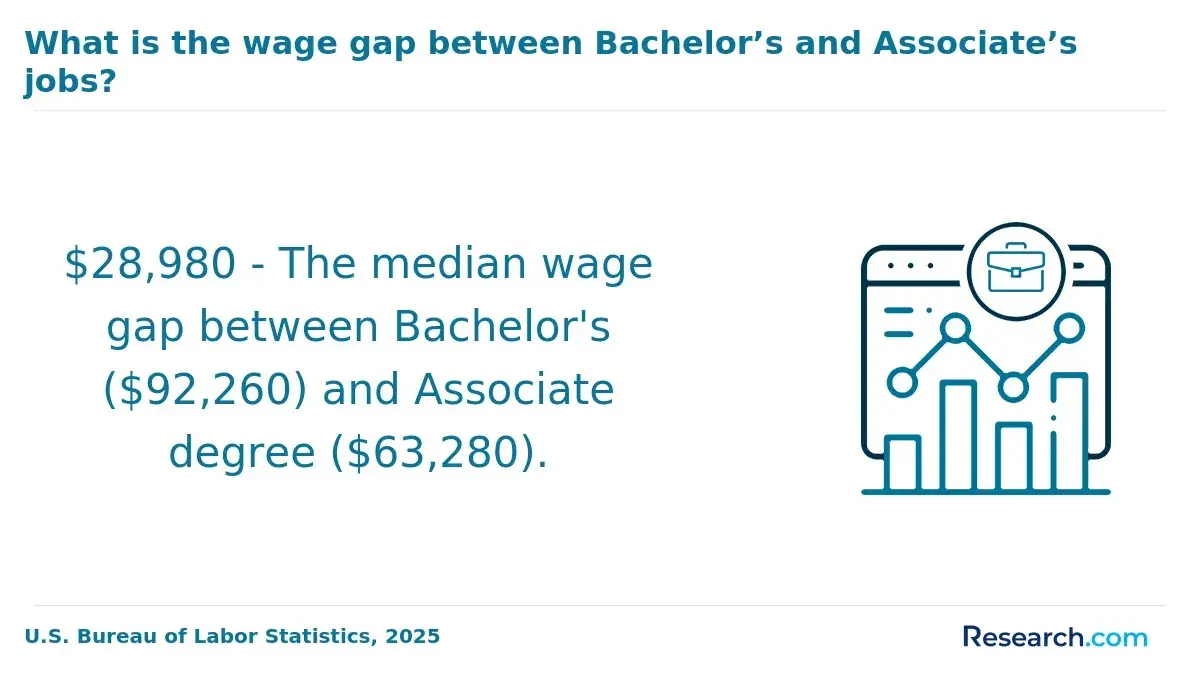
Admission requirements for RN to BSN programs versus ABSN programs illustrate fundamentally different candidate profiles and career pacing. RN to BSN pathways primarily require verified active RN licensure and an associate degree or nursing diploma, emphasizing accessible entry for currently practicing nurses. These programs accommodate working professionals, often through part-time or online formats, minimizing disruption to employment and family responsibilities. In contrast, ABSN programs demand a completed bachelor's degree in a non-nursing field plus prerequisite science courses such as anatomy, physiology, and microbiology, ensuring academic readiness for their intensive, accelerated curricula.
This difference in prerequisites between RN to BSN and ABSN admission manifests in program duration and cost. ABSN programs run full-time over 12 to 18 months, requiring significant time commitment amidst frequent clinicals, and typically entail tuition between $60,000 and $100,000, notably higher than RN to BSN options. Employers often view ABSN graduates as career changers prepared to enter the workforce rapidly but at a higher upfront educational investment.
In practical terms, nurses advancing via RN to BSN programs benefit from gradual progress compatible with ongoing employment, while ABSN candidates trade flexibility for speed. Working nurses weighing program choice must consider academic workload, financial burden, and scheduling alongside career goals and personal circumstances.
Prospective students seeking programs with relaxed admission barriers may explore high acceptance rate nursing schools to identify options that align best with their immediate needs and long-term ambitions.
How do online RN to BSN and campus ABSN formats differ in structure and flexibility?
The structural demands of online RN to BSN programs versus campus ABSN formats distinctly influence who can benefit from each. Online rn to bsn program flexibility and structure enables working nurses to maintain employment and manage family responsibilities through self-paced coursework and asynchronous delivery. This format supports part-time enrollment and allows local completion of clinical hours, reducing geographic and scheduling constraints. However, it requires strong virtual communication and self-discipline due to limited in-person interaction.
Conversely, campus ABSN programs follow an accelerated, full-time schedule with mandatory in-person classes and intensive clinical rotations. This suits individuals able to commit uninterrupted weeks to study and clinical immersion but restricts those balancing jobs or caregiving. From a workforce standpoint, ABSN graduates gain faster entry into BSN roles, often yielding higher short-term earnings, yet the upfront cost and rigid timeline impose significant barriers.
Financially, RN to BSN online programs typically offer better return on investment by preserving income during study and minimizing relocation or commuting expenses. U.S. Bureau of Labor Statistics data indicates BSN-prepared RNs, including ABSN graduates, earn median wages near $86,070 annually, with some specialties reaching $110,000-$130,000. This differential reflects employer valuation of accelerated pathways for urgent credentialing.
Students actively evaluating RN to BSN Programs should weigh these tradeoffs in alignment with their professional goals and personal circumstances. For those seeking rapid specialization or a pivot, campus ABSN formats stand out despite higher immediate costs. For sustained employment and family obligations, online pathways provide a viable balance of education and ongoing workforce participation. For insights on related accelerated credentialing options, consider the fastest post master's FNP certificate.
What accreditation and state nursing board approvals should RN to BSN and ABSN programs have?
Accreditation and state board approval create a decisive filter for RN to BSN programs, directly impacting licensure eligibility and job prospects. Programs must hold accreditation from nursing-specific bodies recognized by the U.S. Department of Education, such as the Commission on Collegiate Nursing Education (CCNE) or the Accreditation Commission for Education in Nursing (ACEN). Without these, graduates risk being ineligible for the NCLEX-RN exam and facing employer skepticism, which limits their ability to secure hospital roles or advanced practice positions.
State nursing board approval is equally pragmatic: students should verify that the program is authorized by the board in the state where they intend to work. Consider California, where the California Board of Registered Nursing's approval is mandatory. Graduates from unapproved programs in that state will face barriers to licensure and employment, effectively stalling career advancement.
Shifts in workforce demand reflect the importance of these credentials. Data from the American Community Survey shows BSN-prepared nurses increased their presence in hospitals from 67% to 72% between 2003 and 2013, while ADN-prepared RNs declined. Hospitals increasingly require board-approved BSN credentials, cutting off pathways for graduates from unaccredited or unapproved programs. Choosing an RN to BSN program without these credentials impedes access to expanding hospital roles and can restrict long-term employment opportunities.
How long do RN to BSN and ABSN programs typically take to complete?
Choosing between RN to BSN programs and accelerated BSN (ABSN) routes involves balancing ongoing employment against immersive study demands. RN to BSN programs generally span 12 to 18 months, leveraging flexible online or hybrid formats that enable nurses to maintain full-time hospital roles. This arrangement supports income stability and incremental career growth while accommodating clinical requirements with minimal disruption. Notably, a 35% annual increase in interest for these hybrid formats reflects workforce preference for education that integrates with busy schedules.
Conversely, ABSN programs compress foundational nursing education and clinical practice into an 11 to 18-month full-time commitment. Candidates, often changing careers, face intense daytime clinical hours that restrict simultaneous employment and may require relocation or lengthy commutes. This path offers rapid entry into nursing but demands strict time management and sacrifices income during study.
The differences translate into distinct workforce implications:
- RN to BSN graduates bring established clinical experience aligned with employer expectations for seamless role enhancement.
- ABSN graduates introduce fresh candidates quickly, though with comparatively less real-world nursing exposure during training.
In practice, nurses prioritizing steady employment and gradual credential advancement benefit from RN to BSN programs, while those seeking expedited entry after unrelated careers might accept ABSN challenges to meet acute staffing shortages.
What coursework and clinical experiences are required in RN to BSN versus ABSN programs?
RN to BSN programs serve working nurses by building on existing licensure and clinical experience, focusing on leadership, community health, evidence-based practice, and informatics without retreading basic clinical skills. Typically requiring 30 to 40 credit hours and about 90 to 120 clinical hours in community or public health settings, these programs offer a flexible pathway suited for those balancing employment with academic advancement.
Conversely, accelerated BSN (ABSN) programs demand full-time commitment over 12 to 18 months, integrating foundational nursing education with extensive clinical practice exceeding 500 hours. ABSN students, often holding non-nursing bachelor's degrees and averaging in their early 30s, encounter diverse acute and specialty care settings, preparing rapidly for entry-level RN roles but with limited flexibility for outside work.
The choice between RN to BSN and ABSN hinges on prior credentials and career timing:
- RN to BSN avoids redundancy by leveraging hands-on experience, sharpening leadership skills valued in managerial or specialized nursing roles.
- ABSN suits individuals pivoting into nursing without prior licensure, offering comprehensive clinical exposure but demanding intense time investment incompatible with full-time jobs.
Employers increasingly distinguish RN to BSN graduates for their advanced evidence-based leadership readiness, while ABSN graduates typically fulfill urgent demands for versatile bedside nursing staff. Prospective students must weigh the tradeoff between clinical breadth and program intensity, aligning education with practical workforce entry and longer-term role aspirations.
What are the typical tuition costs and financial aid options for RN to BSN and ABSN students?
Choosing between an RN to BSN program and an accelerated BSN (ABSN) involves a clear tradeoff between cost, time investment, and work-life balance. RN to BSN programs, which typically cost $5,000 to $35,000 over one to two years, accommodate working nurses by allowing part-time study while maintaining employment. In contrast, ABSN programs compress coursework into 12 to 18 months at higher tuition rates-ranging from $30,000 to $60,000-reflecting full-time study and embedded clinical placements that often preclude simultaneous work.
This financial and temporal pressure in ABSN pathways can create significant short-term hardship but may offer long-term value through faster workforce re-entry and increased NCLEX-RN success rates, factors that some employers explicitly reward when hiring. For example, a nurse seeking rapid credential advancement may tolerate ABSN's upfront costs and income loss in exchange for quicker eligibility for positions requiring a BSN.
Financial aid options differ accordingly: RN to BSN students more often utilize employer tuition assistance and flexible federal grants, while ABSN students rely heavily on federal loans and limited employer support due to schedule constraints.
- RN to BSN offers flexibility for balancing work and study, reducing immediate financial strain.
- ABSN focuses on compressed timelines at a premium cost but can accelerate career transitions.
- Employer preferences and exam performance data suggest ABSN graduates may gain hiring advantages.
Prospective nurses must weigh these practical factors-program costs, timing, work feasibility, and employer expectations-to select the pathway most aligned with their personal circumstances and career goals.
How do career outcomes and advancement opportunities differ for RN to BSN and ABSN graduates?
The divergence in career trajectories between RN to BSN and ABSN graduates hinges on prior licensure and experience rather than just credential attainment. Registered nurses advancing through an RN to BSN program typically leverage years of clinical practice, making them prime candidates for internal promotions such as charge nurse or unit manager roles, often realizing wage increases of 10-20% within 2-3 years. In contrast, ABSN graduates, entering nursing as new licensees despite holding a BSN, generally require 1-2 years of frontline experience before qualifying for similar leadership roles. However, their immediate BSN credential expands access to specialized positions in community health, public policy, and research that frequently mandate a bachelor's degree from the outset.
Workforce data from the ACS-informed labor-market study emphasize that nurses with BSN credentials concentrate in higher-paying hospital environments with more stable employment, reducing unemployment risk relative to ADN-trained nurses. Employers are trending toward BSN requirements for specialized and leadership roles due to regulatory and institutional priorities, making both pathways a strategic move for enhanced job security and earning potential.
Key practical contrasts include:
- RN to BSN candidates benefit from established clinical experience for quicker advancement within familiar settings.
- ABSN graduates gain broader entry into non-traditional nursing roles but face initial licensure and experience hurdles.
Choosing between these routes depends on your current licensure and whether immediate leadership access or a broader career pivot aligns with your goals.
What salary ranges and job market outlook can RN to BSN and ABSN nurses expect?
Initial salaries for RN to BSN and ABSN graduates are similar but diverge sharply due to differences in work experience and education pathways. ABSN graduates typically start between $60,000 and $75,000 annually without prior RN experience, while RN to BSN nurses begin higher-$65,000 to $85,000-leveraging their existing licenses and clinical backgrounds. This difference reflects the labor market's preference for candidates who bring both a BSN and hands-on experience, especially for supervisory or specialized roles.
Hospitals increasingly mandate BSN credentials, but RN to BSN nurses benefit from ongoing clinical exposure and stable employment during their education, facilitating faster advancement. In contrast, ABSN graduates face an initial career plateau, needing to acquire clinical hours and complete residencies to reach competitive pay tiers.
Key workforce considerations include:
- RN to BSN pathways allow maintaining income and apply work history toward salary premiums ranging $5,000-$10,000.
- ABSN routes require fresh clinical experience post-graduation, delaying earning potential peak.
- Employers weigh experience heavily even as degree requirements evolve.
Working registered nurses upgrading via RN to BSN programs encounter lower financial risk and a shorter timeline to supervisory roles, while ABSN nurses must strategically plan for entry-level roles and longer-term income growth.
Other Things You Should Know About RN to BSN Programs
RN to BSN programs often require significant time and financial commitment without immediate increases in clinical responsibilities or pay. However, employers increasingly prefer or require BSN-prepared nurses for roles involving leadership, research, or community health. Prioritizing RN to BSN completion is advisable if you plan to advance into management or specialized nursing fields, but if your goal is immediate clinical work without advancement, the investment may not yield proportional returns.
In 2027, employer expectations influence RN to BSN and ABSN degrees differently. While RN to BSN programs often align with advancement within current roles and meeting job requirements, ABSN degrees usually align with swiftly transitioning into nursing, addressing workforce shortages. Both paths cater to different needs in the job market.
Most RN to BSN programs require juggling coursework, practicum hours, and full-time nursing jobs, often leading to time management strain and burnout risk. Hybrid or fully online options increase scheduling flexibility but can reduce peer interaction and hands-on support, affecting learning quality. Candidates should evaluate their current workload and support systems realistically to avoid overcommitment that could delay program completion or degrade educational outcomes.
Completing an RN to BSN is a critical foundation before pursuing graduate nursing education such as MSN or DNP, as BSN coursework integrates leadership, public health, and evidence-based practice essential for advanced roles. Skipping the BSN step can limit admission options for graduate programs and reduce preparedness for graduate-level rigor. Prioritizing the RN to BSN provides measurable returns by expanding both immediate job options and future academic eligibility.
References
- How to Pay for Nursing School | University of Bridgeport https://www.bridgeport.edu/news/how-to-pay-for-nursing-school/
- The Impact of Education on Nursing Practice https://www.aacnnursing.org/news-data/fact-sheets/impact-of-education-on-nursing-practice
- BSN vs ADN: Which Degree Should You Earn? - Marian ABSN https://onlineabsn.marian.edu/blog/bsn-vs-adn-which-degree-should-you-earn/
- What Is the Difference Between BSN and a RN? Davis & Elkins Breaks it Down https://www.dewv.edu/what-is-the-difference-between-bsn-and-a-rn-davis-elkins-breaks-it-down/
- Sign Up for the Journal of Nursing. https://www.asrn.org/journal-nursing/2269-the-most-lucrative-jobs-for-nurses-with-bsns.html
- Accelerated BSN Programs: Who Qualifies | Betternurse.org https://betternurse.org/accelerated-bsn-program-guide/
- Is an Accelerated BSN Worth It? Salary, ROI, and Career Outlook https://stmary.edu/nursing-accelerated/is-an-accelerated-bsn-worth-it.html
- ABSN vs Traditional BSN - Which Is Right for You? https://absn.madonna.edu/blog/absn-vs-traditional-bsn-right/
- ABSN vs. ADN: What’s the Difference and Which Is Right for You? - Accelerated BSN Degrees https://absn.org/resources/absn-vs-adn/
- ABSN Tuition and Fees - UST Accelerated Nursing https://absn.stthom.edu/admissions/tuition/