2027 RN to BSN Programs With Prior Learning Assessment Credit

Co-Founder and Chief Data Scientist
Registered nurses often face the urgent challenge of advancing to a BSN credential without sidelining their current workload, yet traditional credit transfer policies frequently delay degree completion. According to the National Center for Education Statistics, adult learners now constitute over 40% of undergraduate enrollments, a shift demanding greater flexibility in recognizing prior learning. This surge reflects widespread career mobility pressures and underscored employer preferences for BSN-prepared nurses to meet evolving healthcare standards.
As a result, navigating RN to bsn programs with options for prior learning assessment credit becomes critical for reducing redundancy, expediting graduation timelines, and aligning education investment with workforce demands. This article evaluates available programs emphasizing prior learning credit policies, helping prospective students identify pathways that minimize academic repetition while positioning them for timely professional advancement.
Key Things You Should Know
- Only 45% of RN to BSN programs nationally offer prior learning assessment (PLA) credit, creating a significant time-to-degree tradeoff that may extend enrollment by 6-12 months if PLA is unavailable, according to the National Student Clearinghouse.
- Employers increasingly prefer BSN graduates with PLA-backed clinical experience, valuing applied skills verification; meanwhile, 62% of hospital recruiters cite PLA credit as a marker of candidate readiness, as per the American Hospital Association.
- Programs granting PLA credits see average tuition savings of 20-25%, but students face complex validation processes that can delay progression and impact workforce reentry timing, per data from the Council on Economic Education.
What are RN to BSN programs with prior learning assessment credit, and who are they for?
RN to BSN programs integrating prior learning assessment (PLA) credit offer a strategic approach for licensed nurses with associate degrees or diplomas to reduce time to degree completion by recognizing verified clinical and workplace experience. This approach converts competencies into academic credit, allowing enrolled nurses to bypass redundant coursework and enter upper-division BSN classes faster, which addresses common barriers such as income loss and scheduling challenges.
For instance, a nurse with substantial acute care experience and relevant certifications may secure credits for clinical leadership and foundational nursing theory, accelerating progression while meeting employer demands for BSN-qualified staff, particularly in magnet-recognized hospitals. Eligibility criteria for RN to BSN programs accepting prior learning credits typically require documented clinical hours, formal evaluations, and alignment with institution-specific PLA policies.
Financially, RN to BSN programs with prior learning assessment credit benefit for working nurses by enabling earlier attainment of the BSN's wage advantage: data shows BSN holders earn a median annual salary roughly $7,500 higher than those with associate degrees. Beyond income, BSN-prepared nurses gain access to advanced roles and demonstrate improved patient outcomes, making PLA credit programs a practical choice for balancing work, family, and education.
Prospective students should investigate transparent credit evaluation processes and faculty-supported portfolio development to maximize transfer value and avoid variability in credit awards across institutions. Exploring options like a 6-month RN to BSN program online can further reduce time-to-degree while maintaining academic rigor.
How does prior learning assessment credit work in RN to BSN programs?
Prior learning assessment credit significantly accelerates degree completion in RN to BSN Programs by converting prior academic or experiential competencies into credits, thus reducing redundant coursework and tuition expenses. For instance, the Indiana University School of Nursing allows RN-to-BSN students to apply up to 64 prior learning credits-combining nursing and general education-which can cover over half of the typical 120-credit requirement without additional tuition. This mechanism is especially valuable to working professionals with military service, technical training, or associate degrees aiming to focus on advanced nursing skills that employers prioritize.
The prior learning assessment process in RN to BSN programs depends on documented validation methods such as standardized exams, portfolio evaluations, or competency assessments that verify knowledge in clinical care, healthcare communication, and foundational sciences. Transfer policies vary widely, making it essential for students to select programs with transparent and supportive PLA criteria aligned with their background, minimizing the risk of extended time-to-degree and unexpected costs.
This credit recognition influences workforce supply by expediting the availability of BSN-prepared nurses, yet it introduces administrative complexities like comprehensive documentation and institutional limits designed to uphold academic standards and accreditation. Students pursuing credit for prior learning in RN to BSN programs benefit from early strategic planning and program choice to optimize credit acceptance without compromising educational rigor.
For those considering further advancement, many explore BSN to MSN online programs to build upon their accelerated undergraduate progress.
What admission requirements and RN licensure standards do these programs typically have?
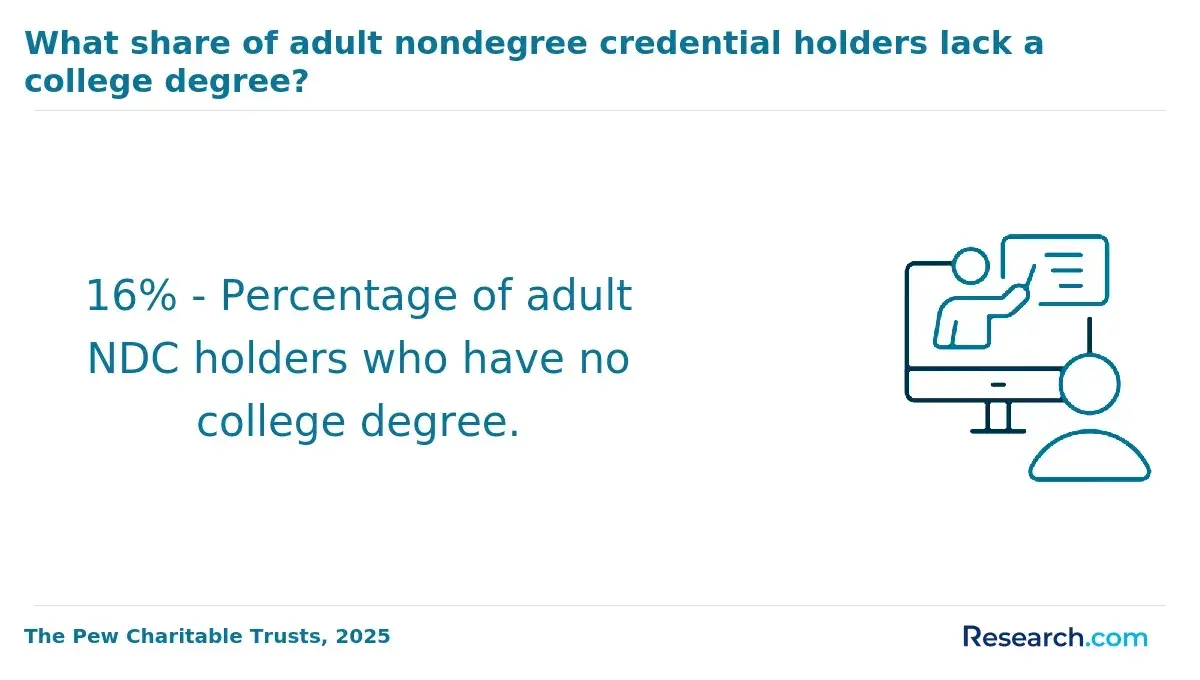
RN to BSN programs uniformly require candidates to hold an active, unrestricted RN license in the United States before enrollment, reflecting stringent rn licensure standards for bsn completion programs. This baseline ensures all students meet the legal and professional criteria necessary to practice nursing. Beyond licensure, applicants typically must present an accredited associate degree in nursing (ADN) or an equivalent nursing diploma, supported by transcripts evidencing coursework in anatomy, physiology, microbiology, nutrition, and statistics. Admission often hinges on a minimum GPA of 2.5 to 3.0, letters of recommendation, and documentation of clinical experience, which function as practical filters in competitive admissions.
The ability to transfer prior learning credits materially reduces time and cost. For instance, the University of Phoenix's practical endorsement of PLA credit lets an RN transfer 87 ADN credits, finishing the BSN near $14,000 - far below the typical $30,000 national average. This cost-effectiveness is critical for working nurses balancing employment and education.
Employers emphasize licensure continuity and graduation from accredited programs as markers of readiness, influencing hiring decisions for new BSN graduates. Students must understand admission requirements for RN to BSN programs in the United States clearly to strategize credit transfer and avoid administrative delays related to licensure verification. Those unsure about standardized testing requirements can consult resources like is the TEAS test required for all nursing programs for further clarity.
How do online RN to BSN programs compare with campus-based options for working nurses?
Flexibility in scheduling is the primary advantage for working nurses choosing between online RN to BSN programs for working nurses and campus-based RN to BSN options for employed nurses. Online programs accommodate erratic shifts and family demands through asynchronous coursework, accelerating degree completion for full-time professionals. However, this flexibility often sacrifices immediate access to hands-on clinical learning and peer collaboration that on-campus formats provide, which can be crucial for nurses targeting leadership or specialized clinical roles.
Employer preferences clearly favor BSN-prepared nurses, with 72% of hiring managers strongly preferring BSN candidates by 2024. BSN graduates typically earn approximately $17,000 more annually than peers with associate degrees. Choosing an online pathway can shorten time to degree completion and thus hasten achieving these wage premiums, a practical consideration that directly impacts a nurse's career trajectory.
Nurses in rural locations or balancing caregiving responsibilities often find online RN to BSN programs offer the only viable means to advance. Conversely, those needing immersive mentorship or intensive clinical experiences might select campus-based programs despite logistical challenges. Both pathways now meet industry standards and increasingly blend virtual simulations with local clinical placements to bridge experiential gaps.
Ultimately, aligning program choice with employer support, current workload, and long-term goals decides the outcome. For detailed workforce-level pay insights, see DNP salary transparency.
What accreditation and state nursing board approvals should RN to BSN programs have?
Choosing an RN to BSN program without national accreditation or state nursing board approval can seriously disrupt professional progress. In practice, many employers, especially Magnet-status hospitals, require a BSN credential for management and leadership roles-positions held by 100% of leaders in these institutions according to data cited by Oklahoma Wesleyan University from the American Association of Colleges of Nursing. Without the right accreditation-such as from the Commission on Collegiate Nursing Education (CCNE) or the Accreditation Commission for Education in Nursing (ACEN)-credits may not transfer, and graduates risk being ineligible for advancement or employment in competitive healthcare settings.
Similarly, lack of state board approval can invalidate coursework and prior learning credits, making the pursuit of the BSN less efficient and more costly. Since state regulations vary widely, programs authorized by the relevant state board ensure alignment with legal scopes of practice, protecting students against wasted effort due to noncompliance with local licensure standards.
Applicants should verify:
- National accreditation status to safeguard academic rigor and credit transferability
- Current state board authorization to confirm legal acceptance of the program
- Acceptance of prior learning credits within both accreditation and state approval frameworks
Failing to confirm these factors can stall career mobility, generate unexpected expenses, and complicate transitions into leadership roles. Practical decision-making around RN to BSN programs hinges on these institutional and regulatory benchmarks, not just program availability.
How does prior learning assessment affect RN to BSN program length and time to graduation?
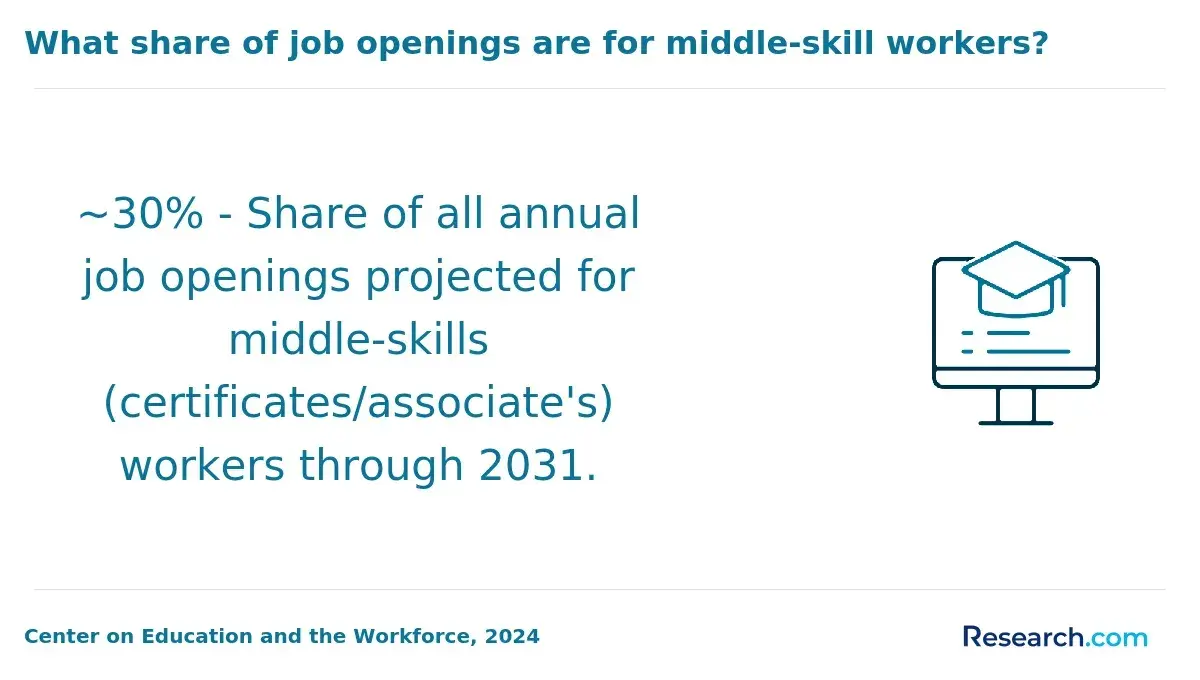
Prior learning assessment (PLA) can reduce RN to BSN program duration by awarding academic credit for validated competencies, often cutting up to a year from time-to-degree depending on institution rules and student background. This acceleration responds to workforce shifts demanding a higher proportion of BSN-prepared nurses, now comprising approximately 65% of the U.S. RN workforce, driven by employer hiring preferences.
PLA credits typically recognize prior clinical experience, certifications, military service, or previous coursework, enabling students to bypass foundational or general education requirements. For instance, a nurse with extensive ICU experience and prior college credits might complete a BSN program in 12 to 18 months instead of 24 to 30 months, unlocking earlier eligibility for BSN-mandated roles and salary scales.
Key operational considerations include:
- Institutional caps on PLA credits and varied methods to demonstrate competency, such as exams or portfolios
- Maintaining clinical practicum requirements, which rarely shorten, impacting workload and time management
- Employer scrutiny of PLA acceptance, especially among hospitals with stringent BSN hiring policies
PLA integration requires careful navigation of program sequencing and accreditation to ensure credits translate into genuine time and cost savings without compromising educational rigor or employability outcomes.
What typical RN to BSN curriculum and courses can be met through prior learning credit?
Prior learning assessment (PLA) credit in RN to BSN programs typically accelerates degree completion by recognizing foundational coursework already covered in associate degrees or nursing diplomas. Core subjects like anatomy, physiology, microbiology, pharmacology, pathophysiology, English composition, statistics, and psychology are commonly eligible for credit, reducing necessary BSN hours by 12 to 18 credits in many cases. This pragmatic credit transfer can align tightly with employer demands to increase BSN-prepared nurse ratios-a factor linked to improved patient outcomes such as lower mortality and fewer medication errors.
However, PLA rarely extends to higher-level competencies like community health nursing, healthcare policy, or evidence-based practice. These advanced courses involve critical thinking and leadership skills developed at the bachelor's level and are less often waived. Students seeking PLA credit must be prepared to submit detailed proof of competency through clinical portfolios, documented hours, or challenge exams. Institutions vary widely in their credit caps and review processes, often favoring didactic credits over clinical ones due to accreditation requirements.
Tradeoffs are significant: incomplete or inconsistently applied PLA can increase both time and financial cost, potentially delaying entry into roles valuing BSN credentials. Healthcare employers increasingly prioritize demonstrable competencies over duplicated coursework, shaping how students should approach PLA strategies to ensure alignment with workforce expectations and program accreditation standards.
How do tuition, fees, and financial aid interact with prior learning assessment credits?
Tuition reduction through prior learning assessment (PLA) credits directly lowers costs by decreasing the number of credit hours students must pay for in rn to bsn programs. For example, nurses with competencies in courses such as Leadership in Nursing may reduce up to 6 credits, saving hundreds to over a thousand dollars depending on the institution's per-credit tuition. This cost cut is immediate since billing is calculated per credit.
However, this financial benefit comes with tradeoffs. Federal financial aid formulas often reduce loan and grant amounts in proportion to fewer enrolled credit hours, potentially decreasing aid eligibility. Veterans using GI Bill benefits face similar enrollment-related adjustments. Early consultation with financial aid offices is essential to navigate these nuances and maximize aid without jeopardizing eligibility.
From a workforce perspective, leveraging PLA shortens the time to degree completion. The University of Southern Indiana found that RN to BSN students with 3+ years of full-time RN experience saved about two months by bypassing core courses, reducing indirect costs like childcare and lost wages. This accelerated timeline can be decisive for nurses managing ongoing employment demands while seeking to deepen qualifications.
Prospective students must carefully compare net costs-factoring in PLA's effect on tuition and financial aid-to align short-term affordability with long-term educational and career outcomes. Variation in PLA policies and aid impact across institutions demands personalized financial advising to form realistic budgets and avoid unexpected shortfalls.
- PLA credits reduce tuition by lowering required credit hours
- Financial aid may decrease proportionally with reduced enrollment
- Time saved by PLA can cut opportunity costs for working nurses
- Early financial aid consultation is critical to avoid funding surprises
What career outcomes, roles, and advancement opportunities follow an RN to BSN degree?
Employers increasingly favor nurses with a BSN credential for roles requiring leadership, specialized clinical expertise, or advanced practice readiness. Registered nurses who earn a BSN become eligible for positions such as nurse managers, case coordinators, and public health nurses-roles often closed to those holding only an associate degree or diploma. The U.S. Bureau of Labor Statistics data indicates BSN-prepared nurses experience a 7% faster job growth rate than their counterparts, reflecting tangible market preference.
Pragmatically, this credential correlates with a roughly 20% salary increase, supporting long-term financial stability and upward mobility within healthcare institutions. For example, an RN in acute care can transition into quality improvement or clinical education avenues generally inaccessible without the BSN.
RN to BSN programs that award credit for prior learning reduce both time and cost, a crucial factor for working professionals. Oklahoma Wesleyan University estimates a program cost near $10,915, while similar tracks through Fairleigh Dickinson University stay under $20,000-significantly less than traditional programs exceeding $40,000.
- PLA (prior learning assessment) eligibility accelerates degree completion and lowers expense.
- Hospitals with Magnet status strongly prioritize BSN-nurses, linking education to patient outcomes.
- Students should evaluate employer tuition reimbursement and transfer credits to optimize return.
How does earning an RN to BSN with PLA credit impact salary potential and job outlook?
Earning an RN to BSN with prior learning assessment (PLA) credit can shorten time-to-degree, offering tangible financial and career benefits by enabling nurses to access BSN-preferred positions more quickly. The U.S. Bureau of Labor Statistics projects a 6% growth in registered nurse employment from 2022 to 2032, a trend favoring BSN-prepared professionals who command higher wages and better job stability than associate degree holders.
PLA credit capitalizes on a nurse's existing knowledge and clinical experience, eliminating redundant coursework. For instance, a nurse with five years of experience who applies PLA credits might complete their BSN months sooner, allowing entry into roles like charge nurse or case manager that often offer 10%-20% higher pay. This accelerates cumulative earnings and reduces income disruption from extended education.
However, nurses should carefully assess whether PLA credits fully transfer to their chosen program to avoid delays or extra costs. Additionally, accelerated completion may affect availability of clinical practicums or licensing timelines, factors critical to actual readiness for advanced roles. Employers increasingly prioritize a BSN for promotion, especially in Magnet hospitals and community health settings, making a strategically planned PLA pathway vital for meaningful career returns.
Other Things You Should Know About RN to BSN Programs
Employers in healthcare settings typically value the BSN credential itself rather than the method by which credits were earned, so prior learning assessment (PLA) credits generally do not diminish employability or promotion prospects. However, selective graduate nursing programs may scrutinize transcripts and could require certain core courses be completed through traditional academic formats. For candidates aiming at advanced degrees or specialized certifications, it is advisable to confirm PLA credit acceptance with target graduate programs ahead of enrollment to avoid surprises.
In 2027, obtaining PLA credits in RN to BSN programs often requires validation of prior experiences like professional work, military training, or certifications. Students typically submit detailed portfolios, undergo evaluations, or pass proficiency exams to demonstrate the relevance of their experience to nursing competencies.
While PLA can reduce total credit hours, working nurses still face significant demands balancing clinical shifts, study, and family responsibilities. Programs emphasizing accelerated pacing or compressed timelines may exacerbate stress without the usual buffer of traditional course sequencing. Nurses should choose RN to BSN programs that offer flexible pacing and personalized academic advising to effectively manage workload alongside professional and personal commitments.
Prioritizing programs with established employer partnerships typically provides better clinical placement opportunities, networking, and smoother transitions into advanced roles, which directly impacts career advancement. In contrast, programs emphasizing flexible PLA policies enable experienced nurses to leverage prior credentials for faster degree completion. For most working professionals, the best choice aligns with their immediate career goals: prioritize employer-aligned programs for long-term advancement or PLA-focused programs when time-to-degree is the highest priority.
References
- 5 Benefits of Pursuing an RN to BSN | University of Bridgeport https://www.bridgeport.edu/news/5-benefits-of-pursuing-an-rn-to-bsn-program/
- How to Get Credit for Prior Learning in Nursing Programs https://www.cael.org/resouces/pathways-blog/how-to-get-credit-for-prior-learning-in-nursing-programs
- Credit for Prior Learning: Why All the Controversy? https://www.higheredtoday.org/2014/06/17/credit-for-prior-learning-whyallthecontroversy/
- How to Get Credit for Prior Learning in Nursing Programs https://www.allnursingschools.com/articles/prior-credit-nursing/
- Difference Between RN vs BSN: Salary, Career, Skill | Maryville Nursing https://nursing.maryville.edu/blog/rn-vs-bsn-differences
- How to Become a Registered Nurse (RN) - Career Guide https://nursinglicensemap.com/nursing-specialties/registered-nurse/
- BS to BSN Programs https://bayadaeducation.org/resources/absn/bs-to-bsn-programs
- Prior Learning Assessment (PLA) https://www.hillcollege.edu/Admissions_Aid/Admissions/Eval-of-Credit.html
- Prior Learning Assessment - Utah System of Higher Education https://ushe.edu/initiatives/prior-learning-assessment/
- In-Person vs. Online Nursing Programs https://www.chamberlain.edu/blog/in-person-vs.-online-nursing-programs