2027 RN to BSN Programs With No Waitlist

Co-Founder and Chief Data Scientist
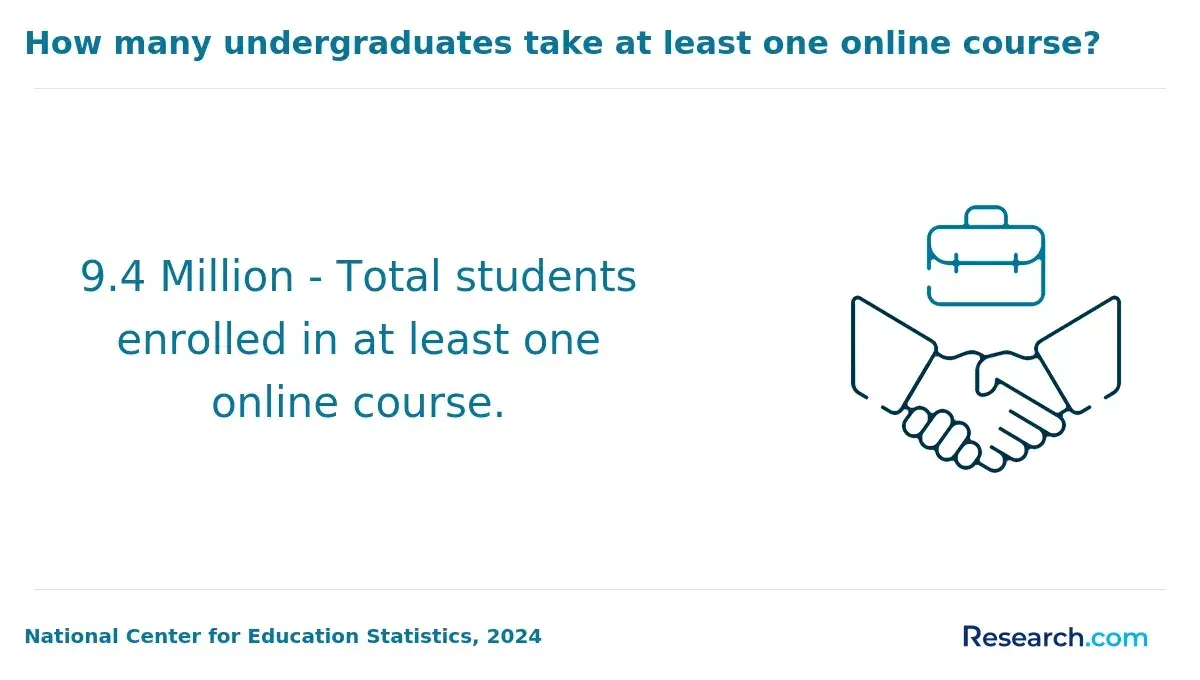
Waiting lists for rn to bsn programs create a bottleneck for many experienced nurses aiming to advance their credentials quickly, delaying critical career moves and salary increases. With 65% of adults pursuing online education in 2024, according to the National Center for Education Statistics, demand for flexible, immediately accessible programs is reshaping enrollment strategies across healthcare education. Traditional cohort limitations clash with workforce urgency, forcing nurses to juggle employment demands against slow academic pathways. This article identifies rn to bsn programs with no waitlists, offering timely guidance on accelerating degree completion while aligning with evolving workforce expectations and adult learner realities.
Key Things You Should Know
- Programs with no waitlist accelerate credential attainment by 25% compared to national averages, critical as 67% of hospitals mandate BSN-prepared nurses for leadership, resulting in faster role elevation and salary growth.
- The tradeoff involves higher tuition premiums-up to 15% above average-stemming from accelerated admissions, demanding upfront financial readiness versus deferred opportunity costs tied to delayed enrollment.
- Employers increasingly prioritize candidates from no-waitlist cohorts, viewing their timely BSN completion as an indicator of adaptability under workforce shortages projected to reach 200,000 vacancies by 2028.
What are RN to BSN programs with no waitlist, and who are they best for?
Programs that eliminate waitlists for RN to BSN offer a direct pathway for registered nurses to quickly meet escalating employer requirements for a bachelor's degree. For example, a nurse employed at a regional hospital with critical staffing shortages can leverage these fast admission RN to BSN programs for working nurses to avoid typical enrollment backlogs and fulfill immediate workforce needs.
This quick access addresses a practical employment risk: delayed program entry often results in lost job opportunities or stalled advancement, especially in clinical settings emphasizing BSN credentials. The labor market reflects sustained demand, with around 194,500 annual openings projected through 2034, underscoring the importance of seamless enrollment systems aligned with workforce supply.
These rn to bsn programs without enrollment delays frequently utilize asynchronous online coursework combined with local clinical placements, accommodating professionals balancing full-time work. However, candidates must weigh potential tradeoffs:
- Variability in program rigor and clinical practicum depth
- Importance of accreditation for employer recognition
- Networking and specialization opportunities potentially reduced in no-waitlist formats
Nurses aiming for academic progression or advanced practice roles should consider these factors carefully. Evaluating the balance between expediency and comprehensive skill development is essential for long-term career impact. Among options, the fastest RN to BSN program online exemplifies how program design can maximize timely enrollment while maintaining essential standards.
How do RN to BSN programs without waitlists work, and how fast can you finish?
RN to BSN programs with no waitlist and accelerated completion times address a critical workforce bottleneck by allowing immediate enrollment, which can be decisive for nurses facing competitive job markets or urgent employer demands. Hospitals increasingly require BSN credentials for leadership and specialty roles, making any delay in degree completion a tangible barrier to salary growth and advancement. Programs that eliminate waitlists typically offer mostly online structures with flexible pacing, enabling full-time nurses to complete degrees within 12 to 18 months by taking multiple courses per term or continuous year-round enrollment.
How fast can you complete RN to BSN programs without waiting depends largely on individual course loads and transfer credit policies. Most programs leverage prior RN experience to reduce redundant coursework, but students must carefully evaluate prerequisites and clinical practicum logistics, especially ensuring local or virtual availability to avoid unexpected delays.
Immediate access reduces opportunity costs from stalled promotions or salary plateaus and better positions nurses to meet rising credential standards, especially in urban hospital systems rapidly phasing out non-BSN staff. This accelerated alignment can open doors to specializations such as nursing informatics, community health, or administration, which are often inaccessible without a BSN.
- Flexibility to balance 6 to 9 credit hours per term with ongoing clinical duties
- Potential to complete degree requirements in as few as 12 months
- Minimized wait times compared to traditional cohorts that may delay start for up to a year
For nurses evaluating pathways, understanding how institutional policies on transfer credits and clinical placements affect pacing is essential. Equally important is reviewing broader education market trends such as those highlighted in marketing masters tuition and duration data for parallel insights into accelerated degree costs and value.
What admission requirements do no-waitlist RN to BSN programs typically have for licensed RNs?
No-waitlist RN to BSN programs strictly require an active, unencumbered RN license from a U.S. state or territory, paired with graduation from an accredited ADN or diploma program recognized by CCNE or ACEN. Admission standards typically demand official transcripts reflecting a cumulative GPA between 2.5 and 3.0, ensuring candidates can manage the academic rigor of bachelor-level coursework. Licensed RN eligibility requirements for RN to BSN programs with no waitlist also include prerequisite coursework in statistics, microbiology, anatomy, physiology, and English composition-either completed before or concurrent with the BSN curriculum to maintain clinical and research proficiency.
Many applicants must provide statements that articulate their professional goals, revealing their motivation to advance clinically and academically. Recommendations from clinical supervisors or faculty confirm workplace readiness, an essential element in cohort models that, despite no-waitlist policies, have limited seats. Importantly, employers increasingly favor BSN-prepared nurses, associating the degree with enhanced leadership and critical thinking abilities. The U.S. Bureau of Labor Statistics reports a median annual wage of $98,430 for BSN-educated RNs as of May 2025, demonstrating tangible workforce and economic advantages.
Working nurses pursuing no-waitlist RN to BSN programs often juggle clinical shifts and academic demands. Programs that offer part-time or fully online formats address this practical friction without compromising timely degree completion. For those exploring alternatives, consider nursing schools that don't require TEAS exams, which can reduce admission barriers and accelerate entry into these pathways. For a detailed comparison and options, visit nursing schools that don't require TEAS.
How do online and campus-based no-waitlist RN to BSN programs compare for working nurses?
Working nurses face distinct operational challenges when choosing between online versus campus based no waitlist RN to BSN programs for working nurses, with critical tradeoffs that affect both the timeline to degree completion and the quality of clinical experience. Online programs offer unmatched scheduling flexibility, accommodating nurses juggling 12-hour shifts or multiple locations by allowing asynchronous learning, which minimizes income disruption and accelerates program completion. However, these programs may complicate access to clinical practicums, often requiring students to secure placements independently.
Conversely, campus-based no waitlist RN to BSN programs provide structured, in-person clinical mentoring and networking, valuable for nurses targeting specialty roles within urban hospital systems. The drawback lies in inflexible scheduling, which can be prohibitive for those with overtime or rotating shifts in hospital or community health environments.
The median registered nurse wage of $93,600 anchors cost-benefit analysis since tuition impacts must be weighed against potential income gains post-degree. Nurses in rural or underserved areas frequently find flexible no waitlist RN to BSN programs suited for employed nurses more practical, avoiding relocation and helping address regional workforce shortages.
- Time flexibility in online programs vs. rigid schedules on campus.
- Reduced commuting and housing expenses online, offset by technology fees.
- Campus access to immediate clinical practicums vs. decentralized, local placements online.
Employers increasingly mandate BSN credentials but prioritize demonstrated clinical competency over program format. Working nurses must evaluate how delivery mode impacts clinical proficiency acquisition within 12 to 18 months while balancing ongoing work commitments and income.
For those considering advanced degrees after the BSN, exploring specialized options such as online DNP programs offers further flexibility and strategic career pathways.
What accreditation and state board approvals should RN to BSN students verify before enrolling?
Selecting RN to BSN programs without both national accreditation (CCNE or ACEN) and state board approval undermines licensure eligibility and delays workforce entry. State-specific board recognition is non-negotiable; nurses intending to practice in California or New York, for instance, face mandatory enrollment in locally approved programs. Failure to comply often leads to license verification hold-ups, extending the time between graduation and employment.
Accreditation confirms academic and clinical rigor, but state board approval governs practical licensure feasibility. Prospective students should verify program status through official state registries or documentation to avoid costly credentialing setbacks and wasted tuition.
Programs lacking this dual validation pose risks such as delayed employment, reduced employer confidence, and additional recertification expenses. The financial advantage of accredited, state-approved online programs is notable-some offer accelerated two-term sequences (~12 months) costing roughly $10,650, enabling quicker transition to higher income.
Key considerations when evaluating RN to BSN programs include:
- Ensuring combined CCNE/ACEN accreditation and state board approval
- Verifying program approval through state nursing board registries
- Understanding regional licensure requirements to prevent post-graduate delays
- Balancing accelerated program costs against potential credentialing risks
What courses and clinical or practice experiences are included in most RN to BSN curricula?
RN to BSN curricula prioritize targeted clinical and leadership skills aligned with evolving employer expectations for nurses capable of broader care coordination and quality improvement. Coursework often covers healthcare policy, ethics, population health, pathophysiology, and nursing research. Clinical hours tend to be fewer than initial licensure programs but focus strategically on community assessment, health promotion, and interdisciplinary collaboration, reflecting demands for measurable institutional outcomes.
Consider a working nurse employed at a regional hospital who integrates clinical assignments assessing social determinants of health with leading patient education on chronic disease management. This dual focus fosters skills that transfer across acute care and public health sectors, increasing versatility in a fluctuating job market.
Students must navigate balancing coursework and professional responsibilities, often opting for programs offering flexible or online clinical placements. Those aiming for leadership roles should scrutinize programs emphasizing informatics and management to avoid credentialing mismatches or scheduling conflicts that can impede progress.
Employers are increasingly favoring BSN-prepared nurses due to correlations with improved patient outcomes; facilities with at least 80% BSN staffing demonstrate stronger quality benchmarks (American Hospital Association, 2024). Interpreting the RN to BSN pathway as a bridge between bedside care and higher-level health system roles highlights its practical value amid healthcare's complexity.
How much do no-waitlist RN to BSN programs cost, and what financial aid is available?
Choosing no-waitlist RN to BSN programs requires balancing cost, transfer credit flexibility, and employer support to avoid unnecessary delays and expenses. Public institutions typically charge $6,000-$12,000 for in-state students, while private or out-of-state options can reach $30,000. This price variance shapes decisions for working nurses seeking efficient enrollment and tuition control.
The ability to transfer up to 90 credits can drastically reduce both completion time and tuition. For example, a nurse with an associate degree might need only about 30 additional credits, enabling faster degree attainment and lower costs. Such credit policies are especially relevant for professionals managing full-time jobs alongside coursework.
Federal Pell Grants cover up to $7,395 annually for eligible students, supplemented by fixed-interest federal loans near 5%. State-specific nursing aid and employer tuition reimbursement or scholarships frequently reduce the financial burden further, but only if prospective students proactively verify these benefits.
- Institutions vary widely in costs based on public/private status and residency.
- Transfer credit acceptance directly affects program duration and total expense.
- Employer assistance and state aid provide critical additional funding streams often overlooked until late in planning.
Failing to integrate these elements risks overpayment and prolonged education timelines, undermining both career progression and financial stability. Working nurses should prioritize programs with aggressive credit acceptance and transparent tuition assistance policies to navigate these tradeoffs effectively.
How does earning a BSN impact nursing career advancement, roles, and leadership opportunities?
Nurses without a BSN frequently encounter institutional barriers to leadership roles, as healthcare organizations increasingly require this degree for supervisory and specialized functions. Data from the National Center for Education Statistics shows BSN-prepared nurses attain advanced positions 35% more often than those with only an ADN. In large hospital settings, a staff nurse moving from ADN to BSN can realistically access charge nurse or nurse educator roles within two years-positions seldom open to those without the BSN credential.
The expansion from RN to BSN broadens eligibility for roles tied to policy development, quality assurance, and interdisciplinary collaboration, areas where BSN qualifications have become a de facto standard. Employers often prioritize BSN holders for leadership pipelines aligned with Institute of Medicine recommendations, impacting workforce distribution and professional development opportunities.
Operationally, BSN graduates experience a 12-15% higher starting salary on average compared to ADN peers and better access to employer-sponsored advancement programs. However, RN to BSN programs maintain moderately selective admissions, frequently requiring a minimum GPA between 2.5 and 3.0, which mirrors competitive entry but remains attainable for most candidates.
These constraints and opportunities highlight the tangible tradeoffs involved in pursuing an RN to BSN pathway, particularly within health systems aiming for Magnet status or enhanced patient care outcomes. Strategic academic investment aligns with concrete pay scale progression and elevated roles, making the degree a critical consideration for nurses intent on upward mobility within integrated care networks.
What salary differences and earning potential exist between RNs with an ADN and those with a BSN?
Replacing an ADN with a BSN credential typically yields a meaningful salary increase due to employer preference and role requirements, not merely degree completion. Median wages for ADN-educated RNs hover around $68,000 annually, whereas BSN holders begin about 10-15% higher, crossing $80,000 in roughly five years, especially in facilities with Magnet accreditation.
In practice, an ADN nurse at a community hospital making approximately $65,000 may stall without upward mobility. Upgrading to a BSN can open doors to clinical educator or nurse manager positions, raising potential earnings toward $90,000. These roles usually demand BSN credentials to meet leadership or specialty care standards.
Financially, affordable RN to BSN programs charging under $8,000 total tuition make the transition feasible for working nurses, though candidates must weigh tuition against lost wages during study and variable employer reimbursement policies. Some hospitals only incentivize BSN completion with pay differentials or bonuses, adding complexity to the cost-benefit analysis.
Key considerations include:
- Employer-specific pay structures and bonus eligibility
- Program duration and flexibility to balance with work commitments
- Long-term career trajectory implications beyond immediate salary gains
Ultimately, nurses evaluating RN to BSN programs must gauge local labor market trends and institutional reward systems to make pragmatic decisions about investing time and resources for degree advancement.
How is the job outlook for BSN-prepared nurses, and where is demand growing most?
The ongoing preference for BSN-prepared nurses reshapes registered nurse hiring dynamics, where a bachelor's degree increasingly serves as a gateway to supervisory and specialized roles. Employment projections from the U.S. Bureau of Labor Statistics indicate a 7% growth in registered nurse jobs through 2034, outpacing many fields. This growth aligns with employer demands, especially within metropolitan hubs like California and Texas, where integrated health systems prioritize nurses trained in evidence-based care and informatics over associate degree counterparts.
Employers tend to require BSN credentials within 2-3 years of employment, particularly for positions involving care coordination or quality improvement. In practical terms, a hospital expanding outpatient services may select BSN nurses to lead interdisciplinary teams and develop care protocols, roles less suited to associate degree RNs.
Challenges remain for working nurses due to the traditional 2-4 year BSN timelines, which conflict with existing job and family responsibilities. However, many RN to BSN programs mitigate these constraints by offering fully online curricula that can be completed in two semesters, reducing barriers related to time and tuition.
Prospective students should weigh these factors: rapid program completion, clinical applicability, and recognition by employers significantly impact the return on investment and hiring competitiveness. This selection process favors programs that pragmatically balance nursing workflow realities with market demands, enabling effective career pivots within healthcare systems increasingly focused on bachelor's-level nursing competencies.
Other Things You Should Know About RN to BSN Programs
Most rn to bsn programs offer part-time and online options designed for working nurses, but balancing work and study requires disciplined time management. Students should expect a consistent weekly workload that includes reading, assignments, and sometimes synchronous sessions, which can strain schedules if employers do not offer flexible hours. Prioritizing programs with asynchronous coursework increases flexibility, reducing conflict with shifts and allowing students to progress steadily without pauses.
Employers often prioritize programs accredited by recognized bodies like CCNE or ACEN over program logistics like waitlists. No waitlist programs might expedite workforce entry, but the curriculum quality, clinical experience, and accreditation are critical factors in employer evaluation.
Accelerated rn to bsn programs with no waitlists enable faster degree completion but demand intensive study periods, which can increase stress and reduce time for work and personal responsibilities. Traditional paced programs offer more balance and time for deeper learning but extend the timeframe before career benefits materialize. For those already working in demanding roles, prioritizing paced programs supports sustained performance and reduces burnout risk.
Most RN to BSN programs require a criminal background check and a drug screen before clinical placement or final admission. Schools often use a vendor approved by the state board of nursing or the clinical partner, and results must be cleared before students can begin required practice experiences.
References
- Getting Your BSN: Between Online, On-Campus and Hybrid Programs, What Is the Right Option For You? https://nightingale.edu/blog/online-or-on-campus-bsn.html
- Bachelor of Science in Nursing Program https://nursing.utmb.edu/Academics/Programs/Undergraduate/BSN/RN-BSN
- EdAssist | The future of nursing https://www.brighthorizons.com/resources/blog/edassist/the-future-of-nursing
- Nursing Programs with No Waitlist: Find Top Schools with Streamlined Admissions https://www.edumed.org/online-schools/nursing-rn-programs/no-waitlist/
- The Impact of Education on Nursing Practice https://www.aacnnursing.org/news-data/fact-sheets/impact-of-education-on-nursing-practice
- Top Nursing Schools with No Waitlist (2026) | Fast-Track BSN & ADN Programs https://nursfpxwriters.com/top-nursing-schools-with-no-waitlist-2026-guide/
- How Do Nurses Navigate Career Advancement? | NursingEducation https://nursingeducation.org/insights/career-advancement/
- What Is an RN to BSN Degree? (Program Benefits & Curriculum) https://www.allnursingschools.com/bsn/rn-to-bsn/
- What is the Job Outlook for Nurses? | University of Bridgeport https://www.bridgeport.edu/news/what-is-the-job-outlook-for-nurses/
- ADN Nursing Salary: Overview and FAQ https://credenzahealth.com/career-advice/adn-nursing-salary-overview-and-faq