2027 RN to BSN Admission Requirements Explained

Co-Founder and Chief Data Scientist
Navigating the admission requirements for RN to BSN programs can feel like a high-stakes puzzle for registered nurses balancing full-time jobs and family obligations. With nearly 65% of adult learners citing scheduling flexibility as a decisive factor in enrollment decisions according to the National Center for Education Statistics, ineffective planning can delay career advancement or wage increases.
Rigid prerequisites and unclear documentation often complicate timely program entry, diminishing opportunities in a healthcare market increasingly demanding BSN-prepared nurses for leadership and specialized roles. This article breaks down the essential admission criteria and procedural nuances to empower candidates with strategic clarity and enrollment efficiency.
Key Things You Should Know
- RN to BSN programs increasingly require GPA minimums averaging 3.0, restricting access for mid-career nurses and forcing costly remediation that delays credential completion by 6-12 months per National League for Nursing data.
- Employers in 2025 report 72% preference for BSN-prepared nurses, especially in Magnet and teaching hospitals, pressuring RNs to advance education rapidly or risk stagnating wages and leadership roles.
- Federal nursing workforce forecasts highlight uneven state approval for accelerated online RN to BSN run routes, causing regional disparities in cost and timeline savings, complicating strategic enrollment decisions.
What are the standard RN to BSN admission requirements at accredited U.S. nursing schools?
Admission criteria for accredited U.S. RN to BSN programs prioritize clinical readiness and unencumbered licensure, with most requiring an active RN license verified by state boards. This filter reflects employer demand for candidates who can immediately meet professional standards during and after program completion. Fulfilling only academic prerequisites, such as an ADN or nursing diploma with a minimum GPA typically around 2.5 in key science courses, remains necessary but insufficient without this licensure clearance.
Applicants should expect to submit transcripts alongside documented general education credits and possibly recommendations that validate clinical aptitude and professional reliability. Background checks and immunization records align with clinical placement requirements, factors that often complicate enrollment logistics for employed nurses balancing work and study.
Programs structured as RN to BSN online with no clinicals can mitigate scheduling conflicts but sometimes sacrifice hands-on experience favored in specialty nursing roles. This tradeoff invites candidates to assess their career trajectory needs carefully, as some employers and healthcare settings emphasize clinical hours as part of credential validation.
Meeting these standards influences both access and future workforce positioning: RNs without a bachelor's face limitations in leadership and specialty roles. Consequently, evaluating the specific enrollment requirements for accredited U.S. RN to BSN programs is essential to closing eligibility gaps before application.
Do you need a current, unencumbered RN license to enroll in an RN to BSN program?
Maintaining a current unencumbered registered nurse license is a non-negotiable enrollment prerequisite for virtually all RN to BSN programs in 2026. This strict licensure requirement ensures candidates meet state regulatory standards and remain employable during program participation, allowing working RNs to sustain clinical skills and income. Programs rejecting applicants with expired or restricted licenses recognize the extended administrative delays and remediation these candidates face before eligibility restoration.
Additionally, the RN license prerequisite for RN to BSN enrollment intersects with minimum GPA benchmarks, which typically range from 2.5 to 3.0, with a preferred 3.0 in prior nursing coursework. This dual hurdle preserves academic rigor while confirming practical licensure readiness. Some hybrid or bridge models diverge by offering pathways including NCLEX prep or initial licensure, but these are separate from traditional RN to BSN programs that require active RN status upfront.
Applicants evaluating these pathways should actively verify licensure status early and align academic records accordingly. Overlooking these steps risks disqualification despite strong credentials. Career-wise, a valid license supports continued employment and tuition funding, which are vital for balancing study and work.
Prospective students seeking flexible options might explore alternatives such as online accelerated nursing programs for non nurses, which often include licensing preparation, differing from standard RN to BSN tracks but relevant for specific workforce entry points.
What prior education and minimum GPA are required for RN to BSN program eligibility?
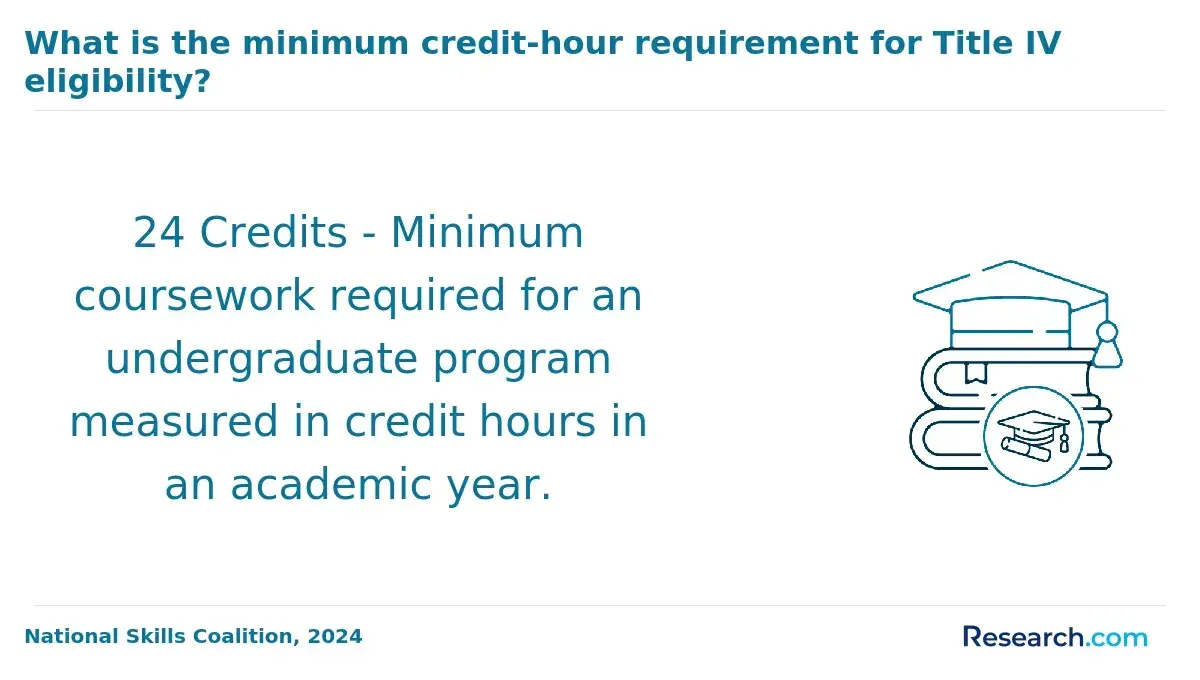
Admission to RN to BSN programs is contingent on holding an active, unencumbered RN license and completing an accredited associate degree in nursing (ADN) or a diploma in nursing. Attempting to bypass this foundational requirement often leads to outright rejection or conditional entry requiring extra coursework. Minimum GPA standards for RN to BSN program eligibility generally fall between 2.5 and 3.0, with a rising preference for 3.0 in highly competitive admission cycles. This threshold aligns with employer expectations, serving as a practical indicator of readiness to master advanced nursing concepts.
Over 90% of programs mandate completion of prerequisite courses such as anatomy, physiology, microbiology, and statistics before admission. These courses establish essential scientific and analytical frameworks underlying effective clinical decision-making and leadership in healthcare settings. Failure to meet these prerequisites can delay program start dates, increasing both time and tuition costs for working RNs balancing employment and education demands.
Employers recruiting bachelor's-prepared nurses view mastery of prerequisite coursework as a strong predictor of program completion and skill application. Candidates must therefore verify transcript accuracy and course equivalencies early, considering retaking courses that do not meet the minimum benchmarks to avoid admission denial or attrition. For those evaluating pathways with varied admission competitiveness, exploring less competitive nursing programs can offer some relief from steep entry requirements but comes with tradeoffs regarding institutional reputation and network benefits.
How do online RN to BSN admission requirements compare with campus-based programs?
Admission criteria for online RN to BSN programs largely parallel those for campus-based tracks, with a critical baseline: over 95% require an active, unrestricted RN license. This standard is non-negotiable, aligning with employer expectations for verified clinical competency across delivery methods. Differences emerge in how prerequisites are managed; online programs reduce friction by utilizing digital transcripts and virtual advising, accommodating nurses with irregular hours or geographic constraints-a practical advantage for inpatient nurses who continue employment during study. This streamlined approach contrasts with campus programs often demanding in-person orientation or assessments, which can introduce delays and logistical challenges.
Both pathways verify professional experience, but online options typically offer flexible documentation methods suited to varied work settings like home health or outpatient clinics, which lack standardized record-keeping. Meanwhile, campuses may impose additional gatekeeping through interviews or skill demonstrations, balancing rigor against increased cost and time commitments. Online programs substitute these with virtual simulations and competency checks to uphold accreditation.
Deciding between online and campus RN to BSN program requirements involves weighing convenience against potential increases in admission rigor. Understanding these tradeoffs has direct workforce implications, especially when assessing how the mode of study impacts transition into leadership or specialized roles. Professionals exploring similar nursing education pathways might also consider the best DNP programs online as a subsequent step toward advanced practice.
In practice, choosing the optimal pathway depends as much on individual work circumstances as on program protocols, shaping both the journey and outcomes of career advancement.
What clinical experience, employment, or residency criteria affect RN to BSN admissions?
Admission criteria for RN to BSN programs are often a balancing act between clinical currency and program flexibility, with an emphasis on recent, direct patient care experience. A typical requirement is active RN licensure coupled with documented employment in a clinical setting spanning at least six months to a year. This focus on recent practice ensures candidates have the practical grounding necessary to engage with advanced coursework and complex care environments. Schools differ in their approach; some require proof of ongoing employment at application, while others accept retrospective clinical hours within a defined window.
Challenges arise for nurses working outside inpatient hospital settings, such as outpatient or community roles, where some programs may question the equivalency of such experience. Verification of clinical hours and employment timing can complicate admissions, especially when aligning with application deadlines.
The increase in online RN to BSN programs-now about two-thirds of offerings-is a direct response to workforce demands for education models that accommodate professional schedules, though many programs still mandate clinical or simulation practicums. These requirements present logistical hurdles for nurses in remote or underserved regions, impacting their progression and completion timelines.
- Secure documented RN employment with defined clinical hours within the last 12 months
- Confirm that the clinical setting aligns with program acceptance criteria
- Assess online program options designed for schedule flexibility
- Account for any state residency or healthcare system partnership prerequisites
- Strategize around required clinical or simulation practicum obligations
What documents, tests, and supplemental materials are typically required for application?
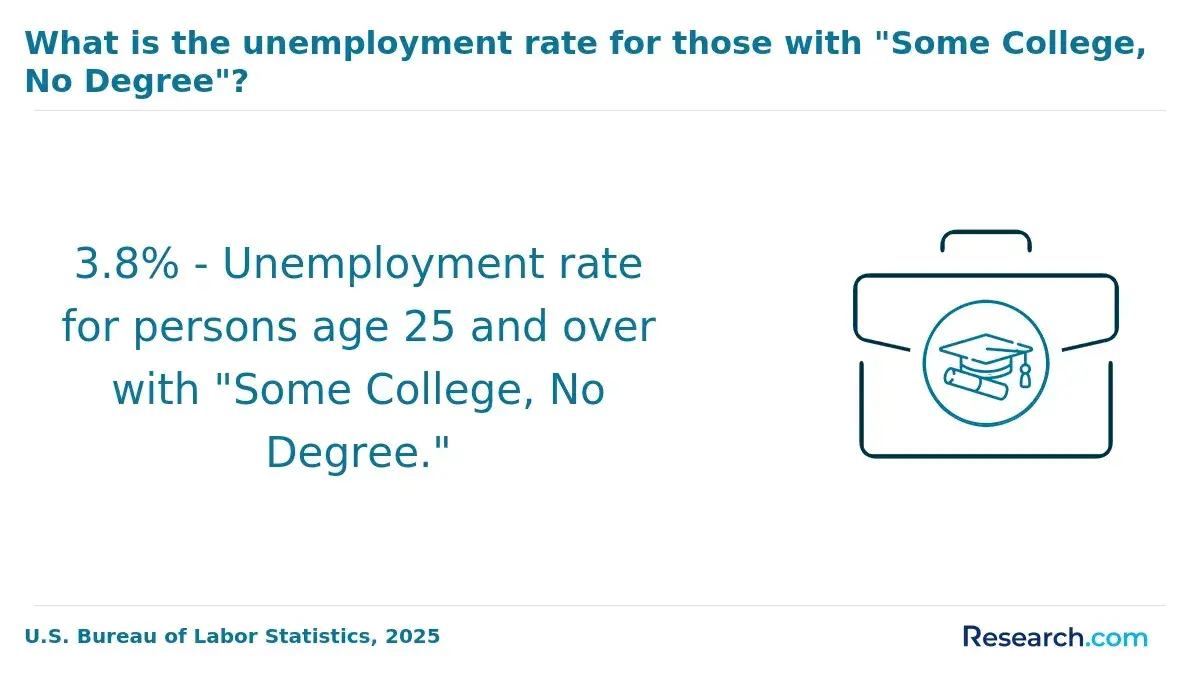
Entry requirements for RN to BSN programs impose a significant filter that shapes the candidate pool and ultimately influences workforce readiness. Applicants must submit official transcripts confirming an active registered nurse license and completion of an accredited associate degree or nursing diploma. Minimum GPA standards, commonly between 2.5 and 3.0, create an early academic performance threshold correlated with program completion and employment potential.
Many institutions also require standardized tests such as the TEAS or HESI exams. These assessments evaluate skills in reading comprehension, math, and science-areas imperative for navigating complex clinical scenarios and evidence-based practice critical to BSN curricula.
Hands-on experience is non-negotiable; typically, one year of active nursing is mandatory, often supplemented by supervisor recommendations assessing practical competencies and interpersonal skills essential for advanced nursing roles. Written statements outlining career objectives help identify candidates whose goals align with both program rigor and healthcare system needs.
Financial planning is a practical concern. Tuition typically ranges from $10,000 to $30,000, though some online programs offer options near $7,000, affecting decisions about the timing and method of education while balancing work commitments.
Applicants should weigh these entry barriers against employer expectations that increasingly favor BSN-prepared nurses for leadership and specialty roles, recognizing how the rigor and proof of clinical aptitude embedded in these requirements reflect real-world applicability.
How do program accreditation and state board approval impact RN to BSN admission choices?
Accreditation and state board approval fundamentally shape the viability of RN to BSN program choices, directly influencing licensure validity and employer acceptance. Programs lacking ACEN or CCNE accreditation often fall short of national curriculum standards, risking graduates' eligibility for advanced licensure or key roles where BSN qualifications are mandated. Similarly, enrolling in programs without state board approval can lead to non-recognition by licensing authorities, especially problematic in states with rigorous regulatory frameworks.
For instance, a registered nurse pursuing leadership positions within hospital systems that prioritize BSN credentials faces real risk if selecting non-accredited or unapproved programs. Time, tuition, and effort invested may yield limited returns due to employer non-recognition or licensing roadblocks.
Data from the 2024-2025 BRN School Survey indicates that only about 67% of qualified BSN applicants gained admission in 2023-2024, a bottleneck primarily caused by scarce clinical placement availability. This heightens the importance of targeting accredited and state-approved programs, which not only assure recognized credentials but also tend to provide stronger admission pipelines. Candidates must navigate escalating competition by strategically verifying program status and reinforcing their application profiles.
- Confirm accreditation status through ACEN or CCNE to ensure curriculum rigor and broader acceptance.
- Verify state board approval aligned with the nurse's licensure or employment location.
- Anticipate stronger admission criteria and prepare accordingly with clinical experience and prerequisites.
- Consider the risks of delays or credential invalidation if the program's approval is unclear or lacking.
Ignoring these elements can restrict interstate licensure portability and complicate financing options, turning accreditation and approval from mere formalities into essential strategic benchmarks for advancing nursing careers through RN to BSN programs.
What transfer credit and prerequisite course policies apply to RN to BSN applicants?
Transfer credit policies in RN to BSN programs impose significant practical constraints that directly affect time-to-completion and financial planning. Many programs limit transferred credits to 75-90 of the required 120 credits, primarily from accredited community colleges or nursing schools, and typically mandate completion of an ADN or diploma with a minimum GPA ranging from 2.5 to 3.0. Prerequisite courses-often including English composition, microbiology with lab, anatomy and physiology, and statistics-must generally be completed before admission, with many institutions insisting on grades of C or higher, and sometimes a B or above for sciences.
Applicants frequently encounter restrictions on accepting technical, clinical, or experiential credits, especially from coursework completed over five years ago, necessitating retaking foundational classes that incur additional time and cost. For example, a hospital-employed RN holding an older ADN credential may face the challenge of balancing full-time work with completing updated prerequisites to remain competitive for leadership roles.
The evaluation of transcripts is rigorous, referencing standards from the American Association of Colleges of Nursing (AACN), and poor alignment can delay admission or require remedial coursework, affecting salary progression. Given that BSN-prepared nurses earn 5-10% higher wages and command stronger leadership opportunities, strategic planning to complete outstanding prerequisites promptly is essential.
How do program length, tuition costs, and financial aid options factor into admission planning?
Choosing an RN to BSN program requires balancing timeline, financial impact, and career outcomes with real-world constraints on work and income. Programs lasting 12 months demand full-time commitment, often forcing nurses in acute care to reduce hours or take unpaid leave, causing short-term income loss but potentially accelerating access to management roles. In contrast, part-time or online formats stretching up to 24 months enable steady employment but delay credentialing and associated pay increases, which can diminish return on investment.
Tuition costs range widely-from approximately $7,000 to $25,000-posing a significant upfront expense especially for nurses in lower-income or rural settings. Evaluating costs must include anticipated employer reimbursement, federal loans, and scholarship deadlines, as financial aid packaging is time-sensitive and often competitive given a reported 9.6% enrollment increase in RN to BSN programs from 2022 to 2023.
Practical decision-making should weigh:
- Program duration versus personal and financial capacity to manage hours away from work
- Net costs after aid relative to projected salary gains
- Employer expectations for BSN credentials aligned with career pathways
These factors directly affect long-term career stability and risk of attrition or debt, underscoring the importance of integrating educational planning with employment realities and financial strategies.
What RN to BSN career outcomes, salary expectations, and job outlook justify admission requirements?
Admission criteria for RN to BSN programs increasingly emphasize leadership and communication competencies as a response to employer demands for nurses who extend their role beyond bedside care. Data from the National Nursing Education Database shows over 70% of these programs require coursework specifically focused on these skills, which aligns with the growing need for nurses capable of managing teams, coordinating complex care, and engaging in systems-level improvement.
Financially, nurses with BSN degrees earn about 10-15% more than associate degree RNs, with median salaries near $80,000 versus $70,000, according to the U.S. Bureau of Labor Statistics. This wage premium is accentuated in hospital environments and specialty care where leadership and critical thinking have direct operational impact. For example, a nurse advancing through an RN to BSN program in a metropolitan hospital might secure roles such as charge nurse or clinical coordinator, enhancing job security and compensation.
Projected employment growth for BSN-prepared nurses is approximately 15% through 2032, outpacing many health professions. Demand concentrates in agencies prioritizing evidence-based practice and interprofessional collaboration, requiring candidates to demonstrate leadership potential and communication readiness. Screening for these competencies during admission reduces dropout rates and improves graduate employability.
Effective preparation demands balancing clinical expertise with soft skills, ensuring that the effort and cost of education translate into measurable career and financial returns.
Other Things You Should Know About RN to BSN Programs
Balancing full-time work with an RN to BSN program is feasible, but most programs demand strong time management because coursework often includes asynchronous classes as well as clinical or practicum components. Programs with flexible online formats reduce schedule conflicts but do not eliminate workload challenges-students often still face weekly deadlines and group projects that require collaboration outside standard hours. Prioritizing programs with predictable schedules and clear communication can improve completion rates for working professionals.
Clinical practicum requirements vary but remain a key factor in program rigor and employer recognition of the BSN credential. Some programs offer simulation or project-based alternatives to traditional clinical hours, which benefit working nurses unable to commit to onsite hours. Candidates should weigh how each program's practicum aligns with career goals and employer expectations; programs lacking meaningful clinical components may limit hands-on skill development valued in management or specialty roles.
For 2027, RN to BSN admission requirements typically include having an active RN license, an associate degree or diploma in nursing, and a minimum GPA as specified by the program. Additionally, some programs may require specific prerequisite courses in subjects like statistics or anatomy.
Program reputation, based on accreditation, faculty experience, and graduate outcomes, should take precedence over the shortest possible completion time. Although accelerated programs can reduce time to degree, they may demand intense workloads that compromise learning depth. A well-regarded program often provides better networking opportunities, curriculum rigor, and employer recognition-elements that can positively impact long-term career advancement beyond initial certification.
References
- Getting Your BSN: Between Online, On-Campus and Hybrid Programs, What Is the Right Option For You? https://nightingale.edu/blog/online-or-on-campus-BSN.html
- Tuition & Financial Aid - Noorda College https://www.noorda.edu/tuition/
- Career Outlook - RN to Bachelor of Science in Nursing (BSN) - BenU https://online.ben.edu/programs/nursing/rn-to-BSN/careers/
- What Can You Do With a BSN? Careers, Salary, and Next Steps https://stmary.edu/nursing-accelerated/what-can-you-do-with-a-BSN.html
- Why Nursing School Accreditation Matters | All Nursing Schools https://www.allnursingschools.com/how-to-get-into-nursing-school/school-accreditation/
- RN vs BSN Degree: What are the Key Differences? https://www.chamberlain.edu/blog/rn-vs-BSN-whats-the-difference-between-rn-and-BSN
- Spark - Webflow HTML Website Template https://www.beallyou.org/post/what-are-supplemental-materials-for-college-applications
- Nursing Program | Harris Health System https://jobs.harrishealth.org/nursing-program
- BSN Admission Requirements https://uthsc.edu/nursing/BSN-admission-requirements.php
- How Many Prerequisites Are Needed for Nursing? [2026] https://www.straighterline.com/blog/nursing-how-many-prerequisites-for-nursing