2027 Can You Finish RN to BSN Part Time?

Co-Founder and Chief Data Scientist
Balancing a full nursing workload while pursuing an RN to BSN part time presents a complex challenge that directly impacts career momentum and financial stability. The Bureau of Labor Statistics highlights a 12% growth in registered nurse roles requiring bachelor's degrees, underscoring urgent pressure on nurses to upgrade credentials without sacrificing employment hours. Yet navigating program structures, clinical requirements, and employer expectations can result in extended timeframes well beyond initial estimates, risking burnout and delaying advancement. Understanding how part-time pacing intersects with admission flexibility, course modalities, and workforce demands is essential for realistic planning. This article unpacks key factors that determine whether finishing an RN to BSN part time is feasible, efficient, and aligned with professional goals.
Key Things You Should Know
- RN to BSN part-time completion extends average program duration by 40%, raising total debt by 25% per National Center for Education Statistics data, challenging affordability without immediate employer tuition aid.
- Over 70% of U.S. hospitals require or strongly prefer BSN-prepared nurses as per the American Nurses Credentialing Center, making delayed BSN completion a strategic liability for career advancement.
- Balancing clinical work and part-time education increases burnout risk by 15%, complicating retention in high-demand nursing roles according to the U.S. Bureau of Labor Statistics' 2024 workforce survey.
Can you realistically complete an RN to BSN program on a part-time schedule?
Nearly 82% of post-licensure RN to BSN programs in Texas offer part-time enrollment, reflecting widespread structural accommodation for working nurses. This accessibility supports flexible rn to bsn programs for working nurses who must balance professional shifts with academic demands. Typically, nurses manage one or two courses each semester, adding 6-12 study hours weekly alongside a full 36-40 hour clinical workload. This adjustment extends part-time rn to bsn program completion time from 12-18 months full-time to 24-36 months part-time.
Employers prioritize the credential's attainment over pace, recognizing its importance for leadership or specialty certifications, but delayed completion can postpone salary increases or managerial opportunities. Scheduling clinical practicums presents real challenges; fixed hours at some sites may conflict with variable nursing shifts, necessitating advance arrangements with employers for shift swaps or reduced hours.
The tradeoffs of part-time study include prolonged financial commitments and the need for sustained discipline. Nurses must plan for these realities and manage expectations regarding workload and calendar constraints. For those maintaining income continuity and family responsibilities, part-time completion offers a practical path, though it demands strategic time management.
For a detailed overview of affordable program options aligned with these considerations, see RN BSN.
How long does a part-time RN to BSN usually take from start to finish?
Completion timelines for part-time RN to BSN programs in the US vary widely, typically ranging from 6 to 48 months. Texas's 2024 statewide survey indicates the median duration is 12 months, with significant variation influenced by course load, scheduling flexibility, and personal circumstances. Nurses balancing full-time shifts usually progress at a pace of one to two courses per term, which aligns with steady, manageable advancement without intensifying work-life conflict.
Practical experience shows that working nurses in high-demand settings often extend timelines beyond a year, especially without employer tuition reimbursement or flexible hours. Conversely, less demanding roles or strong external support can accelerate the process closer to six months. Considering the typical duration for part-time RN to BSN programs in the US helps in realistically planning how education impacts employability and workload.
Employers favor candidates demonstrating consistent and timely progress; rapid completion signals effective time management and motivation, whereas prolonged studies nearing 48 months can raise concerns about commitment unless justified by external factors. Program length decisions should match individual career aims and life constraints:
- Short durations (6-12 months) suit nurses aiming for swift upskilling or leadership roles.
- Moderate timelines (12-24 months) offer a balanced approach for those managing work and family.
- Extended durations (24-48 months) accommodate complex personal demands but may threaten momentum.
Budgeting for tuition and anticipating employer support are critical. Nurses must assess how timing affects salary opportunities and job eligibility to optimize returns on educational investments. For those weighing options, specific program admissions can differ; for example, exploration of the easiest ABSN to get into may offer alternative accelerated pathways.
What admission requirements do nurses need for part-time RN to BSN programs?
Admission to part-time RN to BSN programs demands an active RN license and completion of an accredited associate degree in nursing or equivalent diploma. Nursing prerequisites for part-time RN to BSN programs typically include official transcripts showing a minimum GPA around 2.5 to 3.0, and foundational science coursework in anatomy, physiology, and microbiology. Programs often require at least one year of clinical practice as a licensed RN, reflecting employer expectations for both academic readiness and practical experience.
Beyond meeting admissions criteria, candidates face significant challenges balancing work, family, and study obligations. For instance, an RN working 12-hour night shifts will grapple with fatigue that limits daytime study, underscoring the need for programs offering asynchronous content and flexible deadlines. A national survey found that over 70% of RN-to-BSN program directors cite family and work commitments as major barriers to retention. These realities reflect how time management and institutional support directly affect the feasibility of part-time study.
Prospective students should also realistically assess employer tuition assistance options against program format and scheduling demands. Many employers increasingly require BSN credentials for advancement but weigh them alongside demonstrated job performance. Careful upfront evaluation of program flexibility and nursing prerequisites for part-time RN to BSN programs can minimize attrition risk. For those seeking cost-effective options, reviewing affordable online nursing programs may inform decisions that balance financial and career goals.
How do online and campus-based part-time RN to BSN programs compare?
Choosing between online and campus-based part-time RN to BSN programs hinges on balancing flexibility against direct clinical engagement. Online programs offer asynchronous coursework tailored to nurses managing irregular shifts or family commitments, but demand strong self-discipline, especially in securing clinical hours independently. Campus-based programs, by contrast, provide structured schedules with embedded clinical simulations and mentorship, which often facilitate quicker local job placements through hospital affiliations and networking.
Employers place equal value on accredited degrees from both modalities; however, online graduates must clearly demonstrate time management and self-motivation during hiring, while campus graduates benefit from in-person exposure that enhances clinical networking. Employment outcomes reflect this parity: BSN graduates report a 77% employment rate at graduation and 93% within six months, surpassing general baccalaureate classes, highlighting credential impact over delivery mode.
Prospective students assessing the differences between online and campus-based part-time RN to BSN programs should also consider logistical realities and workforce demands:
- Online formats benefit those needing maximum scheduling flexibility but may prolong clinical placement timelines due to self-arrangement requirements.
- Campus programs integrate clinical hours within coursework, promoting smoother progression but limit flexibility for working nurses.
Deciding factors depend on one's work-life context and career objectives. For nurses considering further credentials, resources like the FNP post master's certificate guide advanced clinical training options beyond the BSN.
What courses and clinical experiences are included in a part-time RN to BSN curriculum?
Part-time RN to BSN programs shape nurses to meet evolving employer expectations, emphasizing leadership, critical thinking, and health informatics. These curricula extend beyond bedside care to include community health assessments, quality improvement initiatives, and research-driven practice, aligning academic content with practical workforce demands. A nurse in an intensive care unit, for example, might apply epidemiological methods learned in a population health practicum at a community clinic, thereby integrating work and study without career disruption.
Clinical hours typically range from 90 to 120, with many programs offering flexible arrangements such as virtual simulations or community projects to accommodate ongoing employment. This model contrasts with traditional full-time tracks by significantly reducing in-person obligations. However, students must evaluate program structures carefully: some require independently secured practicum sites, introducing potential delays and added administrative burden.
Market data reveals median RN wages near $86,070 with job growth projected at 6% over the decade, underscoring the value of BSN credentials in advancing compensation and job security. Coursework in informatics and interprofessional collaboration prepares graduates for roles requiring technology management and team leadership in complex care settings.
Balancing clinical requirements, course deadlines, and employment demands strong time management skills. Program selection should prioritize logistical compatibility with professional responsibilities to avoid extended time to degree completion.

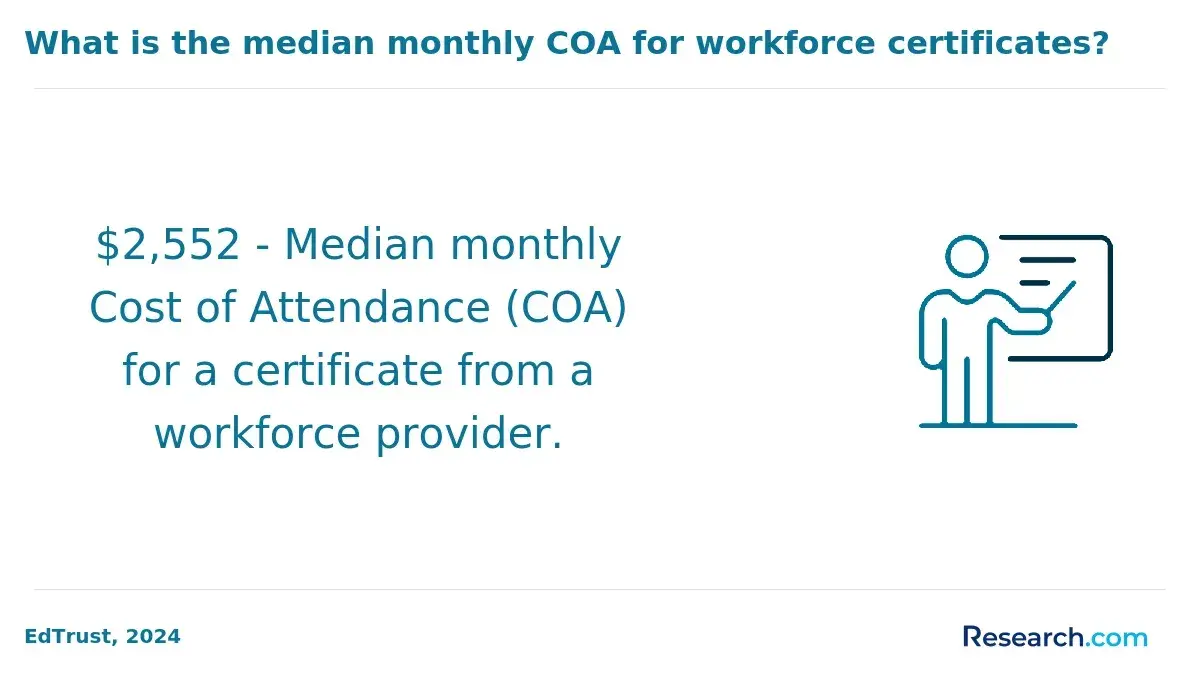
How much does a part-time RN to BSN cost, and what financial aid is available?
Part-time RN to BSN programs cost between $5,000 and $9,000 in tuition, with in-state rates as low as $5,376 at the University of Central Florida and $8,911 at California State University-Fullerton. Beyond tuition, students need to budget for additional expenses-fees, textbooks, and technology charges can add 10-15% to total costs. These hidden fees often complicate financial planning for working nurses aiming to balance study and income.
Federal Pell Grants and Direct Loans provide crucial financial aid, with repayment deferred until after graduation or a drop below half-time enrollment. Employer tuition reimbursement programs frequently cover partial or full costs but commonly require continued employment for a set period. For example, a nurse with a $5,000 annual reimbursement cap may take two years to cover a $9,000 program, delaying degree completion and associated wage increases.
Loan forgiveness programs in underserved areas offer additional relief but demand geographic and employment commitments that influence career mobility.
Choosing a part-time RN to BSN program involves tradeoffs: spreading out payments reduces immediate financial pressure but risks prolonging the time before nurses reap higher wages tied to BSN credentials. Healthcare employers increasingly prefer BSN-prepared nurses, making transparency in program costs and aid availability vital in assessing return on investment.
What accreditation and state licensure factors matter for RN to BSN programs?
Accreditation and state licensure verification are decisive factors that shape the practical value of RN to BSN programs. Programs accredited by agencies recognized by the U.S. Department of Education or the Council on Higher Education Accreditation-such as the Commission on Collegiate Nursing Education (CCNE) or the Accreditation Commission for Education in Nursing (ACEN)-ensure curriculum standards that align with employer expectations and regulatory compliance. Graduates from unaccredited programs face serious risks, including diminished job prospects and potential non-acceptance of their credentials by hiring healthcare systems.
State nursing boards impose distinct requirements that can significantly affect licensure renewal and the practical transferability of credits. For instance, a nurse licensed in California enrolling in a Texas-based online RN to BSN program must confirm that the Texas program meets California's Board of Registered Nursing criteria. Ignoring state-specific compliance can lead to delays in licensure renewal and reduce eligibility for clinical roles in regulated environments.
Part-time enrollment poses additional challenges in financial aid eligibility and timelines but does not inherently compromise academic outcomes, as shown by a 94.40% completion rate reported in Weber State University's latest outcomes data.
Prospective students should:
- Verify accreditation status via CCNE or ACEN directories.
- Consult their state board to confirm the program's alignment with state clinical and licensing standards.
- Assess financial aid constraints linked to part-time study options.
This layered due diligence supports licensure validity and workforce readiness, especially in states with strict licensure reciprocity rules and healthcare settings requiring strict compliance.
How does earning a BSN part time impact nursing salary and career advancement?
Part-time completion of a BSN consistently strengthens salary prospects by 10% to 20% within a few years post-graduation, a tangible advantage grounded in U.S. Bureau of Labor Statistics and American Nurses Association data. This pathway accommodates full-time work, preserving income while meeting employer expectations for leadership and specialty nursing roles that typically mandate a BSN credential.
Part-time RN to BSN programs generally extend over two to three years because of reduced course loads, with most adopting online formats to allow nurses flexible scheduling that aligns with variable shifts and family responsibilities. This online delivery model directly addresses the common challenge of balancing continuous employment with advancing education.
For example, a hospital-based registered nurse who pursues a part-time BSN becomes eligible for positions such as nurse manager or clinical specialist, roles that report median salaries approximately $15,000 higher than those available to RNs without a BSN, according to the 2024 National Healthcare Salary Report. Lacking a BSN restricts upward mobility and caps wage growth in many systems.
Financially, nurses benefit when employers offer tuition reimbursement programs, which alleviate the cost burden of online RN to BSN coursework and facilitate career progression. Yet access to BSN-preferred roles is uneven, particularly in rural or under-resourced regions, where advancement is slower due to limited local opportunities.
Successful navigation of part-time RN to BSN pathways demands strategic planning to align course completion with internal promotion cycles. This foresight helps maximize the return on investment for time and financial resources while maintaining required clinical hours throughout the transition.
What is the job outlook for BSN-prepared nurses compared with RNs without a BSN?
Nurses holding a BSN demonstrate notably stronger employment prospects than those without, driven by a persistent employer preference for higher education levels in hospital settings. Data from AACN indicates that over 70% of hospital RNs currently possess or are pursuing a BSN, reflecting strategic workforce standards rather than mere credentialism. This trend correlates with documented improvements in patient outcomes and enhanced leadership capabilities among BSN-prepared nurses.
For RNs balancing ongoing work, part-time RN to BSN programs offer a viable path to retain current roles while expanding future opportunities, such as positions in specialty units or management. For example, a nurse employed in a regional hospital can maintain their clinical schedule as they progressively meet education requirements, thus positioning themselves for upward mobility without sacrificing job stability.
Contrastingly, RNs without a BSN face limited wage growth, fewer advancement opportunities, and greater hiring competition as educational thresholds rise. Employers increasingly expect BSN-level critical thinking and coordination skills, integral to initiatives like value-based care models.
Part-time RN to BSN graduates effectively combine frontline experience with relevant academic training, producing versatile professionals. However, this balance demands disciplined time management to mitigate burnout risk, making the long-term career investment a crucial consideration.
- Employer preference favors nurses with BSN qualifications in over 70% of hospital RN workforces.
- Part-time RN to BSN studies allow nurses to sustain employment while enhancing career mobility.
- BSN credentials align with job roles requiring critical thinking and care coordination.
- RNs without a BSN face stagnant wages and limited advancement amid rising educational standards.
How can working nurses choose a high-quality, flexible RN to BSN program?
Choosing an RN to BSN program requires balancing total credit load, scheduling flexibility, and accreditation to minimize time and financial costs. The wide credit range-from 21 to 120 semester hours-significantly affects both the duration and expense of completion. For nurses working 20 to 30 hours weekly, asynchronous courses and part-time enrollment options become essential to prevent burnout and maintain steady progress.
Programs accredited by CCNE or ACEN carry weight in employment decisions and curriculum quality. Nurses with extensive clinical experience, such as five years in ICU, should prioritize programs offering credit for prior learning to reduce redundant coursework, potentially cutting required credits by one-third or more. This approach can shorten the path by months while sustaining educational rigor.
Large credit requirements often indicate unnecessary general education components that delay entry into advanced roles. Lower credit programs align better with workforce needs by enabling a faster transition to management or specialized positions. Geographic and schedule constraints also shape program suitability, with hybrid and fully online structures addressing common barriers faced by nurses in rural settings or with irregular shifts.
- Credit requirements vary drastically-from 21 to over 100 credits-impacting cost and completion time.
- Quality accreditation correlates with employer recognition and graduate outcomes.
- Programs that recognize clinical experience reduce duplication and accelerate graduation.
- Flexibility in delivery mode supports working nurses balancing shifts and studies.
Evaluating NCLEX pass rates and employment statistics helps ensure alignment beyond degree completion with real workplace demands and career mobility.
Other Things You Should Know About RN to BSN Programs
Part-time RN to BSN students often face limited access to preferred clinical sites because many agencies prioritize full-time students for placements. This can lead to scheduling challenges and less control over clinical hours, potentially extending program duration. Prospective students should prioritize programs with strong clinical partnerships and flexible scheduling options to avoid delays in completing hands-on requirements.
Balancing work and part-time study increases the risk of burnout and fragmented learning, which can impair deep understanding and skill mastery. Time-constrained students may struggle to engage fully with complex nursing leadership or research content. Prioritizing programs with targeted support services and manageable workloads is essential for sustaining academic success and practical competency growth.
Employers generally do not distinguish between part-time and full-time BSN credentials; what matters most is completion and accreditation. However, part-time study demonstrates the applicant's ability to manage multiple responsibilities, which can signal strong time management skills. Candidates should highlight their work-study balance as evidence of dedication during job interviews.
References
- RN-to-BSN Admissions Requirements https://www.muw.edu/nursing/bsn/rnbsn/admissions/
- RN to BSN Program Length | University of Bridgeport https://www.bridgeport.edu/news/rn-to-bsn-program-length/
- RN-to-BSN Degree Programs - A Helpful Guide https://nursinglicensemap.com/nursing-degrees/bachelor-of-science-in-nursing/rn-to-bsn/
- RN to BSN Program Online: Bachelor of Science Nursing https://www.chamberlain.edu/academics/nursing-school/rn-to-bsn
- How Much Can I Earn With a BSN? https://www.allnursingschools.com/bsn/salary/
- Baccalaureate Education https://www.aacnnursing.org/students/nursing-education-pathways/baccalaureate-education
- What is the Best Online RN to BSN Program? A Guide for Working Nurses https://webber.edu/what-is-the-best-online-rn-to-bsn-program-a-guide-for-working-nurses/
- 28 Cheapest RN to BSN Online Programs of 2025 https://www.rntomsn.org/cheapest-online-rn-to-bsn-programs/
- Online RN to BSN Program - Advance Your Nursing Career https://nevadaonline.unr.edu/academics/undergraduate/rn-to-bsn
- BSN vs RN: What Is the Difference? https://nightingale.edu/blog/rn-vs-bsn.html